

For any feedback please reach out to info@festivalinside.com
- “The 16 Secret Meanings Behind America’s Most Famous Novels” - September 25, 2026
- 20 Music Legends Who Changed the Industry Forever - September 25, 2026
- Why Some Books Only Work in the First Person - September 24, 2026
The world of Formula 1 is always evolving, and the 2025 season is set to bring some game-changing updates to the sport. Whether you’re a die-hard fan who knows every corner of every track or a casual viewer who enjoys the excitement, these rule changes will impact the way the races unfold and the strategies that teams deploy. Here’s a breakdown of the most significant rule changes for the 2025 season that every real motorsport enthusiast needs to know.
The End of the Fastest Lap Bonus Point
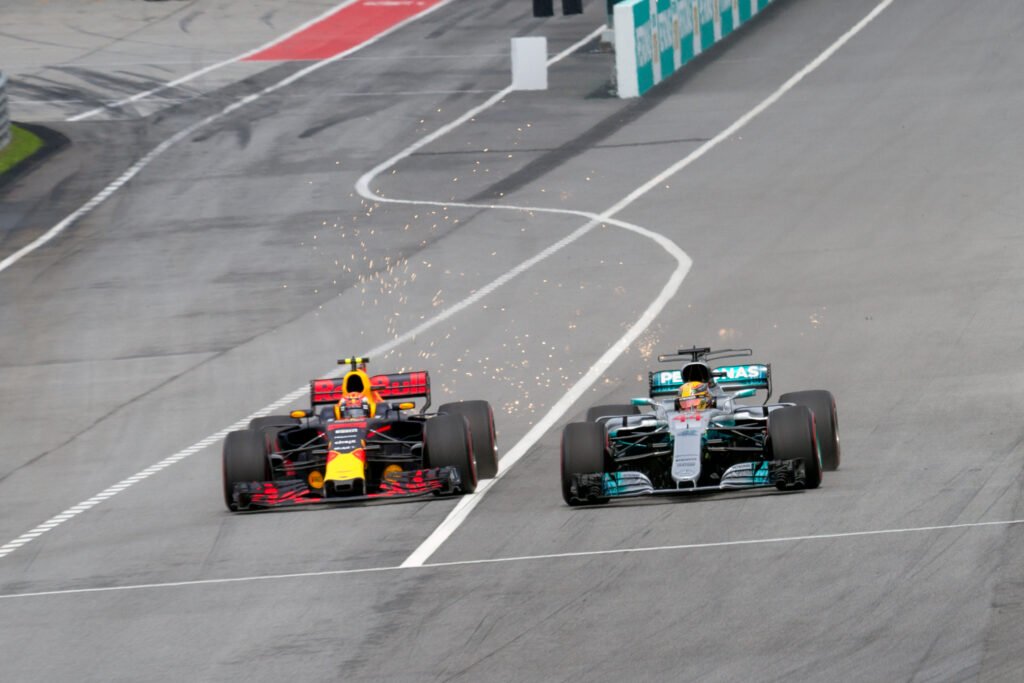
One of the most notable changes in 2025 is the abolition of the bonus point for setting the fastest lap in a race. The fastest lap point has often provided an extra thrill, but it has also led to controversies. Some drivers focused on securing a fast lap instead of concentrating on the overall race strategy. By removing this point, Formula 1 aims to focus more on overall race performance and reduce strategic manipulation. This change is expected to simplify race outcomes and encourage consistency throughout the race. Fans can anticipate a renewed emphasis on endurance and strategy, which could make the races more engaging.
Changes to the Minimum Driver Weight Requirement
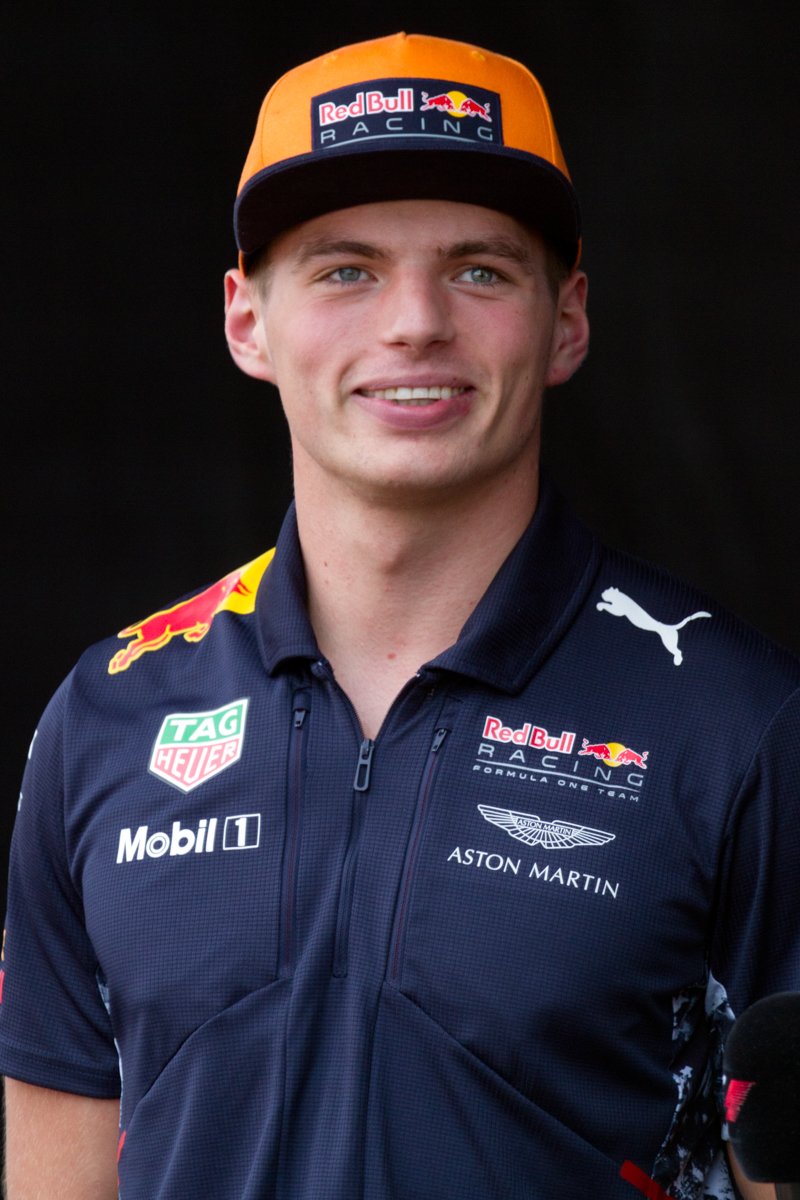
The minimum weight limit for drivers is rising to 82 kg, up from 80 kg, and this includes the driver’s seat insert. This change reflects the growing physical demands on F1 drivers and aims to enhance safety and performance. Additionally, if temperatures exceed 30.5°C, teams can add an extra 5 kg for a driver cooling system, ensuring comfort and safety. This adjustment also affects the car’s overall weight, now set at 800 kg without fuel. These changes demonstrate the FIA’s commitment to balancing safety with the sport’s physical challenges, ensuring drivers can perform at their best under varying conditions.
Young Driver Practice Sessions Expanded

To nurture upcoming talent, teams are now required to field a young driver—defined as someone with two or fewer F1 starts—during two practice sessions per season. Previously, only one practice session was mandated. This change allows young drivers to gain invaluable experience, ensuring the sport’s future is bright with new stars. It also introduces an element of unpredictability, as these young drivers mingle with veterans, offering fresh dynamics to race weekends. Fans can look forward to witnessing the next generation of F1 talent in action, adding excitement and diversity to the races.
Stricter Penalty Enforcement
Formula 1 is adopting a stricter approach to penalty enforcement in 2025. If a driver fails to serve a penalty correctly or violates race procedures, the FIA can impose a secondary penalty. This could include adding time or even disqualifying a driver if the penalty is deemed improperly managed. The goal is to ensure fairness and consistency across the sport. By reducing instances of penalties being overlooked or manipulated, the integrity of the races is maintained. Fans can expect more transparent and fair racing, enhancing the overall experience.
Monaco Grand Prix Pit Stop Mandate
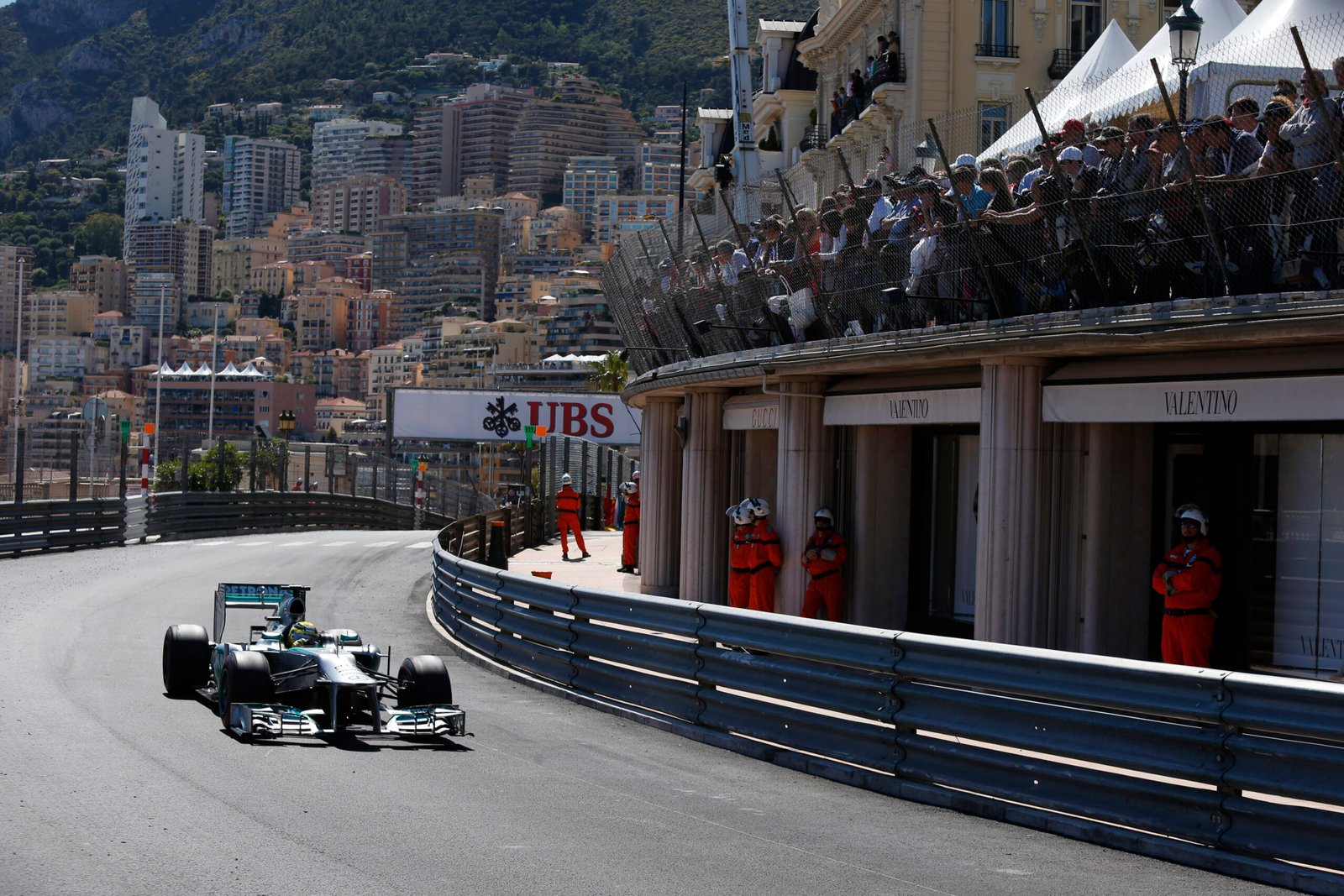
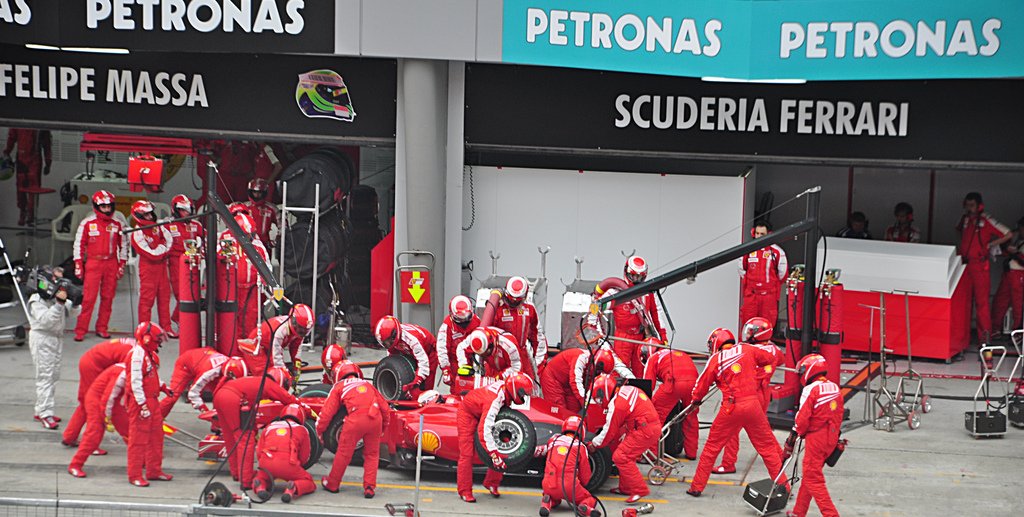
A new rule requires drivers to make at least three pit stops during the Monaco Grand Prix. Known for its tight corners and narrow streets, Monaco offers unique challenges, and this mandate aims to make the race even more thrilling. With more pit stops, teams must be precise with tire management, testing every aspect of their race strategy. This change promises to shake up the race dynamics, providing fans with high-stakes drama and strategy on one of the most challenging tracks in the world. The added complexity will test teams’ adaptability and decision-making skills.
Tightened Testing Regulations
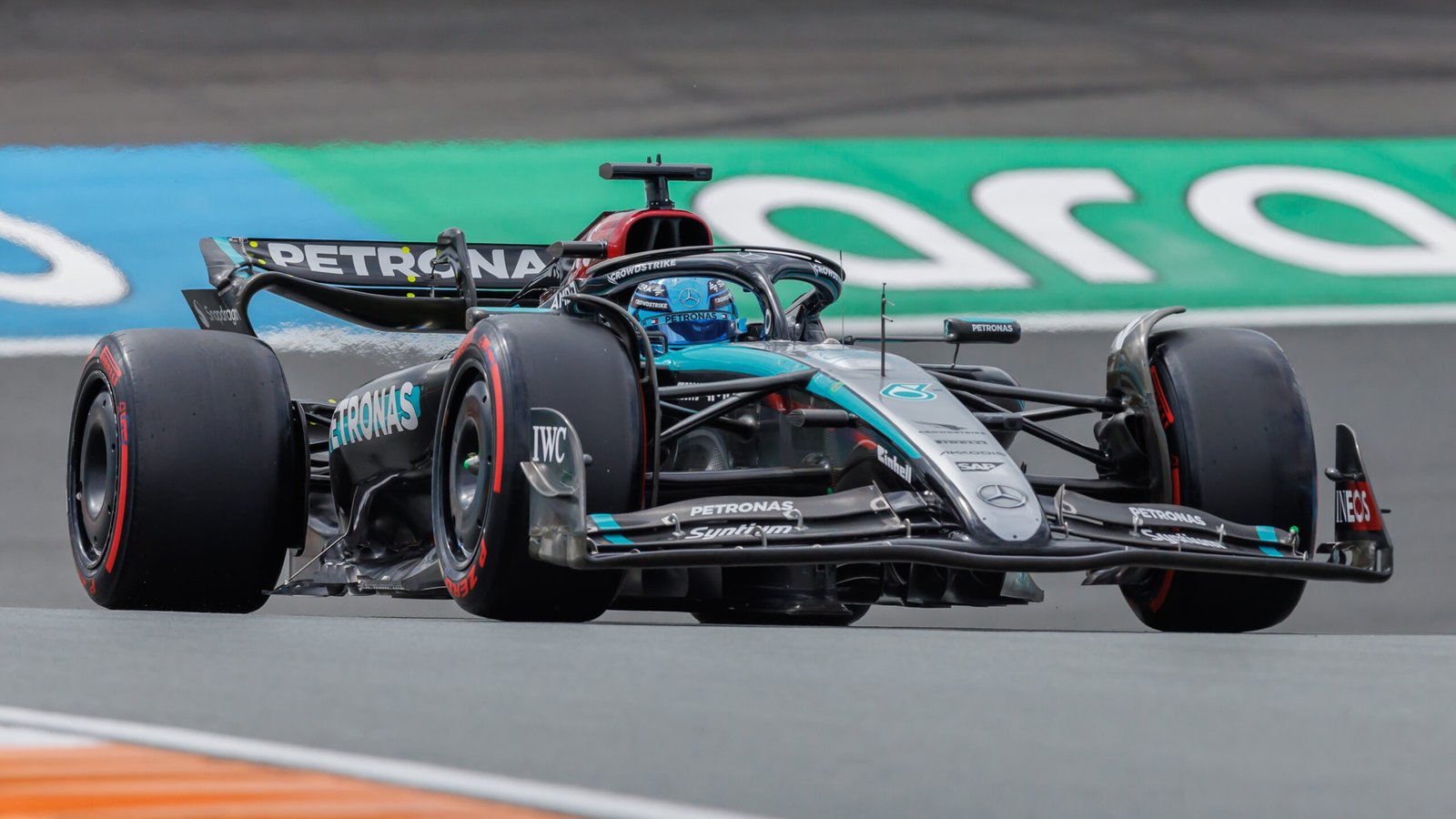
To keep costs down and prevent unfair advantages, testing regulations are being tightened for 2025. Teams are limited to 20 days of testing with previous-generation cars, with restrictions on official drivers participating only four days. Tests are capped at 1,000 km per test and must occur at circuits that hosted a Grand Prix in the current or previous season. Testing is prohibited in the 60 days around a race. These limitations level the playing field, ensuring results reflect in-race performance rather than out-of-season development. Fans can anticipate closer competition and more equitable races.
Enhanced Driver Cooling Systems

In response to safety concerns in extreme weather, Formula 1 is introducing mandatory driver cooling systems for all cars in the 2025 season. When race temperatures soar, teams must use these systems, including custom cooling vests and in-car components. This rule addresses the increasing physical demands on drivers, aiming to prevent heat-related illnesses. Ensuring drivers maintain peak performance throughout the race, this change prioritizes safety and well-being. Fans can expect drivers to perform at their best, regardless of conditions, enhancing the excitement of the races.
New Regulations on Swearing and Misconduct
Formula 1 is cracking down on inappropriate language and misconduct within the sport. From 2025, the FIA will impose fines and penalties on drivers, teams, and officials for offensive language or gestures. The focus is on maintaining professionalism, holding drivers to higher standards of behavior on and off the track. This change reflects F1’s commitment to protecting the sport’s integrity and public image. Fans can anticipate a more respectful and professional atmosphere, enhancing the overall experience and reputation of Formula 1.
The Sprint Race Format Stays, but With Adjustments
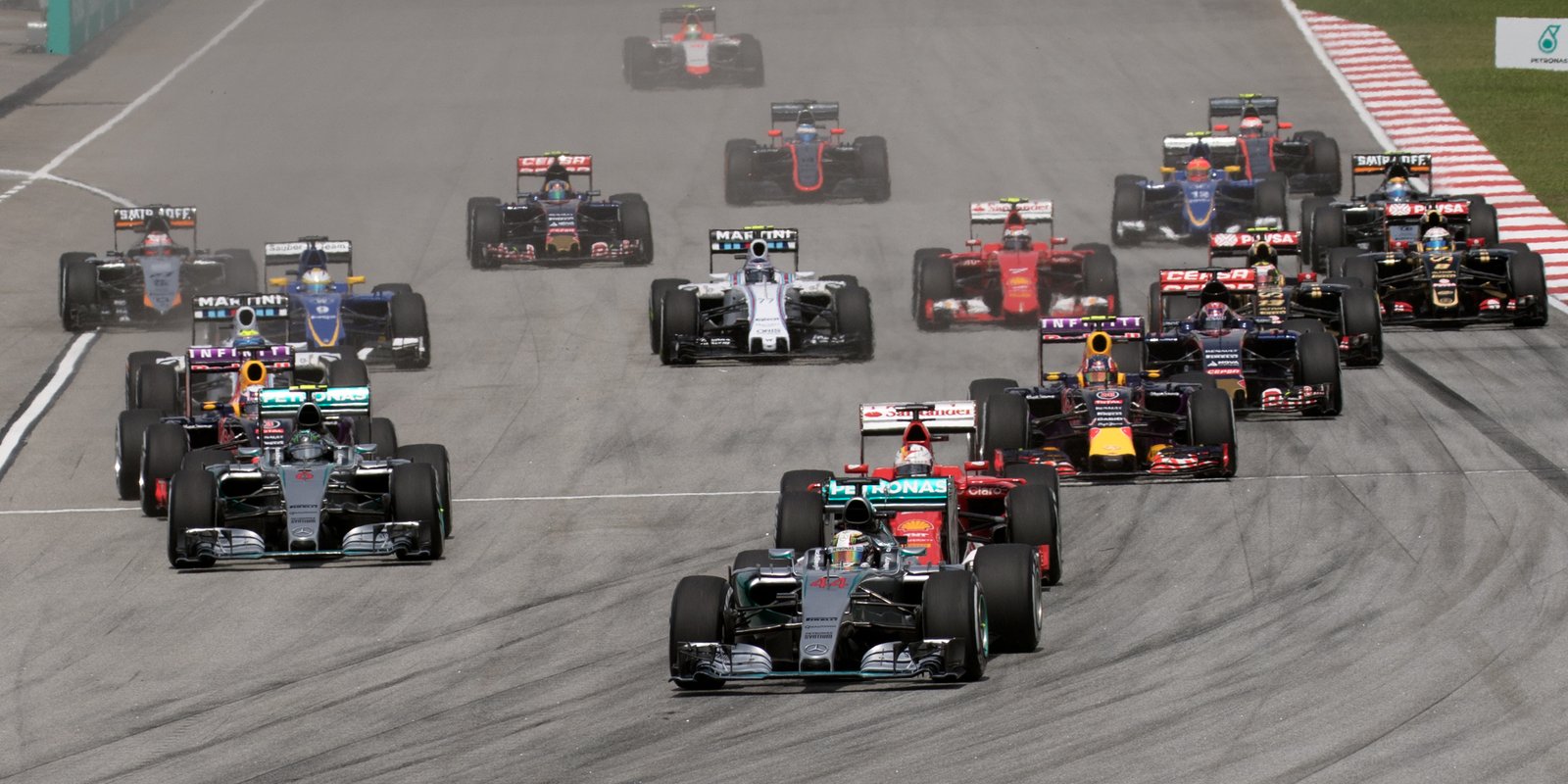
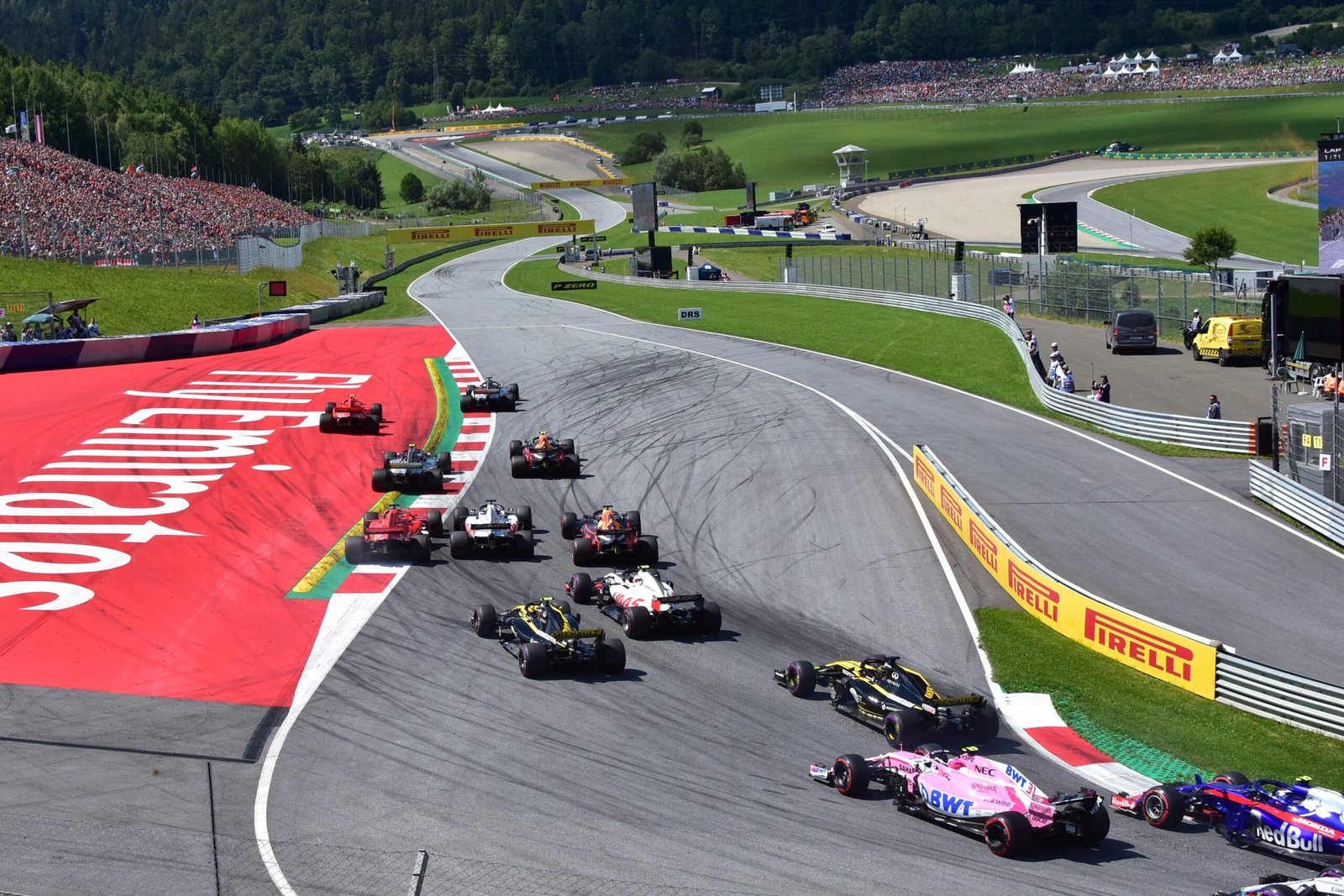
The sprint race format will remain in 2025, with six races scheduled for the season at select venues, including China, Miami, Belgium, and more. Sprint races offer extra racing action and more points opportunities, encouraging risk-taking and overtaking. These races add excitement to weekends, giving fans more to enjoy. The adjustments ensure that the format continues to thrill, providing a dynamic and engaging experience for spectators. Fans can look forward to more intense and action-packed race weekends.
Driver Conduct Regulations Tightened
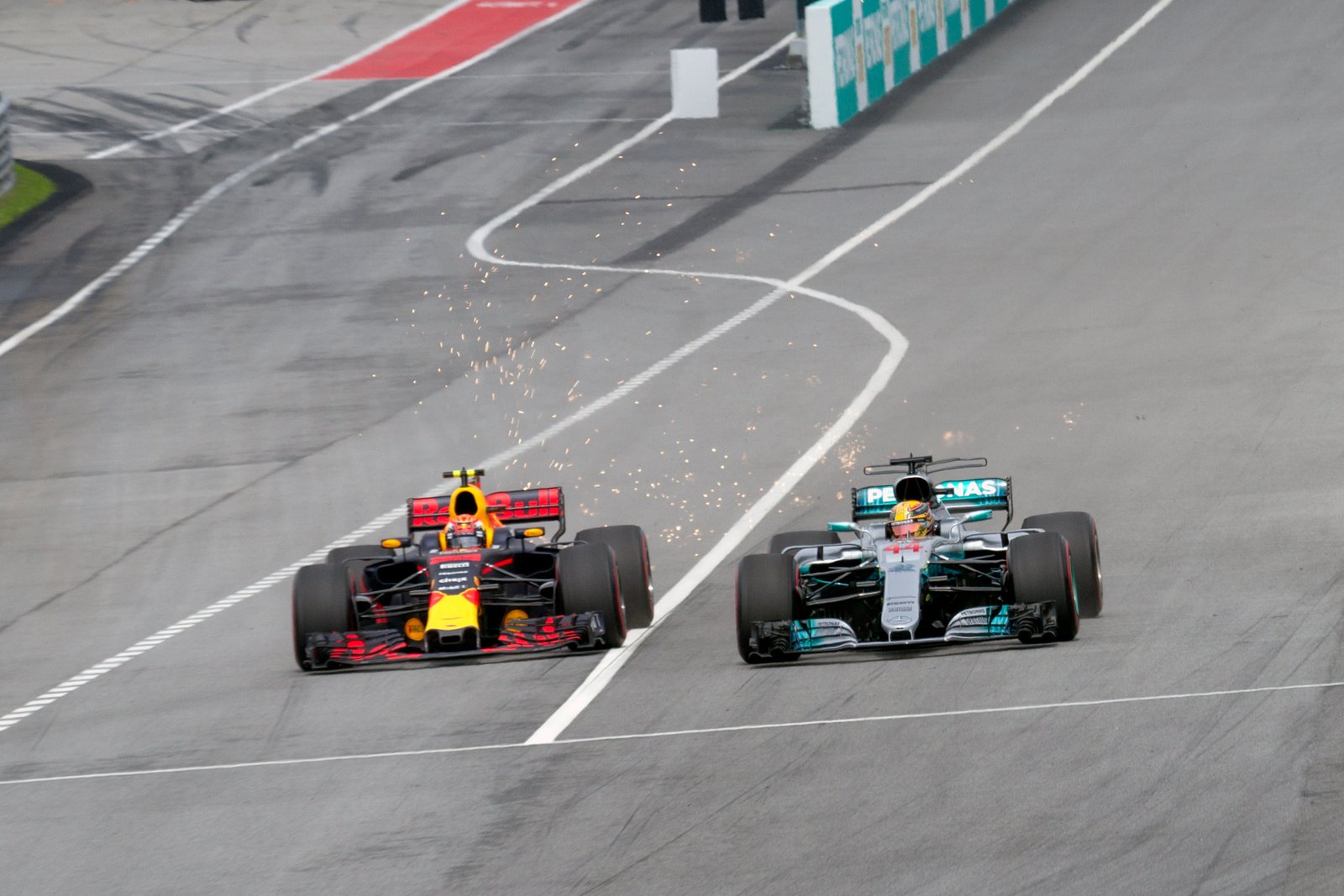
Formula 1 is introducing specific guidelines for driver conduct during races, emphasizing sportsmanship and avoiding dangerous behavior. Penalties for poor conduct, such as reckless maneuvers or unsportsmanlike behavior, will be more stringent. This rule change ensures the sport remains competitive yet fair, maintaining respect among drivers and teams. Fans can expect more responsible and respectful racing, enhancing the competition and camaraderie on the track. The emphasis on conduct reflects F1’s dedication to upholding the sport’s values and enhancing the fan experience.

Christian Wiedeck, all the way from Germany, loves music festivals, especially in the USA. His articles bring the excitement of these events to readers worldwide.
For any feedback please reach out to info@festivalinside.com
