

For any feedback please reach out to info@festivalinside.com
- 31 ’70s Lyrics That Were Hiding in Plain Sight the Whole Time - September 9, 2026
- Iconic Speeches That Echo Through History, Still Stirring Souls Today - September 9, 2026
- 10 Underrated 80s Rock Bands Whose Music Deserves a Dramatic Revival - September 9, 2026
Many songs from the 1970s carried layers of meaning that went unnoticed by casual listeners at the time. These tracks often wrapped political commentary, personal struggles, or social critiques in catchy melodies and seemingly straightforward words. Over the years, closer examination has revealed how much was there all along.
American Pie by Don McLean
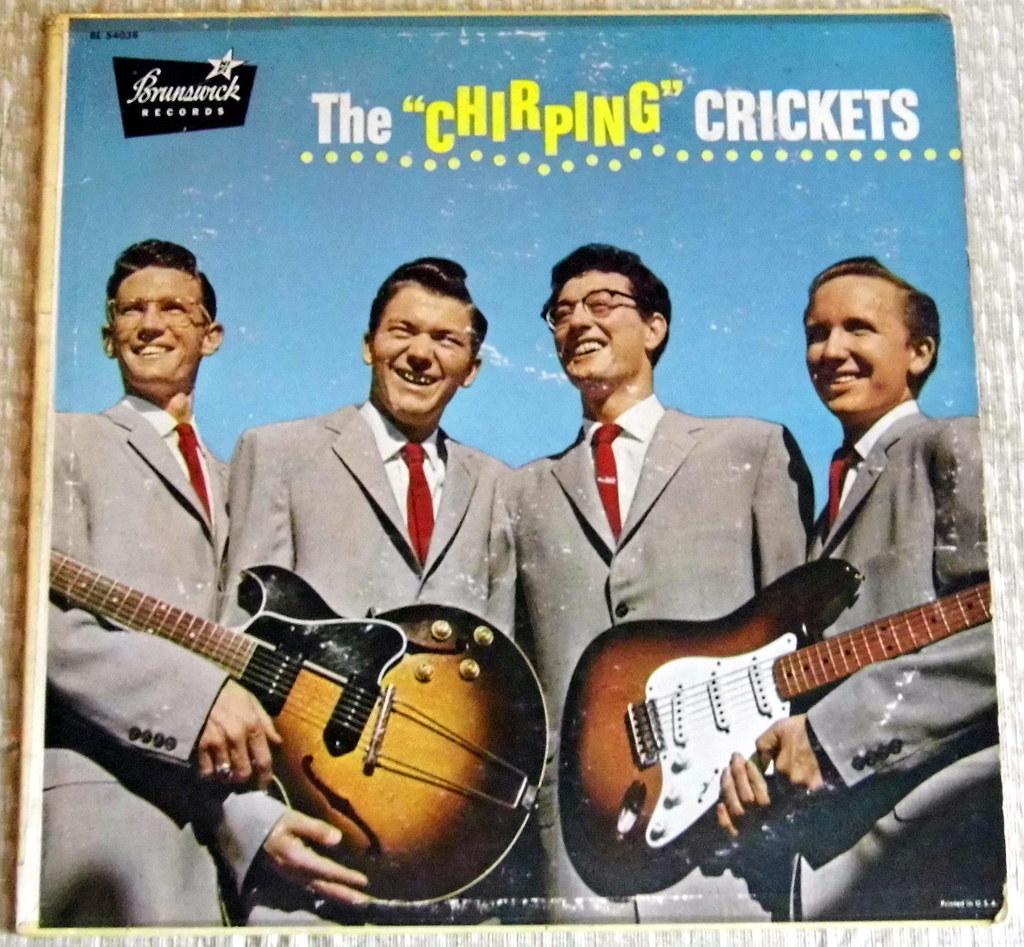
Listeners first heard this track as a nostalgic tribute to Buddy Holly and the early days of rock and roll. The chorus about the day the music died felt like a simple lament for a lost era of innocence. Yet the verses weave in references to major events from the 1960s, including political assassinations and cultural shifts that reshaped American society.
The song actually serves as a chronicle of how music and national mood evolved after the 1959 plane crash. Audiences overlooked the deeper connections because the melody stayed upbeat and the storytelling unfolded gradually across eight minutes. Many focused on the surface tribute rather than the broader historical tapestry McLean embedded throughout.
Hotel California by the Eagles
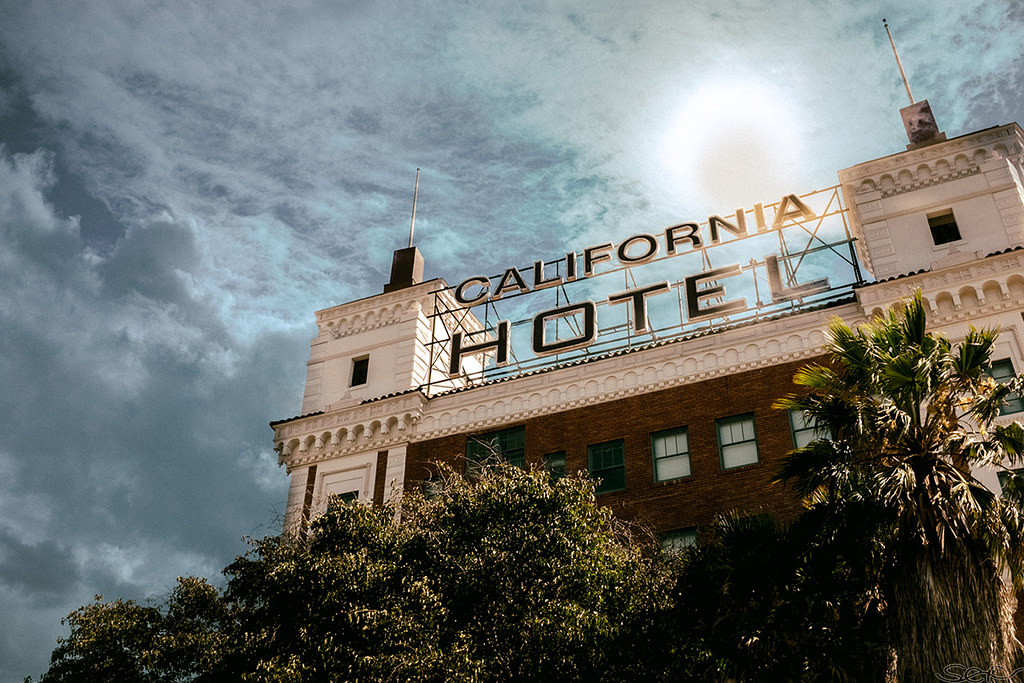
At first the song seemed like a mysterious tale about checking into a strange desert hotel with no way out. Fans pictured a literal building filled with odd characters and endless parties. The imagery of mirrors on the ceiling and pink champagne on ice came across as pure rock excess.
In reality the lyrics comment on the excesses of the California lifestyle and the music industry itself during that decade. Don Henley later described it as a journey into hedonism that traps people in their own desires. Listeners missed the critique for years because the smooth production and memorable guitar solo kept attention on the story rather than the underlying warning about American materialism.
Stairway to Heaven by Led Zeppelin
Many took the song as an epic fantasy about a woman buying a stairway to reach heaven through material means. The mystical language and flute intro suggested a whimsical tale of spiritual seeking. Robert Plant’s vocals added a dreamy quality that invited personal daydreams.
The track actually explores themes of materialism versus genuine spiritual growth, with the famous line about words having two meanings hinting at layered interpretation. Plant has noted that the meaning shifts for him over time, reflecting inner journeys rather than a fixed narrative. Early audiences focused on the grandeur and guitar work, missing the philosophical undercurrent until repeated listens and interviews surfaced the intent.
You’re So Vain by Carly Simon
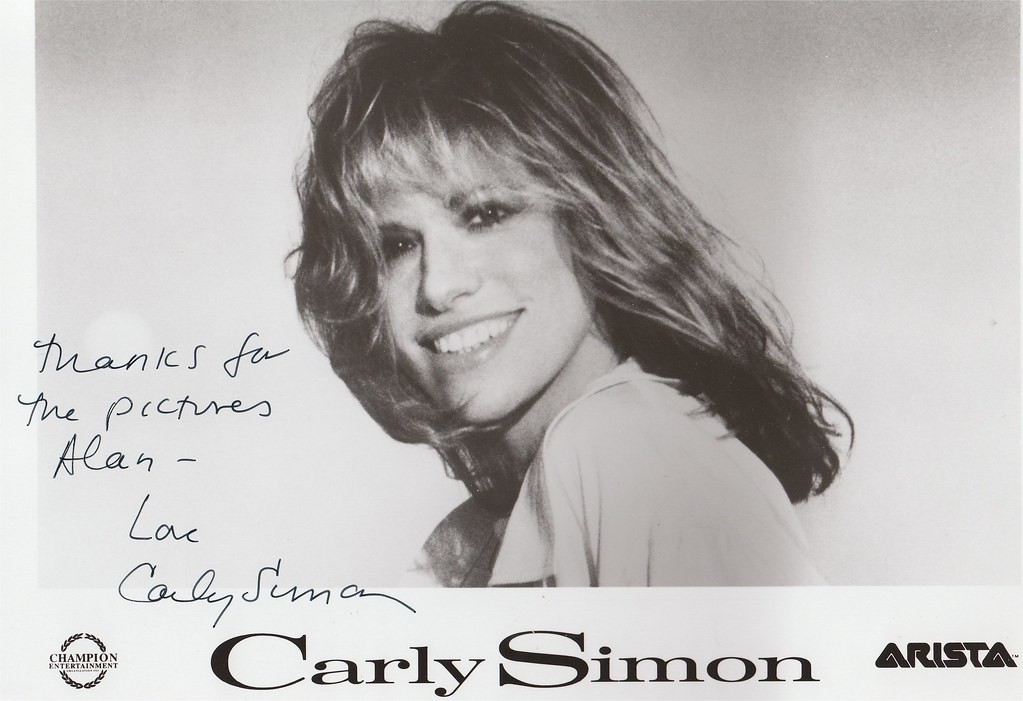
People assumed the song targeted a specific famous ex, with guesses ranging from Warren Beatty to Mick Jagger. The chorus about a vain man checking his reflection felt like a pointed personal jab. The mystery fueled endless speculation about the real-life target.
Simon has clarified that the character combines traits from several men she knew, creating a composite portrait of ego and self-absorption. The song critiques celebrity culture and shallow relationships more broadly than one individual. Listeners fixated on the guessing game for decades, overlooking how the lyrics captured a wider social observation about vanity in the spotlight.
Brown Sugar by the Rolling Stones
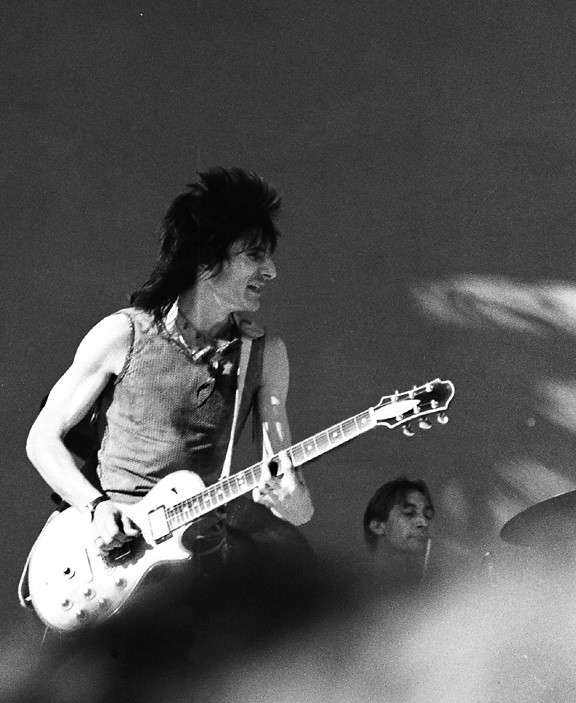
The upbeat groove and repeated title made it sound like a fun party song about a sweet substance. Many danced along without examining the verses closely. The reference to a woman from the South seemed like standard rock bravado at the time.
The lyrics actually address the history of slavery and exploitation of Black women, with additional nods to drug use as a double layer. Mick Jagger later acknowledged the uncomfortable mix of topics packed into one track. Audiences overlooked the weight because the infectious riff and sing-along chorus dominated the experience for years.
American Woman by the Guess Who
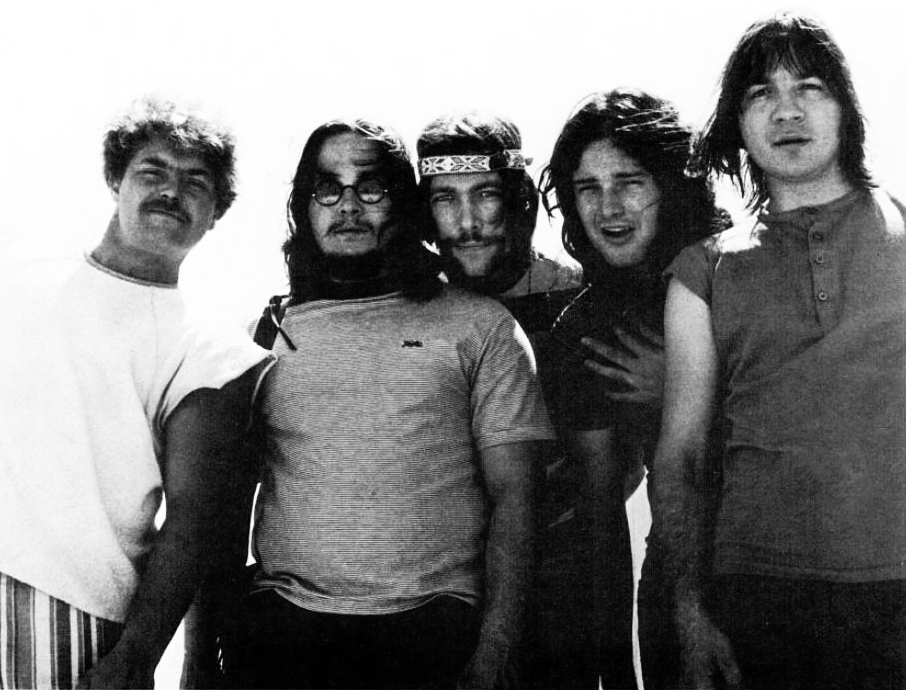
Listeners often interpreted the plea to stay away as a rejection of American women in favor of Canadian ones. The raw guitar riff and direct address gave it a rebellious rock edge. It felt like a lighthearted national rivalry anthem.
The song actually carries anti-war and anti-imperialist undertones, with the “American woman” symbolizing the draft and military involvement in Vietnam. Band members have offered conflicting explanations, but the timing aligns with growing Canadian resistance to U.S. policies. Early fans embraced the catchy hook and missed the political edge until cultural context clarified the intent.
Seasons in the Sun by Terry Jacks
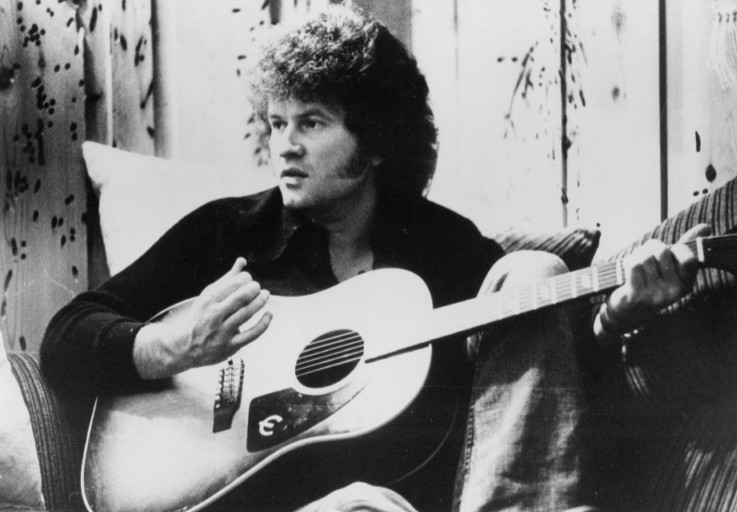
The bright melody and farewell chorus led many to hear it as a gentle goodbye to friends or a simple life reflection. It became a staple at graduations and parties for its upbeat feel. The French origin added an exotic touch without deeper scrutiny.
In truth the lyrics describe a man facing terminal illness and saying goodbye to loved ones before death. The original French version by Jacques Brel carried even heavier themes of regret and finality. Listeners focused on the sing-along quality and overlooked the somber core for years because the arrangement masked the gravity.
The Night Chicago Died by Paper Lace
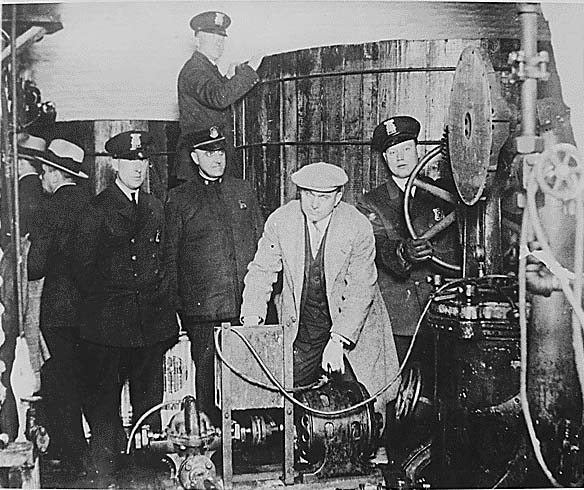
Many viewed the track as a dramatic story about a police shootout in Chicago during the Prohibition era. The narrative of a worried mother and heroic father felt like classic storytelling. It played like a radio drama set to music.
The song actually draws from the real 1934 events involving Al Capone’s gang and law enforcement, but with fictionalized family drama added for emotional pull. Listeners enjoyed the suspense without realizing how closely it echoed historical gang violence. The upbeat delivery kept the darker historical roots hidden until later analysis connected the dots.
Fire on High by Electric Light Orchestra
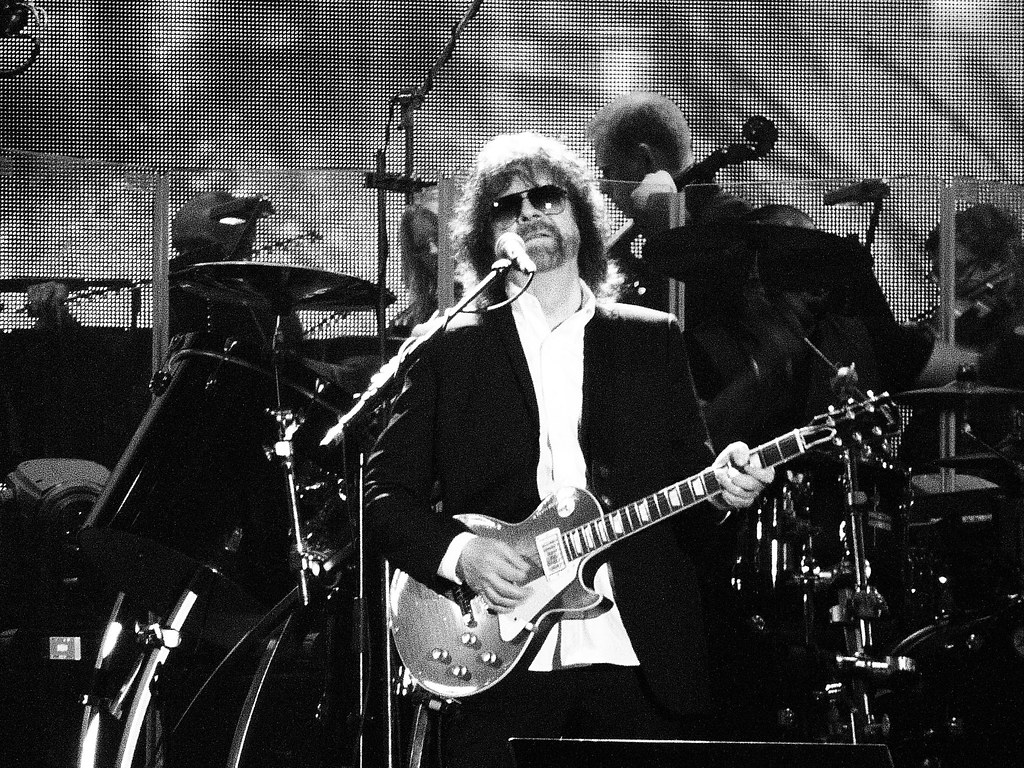
The instrumental opening and orchestral swells suggested a grand, mysterious journey through sound. Fans focused on the innovative production and classical influences. It felt like pure musical experimentation without words to decode.
The track includes a deliberate backward message mocking the era’s backmasking hysteria, stating that the music is reversible but time is not. Jeff Lynne crafted it as a playful response to conspiracy claims about hidden satanic content. Audiences missed the joke for years because they played the record forward and never considered the reversed intent.
Another One Bites the Dust by Queen
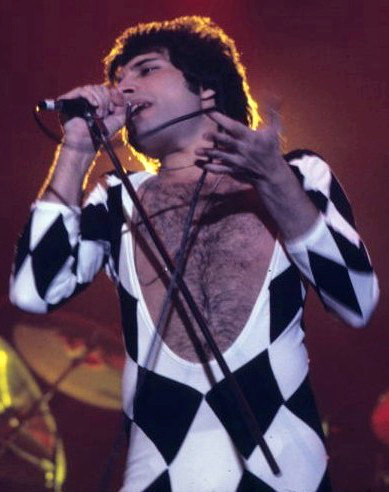
The funky bass line and repetitive chorus made it a dance-floor favorite about someone losing in competition or life. Listeners heard it as a triumphant or cautionary tale of defeat. The title alone invited playful sing-alongs at parties.
The lyrics actually reference the harsh realities of street life and repeated failures, with possible nods to drug culture or violence in urban settings. Freddie Mercury drew from observations of tough neighborhoods. Early fans latched onto the groove and missed the gritty social commentary until interviews and context emerged later.
Imagine by John Lennon
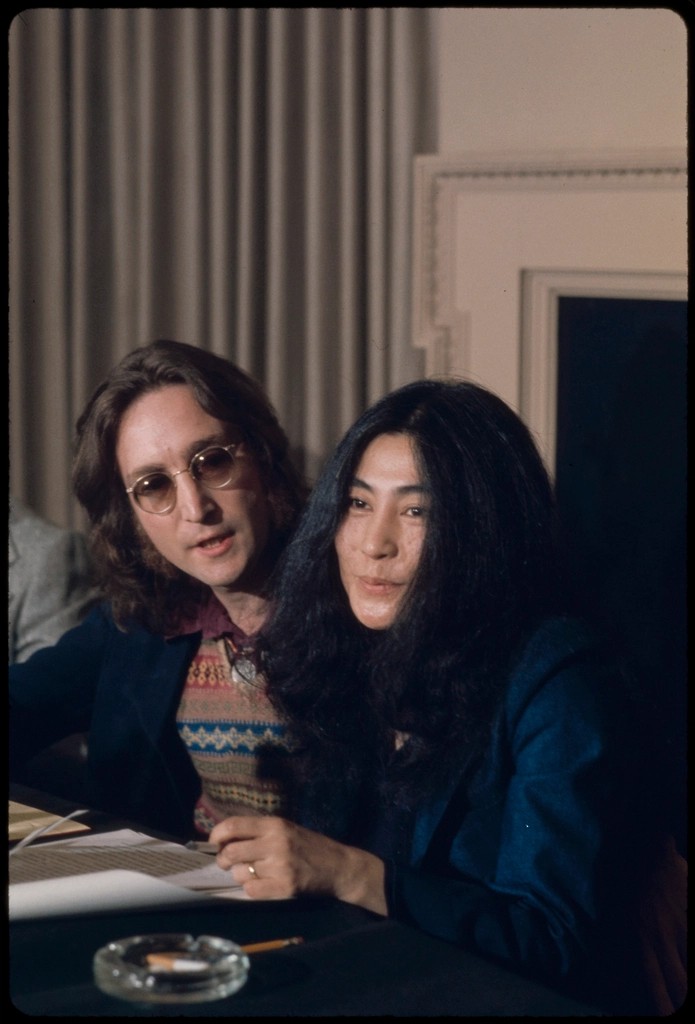
Many heard the song as a simple call for peace and unity across the world. The piano melody and gentle delivery reinforced its hopeful surface. It became an anthem for harmony without much further thought.
The lyrics actually advocate for a world without borders, religion, or possessions, pushing a radical vision of shared humanity that challenges existing systems. Lennon intended it as a thought experiment rather than a literal blueprint. Listeners embraced the feel-good message and overlooked the deeper political challenge for years.
Ohio by Crosby, Stills, Nash & Young
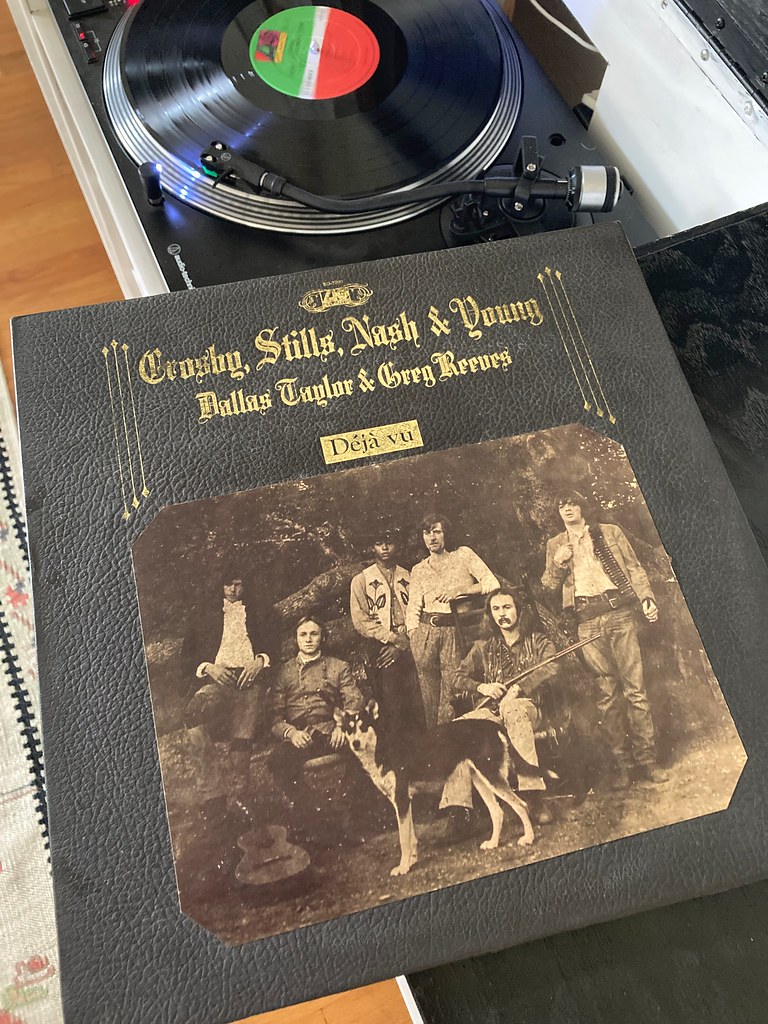
The urgent guitar and repeated line about four dead students felt like a raw news report from campus unrest. Many connected it immediately to the Kent State shootings. It registered as timely protest music.
The song actually captures the shock and anger of that specific 1970 tragedy while highlighting broader government distrust. Neil Young wrote it in one day after seeing photos. Audiences focused on the immediate event and missed how it encapsulated a generation’s growing disillusionment until historical reflection set in.
War by Edwin Starr
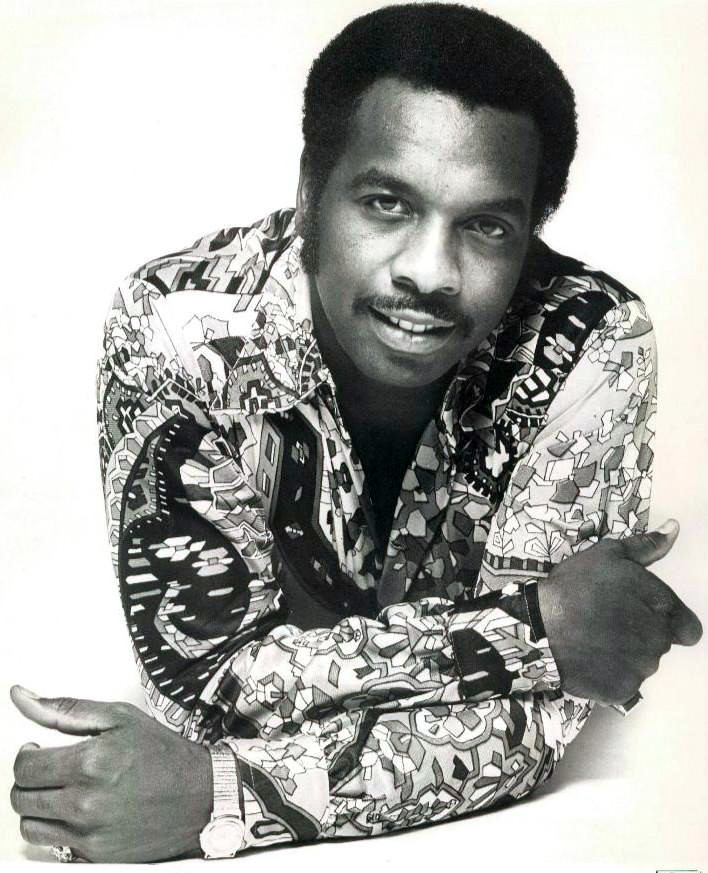
The powerful vocals and direct question made it seem like a straightforward anti-war chant. Listeners joined in the chorus as a universal statement against conflict. It felt like an obvious protest hit from the start.
The track actually targets the Vietnam War specifically while exposing the human cost and futility of all armed conflict. Motown hesitated to release it due to its bluntness. Early audiences sang along without fully absorbing the pointed critique of military policy that the lyrics delivered plainly.
Revolution 9 by the Beatles
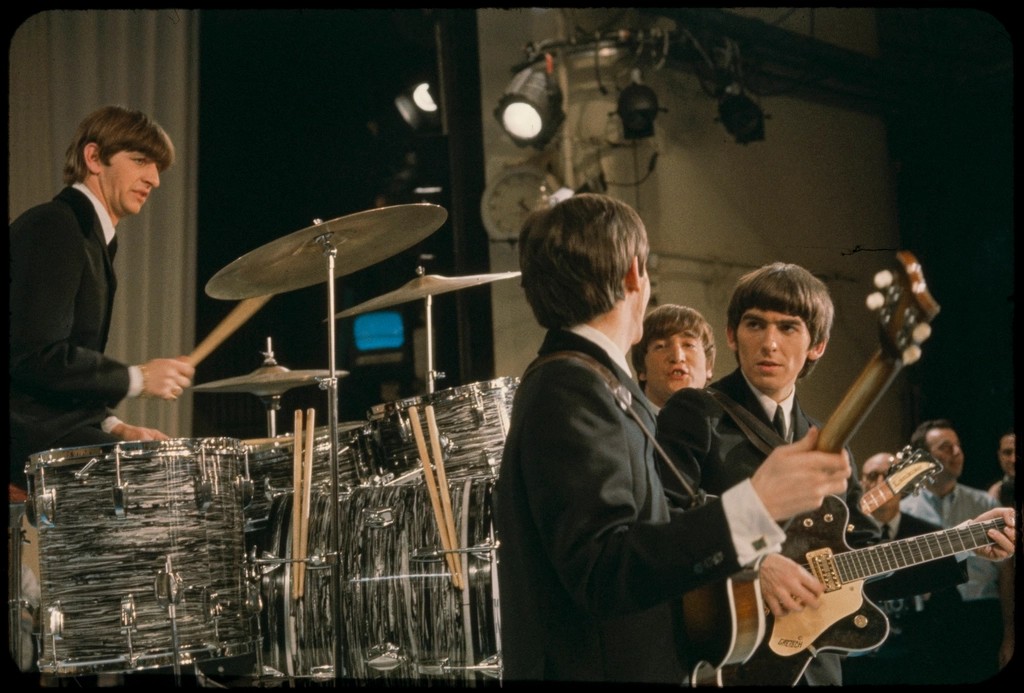
Many dismissed the track as experimental noise or a collage of sounds without clear purpose. The backward elements and spoken fragments came across as avant-garde art. It puzzled casual fans who skipped it on the album.
The piece actually serves as a sonic representation of chaos and societal breakdown, drawing from real events and media clips of the era. John Lennon saw it as forward-looking music. Listeners overlooked the intentional structure and political undertones because the unconventional format discouraged close listening for years.
Guinnevere by Crosby, Stills & Nash
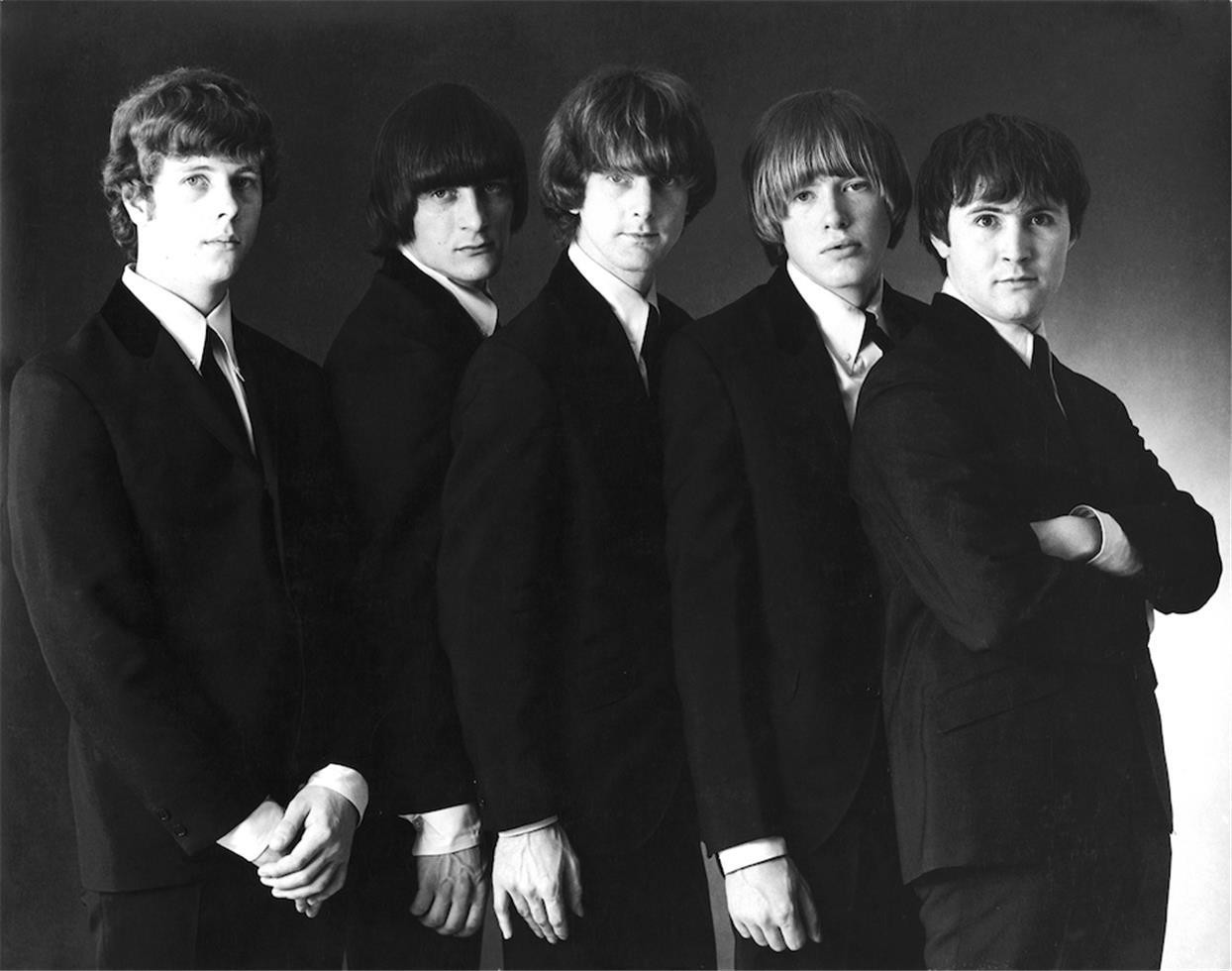
The gentle acoustic arrangement suggested a romantic ode to a mysterious woman. Fans pictured a folk tale or personal love story. The name itself added an air of enchantment.
The song actually reflects on Joni Mitchell and the complex relationships within the Laurel Canyon scene, including lost connections and shifting affections. David Crosby wrote it as an elegy for a brief but intense chapter. Audiences focused on the melody and missed the autobiographical layer until band histories surfaced.
50 Ways to Leave Your Lover by Paul Simon
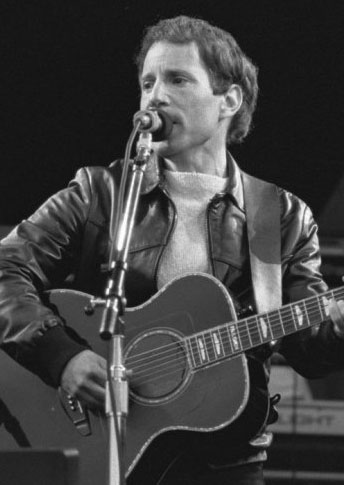
The lighthearted list format and rhyming advice made it sound like practical relationship guidance. Listeners chuckled at the clever ways to exit a romance. It felt like witty pop advice.
The lyrics actually stem from Simon’s own divorce and the emotional process of ending a long marriage. The “fling” perspective adds distance to personal pain. Early fans enjoyed the humor and overlooked the underlying vulnerability until Simon discussed the origins in interviews.
Year of the Cat by Al Stewart

The smooth jazz-rock groove and exotic title suggested a dreamy travelogue or romantic encounter. Many pictured a mysterious woman in a foreign city. The narrative unfolded like a short story set to music.
The song actually draws from Stewart’s real experiences in the Middle East and explores themes of fate, chance meetings, and fleeting connections. The “cat” references the Chinese zodiac year and its symbolic traits. Listeners savored the atmosphere and missed the personal and cultural references for years.
Knockin’ on Heaven’s Door by Bob Dylan
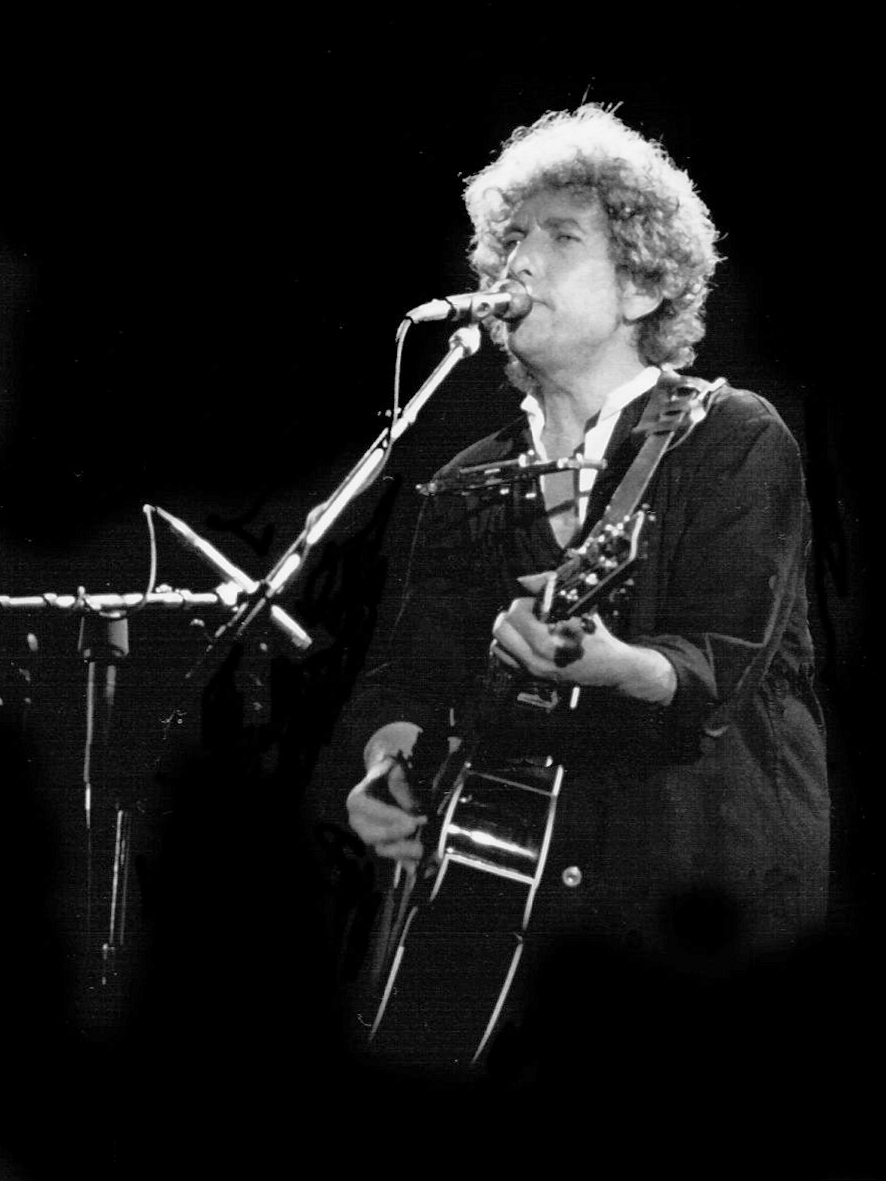
The simple chords and repeated plea gave it the feel of a cowboy’s final moments in a Western. Fans heard it as a cinematic farewell. The imagery of a badge and a dying man seemed straightforward.
The track actually comments on the futility of violence and the search for peace in the face of death. Dylan wrote it for the film Pat Garrett and Billy the Kid. Audiences embraced the sing-along quality and overlooked the anti-violence message until the song’s broader use in protests highlighted it.
Tangled Up in Blue by Bob Dylan
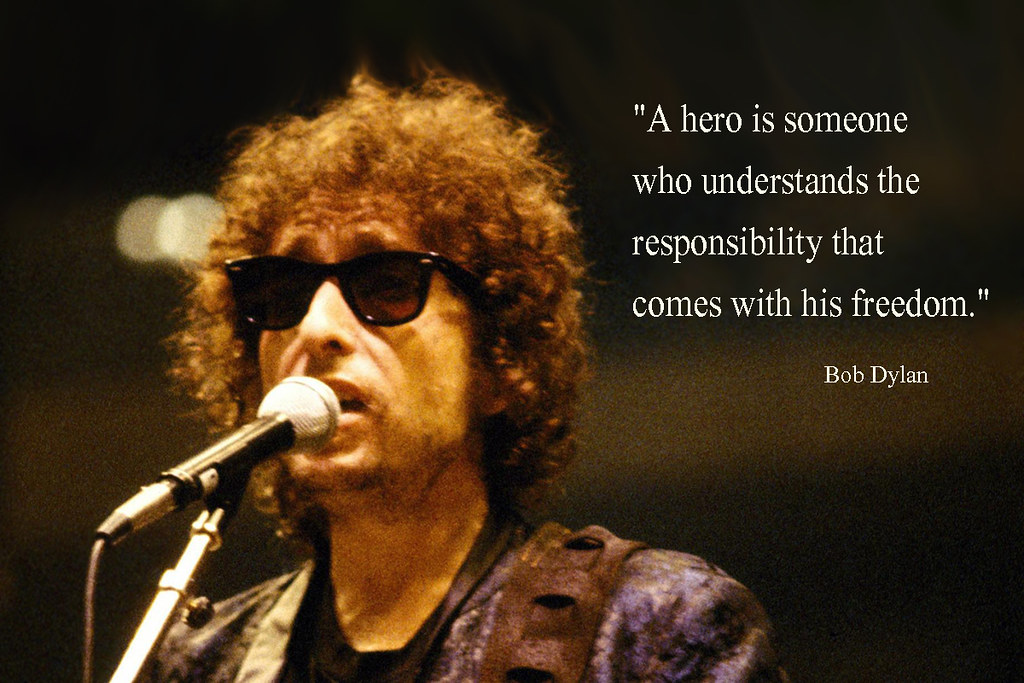
The shifting perspectives and road-trip narrative made it sound like a series of romantic adventures. Listeners followed the story of a wandering man and various women. The structure felt like a modern folk tale.
The lyrics actually explore the passage of time, failed relationships, and the search for meaning across different eras of the narrator’s life. Dylan has described it as a journey through personal history. Early fans enjoyed the melody and missed the philosophical depth until repeated analysis revealed the layers.
Welcome to the Machine by Pink Floyd
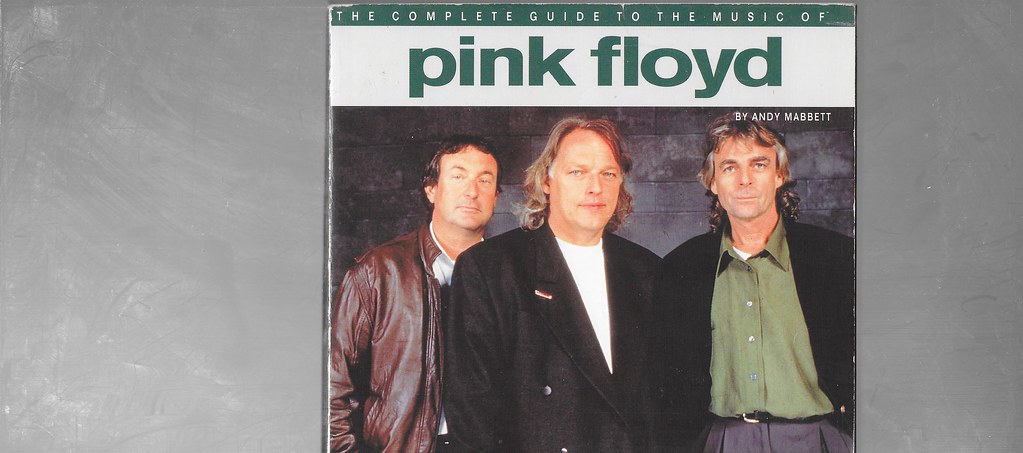
The mechanical sounds and cold production suggested a sci-fi warning about technology. Many heard it as a critique of the music industry’s dehumanizing side. The title alone invited thoughts of factory-like conformity.
The song actually targets the corporate music machine and how it chews up artists while promising fame. Roger Waters drew from his own experiences with the industry. Listeners focused on the atmospheric production and overlooked the pointed industry commentary for years.
Go Your Own Way by Fleetwood Mac
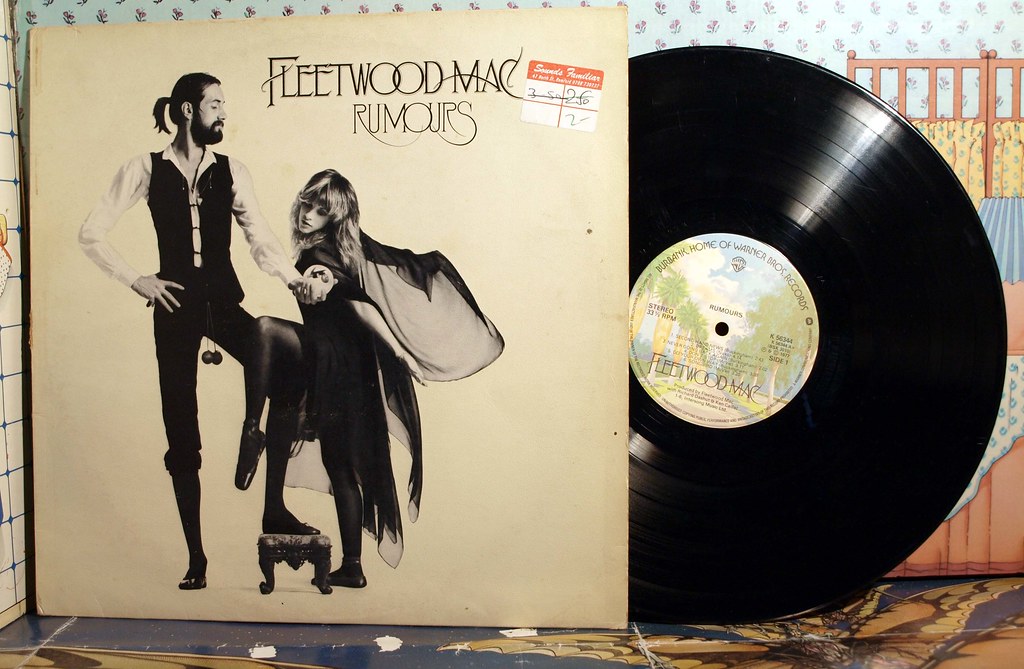
The driving rhythm and direct chorus felt like an empowering breakup anthem. Listeners cheered the independence message. It seemed like a straightforward declaration of moving on.
The lyrics actually stem from Lindsey Buckingham’s turbulent relationship with Stevie Nicks and the band’s internal tensions during recording. The song captures real frustration and unresolved feelings. Audiences embraced the energy and missed the personal drama until band memoirs detailed the context.
Papa Was a Rollin’ Stone by the Temptations
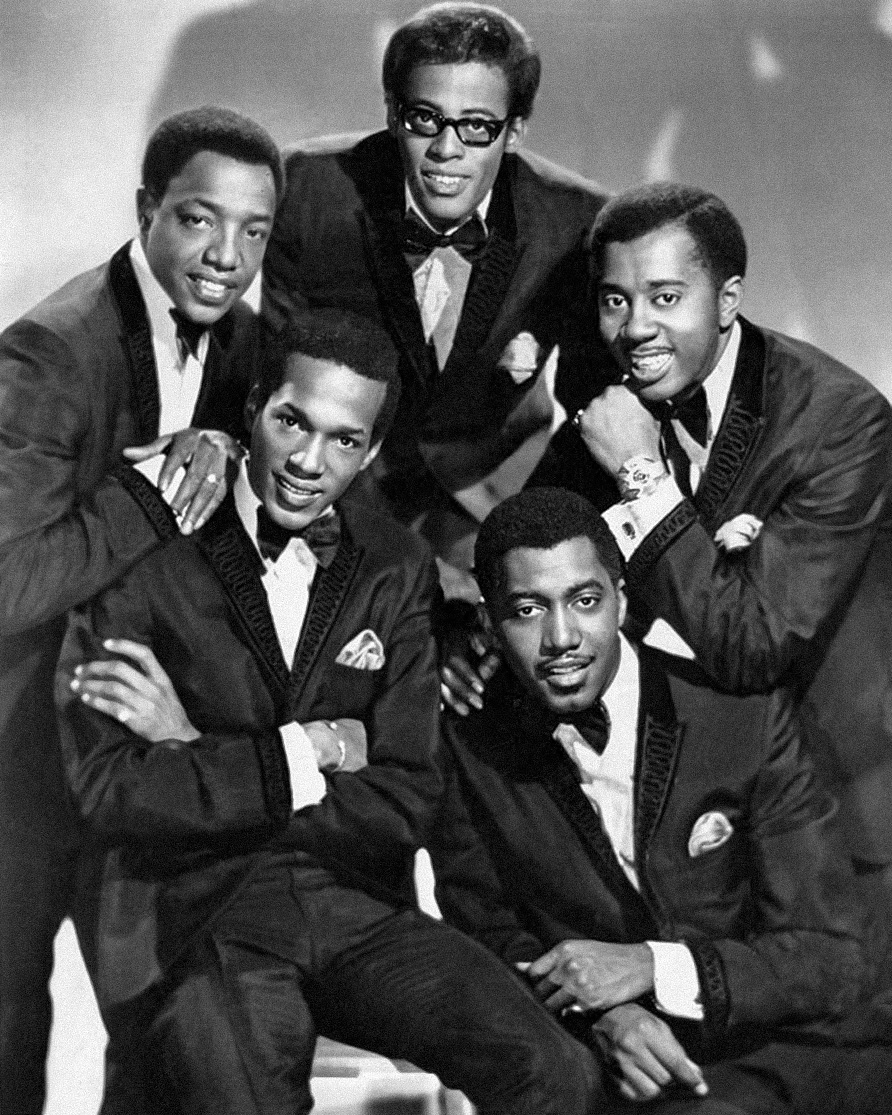
The funky groove and spoken verses made it sound like a tale of a wandering father. Many heard it as a story of family absence and resilience. The title became a memorable hook.
The song actually addresses the pain of growing up without a stable father figure and the cycle of broken homes in Black communities. Norman Whitfield crafted it with social awareness. Listeners danced to the beat and overlooked the social commentary until later reflections on its themes.
Your Song by Elton John
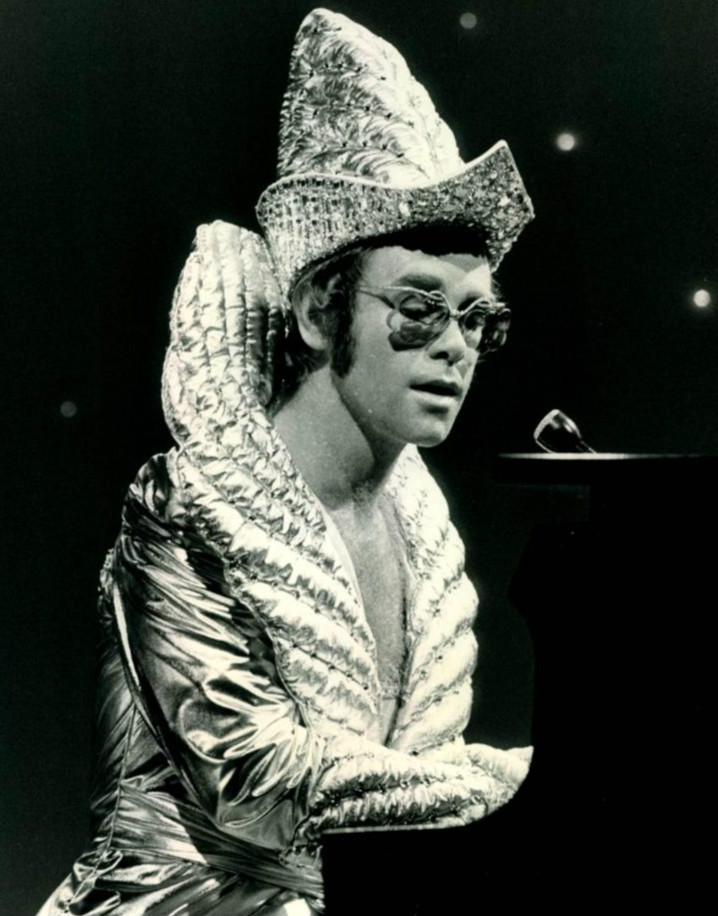
The piano ballad and simple declarations of love made it feel like a classic romantic gesture. Fans pictured a young man expressing feelings for the first time. The modesty of the lyrics added charm.
The track actually reflects Bernie Taupin’s early songwriting struggles and the genuine emotion of writing for someone special. John has noted its autobiographical roots in their partnership. Early audiences focused on the sweetness and missed the meta layer about creating art from real life.
Let’s Get It On by Marvin Gaye
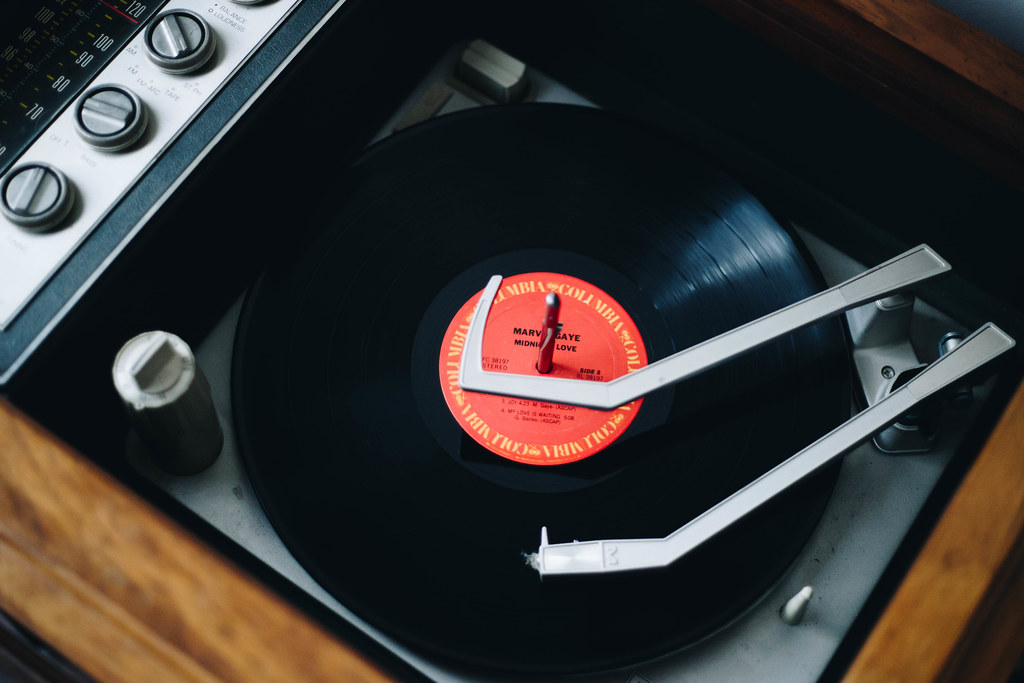
The sensual groove and repeated invitation sounded like pure seduction and physical desire. Listeners embraced it as a steamy love song. The title left little doubt about the surface intent.
The lyrics actually carry deeper themes of emotional connection, healing after personal loss, and the search for intimacy beyond the physical. Gaye wrote it during a period of personal turmoil. Audiences focused on the passion and overlooked the emotional vulnerability for years.
Me and Bobby McGee by Janis Joplin
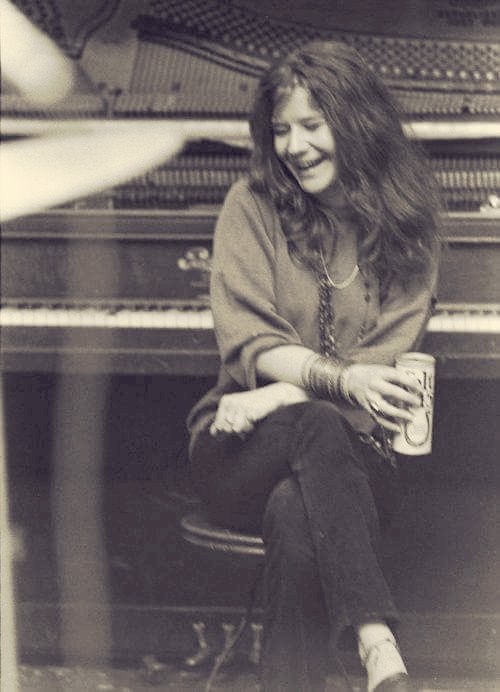
The road-trip story and freedom theme made it sound like an ode to wandering and independence. Many heard it as a celebration of the hippie lifestyle. The chorus about freedom became iconic.
The song actually explores the bittersweet cost of that freedom, including loneliness and lost connections along the way. Kris Kristofferson wrote it with a sense of melancholy. Listeners latched onto the upbeat spirit and missed the underlying sadness until Joplin’s version highlighted the contrast.
Rock the Boat by the Hues Corporation
The disco beat and party lyrics suggested a fun call to dance and enjoy the moment. Fans heard it as an invitation to let loose on the dance floor. The title evoked images of celebration.
The track actually uses the boat metaphor for life’s uncertainties and the need to stay balanced amid change. It carries subtle messages about resilience. Early listeners focused on the groove and overlooked the metaphorical depth for years.
Band on the Run by Paul McCartney
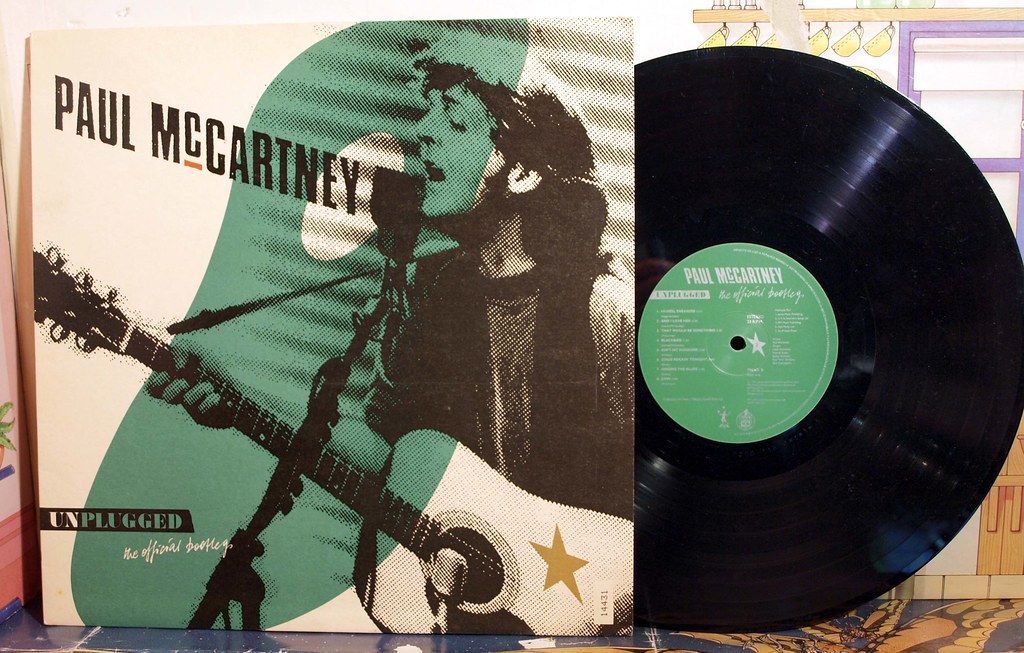
The epic structure and escape narrative felt like a cinematic adventure of breaking free. Many pictured a band fleeing authorities in a thrilling chase. The title alone sparked imagination.
The song actually reflects McCartney’s desire to escape the Beatles’ shadow and legal battles after the breakup. It captures the feeling of starting over creatively. Audiences enjoyed the journey and missed the personal liberation theme until McCartney discussed the context.
Jet by Paul McCartney
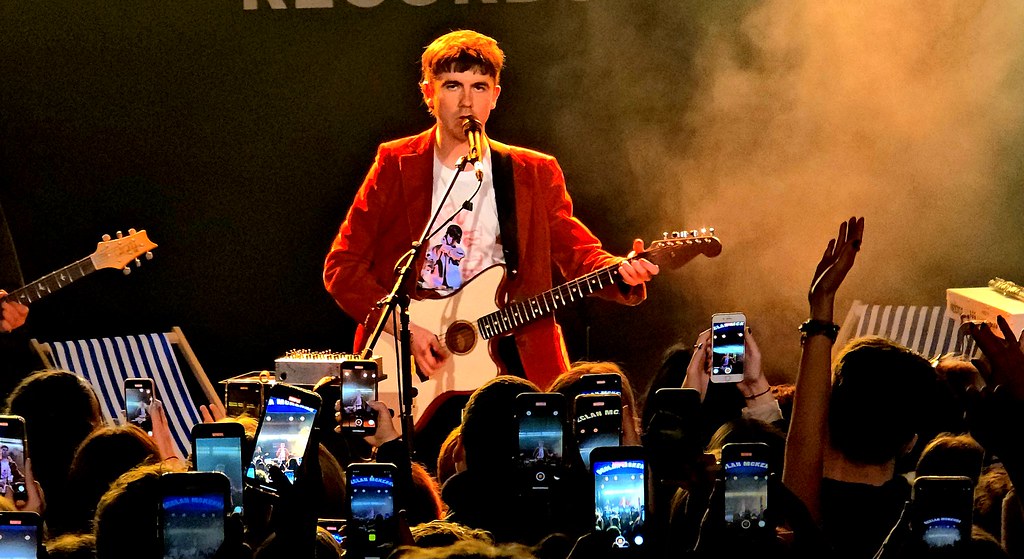
The energetic riff and mysterious title made it sound like a tribute to a fast car or a woman. Listeners enjoyed the high-energy rock without deeper questions. The word “jet” suggested speed and excitement.
The lyrics actually reference McCartney’s dog and the whirlwind of fame and family life. It blends personal details with rock energy. Early fans focused on the drive and overlooked the autobiographical nods for years.
Rock and Roll All Nite by Kiss

The anthemic chorus and party vibe made it feel like a pure celebration of rock lifestyle. Fans sang along as a call to endless fun. The title reinforced the image of nonstop music.
The song actually serves as a statement of the band’s commitment to their fans and the rock ethos amid industry pressures. It was crafted to energize live shows. Listeners embraced the party message and missed the underlying dedication to the craft for years.
Love to Love You Baby by Donna Summer
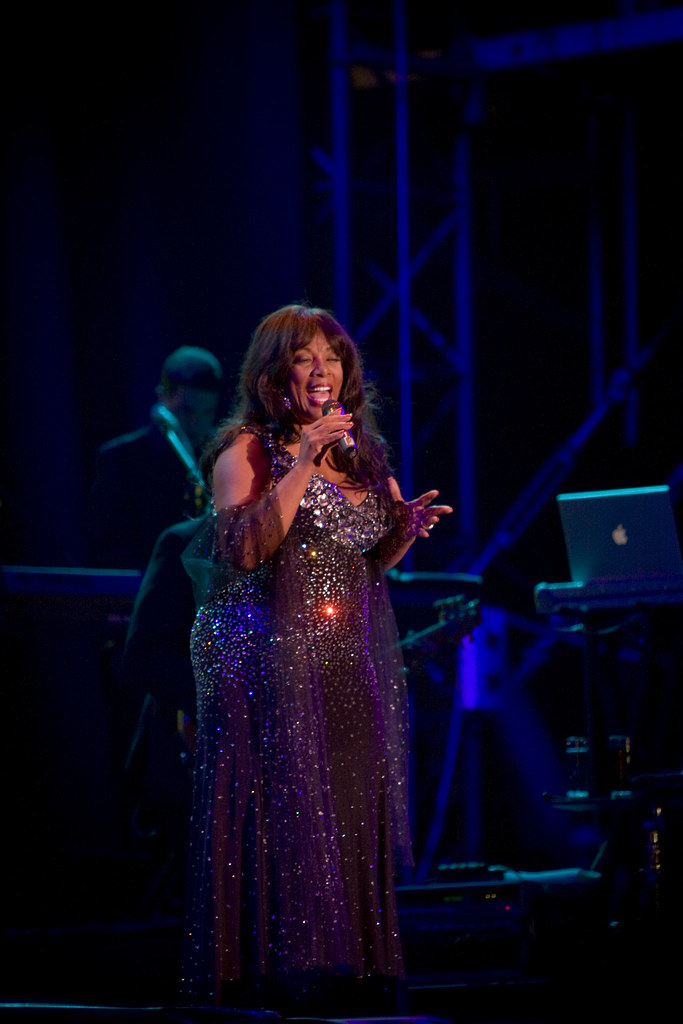
The extended groove and breathy vocals suggested a sensual, intimate encounter. Many heard it as a bold expression of physical pleasure. The title left the theme clear on the surface.
The track actually explores female desire and the power of fantasy in a way that challenged 1970s norms around women’s sexuality. Summer drew from personal expression. Audiences focused on the eroticism and overlooked the empowering undercurrent for years.
Boogie Wonderland by Earth, Wind & Fire
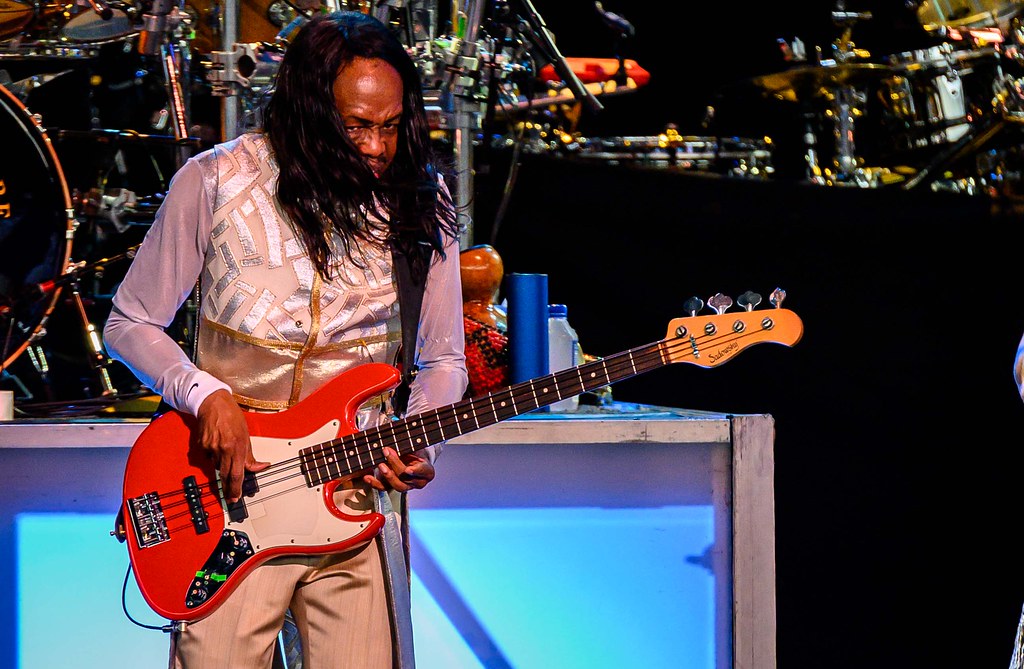
The disco-funk energy and dance instructions made it sound like pure celebration of the club scene. Listeners joined the party without further thought. The title evoked a magical night out.
The lyrics actually comment on the escapism of disco amid economic and social struggles of the late 1970s. The band infused it with awareness of fleeting joy. Early fans danced along and missed the subtle social observation until later cultural analysis.
The 1970s produced songwriters who mastered the art of embedding real-world observations inside accessible hits. These hidden layers continue to reward attentive listening today, reminding us how much depth popular music can hold when we look past the first impression.

Christian Wiedeck, all the way from Germany, loves music festivals, especially in the USA. His articles bring the excitement of these events to readers worldwide.
For any feedback please reach out to info@festivalinside.com
