

- Secret Libraries That Preserved American History - September 29, 2026
- These 15 Cult Classic Movies Flopped at the Box Office But Found Immortality - September 29, 2026
- 5 Timeless Classics That Every Thinking Person Should Read - September 29, 2026
Rivalries and bruised egos have always been woven into the fabric of classic rock. What started as creative sparks often turned into full blown battles that played out in studios, on stages, and across headlines.
These clashes did more than just sell tabloids. They shaped albums, ended careers, and left behind stories that fans still debate decades later.
John Lennon and Paul McCartney
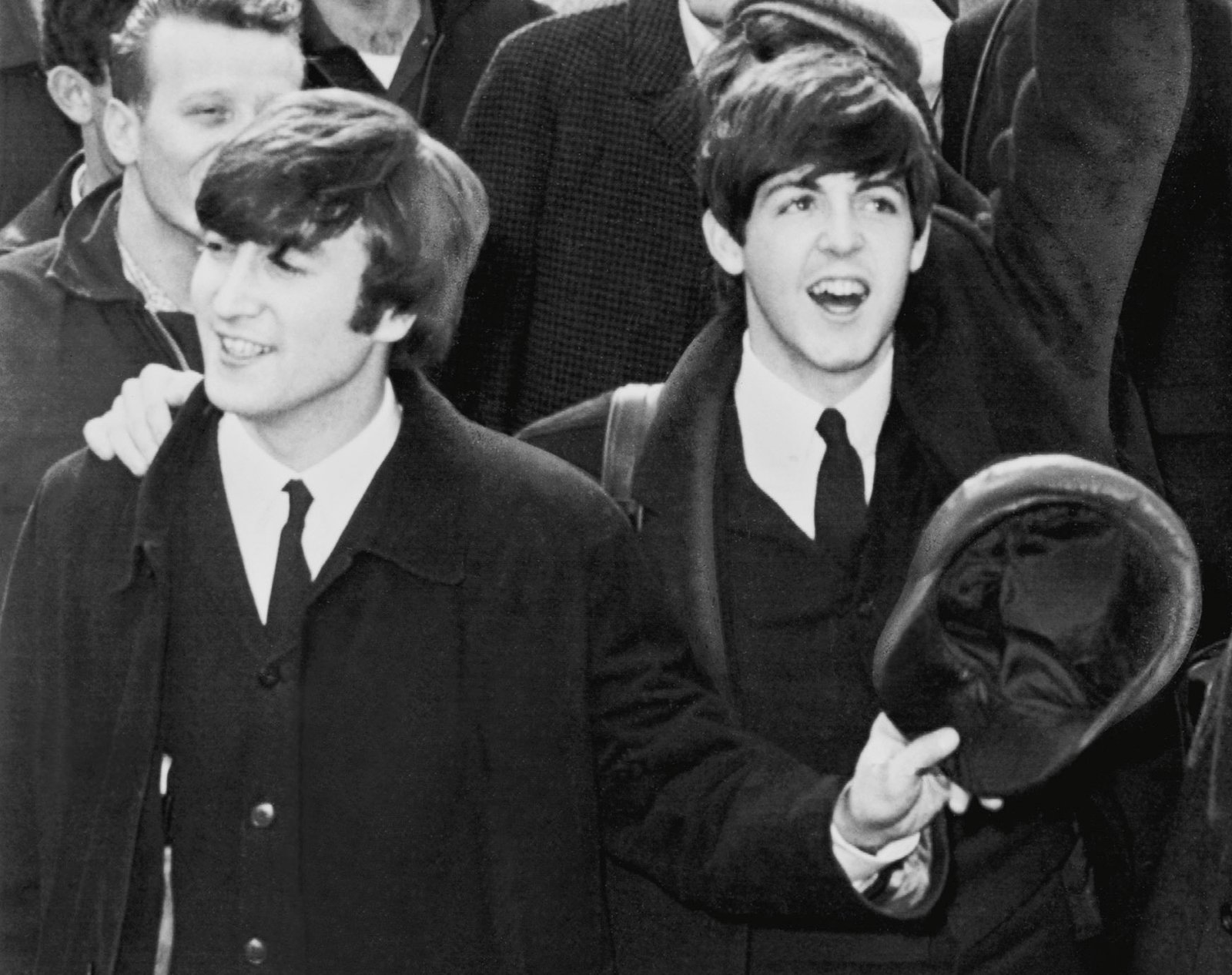
The Beatles breakup remains one of the most public splits in music. Lennon grew frustrated with McCartney’s control over band decisions and songwriting credits. Their arguments spilled into solo albums where each took shots at the other through lyrics.
McCartney later sued to dissolve the partnership, which shocked fans who saw the group as unbreakable. The feud cooled over time but never fully vanished. It influenced how later bands handled internal tensions and legal rights to their own catalogs.
Roger Waters and David Gilmour
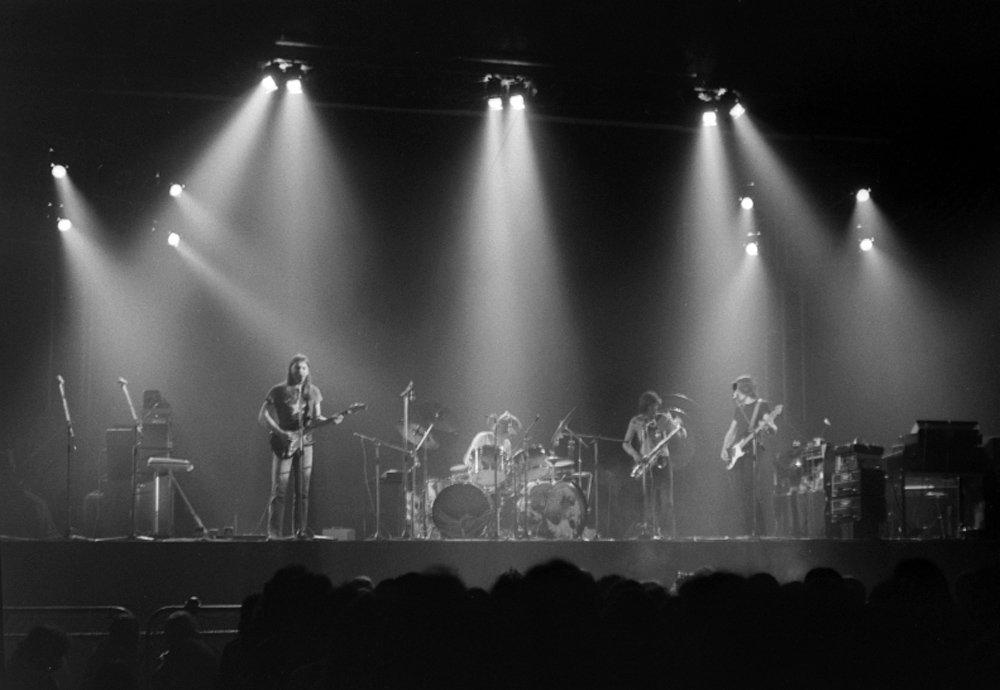
Pink Floyd’s creative partnership unraveled after Waters pushed for total control on albums like The Wall. Gilmour resisted the shift toward concept records that sidelined his guitar work and melodies. The tension peaked when Waters left and tried to block the band from continuing without him.
Court battles followed over the name and rights to perform classic songs. Gilmour kept the group going with new material while Waters toured his own version of the catalog. Their divide highlighted how success can turn collaborators into competitors and changed how fans viewed the band’s later output.
Paul Simon and Art Garfunkel

Simon and Garfunkel built their sound on tight harmonies and shared history from childhood. Simon grew tired of the duo format and wanted to explore solo projects, which left Garfunkel feeling sidelined. Their final album together carried an undercurrent of resentment that showed in the recording sessions.
Occasional reunions for tours or events never erased the underlying friction. Garfunkel spoke openly about feeling betrayed by Simon’s decisions. The split forced both men to carve separate paths that still carried echoes of their earlier chemistry.
Stevie Nicks and Lindsey Buckingham
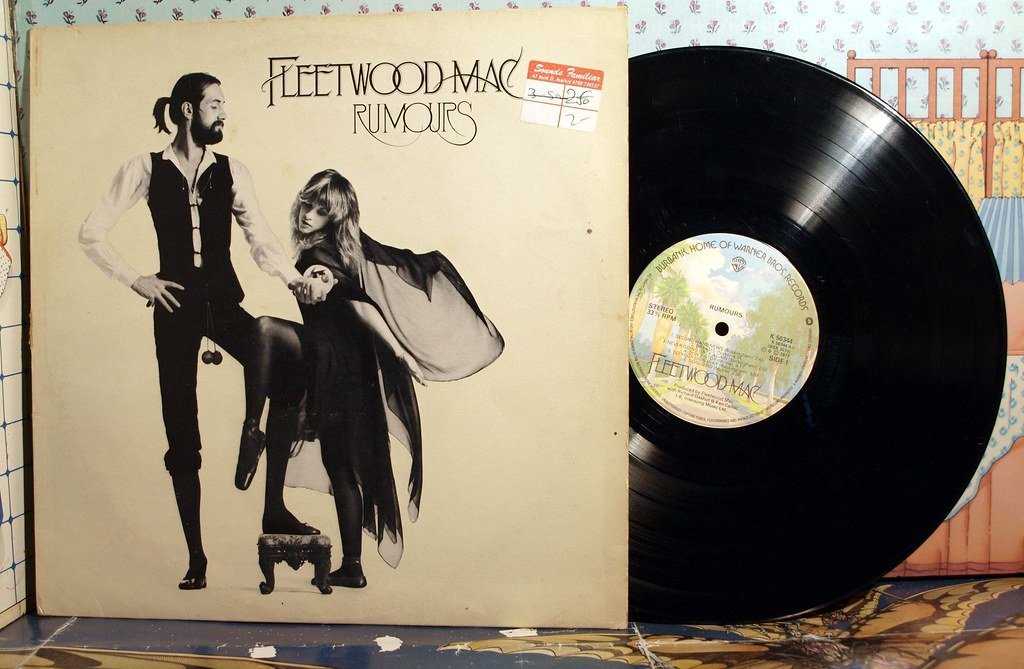
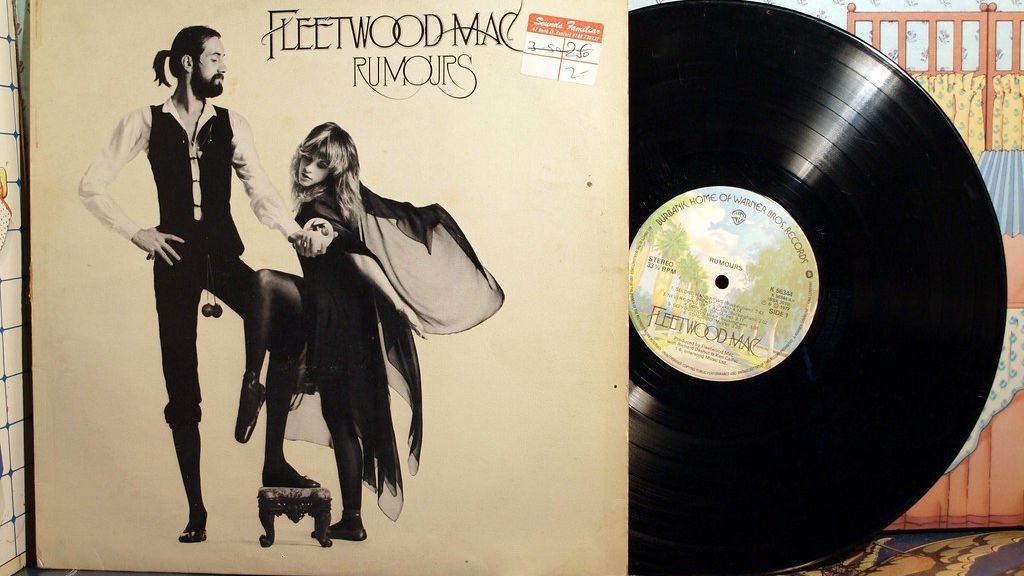
Fleetwood Mac turned personal heartbreak into hits during the Rumours era. Nicks and Buckingham’s romantic breakup created awkward studio dynamics that the whole band had to navigate. Their arguments over song choices and stage presence added extra layers of drama to an already tense recording process.
Buckingham left the group multiple times over creative differences. Nicks continued with her solo work while the band carried on without him. Their story showed how love and music can mix in ways that produce great art but also lasting scars.
Ray Davies and Dave Davies
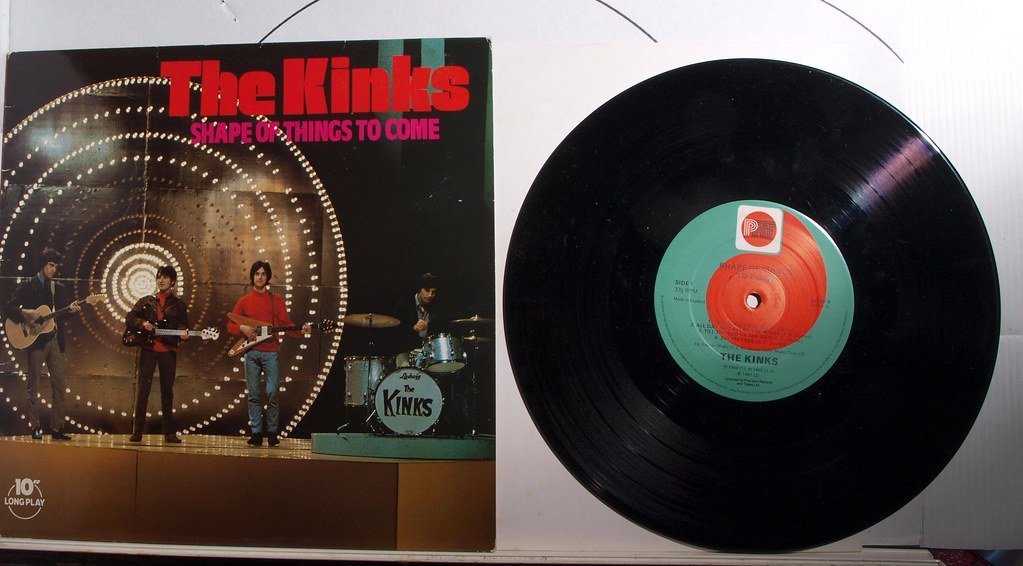
The Kinks brothers brought sibling rivalry into their songwriting from the start. Ray handled most of the lyrics and band direction while Dave pushed for more guitar driven tracks. Fights over money, control, and stage time led to physical altercations that sometimes ended shows early.
Their clashes contributed to the band’s on again off again status across decades. Dave pursued solo projects that highlighted his own style apart from Ray’s vision. The ongoing tension kept the group from ever achieving the steady success of their peers.
Brian Wilson and Mike Love
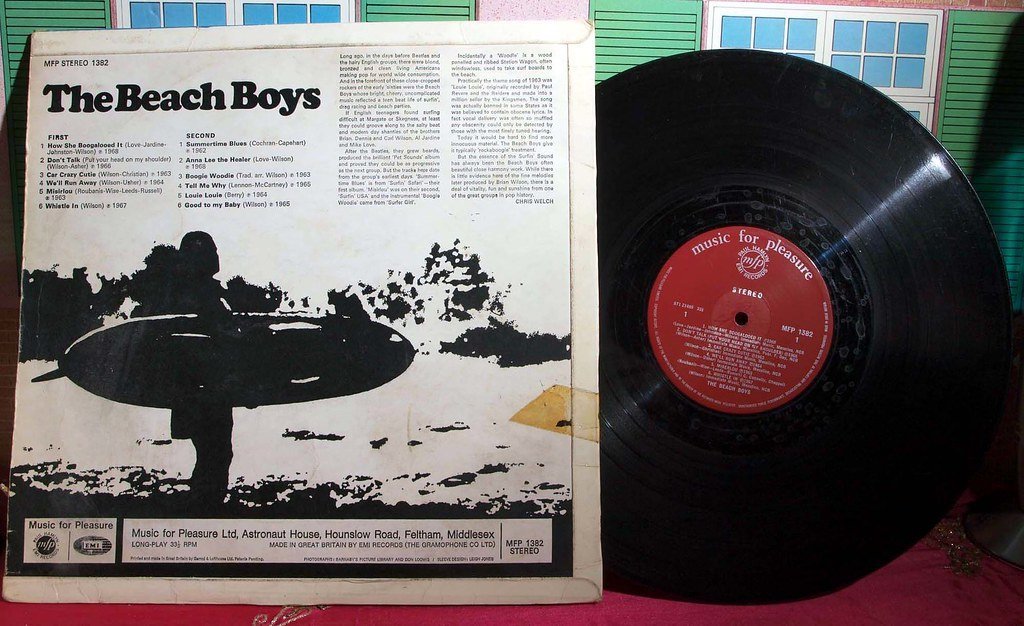
The Beach Boys started as a family affair with Wilson as the main creative force. Love pushed for more commercial surf songs while Wilson explored complex studio experiments. Their disagreements grew sharper after Wilson stepped back from touring and focused on production.
Legal disputes over songwriting credits and band leadership dragged on for years. Love kept the touring version of the group alive with a more traditional set list. The divide left fans wondering which direction truly represented the band’s legacy.
How Conflict Shaped Rock’s Lasting Story

These feuds remind us that great music often comes from friction as much as harmony. Bands that survived the arguments sometimes produced their strongest work under pressure. Others broke apart and left behind unfinished chapters that still fascinate listeners today.
In the end the drama added depth to the music rather than taking away from it. Classic rock carries these scars as part of its identity.

Besides founding Festivaltopia, Luca is the co founder of trib, an art and fashion collectiv you find on several regional events and online. Also he is part of the management board at HORiZONTE, a group travel provider in Germany.
