


- 10 Battles That Altered American Destiny - September 29, 2026
- 13 Books That Shaped the Abolitionist Movement - September 29, 2026
- 25 Rock Songs That Changed Public Opinion - September 29, 2026
Many Fleetwood Mac songs gained deeper emotional layers over the years. The band members poured their private heartbreaks and tangled relationships into the music during the late 1970s. What once sounded like general tales of love and loss now carries the weight of real life events that played out in public view.
Listeners at the time often heard universal themes of romance and resilience. With time and knowledge of the group dynamics, those same lines reveal pointed messages between bandmates who were also lovers and exes.
Go Your Own Way

Lindsey Buckingham wrote this track as a direct response to the end of his long relationship with Stevie Nicks. Early fans heard it as a straightforward breakup anthem about moving on after conflict. The lyrics captured the frustration of one person urging another to leave.
Today the song stands out because Buckingham aimed specific lines at Nicks during their shared time in the studio. The raw delivery gains extra sting when listeners know the couple had to perform it together night after night. Its energy still drives crowds, yet the personal target behind the words adds a layer of tension that never fades.
Dreams

Stevie Nicks crafted this as her own reply to the same split. Listeners first took the dreamy imagery as a gentle reflection on fading love. The melody and soft vocals suggested acceptance rather than anger.
Knowing the context shifts the focus to Nicks watching Buckingham move forward while she processed the pain. The line about thunder only happening when it rains now feels like a quiet acknowledgment of their ongoing professional bond. The track remains a radio staple, but its calm surface hides the complicated history that shaped every note.
The Chain

The band pieced this song together from separate ideas during a period of collective strain. Original audiences heard a powerful statement about loyalty and unbreakable ties. The driving rhythm made it feel like an anthem of endurance.
Its creation involved contributions from everyone amid multiple breakups inside the group. The repeated plea not to break the chain now reads as a plea to keep the band intact despite personal fractures. Live performances still ignite arenas, yet the lyric carries the memory of how close the members came to walking away from one another.
Don’t Stop

Christine McVie wrote this after her divorce from John McVie. Fans embraced it as an upbeat call to keep going through tough times. The positive message helped it become a political favorite years later.
The real spark came from her desire to look ahead after the marriage ended. Today the optimism feels more pointed because it emerged right when the couple still had to work side by side. The cheerful tone contrasts with the private sadness that fueled it, giving the song a bittersweet edge in hindsight.
You Make Loving Fun

Christine McVie drew from a new romance outside the band. Listeners heard a lighthearted celebration of fresh affection. The funky groove made it one of the album’s more playful cuts.
The song actually addressed her feelings for the band’s lighting director at the time. That detail turns the joyful chorus into something more specific and daring given the close quarters of the group. Its enduring popularity comes with an awareness of how personal and risky the confession really was.
Silver Springs

Stevie Nicks recorded this during the same turbulent sessions. Early listeners encountered it as a haunting tale of lingering attachment. The song sat on the shelf for years before wider release.
It served as Nicks’ way of saying she would always follow Buckingham in some sense. Modern ears pick up the unresolved ache that lingered long after the relationship ended. Its later inclusion on live albums highlights how the words continued to echo through the band’s story.
Second Hand News
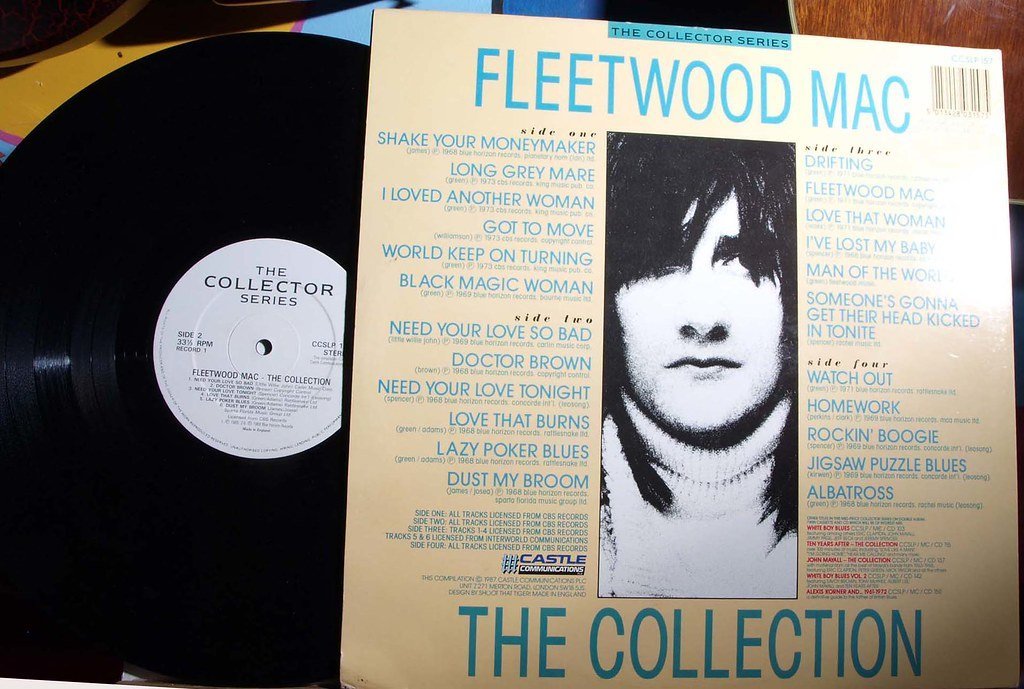
Lindsey Buckingham used this to vent about rumors swirling around the split. Fans heard a bouncy track about gossip and moving on. The quick tempo masked the underlying irritation.
The lyrics targeted the way private matters became public talk within their circle. Today the title itself feels loaded because so much of the band’s drama did become second hand news for fans. The contrast between the bright sound and the pointed message keeps the song interesting decades later.
I Don’t Want to Know
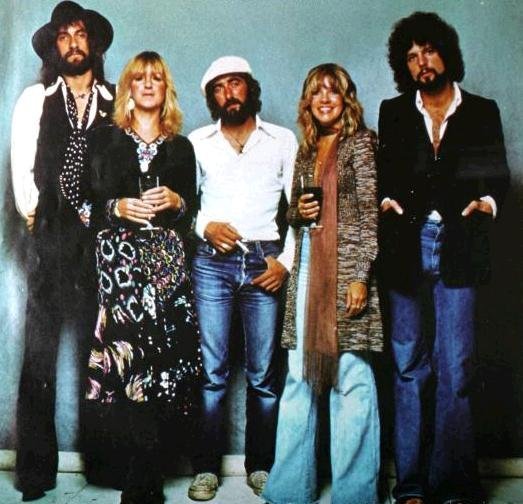
Stevie Nicks wrote this as another direct address to Buckingham. Listeners took it as a declaration of independence after heartbreak. The steady beat supported a sense of resolve.
The words came from her refusal to hear details about his new life. That refusal now reads as a protective stance during an especially raw period. The track gains depth when placed alongside the other songs that documented the same chapter.
Gold Dust Woman
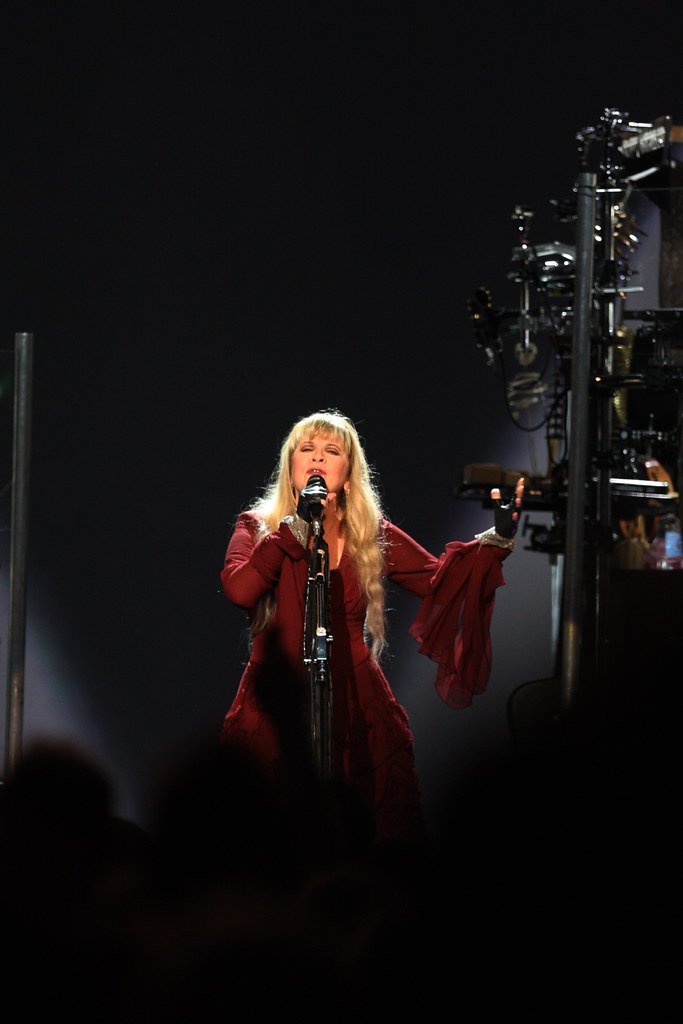
Stevie Nicks explored themes of change and resilience here. Early fans heard mystical imagery about transformation. The production added an atmospheric quality that invited broad interpretation.
The song drew from her own experiences navigating fame and personal upheaval. Today the references to dust and storms feel tied to the specific pressures the band faced together. Its enduring appeal rests on how those personal trials translated into something listeners could still claim as their own.
Oh Daddy

Christine McVie offered this as a tender yet complicated portrait. Listeners heard it as a song about a father figure or steady presence. The gentle arrangement suggested warmth and reflection.
It actually touched on her feelings toward Mick Fleetwood during the group’s internal shifts. That layer adds nuance to the affection in the lyrics. The song continues to resonate because it captures the mix of care and distance that defined many of their interactions.
Sara
![Sara ([1], CC BY 2.0)](https://festivaltopia.com/wp-content/uploads/2026/05/1778418781737_1778418765125_stevie_nicks_2017.jpeg)
Stevie Nicks poured personal longing into this later track. Fans heard a wistful story of a lost connection. The length and melody gave it an expansive feel.
The words referenced a real relationship that never fully materialized. Modern listeners recognize the private ache beneath the dreamy surface. Its place in the catalog shows how the pattern of turning life events into songs extended well beyond the Rumours period.
Storms

Stevie Nicks reflected on emotional turbulence in this cut. Listeners encountered it as a meditation on fading intensity. The sparse arrangement highlighted the introspective tone.
It stemmed from the cooling of her bond with Buckingham after the initial split. The imagery of storms now feels like a direct nod to the arguments that defined their time together. The song rewards repeat listens once the context comes into view.
What Makes You Think You’re the One
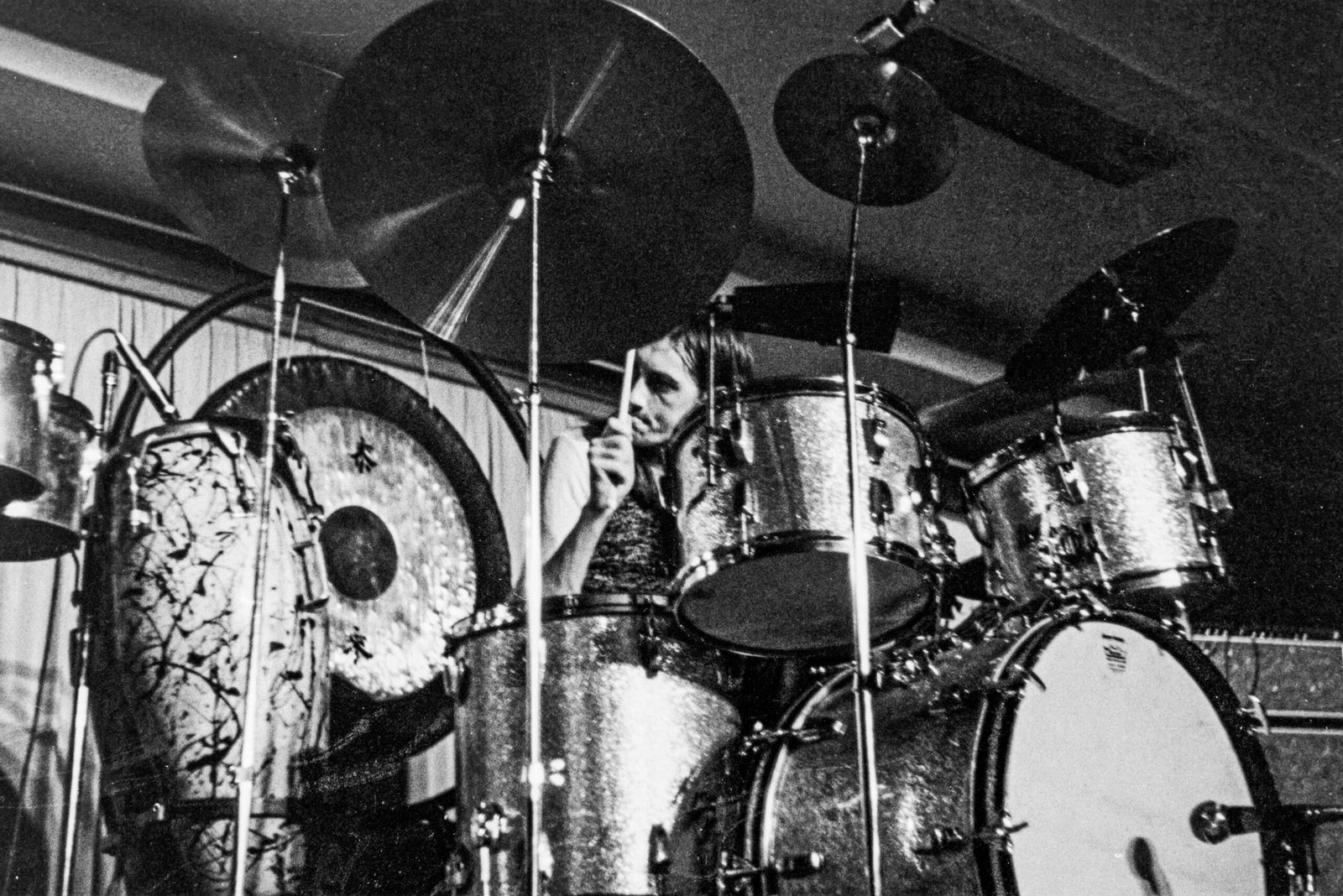
Lindsey Buckingham delivered a pointed challenge here. Fans heard a sharp question about assumptions in love. The driving rhythm matched the confrontational lyrics.
The track targeted Nicks during a later phase of their complicated history. That specificity turns the song into a snapshot of ongoing friction. Its edge remains sharp because the underlying dynamic never fully disappeared.
Never Going Back Again

Lindsey Buckingham wrote this with a sense of finality. Listeners took the acoustic style as a simple vow to move forward. The brevity made it feel light and direct.
The words came from his determination after the breakup with Nicks. Today the title carries extra weight as a statement that proved true in their personal lives even as the band continued. The clean guitar work stands in contrast to the lasting impact of the decision.
Think About It

Stevie Nicks offered this as a moment of self reflection. Early audiences heard advice about choices and consequences. The melody supported a thoughtful mood.
It drew from her processing of the band’s relational fallout. The call to think things through now feels like counsel she gave herself amid the chaos. The song fits neatly into the larger story of how the members worked through their feelings in public.
Angel

Stevie Nicks explored protection and memory in this piece. Listeners heard a comforting figure watching over someone. The arrangement created a sense of gentle presence.
The inspiration came from her ongoing connection to Buckingham despite everything. That background gives the protective tone a bittersweet quality. The track continues to offer solace while revealing the complicated roots of its creation.
Over My Head

Christine McVie captured a feeling of being swept away. Fans heard it as a joyful surrender to new emotions. The upbeat delivery reinforced the sense of excitement.
The song actually reflected her early days with the band and the pull of fresh possibilities. Today it marks the beginning of the very relationships that later fueled so much of the drama. Its innocent energy contrasts with the heavier chapters that followed.
World Turning

The band addressed change and continuity here. Listeners encountered a broad statement about life moving forward. The groove invited movement and acceptance.
It emerged from the collective sense that nothing stayed the same inside the group. The title now feels especially apt given how the members’ personal worlds kept shifting. The song serves as a reminder that the music kept turning even when everything else felt uncertain.
Landslide

Stevie Nicks wrote this before the full weight of fame arrived. Listeners heard a quiet meditation on growing older and facing change. The simple guitar and voice created an intimate space.
The words gained new resonance as the band lived through the very upheavals she described. Today the song feels like an early prophecy of the personal and professional landslides that defined their story. Its gentle wisdom continues to anchor the catalog.
Personal experiences turned Fleetwood Mac songs into something more than entertainment. The members turned private pain into shared art that still connects with listeners. That blend of honesty and melody keeps the music alive long after the original moments passed.

Besides founding Festivaltopia, Luca is the co founder of trib, an art and fashion collectiv you find on several regional events and online. Also he is part of the management board at HORiZONTE, a group travel provider in Germany.
