

- 10 One-Hit Wonders That Secretly Made Millions. - August 18, 2026
- Great Literature Offers Profound Insights Into the Human Condition, Unchanged by Time. - August 18, 2026
- The Evolution of Pop Culture Reveals a Fascinating, Often Unpredictable, Human Journey - August 18, 2026
Queen songs often blend theatrical storytelling with rich symbolism and multiple layers of meaning. Freddie Mercury crafted lyrics that invited listeners to project their own experiences onto them. This approach created lasting confusion over the decades.
Bohemian Rhapsody

Many listeners assume the line after the guitar solo is “So you think you can stop me and spit in my eye.” Others hear “stomp me” instead. Official lyrics confirm the phrase is actually “stone me.”
This mishearing persists because the operatic section moves quickly and the vocal delivery blends into the mix. Fans continue to debate it today because the song’s overall narrative remains open to personal interpretation even after decades of analysis.
The common belief that the entire track addresses Freddie Mercury’s AIDS diagnosis also circulates widely. The song appeared in 1975, long before his diagnosis in 1987. Mercury himself noted that he preferred listeners to decide the meaning for themselves rather than receive a single explanation.
Debate endures because the lyrics mix fantasy elements with emotional confession in a way that resists one definitive reading. New generations discover the track and form their own theories each year.
Another One Bites the Dust

A frequent mishearing occurs around the one minute fifty five mark where some hear Freddie Mercury shout “I’m not adopted.” The actual sound is a short vocal ad lib without specific words.
This occurs because the percussive yell sits low in the mix and the brain fills in familiar phrases. The line has no connection to the song’s theme of triumph over rivals.
Fans still discuss it online because the ad lib repeats in live versions and sounds different each time. The mystery adds a playful element that keeps the track fresh for repeated listens.
The rest of the lyrics focus on competitive success rather than personal backstory. This contrast makes the isolated shout stand out even more to attentive listeners.
Killer Queen
Some interpret the song as a straightforward celebration of a high class escort. Others read it as a veiled reference to Mercury’s own lifestyle choices at the time.
Mercury wrote the lyrics first and compared the style to Noel Coward’s witty observations. The track marked a shift toward more sophisticated subject matter for the band.
Debate continues because the character remains unnamed and the details stay deliberately glamorous yet vague. Listeners project different social commentaries onto the portrait.
The song’s enduring popularity ensures fresh ears encounter it regularly and form new opinions about its intent.
We Will Rock You
A few listeners once thought the stomping rhythm represented something literal like marching soldiers. The actual intent was audience participation through simple beats.
Mercury wanted crowds to create the percussion themselves during live shows. This choice turned the track into an anthem rather than a narrative piece.
Fans still debate its deeper meaning because the lyrics stay minimal and repetitive. The song’s simplicity invites endless speculation about its origins and purpose.
Its use in sports events and films keeps the discussion alive across generations.
Somebody to Love
Some assume the repeated plea refers to a romantic search. The lyrics actually explore a broader spiritual longing and self doubt.
Mercury drew from gospel influences to create the vocal arrangement. The song reflects personal questions about purpose and connection.
Debate persists because the emotional delivery blurs the line between romantic and existential themes. New listeners often bring their own experiences to the words.
The track’s gospel style continues to resonate and spark fresh conversations about its core message.
Don’t Stop Me Now

Many view the song as pure celebration of freedom and fun. Others detect an undercurrent of escapism tied to Mercury’s private life.
The lyrics list activities that suggest living in the moment without restraint. Mercury wrote it during a period of personal exploration.
Fans debate its tone because the upbeat music contrasts with possible darker undertones. The song’s popularity in media keeps interpretations varied.
Its anthemic quality ensures ongoing discussion about whether it is joyful release or something more complex.
Radio Ga Ga

Some hear the title as a comment on radio decline. The song actually praises the medium while noting changing times in music consumption.
Mercury and the band crafted it as a tribute to radio’s role in their early careers. The lyrics mix nostalgia with forward looking energy.
Debate continues because the track arrived just as music videos rose in prominence. Listeners connect it to broader shifts in how music reaches audiences.
Its use in events and films revives interest in the original message each decade.
Under Pressure

Many focus on the famous bass line and assume the lyrics address romantic tension. The words actually explore societal pressures and human connection.
Mercury and David Bowie collaborated on the track with minimal planning. The result blends their styles into a commentary on everyday struggles.
Fans still debate the exact balance between hope and despair in the verses. The song’s timeless quality invites new readings with each passing year.
Its frequent covers and samples keep the conversation about its meaning active.
Crazy Little Thing Called Love
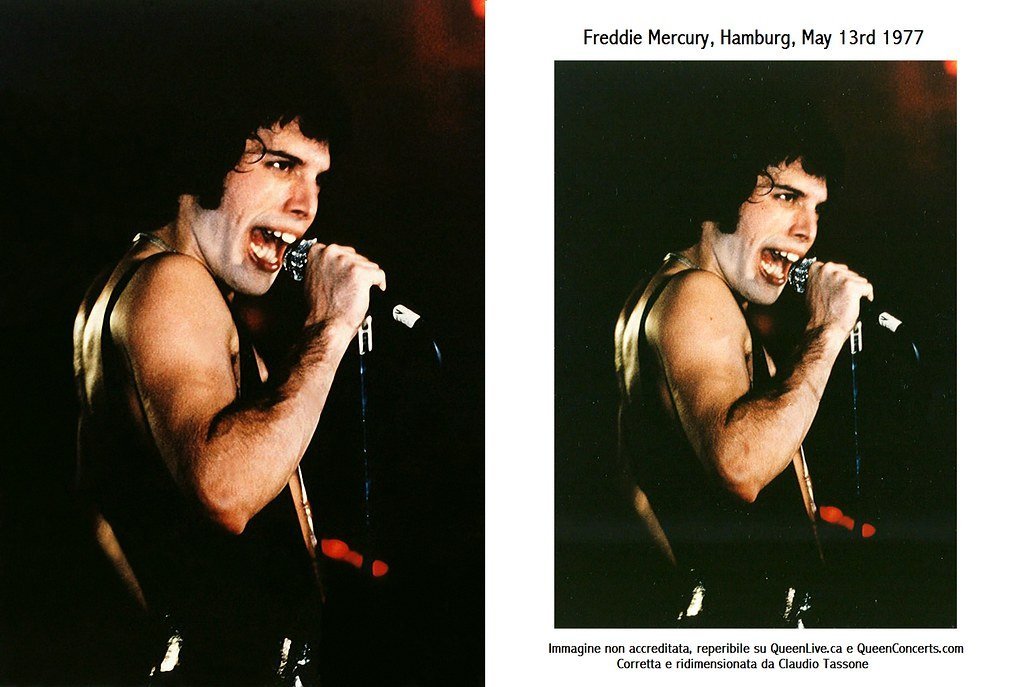
Some interpret it as a lighthearted rockabilly number about romance. The lyrics carry a playful nod to Elvis Presley influences while remaining personal.
Mercury wrote it quickly and the band recorded it in a similar spontaneous spirit. The track marked a return to simpler song structures.
Debate lingers because the style feels borrowed yet the emotion feels genuine. Listeners enjoy guessing how much autobiography lies beneath the surface.
Its chart success and live performances sustain interest in its origins.
Love of My Life
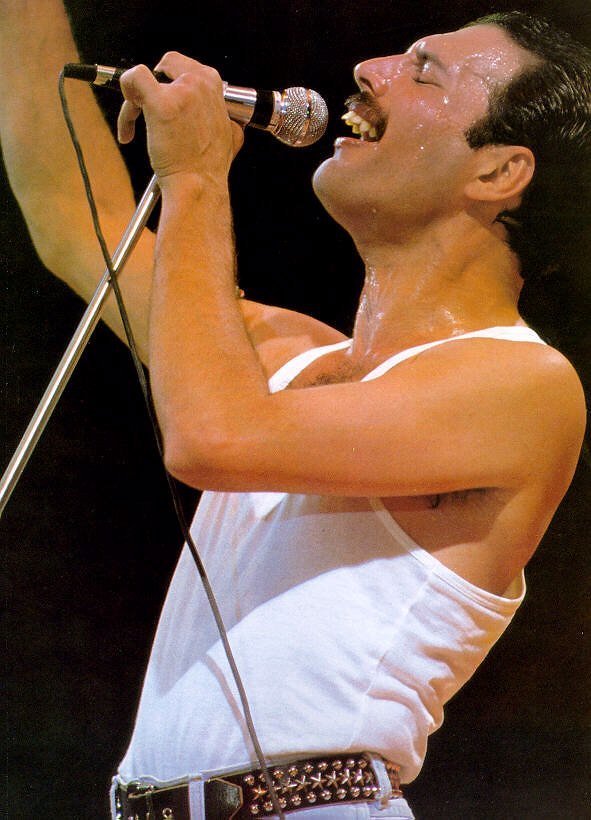
Many assume the song is purely about a romantic partner. Mercury later revealed it drew from his relationship with Mary Austin.
The piano ballad style heightens the emotional weight of the words. The lyrics express longing and acceptance of change.
Fans continue to discuss its personal significance because Mercury performed it with visible emotion in later years. The song’s intimacy invites close listening.
Its place in Queen’s catalog ensures new audiences discover the story behind the words.
Bohemian Rhapsody (reprise on meaning)
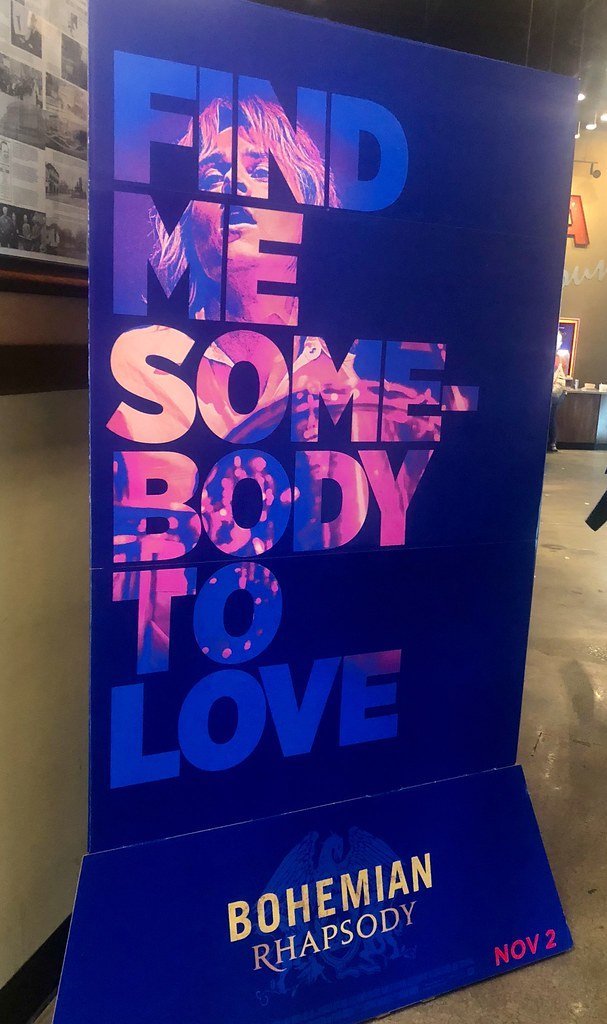
Another layer of confusion surrounds whether the song functions as one continuous story or several stitched together. Mercury described it as a collection of ideas.
The structure moves through ballad, opera, and hard rock sections without clear transitions. This patchwork approach fuels ongoing analysis.
Debate remains strong because no single explanation satisfies every listener. The song’s length and complexity reward repeated examination.
Its cultural status guarantees fresh theories emerge regularly.
Another One Bites the Dust (reprise on ad lib)
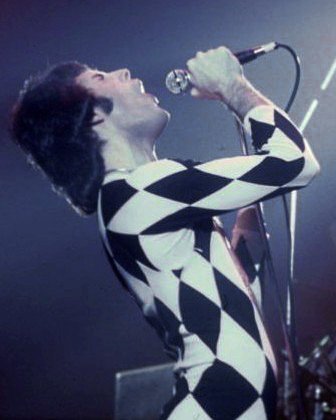
The ad lib in the track also gets misread as part of the main lyrics rather than a spontaneous addition. Studio choices created the ambiguity.
Mercury often added vocal flourishes during recording sessions. These elements enhance the groove without carrying narrative weight.
Fans debate its purpose because it stands out against the clearer verses. The track’s dance floor legacy keeps such details in focus.
Live versions vary the delivery and renew interest in the original recording.
Killer Queen (reprise on character)
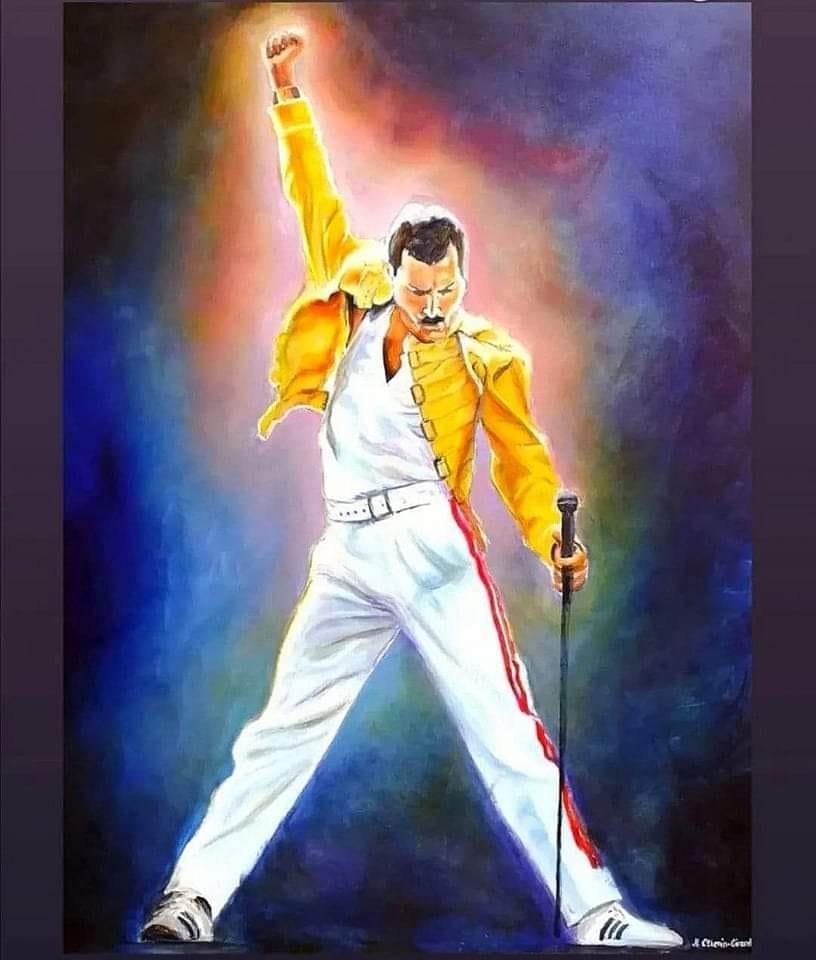
The central figure receives different labels from listeners ranging from glamorous to satirical. Mercury left room for both views.
The song’s production highlights the character through layered vocals and guitar work. This emphasis draws attention to the portrait.
Debate persists because the era’s social context adds possible commentary. Modern ears hear additional layers in the description.
Its inclusion on greatest hits collections introduces it to new fans regularly.
We Will Rock You (reprise on intent)

The stomps and claps were designed for stadium sing alongs rather than studio effect alone. Mercury envisioned audience involvement from the start.
The minimal lyrics support this participatory goal. The track builds energy through repetition and rhythm.
Fans still discuss its origins because it became a template for crowd anthems. Its simplicity hides the deliberate craft behind it.
Sports and media use keeps the song’s purpose in public conversation.
Somebody to Love (reprise on theme)
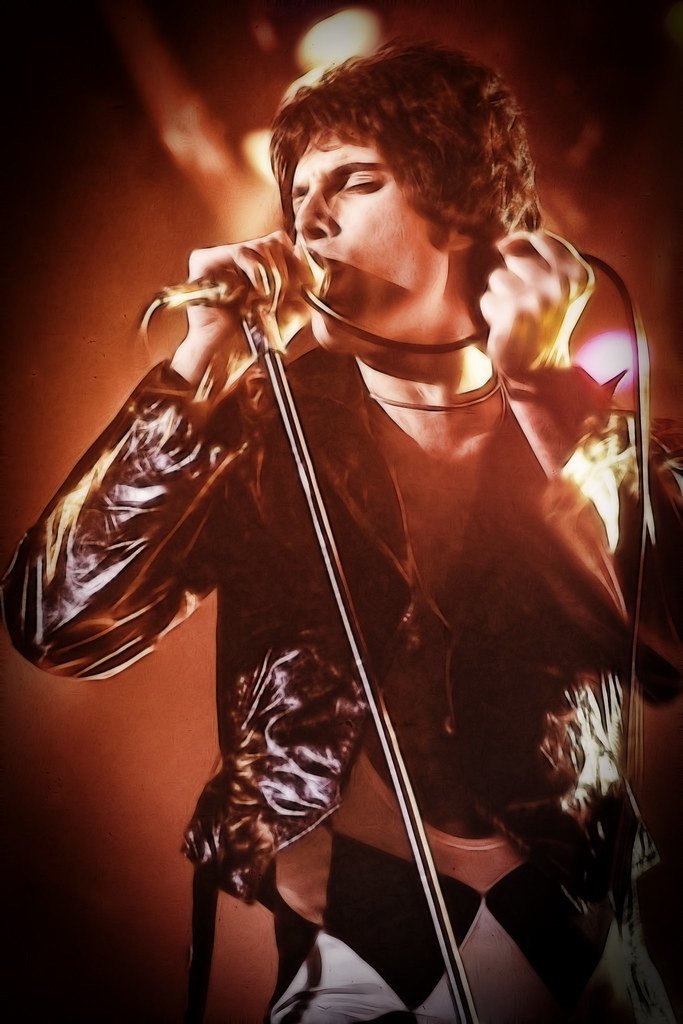
The gospel elements lead some to hear religious undertones while others focus on personal vulnerability. Both readings coexist comfortably.
Mercury’s vocal range showcases the emotional range of the plea. The arrangement supports the dual interpretation.
Debate continues because the song fits multiple moods depending on context. Its live performances often highlight different aspects.
Streaming numbers show steady discovery by younger listeners who bring fresh perspectives.
Don’t Stop Me Now (reprise on tone)
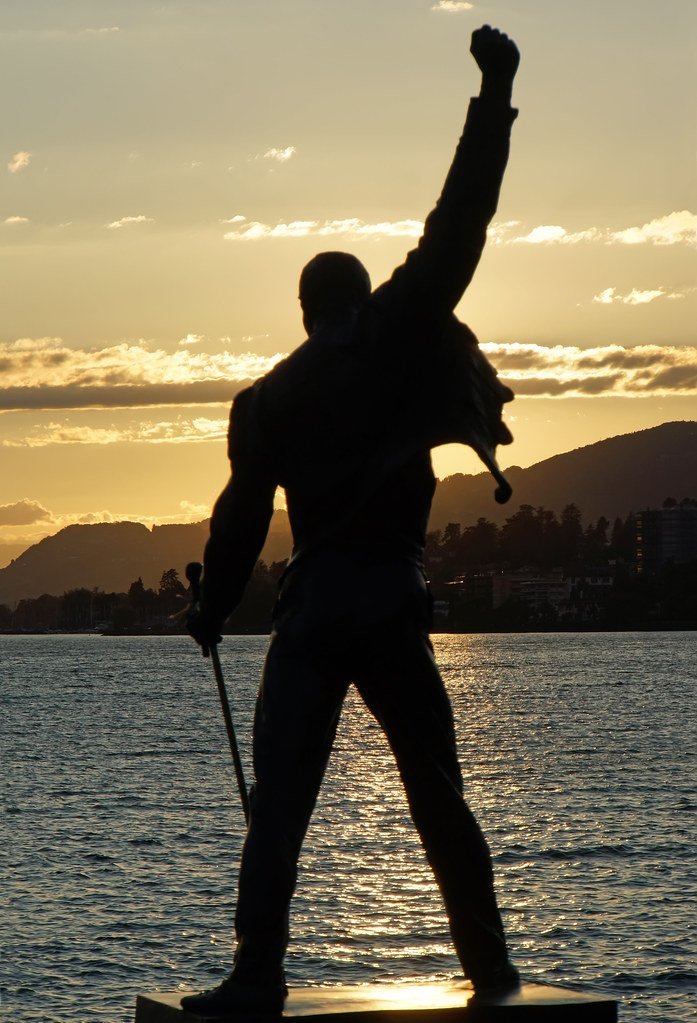
The contrast between upbeat music and possible personal context creates divided opinions on whether the song is purely celebratory. Mercury’s life at the time adds nuance for some.
The lyrics list joyful activities without explicit conflict. This openness allows varied readings.
Fans debate its place in the catalog because it bridges different eras of Queen’s sound. Its media appearances revive the discussion.
The track’s energy ensures it remains a staple for analysis and enjoyment.
Radio Ga Ga (reprise on nostalgia)

The song balances appreciation for radio with awareness of its changing role. Listeners sometimes emphasize one side over the other.
Mercury’s personal history with the medium informs the words. The production reflects both past and present influences.
Debate lingers because music consumption has evolved further since release. New technology revives the original commentary.
Its anthemic chorus keeps it relevant in live settings and media.
Under Pressure (reprise on collaboration)
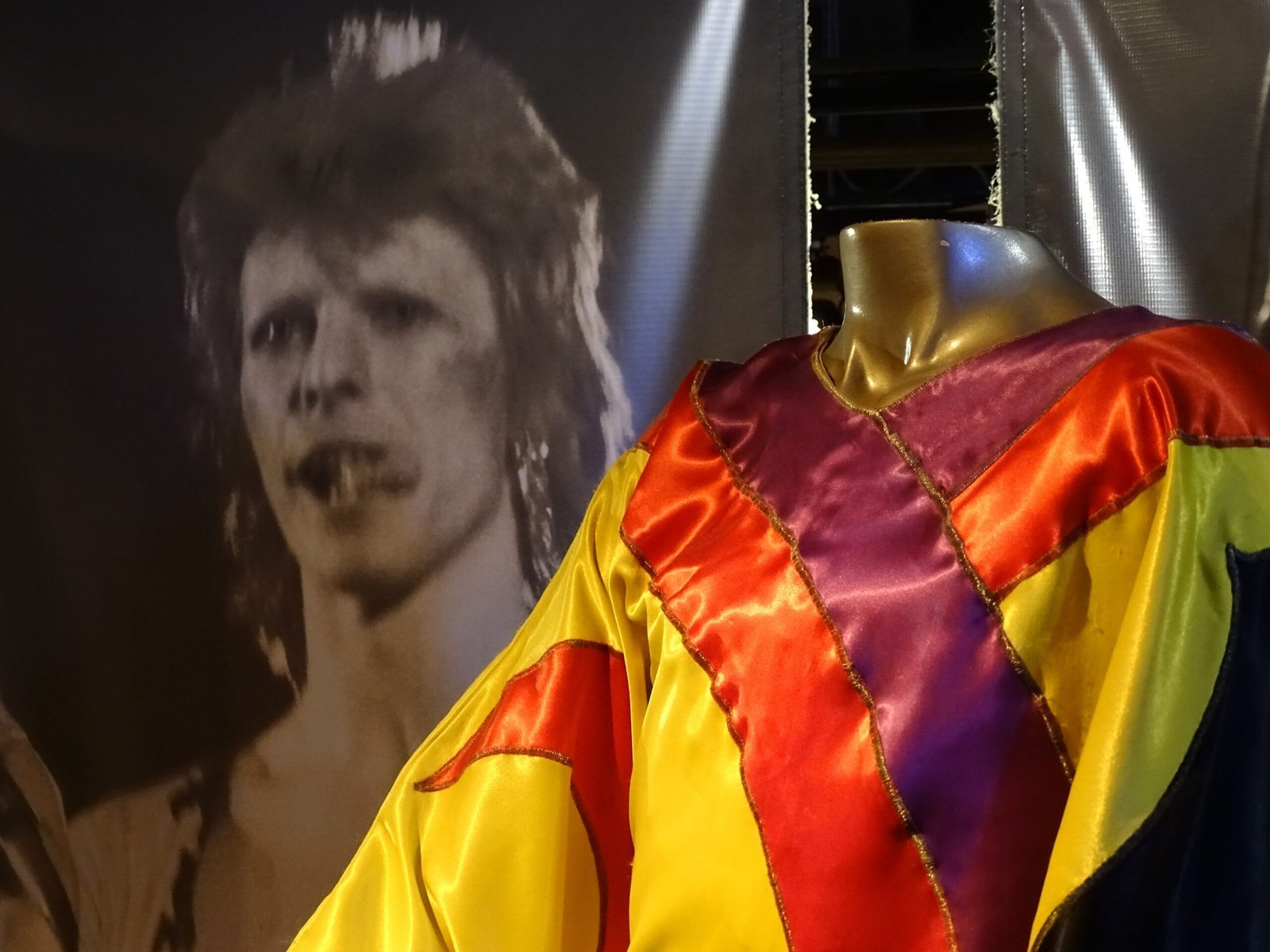
The joint writing with David Bowie leads to speculation about who contributed which lines. The final version blends their voices seamlessly.
The lyrics address universal pressures without naming specifics. This generality invites broad identification.
Fans continue to discuss the creative process because the song feels both personal and universal. Its covers highlight different interpretive choices.
The track’s legacy ensures ongoing interest in its origins and message.
Crazy Little Thing Called Love (reprise on style)
The rockabilly sound prompts questions about how seriously Mercury took the genre. The quick writing process suggests playful experimentation.
The lyrics stay light yet carry emotional weight through delivery. This balance fuels discussion.
Debate persists because the song fits Queen’s catalog while standing apart stylistically. Live versions often emphasize the fun aspect.
Its chart performance and enduring play keep the style choice in focus.
Love of My Life (reprise on dedication)
The dedication to Mary Austin is well known yet the lyrics allow broader application to lost connections. Mercury performed it with evident feeling.
The piano arrangement supports the intimate tone. The words express both regret and gratitude.
Fans debate its autobiographical weight because Mercury rarely confirmed details publicly. The song’s emotional impact invites personal connection.
Its inclusion in tributes and documentaries sustains interest in the story behind it.
Conclusion
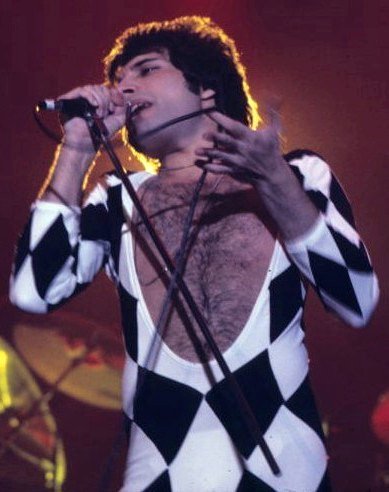
Freddie Mercury’s approach to songwriting left space for multiple meanings in nearly every track. This openness explains why Queen lyrics continue to spark discussion long after their release. The combination of theatrical flair and personal resonance keeps the music alive for new listeners. Each generation finds fresh ways to connect with the words while the original ambiguity endures.
CEO-Co-Founder
