


- 18 Simon & Garfunkel Lyrics That Are Sadder Than Most Fans Realize - September 8, 2026
- 25 Queen Lyrics Fans Have Been Getting Wrong for Decades - September 8, 2026
- 12 Iconic Rock Star Facts You Thought You Knew (But Were Dramatically Wrong) - September 8, 2026
The 1980s brought a surge of rock music that captured the decade’s mix of ambition, rebellion, and larger than life energy. Bands and artists pushed boundaries with bigger sounds, sharper hooks, and themes that spoke to everyday struggles and dreams. That combination helped the music cross over into movies, sports arenas, and everyday life in ways that still feel fresh decades later.
Listeners today keep turning to these tracks because they deliver raw power without needing any explanation. The era’s rock created shared moments that generations continue to revisit, whether at concerts or through streaming playlists.
Don’t Stop Believin’ by Journey (1981)
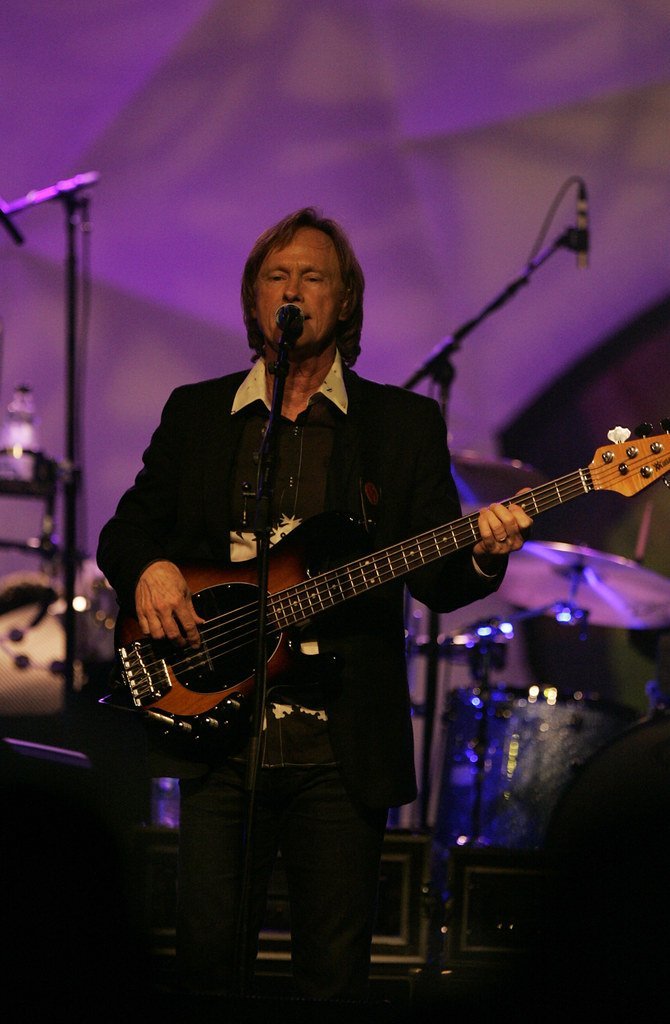
This song rose quickly after its release as part of the Escape album. Its story of small town hopes and late night escapes struck a chord with people facing uncertain futures. Radio play and live performances turned it into a rallying cry for perseverance.
Decades on, the track appears in countless films and television shows that highlight underdog moments. Sports teams still blast it during key games to lift crowds. New artists cover it regularly, showing how its message of holding on travels across time and styles.
Eye of the Tiger by Survivor (1982)
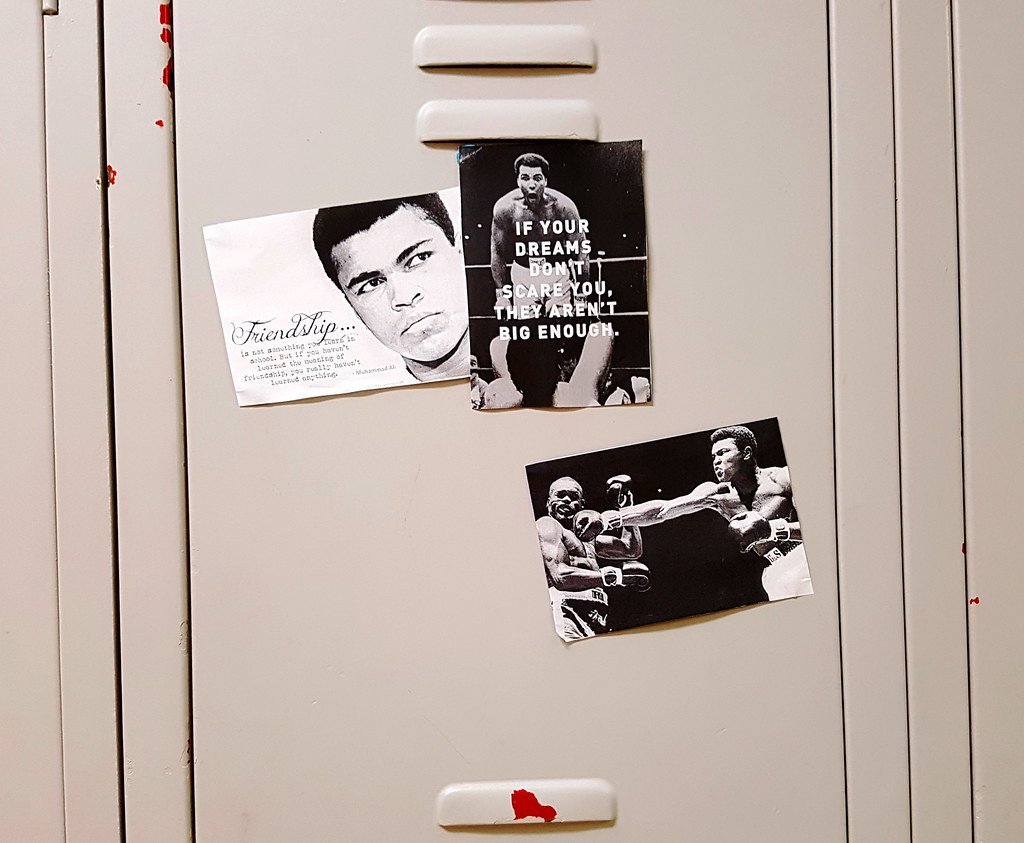
Written for a major boxing film, the song captured the drive to overcome long odds. Its pounding drums and direct lyrics made it an instant favorite for anyone training or competing. The track climbed charts fast and stayed there through word of mouth.
Today it serves as a go to motivator in gyms and workout videos around the world. Athletes and coaches reference its spirit when talking about focus and grit. Remixes and samples keep it alive in modern playlists without losing its original punch.
Jump by Van Halen (1984)
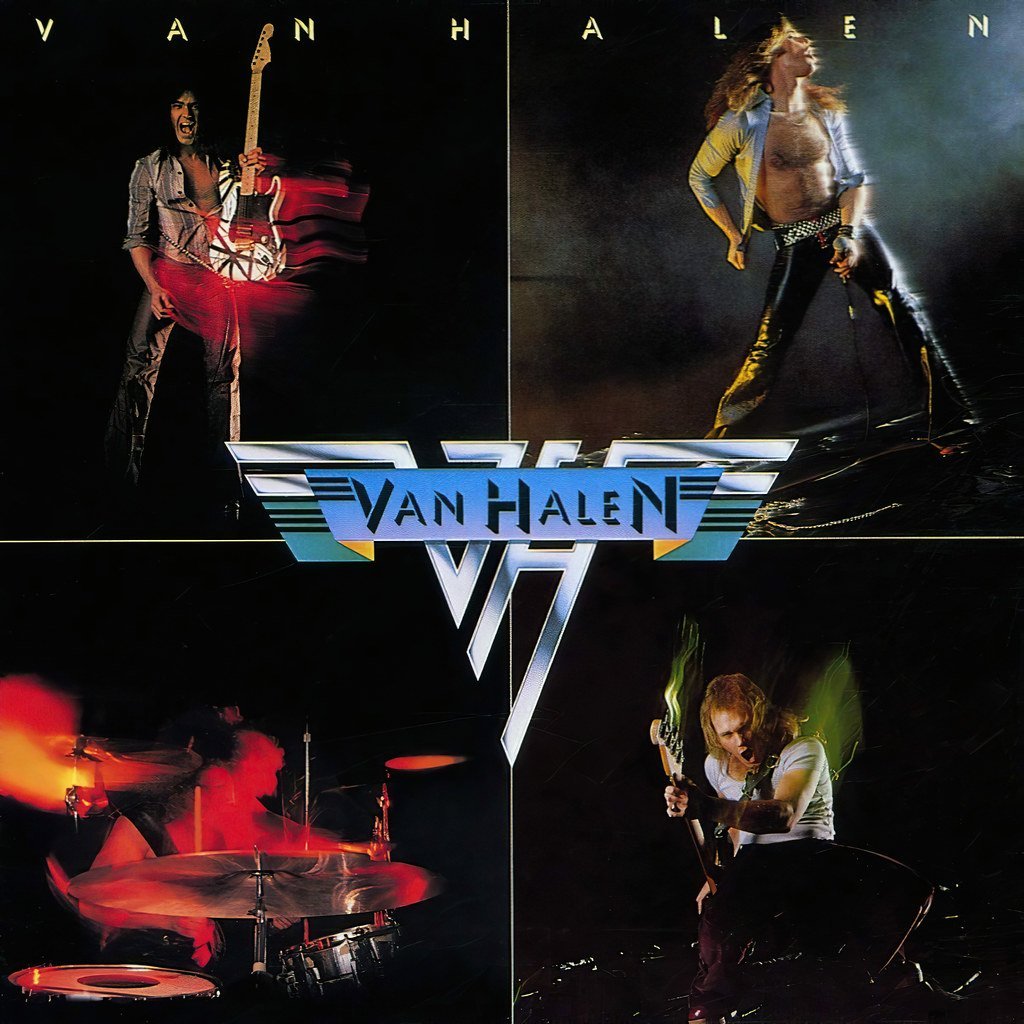
The single marked a shift toward keyboards while keeping the band’s guitar edge sharp. Its upbeat call to take chances connected with listeners ready for change in the mid 1980s. Live shows turned the chorus into a full crowd sing along.
Current rock bands still cite its blend of melody and drive as a model for accessible anthems. It shows up in commercials and video games that celebrate bold moves. Fans across age groups recognize the riff within seconds and often join in.
I Love Rock ‘n’ Roll by Joan Jett & the Blackhearts (1981)

Joan Jett turned a cover into her signature statement of independence and raw attitude. The straightforward beat and defiant chorus made it a hit on both rock and pop stations. It gave voice to fans who wanted music that felt unpolished and honest.
Streaming services now place it on playlists that mix classic and current rock. Younger performers draw from its direct energy when building their own stage presence. The song remains a staple at events that celebrate personal freedom and loud guitars.
Another One Bites the Dust by Queen (1980)
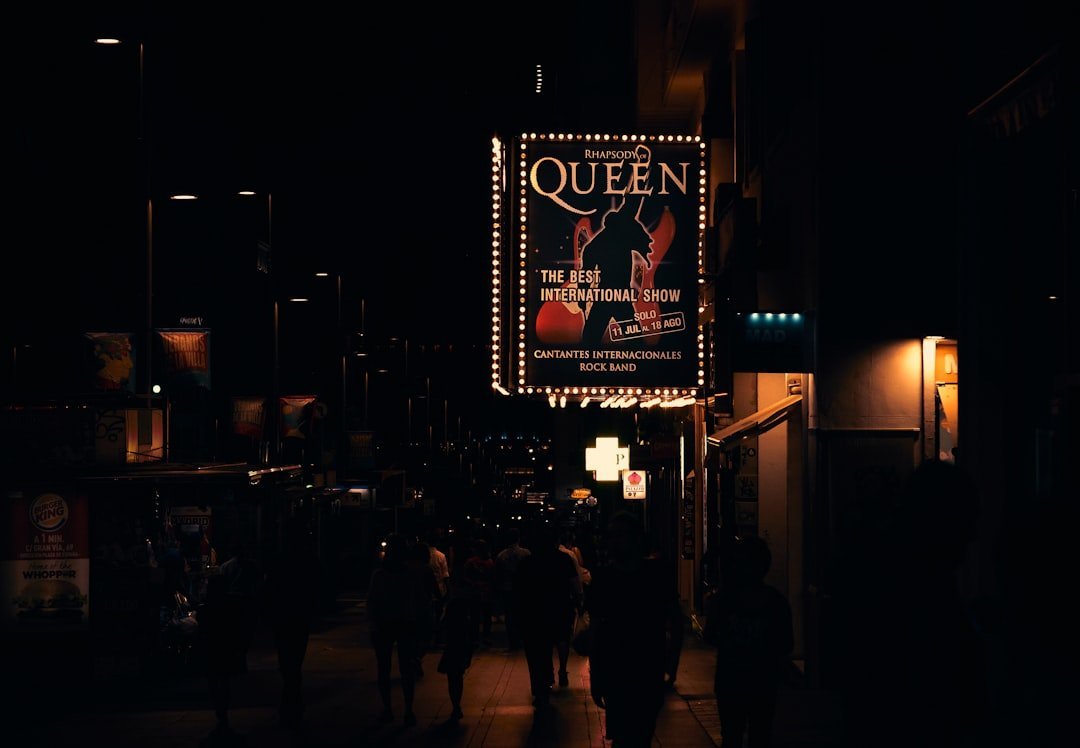
The bass line drove the track from the start and pulled in listeners who might not have followed the band before. Its tale of rivalry and survival fit the competitive spirit of the early decade. Dance floors and parties adopted it quickly for its infectious groove.
Modern producers sample the bass often in hip hop and electronic tracks. Sports broadcasts use it to mark turnovers or wins. The song’s structure still influences how bands build tension and release in their own material.
Livin’ on a Prayer by Bon Jovi (1986)
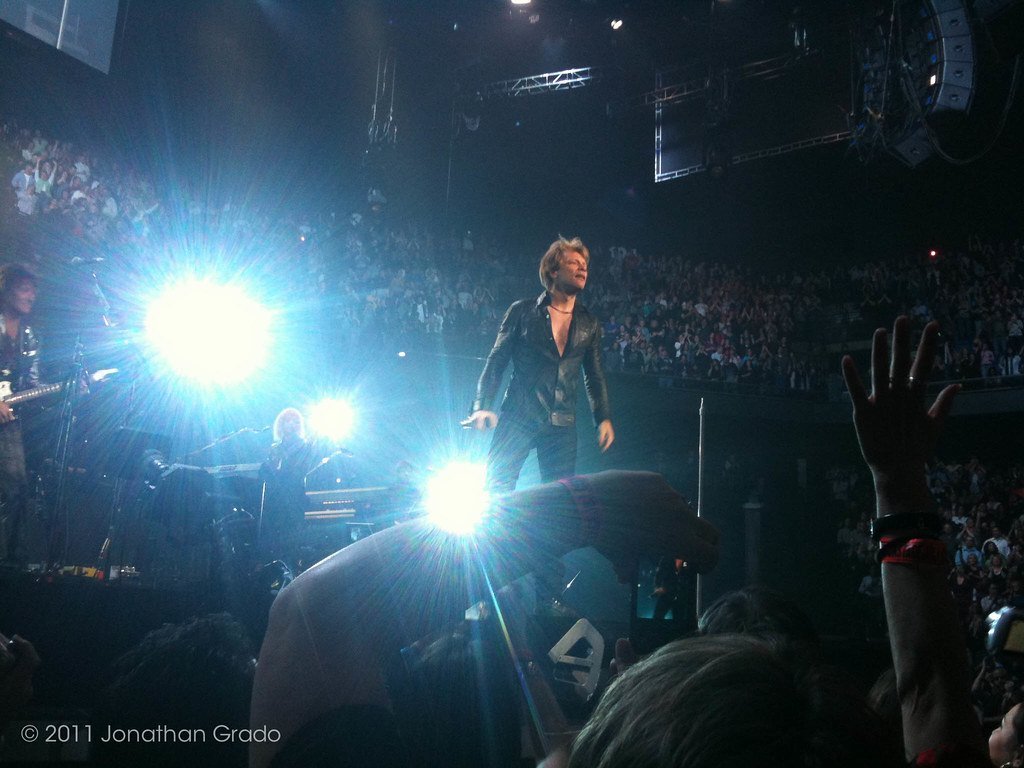
Released during a time of economic shifts, the story of working class dreams resonated widely. The anthemic chorus and storytelling verses gave it staying power on radio. Fans embraced it as a soundtrack for pushing through tough times.
Current tribute bands keep the arrangement close to the original during tours. It appears in motivational content aimed at young professionals. The track’s blend of hope and grit continues to draw new listeners who discover it through family playlists.
Sweet Child o’ Mine by Guns N’ Roses (1987)
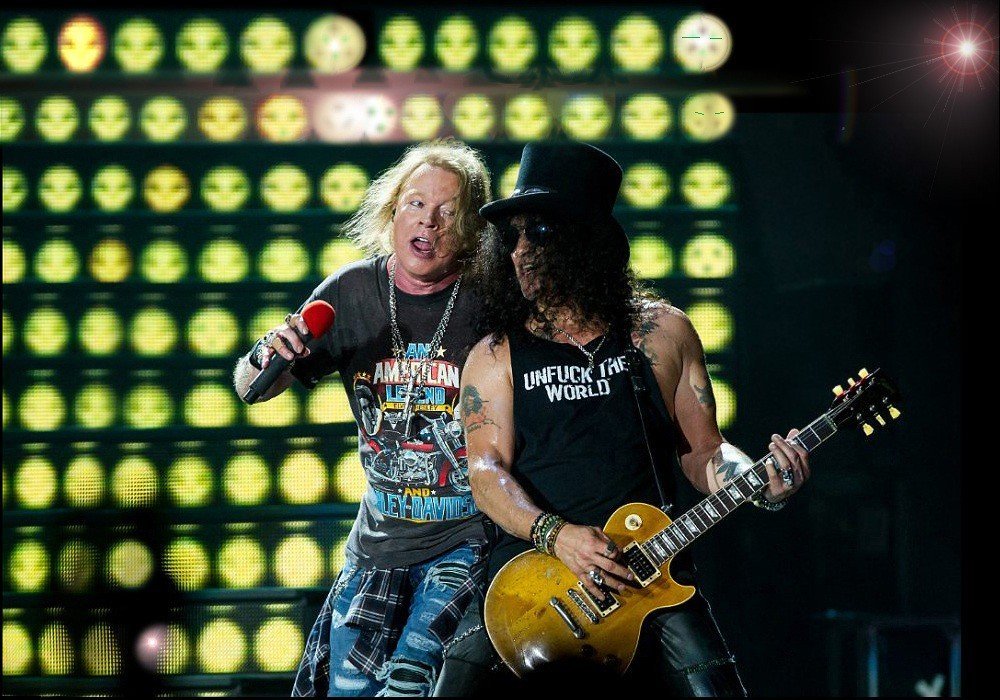
The opening guitar figure set the song apart immediately and drew attention to the band’s raw sound. Lyrics about love and excess mirrored the late 1980s rock scene. It became a radio staple that introduced many to harder edged rock.
Today guitar students learn the riff as a rite of passage. Festivals feature it in sets that span multiple decades of rock. The song’s emotional range keeps it relevant in both nostalgic and fresh contexts.
Pour Some Sugar on Me by Def Leppard (1987)

Part of the Hysteria album, the track leaned into party energy with a heavy beat. Its direct invitation to let loose made it a club and arena favorite. Fans responded to the sense of release it offered after long workweeks.
Streaming data shows steady plays during weekend gatherings and road trips. Cover versions appear in talent shows and local bands. The song’s structure still guides how groups craft high energy closers for live sets.
Welcome to the Jungle by Guns N’ Roses (1987)

The song painted a vivid picture of city life and ambition that matched the era’s fast pace. Its aggressive guitars and urgent vocals created an immediate impact on first listen. It helped define the band’s breakthrough sound.
Video games and action films continue to feature it for intense scenes. New rock acts reference its intensity when discussing how to open albums. The track maintains a strong presence in playlists that highlight 1980s highlights.
Born in the U.S.A. by Bruce Springsteen (1984)
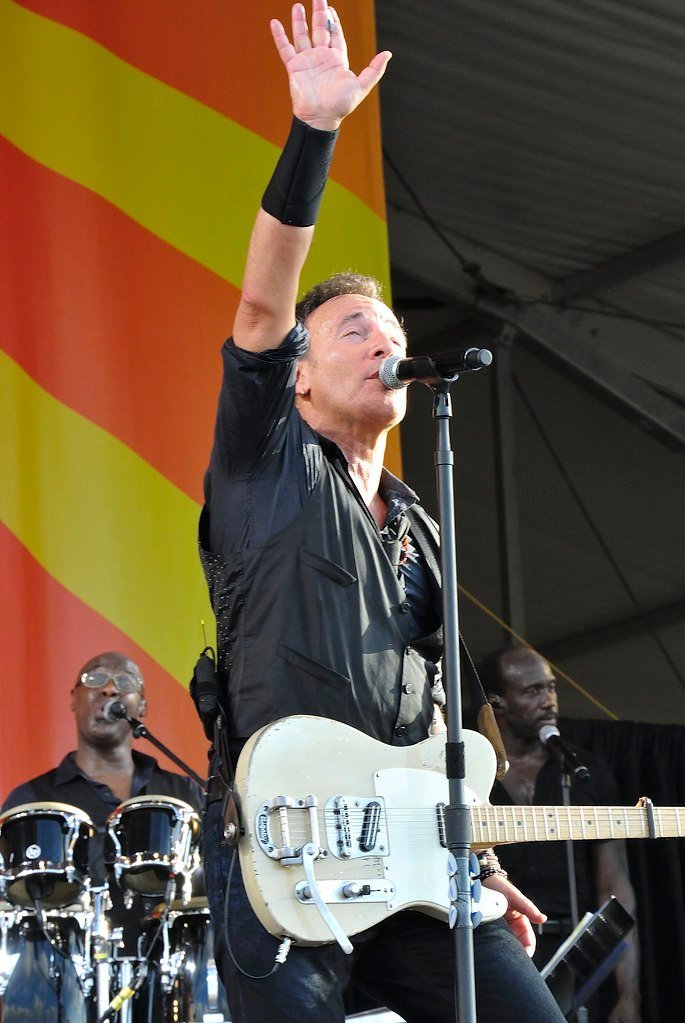
The title track from the album addressed working class realities with a direct chorus. Its stadium ready sound contrasted with deeper verses that invited reflection. Listeners connected it to both celebration and critique of American life.
Political events and documentaries still draw on its imagery. Springsteen tours keep it central to set lists that span his career. The song’s dual nature as anthem and commentary influences how artists approach similar themes today.
The Timeless Energy of 80s Rock

These tracks share a common thread of bold production and relatable stories that cut through changing tastes. Their creators built sounds meant for large spaces yet intimate enough for headphones. That balance explains why new generations keep discovering them.
Streaming numbers and live attendance figures show steady interest without signs of fading. The music’s core appeal lies in its ability to mark moments of triumph or struggle. Listeners return because the songs deliver the same lift they offered when first released. In the end, 80s rock anthems prove that strong melodies and honest emotion travel well across decades.
CEO-Co-Founder
