

- 18 Simon & Garfunkel Lyrics That Are Sadder Than Most Fans Realize - September 8, 2026
- 25 Queen Lyrics Fans Have Been Getting Wrong for Decades - September 8, 2026
- 12 Iconic Rock Star Facts You Thought You Knew (But Were Dramatically Wrong) - September 8, 2026
Dance trends in the 1980s turned live music events into shared physical experiences. Crowds at concerts and early festivals moved together in ways that amplified the energy of performances and created lasting memories among attendees. These moves spread quickly through music videos and radio hits, encouraging people to participate rather than just watch from the sidelines.
Breakdancing
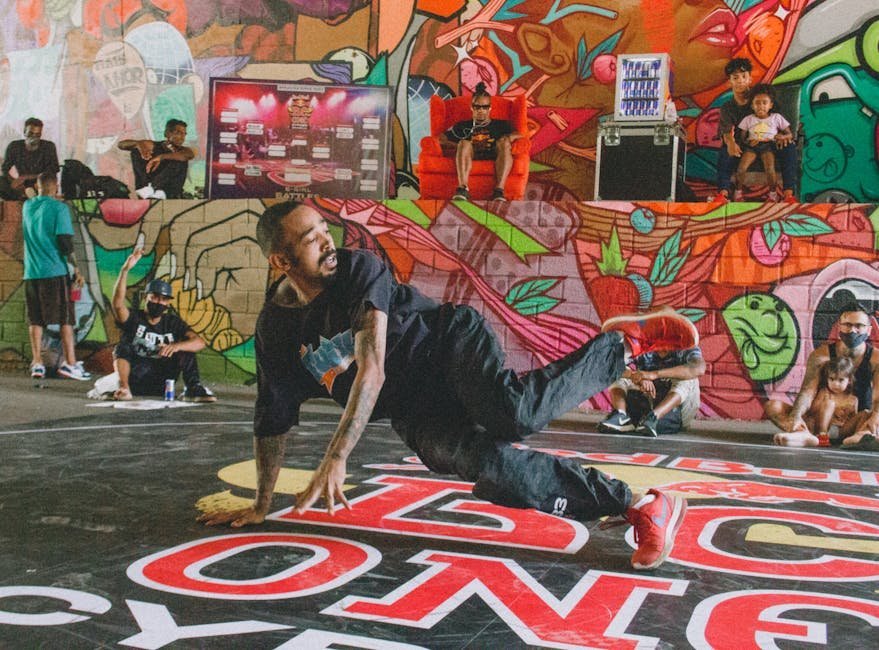
Breakdancing emerged in the late 1970s in New York but exploded across the 1980s as a core element of hip hop culture. Artists like the Rock Steady Crew brought it to mainstream attention through performances and films. The style featured spins, freezes, and footwork that demanded athletic skill and creativity.
At festivals and outdoor shows, breakdancing circles formed naturally in open spaces. Spectators joined in or cheered on the dancers, turning passive viewing into active community moments. This craze helped shift festival atmospheres toward more inclusive and energetic participation that carried into later decades.
The Moonwalk
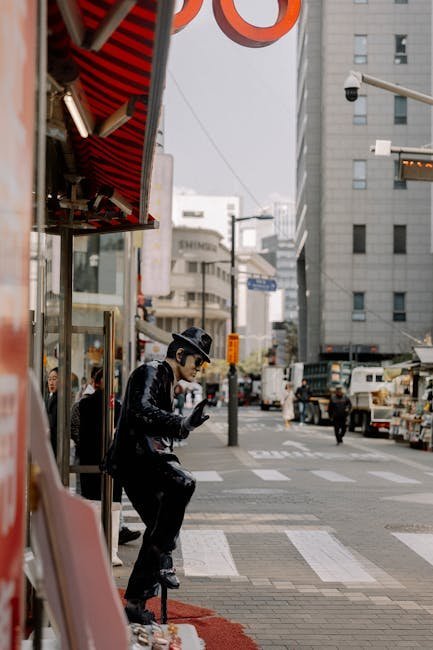
Michael Jackson introduced the moonwalk to a global audience during his 1983 Motown 25 performance. The move created an illusion of gliding backward while walking forward, and it quickly became a signature element of his stage shows. Jackson refined it from earlier street dance influences.
Festival goers replicated the glide during his hits like Billie Jean, adding a theatrical flair to group dancing. The move encouraged synchronized moments in large crowds where everyone attempted the same illusion at once. It elevated the visual spectacle of live music and inspired countless imitators at outdoor events.
The Thriller Dance
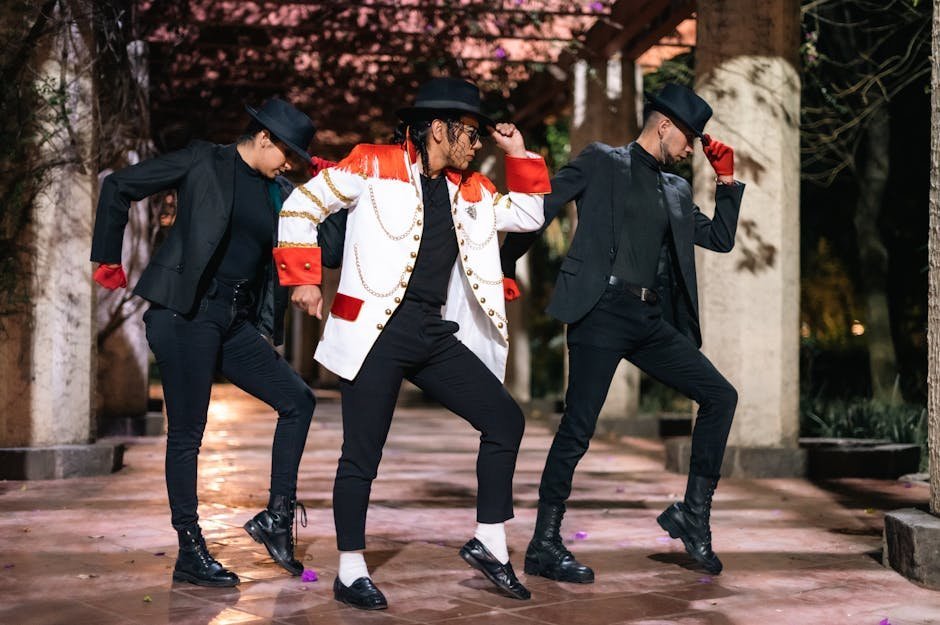
The choreography from Michael Jackson’s 1983 Thriller video featured zombie like steps and group formations that fans learned worldwide. Jackson collaborated with choreographer Michael Peters to create routines that told a story through movement. The dance appeared in concerts and music television throughout the decade.
At festivals, audiences performed the routine in unison during encores or themed nights. This created waves of coordinated motion across fields and stages that bonded strangers through shared steps. The craze demonstrated how a single video could transform passive listeners into active participants at live gatherings.
The Electric Slide
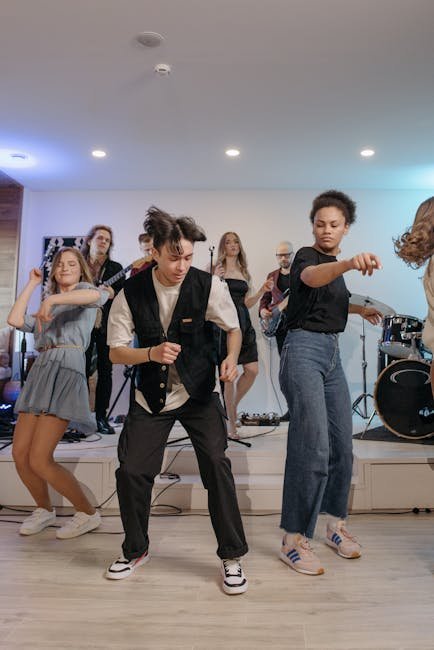
The Electric Slide gained popularity in the mid 1980s as a line dance set to Marcia Griffiths’ Electric Boogie. It involved simple side steps, kicks, and turns that anyone could follow after a few tries. The dance spread through clubs and parties before reaching larger events.
Festival crowds formed long lines to perform the sequence together during upbeat sets. This format allowed hundreds of people to move in harmony without needing partners or prior practice. It fostered a sense of collective rhythm that made festivals feel more like giant communal celebrations.
Voguing
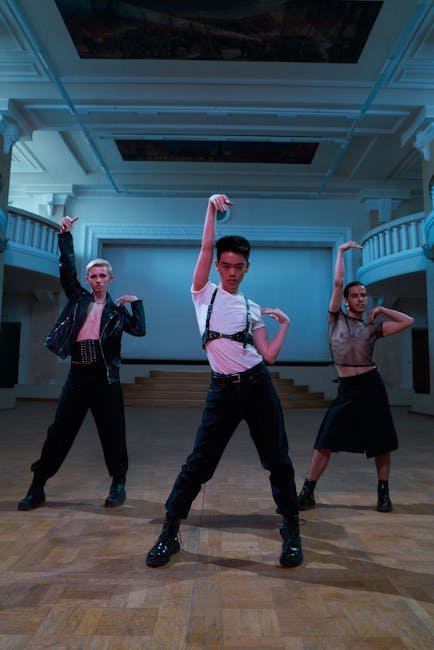
Voguing originated in New York ball culture during the early 1980s and drew from fashion magazine poses. Madonna brought wider attention to the style with her 1990 hit Vogue, though the roots stayed firmly in the previous decade. Dancers struck sharp, angular poses in quick succession.
At progressive festivals and club nights that crossed into outdoor scenes, voguing added dramatic flair to performances. Participants used it to express individuality within group settings. The craze highlighted how dance could blend competition and artistry in festival environments.
The Running Man
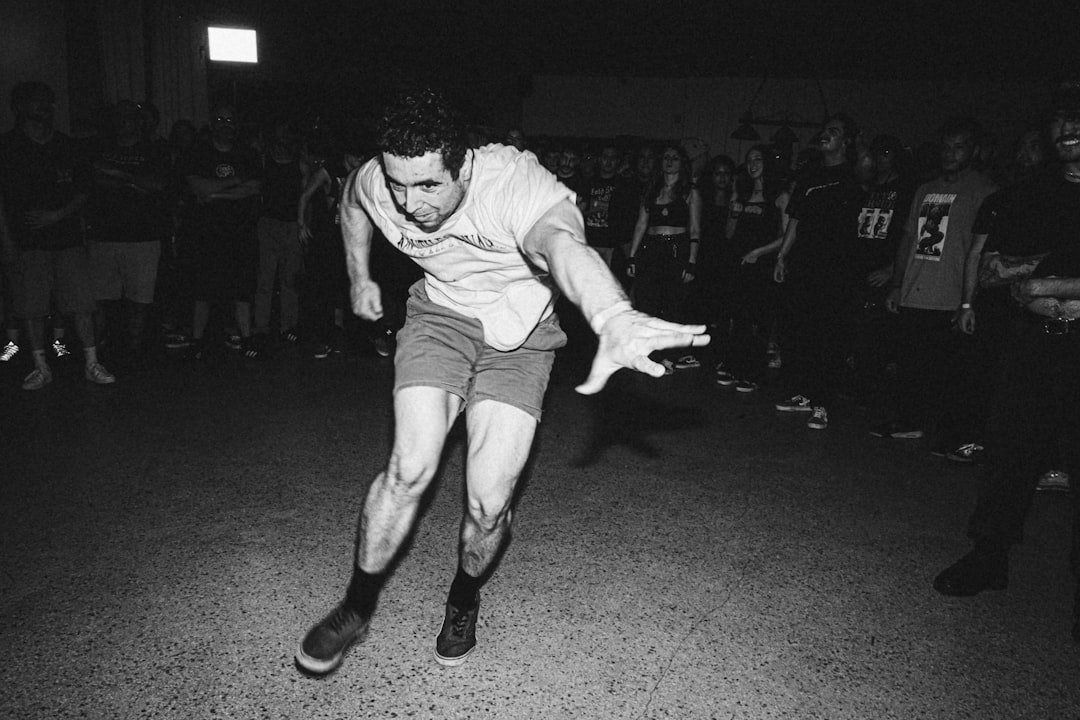
The Running Man became a staple in the late 1980s through hip hop tracks and videos. Dancers shifted weight side to side while pumping their arms as if sprinting in place. MC Hammer and others popularized variations that fit energetic beats.
Festival attendees adopted the move during high tempo sets to keep moving without traveling far in packed areas. It allowed sustained dancing in tight spaces while maintaining visual excitement. The simple yet dynamic steps helped sustain crowd energy across long days of music.
The Cabbage Patch
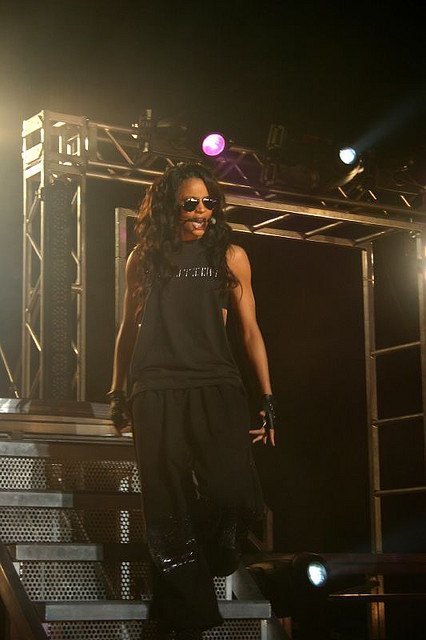
The Cabbage Patch dance surfaced in the mid 1980s alongside rap and R&B hits. It featured circular arm motions and hip sways that resembled rocking a baby. The move appeared in clubs and on television dance shows.
At festivals, groups performed the Cabbage Patch in casual clusters during lighter moments between acts. Its playful nature invited newcomers to join without feeling self conscious. This helped maintain a lighthearted vibe even as crowds grew larger and more diverse.
Lambada
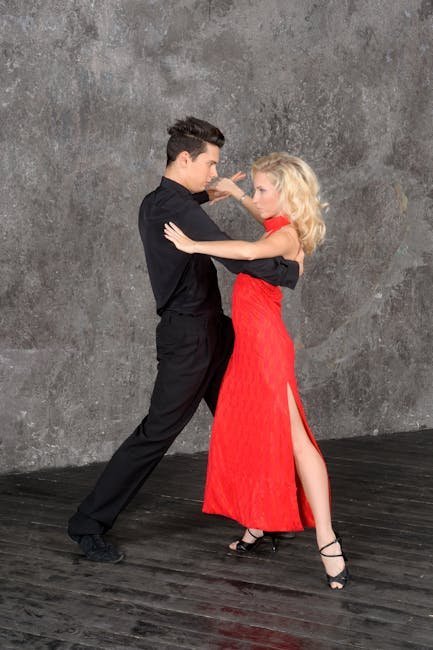
Lambada swept through the late 1980s from Brazilian roots and gained traction via the 1989 hit by Kaoma. The dance involved close partner holds with rapid hip movements and spins. It carried a sensual energy that contrasted with more solo styles of the era.
Festival stages sometimes featured Lambada demonstrations that encouraged couples to try it in open areas. The partner focus created intimate pockets within larger events. It added variety to the overall dance landscape and showed how international influences enriched festival experiences.
Walk Like an Egyptian
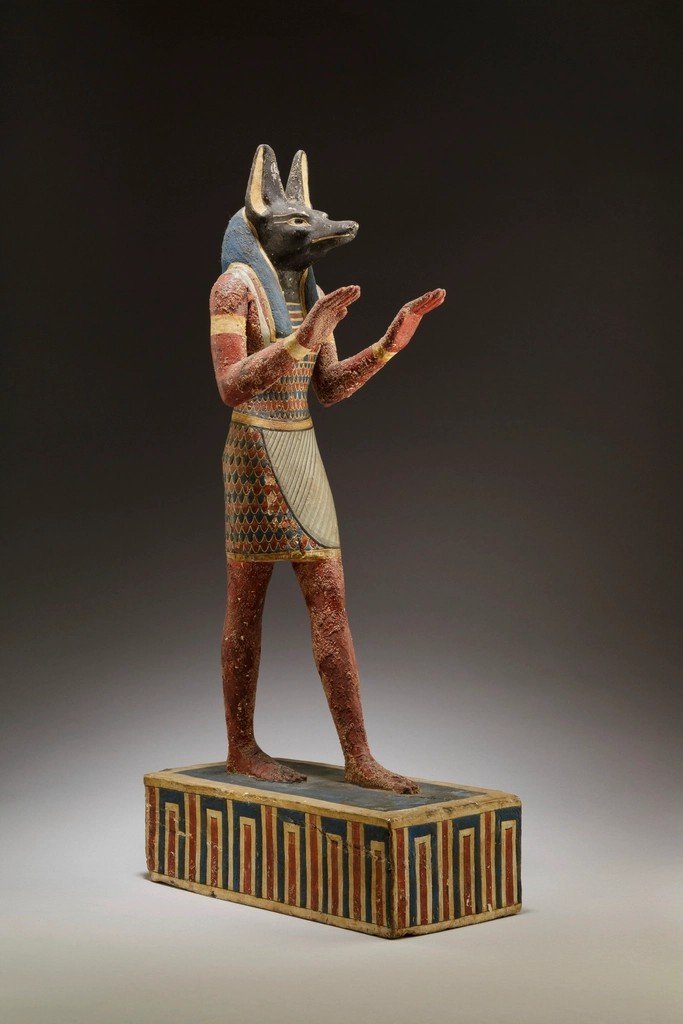
The Bangles released Walk Like an Egyptian in 1986, and the accompanying dance featured stiff arm movements and side to side steps mimicking ancient figures. The routine spread through music videos and school dances. It offered a quirky, memorable alternative to smoother styles.
Festival crowds echoed the pose during the song’s airplay at events. The exaggerated gestures made it easy to spot and replicate from a distance. This craze injected humor and visual novelty into live music settings that kept audiences engaged.
The Robot
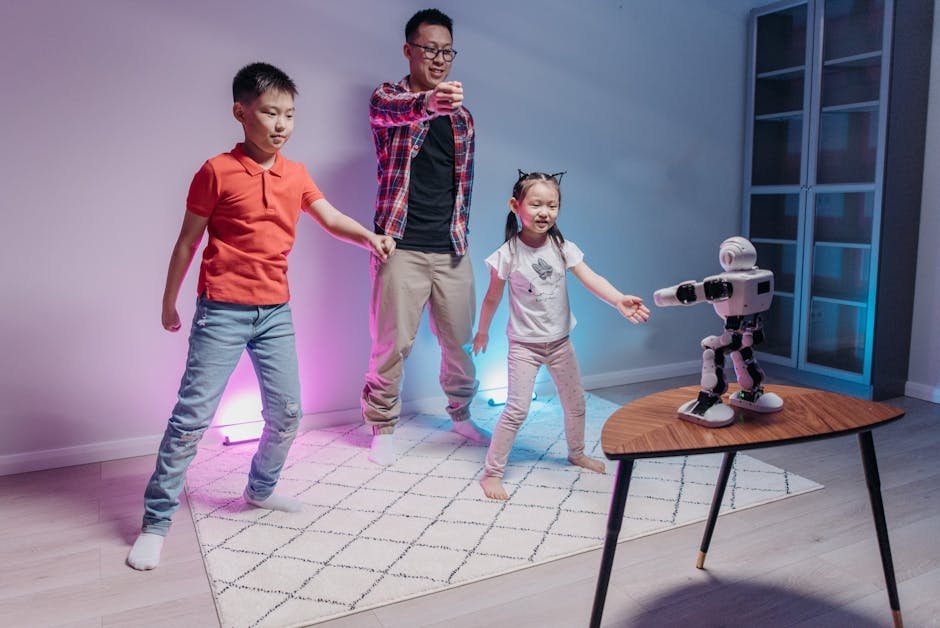
The Robot saw renewed popularity in the 1980s even though its origins traced earlier. Dancers moved with mechanical precision, locking joints and shifting in jerky increments. It fit well with electronic and synth driven tracks of the time.
At festivals, performers and fans alike used the Robot during futuristic themed sets. The style stood out in daylight or under lights because of its sharp contrasts. It encouraged creative interpretation that kept dance culture evolving within festival grounds.
Conclusion
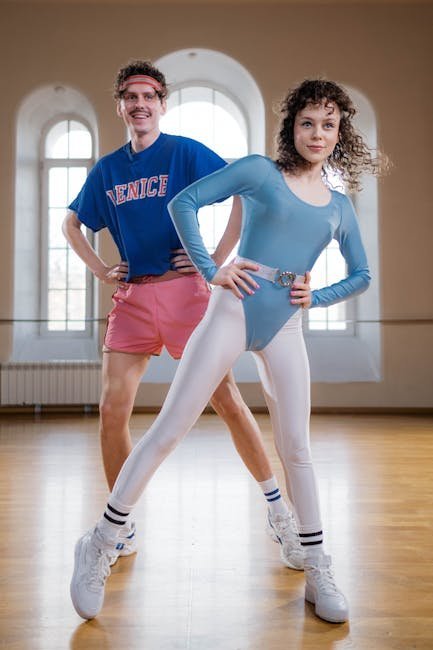
These 1980s dance crazes turned festivals from mere listening events into full body celebrations. They encouraged spontaneous participation that built connections among strangers through movement. The era’s emphasis on accessible yet distinctive steps laid groundwork for how crowds interact with live music today.
Many of those moves still surface at modern gatherings, proving their enduring appeal. Dance continues to shape festival culture by turning music into something people do together rather than simply observe. The legacy remains visible in the way audiences claim space and create shared rhythms year after year.
CEO-Co-Founder
