

For any feedback please reach out to info@festivalinside.com
- How 11 Fiction Changed Public Perception of War - September 28, 2026
- 15 Books That Shocked America’s Moral Conscience - September 28, 2026
- Japan’s History in Short: The Key Moments That Shaped a Global Power - September 28, 2026
Classic rock album covers often go beyond simple visuals. They embed layers of symbolism that reward close inspection and shift how listeners experience the music inside. These details turn static images into active puzzles, revealing themes of rivalry, mortality, mysticism, and personal tribute that the songs only hint at.
The Beatles – Sgt. Pepper’s Lonely Hearts Club Band
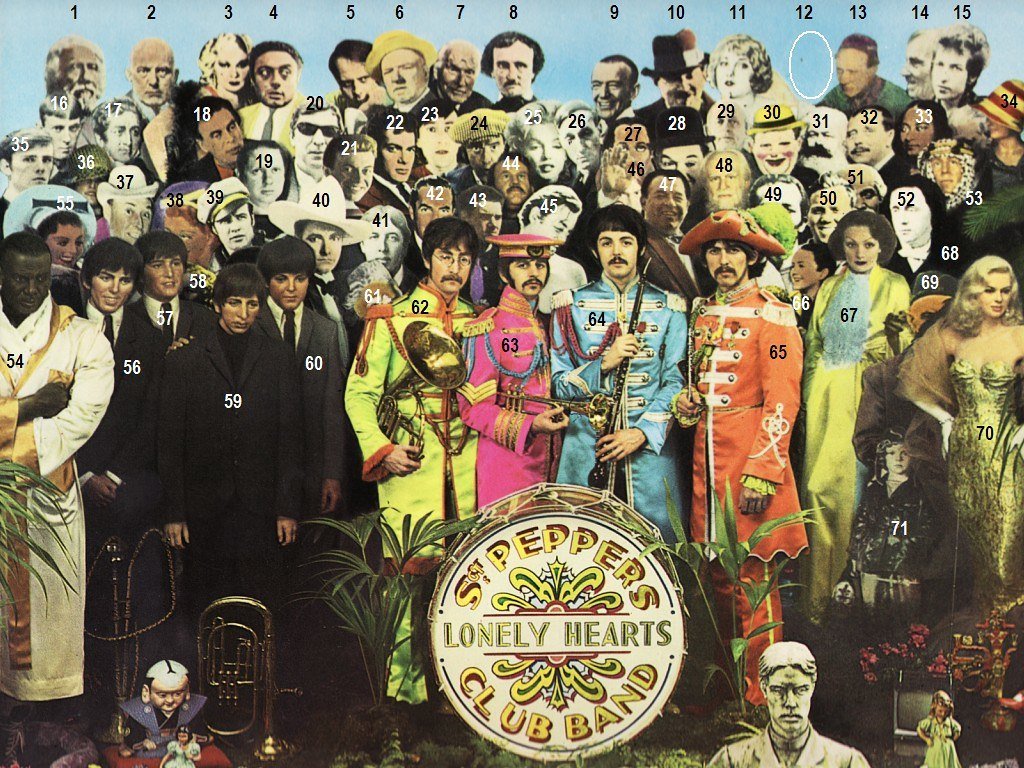
The cover features a crowded collage of cultural figures gathered around the band in their colorful uniforms. Tucked among the flowers and props sits a small doll wearing a sweater that reads “Welcome The Rolling Stones.” This nod acknowledges the friendly competition between the two groups during the summer of 1967.
Spotting the detail reframes the album as a playful conversation rather than a solitary masterpiece. It suggests the Beatles were aware of their peers and invited them into the scene, adding warmth and context to the record’s ambitious scope.
The Rolling Stones – Their Satanic Majesties Request
The psychedelic landscape includes four tiny faces hidden among the blooms and foliage. These belong to the Beatles, placed there as a direct reply to the shout-out on Sgt. Pepper’s cover from earlier that year.
The hidden faces turn the Stones’ cover into a reciprocal gesture. Listeners who catch them see the album not just as an experimental detour but as part of an ongoing dialogue between the era’s biggest bands.
Led Zeppelin – Led Zeppelin IV
The gatefold sleeve shows a lone hermit climbing a rocky hillside. When the image is held to a mirror, the rocks form the outline of a horned figure that some interpret as a devil or beast.
This optical trick deepens the album’s air of mystery. Fans who discover it view the record’s folk and hard-rock blend as carrying occult undertones, even if the band never confirmed the intent.
Black Sabbath – Mob Rules
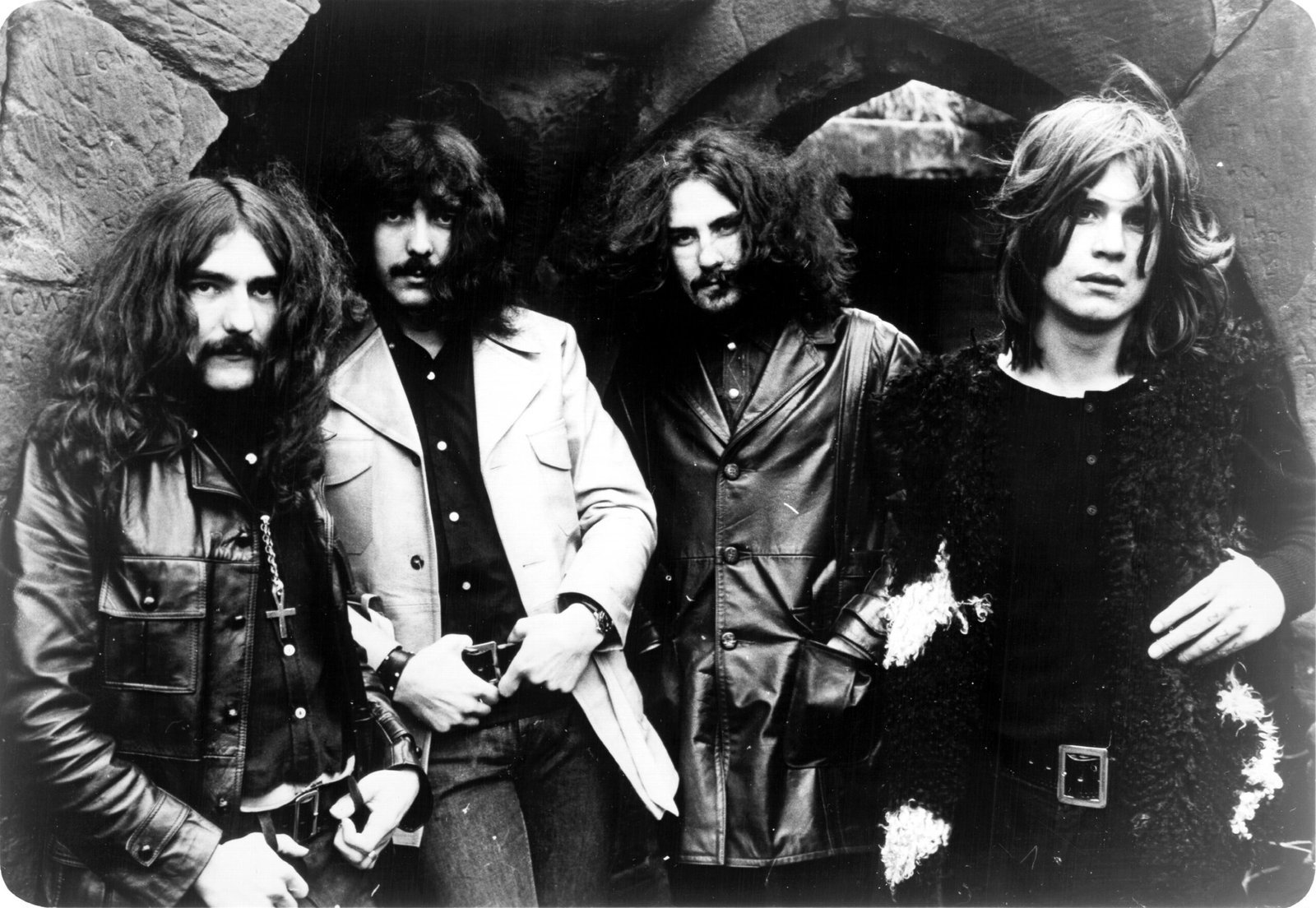
The artwork depicts a dramatic scene with a canvas that, upon closer look, reveals the face of Satan staring outward. Near the artist’s signature, faint letters spell out “Kill Ozzy,” a reference to the recent departure of the band’s original singer.
These elements shift the album from straightforward heavy metal to a document of internal conflict. The cover now feels like a pointed farewell and a statement of new direction under Ronnie James Dio.
Pink Floyd – The Dark Side of the Moon
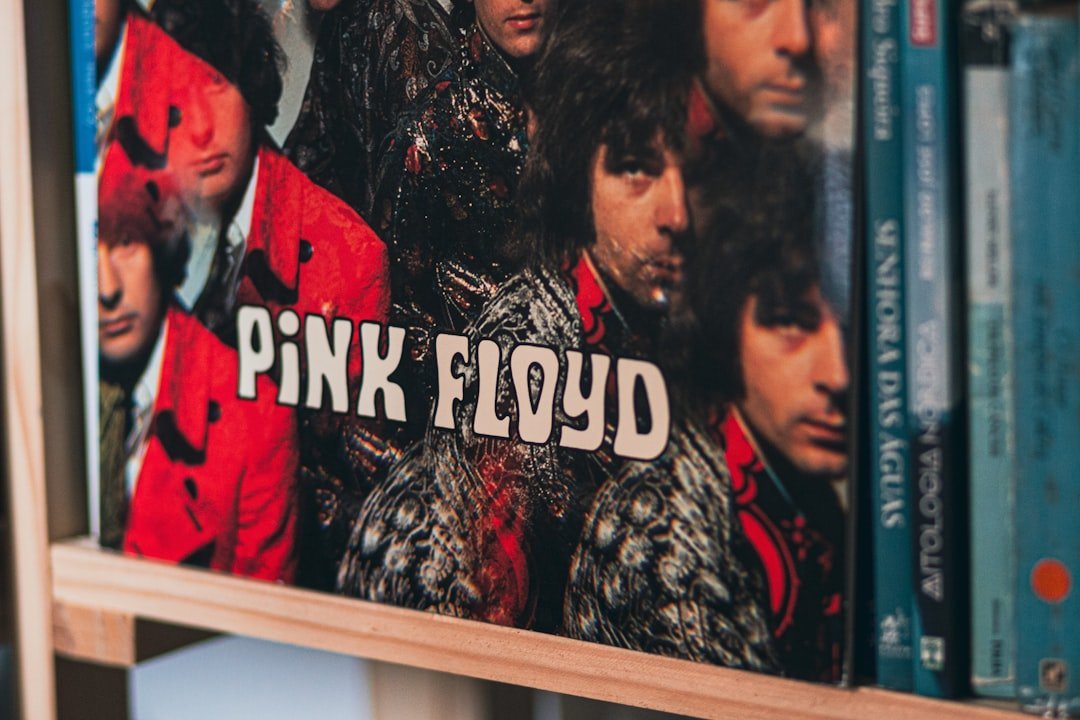
A simple prism splits white light into a rainbow spectrum against a black background. The design mirrors the album’s exploration of time, madness, and the full range of human emotion.
Recognizing the prism as a visual metaphor for breaking down experience changes how the music lands. The record feels less like abstract soundscapes and more like a deliberate journey through light and shadow.
Grateful Dead – Wake of the Flood

The cover shows a figure standing before a cloudy sky. Within those clouds, careful viewing reveals the clear shape of a skull.
The skull adds a layer of mortality to the band’s usually celebratory image. It encourages listeners to hear the album’s folk-rock grooves as meditations on life’s fleeting nature rather than pure escapism.
Paul McCartney – Ram
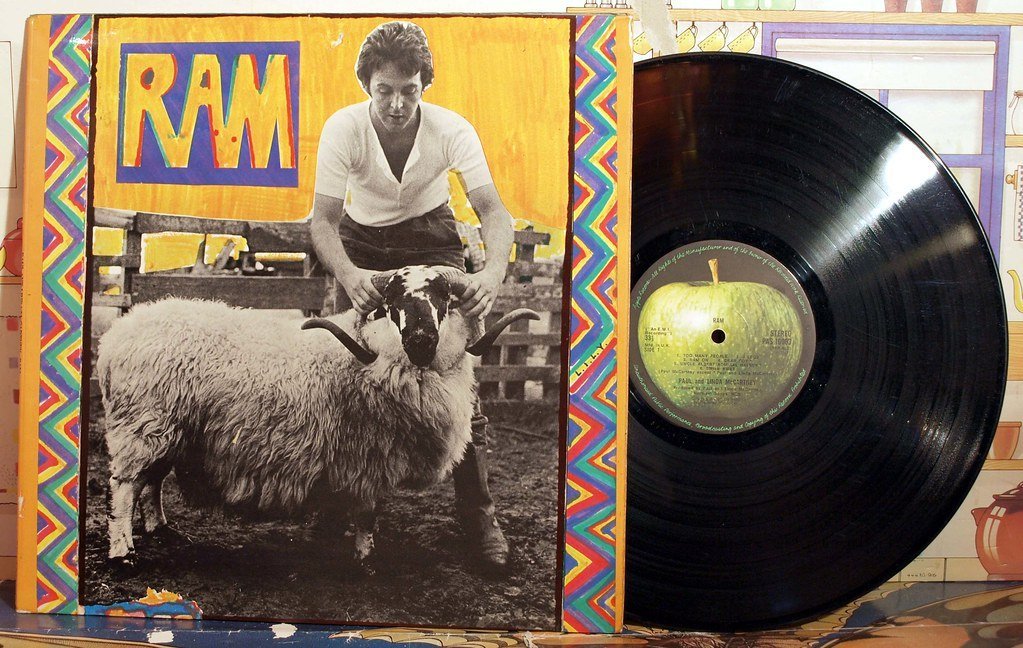
The pastoral photo of McCartney and his wife Linda includes the letters “L.I.L.Y.” spelled out in the grass on the right side. They stand for “Linda I Love You.”
This small inscription turns the cover into a private dedication. The album’s relaxed, home-recorded feel gains extra intimacy once the message is noticed, framing the songs as personal expressions of family life.
The Velvet Underground – White Light/White Heat
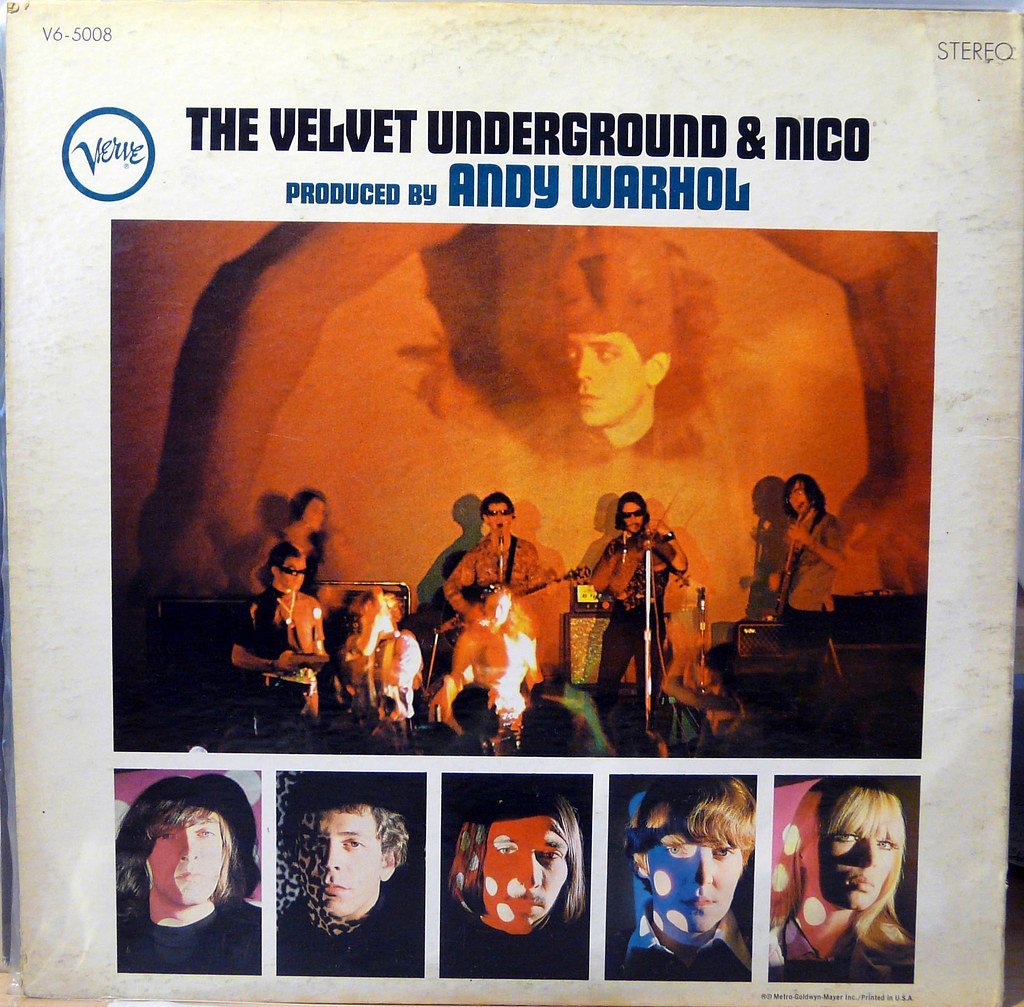
The cover appears almost entirely black at first glance. Under certain lighting, a faint image of a skull tattoo on a shoulder emerges from the darkness.
The hidden skull reinforces the album’s raw, underground edge. It makes the stark design feel intentional rather than minimal, hinting at the darker themes running through the music.
Iron Maiden – Somewhere in Time
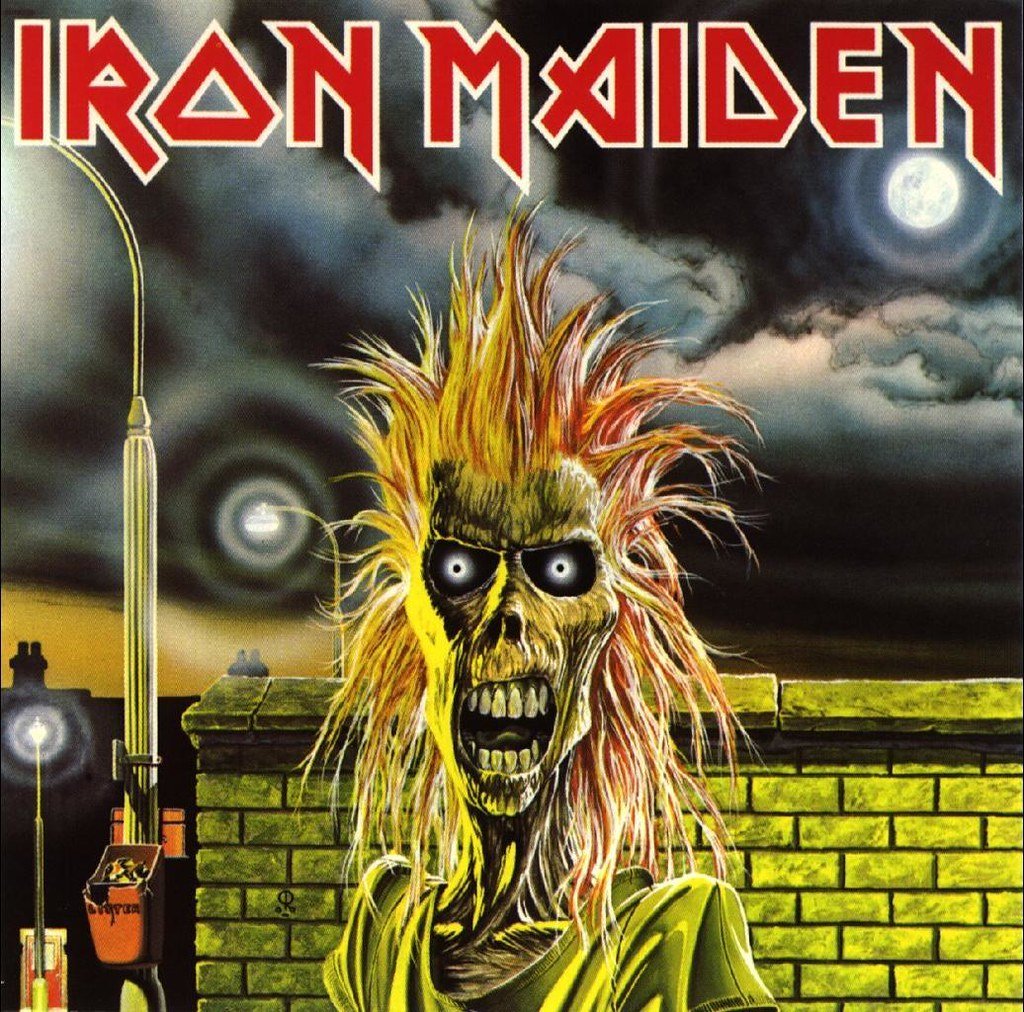
The futuristic cityscape contains dozens of tiny references to the band’s past work and outside culture. One sign reflected in a window reads “This is a very boring painting.”
These Easter eggs reward longtime fans and turn the cover into a self-contained history lesson. The album suddenly feels like a celebration of the band’s own legacy rather than just another release.
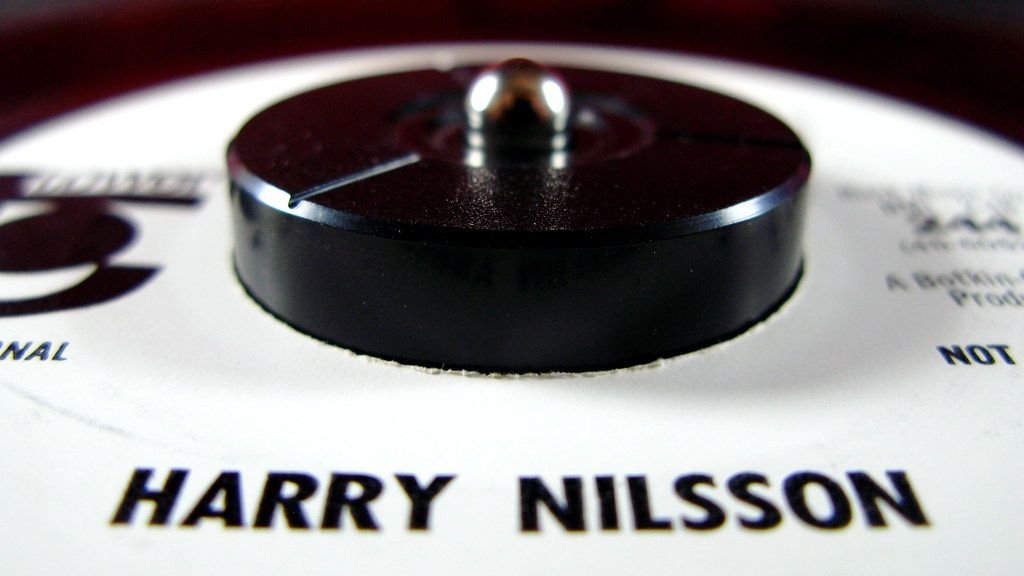
Harry Nilsson – Pussy Cats
John Lennon and Nilsson appear in a playful pose that, when viewed from another angle, forms the shape of an elephant’s head. The image pokes fun at their reputations for wild behavior.
Discovering the visual joke softens the album’s chaotic reputation. It positions the record as a lighthearted collaboration between two friends rather than a troubled session.
The Beatles – Abbey Road
The famous street-crossing photo includes a Volkswagen Beetle with the license plate “LMW 28IF.” Fans quickly interpreted the letters and numbers as clues in the “Paul is dead” rumor.
Even though the band denied the story, the plate keeps the cover alive with speculation. It transforms a simple group portrait into an enduring cultural mystery that colors how people hear the final tracks.
Rick Wakeman – The Six Wives of Henry VIII

The cover photograph was taken at Madame Tussauds wax museum. A figure of Richard Nixon appears in the background, placed there before his popularity plummeted and the display was altered.
The unexpected political cameo adds a layer of historical timing to the classical-rock fusion. Listeners who notice it see the album as a snapshot of its moment rather than a timeless concept piece.
Visual Storytelling in Rock Culture

These hidden details show how album art once served as an extension of the music itself. Artists used covers to plant clues, settle scores, and invite fans into deeper conversations that the songs alone could not contain.
Today the practice feels rarer, yet the best examples still reward anyone willing to look twice. They remind us that a great record cover does more than decorate; it quietly reshapes the story we carry away from the listening experience.

Christian Wiedeck, all the way from Germany, loves music festivals, especially in the USA. His articles bring the excitement of these events to readers worldwide.
For any feedback please reach out to info@festivalinside.com
