

For any feedback please reach out to info@festivalinside.com
- How 11 Fiction Changed Public Perception of War - September 28, 2026
- 15 Books That Shocked America’s Moral Conscience - September 28, 2026
- Japan’s History in Short: The Key Moments That Shaped a Global Power - September 28, 2026
Eagles songs often came across as smooth and easygoing, with those signature harmonies and laid-back grooves that made them perfect for radio or a long drive. Beneath the surface, though, many carried sharper edges tied to personal struggles, industry pressures, or broader observations about life.
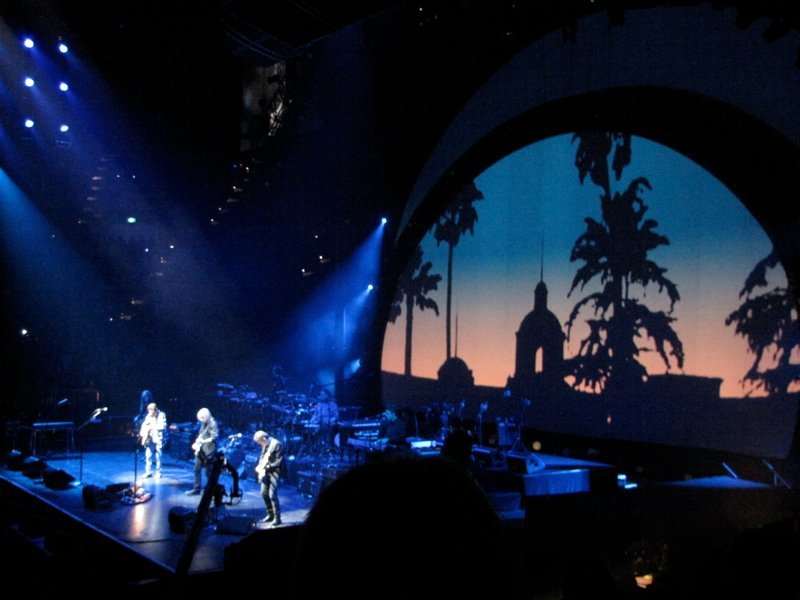
Hotel California
The track opens with a weary traveler drawn into a luxurious yet unsettling hotel, where the staff seems welcoming but the atmosphere grows increasingly claustrophobic. Listeners often took it as a mysterious tale of temptation and entrapment in a glamorous setting.
Glenn Frey and Don Henley drew from their experiences in the Los Angeles music scene, using the hotel as a symbol for the excesses of fame and the American dream gone sour. The line about checking out but never leaving reflects how success can trap people in cycles of indulgence. Knowing this shifts the song from eerie fiction to a pointed commentary on how California promised freedom yet delivered its own kind of prison.
Life in the Fast Lane
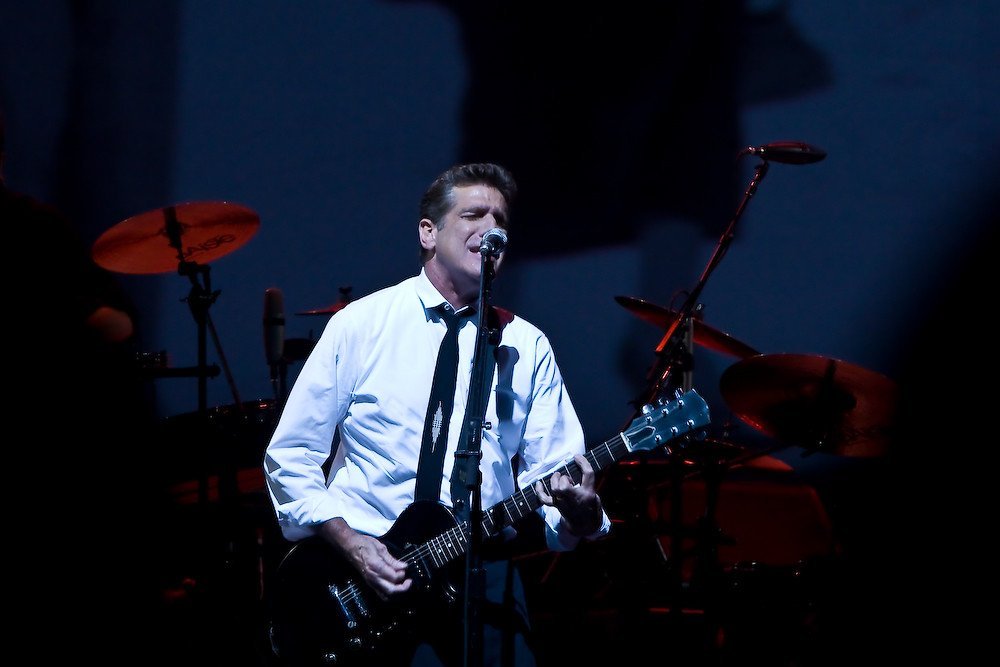
On the surface the song celebrates a couple racing through life with fast cars, parties, and no brakes, delivered with a driving rock beat that feels exhilarating. Many heard it as an anthem for living boldly without consequences.
Glenn Frey based the title on a real ride with a drug dealer who sped recklessly while grinning about the thrill. The lyrics then expand into a portrait of self-destructive habits fueled by excess. With that context the upbeat energy turns into a cautionary snapshot of how quickly pleasure can spiral into ruin.
Best of My Love

The melody feels tender and nostalgic, with verses about holding onto sweet memories of a relationship that once felt perfect. It often gets played at weddings or as a gentle love ballad.
Don Henley wrote it during a painful breakup, capturing the ache of wanting to linger in the good times even as everything falls apart. The chorus about giving the best of his love actually masks regret and the impossibility of going back. Once aware of the split, the song reveals itself as a quiet farewell rather than a celebration of enduring romance.
The Last Resort
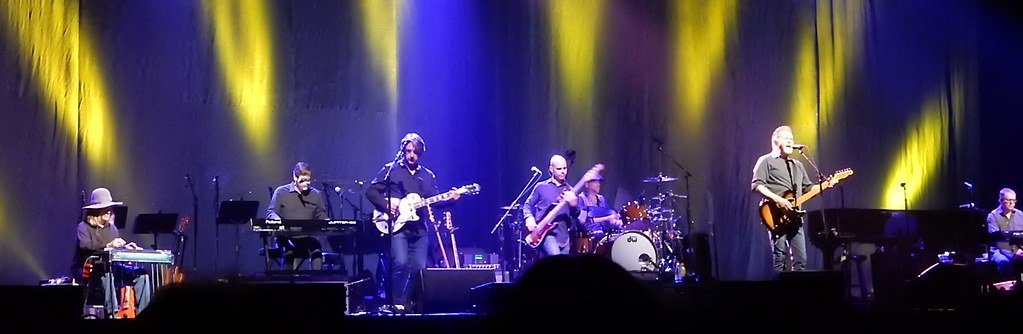
Henley paints vivid pictures of pristine landscapes turning into crowded developments, with a sweeping arrangement that sounds almost cinematic and hopeful at first. Audiences sometimes read it as a simple ode to beautiful places.
The inspiration came from watching unchecked growth destroy natural beauty and displace communities across the American West. Lines about calling something paradise while laying mountains low highlight human greed and its lasting damage. The context transforms the track into a somber warning about how progress can erase what once felt eternal.
Desperado
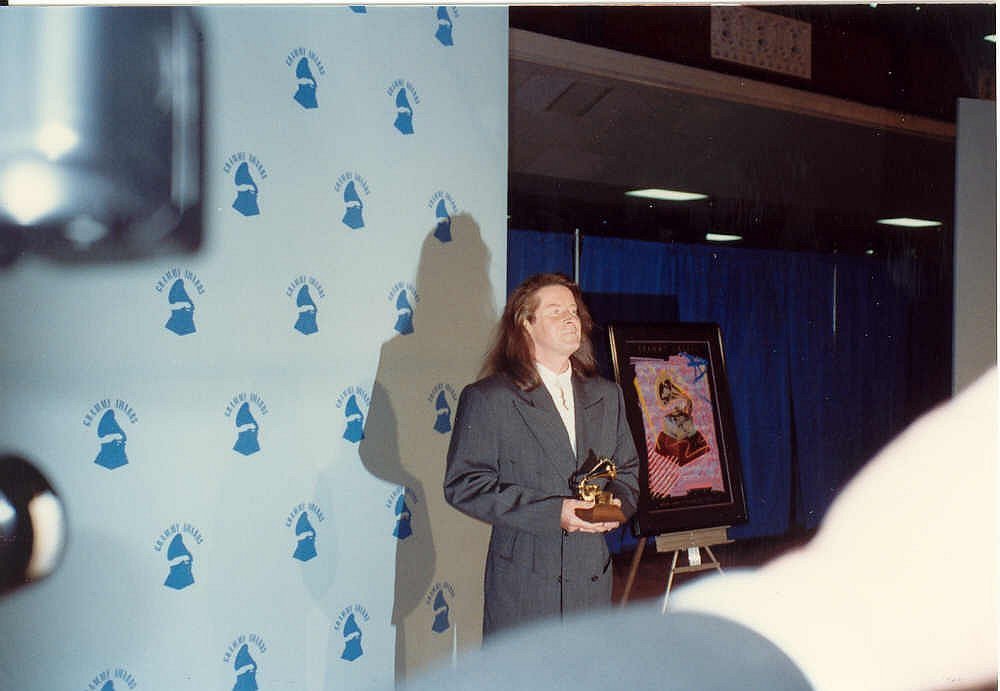
The piano-driven ballad tells the story of a lone outlaw who refuses to settle down, wrapped in imagery of guns and open roads that feels romantic and adventurous. It struck many as a classic tale of the rugged individualist.
Henley and Frey crafted it as a metaphor for the band’s own nomadic lifestyle and the risks of chasing fame instead of stability. The desperado represents someone who keeps running from real connection until it is too late. Understanding the parallel makes the song feel more like a personal reflection on isolation than pure Western fantasy.
Tequila Sunrise
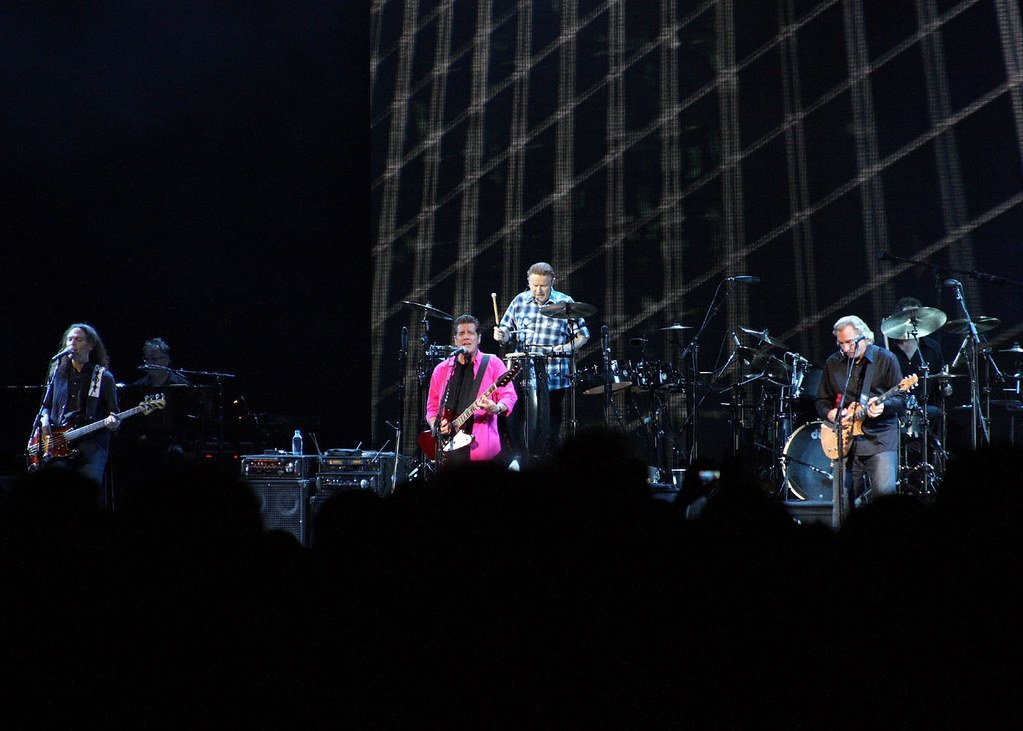
Soft guitar and gentle vocals evoke the quiet moment when night turns to day after a long evening of drinking. People often associate it simply with the cocktail and the calm of dawn.
Henley and Frey wrote it after a night of tequila shots, using the drink as shorthand for finding the courage to approach someone new. The “shot of courage” line stems directly from that evening’s liquid bravado. The backstory turns the mellow tune into a small, honest look at vulnerability hidden behind casual habits.
Lyin’ Eyes
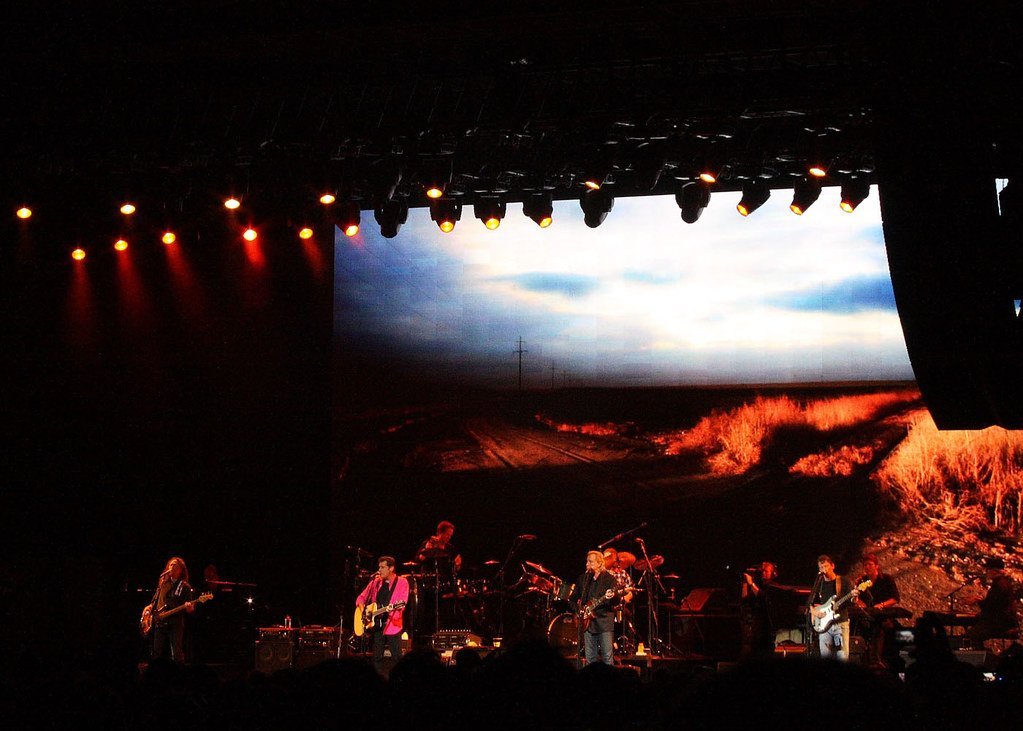
The story follows a young woman married to an older, wealthy man while she sneaks around with someone closer to her age, told through smooth country-rock verses. It can sound like straightforward gossip about infidelity.
The band wrote it from the woman’s perspective, showing her unhappiness and the quiet desperation that drives her choices. Sympathies lie more with her trapped situation than with the betrayed husband. Knowing this flips the song from judgmental tale to a compassionate portrait of emotional confinement.
Take It to the Limit

Randy Meisner’s soaring vocals carry a message about pushing boundaries and refusing to quit, set against an uplifting melody that feels motivational. Listeners often embraced it as an encouragement to dream big.
Meisner drew from his own experiences of feeling stretched thin by the band’s relentless touring and internal tensions. The repeated plea to take it to the limit reflects real exhaustion and the fear of falling short. The context adds a layer of quiet struggle beneath the triumphant sound.
One of These Nights
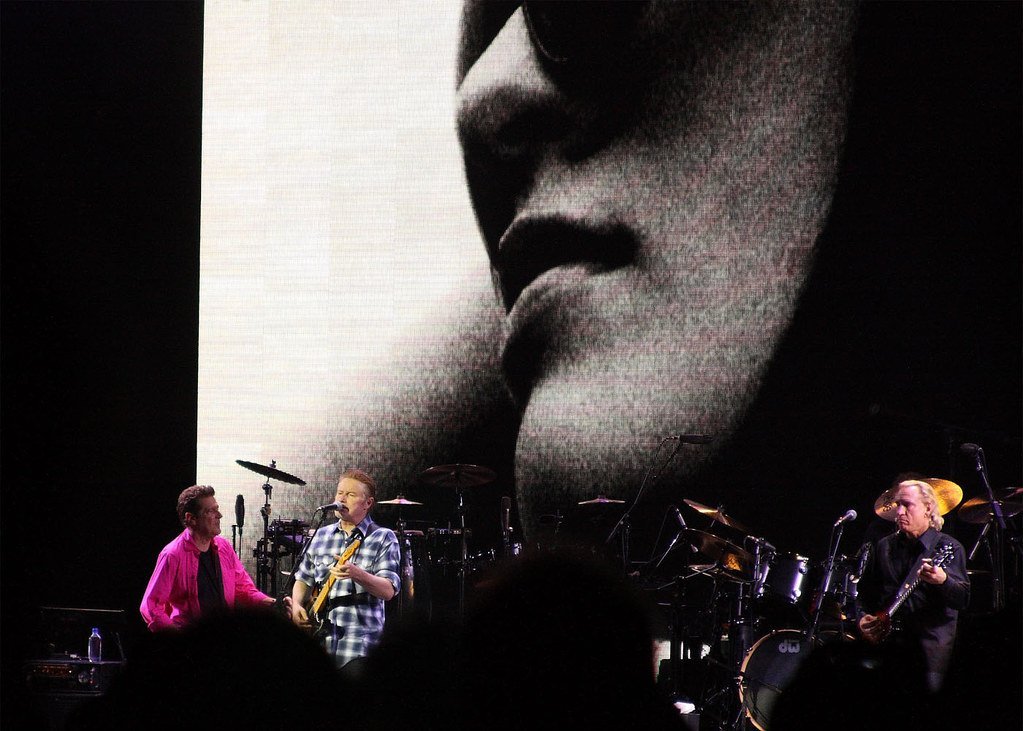
The funky groove and lyrics about waiting for the right moment to connect with someone create an atmosphere of anticipation and romance. It registers as a breezy invitation to seize the evening.
Henley and Frey wrote it while reflecting on fleeting opportunities in both love and career during their early years in Los Angeles. The “one of these nights” line carries an undercurrent of uncertainty about whether those chances will actually arrive. With that knowledge the track gains a wistful edge about timing and missed connections.
Already Gone
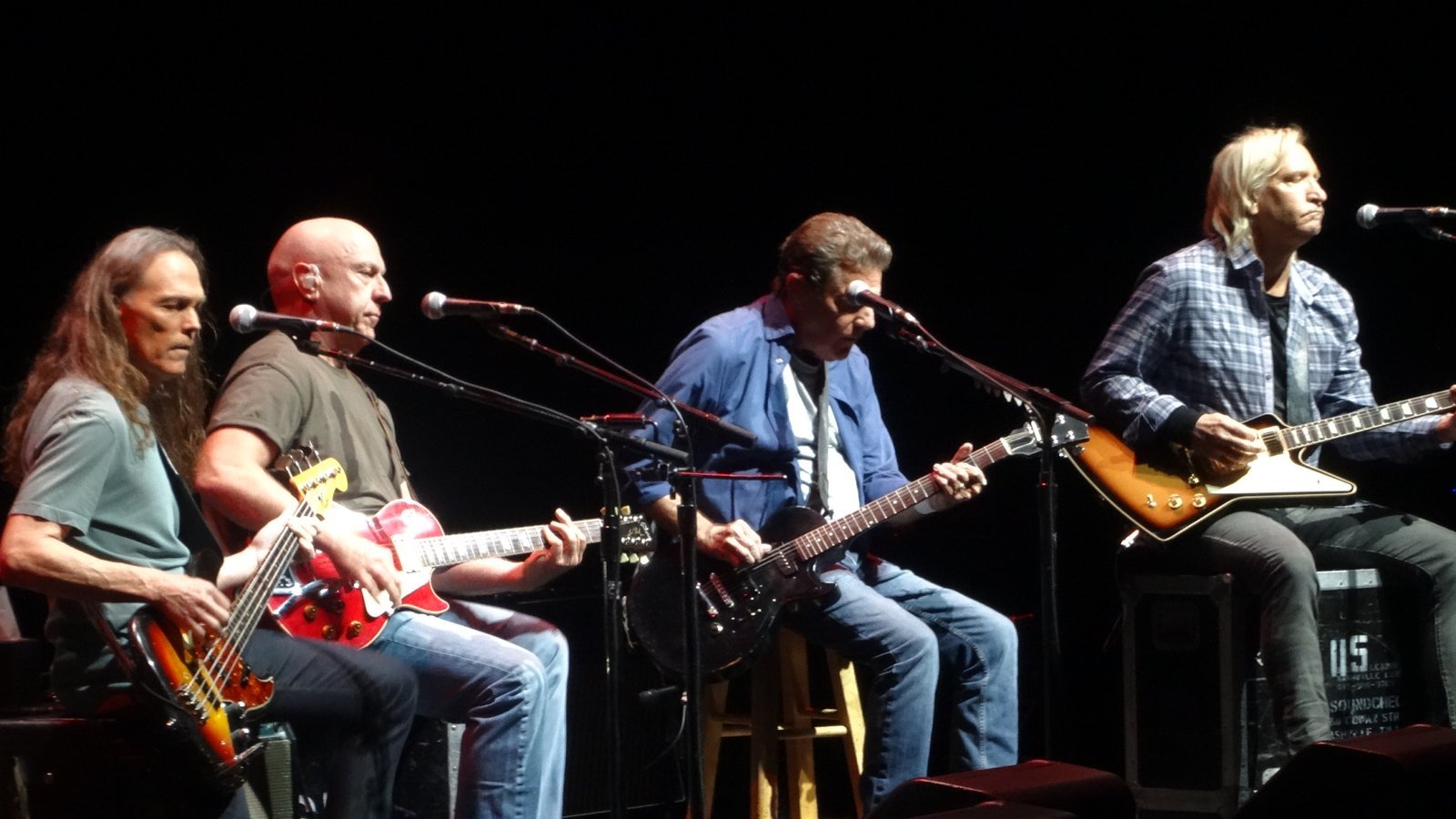
Jack Tempchin’s words describe walking away from a relationship with a sense of freedom and forward motion, backed by bright guitars. Many took it as an empowering breakup song.
The inspiration came from the songwriter’s own decision to leave a stagnant situation behind. The Eagles’ version keeps the resolve but layers in their signature harmonies that soften the sting. Knowing the personal origin makes the departure feel more deliberate and less casual than the melody suggests.
Peaceful Easy Feeling
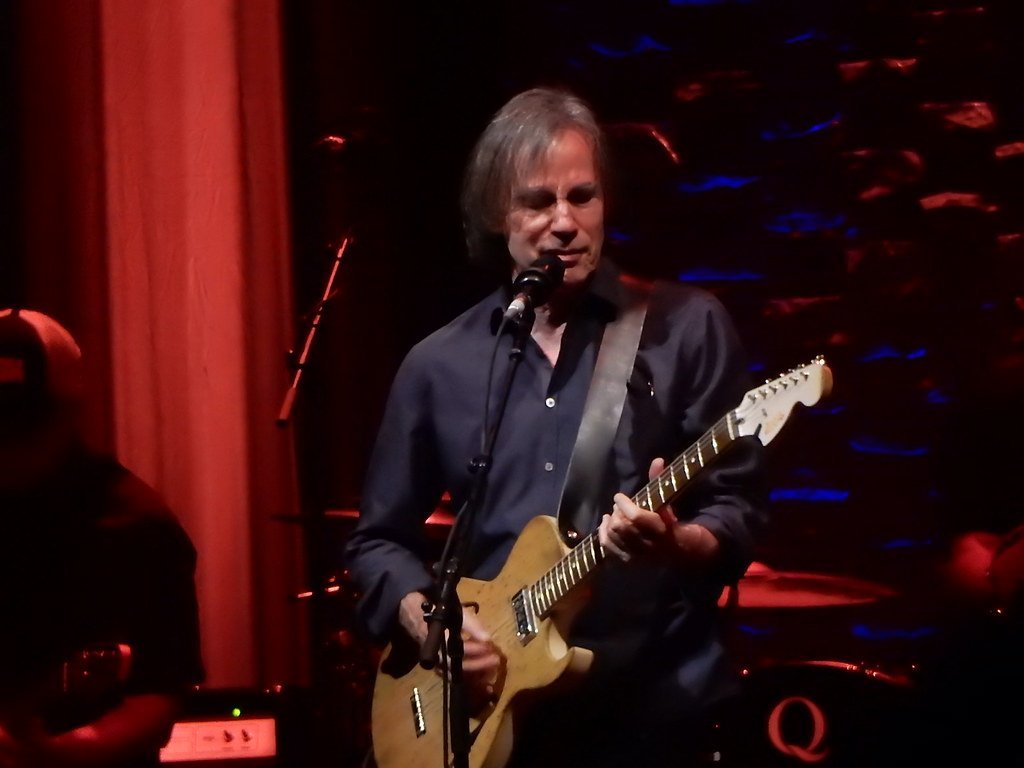
Jackson Browne’s contribution offers a relaxed vision of finding comfort in someone’s company, with a melody that drifts like a gentle breeze. It often plays as pure contentment.
Browne wrote it after a late-night drive that left him reflecting on simple moments of connection amid the chaos of life on the road. The peaceful feeling contrasts with the underlying restlessness of constant travel. The backstory adds quiet depth to what seems like effortless calm.
Witchy Woman
The song conjures an alluring, mysterious woman who casts a spell over the narrator, delivered with hypnotic rhythms. Listeners frequently hear it as playful flirtation with the supernatural.
Henley drew from real encounters with captivating yet complicated women in the music world. The “witchy” label captures both attraction and the sense of being pulled into something unpredictable. Context turns the fun imagery into a nod to the magnetic yet destabilizing pull of certain relationships.
Doolin-Dalton
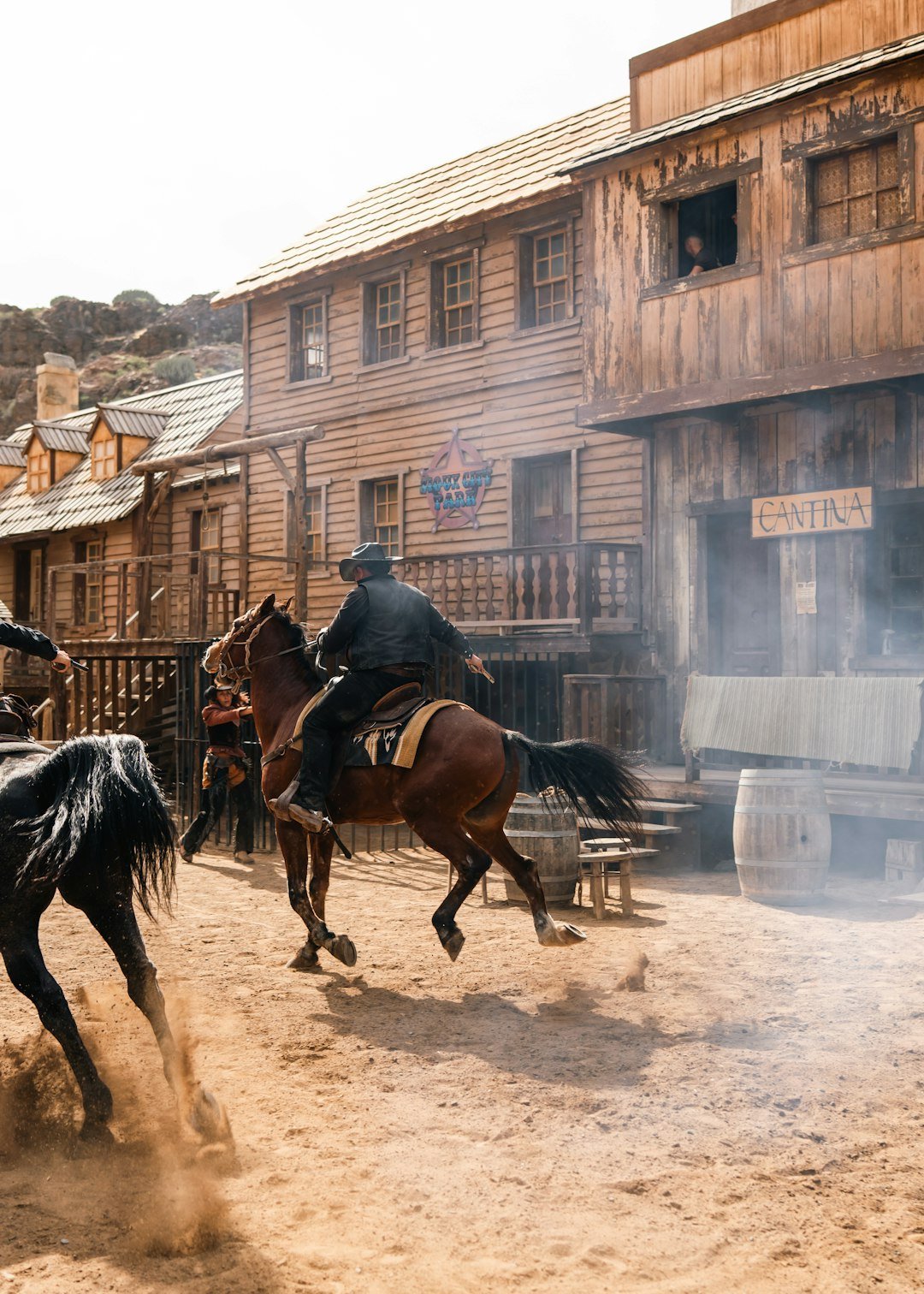
Outlaw imagery and harmonica paint a picture of the Dalton gang riding through the Old West, complete with shootouts and narrow escapes. It feels like classic frontier storytelling.
The band used the historical gang as a stand-in for their own sense of living outside normal rules while building their career. The outlaws’ eventual downfall mirrors the risks of pushing too far. The parallel gives the song a modern resonance about freedom and its costs.
Bitter Creek

Bernie Leadon’s contribution evokes a dusty, lonely trail with a weary traveler pushing onward. The sparse arrangement lends it a timeless, reflective quality.
Leadon chose the title from a member of the Dalton gang but infused it with the band’s shared feeling of being perpetual outsiders. The creek represents both escape and isolation. Awareness of that intent makes the song feel like a personal meditation on life at the edges of society.
My Man
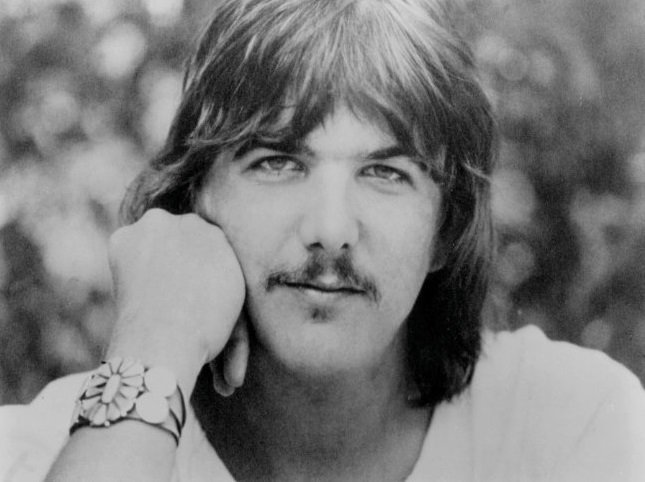
The tribute honors a lost friend with warm vocals and gentle instrumentation that suggest fond remembrance. It registers as a straightforward eulogy.
Leadon wrote it for Gram Parsons, whose death left a hole in the country-rock community the Eagles admired. The lyrics capture both admiration and the ache of absence. The personal loss adds genuine sorrow beneath the surface grace.
I Can’t Tell You Why
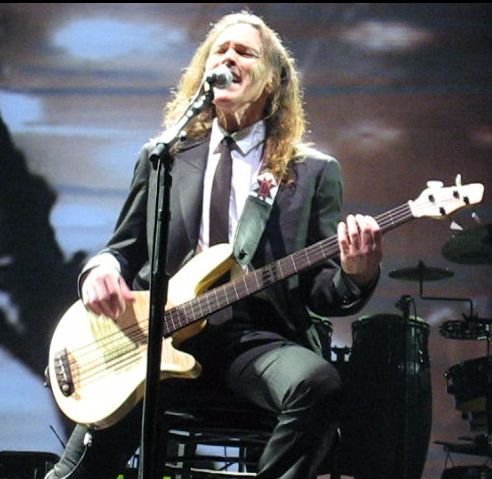
Timothy B. Schmit’s falsetto carries a conversation about a relationship that has grown distant yet lingers. The smooth R&B feel makes it sound like quiet resignation.
The band drew from observations of couples who stay together out of habit rather than passion. Schmit’s vocal delivery mirrors the emotional restraint in the lyrics. Context reveals the song as a realistic look at love that has lost its spark but not its hold.
New Kid in Town

The lyrics follow a rising star who suddenly finds himself replaced by someone younger and fresher. The melody carries a bittersweet swing that feels both celebratory and sad.
Henley and Frey wrote it about the fleeting nature of fame and how quickly attention shifts in the entertainment world. The “new kid” represents both opportunity and inevitable turnover. Knowing the theme turns the track into a meditation on impermanence rather than simple nostalgia.
Heartache Tonight
A lively shuffle describes heading out for a night that promises both fun and potential pain. The energy feels like classic bar-room release.
The song captures the band’s own experiences with late nights that mixed excitement and emotional fallout. The “heartache” arrives as the inevitable flip side of chasing temporary highs. The backstory gives the upbeat number a knowing edge about consequences.
The Long Run
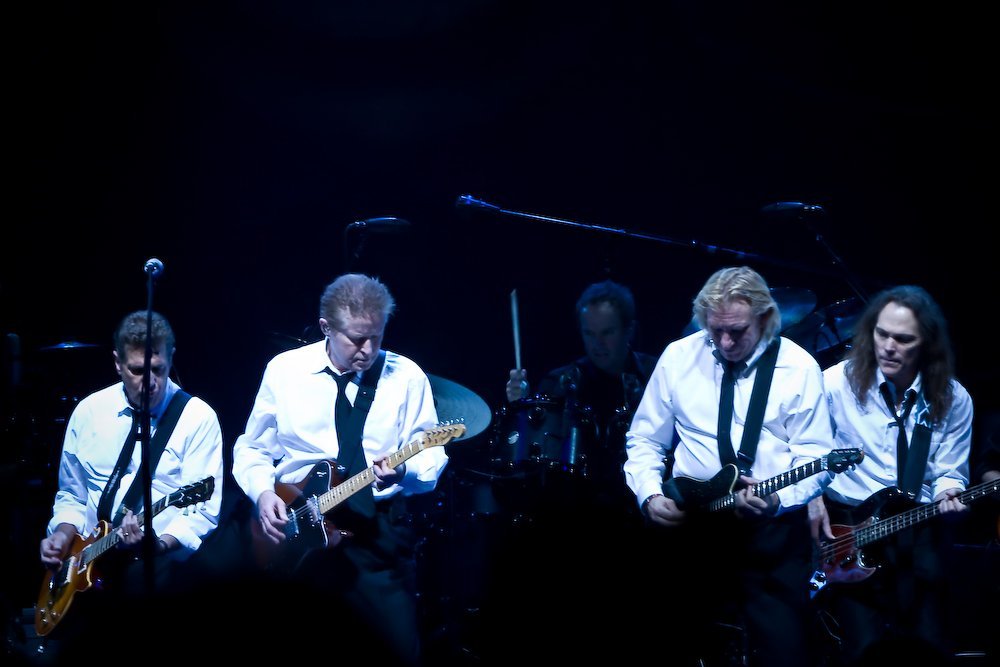
The title track reflects on staying power in both relationships and careers, with a steady groove that suggests endurance. It can sound like a confident declaration of longevity.
Henley and Frey wrote it amid band tensions and questions about whether the Eagles would survive internal conflicts. The long run becomes both a goal and a question mark. Context adds tension to what appears as straightforward resolve.
How Long
J.D. Souther’s song, later covered by the Eagles, asks how long someone will wait for a loved one who may never return. The harmonies give it a timeless ache.
Souther drew from a real story of a soldier imprisoned after going AWOL during Vietnam, leaving his girlfriend counting days that stretched into years. The Eagles’ version preserves that sense of suspended hope. The origin story deepens the waiting into something far more specific and heartbreaking.
You Are Not Alone

Glenn Frey’s gentle vocals reassure a child facing hardship, with lyrics that promise steady support through difficult times. It feels like pure parental comfort.
Frey wrote it for his teenage daughter during a rough patch when words in conversation felt insufficient. The song became a way to express presence and solidarity when direct talks fell short. Knowing the family context turns the reassurance into a tender, private lifeline rather than generic encouragement.
The Eagles mastered the art of wrapping complex emotions in melodies that felt effortless at first listen. Over time those layers continue to reward anyone willing to look a little closer.

Christian Wiedeck, all the way from Germany, loves music festivals, especially in the USA. His articles bring the excitement of these events to readers worldwide.
For any feedback please reach out to info@festivalinside.com
