
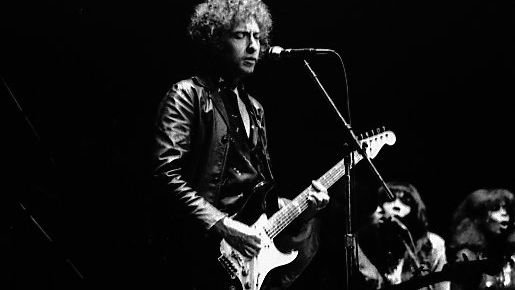
For half a century, people have been arguing in dorm rooms, bars, comment sections, and late‑night car rides over what Bob Dylan was really talking about. His lines sounded urgent, prophetic, even explosive, but the real weight of them only hits when the world finally catches up. Some lyrics that once felt like surreal puzzles now read like eerily accurate commentaries on politics, media, gender, war, personal regret, and the strange, wired lives we’re all living in 2026.
I still remember hearing Dylan as background noise my parents liked, and then, years later, suddenly realizing a line that had always just sounded “cool” was actually describing my own life with uncomfortable precision. That’s the thing with Dylan: the songs do not change, but you do. Below are 17 lyrics that seemed cryptic, exaggerated, or just beautifully weird when they landed in the 1960s and 70s – yet slowly unfolded over decades into something far more familiar, and sometimes disturbingly accurate.
#1 “How does it feel… to be on your own” – Like a Rolling Stone
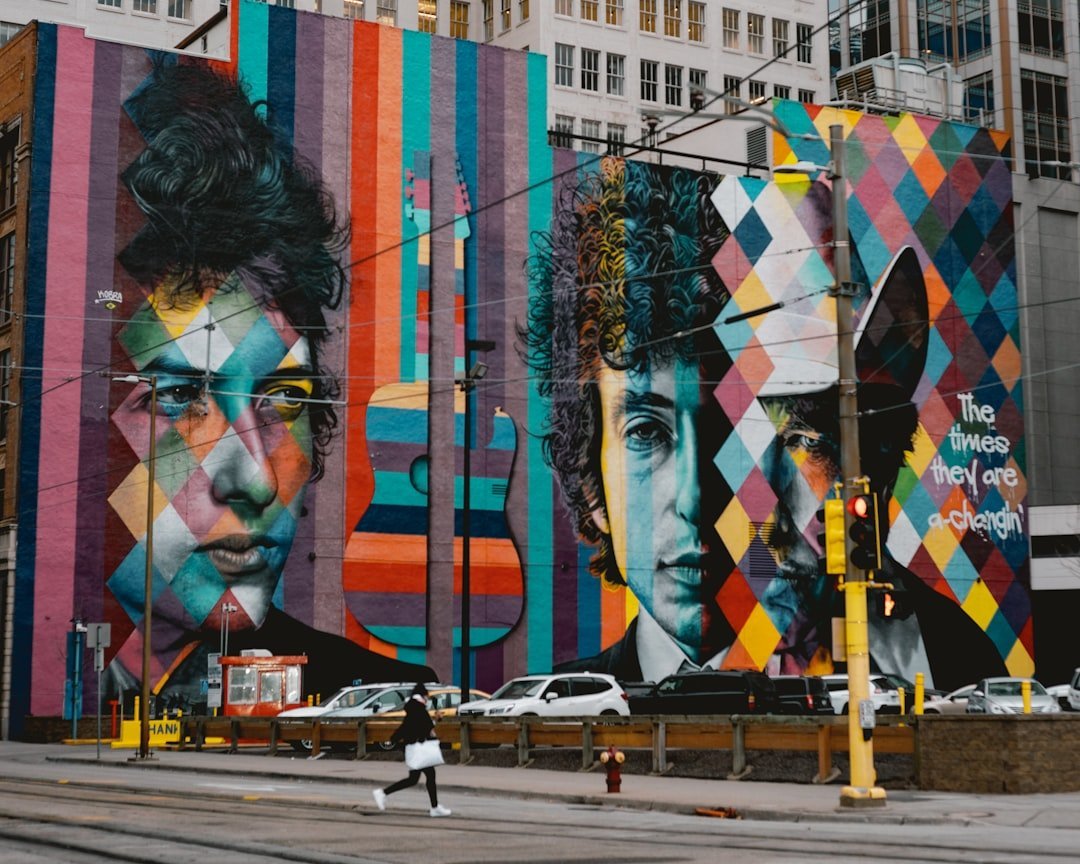
When Like a Rolling Stone exploded in 1965, most listeners heard it as a sneering kiss‑off to a specific woman or socialite archetype. The humiliation, the fall from privilege, the loss of identity – it sounded like Dylan was simply dressing down a rich girl who lost her safety net. For years, critics argued over whether it was about a real person, a composite of people he knew, or a disguised self‑portrait.
Decades later, fans started to feel something different in that famous question: how does it feel to be on your own? In an age of economic uncertainty, gig work, and people losing the institutions that used to anchor them – unions, churches, extended families – that line feels less like a taunt and more like a diagnosis. What once sounded like one person’s downfall reads now as a universal portrait of modern dislocation: that moment when the world stops making room for you and you have to figure out who you are without the script you were handed.
#2 “You don’t need a weatherman to know which way the wind blows” – Subterranean Homesick Blues
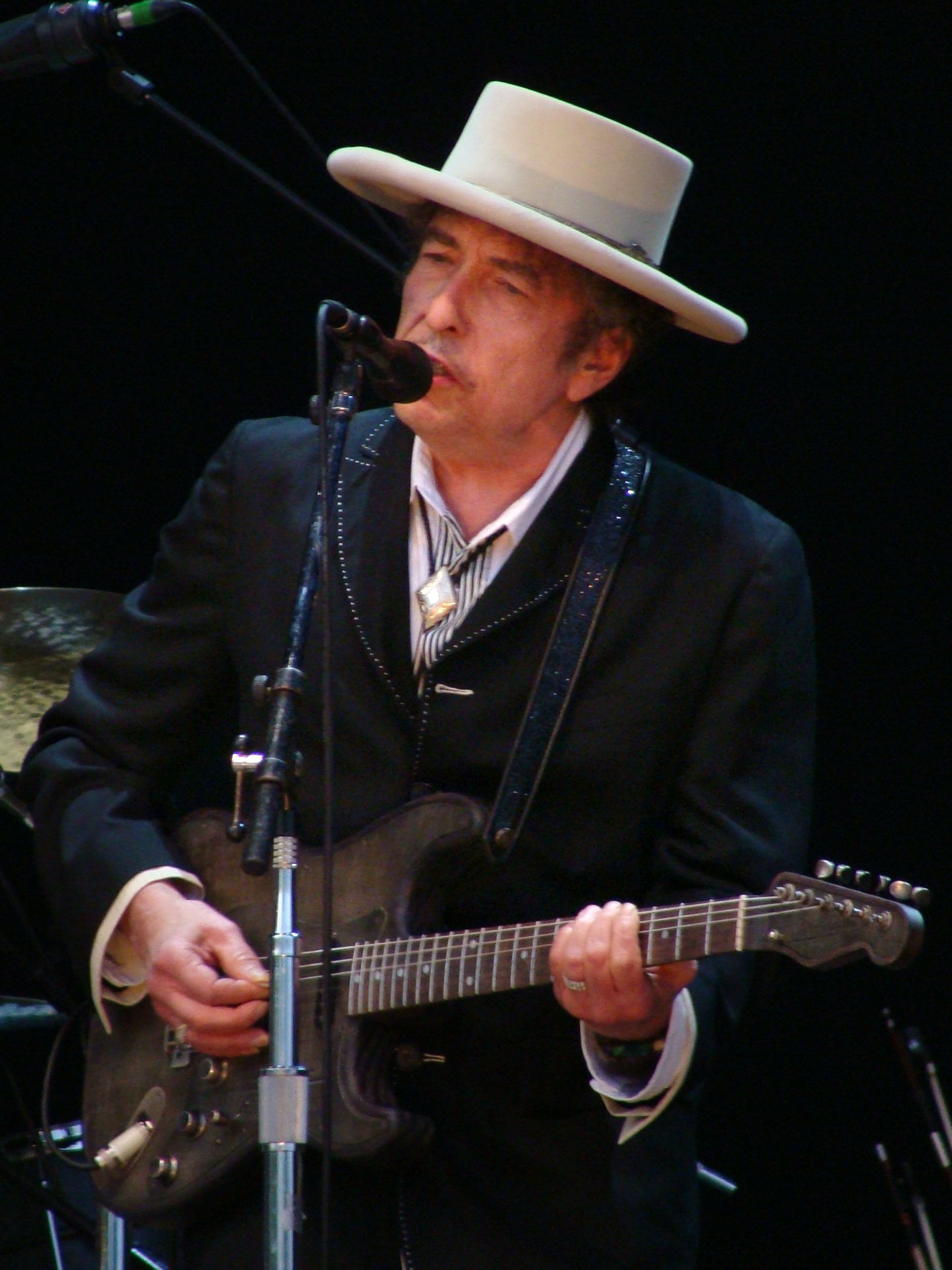
In the mid‑1960s, this line seemed like just another clever punchline tossed into the rapid‑fire chaos of Subterranean Homesick Blues. It birthed a radical group’s name in the late 60s, sure, but most people took it as a general anti‑expert jab: you do not need authorities to tell you what is plainly obvious. It felt like youthful swagger, the sound of a generation shrugging off the old gatekeepers.
But by the time you hit the era of cable news panels, algorithm‑driven feeds, and endless “expert takes,” that line cuts a lot deeper. Listeners began hearing it less as a rebel slogan and more as a warning about manufactured confusion. When everyone is shouting about which way the wind is blowing, Dylan’s lyric feels almost painfully clear: reality does not depend on the spin. You can feel the economic, political, and cultural winds shifting simply by looking around. The lyric aged from cool line to survival lesson: pay attention to the world, not just the voices claiming to interpret it for you.
#3 “You that never done nothin’ but build to destroy” – Masters of War

Masters of War started out in the early 1960s as a focused, furious response to the arms race and the military‑industrial complex. At first, fans heard it as a sharp, topical protest song aimed squarely at Cold War weapons makers and Pentagon strategists. It was angry and specific, and many people thought it would age along with the headlines it was reacting to.
Half a century later, that “build to destroy” line feels like it stepped out of the era of drone warfare, cyberweapons, and endless conflict contracts. Listeners now hear it not just as a critique of bombs and missiles, but of any system that turns innovation into profit through permanent crisis – whether that is surveillance tech, private contractors in endless wars, or industries that thrive on destabilization. The lyric’s power lies in how it slipped the leash of its time; what once felt like an anti‑nuclear verse has become a grim summary of how lucrative destruction continues to be.
#4 “He not busy being born is busy dying” – It’s Alright, Ma (I’m Only Bleeding)
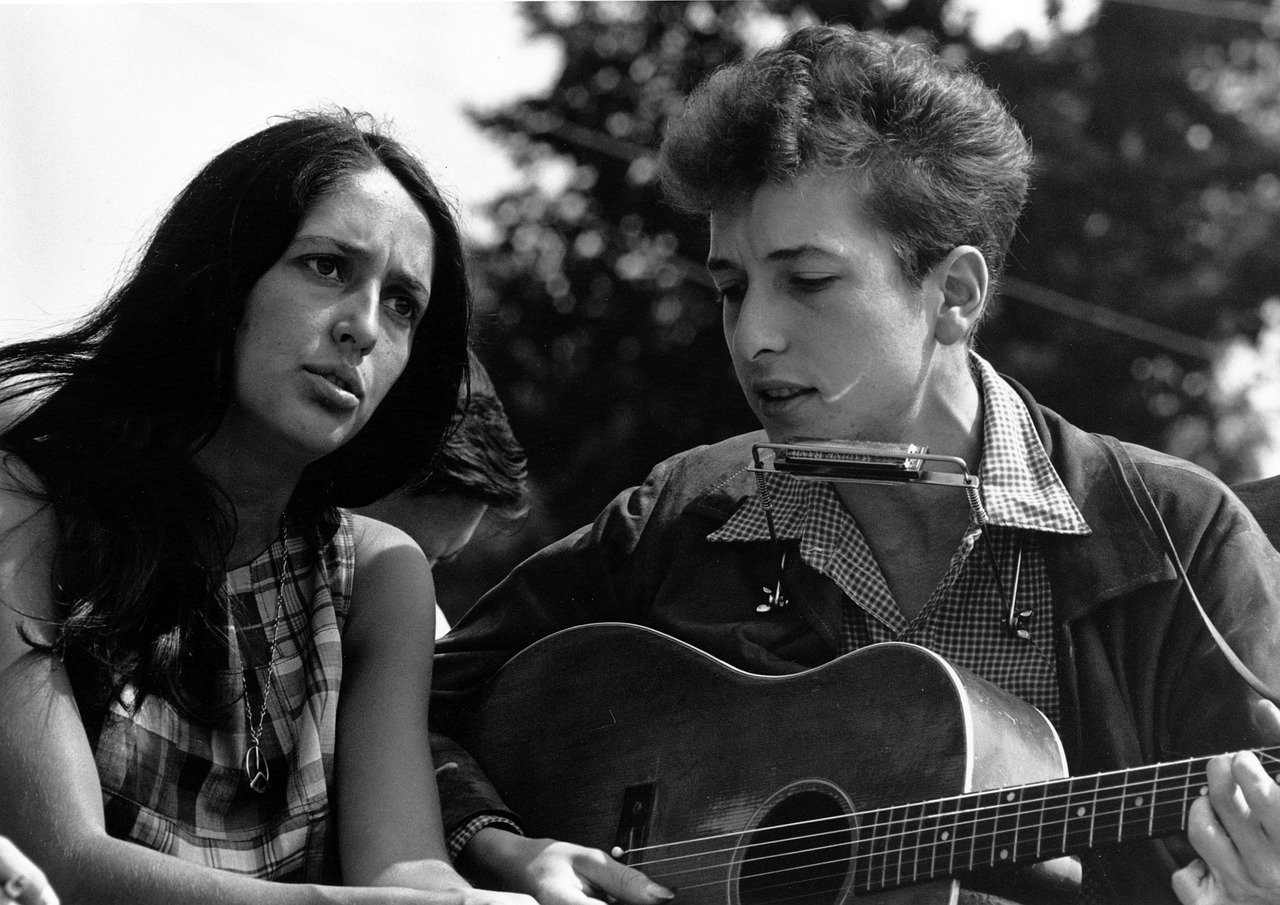
For years, this line was plastered on posters and quoted in essays as a kind of vague counterculture mantra about “staying young.” A lot of people read it as a simple celebration of youth, the idea that adulthood is where you go to die, creatively and spiritually. That interpretation was easy, especially in the 1960s when rebellion and youth were treated almost as the same thing.
As Dylan grew older – and his fans did too – the line took on a more complicated shading. The “being born” in the lyric started to sound less like physical youth and more like constant self‑renewal: learning, admitting you were wrong, shedding stale certainties. Suddenly, the lyric wasn’t mocking age; it was mocking stagnation. In a world where careers morph every few years and beliefs are continually challenged by new information, that sentence feels like a hard truth: you either keep transforming, or life quietly moves you to the margins.
#5 “I was so much older then, I’m younger than that now” – My Back Pages
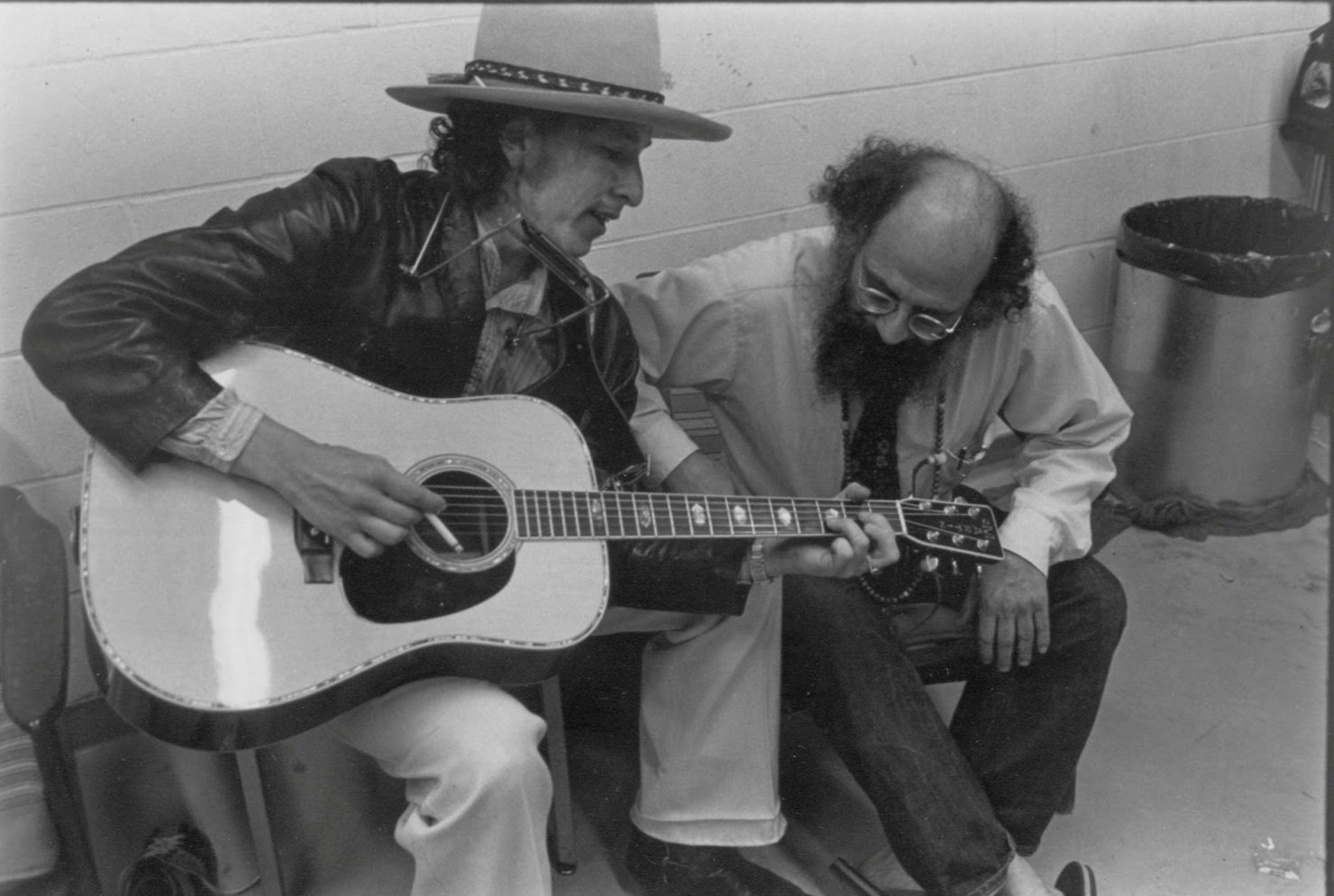
When My Back Pages came out, some activists felt stung. It sounded like Dylan was backing away from the righteous clarity of his earlier protest songs, mocking the very certainty that had fueled a movement. The line about being “older then” could easily be heard as a betrayal, a shrug at the seriousness of the times. For a long stretch, plenty of listeners reduced it to a clever line about changing your mind.
Over the decades, as fans who loved that song grew into middle age and beyond, the lyric started to feel uncomfortably autobiographical – for them. That weird paradox of feeling “younger” now than you did as a dogmatic twenty‑year‑old suddenly made sense. With time, you often lose the craving to be morally airtight and gain a strange, humbler curiosity. The line has aged into an anthem for anyone who has looked back at their own earlier certainties and thought: I was trying so hard to be wise that I skipped being human.
#6 “The times they are a‑changin’” – The Times They Are A‑Changin’

In the 1960s, this song quickly turned into an anthem for civil rights, anti‑war activism, and generational upheaval. People treated that chorus as a promise that justice and progress were inevitable, just a matter of old folks stepping aside. Governments and movements both tried to harness it, as if the lyric were pure fuel for one specific era. For many, the message collapsed down to a simple slogan: the young will win, the old world will vanish.
But as the decades rolled on, change revealed itself as far messier, sometimes regressive, sometimes contradictory. Fans have gradually read the lyric less as triumphant prophecy and more as a kind of neutral law of nature. The “times” are always changing – sometimes toward liberation, sometimes toward backlash or new forms of control. Heard from 2026, the song does not guarantee anything; it just reminds you that clinging to a frozen idea of how the world should be is a losing game. The real sting of the line today is how it exposes anyone, of any age, who pretends the future will behave on command.
#7 “How many roads must a man walk down” – Blowin’ in the Wind

Blowin’ in the Wind was instantly framed as a straightforward protest song about civil rights and peace. The “roads” line got treated like a poetic way of asking how long injustice would be tolerated. For decades, people sang it in churches, rallies, and school assemblies as if it were a simple call‑and‑response: the answer, we were told, was out there, if we listened and acted together.
With time, though, the question has come to feel more existential than political for many listeners. The “roads” can just as easily stand for emotional losses, failed jobs, broken identities, or the slow education of ordinary living. As generations that grew up idolizing protest movements have faced burnout, disillusionment, and private struggles, that line sounds less like a rhetorical flourish and more like a deeply personal question. How many rounds of trying, failing, and learning does it take before a person truly becomes who they are? The song no longer belongs just to movements; it belongs to anyone quietly wondering when their own wandering will finally make sense.
#8 “You don’t need a house out in Hackensack, to keep your prettiest girl in town” – Just Like a Woman

Just Like a Woman has always been controversial, criticized by some as patronizing or even misogynistic, especially in the way it leans on gendered stereotypes. For a long time, listeners fixated on whether Dylan was being cruel or compassionate toward the woman at the song’s center. The Hackensack line often got treated as just a picturesque jab at materialism wrapped inside a complicated breakup song.
Over time, a different reading emerged that focuses less on the woman and more on the man singing. The lyric reveals a narrator steeped in a transactional view of relationships: you buy stability, you own affection, you outsource emotional labor to property and status. In an era now more attuned to power imbalances and emotional manipulation, that single line feels like a quiet confession of his own limitations. Instead of taking it as Dylan endorsing the attitude, many contemporary listeners hear it as him exposing how hollow that way of loving really is.
#9 “You fasten all the triggers for the others to fire” – Masters of War

At first, this line seemed firmly rooted in a 1960s world of generals, arms manufacturers, and politicians sending conscripts to foreign battlefields. The image is vivid: powerful men setting things up so that someone else pulls the trigger and takes the visible blame. People heard it as the standard anti‑war accusation: you make the weapons, we bury the dead. It was powerful, but it felt tied to one kind of conflict.
Decades later, with private military companies, automated weapons, and political leaders distancing themselves from the consequences of their decisions, that lyric feels chillingly modern. The idea of “fastening the triggers” now resonates with any system that outsources risk and moral burden to people lower down the ladder – whether that is soldiers, content moderators, gig workers, or low‑level employees ordered to implement harsh policies. The line has grown into a broader indictment of comfortable decision‑makers who hide behind layers of abstraction while others absorb the damage.
#10 “Even the president of the United States sometimes must have to stand naked” – It’s Alright, Ma (I’m Only Bleeding)
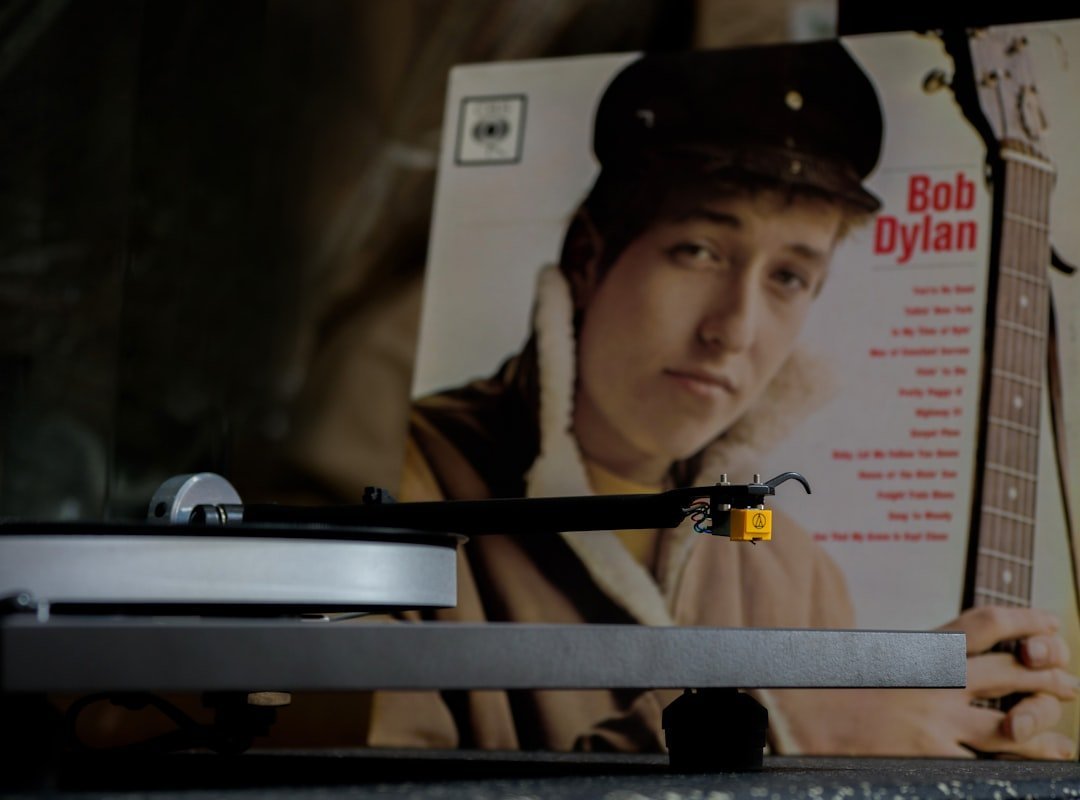
When Dylan first sang this line in the mid‑1960s, it sounded like an almost sacrilegious punchline, a cheeky way of reminding listeners that power is just another human costume. Fans laughed, cheered, or winced, depending on how reverent they were about institutions. It was subversive, but many treated it as exaggerated folk‑poetry rather than a literal prediction of anything. The metaphor seemed clear enough: no one is above vulnerability.
In a world of leaked emails, hacked accounts, tell‑all memoirs, and instant viral scandals, that image has become less metaphor and more daily reality. Leaders of all kinds – political, corporate, cultural – are regularly stripped figuratively naked, their private flaws, texts, and strategies dumped into public view. The lyric now reads like an early intuition that transparency, for better or worse, was coming for everyone. What once sounded like idealistic leveling has aged into a warning: if you are hiding behind a title, eventually the curtain falls.
#11 “People are crazy and times are strange” – Things Have Changed

When Things Have Changed appeared around the turn of the millennium, some fans heard it as Dylan retreating into cynicism: a veteran checking out of the game, claiming he no longer cared. The refrain about people being crazy and times being strange felt like a shrug, a weary man’s joke about a world that had simply outpaced his concern. For years, the song was often slotted into the “late‑career grumpiness” category.
But as the twenty‑first century unfolded – with political shocks, online conspiracies, rapid cultural swings, and a general sense of disorientation – that line began to sound less like a dismissal and more like a brutally honest admission. Many listeners now hear it as deeply relatable rather than aloof: the feeling that the rules keep changing faster than anyone can track. The lyric captures a mood of global nervous laughter, that uneasy recognition that the world really has tilted, and that pretending otherwise might be the most dangerous delusion of all.
#12 “We always did feel the same, we just saw it from a different point of view” – Tangled Up in Blue
In the mid‑1970s, fans latched onto Tangled Up in Blue as a complex, shifting breakup narrative. That line about seeing things from different points of view sounded like a bittersweet nod to how relationships fall apart: two people loving each other but failing to bridge perspective. For a long time, it sat comfortably as a finely observed detail in a very specific love story, something you underlined in the lyric booklet because it felt emotionally sharp.
Over the years, as Dylan kept rewriting the song live and as political and cultural divides deepened, the line took on a wider relevance. Many listeners now hear it as a sad description of countries, communities, even families that share core needs and fears but remain locked in opposing narratives. You can recognize yourself in someone and still watch the gap between your “points of view” become unmanageable. In that sense, the lyric predicted a world where people are bound together and pulled apart at the same time, tangled in the same story yet unable to agree on what it means.
#13 “I dreamed I saw St. Augustine alive with fiery breath” – I Dreamed I Saw St. Augustine
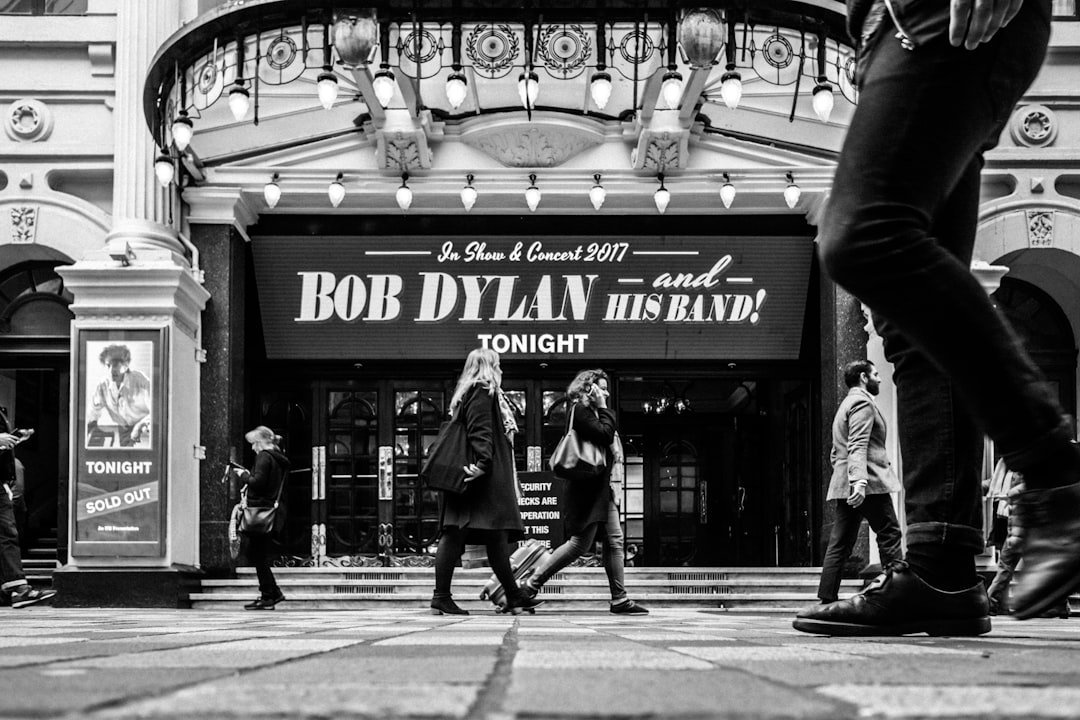
Originally, this song was often interpreted within a religious or quasi‑religious frame: a dream vision of a saint, a meditation on guilt and missed chances at redemption. The image of St. Augustine alive with fiery breath seemed like dense symbolism meant for theologians and hardcore Dylanologists. Many fans filed it under “beautiful, mysterious, not entirely my problem,” especially if they did not share the spiritual vocabulary the song invoked.
As Dylan’s own public relationship with faith evolved and as listeners became more familiar with the idea of moral witnesses – from whistleblowers to activists – the lyric began to feel more grounded. The figure of St. Augustine can be heard now as any uncompromising voice of conscience that suddenly appears in your dream, or your newsfeed, and forces you to confront how you are living. That fiery breath is the uncomfortable truth you try to ignore until it shows up insisting on a response. The song’s mystery remains, but the emotion it captures – the shame of sleeping through someone else’s sacrifice – feels more recognizable than ever.
#14 “I’ll let you be in my dreams if I can be in yours” – Talkin’ World War III Blues
At first, this closing line of a comic, rambling song about nuclear panic sounded like a clever, slightly surreal punchline. It wrapped up a satirical tale about therapy, nightmares, and apocalyptic anxiety with a playful twist. For many years, listeners enjoyed it mostly as a charming oddity, one of those Dylan endings that makes you grin without asking too many questions about what it really implies.
Over time, as ideas about mutual vulnerability, shared trauma, and collective mental health have become more mainstream, that line has deepened. It can be heard as a simple yet profound deal: I will acknowledge your fears if you acknowledge mine. In a world where war, climate crisis, and social collapse feel less theoretical, the lyric now reads like a quiet pact between people trying to stay human together. What once felt like a throwaway joke has aged into a surprisingly tender statement about reciprocity in an anxious age.
#15 “I got new eyes, everything looks far away” – Simple Twist of Fate (live variations)
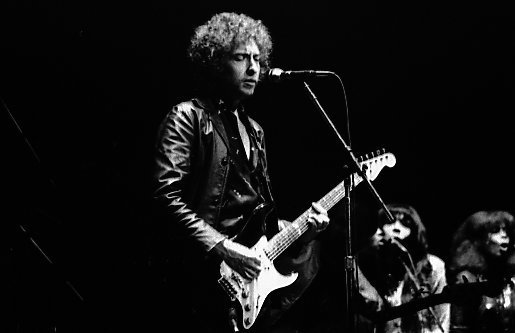
On the original Blood on the Tracks recording, Simple Twist of Fate already sounded like a lifetime compressed into a few minutes: love found, love lost, and a man walking the streets haunted by what he let slip away. Over the decades, Dylan kept changing the lyrics on stage, bending the story, adding or altering details. Lines about getting “new eyes” and seeing everything as distant began to appear, sharpening the sense that this was not just one heartbreak but a whole worldview cracking open.
Listeners who revisited those live versions years later heard something that only fully lands with age. Getting “new eyes” is not the cute metaphor it seems in your twenties; it is the unsettling realization that the world you thought you understood has shifted, and the people and places that once felt central now appear strangely remote. For fans who have watched cities gentrify, friendships fade, and technologies reshape daily life, that lyric has come to describe not just romantic loss but the eerie detachment of midlife, when your own past starts to feel like someone else’s movie.
#16 “Love minus zero, no limit” – Love Minus Zero/No Limit

When this song appeared in 1965, the title itself was baffling. Was it mathematics, wordplay, some inside joke? The lyrics painted an enigmatic portrait of a woman who remains calm amid chaos, and fans spent years debating whether she represented an actual person, an ideal, or something more abstract. For a long while, the phrase “love minus zero” sounded like pure poetic mystique, a pretty riddle you either pretended to understand or happily ignored.
As more writing emerged about emotional codependency, conditional affection, and relationships built on constant anxiety, that strange equation began to click. Many listeners now hear “love minus zero” as a quiet way of describing a love stripped of bargaining, drama, and score‑keeping: no deficit, no excess, no theatrical declarations, just steady presence. The “no limit” becomes less romantic hyperbole and more a statement about love that does not fluctuate with ego. In a culture obsessed with extremes and grand gestures, the lyric has aged into a radical idea: that the most enduring love might be the one that is quietly neutral, consistent, and unafraid of being ordinary.
#17 “It’s not dark yet, but it’s getting there” – Not Dark Yet
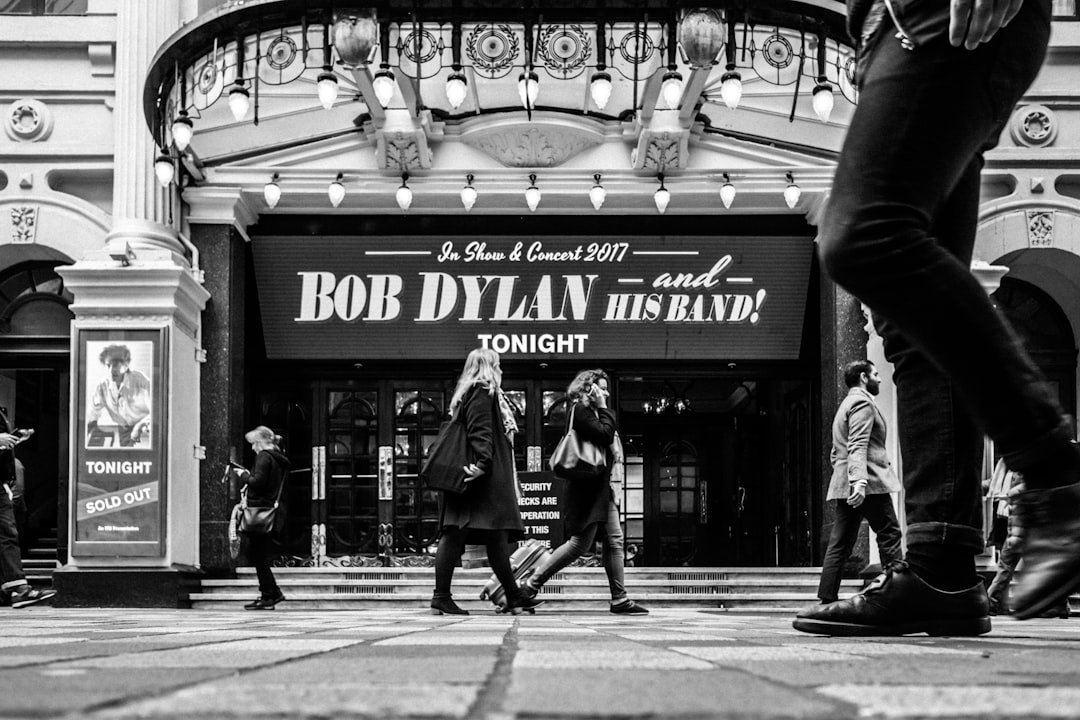
When Not Dark Yet arrived in the late 1990s, some fans heard it as Dylan staring down his own mortality, a late‑career meditation from a man entering his late fifties. The line about it not being dark yet sounded, at first, like fairly straightforward aging talk: the body slowing, the shadows lengthening. Many people respected it as a dignified, somber reflection, but still kept it mostly in the box of “old artist muses on death.”
As years went by – and as Dylan kept touring, recording, and outliving countless predictions of his fade‑out – the lyric widened in scope. It has become a kind of quiet slogan for living in a world that feels perpetually on the brink: environmental tipping points, political instability, personal exhaustion. The “dark” is not only literal death, but any final collapse you fear is coming. Listening now, the line feels subtly defiant rather than merely resigned. It acknowledges that things are getting worse in many ways, but it also insists that there is still light left to work with, still time to act, still songs to sing before the curtain finally drops.
Conclusion: The Future Keeps Explaining the Past
What makes these Dylan lines so unnerving in 2026 is not that they were secret prophecies waiting to be decoded by clever fans. It is that he wrote them in the thick of his own confusion, and the world kept looping back around to prove how right that confusion was. The longer you live with these songs, the more you realize they were never meant to be cracked like a single riddle; they are designed to grow alongside you, revealing new layers as history and your own life force you to hear them differently.
If anything, the last fifty or sixty years have made one thing clear: we were the ones who needed time, not the lyrics. We had to catch up emotionally, politically, and spiritually before certain lines could really land. That is my favorite thing about Dylan, and why I do not buy the idea that his songs belong to any one decade. They keep slipping out of their original moment and into ours, asking quietly uncomfortable questions we are still not finished answering. Which of these lines did you think you understood years ago – and which are you only just starting to hear now?

- 17 Bob Dylan Lyrics That Took Fans 50 Years to Fully Understand - September 8, 2026
- 13 Travel Secrets Experienced Travelers Swear By - September 5, 2026
- 33 Oldies Lyrics That Wouldn’t Be Allowed on the Radio Today - August 31, 2026

