

For any feedback please reach out to info@festivalinside.com
- How 11 Fiction Changed Public Perception of War - September 28, 2026
- 15 Books That Shocked America’s Moral Conscience - September 28, 2026
- Japan’s History in Short: The Key Moments That Shaped a Global Power - September 28, 2026
Books have always carried ideas across generations and borders. They plant seeds in readers minds that sometimes grow into movements, laws, or entirely new ways of seeing daily life. A single volume can expose injustice, spark curiosity, or simply remind people of shared humanity in times of division.
Throughout history certain works have done more than entertain or inform. They shifted public opinion, influenced policy, and helped reshape societies in lasting ways. The five titles below stand out for the concrete improvements they helped bring about.
Common Sense by Thomas Paine
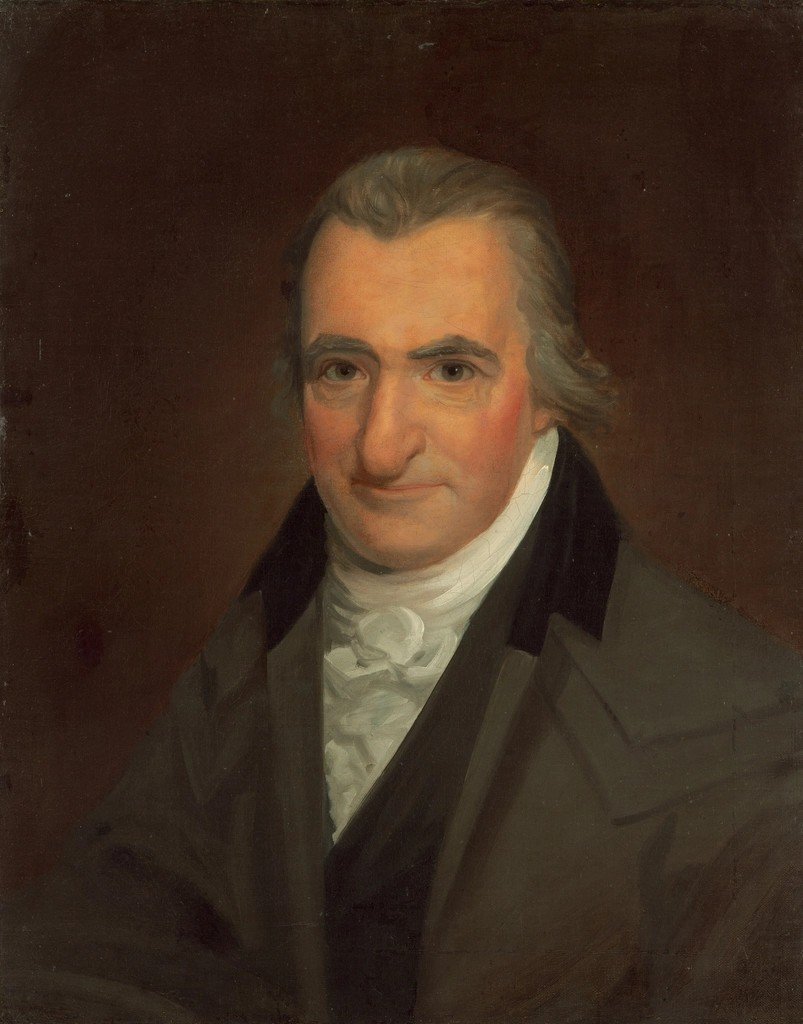
Thomas Paine published this short pamphlet in 1776. Its core message argued that the American colonies should break free from British rule and form an independent republic. Paine wrote in plain language that ordinary people could understand, avoiding the formal style common in political writing of the day.
The pamphlet sold hundreds of thousands of copies within months. It helped turn scattered colonial grievances into a unified push for independence. Many historians credit it with accelerating the American Revolution and shaping the democratic ideals that later influenced other nations seeking self government.
Uncle Tom’s Cabin by Harriet Beecher Stowe
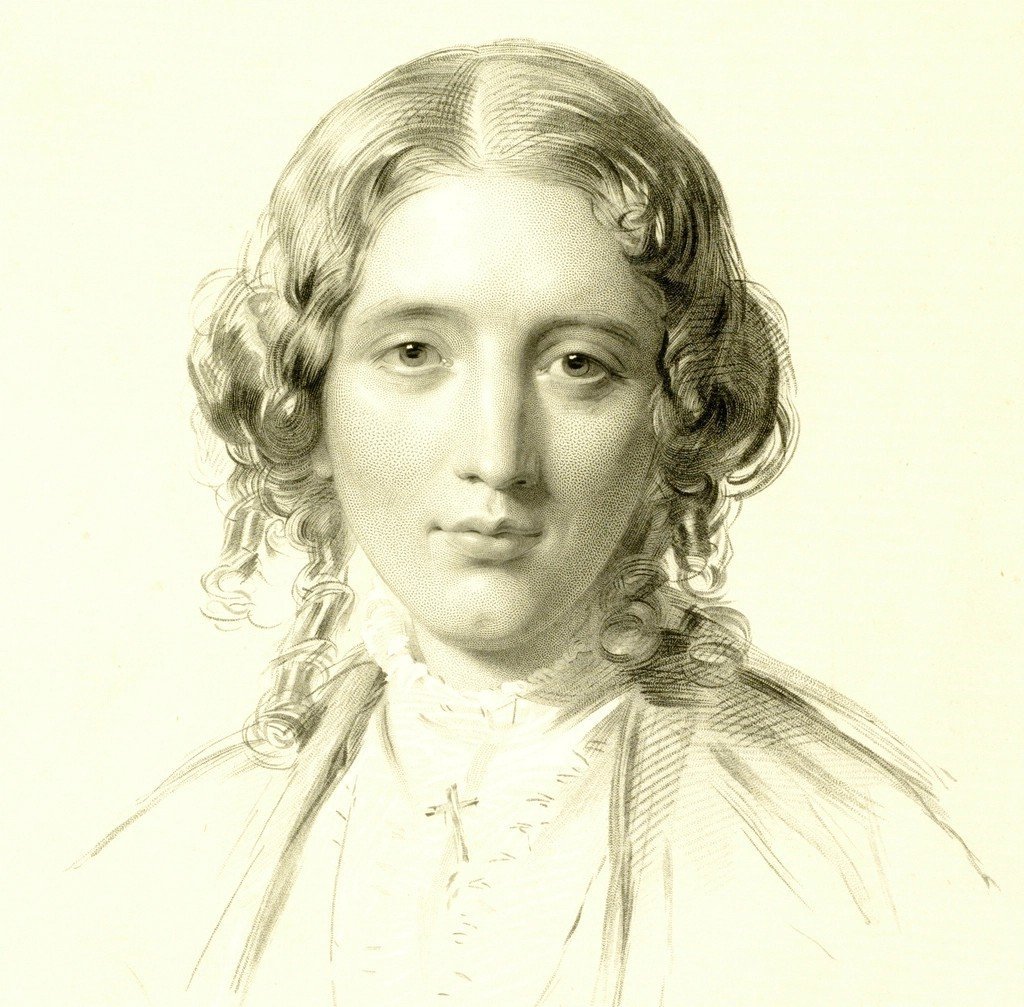
Harriet Beecher Stowe released this novel in 1852. The story follows the lives of enslaved people and shows the daily cruelty of the system in vivid detail. Its central message was that slavery violated basic human dignity and moral principles shared by most readers at the time.
The book became an immediate bestseller across the northern states. It stirred widespread sympathy for the abolitionist cause and is often cited as one factor that helped build support for the Civil War. President Lincoln reportedly greeted Stowe by saying her work had started a great conflict, underscoring its role in shifting national attitudes.
Silent Spring by Rachel Carson
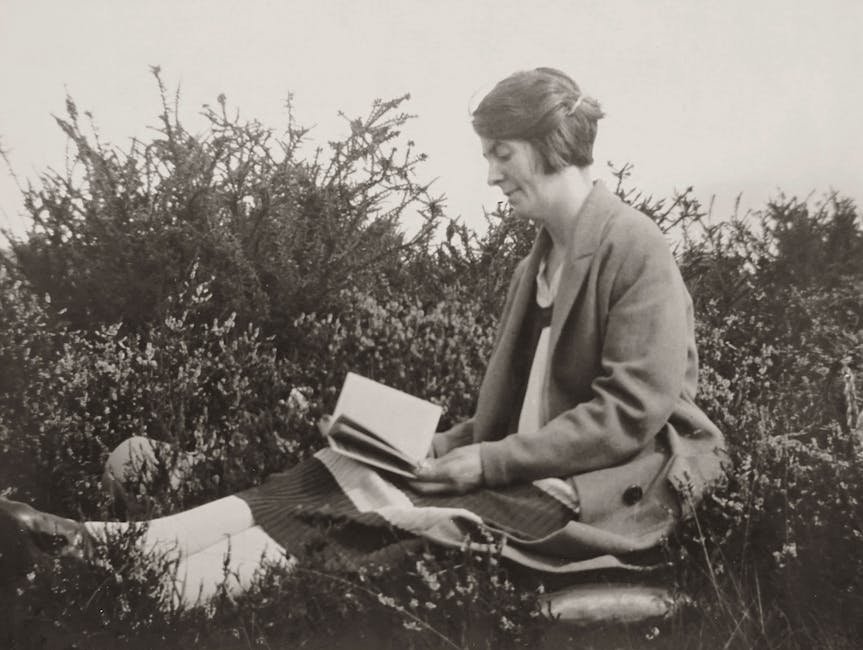
Rachel Carson published this work in 1962 after years of research into pesticide use. The core message warned that chemicals like DDT were poisoning wildlife, water supplies, and eventually humans themselves. Carson presented the evidence in clear, accessible prose rather than technical jargon.
The book prompted congressional hearings and led directly to new environmental regulations in the United States. It also helped launch the modern environmental movement that produced the Environmental Protection Agency and the ban on DDT. Decades later its influence can still be seen in global efforts to limit harmful chemicals in agriculture.
The Feminine Mystique by Betty Friedan

Betty Friedan wrote this book in 1963 after interviewing suburban housewives. Its central argument challenged the idea that women found complete fulfillment only through homemaking and child rearing. Friedan described a widespread sense of dissatisfaction she called the problem that has no name.
The book sold millions of copies and helped ignite second wave feminism. It contributed to the creation of the National Organization for Women and supported campaigns for equal pay, reproductive rights, and workplace opportunities. Many women who entered professional fields in the following decades pointed to the book as a turning point in their own thinking.
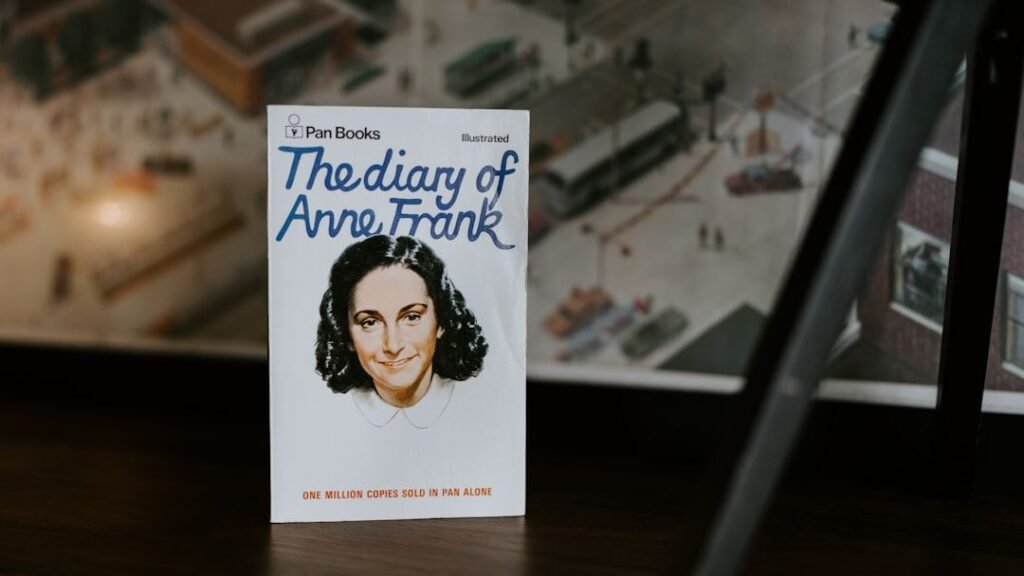
The Diary of a Young Girl by Anne Frank
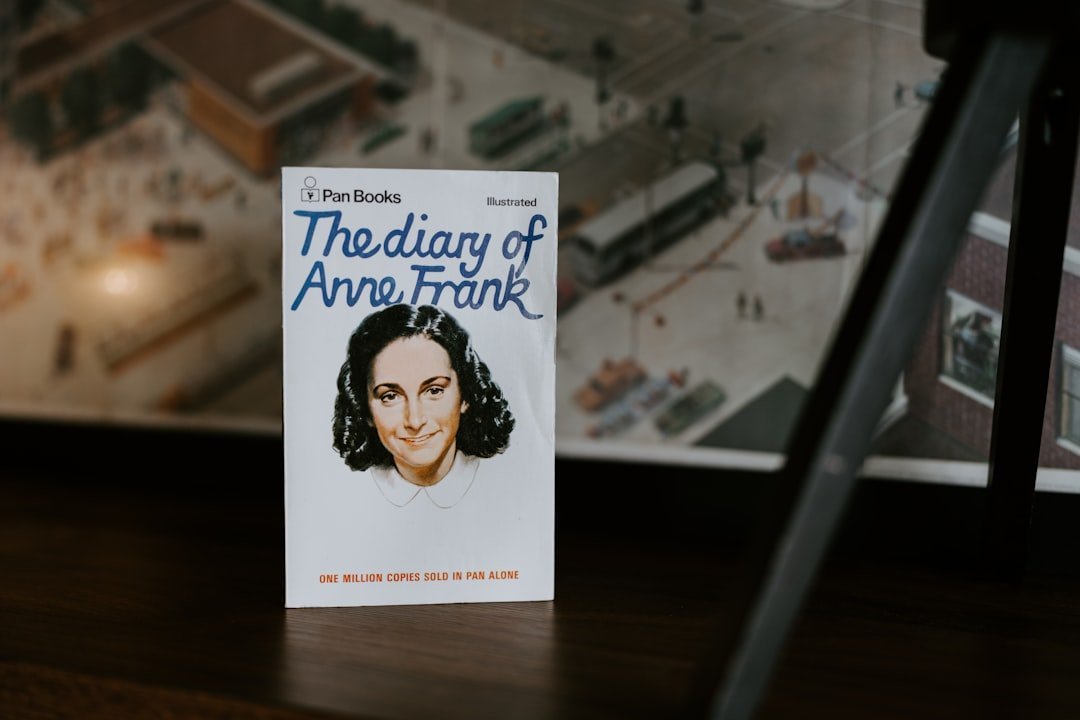
Anne Frank kept this diary while hiding from Nazi persecution during World War II. The core message that emerged from her entries was a belief in human goodness despite overwhelming evidence of cruelty. Her honest account of daily fears and small hopes made the Holocaust personal rather than abstract.
Published after the war, the diary has been translated into dozens of languages and read by millions of students worldwide. It has become a standard text in education programs aimed at teaching tolerance and preventing genocide. The Anne Frank House in Amsterdam continues to draw visitors who leave with a deeper sense of individual responsibility in the face of injustice.
Conclusion

These five works show how printed pages can move beyond entertainment or scholarship. They reached ordinary readers at key moments and helped turn private thoughts into public action. Each one addressed a specific harm and offered a clearer vision of what society could become.
Literature keeps performing this quiet work today. New books continue to examine current challenges and invite readers to imagine better outcomes. The pattern suggests that thoughtful writing will remain one reliable way humanity improves itself over time.

Christian Wiedeck, all the way from Germany, loves music festivals, especially in the USA. His articles bring the excitement of these events to readers worldwide.
For any feedback please reach out to info@festivalinside.com
