

- 10 Forgotten Civilizations Beneath America’s Cities - September 28, 2026
- 16 Rock Albums That Inspired Entire Movements - September 28, 2026
- 11 Hidden Influences Behind the Civil Rights Music - September 28, 2026
Live festivals thrive on the unexpected. Crowds gather expecting a show, yet the mix of weather, technical glitches, bold artist choices, and sheer human energy often turns the script upside down in ways no one can plan.
Those surprises stick because they capture something raw and unrepeatable, turning ordinary sets into stories passed down for decades.
Jimi Hendrix at Woodstock, 1969
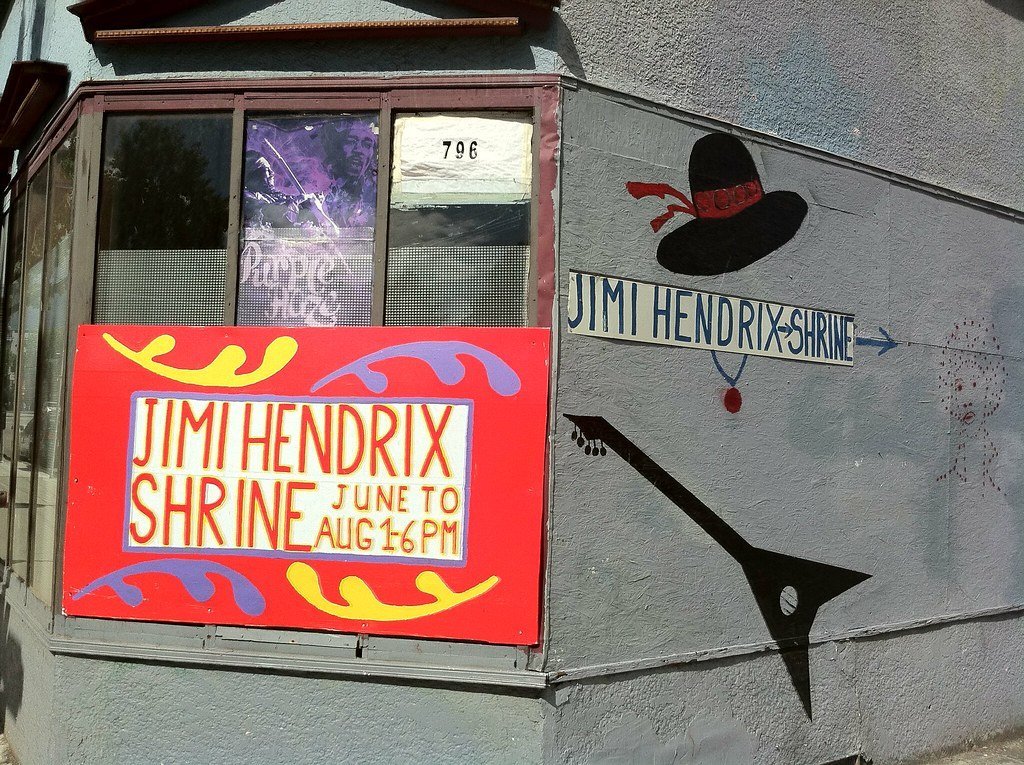
Woodstock stretched into Monday morning after days of rain and delays. Hendrix closed the festival with a solo electric version of the national anthem that twisted the melody through feedback and distortion. The performance lasted only a few minutes yet felt like an entire era speaking at once.
Footage of that set spread quickly and became a symbol of the counterculture. It showed how one musician could reshape a familiar tune into something entirely new right in front of a massive, exhausted crowd. The moment defined what festivals could achieve when everything aligned by chance.
Bob Dylan at Newport Folk Festival, 1965
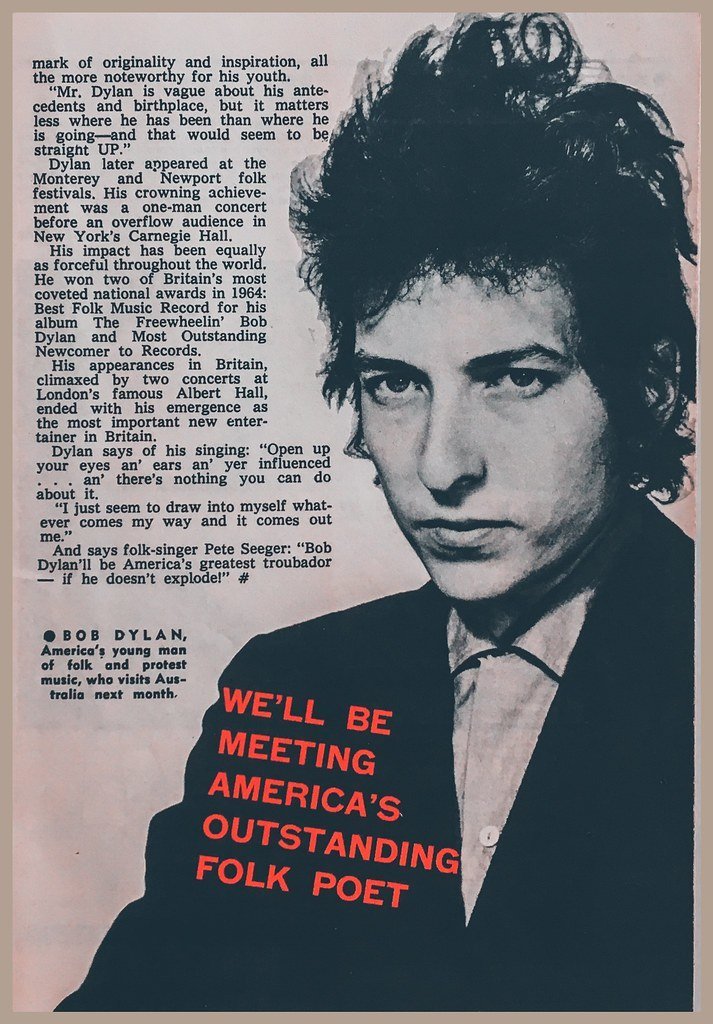
Dylan walked onstage with an electric band instead of his usual acoustic setup. The crowd reacted with boos and shouts as he launched into an amplified set that included “Maggie’s Farm.” He played only three songs before leaving the stage.
The backlash was immediate and intense, yet the performance marked a turning point in folk and rock. It proved that artists could reject expectations and still create lasting impact. Decades later, the Newport set remains the reference point for every electric shift in music.
Nirvana at Reading Festival, 1992
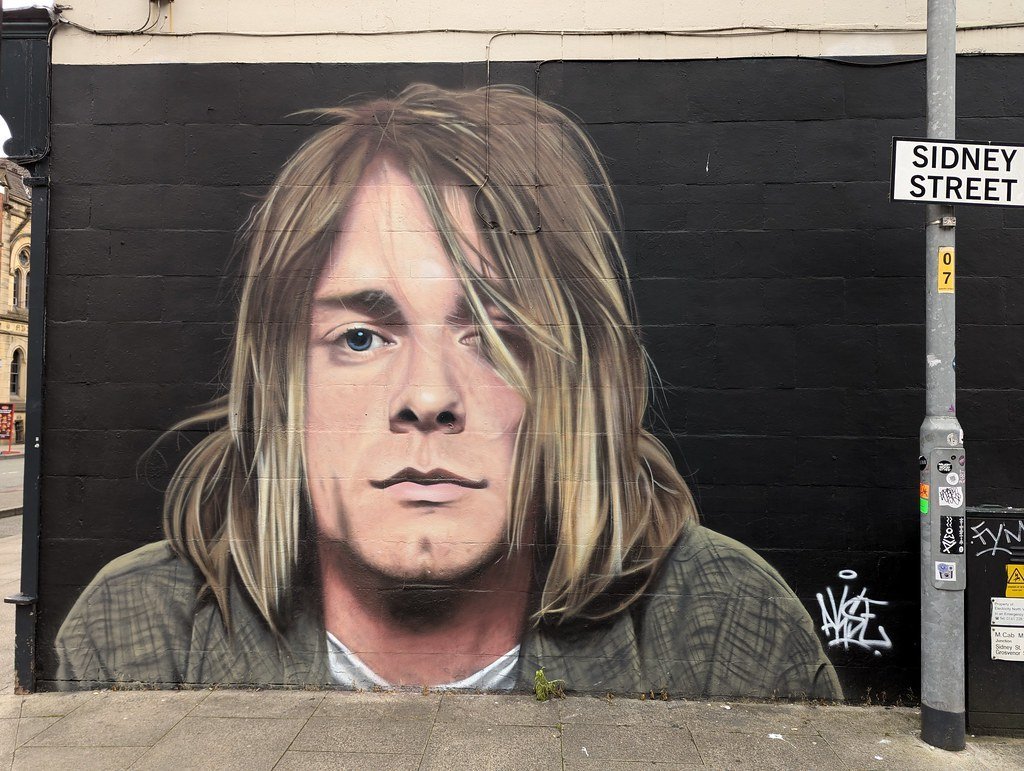
Kurt Cobain arrived in a wheelchair wearing a hospital gown, pushed by bandmates who pretended he was gravely ill. The band then launched into a ferocious set that mixed hits with raw energy. Rumors of the group’s breakup had circulated all summer, making the appearance feel like a defiant return.
The stunt and the performance combined to create one of the most talked-about festival closers of the decade. Fans and critics alike saw it as proof that Nirvana could still deliver when the pressure was highest. The images from that day continue to circulate as shorthand for 1990s rock unpredictability.
Daft Punk at Coachella, 2006
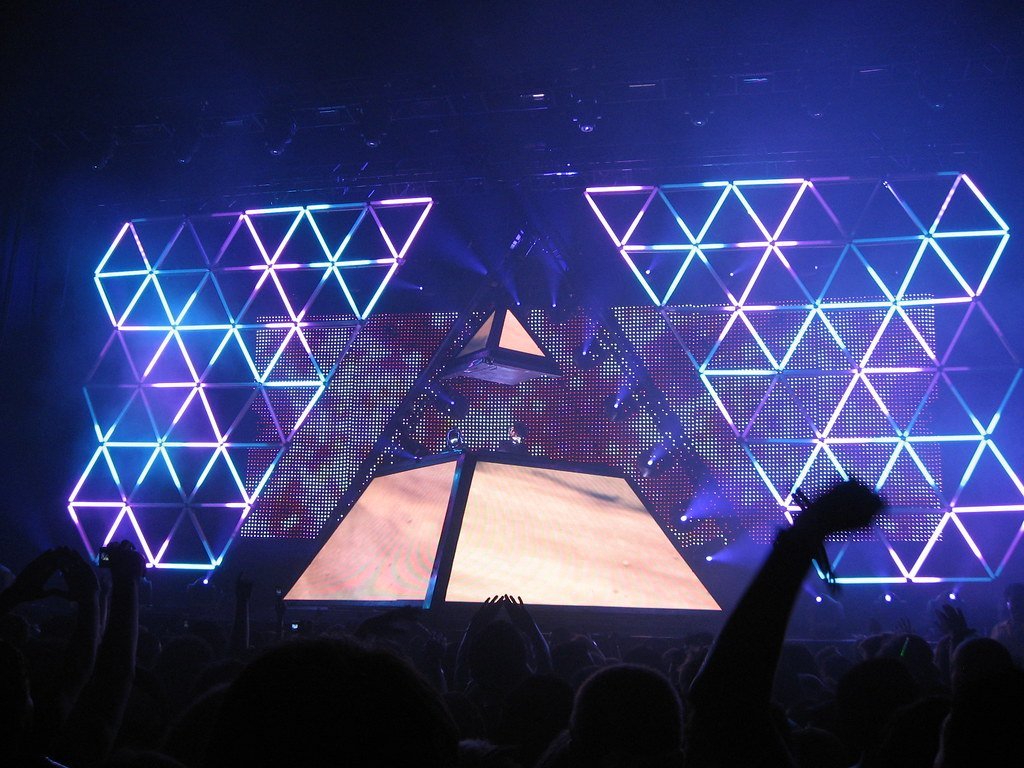
The duo appeared inside a glowing pyramid structure that hid their faces and turned the stage into a futuristic light show. They played a seamless mix of their own tracks and classic disco cuts while the pyramid pulsed with synchronized visuals. Few expected such a theatrical production from an electronic act at the time.
The set instantly became a benchmark for festival production values. It showed how technology and mystery could create a shared experience that felt larger than the music alone. Years afterward, people still reference the pyramid as the moment electronic music claimed the main stage in a new way.
The Flaming Lips at Coachella, 2004
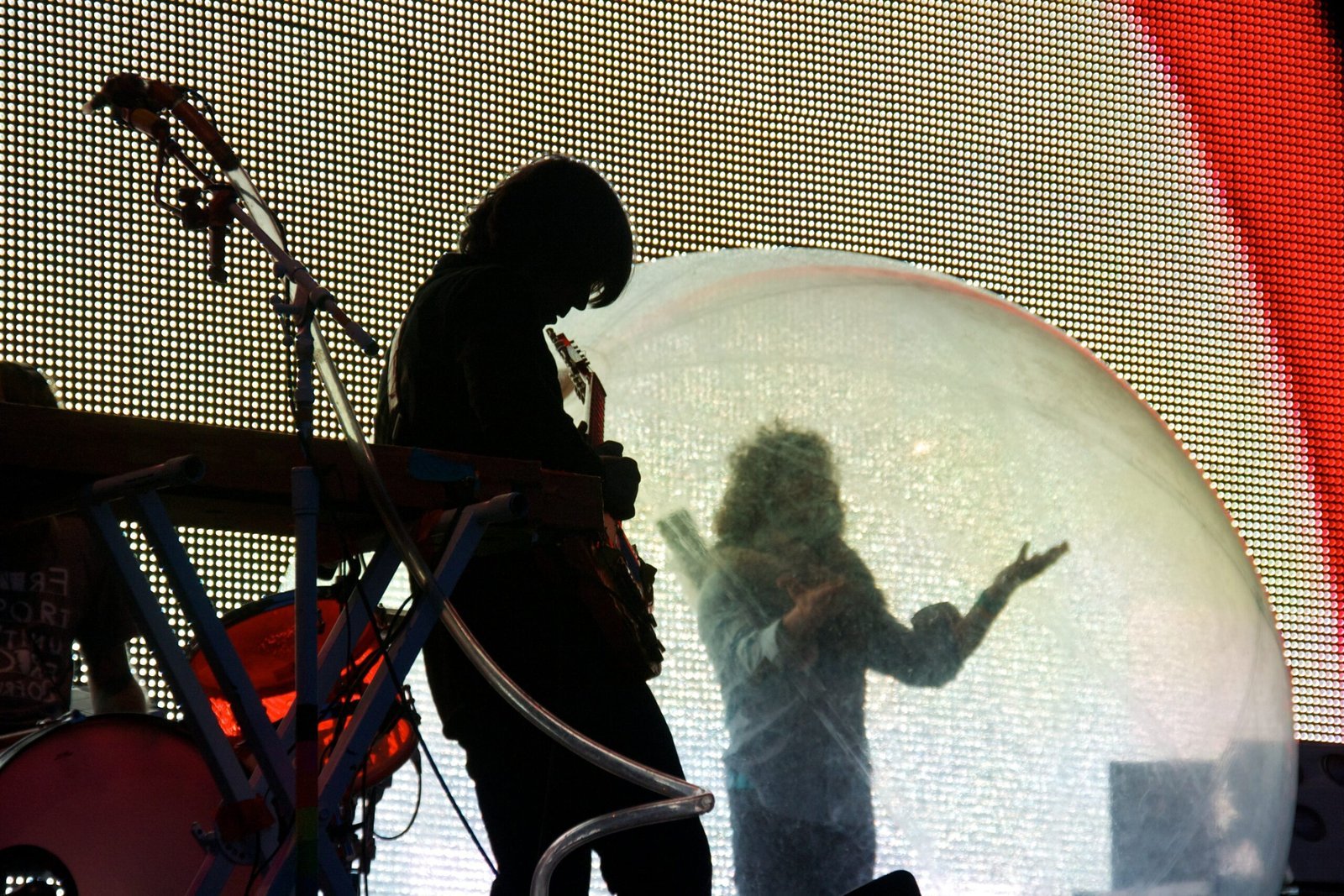
Wayne Coyne climbed into a giant clear bubble and crowd-surfed across the audience while the band played. The bubble floated above thousands of hands as lights and confetti filled the air. It was the first time many fans had seen anything like it at a major festival.
The image spread online and in print, turning the performance into an instant visual icon. It highlighted how playful spectacle could match the music in creating lasting memories. The bubble moment helped cement Coachella’s reputation for visual innovation.
M.I.A. at Coachella, 2008
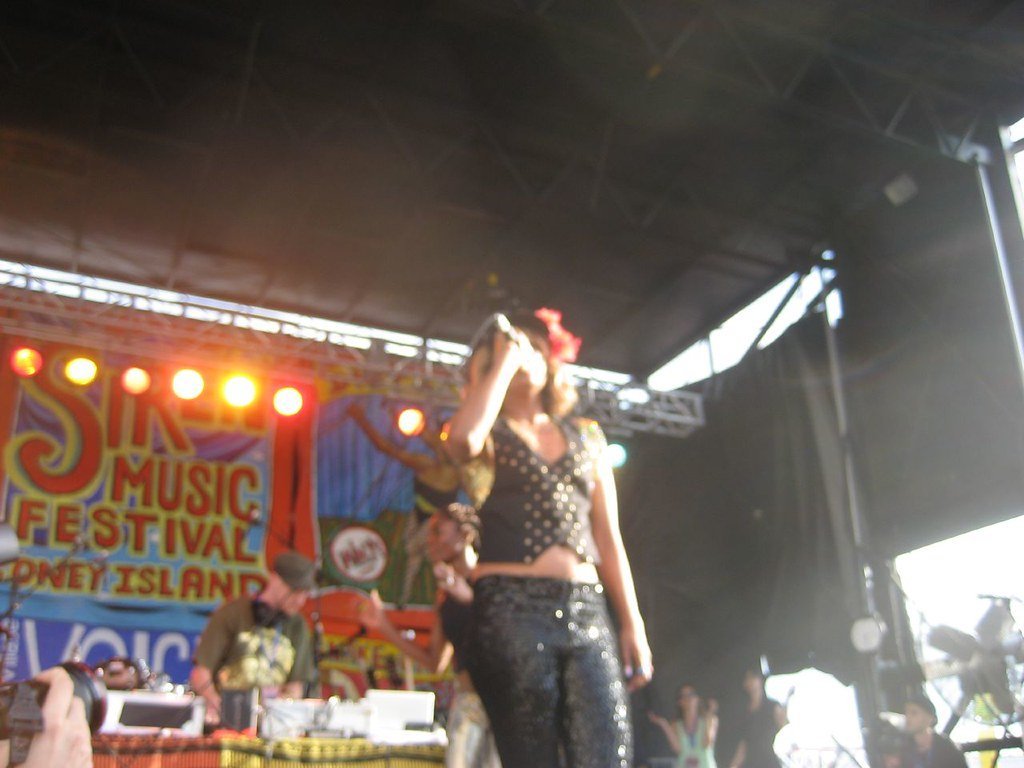
M.I.A. invited fans to rush the stage during her set, creating a surge of bodies that overwhelmed security. She kept performing as the crowd filled the area around her, turning the show into a collective celebration. The house lights came up briefly, yet the energy never dropped.
The invasion became a talking point for how festivals could blur the line between performer and audience. It captured M.I.A.’s rebellious spirit and showed the power of spontaneous connection. Clips of the moment still circulate as an example of festival freedom at its peak.
Beyoncé at Glastonbury, 2011
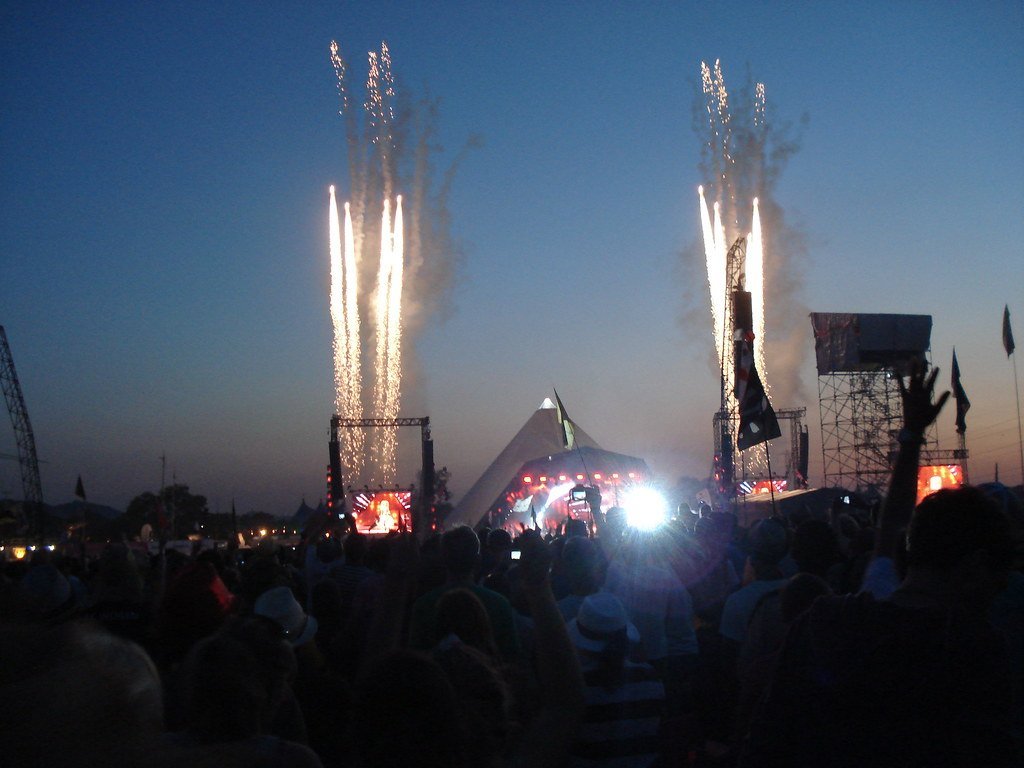
Beyoncé headlined the Pyramid Stage while three months pregnant, delivering a high-energy set that included hits and a surprise Destiny’s Child reunion. She moved across the massive stage with full command despite the physical demands. The performance marked the first time a woman had headlined the festival in its modern era.
The show proved that major festivals could showcase female artists at the absolute top level. It also demonstrated how personal milestones could add emotional weight to a public moment. Fans remember the night as both a career peak and a cultural milestone.
The Stone Roses at Spike Island, 1990
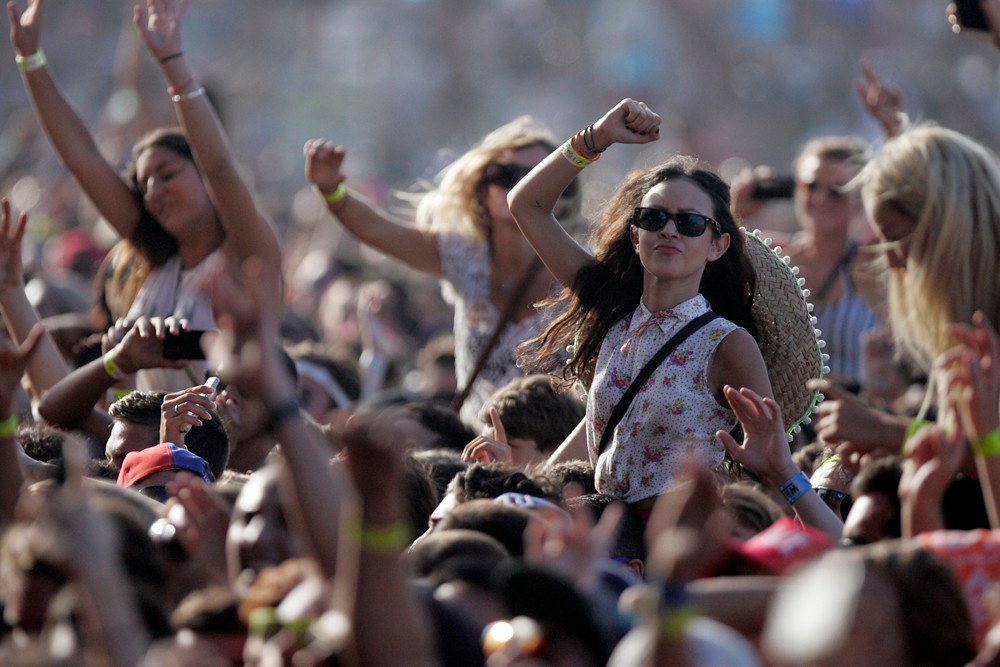
The band played to a crowd of roughly thirty thousand on a muddy island in the Mersey River. The set featured their breakthrough album in full, with the audience singing along to every word. The event felt like a coronation for the Madchester scene.
Though the sound system struggled at times, the sheer scale and atmosphere turned the day into legend. It captured a specific moment in British youth culture before the band’s later troubles. The Spike Island show remains the reference point for that era’s communal excitement.
Oasis at Glastonbury, 1994
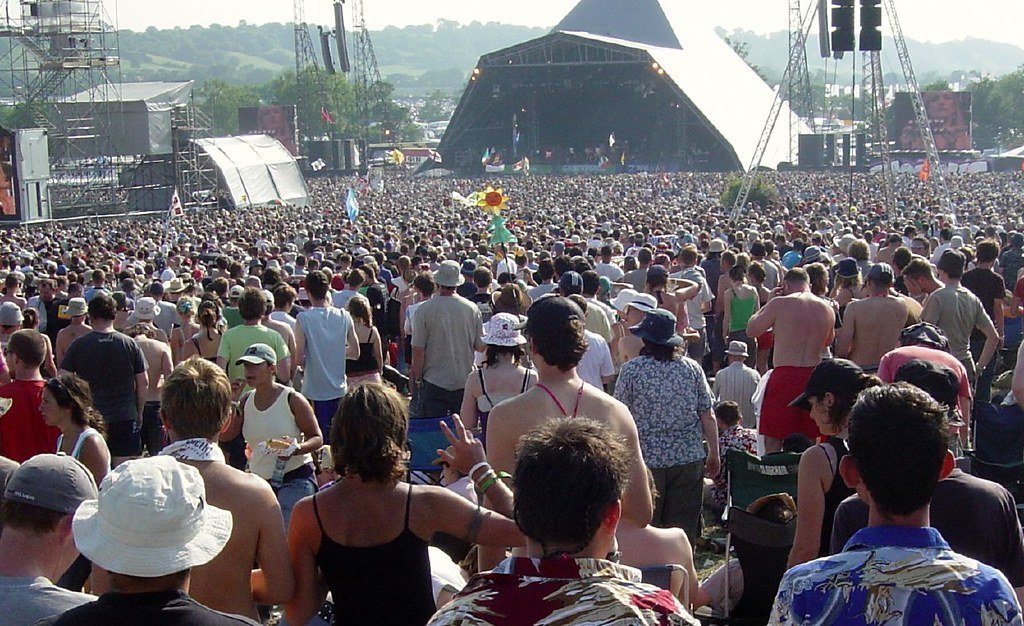
The band made their festival debut on the Pyramid Stage just as their debut album was climbing the charts. Liam and Noel traded vocals and attitude while the crowd responded with growing intensity. The set included early singles that would soon define Britpop.
The performance arrived at exactly the right time to launch the group into superstardom. It showed how a single festival slot could accelerate a band’s rise when the songs and the moment aligned. Fans still cite the 1994 appearance as the night Oasis became unavoidable.
Arcade Fire at Coachella, 2011
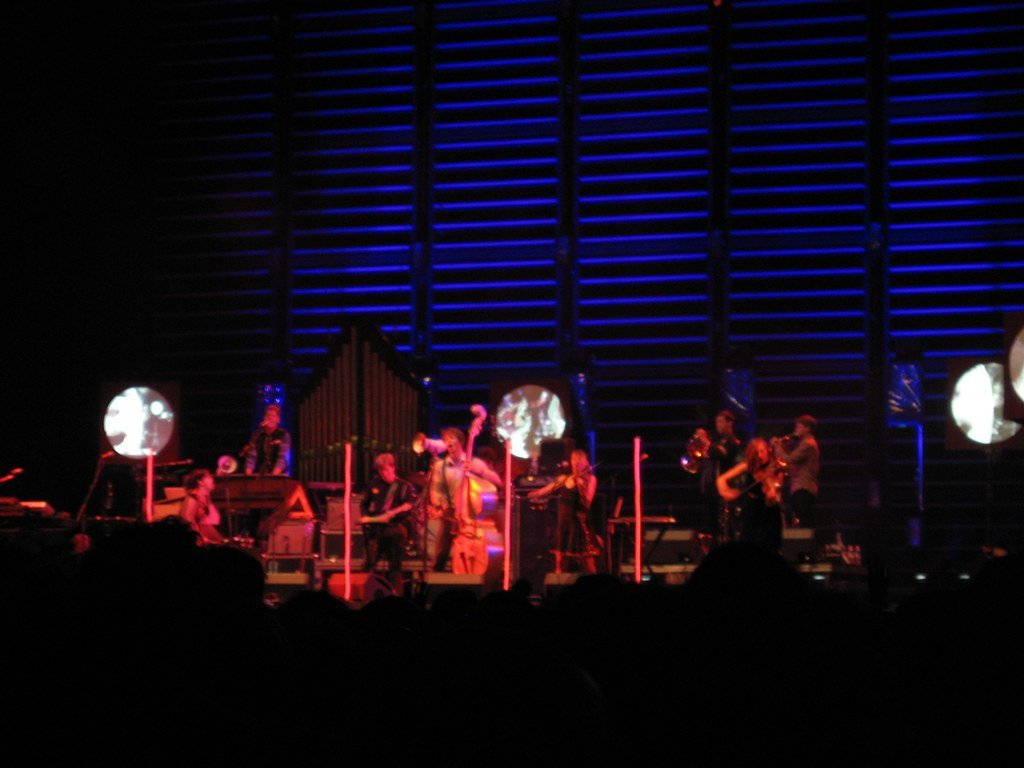
The Canadian band headlined after winning Album of the Year at the Grammys. They delivered an expansive set that mixed anthemic tracks with intimate moments under the desert stars. The performance felt like a victory lap that invited the entire crowd to celebrate.
The energy carried through the night and reinforced Coachella’s status as a place where indie acts could reach festival-scale audiences. It also highlighted how emotional connection could elevate a headline slot. The set remains a touchstone for bands aiming to match that level of communal release.
Festivals keep producing these flashes of chaos and brilliance because no amount of planning can fully contain the variables at play. Each one reminds us that live music’s real power lies in the moments that refuse to follow the script.

Besides founding Festivaltopia, Luca is the co founder of trib, an art and fashion collectiv you find on several regional events and online. Also he is part of the management board at HORiZONTE, a group travel provider in Germany.
