

For any feedback please reach out to info@festivalinside.com
- 12 Literary Feuds So Intense, They Changed the Course of Literature - August 11, 2026
- 10 Mysterious Disappearances of Famous Figures That Still Puzzle Experts - August 11, 2026
- 10 Foods We Thought Were American But Were Actually Invented Somewhere Else. - August 11, 2026
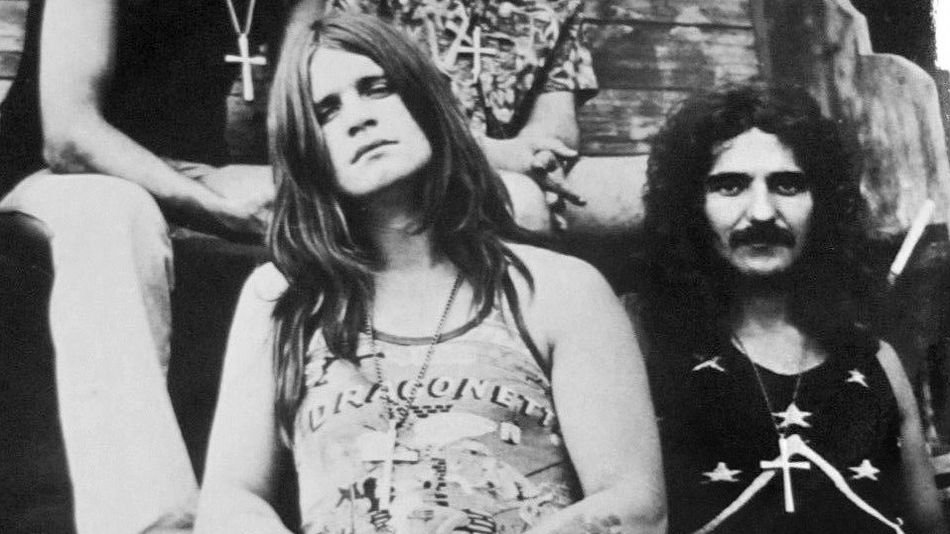
Black Sabbath emerged from the industrial grit of Birmingham in the late 1960s, forever altering the landscape of rock and metal. Their heavy riffs, down-tuned guitars, and ominous themes laid the groundwork for heavy metal as a genre, influencing countless bands from Metallica to Nirvana. What started as a bluesy outfit evolved into something darker and denser, capturing the era’s unease with war, madness, and the supernatural.[1][2]
They shifted rock from psychedelic highs to a heavier, more aggressive sound. Albums like their self-titled debut and Paranoid sold millions, proving the appeal of extreme volume and riff-driven songs. This blueprint resonated through decades, shaping metal’s core aesthetic.
1. They Started as Polka Tulk Blues Band
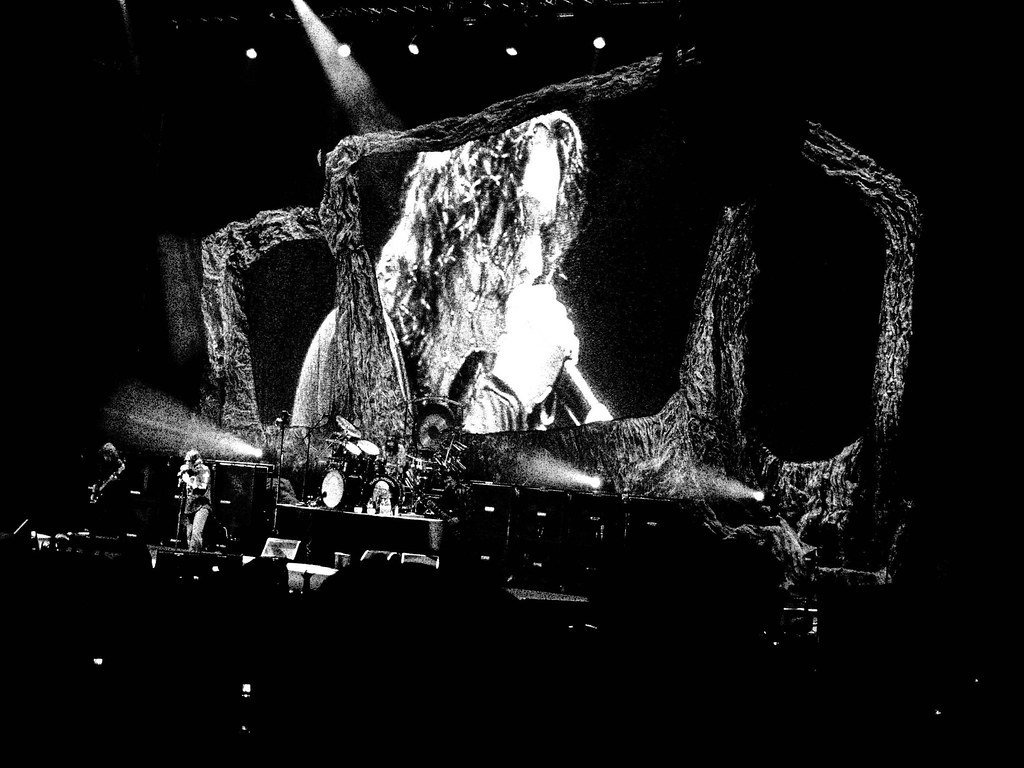
Black Sabbath began life as the Polka Tulk Blues Band, named after a talcum powder Ozzy Osbourne’s mother used. The group later shortened to Earth before settling on their iconic name. This quirky origin contrasts sharply with their doom-laden image.[3]
It’s surprising because fans picture them emerging fully formed from Birmingham’s factories. The talcum powder nod highlights their working-class roots and playful early days. This evolution underscores how they transformed blues into something far heavier.
2. Name Inspired by a Horror Flick
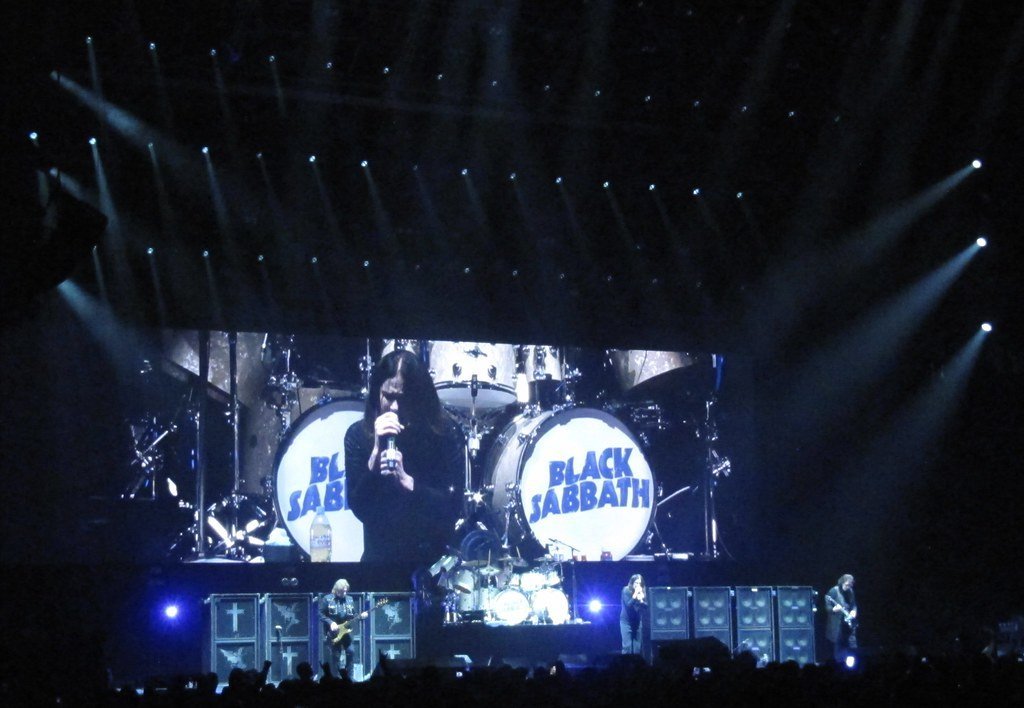
The band chose Black Sabbath after seeing a Boris Karloff horror movie poster across from their rehearsal space. They had been Earth but needed a change due to another band with that name. Even more oddly, a U.S. psych band Coven released a song called “Black Sabbath” just before.[4]
This coincidence adds a layer of eerie serendipity to their branding. It matters because the name perfectly captured their shift to dark, atmospheric music. Horror elements became central to their sound and visuals right from the start.
3. Tony Iommi’s Brief Jethro Tull Stint
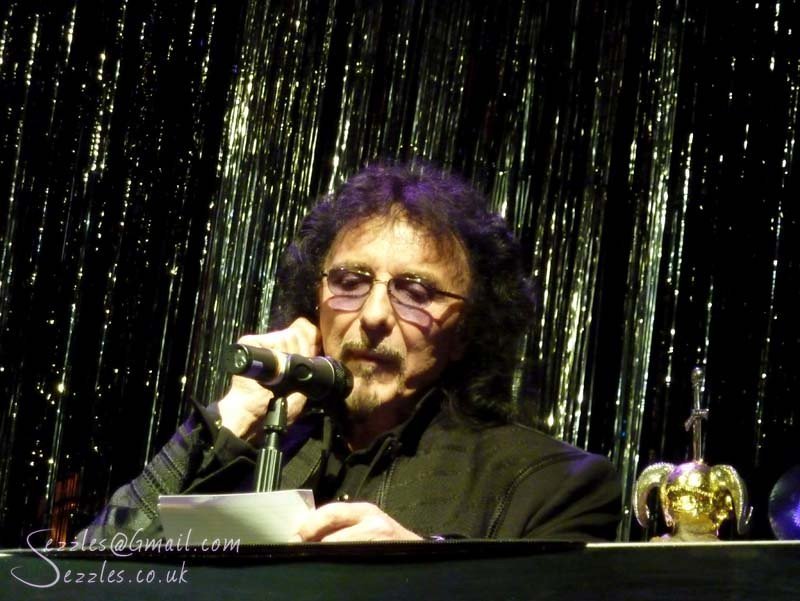
Tony Iommi nearly joined Jethro Tull in 1968, leaving his band for a week of rehearsals. He returned to Black Sabbath, but accounts differ on why. Jethro Tull’s Ian Anderson suggested Iommi’s injured fingers limited his playing style.[4]
The surprise lies in how close metal lost its riff king to flute-driven prog rock. This detour highlights Iommi’s early versatility. It also shows the competitive Birmingham scene pushing talents together.
Sticking with Sabbath proved pivotal for heavy music’s birth.
4. Debut Album Recorded in One Day
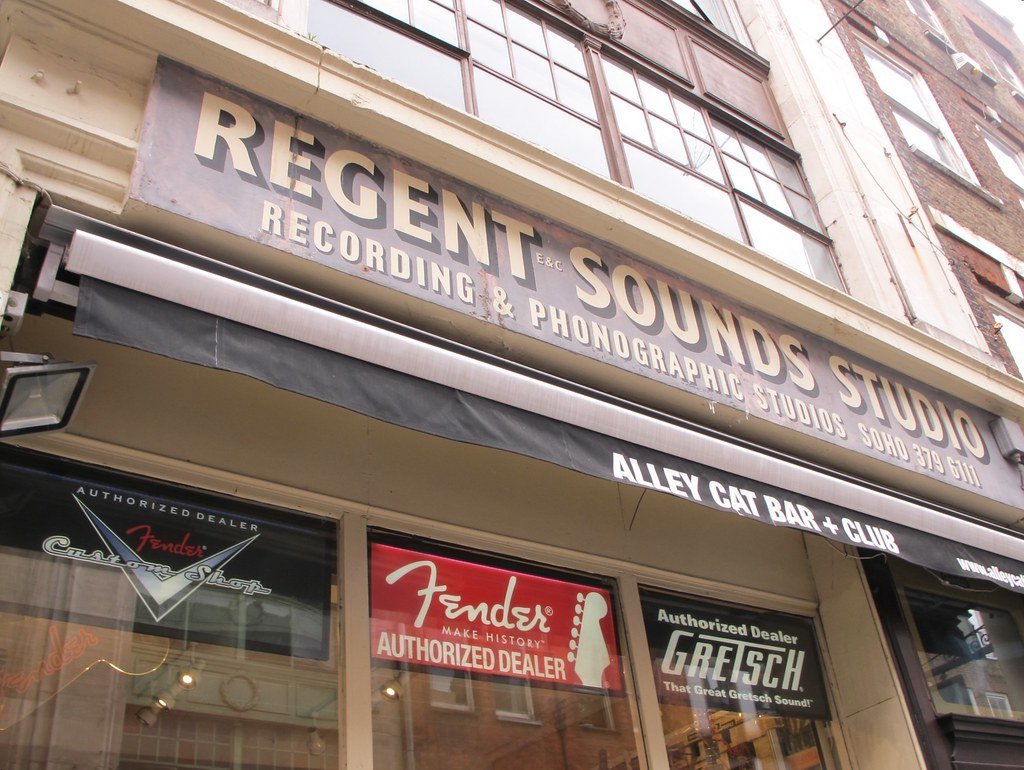
Black Sabbath’s self-titled debut came together in a single day at a London studio. Producer Rodger Bain captured their raw energy with minimal overdubs. The session reflected their live power and factory-honed efficiency.[1]
What’s striking is how this hasty recording birthed metal’s blueprint. No endless tweaks, just pure heaviness that topped charts. It set a template for speed and authenticity in rock albums.
5. The Cough on “Sweet Leaf” Is Iommi
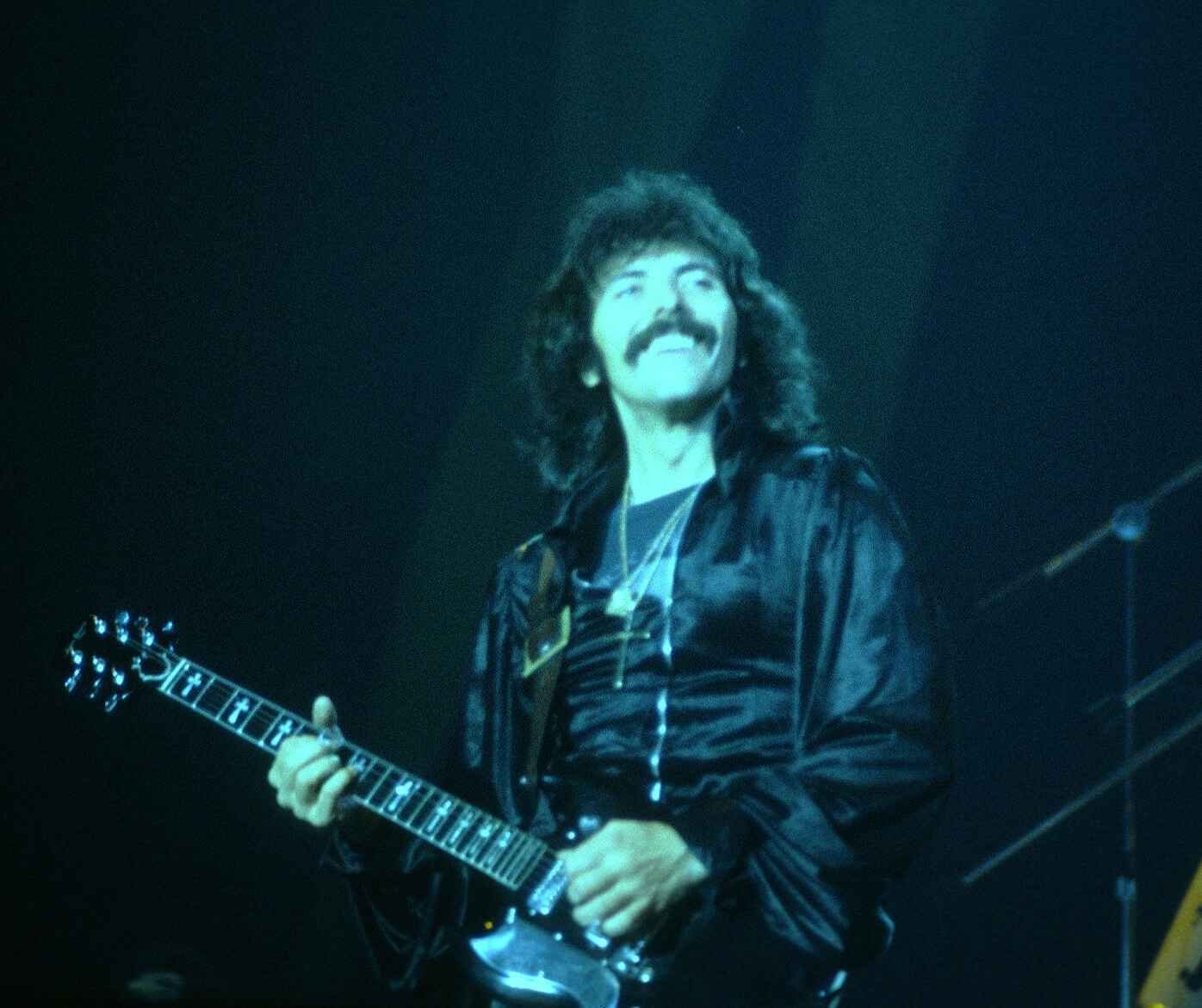
That infamous cough kicking off “Sweet Leaf” came from Tony Iommi after Ozzy handed him a joint in the studio. The title drew from an Irish cigarette pack slogan. Despite the pot homage, the band wasn’t heavily using drugs then.[4]
It surprises because fans assume Ozzy did it. This detail humanizes Iommi’s role beyond riffs. The track helped normalize weed themes in metal, influencing stoner rock later.
6. Geezer Butler Invented the Devil Horns
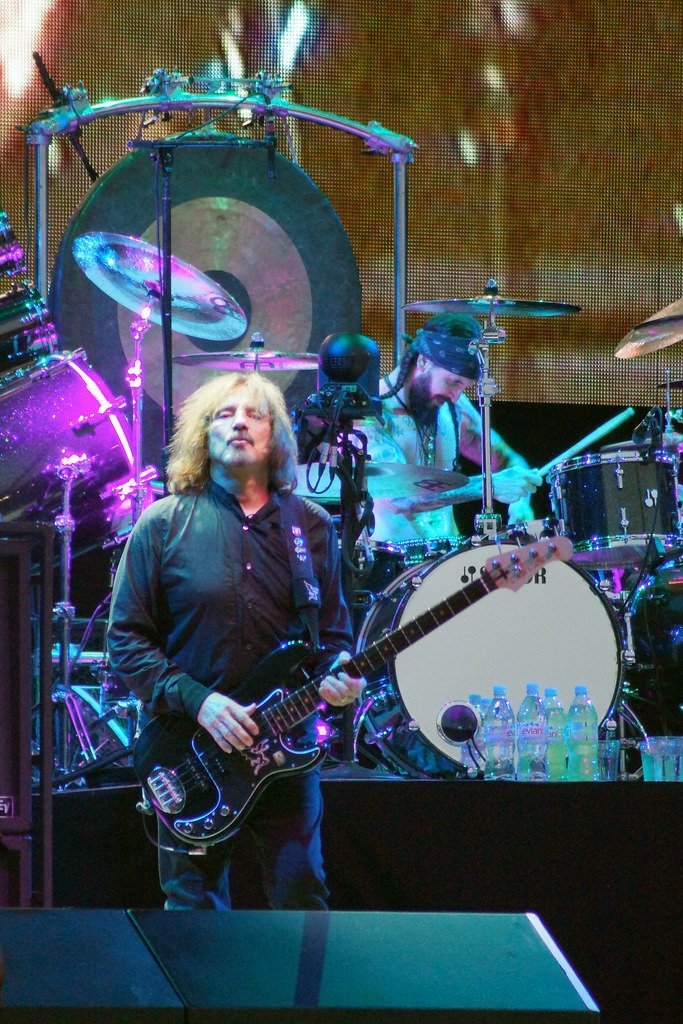
Bassist Geezer Butler claims he flashed the “devil horns” hand gesture in the 1970s, predating Ronnie James Dio. Photos from 1971 back him up, drawn from occult interests. He even taught it to Dio.[5]
This flips the common Dio attribution, rooted in his grandma’s evil eye ward. It’s important as the gesture became metal’s universal sign. Butler’s occult fascination fueled many Sabbath lyrics too.
7. Michael Bolton Auditioned for Vocals
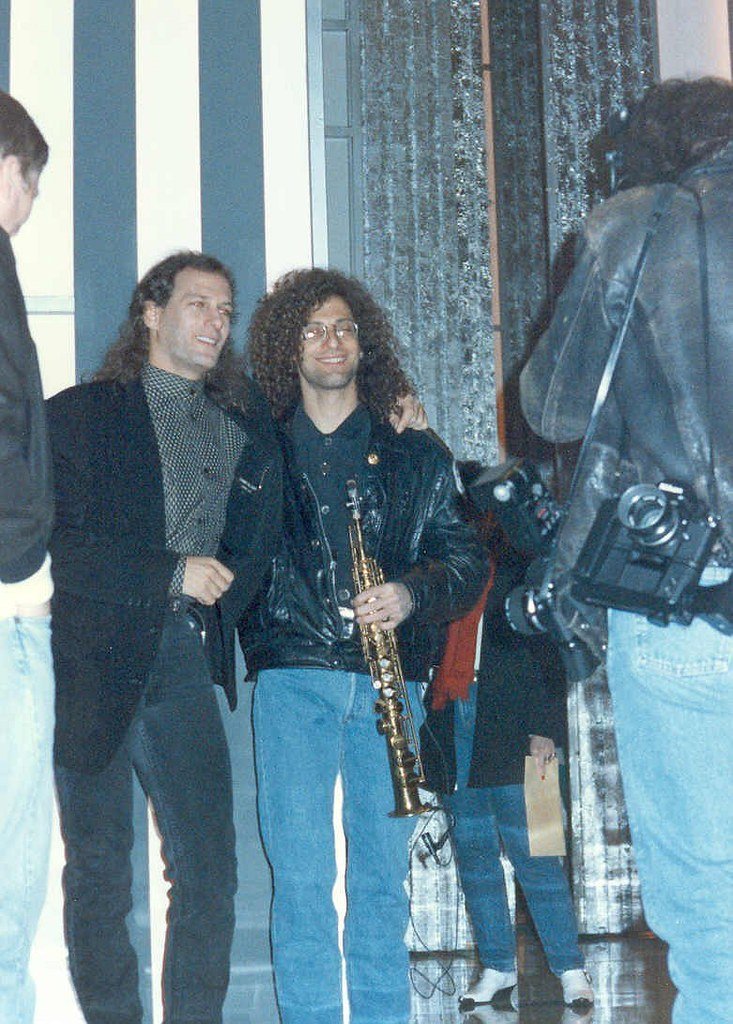
In 1982, after parting with Dio, Black Sabbath auditioned Michael Bolton for singer. Tony Iommi confirmed it in his book, though Bolton downplays the rumor. He tried classics like “War Pigs.”[5]
The mismatch between Bolton’s pop soul and Sabbath’s doom is hilarious. It shows their desperation post-Ozzy. Ultimately, Ian Gillan got the gig instead.
This odd chapter reveals the band’s turbulent lineup changes.
8. Brian May’s Rare Guitar Guest Spot
Queen’s Brian May is the only other guitarist besides Iommi to play on a Black Sabbath album. He soloed on “When Death Calls” from 1989’s Headless Cross. This crossed paths during the Tony Martin era.[5]
Surprising for purists who see Sabbath as insular. May’s style meshed surprisingly well with their heaviness. It nods to mutual respect among rock giants.
9. The Stonehenge Prop Disaster
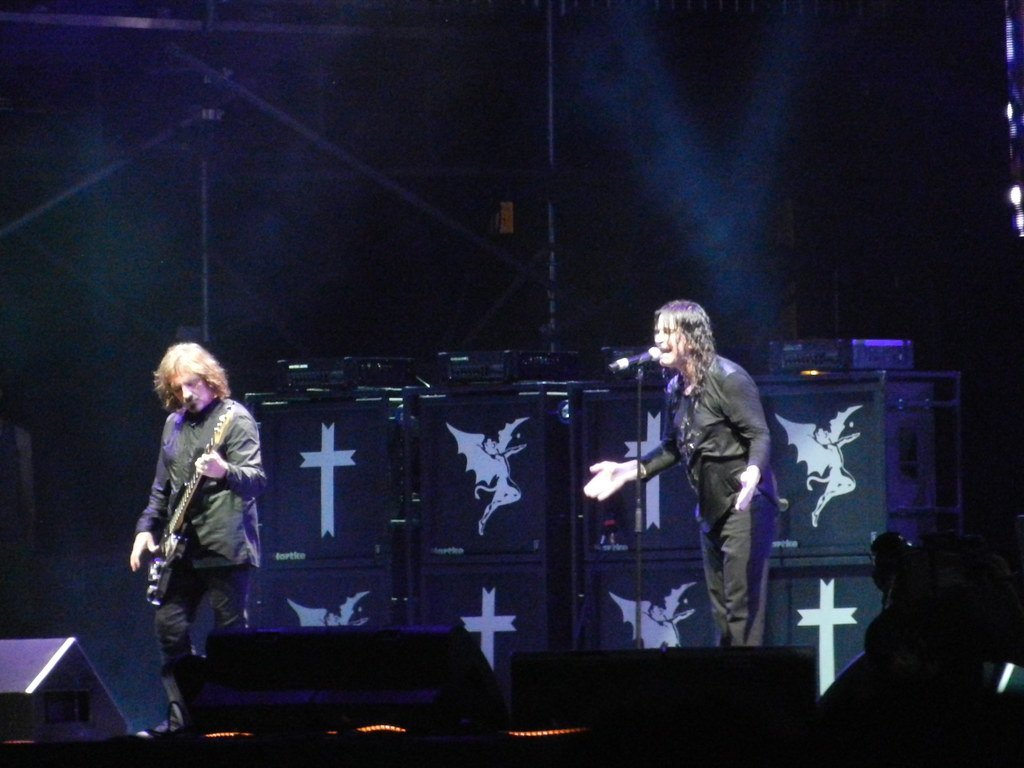
For the 1983 Born Again tour, a massive Stonehenge stage prop was ordered but arrived 30 feet tall instead of miniature. A units-versus-feet mix-up caused chaos, often not fitting venues. It became a legendary flop.[6]
This Spinal Tap-like blunder highlights tour excesses. It symbolized the era’s excesses and lineup instability. Fans still chuckle at the oversized monument mishap.
10. Bill Ward’s Fiery Prank Injuries
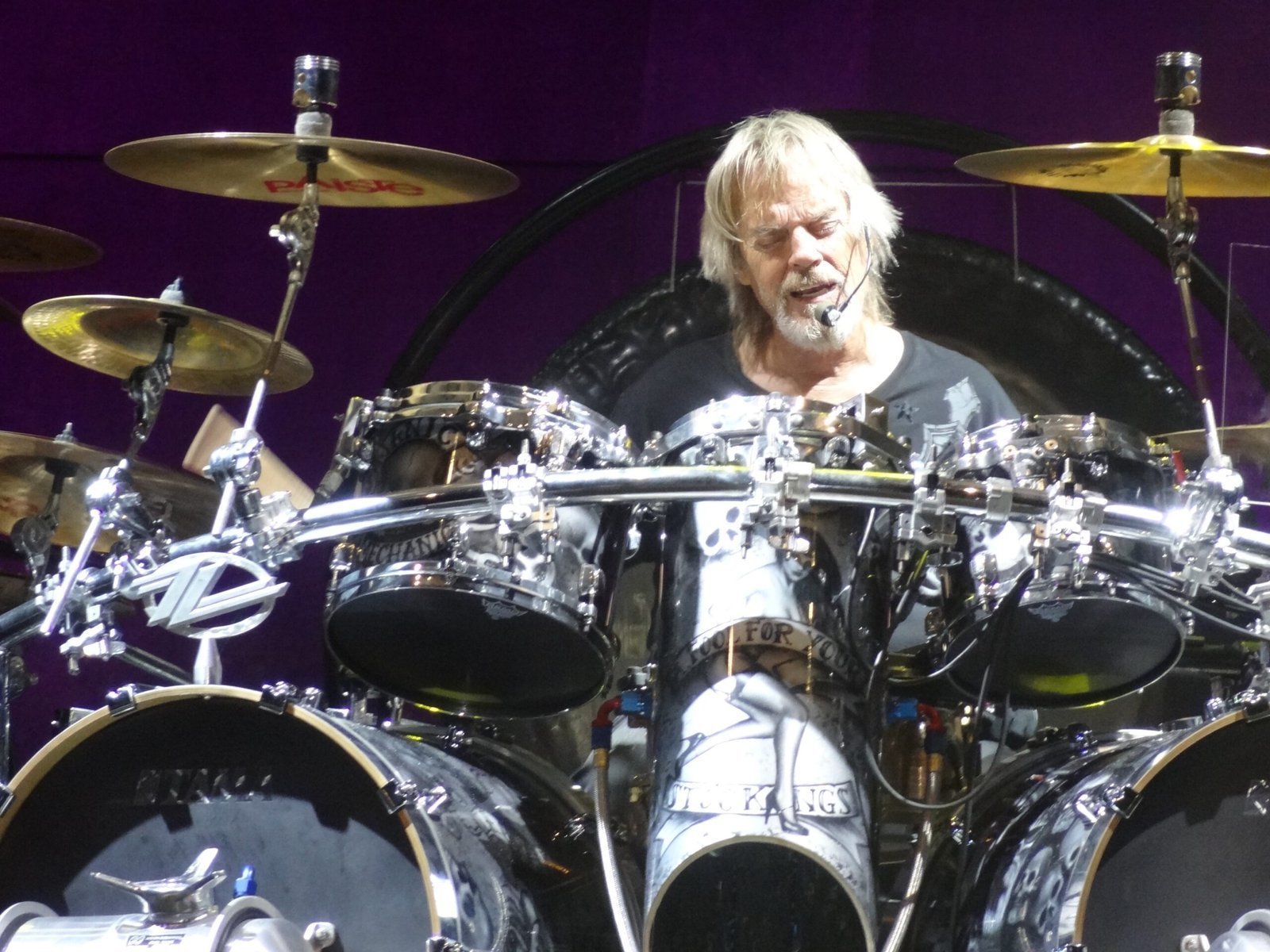
Drummer Bill Ward endured severe pranks, including his beard set ablaze for third-degree burns. Tony Iommi “accidentally” torched him again during Heaven and Hell sessions. Ward’s mom even scolded Iommi.[4]
The brutality shocks given their brotherhood. It reveals the chaotic, laddish dynamic fueling creativity. Such antics underscore their hard-living reputation.
Black Sabbath’s Lasting Legacy
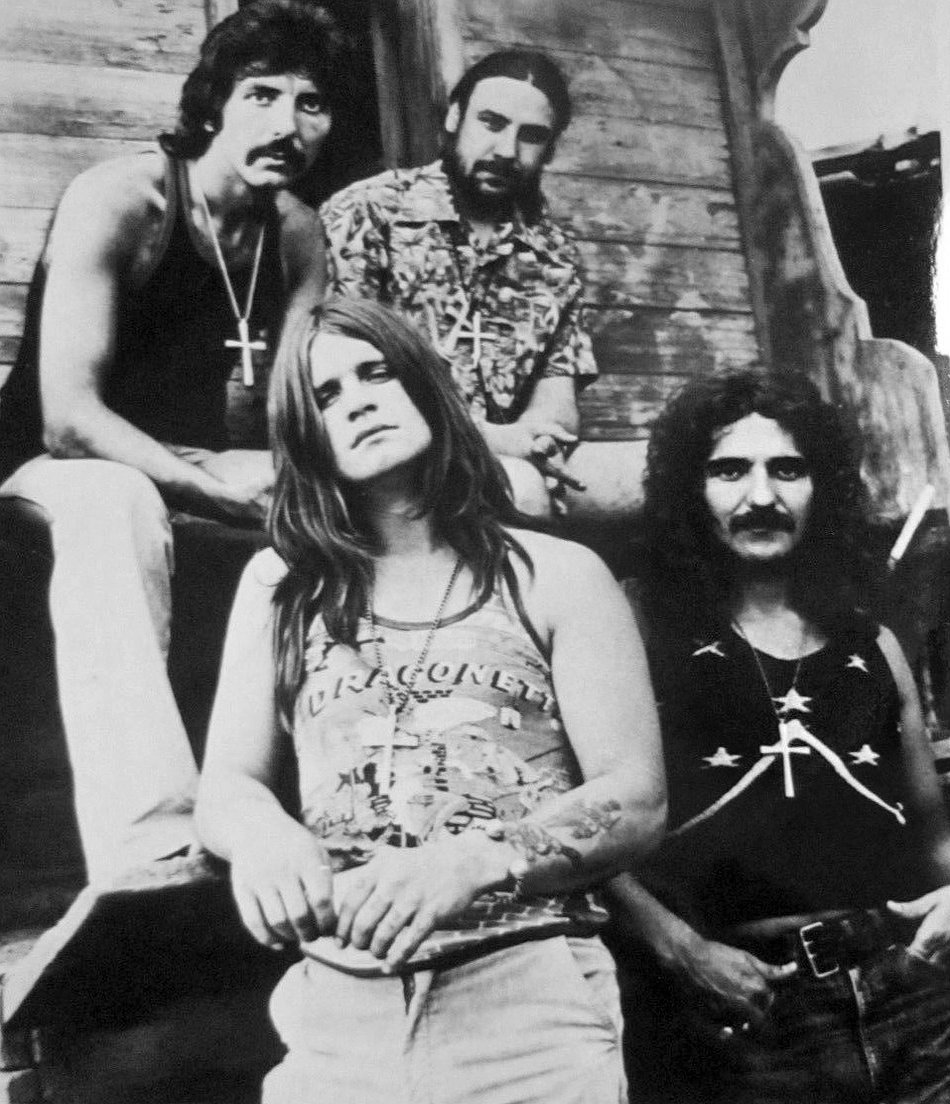
Black Sabbath’s shadow looms large over metal, from doom riffs to dark storytelling. They sold over 70 million albums, inducted into halls of fame after delays. Their sound echoes in every heavy band today.[1]
Through lineup shifts and excesses, their core innovation endures. Birmingham’s sons turned hardship into heaviness that still resonates. Metal owes them its very foundation.

Christian Wiedeck, all the way from Germany, loves music festivals, especially in the USA. His articles bring the excitement of these events to readers worldwide.
For any feedback please reach out to info@festivalinside.com
