

For any feedback please reach out to info@festivalinside.com
- 10 Music Videos That Changed How We See the Song - September 20, 2026
- 20 Books That Went Viral Before Going to Print - September 20, 2026
- Top 10 Movie Soundtracks of All Time - September 20, 2026
Classic cinema from the golden age of Hollywood and beyond carries a weight that modern blockbusters often lack. These black-and-white gems, made decades ago, dive into human struggles with raw honesty. They force viewers to confront uncomfortable truths about power, prejudice, and morality.
In an era of quick-streaming content, these films stand out for their deliberate pacing and sharp dialogue. They remind us that stories don’t need special effects to provoke deep reflection. Timeless themes keep them relevant, mirroring society’s ongoing battles.[1][2]
Citizen Kane

Released in 1941, Citizen Kane explores the hollowness of unchecked ambition and wealth. Charles Foster Kane builds a media empire, yet chases shadows of lost innocence. The film’s innovative structure reveals how power corrupts personal connections.
Today, it echoes in discussions of tycoons dominating headlines. Viewers see parallels to real-world figures obsessed with legacy over relationships. Its deep-focus shots pull us into Kane’s fractured world, making us question our own pursuits.[3]
Casablanca
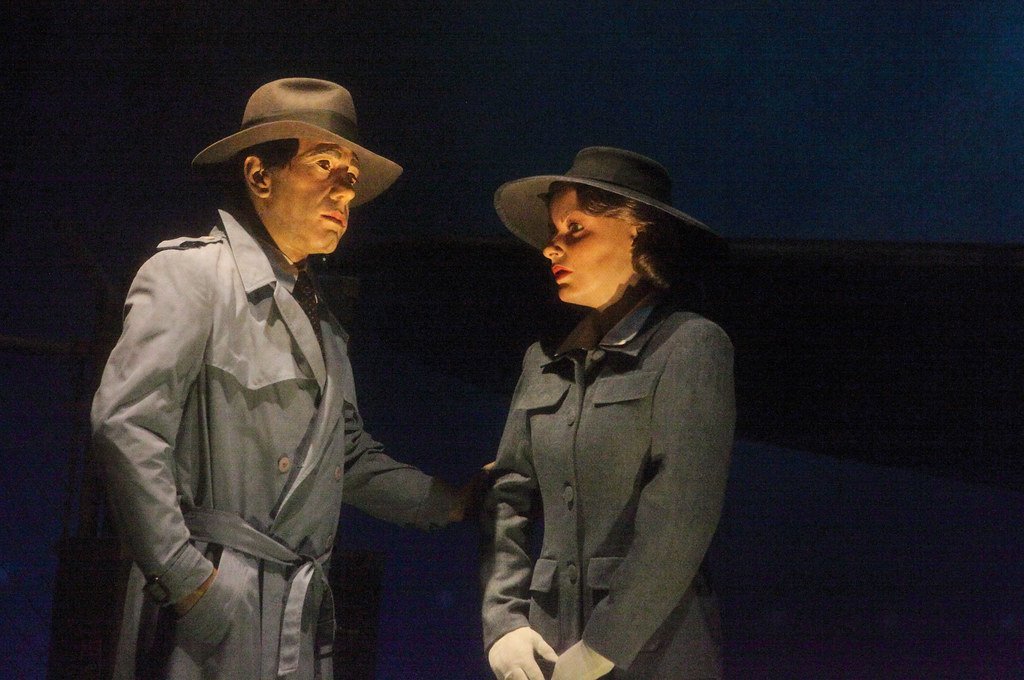
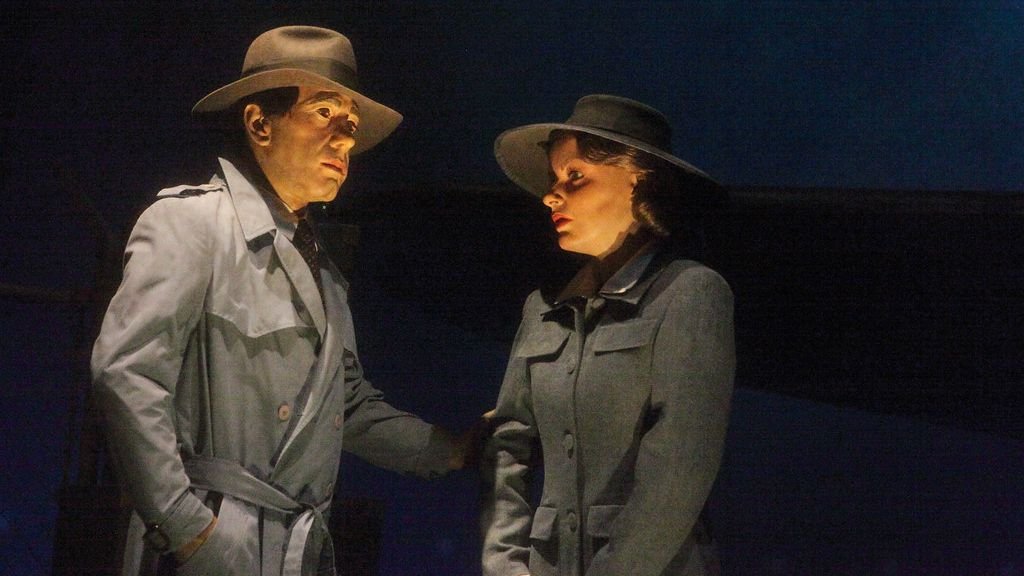
This 1942 romance unfolds amid wartime intrigue, centering on sacrifice for greater good. Rick Blaine runs a neutral nightclub but faces a choice between love and resistance. Themes of duty versus desire challenge easy notions of heroism.
The film’s moral ambiguity resonates in divided times. People revisit it for lines that capture fleeting humanity. Even now, it prompts reflection on personal costs of standing up.[2]
Rick’s transformation mirrors internal battles many face quietly.
12 Angry Men
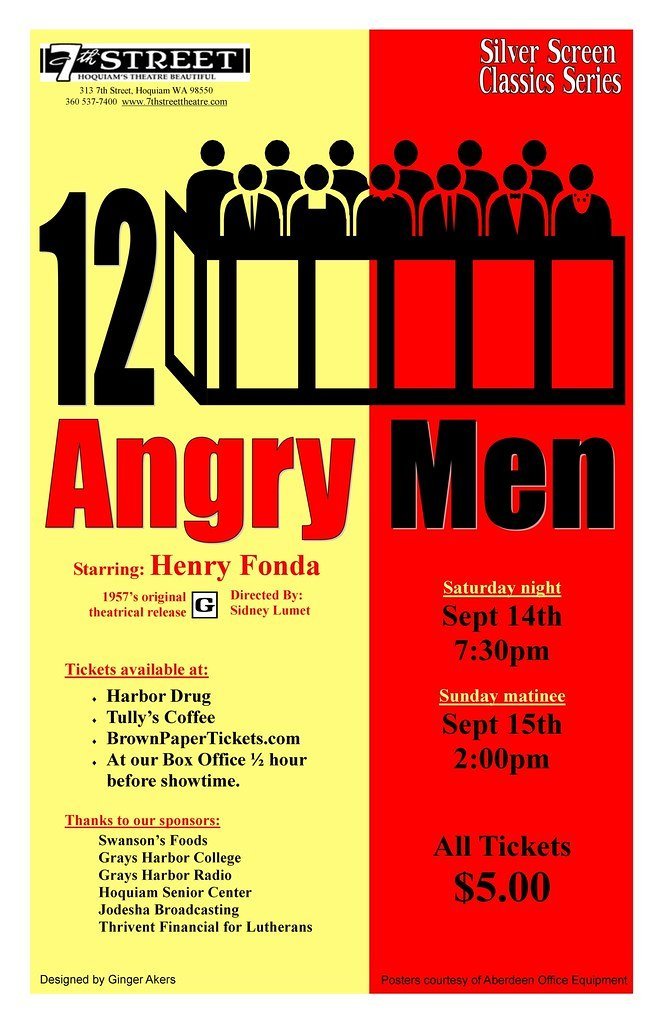
Set in a single jury room in 1957, the story dissects prejudice in the justice system. One juror questions groupthink against a young man’s guilt. It highlights how bias clouds reason and empathy.
The tension builds through dialogue alone, proving words can shift worldviews. Modern audiences connect it to debates on fair trials and snap judgments. Its lesson on listening endures in polarized conversations.[4]
To Kill a Mockingbird
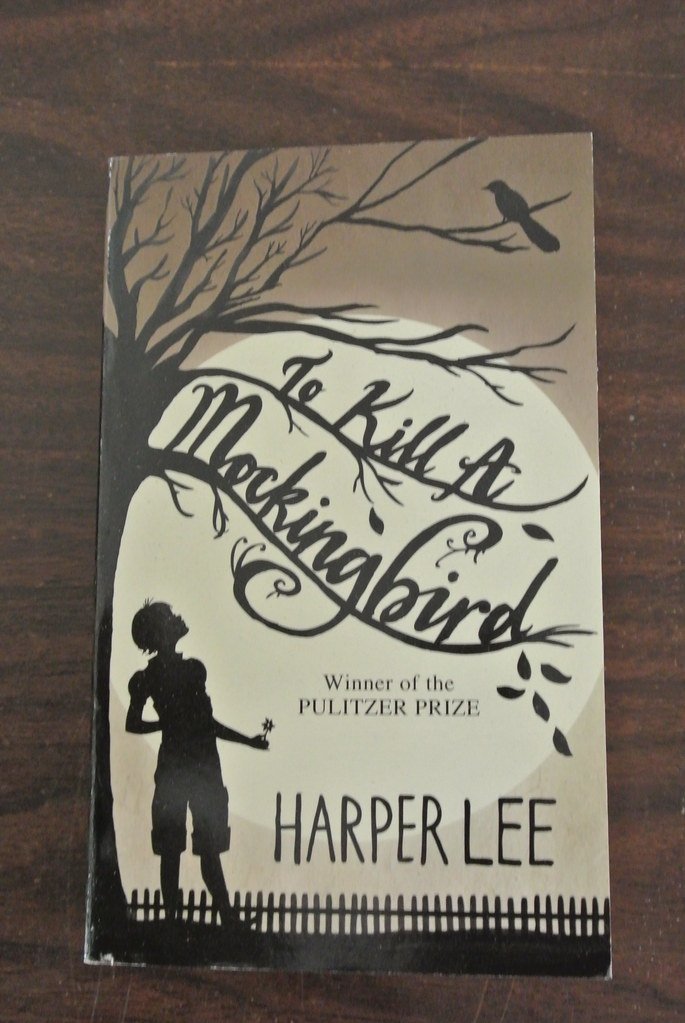
From 1962, this adaptation tackles racism through a child’s eyes in Depression-era South. Atticus Finch defends an innocent Black man amid bigotry. Core theme: courage in defending the vulnerable.
It still stirs unease over systemic injustice. Families watch it to spark talks on empathy. The story’s quiet power lies in showing morality’s daily grind.[5]
Scout’s innocence contrasts adult flaws sharply.
The Grapes of Wrath
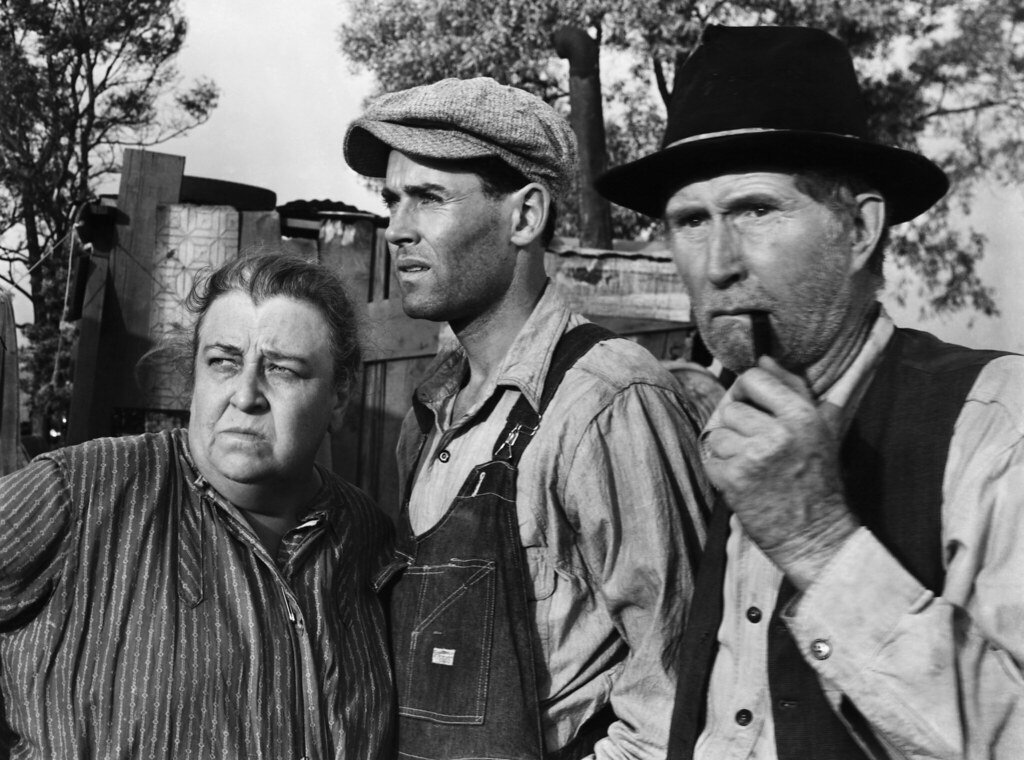
John Ford’s 1940 epic follows migrant workers fleeing Dust Bowl hardship. It exposes exploitation of the poor by the powerful. Themes of resilience amid economic despair hit hard.
In today’s gig economy, the Joad family’s struggle feels familiar. The film critiques greed that crushes the working class. Viewers leave pondering shared humanity over division.[5]
Rear Window

Alfred Hitchcock’s 1954 thriller traps a photographer spying on neighbors. It probes voyeurism and the ethics of observation. What starts as boredom uncovers potential murder.
The setup questions privacy in connected lives. Smartphones make its warnings prescient. It challenges trust in what we think we see.[1]
Jeff’s immobility forces introspection on inaction.
The Lasting Influence of Classic Films
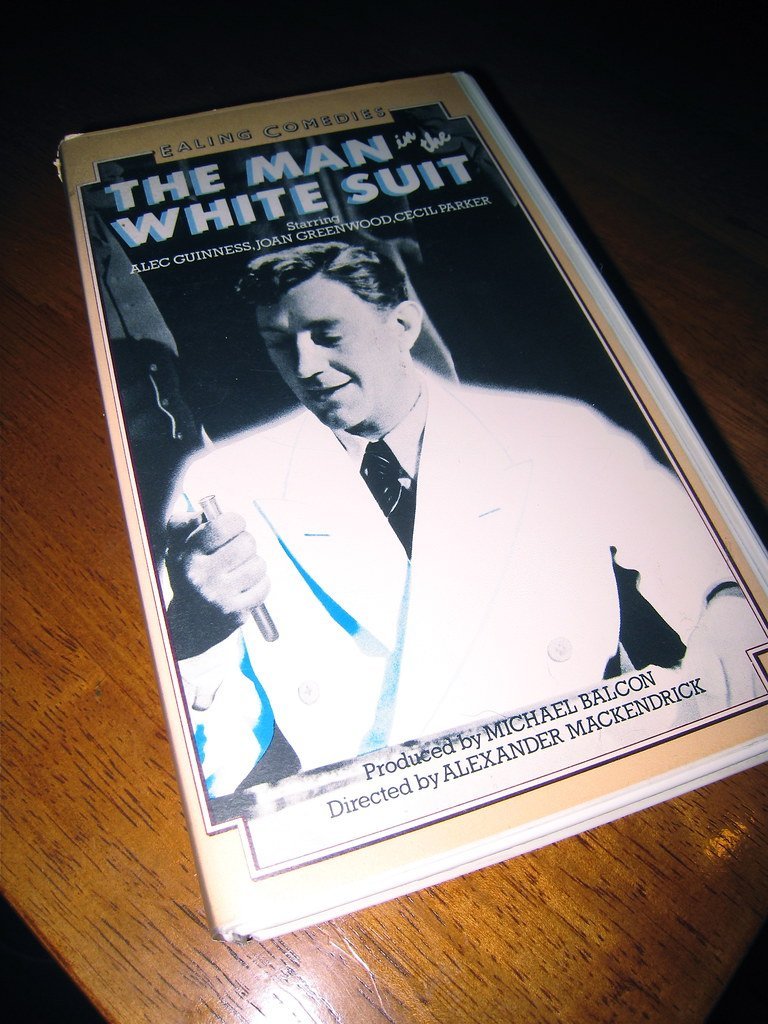
These movies shaped generations by embedding tough questions into entertainment. They influenced directors and sparked cultural shifts long after theaters emptied. Schools and festivals revive them yearly.
Their drama lingers because life hasn’t outgrown the issues. Simple stories cut through noise, urging fresh looks at old problems. Cinema’s true power shows in perspectives quietly reshaped.[6]

Christian Wiedeck, all the way from Germany, loves music festivals, especially in the USA. His articles bring the excitement of these events to readers worldwide.
For any feedback please reach out to info@festivalinside.com
