

For any feedback please reach out to info@festivalinside.com
- “The 16 Secret Meanings Behind America’s Most Famous Novels” - September 25, 2026
- 20 Music Legends Who Changed the Industry Forever - September 25, 2026
- Why Some Books Only Work in the First Person - September 24, 2026
Music in films slips under the skin, shaping feelings often before the visuals fully register. It amplifies joy, heightens tension, or deepens sorrow, turning ordinary scenes into unforgettable moments. Soundtracks, whether sweeping orchestral scores or poignant songs, become the emotional backbone that lingers long after the credits roll.
Directors rely on composers to mirror the story’s heart. A single motif can summon nostalgia or dread. These elements weave seamlessly with dialogue and action, guiding audiences through complex emotions without a word.[1][2]
Schindler’s List: John Williams’ Haunting Theme
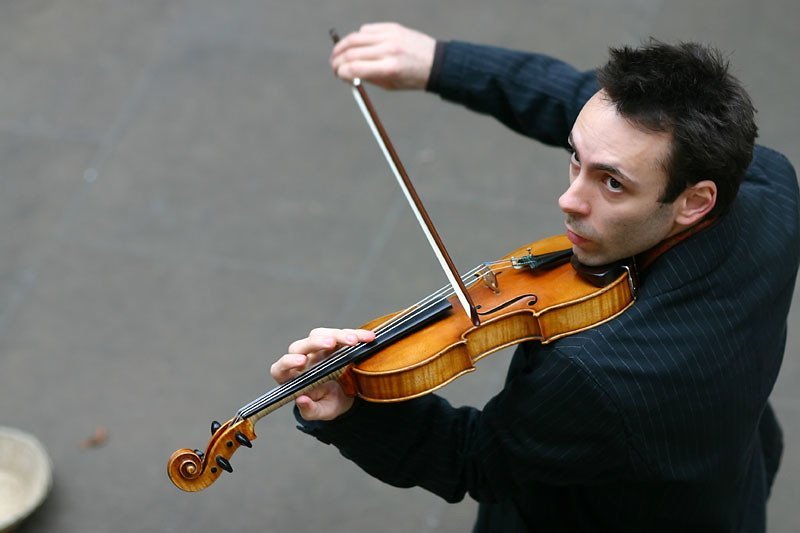
The 1993 film Schindler’s List portrays the horrors of the Holocaust through Oskar Schindler’s redemption. John Williams crafted a simple yet devastating violin solo for the main theme. Itzhak Perlman performed it, lending raw authenticity to the sorrow.
This score pierces the soul, evoking profound grief and humanity’s fragility. Swelling strings underscore lists of saved lives, blending hope with unimaginable loss. Listeners often feel a quiet ache, mirroring the film’s unflinching gaze at history.[3][4]
Titanic: James Horner’s Sweeping Romance
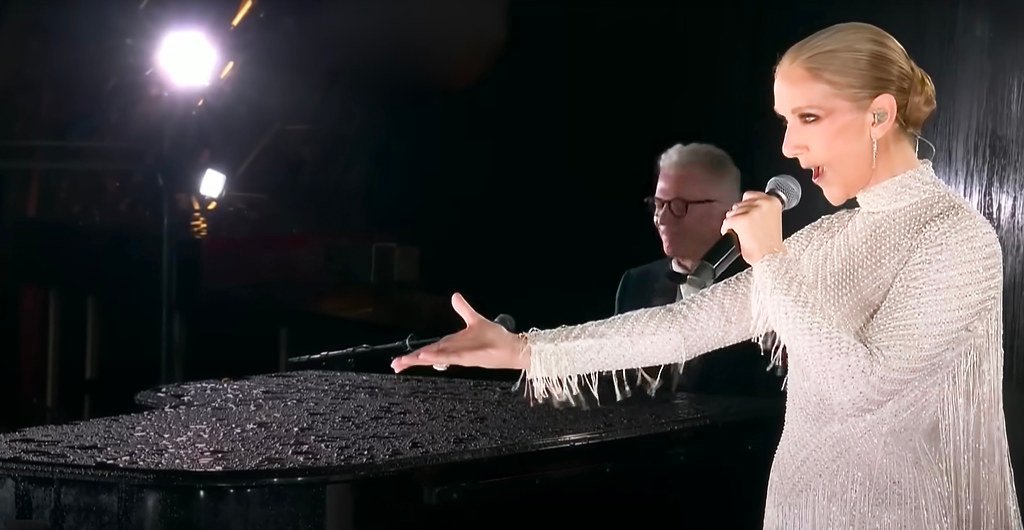
James Cameron’s 1997 epic Titanic captures doomed love amid disaster. James Horner composed the score, including the unforgettable “My Heart Will Go On” performed by Celine Dion. Irish pipes and orchestral swells evoke the ship’s tragic voyage.
The music stirs heartache and passion in equal measure. As the lovers part, the melody swells to wrenching heights, leaving viewers breathless. It transforms a historical catastrophe into a deeply personal lament.[5]
E.T. the Extra-Terrestrial: John Williams’ Tender Flight
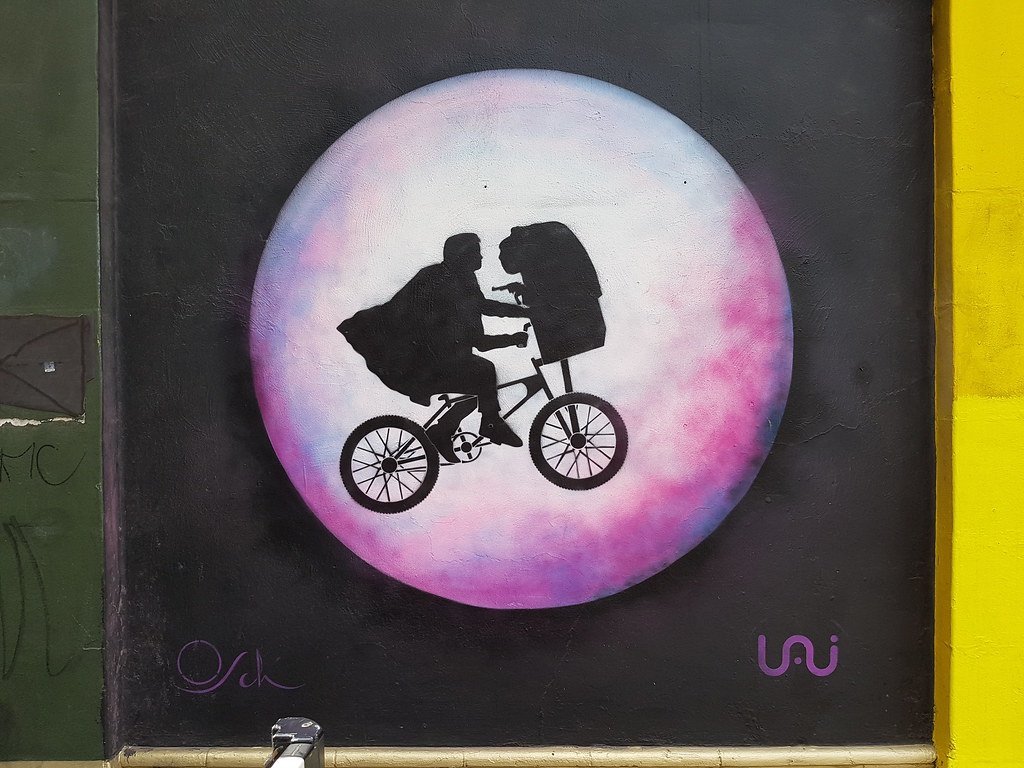
Steven Spielberg’s 1982 tale of friendship features an alien stranded on Earth. John Williams delivered a score full of wonder and whimsy. The flying theme, with its soaring horns and celesta, captures childhood innocence.
This music tugs at nostalgia, blending joy with separation’s pang. Bicycle scenes lift hearts skyward, evoking pure delight. Yet quieter moments hint at loss, making the farewell scene devastatingly moving.[4]
Williams’ motifs linger, reminding us of fleeting bonds.
Gladiator: Hans Zimmer and Lisa Gerrard’s Epic Laments
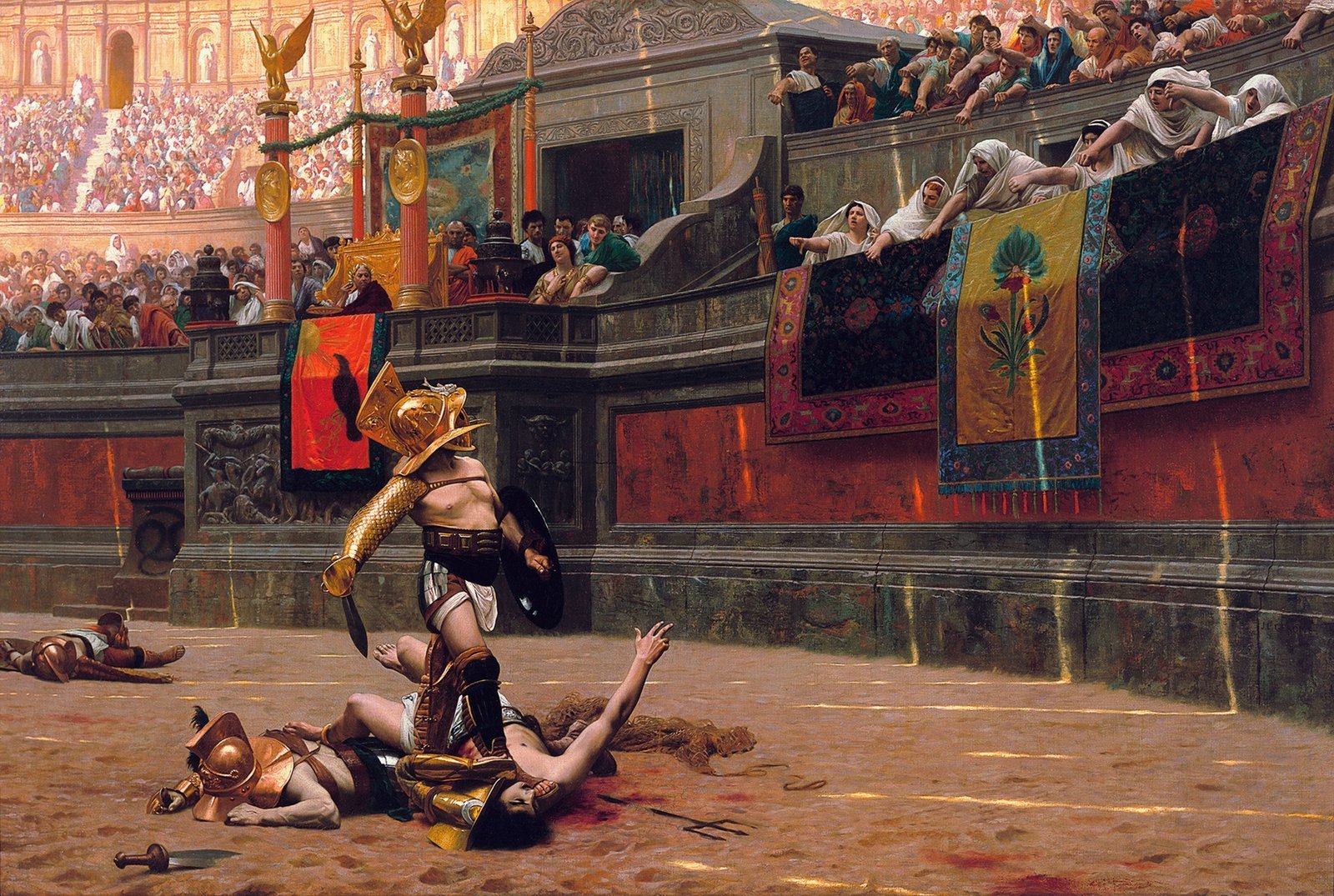
Ridley Scott’s 2000 Gladiator follows a warrior’s quest for vengeance. Hans Zimmer and Lisa Gerrard created a score blending ancient chants with thunderous percussion. “Now We Are Free” stands as its emotional pinnacle.
The music fuels rage and redemption, driving arena battles to feverish intensity. Gerrard’s ethereal vocals convey otherworldly longing. It leaves audiences with a sense of triumphant sorrow, honoring fallen heroes.[6]
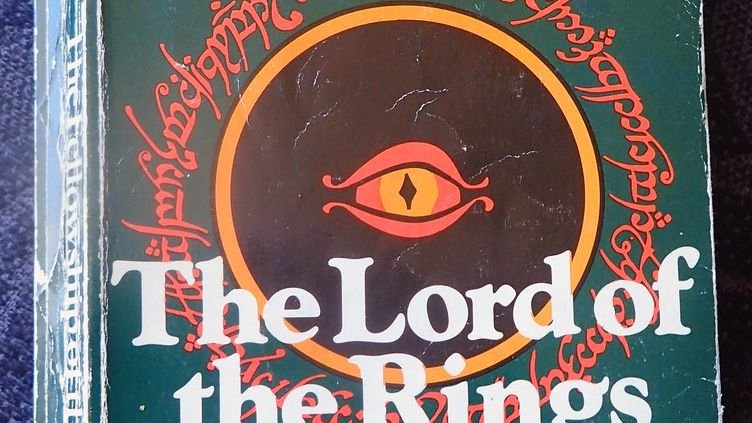
The Lord of the Rings: Howard Shore’s Mythic Journey
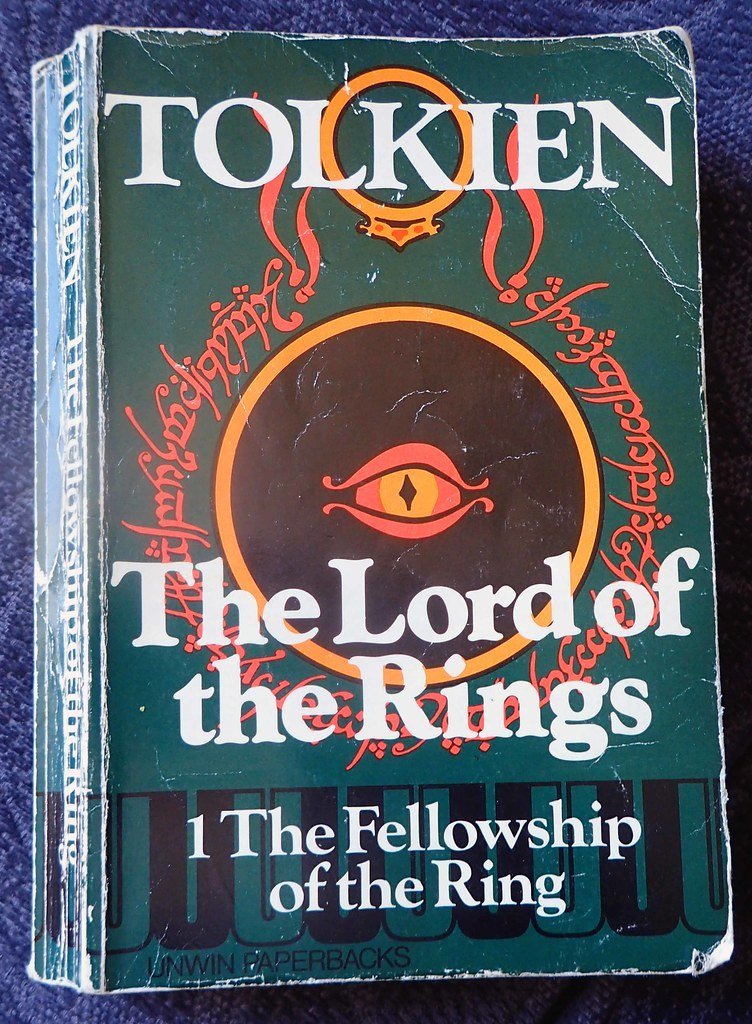
Peter Jackson’s trilogy spans Middle-earth’s fate in the early 2000s. Howard Shore composed a vast score with choral heights and folk influences. Themes like “The Shire” paint pastoral peace before war’s shadow falls.
These sounds evoke camaraderie, sacrifice, and epic resolve. “Into the West” closes with bittersweet farewell, stirring deep loss. The music binds the saga’s scale to intimate heroism.[5]
Interstellar: Hans Zimmer’s Cosmic Grief
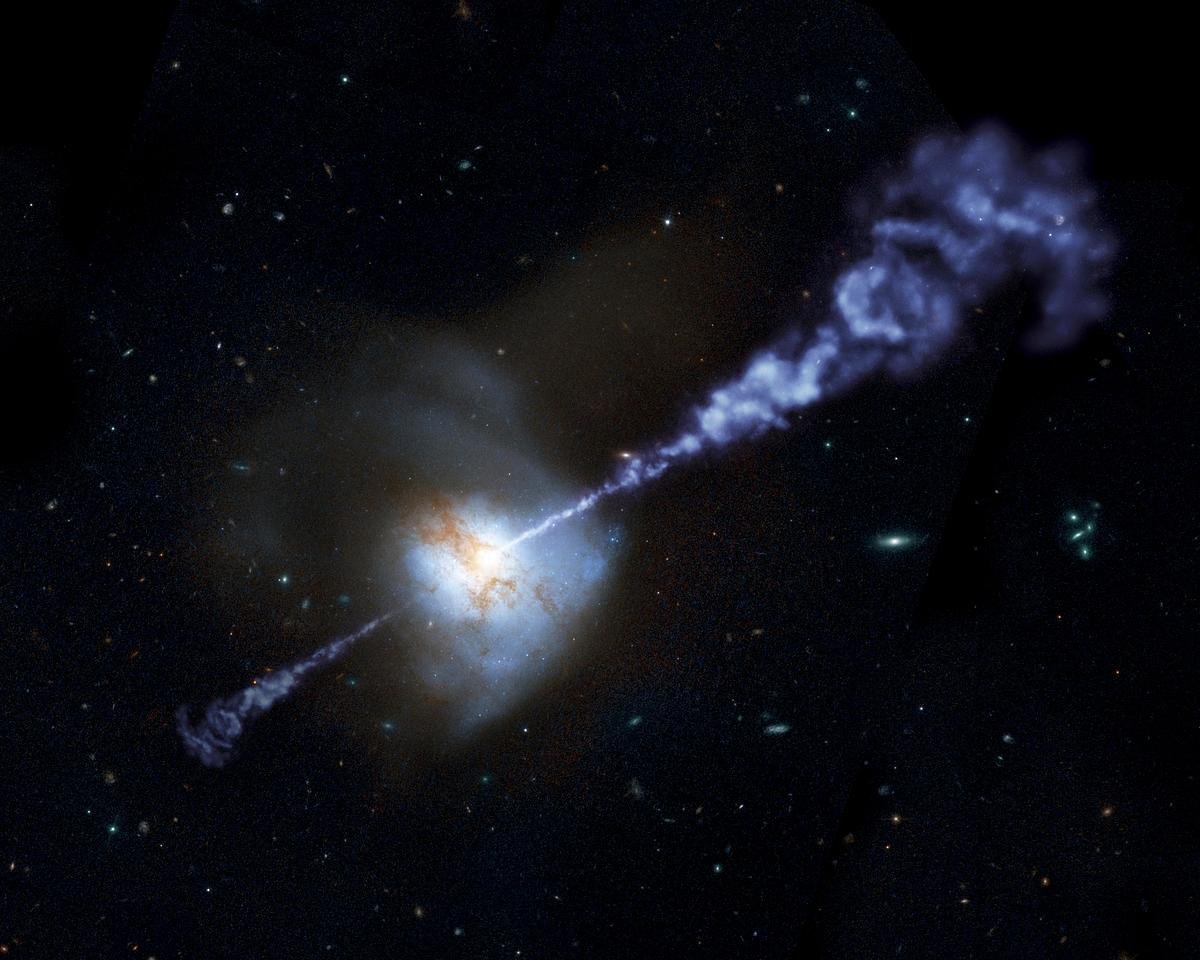
Christopher Nolan’s 2014 space odyssey explores time and parental love. Hans Zimmer’s organ-driven score builds relentless tension. Pulsing rhythms mirror black holes’ pull, amplifying isolation.
It conveys awe at the universe’s vastness alongside human fragility. The ticking motif heightens desperation in ticking-clock moments. Viewers feel profound melancholy, pondering bonds across light-years.[4]
Forrest Gump: Alan Silvestri’s Gentle Melody
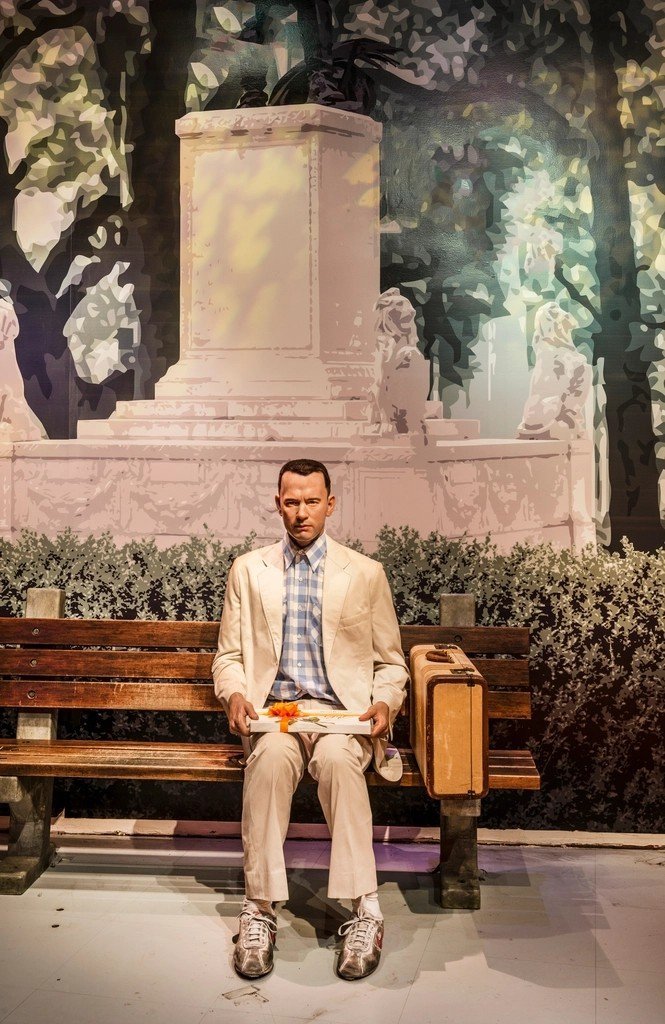
Robert Zemeckis’ 1994 film chronicles an ordinary man’s extraordinary life. Alan Silvestri’s feather-light theme accompanies life’s unpredictable path. Acoustic guitar and piano evoke simplicity amid chaos.
The score stirs quiet reflection on fate and resilience. Montages of running and loss hit harder with its warmth. It captures America’s heartland spirit, blending humor with poignant regret.[7]
Braveheart: James Horner’s Highland Passion
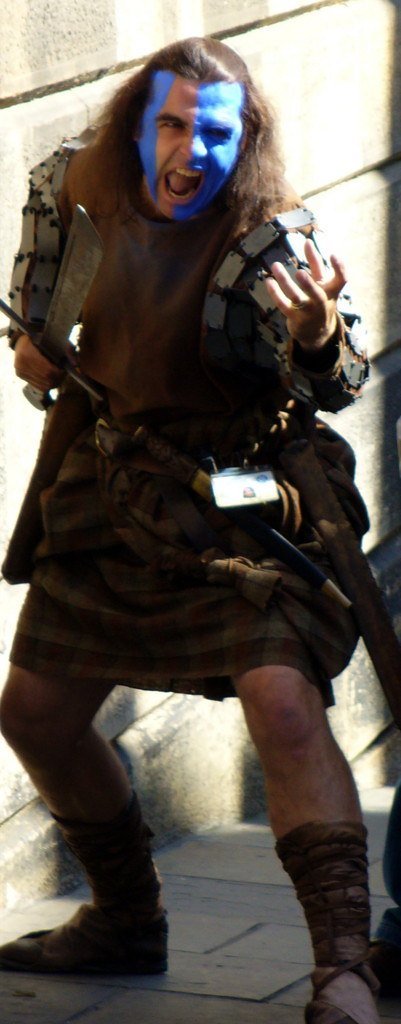
Mel Gibson’s 1995 saga of Scottish rebellion pulses with defiance. James Horner wove bagpipes and Celtic flutes into battle cries. “For the Love of a Princess” offers a tender counterpoint.
This music ignites freedom’s fire while mourning its cost. Freedom shouts gain ferocity from pounding drums. The flute melody lingers as a lover’s echo, evoking raw, unyielding loyalty.[8]
Conclusion: Soundtracks as Storytelling’s Soul
These soundtracks prove music’s quiet command over the heart. They elevate plots into shared catharsis, outlasting the screen.
Composers like Williams and Zimmer remind us that stories thrive on feeling. Next time a theme swells, notice how it reshapes the moment. Film without such power fades; with it, emotions endure.[9]

Christian Wiedeck, all the way from Germany, loves music festivals, especially in the USA. His articles bring the excitement of these events to readers worldwide.
For any feedback please reach out to info@festivalinside.com
