

For any feedback please reach out to info@festivalinside.com
- 10 Music Videos That Changed How We See the Song - September 20, 2026
- 20 Books That Went Viral Before Going to Print - September 20, 2026
- Top 10 Movie Soundtracks of All Time - September 20, 2026
Chance has played a quiet but powerful role in shaping human progress. Many breakthroughs that transformed daily life or saved countless lives emerged not from meticulous planning, but from unexpected mishaps in labs, kitchens, and workshops. These moments remind us that innovation often hides in the overlooked details of failure.[1][2]
Scientists and inventors frequently stumbled upon their greatest finds while chasing something else entirely. A forgotten petri dish or a melted candy bar sparked revolutions in medicine and cooking. Such serendipity underscores how openness to the unforeseen can lead to enduring change.
Penicillin
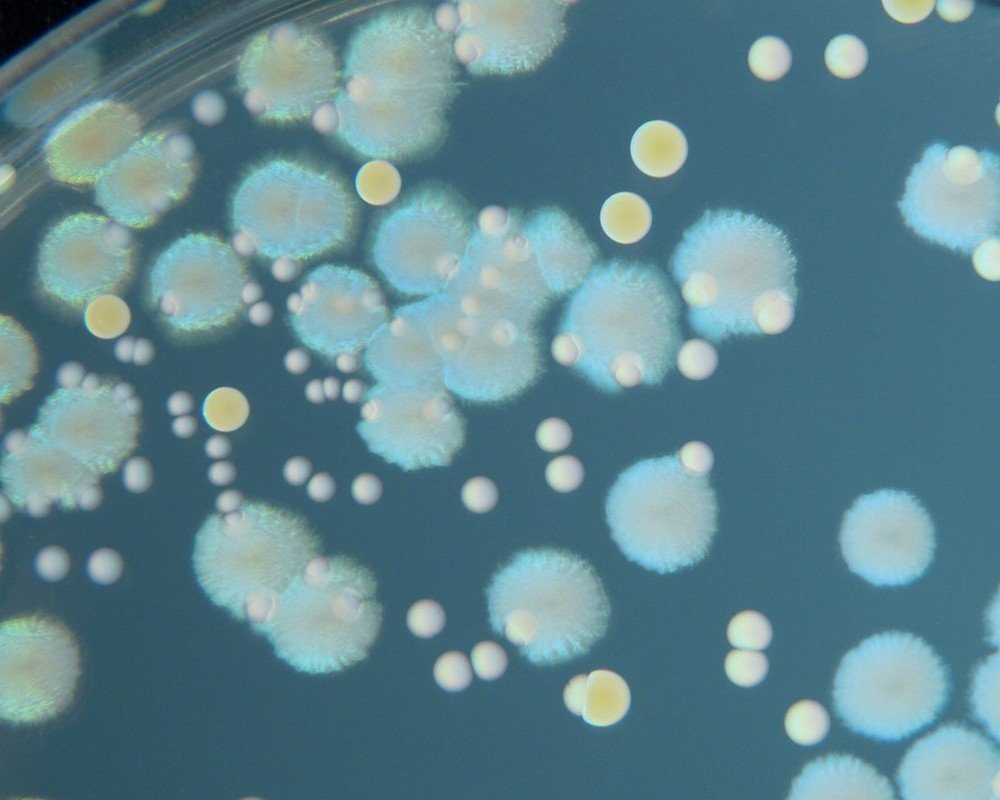
Alexander Fleming discovered penicillin in 1928 when he returned from vacation to his London lab. He noticed mold growing on a contaminated petri dish of staphylococcus bacteria. The area around the mold remained clear of bacterial growth, revealing the fungus’s antibacterial properties.[2]
Though Fleming published his findings, it took Oxford chemists in the 1940s to purify and mass-produce it as the world’s first antibiotic. Penicillin treated infections from tonsillitis to syphilis, slashing death rates from bacterial diseases. Millions of lives have been saved since its widespread use began in 1942.[3]
Microwave Oven
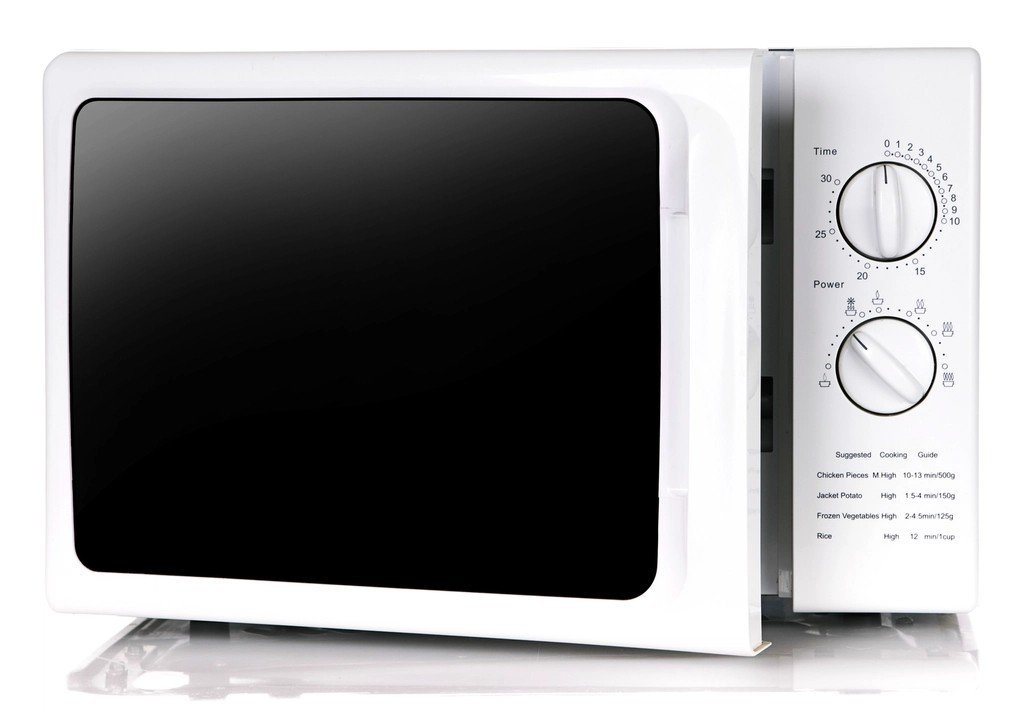
Percy Spencer, an engineer at Raytheon, noticed a candy bar melting in his pocket in 1945. He was working with a magnetron vacuum tube for radar technology at the time. Popcorn kernels he tested nearby popped dramatically, hinting at the heating power of microwaves.[4]
Spencer patented the microwave oven soon after, launching the first commercial model in 1947. This invention revolutionized home cooking by enabling fast, even heating without open flames. Today, microwaves are staples in kitchens worldwide, simplifying meals for busy lives.[5]
Post-it Notes

Spencer Silver at 3M created a weak, reusable adhesive in 1968 while aiming for a strong aerospace glue. It failed that purpose but caught the eye of colleague Art Fry years later. Fry used it to mark pages in his hymnbook without damaging them.[4]
The duo developed Post-it Notes, launched nationally in 1980. These handy reminders transformed organization in offices and homes alike. Their gentle stick-and-peel design made note-taking effortless and ubiquitous.
X-rays
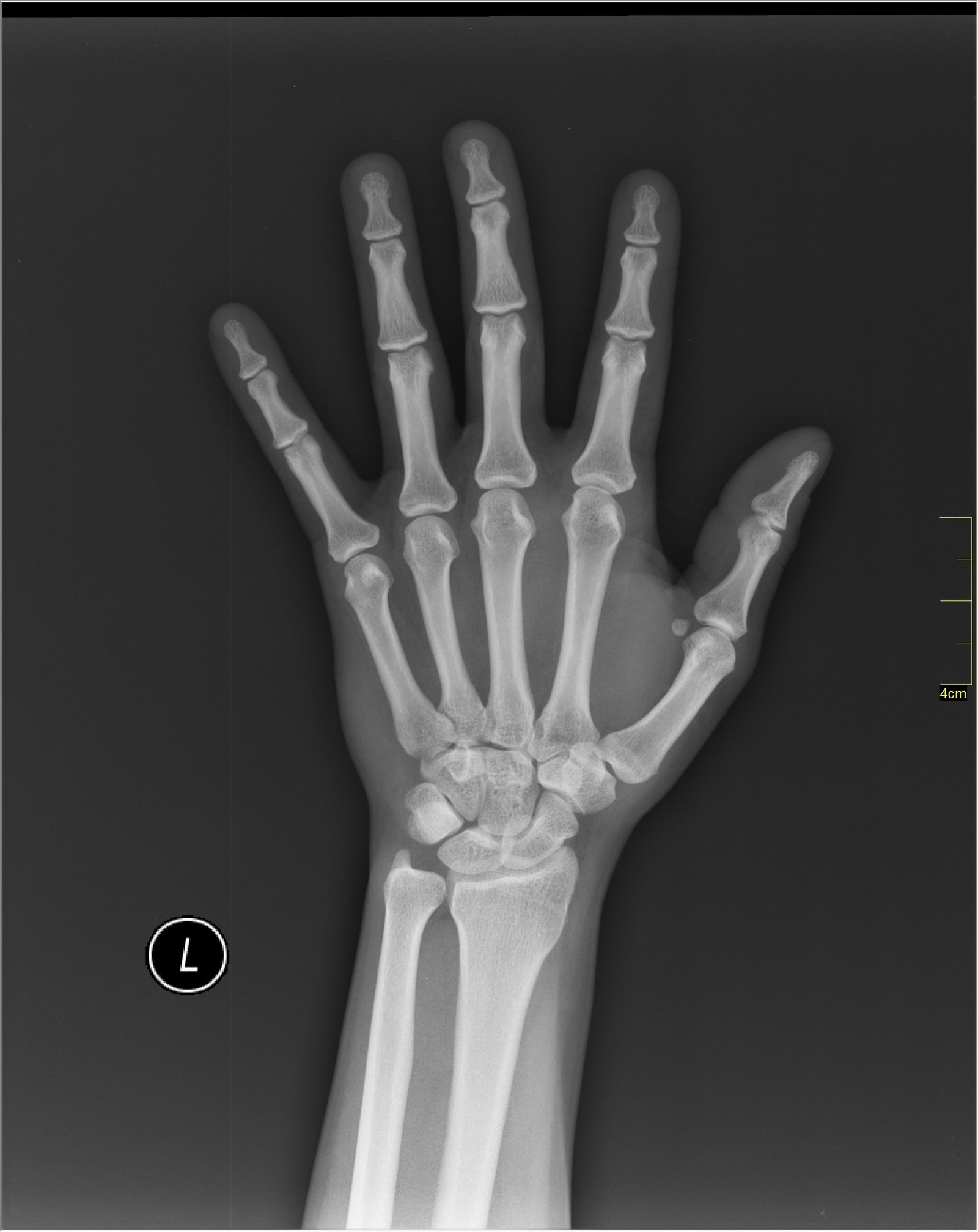
Wilhelm Conrad Roentgen observed a fluorescent screen glowing in 1895 during cathode-ray tube experiments. The rays passed through solid objects like cardboard, even revealing bones in his hand. He called them X-rays for their unknown nature.[4]
Roentgen’s discovery quickly entered medicine, allowing doctors to diagnose fractures without surgery. It earned him the first Nobel Prize in Physics in 1901. X-rays remain essential for imaging injuries and diseases today.
Potato Chips
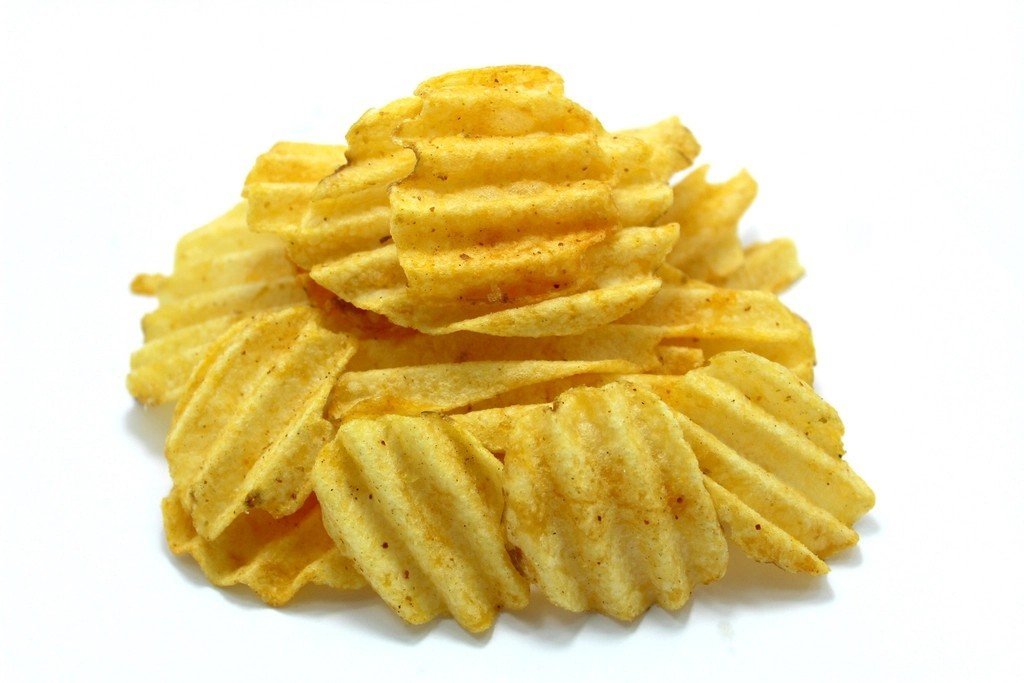
Chef George Crum sliced potatoes paper-thin in 1853 after a diner at his New York restaurant sent back thick fries repeatedly. He fried the slices crisp and salty out of frustration. The customer loved them, and they became a menu staple.[4]
Potato chips spread nationwide, evolving into a snack industry giant. By the early 1900s, they were mass-produced and packaged. This simple accident birthed one of America’s favorite treats.
Super Glue
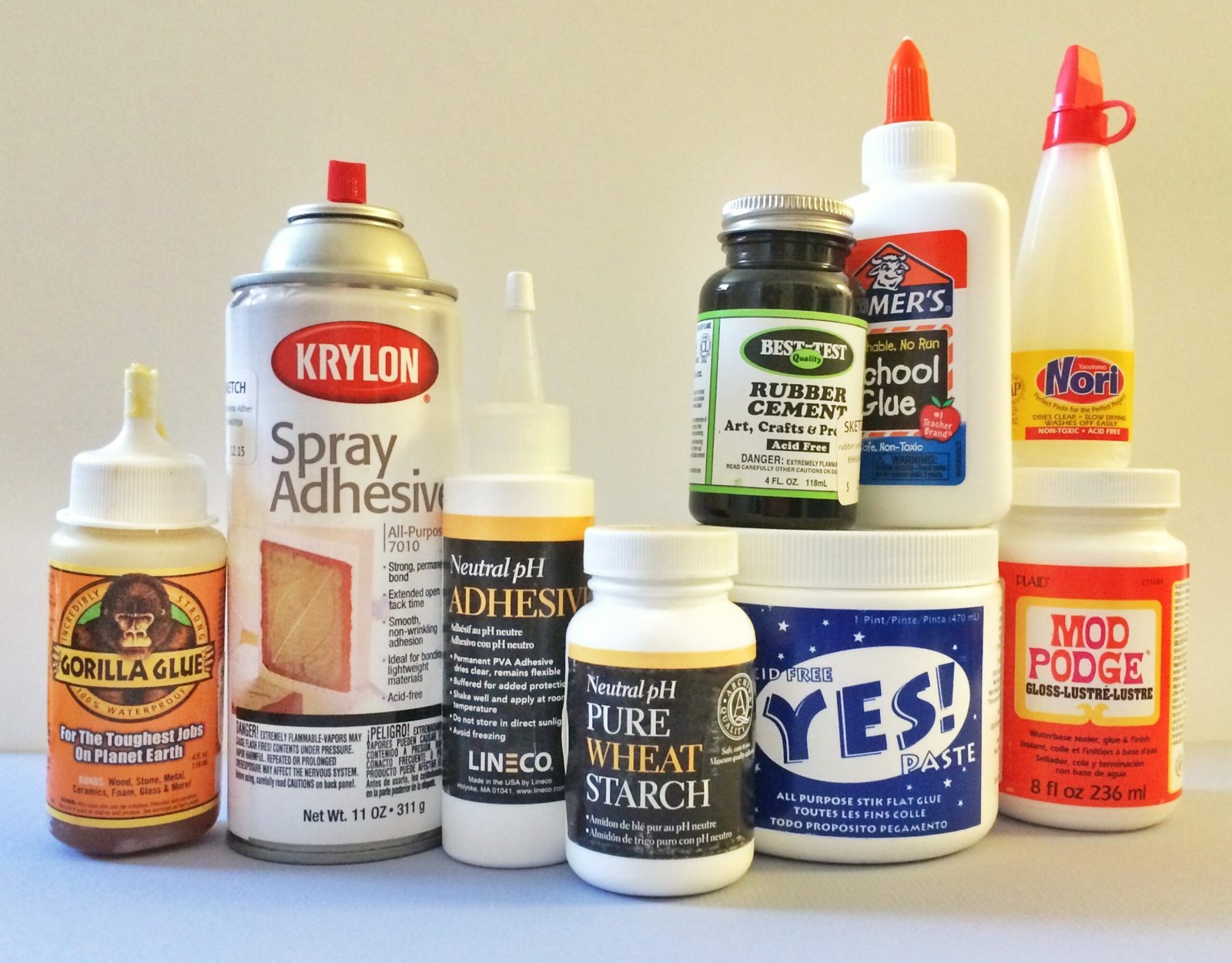
Harry Coover sought clear plastic for gun sights during World War II but found cyanoacrylate too sticky in 1942. Nine years later, while developing jet canopy polymers, he revisited its bonding strength. It bonded instantly upon air exposure.[4]
Super Glue hit markets in 1958, revolutionizing repairs from household fixes to surgery. Its quick-drying nature made it indispensable. Military uses followed, proving its versatility.
Safety Glass
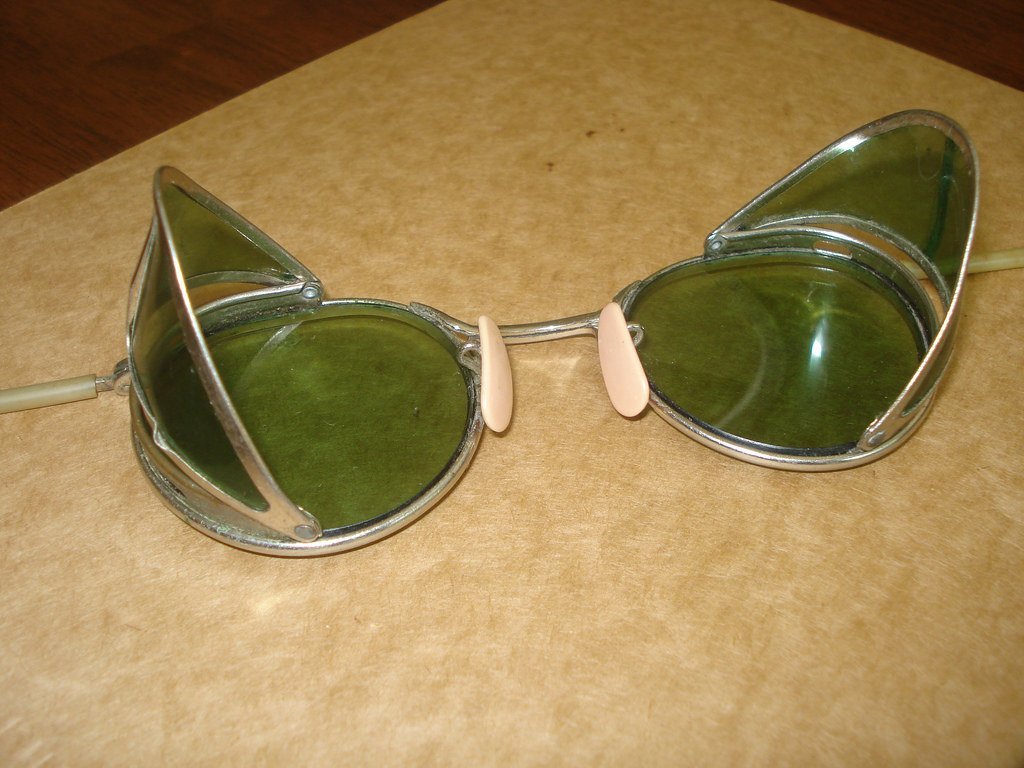
French chemist Edouard Benedictus dropped a glass flask coated in cellulose nitrate in 1903. It shattered but held together thanks to the plastic layer inside. This led him to develop laminated safety glass.[4]
Patented in 1909, it prevented jagged shards in accidents. Cars, buildings, and eyewear adopted it widely. Safety glass has reduced injuries dramatically ever since.
Implantable Pacemaker
Wilson Greatbatch grabbed the wrong resistor in the late 1950s while building a heart-recording device. The circuit pulsed like a heartbeat instead. He refined it into the first implantable pacemaker.[4]
Implanted successfully in 1960, it regulated irregular heartbeats. Millions with arrhythmias now lead normal lives thanks to this device. It marked a leap in cardiac care.
Slinky
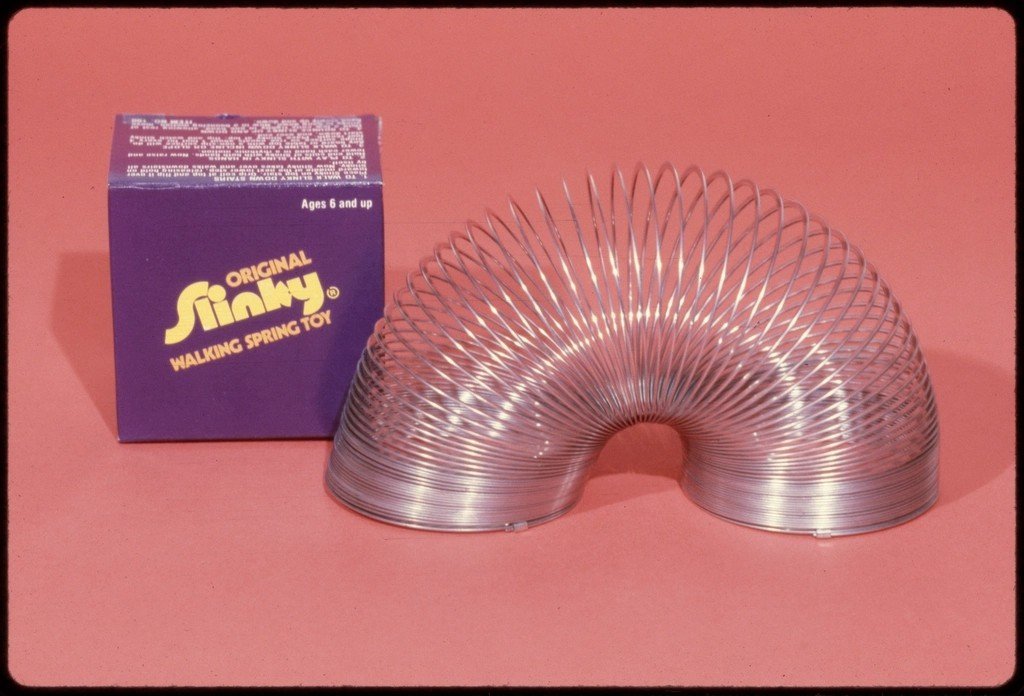
Naval engineer Richard James watched a tension spring “walk” off a shelf in 1943. He was stabilizing ship equipment with it. His wife Betty named it Slinky, and they sold the first batch in 1945.[4]
The toy captivated children with its mesmerizing motion. Over 300 million units later, it remains a classic. Slinky even aided physics education.
Velcro
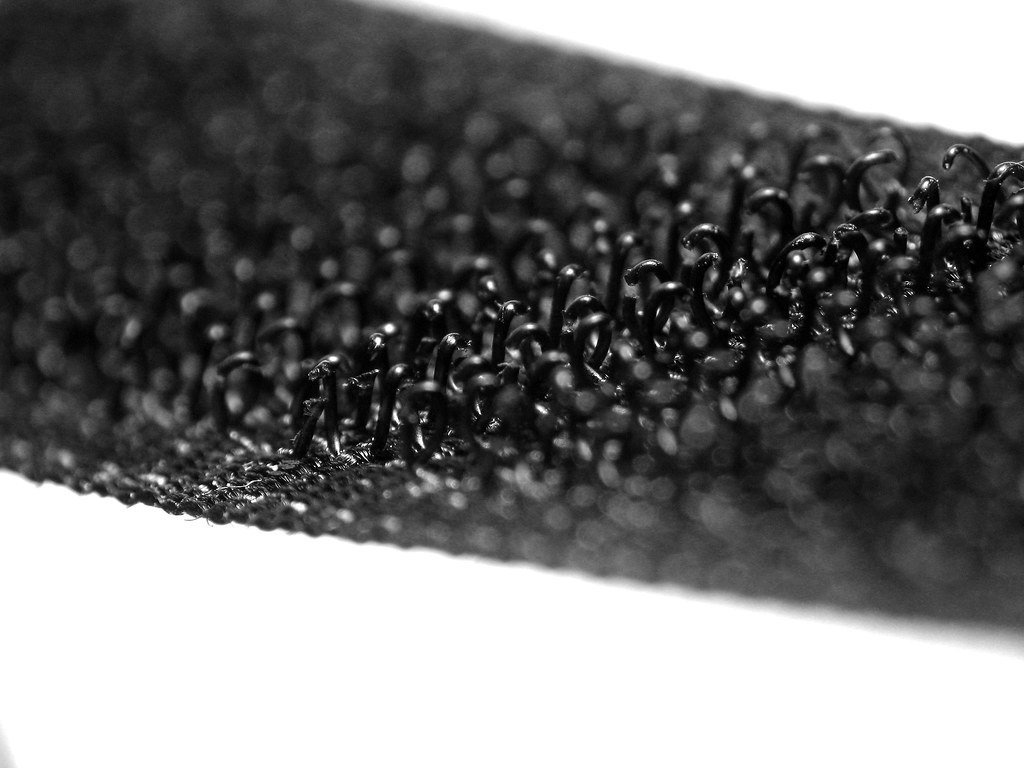
Swiss engineer George de Mestral examined burrs clinging to his clothes and dog fur after a 1941 hike. Microscopic hooks inspired a nylon hook-and-loop fastener. He patented Velcro in 1955.[2]
Astronauts used it in space, boosting popularity. It now secures everything from shoes to spacecraft. Velcro simplified fastening forever.
Teflon
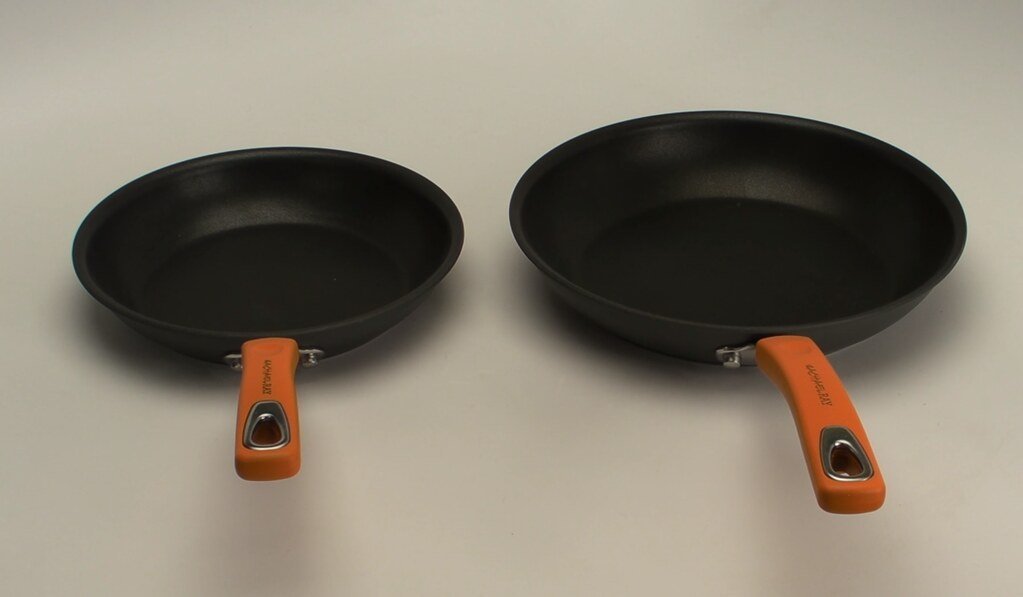
Roy Plunkett opened a gas canister in 1938 to find slippery white flakes instead of refrigerant. The tetrafluoroethylene had polymerized unexpectedly. DuPont trademarked it as Teflon.[3]
Its non-stick properties shone in cookware by the 1960s. Teflon coated Manhattan Project equipment first, then kitchens globally. Non-reactive uses extended to medical devices.
Corn Flakes
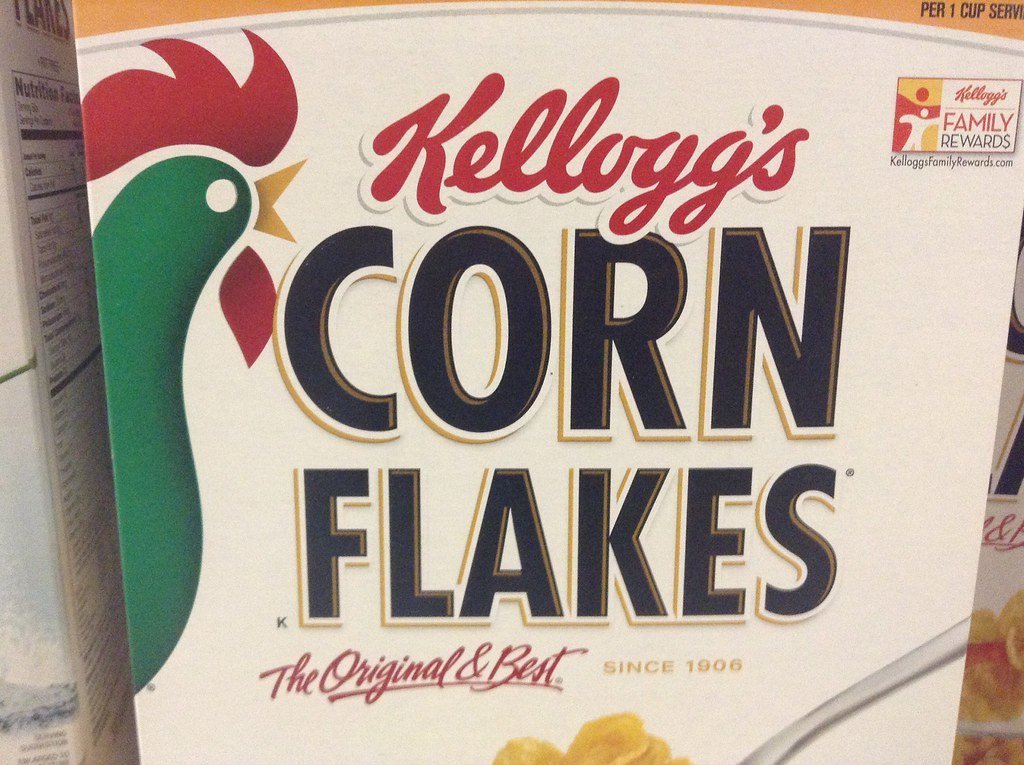
Brothers John and Will Kellogg left boiled wheat out overnight in 1894 at their sanitarium. It turned flaky when rolled and baked. Patients enjoyed the crisp cereal.[5]
Will founded Kellogg Company in 1906, perfecting corn versions. Breakfast cereals boomed as a healthy alternative. Corn Flakes shaped modern mornings.
Conclusion
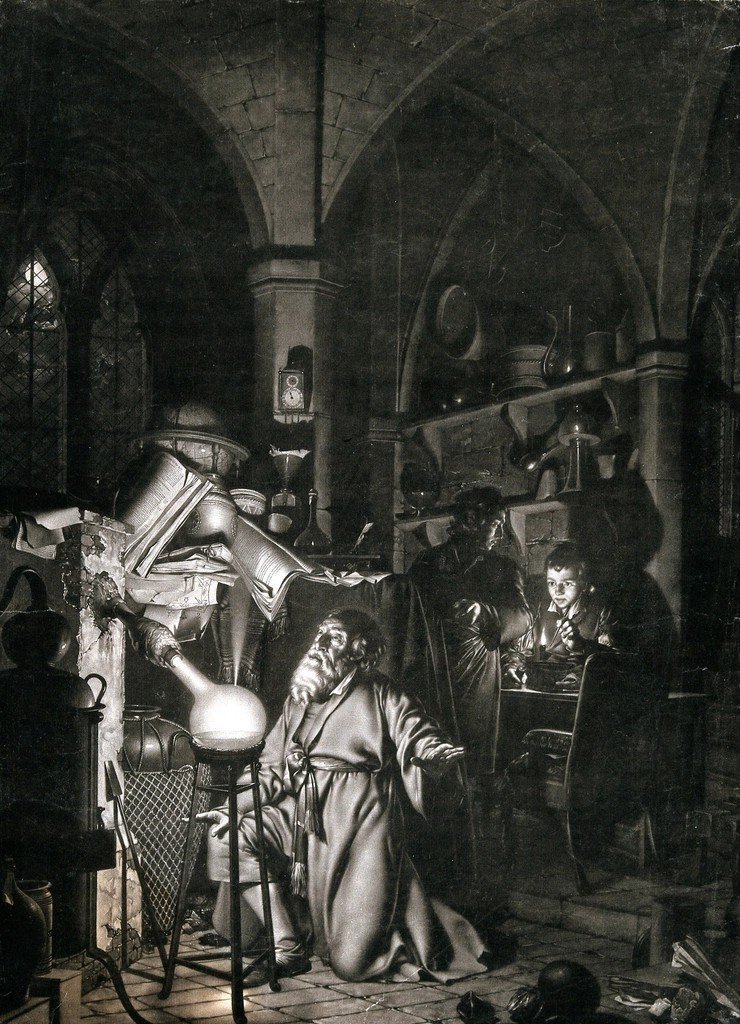
These stories reveal how accidents fuel advancement when paired with curiosity. From lifesaving drugs to kitchen essentials, serendipity has rewritten history repeatedly. Progress thrives not just on intention, but on embracing the unexpected.
Next time a mishap occurs, pause and observe. The next big invention might be waiting in the mistake.

Christian Wiedeck, all the way from Germany, loves music festivals, especially in the USA. His articles bring the excitement of these events to readers worldwide.
For any feedback please reach out to info@festivalinside.com
