

- 10 Legendary Summer Anthems That Defined a Generation of Festival-Goers - August 31, 2026
- True Art Transcends Generations, Speaking to Every Soul That Encounters It. - August 31, 2026
- 10 Fashion Trends From the Past That Deserve a Dramatic Comeback - August 31, 2026
Literary tastes shift with time, often leaving early judgments far behind. Books that once drew scorn from critics and readers alike can rise through fresh eyes and changing contexts to claim their place as enduring works.
What starts as controversy or dismissal frequently reveals deeper truths as society evolves. These novels remind us that greatness sometimes waits decades for recognition.
Moby-Dick by Herman Melville
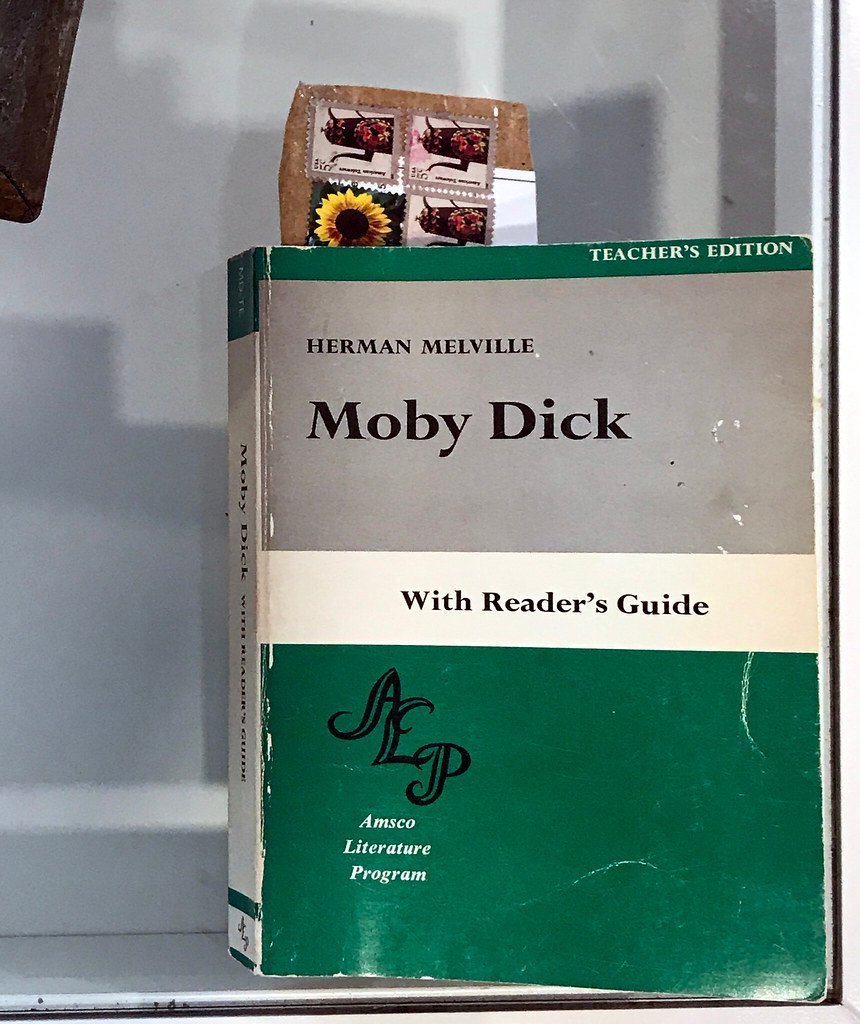
Critics in 1851 slammed Moby-Dick as rambling and bizarre. They found its philosophical digressions tedious and the whale hunt overly elaborate. Sales flopped so badly the book vanished from print during Melville’s life.[1][2]
Today it stands as one of the greatest American novels. Scholars now praise its exploration of obsession, nature, and human limits. Renewed interest in the twentieth century cemented its masterpiece status.[1]
Wuthering Heights by Emily Brontë
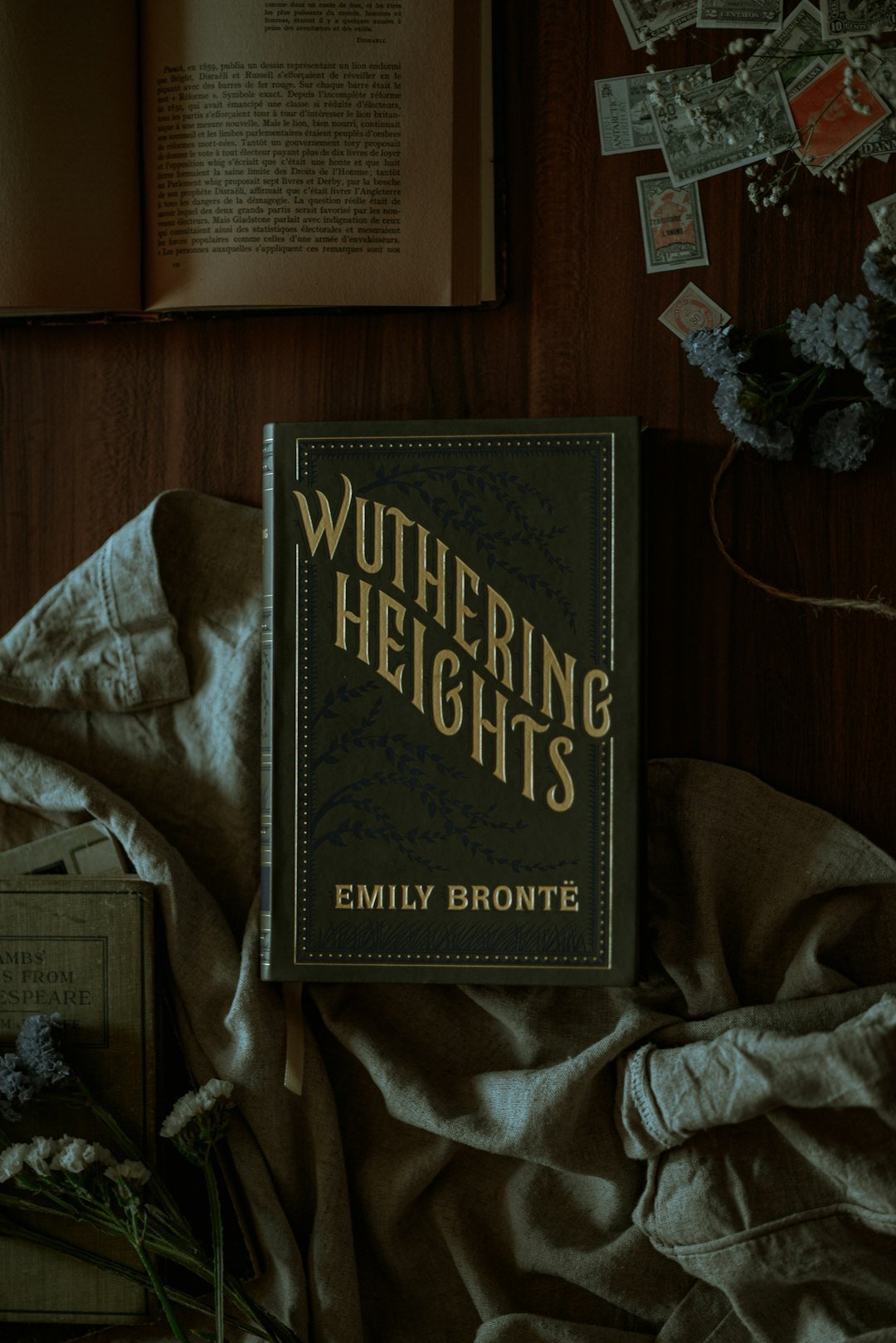
Upon release reviewers called Wuthering Heights vulgar and depraved. They decried its savage characters and unnatural horrors as unfit for polite society. The tangled narrative baffled many early readers.[2]
Generations later it captivates with raw passion and gothic depth. Its portrayal of love, revenge, and the moors endures in classrooms worldwide. Brontë’s bold voice now earns universal acclaim.[2]
The Great Gatsby by F. Scott Fitzgerald
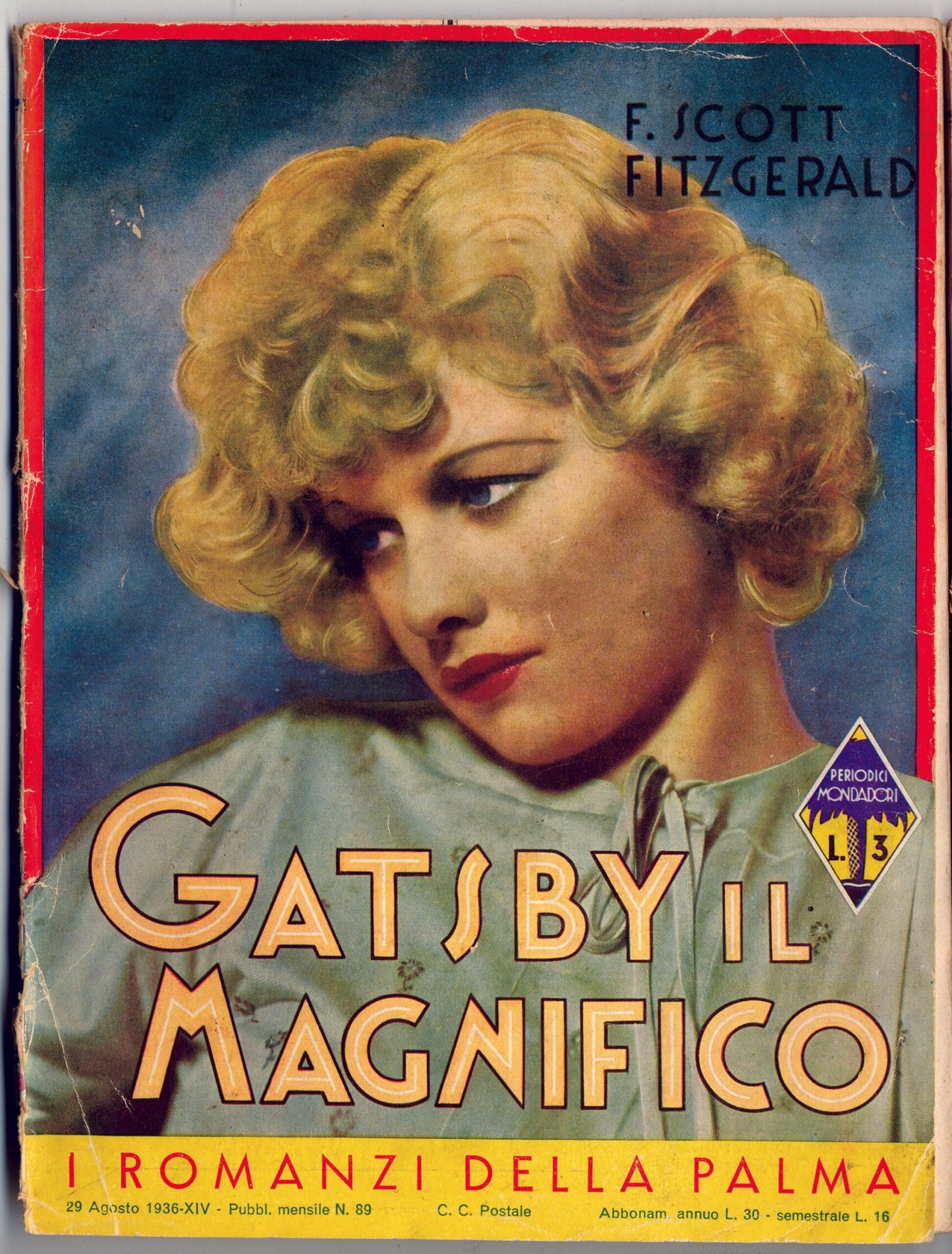
The Great Gatsby landed as a dud in 1925. Critics dismissed it as cynical and inconsequential, with forced style. It sold fewer than 25,000 copies, leaving Fitzgerald crushed.[1][2]
World War II revived it when soldiers carried copies overseas. Now it defines the Jazz Age with dazzling prose on dreams and disillusionment. Its themes resonate ever stronger today.[1]
Lord of the Flies by William Golding
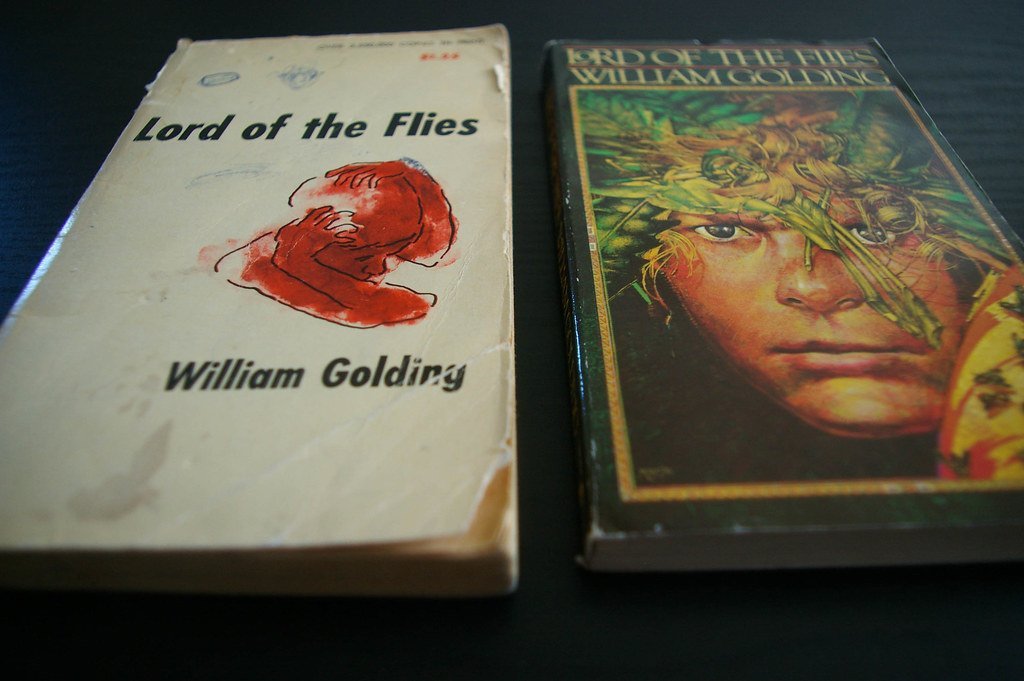
Publishers rejected Lord of the Flies over twenty times in 1954. Early reviews branded it grotesque and too pessimistic about humanity. Few copies sold at first, and it faded quickly.[1][2]
The 1960s unrest brought it roaring back as a stark allegory. It probes civilization’s fragility through boys gone wild. Schools now teach it as essential reading on morality.[3]
Golding’s unflinching vision has only grown more relevant.
Brave New World by Aldous Huxley
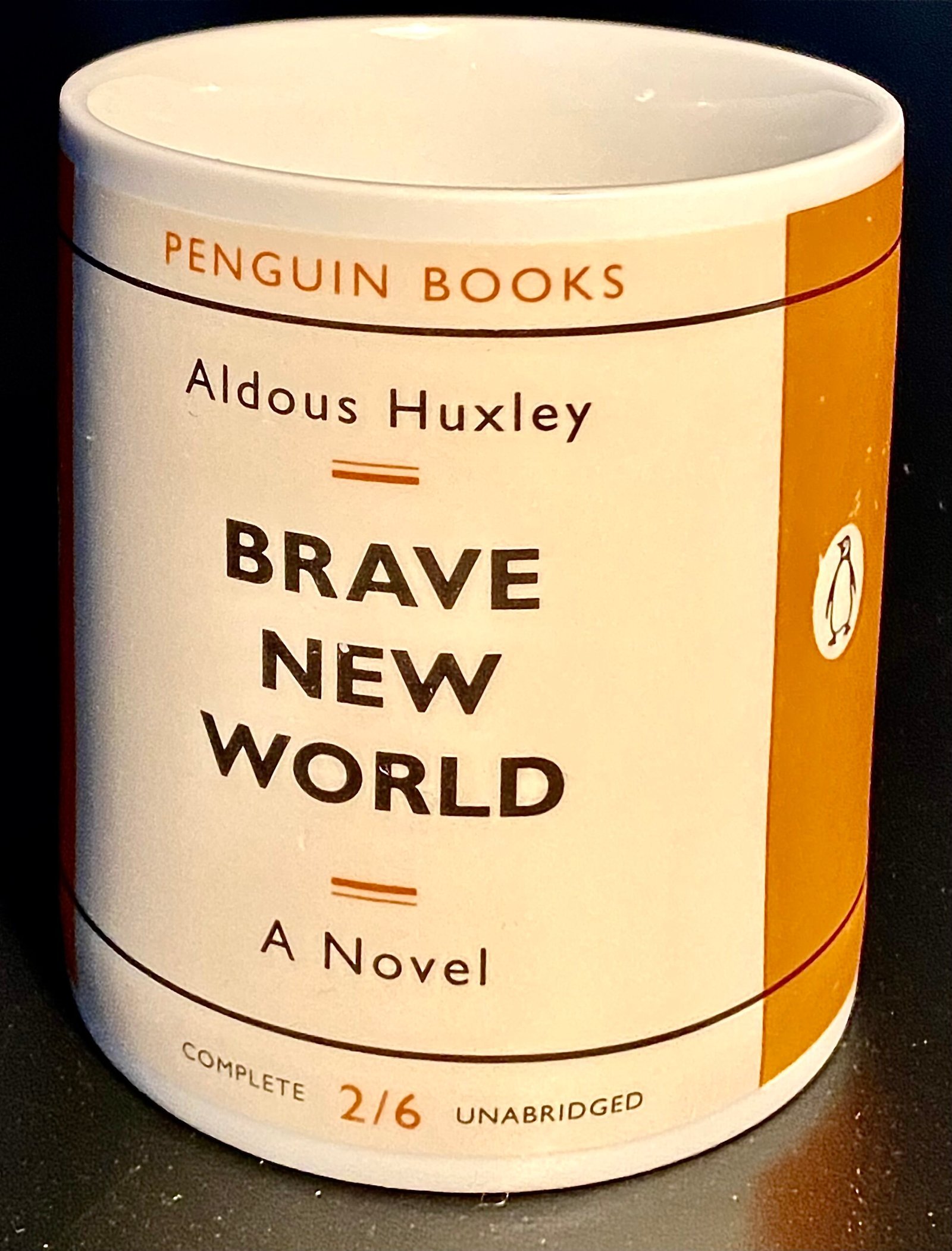
Brave New World drew fire in 1932 for its cold bleakness. Critics saw it as failed satire lacking heart. Modest sales reflected the chilly welcome.[1][2]
The 1960s counterculture embraced its warnings on conformity. It now anchors dystopian literature alongside tech’s rise. Huxley’s foresight on pleasure and control shines bright.[1]
The Picture of Dorian Gray by Oscar Wilde
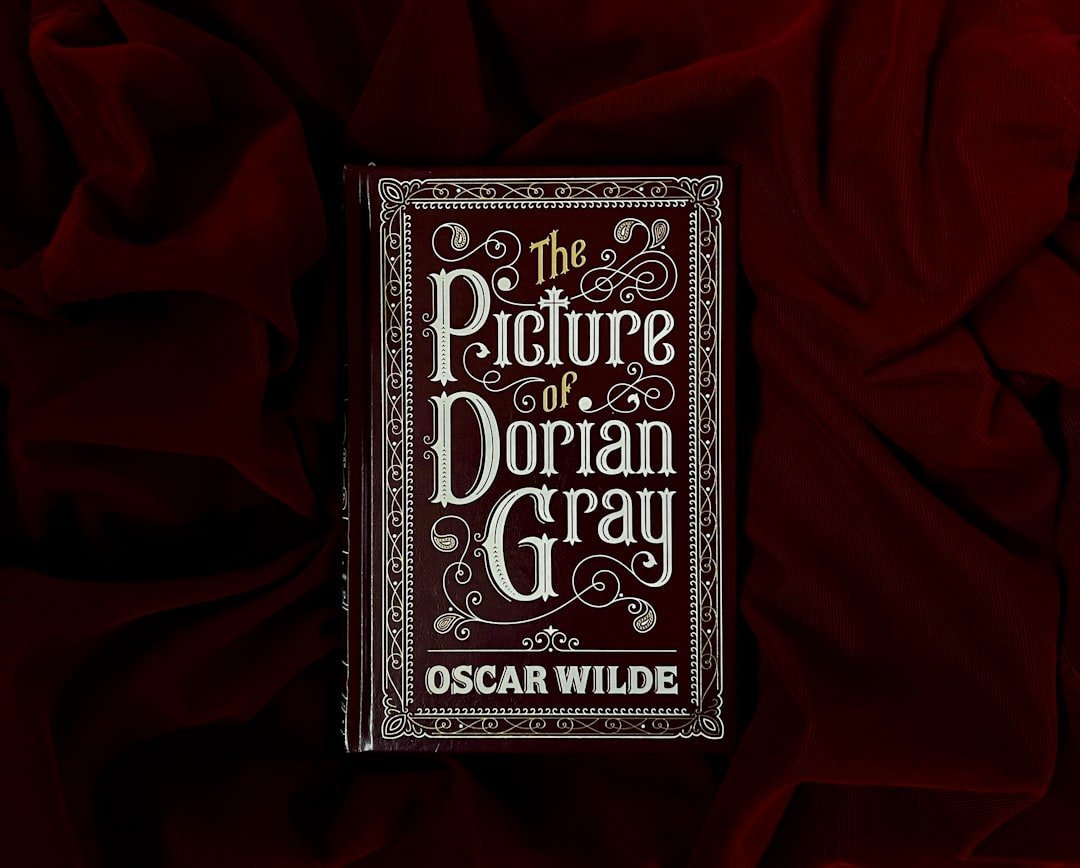
Oscar Wilde’s 1890 tale shocked with its dark immorality. Critics assailed its themes of hedonism and decay. Many deemed it unfit for decent company.[3]
Time revealed Wilde’s wit and insight into vanity. It now exemplifies aestheticism and human frailty. Adaptations keep its allure alive across eras.[3]
Frankenstein by Mary Shelley
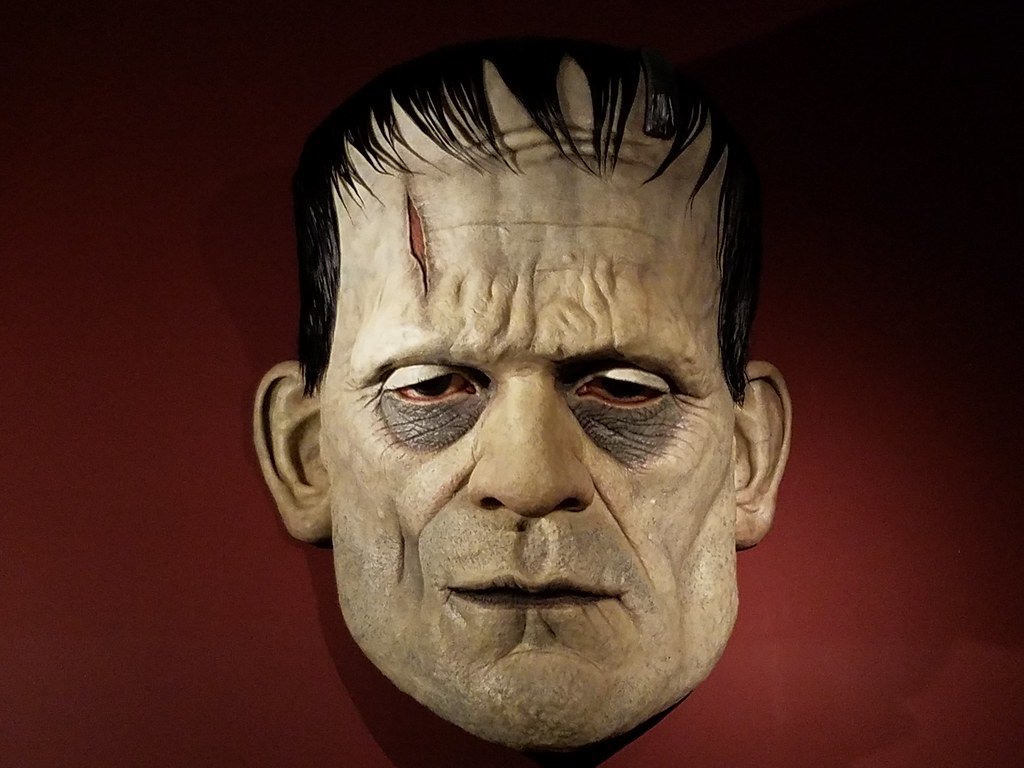
Anonymous publication in 1818 led to dismissal as extravagant. Critics called it disgusting and overdone. It thrived more on stage than pages initially.[1]
Now it probes creation’s perils and isolation deeply. Shelley’s gothic innovation birthed science fiction. Its monster endures as a cultural icon.[1]
Animal Farm by George Orwell
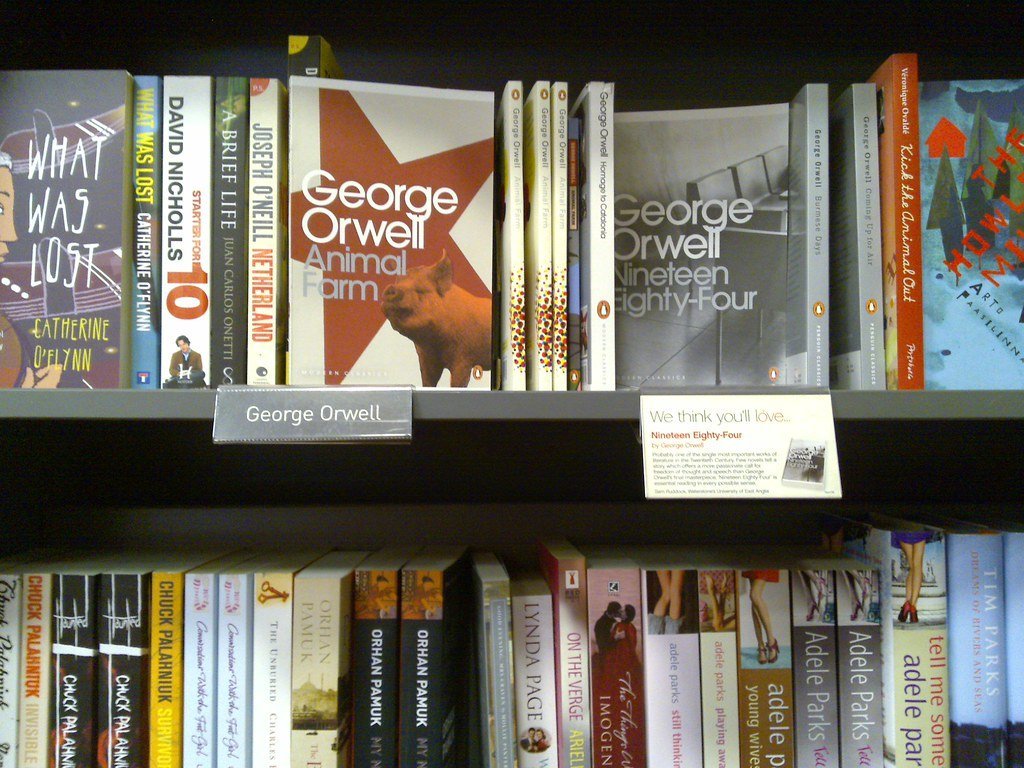
Publishers shunned Animal Farm in 1945 over Soviet ties. Early readers struggled with its sharp political bite. It simmered without fanfare at first.[1]
Cold War eyes saw its genius on tyranny and lies. Phrases like “some animals are more equal” echo globally. Orwell’s fable warns timelessly of power’s corruption.[1]
Ulysses by James Joyce
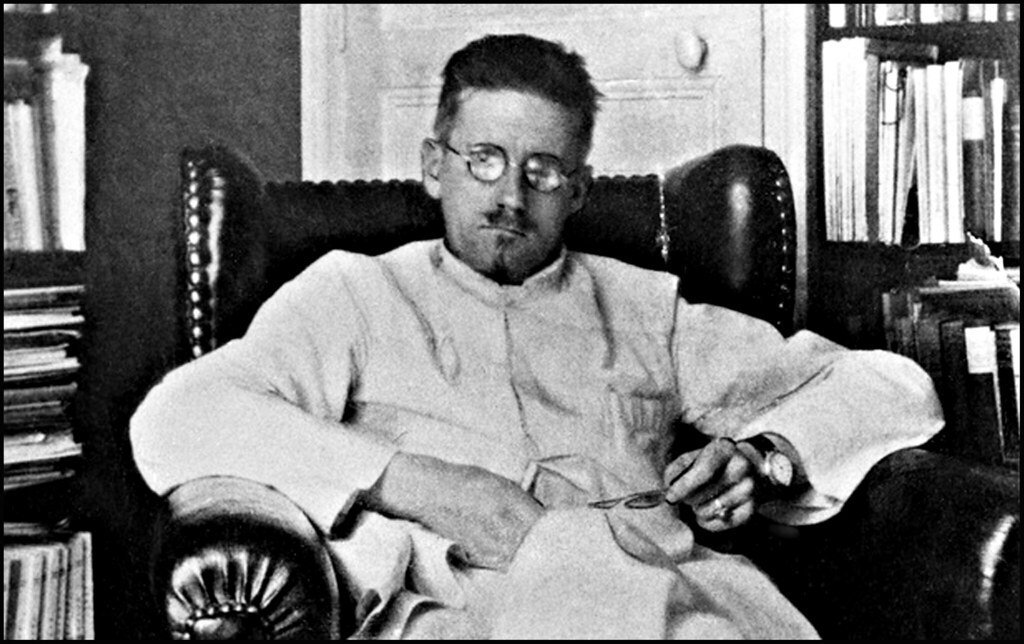
Ulysses faced obscenity charges and loathing in 1922. Virginia Woolf deemed it nauseating illiterate trash. Bans kept it underground for years.[2]
Modernists hailed its stream-of-consciousness breakthrough. It captures Dublin life in epic scope. Joyce’s experiment now defines literary innovation.[2]
The Grapes of Wrath by John Steinbeck
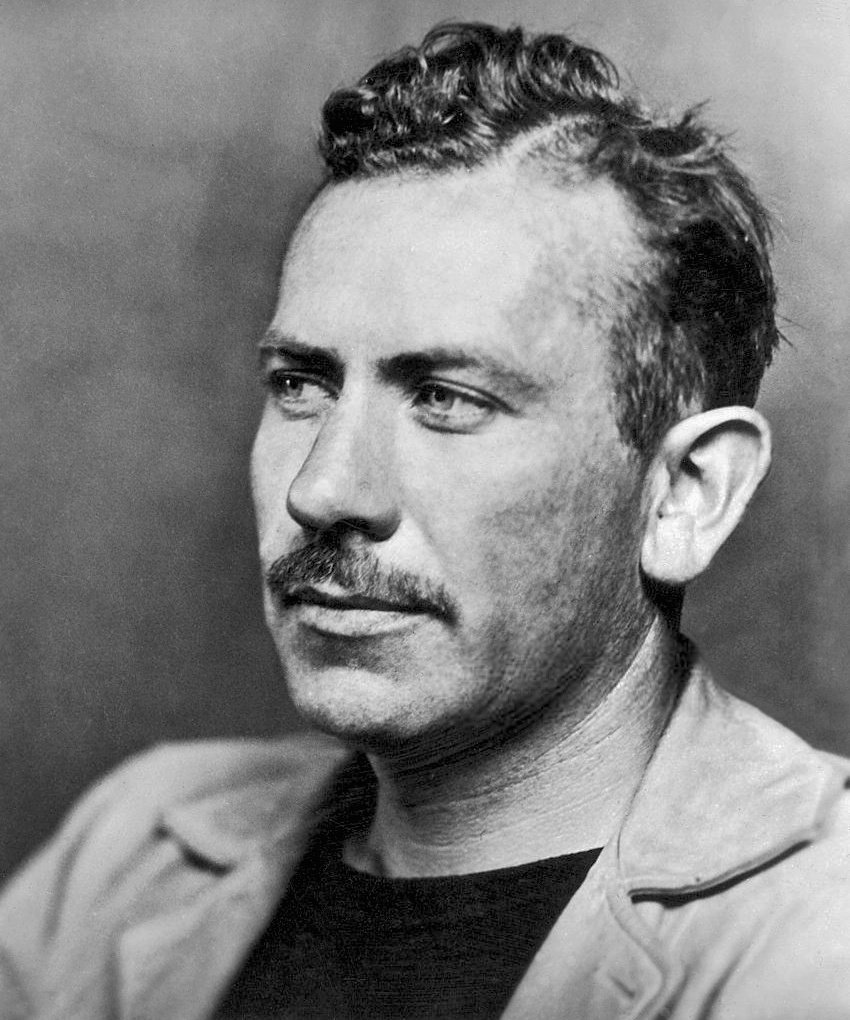
Released in 1939, it sparked cries of communist propaganda. Bans hit amid attacks on its migrant tales. Business groups decried it as lies.[3][2]
It now ranks among America’s finest for raw empathy. Steinbeck’s Dust Bowl odyssey exposes injustice vividly. Its humanity transcends the backlash.[3]
Shifting Literary Standards
What offends or confuses one era often enlightens the next. These novels show how context reshapes value, from moral panic to profound insight.
Society’s growth allows bold works to breathe. Patience proves the true test of a masterpiece. Their journeys underscore literature’s living pulse.[1]
CEO-Co-Founder
