

Human history brims with questions that time has yet to answer. These puzzles, rooted in events from ancient times to the modern era, continue to captivate researchers equipped with everything from DNA analysis to satellite imagery. Despite such tools, certain enigmas resist resolution.
What keeps them alive is not just the lack of facts, but the glimpses of truth they offer. Each mystery hints at forgotten lives, lost knowledge, or hidden motives, urging us to look closer at the past.
Jack the Ripper
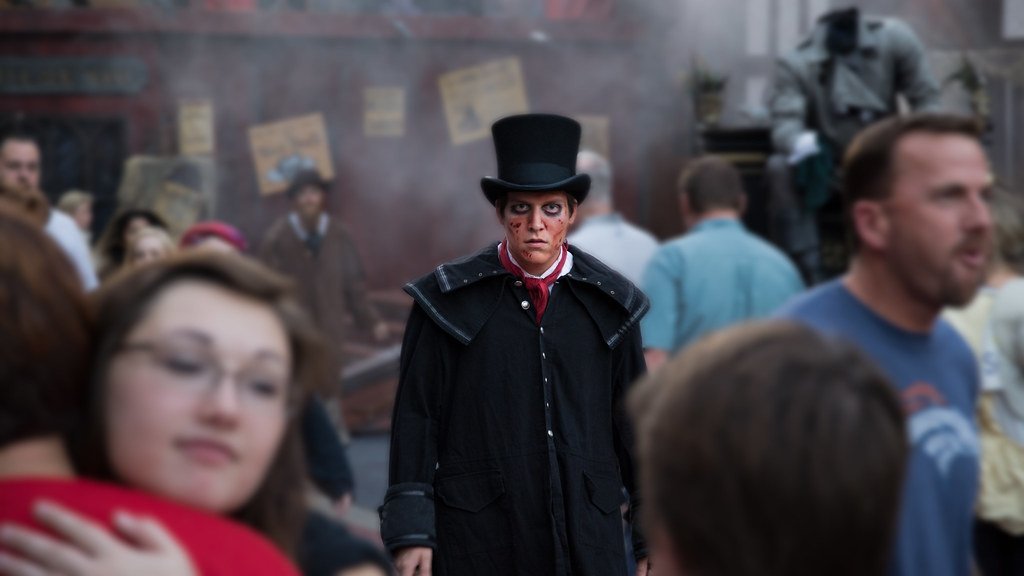
In 1888, during London’s Victorian era, a serial killer terrorized the Whitechapel district. He murdered at least five women in brutal fashion, mutilating their bodies with apparent anatomical skill. The killer’s true identity remains unknown, as does his motive and final fate.[1]
Popular theories point to a surgeon or butcher due to the precise cuts. Others suspect a member of the royal family or a deranged immigrant. Police investigated hundreds, yet no one faced charges, leaving the case cold after just months of terror.[2]
The Lost Colony of Roanoke
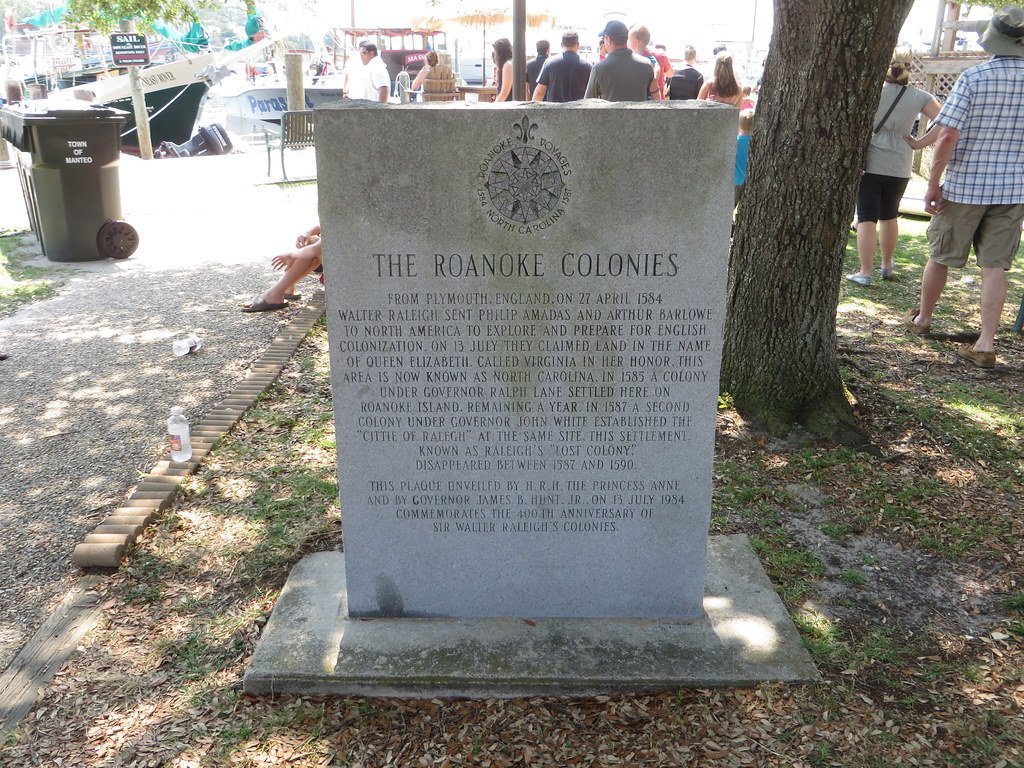
Established in 1587 on what is now North Carolina’s Outer Banks, this English settlement housed over 100 men, women, and children. When leader John White returned in 1590 with supplies, the colony had vanished without signs of struggle. The word “Croatoan” carved on a post offered the sole clue.[1]
Theories suggest the settlers integrated with local Native American tribes on nearby Croatoan Island. Harsh weather, starvation, or attacks by hostile groups also figure prominently. Archaeological digs have uncovered European artifacts among tribes, but definitive proof eludes discovery.[3]
The Mary Celeste

On December 4, 1872, this American merchant ship was found adrift in the Atlantic near the Azores, fully intact with cargo untouched. The crew of ten, including the captain’s family, had abandoned her without explanation – no blood, no damage, just a missing lifeboat. What drove them to flee in calm seas stays a riddle.[1]
Speculation includes mutiny among the crew or fumes from leaking alcohol barrels sparking panic. Seaquakes or giant waves might have terrified them overboard. Pirates or even sea monsters have entered folklore, though evidence points to no violence.[2]
Modern analysis rules out many dramatic ideas, yet the precise trigger remains elusive.
The Voynich Manuscript
![The Voynich Manuscript (Beinecke Rare Book & Manuscript Library, Yale University ([1])., Public domain)](https://festivaltopia.com/wp-content/uploads/2026/05/1777894446614_1777894442185_voynich_manuscript_-28175-29.jpeg)
Dating to the early 15th century, this 240-page vellum book features an unknown script alongside drawings of fantastical plants, astronomical diagrams, and nude figures. Carbon dating confirms its age, but no linguist or cryptographer has cracked its code. Its author and purpose baffle experts still.[2]
Theories range from a herbalist’s guide to unknown flora to an elaborate hoax. Some see it as a cipher for alchemy or women’s health texts. AI attempts have failed, preserving its secrecy across centuries.[4]
Cleopatra’s Tomb
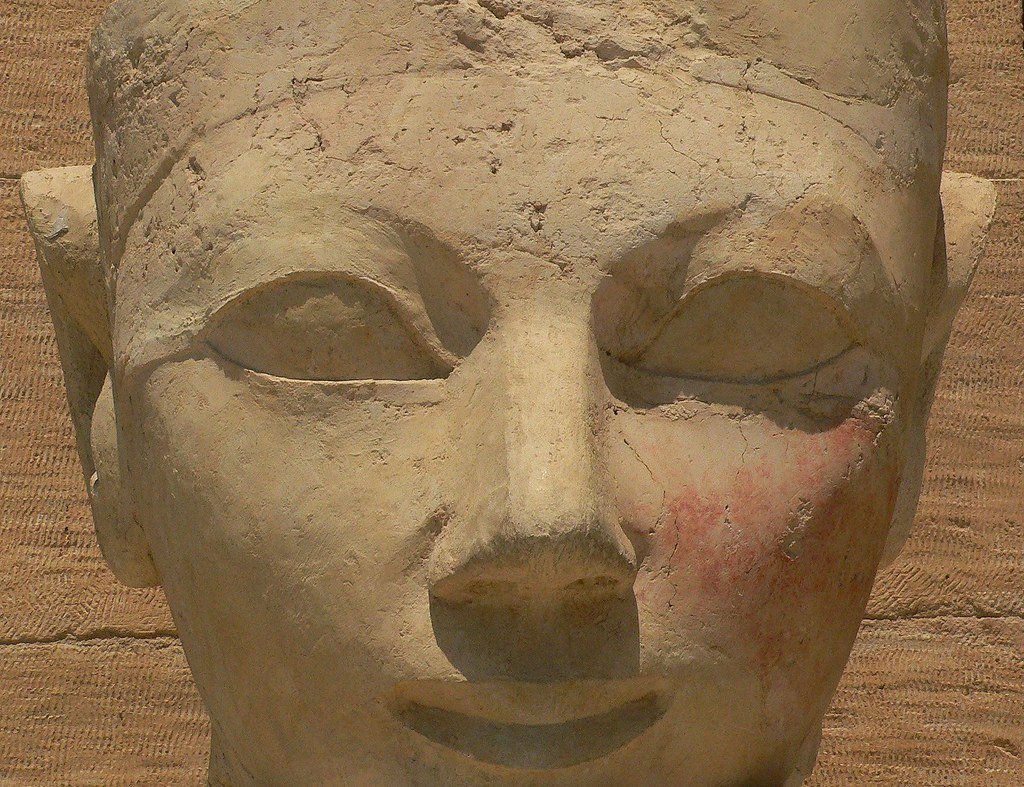
After her death in 30 BC, Cleopatra VII, the last pharaoh of Egypt, was reportedly buried alongside Mark Antony in a grand tomb. Ancient sources describe its location near Alexandria, yet centuries of searches yield nothing. Erosion and urban development may have hidden it forever.[1]
Excavations at Taposiris Magna temple hint at possibilities, with tunnels and artifacts nearby. Underwater scans off Alexandria reveal promising structures. Theories place it submerged or under modern buildings, but no confirmation exists.[3]
Stonehenge
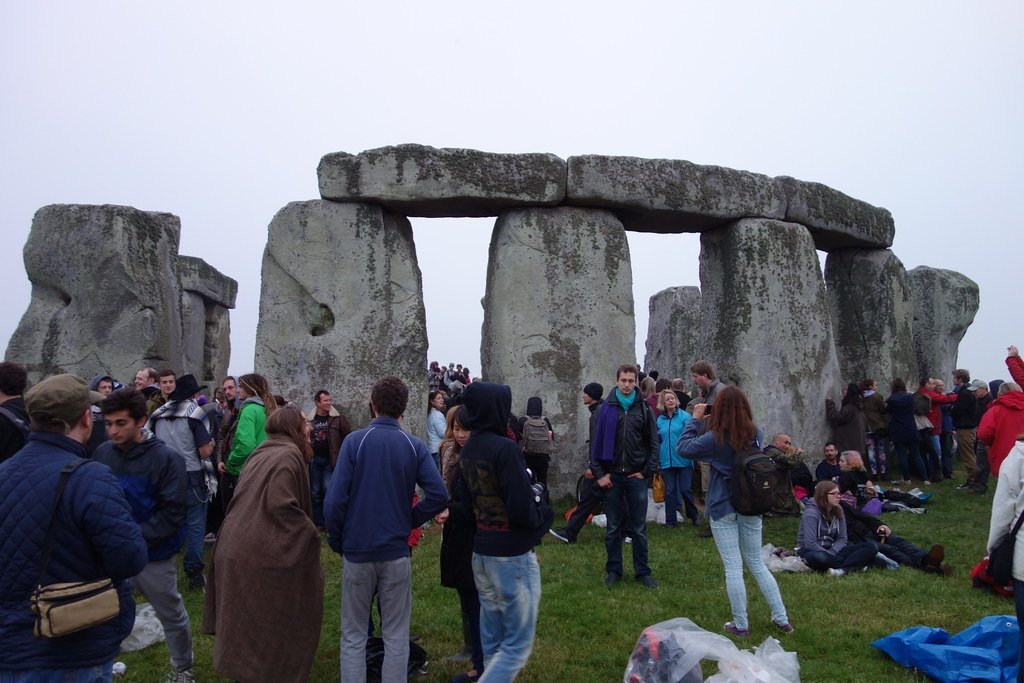
Built around 3000 to 1500 BC in southern England, this circle of massive stones aligns with solstices. Thousands of tons were hauled from distant quarries, demanding immense organization. Its exact function, whether temple, observatory, or burial site, divides scholars.[1]
Evidence of feasts and burials suggests ritual use. Astronomical alignments imply seasonal tracking. Recent finds of distant burials reinforce ideas of a healing center or ancestral monument, though consensus slips away.[2]
The Nazca Lines
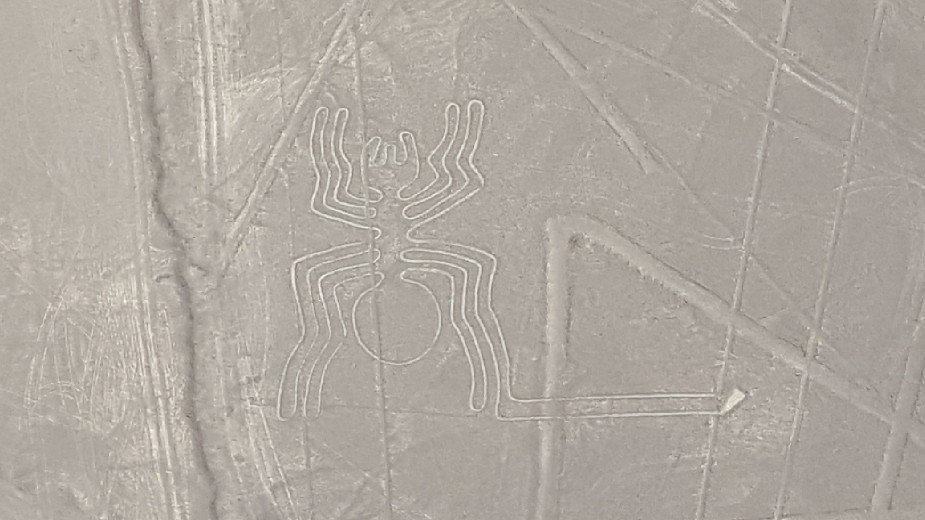
Between 500 BC and 500 AD, the Nazca people etched over 800 straight lines and 300 geoglyphs into Peru’s desert floor, visible only from above. Spanning animals, plants, and humans up to 1,200 feet long, their creation required removing pebbles to reveal lighter soil. The purpose behind this vast effort puzzles onlookers.[3]
Astronomical calendars or water rituals top theories, given arid conditions. Some propose runways for ancient aircraft, though dismissed. Ritual walks may have connected pilgrims to deities, but proof hides in the dust.[2]
Amelia Earhart’s Disappearance

In July 1937, pioneering aviator Amelia Earhart vanished over the Pacific during her global flight attempt. She and navigator Fred Noonan sent frantic radio calls before silence. Neither plane nor bodies have surfaced definitively.[1]
Official view holds they ran out of fuel and crashed into the ocean. Castaways on Gardner Island or Japanese capture as spies offer alternatives. Bone fragments once thought hers proved inconclusive, fueling endless hunts.[2]
D.B. Cooper Hijacking
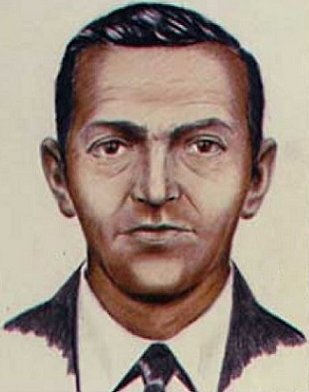
On November 24, 1971, a man using the alias D.B. Cooper hijacked a Boeing 727, demanded $200,000, then parachuted into the Pacific Northwest night. Some ransom bills washed ashore years later, but his identity and survival remain unknown. The FBI closed the case in 2016 without answers.[1]
Theorists eye military veterans skilled in parachuting. He likely perished in the jump amid stormy woods, per experts. Over 1,000 suspects emerged, yet DNA and evidence tease without revealing.[4]
Flannan Isles Lighthouse Keepers
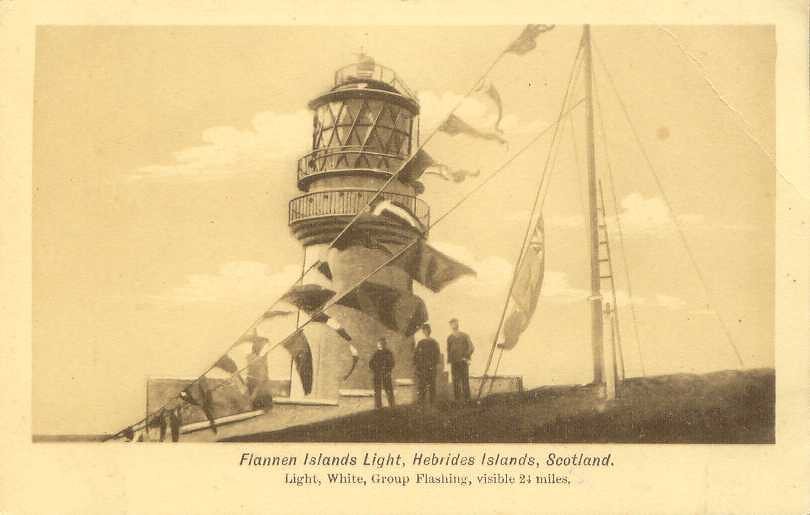
December 15, 1900, marked the last sighting of three keepers at this remote Scottish outpost. A relief crew found the lighthouse empty, with one set table, clock stopped, and logs noting fierce storms that never occurred. No trace of the men surfaced.[3]
A massive rogue wave sweeping them away during rough weather leads theories. Madness from isolation or supernatural forces like sea monsters persist in lore. The untouched oilskins suggest sudden departure, deepening the void.[4]
The Antikythera Mechanism
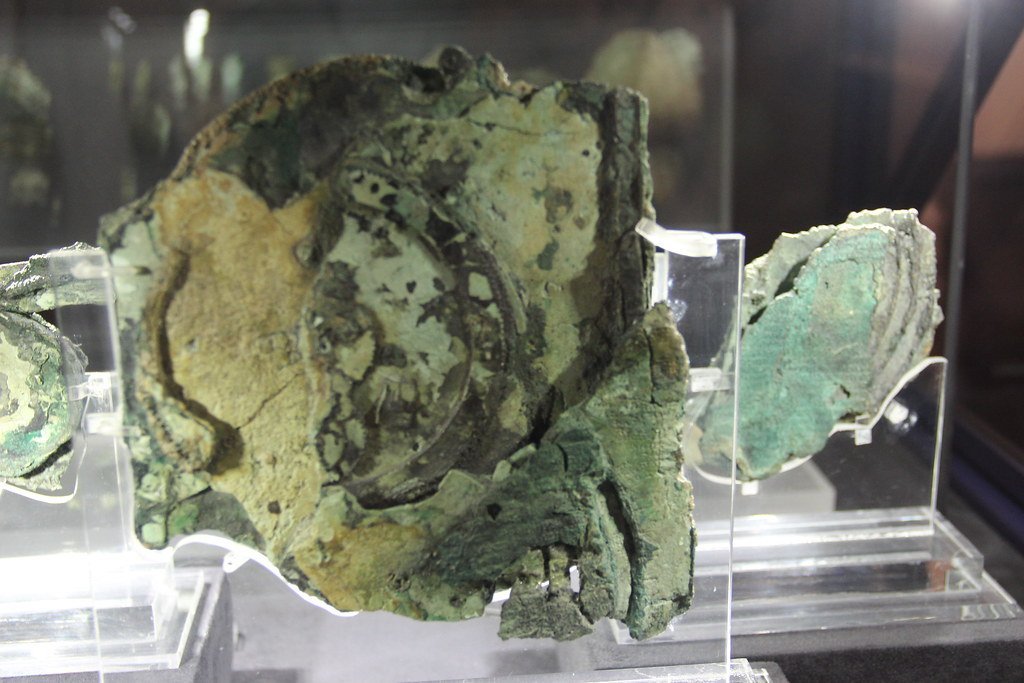
Recovered from a 1901 shipwreck dated around 100 BC, this bronze device featured gears predicting eclipses and planetary positions. Far ahead of its time, it resembles a mechanical computer. Who crafted it and why the knowledge faded puzzles historians.[3]
Greek astronomers like Hipparchus may have built it for navigation or education. Its complexity implies lost technological traditions. Partial inscriptions reveal functions, but full origins and makers evade grasp.[2]
The Phaistos Disc
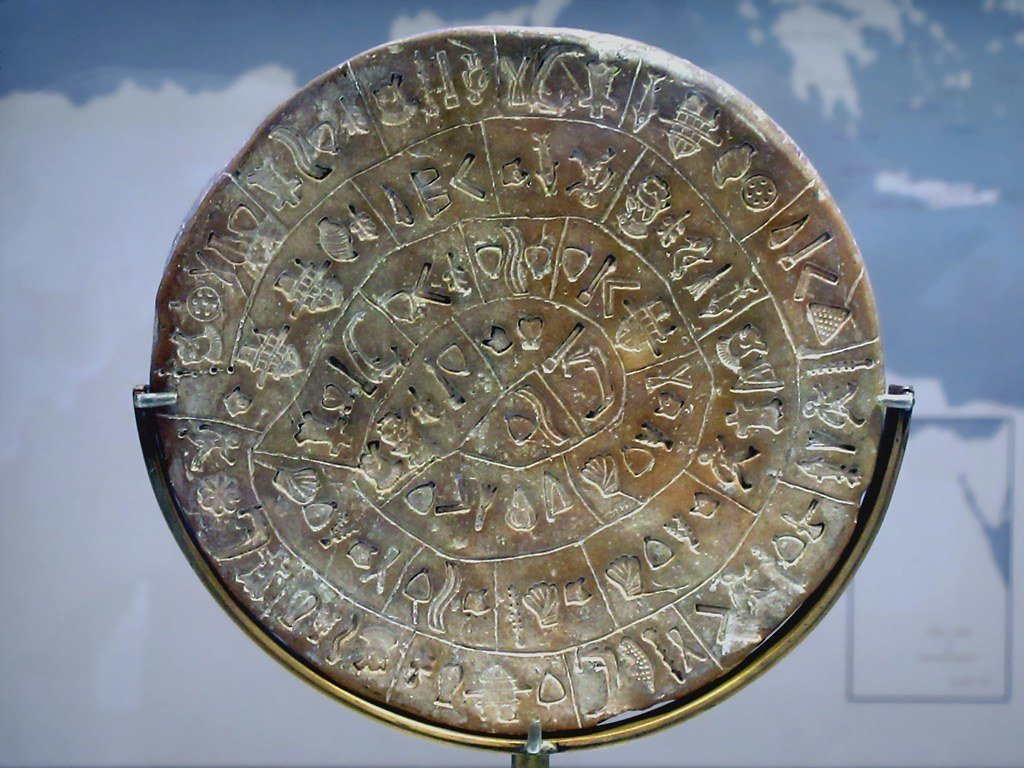
This fired clay disc from Crete, dated 1700 BC, bears 242 stamped symbols in a spiral, forming an undeciphered script. Unlike Linear A, its unique icons depict humans, tools, and animals. Its meaning and cultural role stay locked away.[3]
Ideas include a devotional hymn, ritual calendar, or administrative record. Some see it as a Minoan prayer or curse. Presses used for stamping suggest mass production, yet only one exists, heightening intrigue.[3]
The Enduring Intrigue of the Unknown
These mysteries endure because they touch on universal curiosities – fate, ingenuity, and human frailty. New technologies promise breakthroughs, yet many may forever elude us. They invite reflection on how much of history slips through our fingers.
In chasing answers, we uncover more about ourselves than the past. The unknown keeps history alive, a quiet challenge to keep questioning.

- 12 Classic TV Shows With Shocking Behind-the-Scenes Dramas You Never Knew - September 10, 2026
- 10 Novels That Were Initially Dismissed, Only to Become Timeless Masterpieces - September 10, 2026
- The ’80s Were a Wild Ride of Style and Sound That Changed Everything - September 10, 2026

