

Families often turn to familiar pastimes during the holidays. Nostalgia plays a key role in this shift. People crave simple joys amid busy schedules and digital overload.
Retro board games from decades ago fit perfectly. They bring generations together around the table. Sales of special edition collections highlight this trend.[1][2]
Monopoly
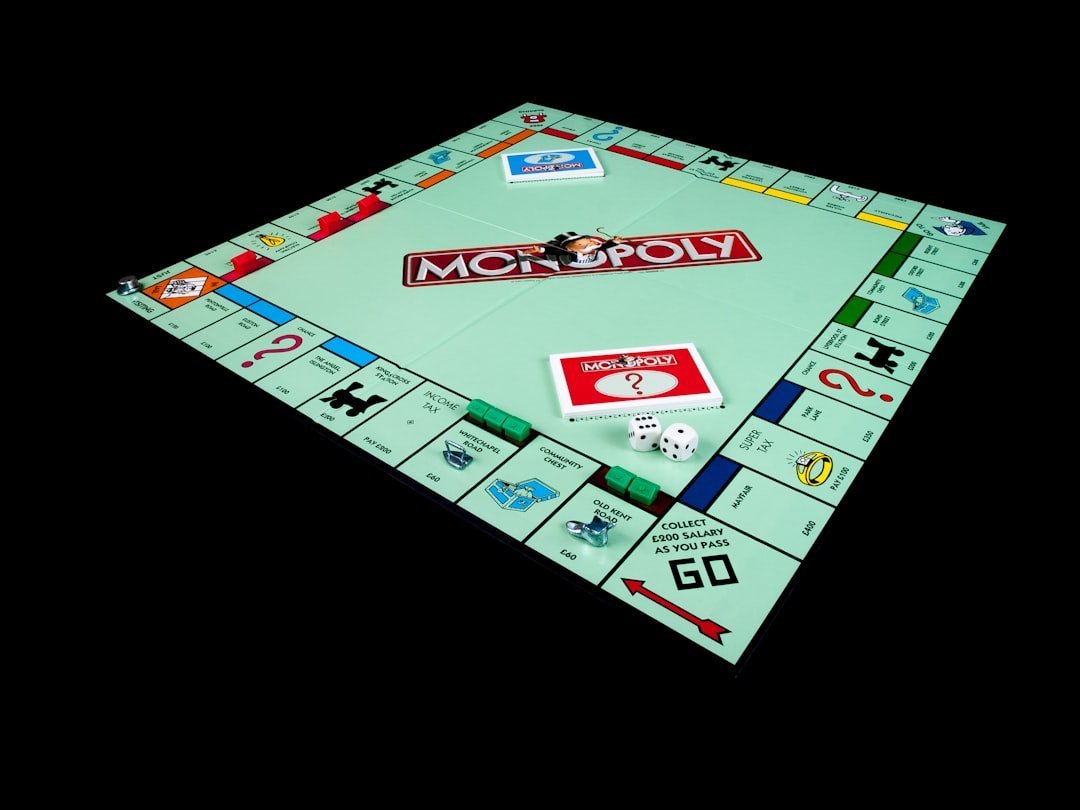
Monopoly first hit shelves in 1935. It captured the imagination of players with its property trading and banker role. The game has seen countless editions over the years.
Today, nostalgia pulls it back into holiday rotations. Parents share childhood memories with kids. Compact vintage collections boost its appeal on sites like Amazon.[3] Families enjoy the timeless cutthroat fun without screens. Its resurgence ties into a broader retro revival.[4]
Scrabble
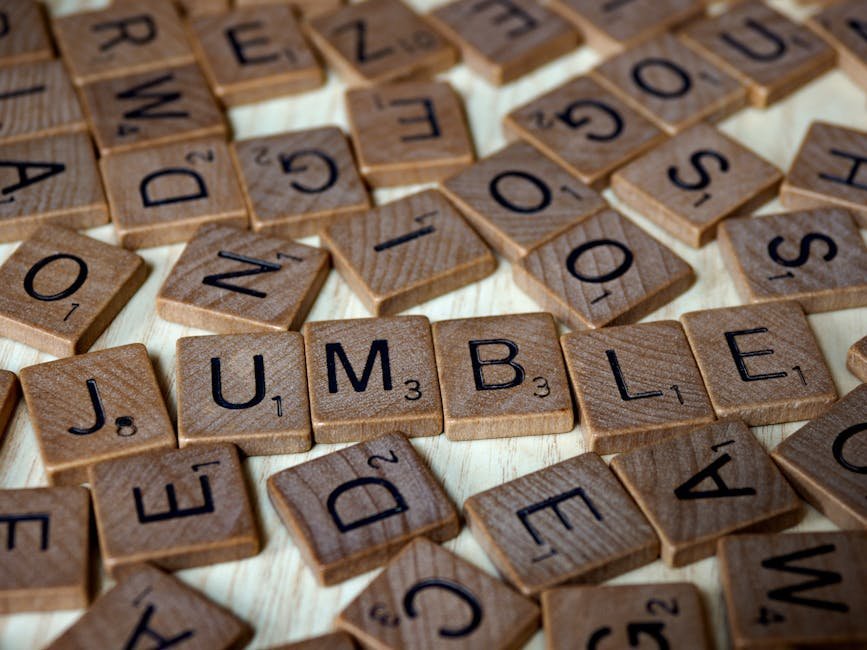
Scrabble debuted in 1938 after years of refinement. Word lovers built tiles into clever plays. It became a staple for vocabulary challenges.
Holiday gatherings revive it through family rivalries. Gen Z discovers the satisfaction of outsmarting relatives. Bundled in popular vintage sets, it sells steadily.[5] The game’s quiet strategy offers a break from fast-paced apps. Nostalgia fuels searches for classic components.
Clue
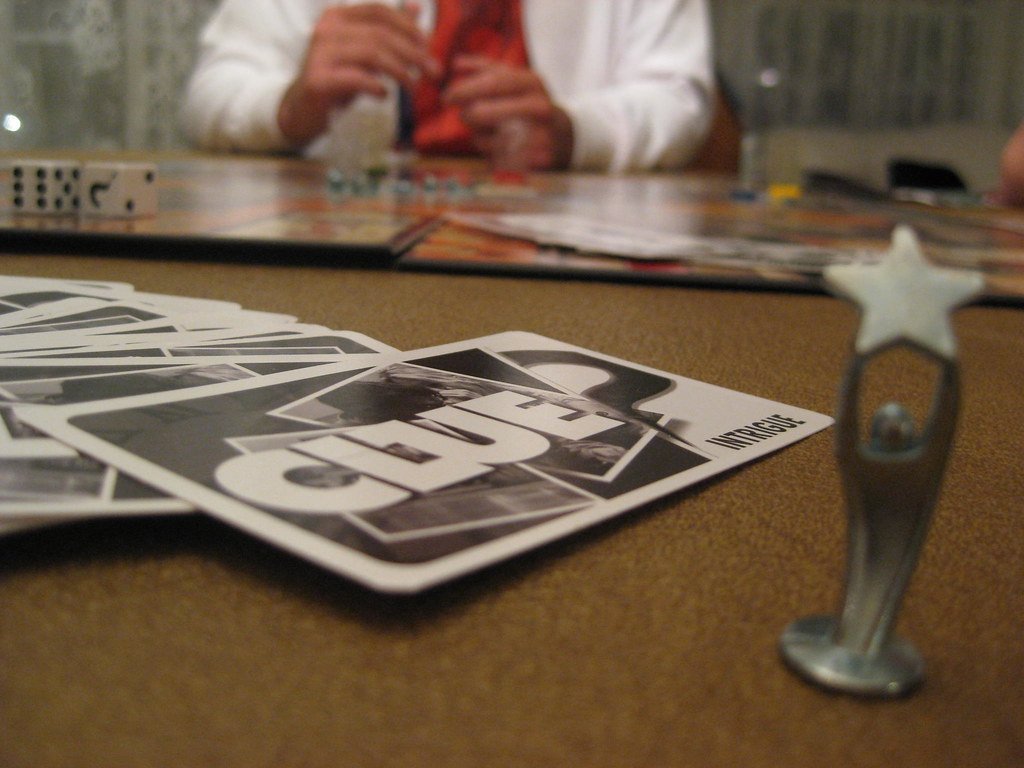
Clue arrived in 1949 as a detective mystery. Players accused suspects in elaborate mansions. Its whodunit format hooked generations.
Retro 1980s editions spark fresh interest now. Holiday detectives emerge as families solve cases together. High demand appears in best-seller collections.[6] The game’s intrigue pairs well with cozy evenings. Younger players appreciate the analog suspense.
Candy Land
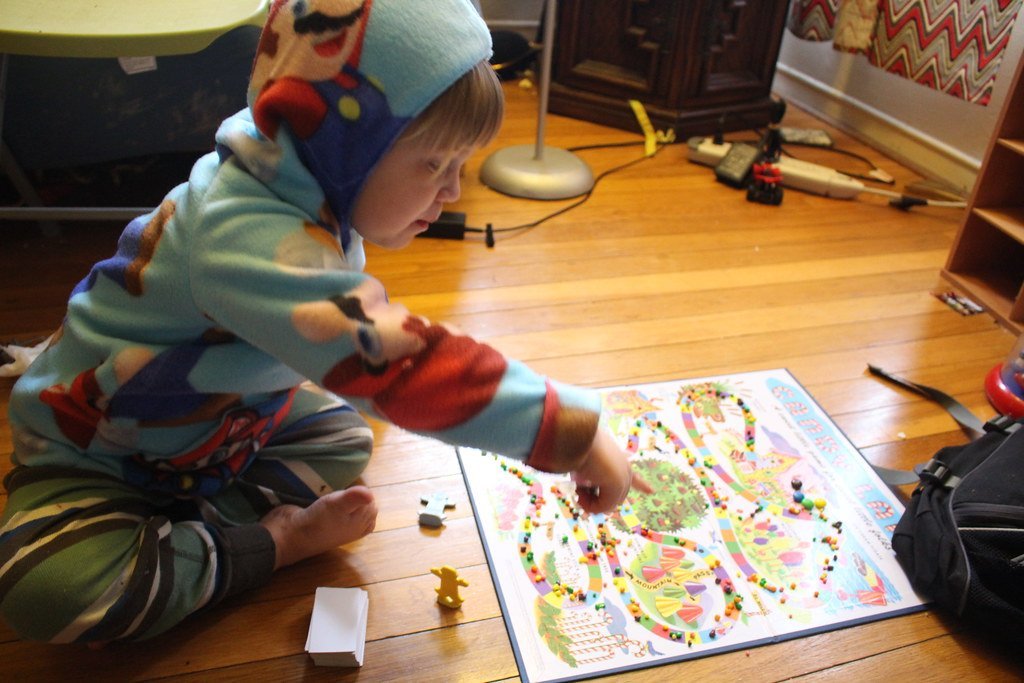
Candy Land launched in 1949 for young adventurers. Its gingerbread path led to sweet destinations. No reading required made it accessible.
Nostalgia draws parents buying for their children. Holiday gifting revives pure, luck-based joy. Vintage bundles keep it prominent in sales.[3] Short playtimes suit festive chaos. It bridges grandparents and grandkids effortlessly.
Chutes and Ladders
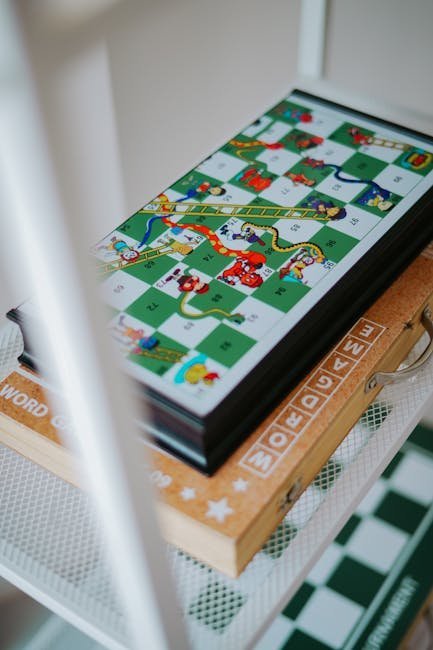
Chutes and Ladders dates to 1943, evolving from older snakes games. Climbing ladders and sliding down tested fate. Moral lessons hid in the fun.
Families rediscover it for inclusive play. Holiday nostalgia emphasizes simple lessons. Classic sets thrive in multi-game packs.[7] Everyone from toddlers to adults joins in. Its charm lies in unpredictable outcomes.
Sorry!
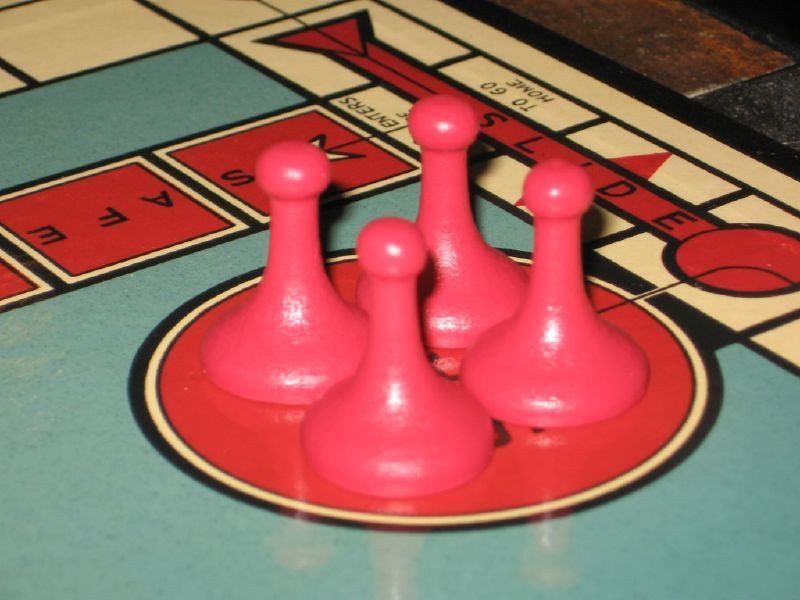
Sorry! entered homes in 1934. Pawns bumped rivals in a race to safety. Apologies added cheeky twists.
Competitive spirits ignite during holidays. Retro appeal shines in bundled editions. Sales reflect steady demand.[8] Players relish the sabotage without guilt. It fosters laughter across ages.
The Game of Life
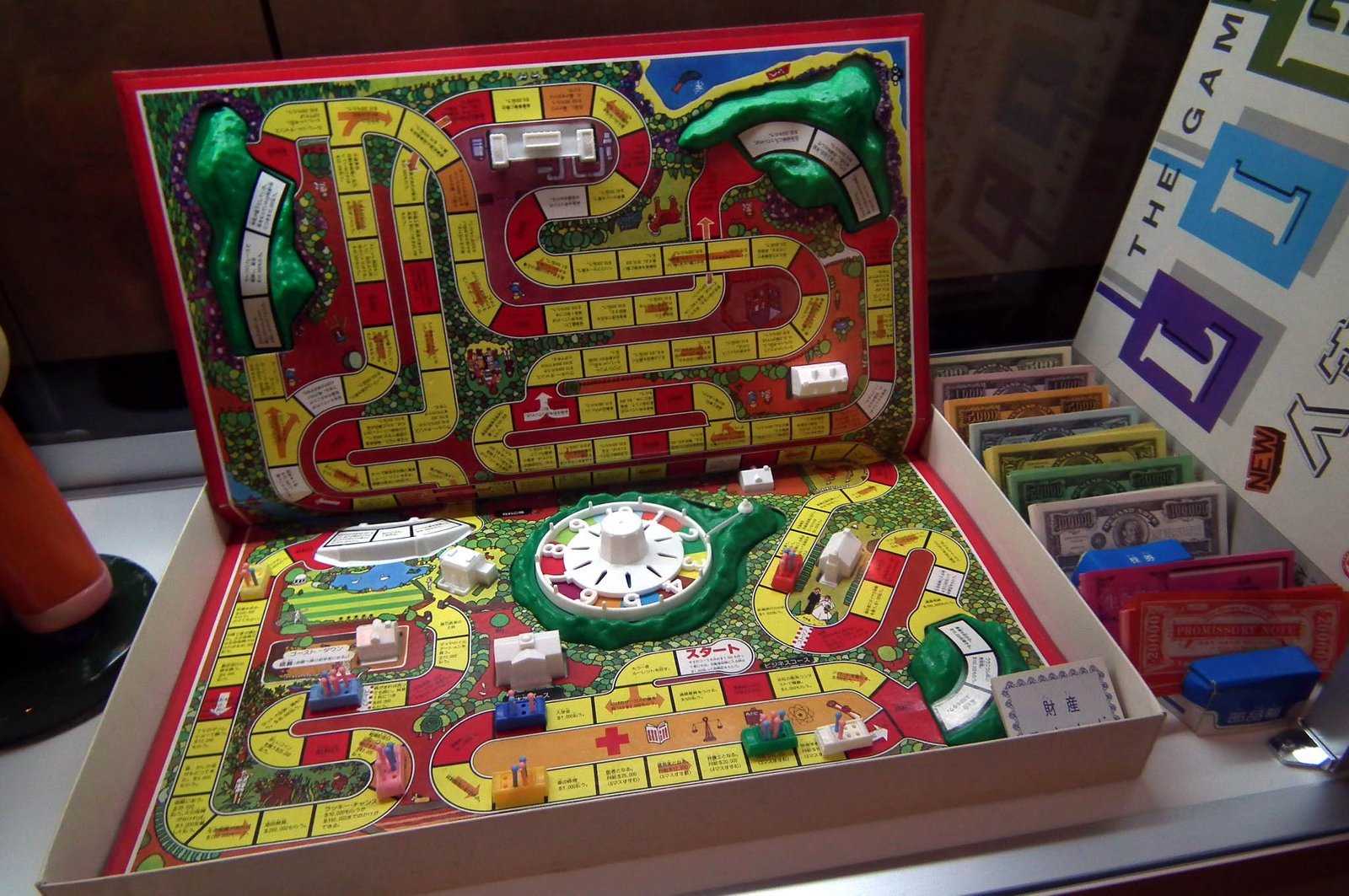
The Game of Life spun onto boards in 1960. Cars navigated careers and families. Spinners decided fortunes.
Holiday reflections make it timely. Vintage collections highlight its return. Buyers seek the life simulation nostalgia.[7] Groups debate choices late into nights. Its whimsy mirrors real uncertainties.
Risk
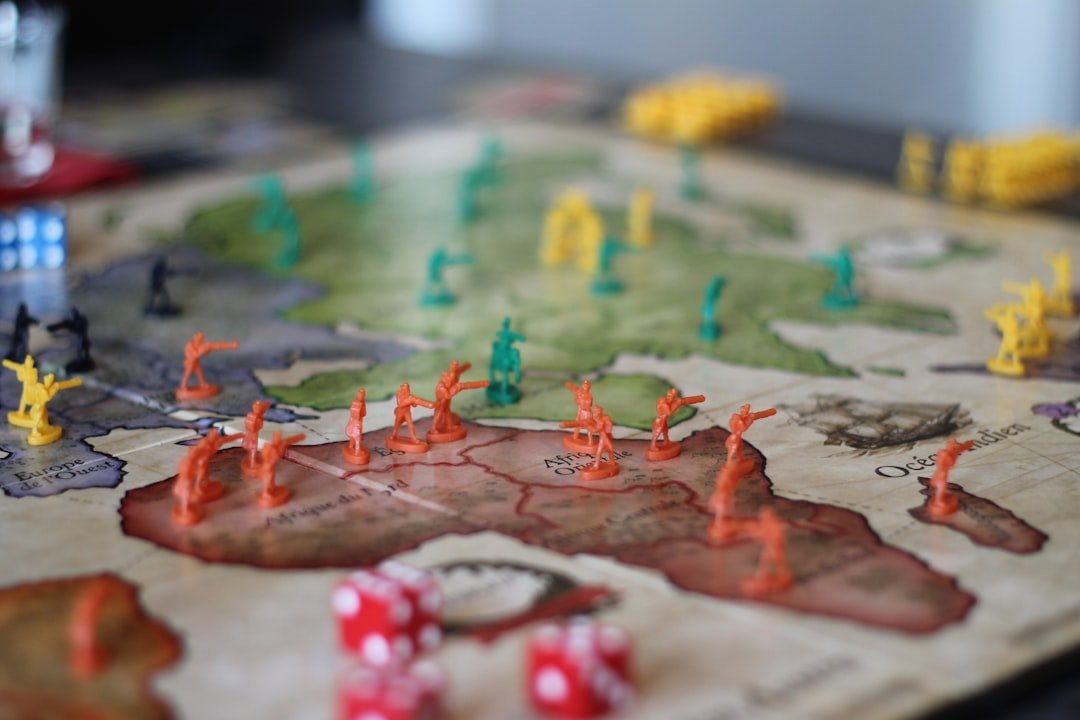
Risk conquered tables in 1957. Armies clashed over territories. Strategy demanded alliances and betrayals.
Long sessions suit extended holiday breaks. Fans revisit epic battles. Classic status endures in sales lists.
Nostalgia for global conquest draws strategists. Modern families adapt rules for quicker play. It teaches risk assessment subtly.
Battleship
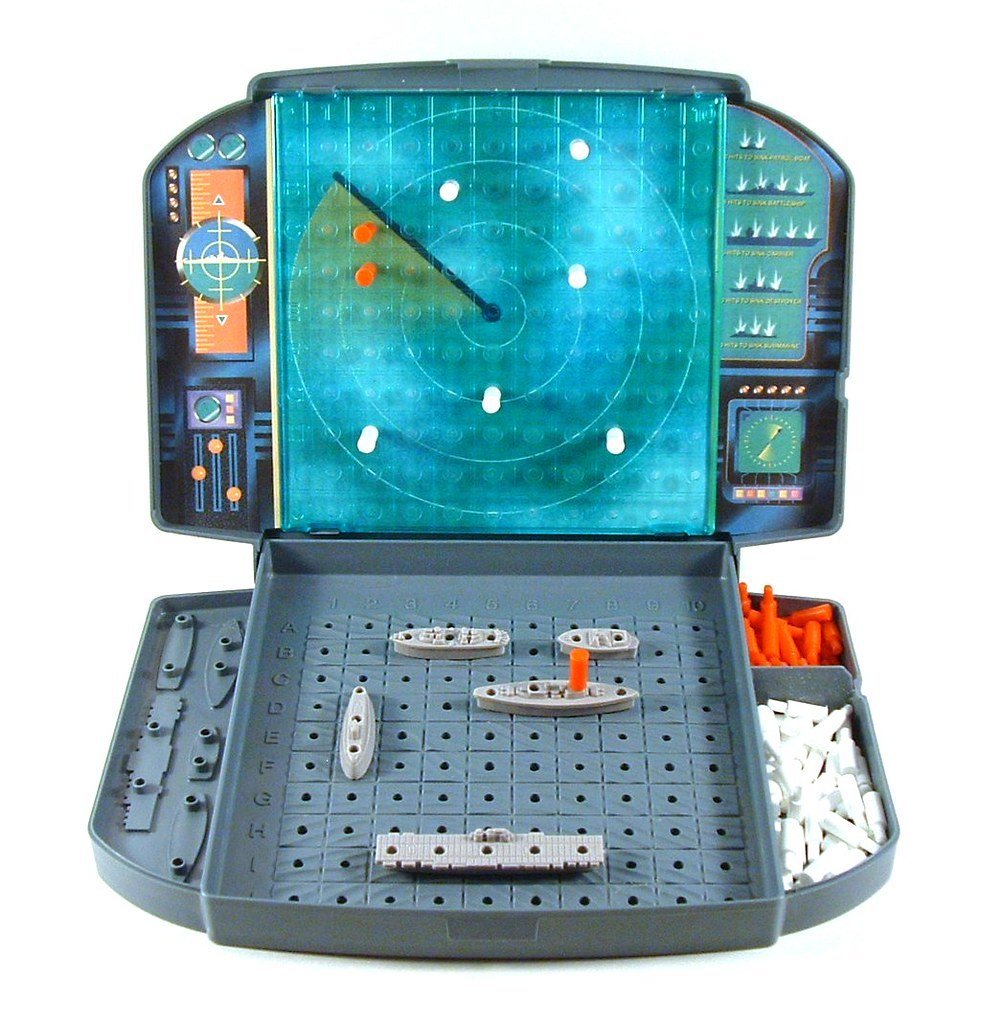
Battleship salved in 1931, mass-marketed by 1963. Grids hid fleets in naval warfare. Pegs marked hits.
One-on-one duels fit holiday downtime. Retro pegboards evoke childhood thrills. Bundles sustain popularity.[9] Tension builds with each call. Simplicity appeals broadly.
Operation
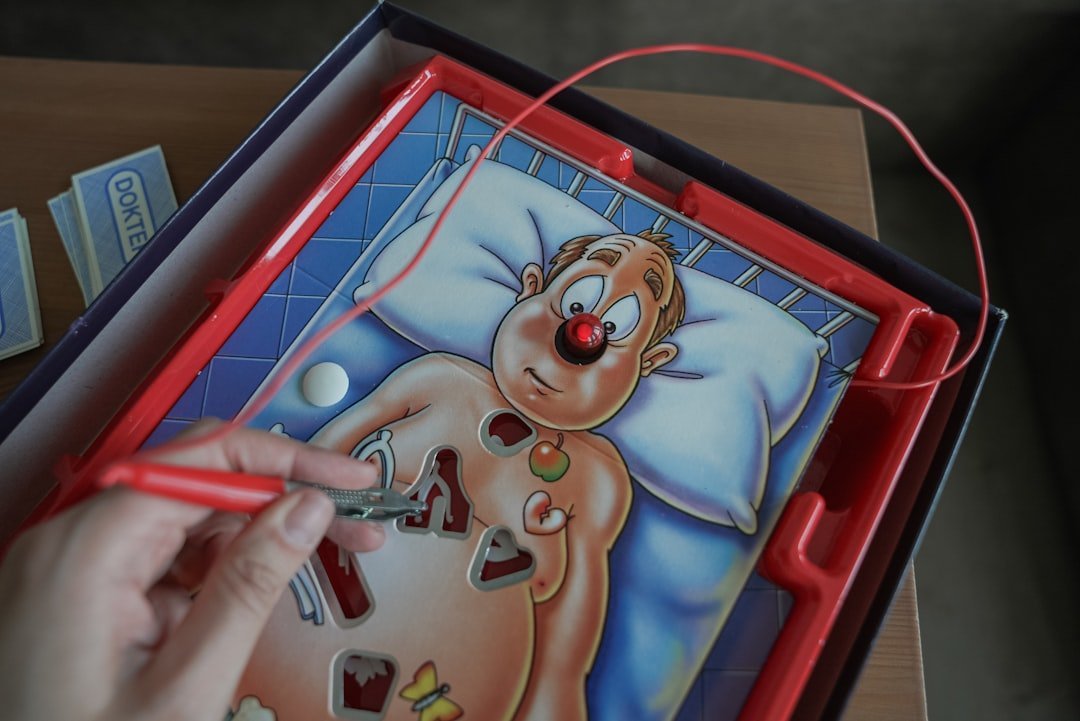
Operation buzzed in 1965. Steady hands extracted funny ailments. Lights signaled failures.
Holiday laughs come from clumsy surgeons. Nostalgia for tactile challenges surges. Vintage sets entertain all ages.
Families bond over shared mishaps. It promotes fine motor skills playfully. Enduring humor keeps it fresh.
Mouse Trap
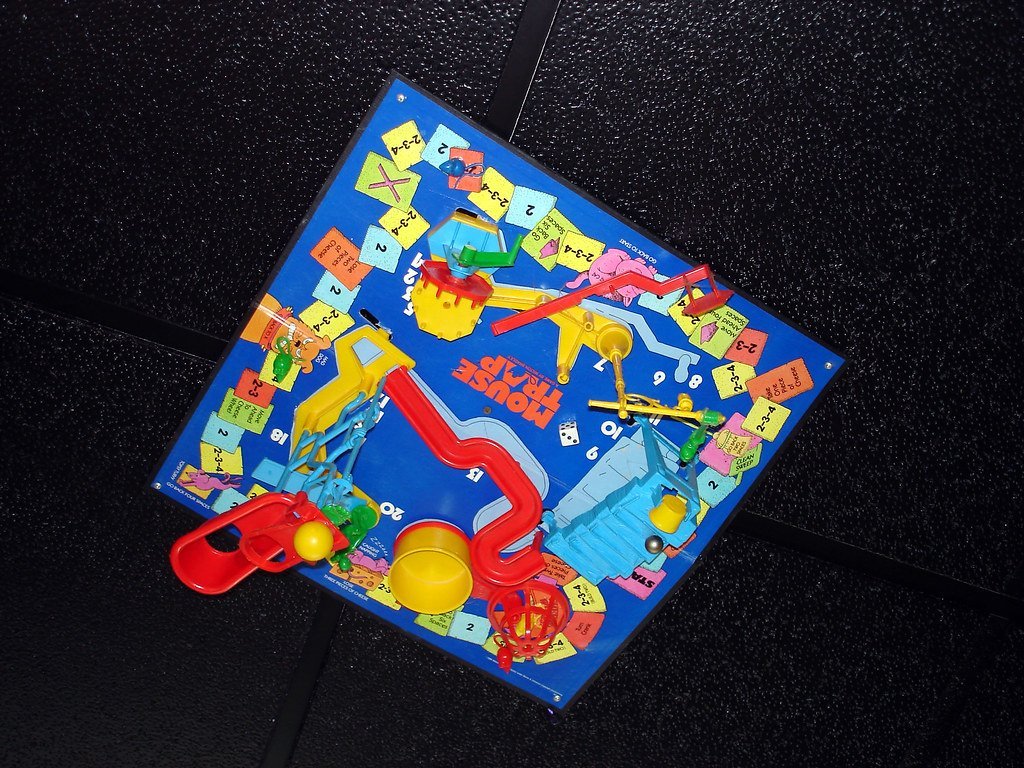
Mouse Trap Rube Goldberg-ed in 1963. Chains of contraptions chased mice. Building excitement rivaled play.
Holiday setups create memorable moments. Retro engineering delights kids. Collections feature it prominently.[1] Patience rewards with chain reactions. Creativity sparks variations.
Yahtzee

Yahtzee rolled out in 1956. Dice combos scored big. Shaking cups built suspense.
Quick rounds suit holiday snacking. Nostalgia drives family tournaments. Best-seller status confirms appeal.[10] Luck balances skill fairly. Portable fun travels easily.
Boggle
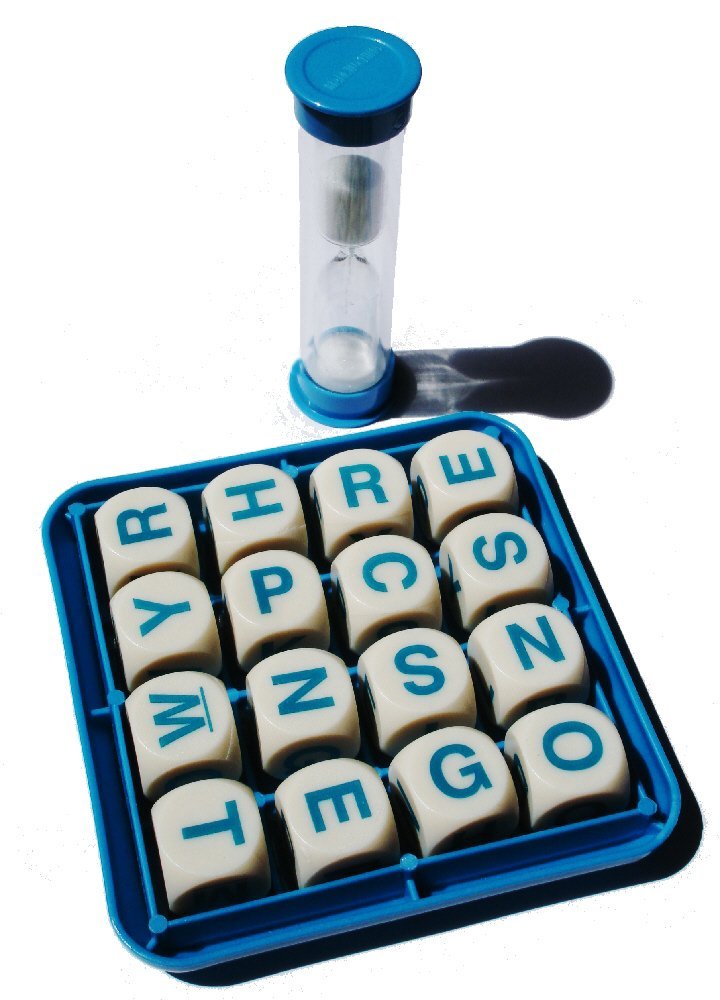
Boggle shook letters in 1972. Timed word hunts challenged minds. Shakers rattled nerves.
Party vibes revive it for holidays. Vintage timers add urgency. Bundles boost visibility.[2] Word wizards shine. It sharpens language playfully.
Connect 4
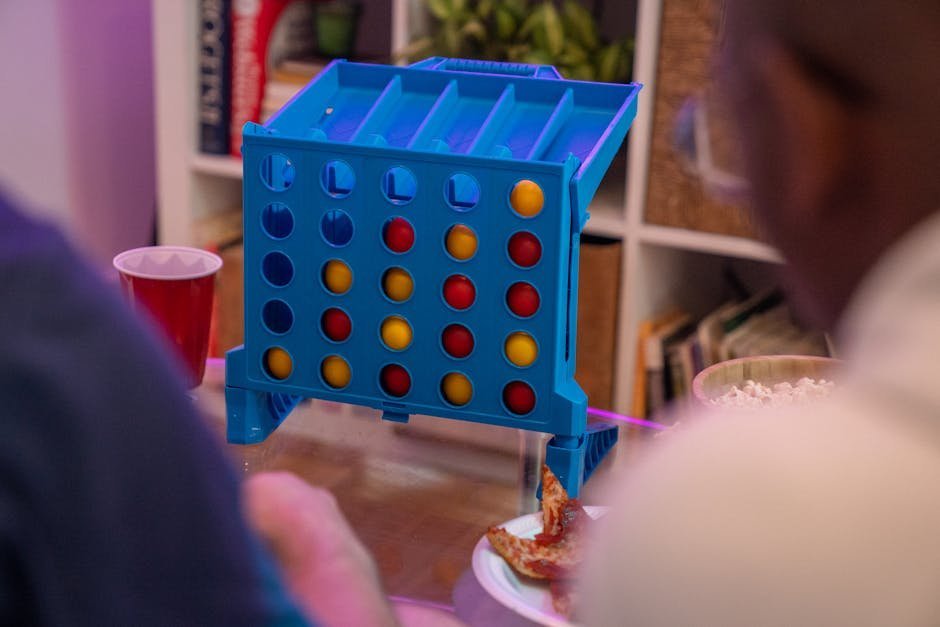
Connect 4 dropped in 1974. Columns filled toward four-in-a-rows. Gravity flipped expectations.
Strategic duels entertain crowds. Nostalgia for vertical wins grows. Sales in sets stay strong.[3] Spectators cheer comebacks. Simplicity hides depth.
Trouble
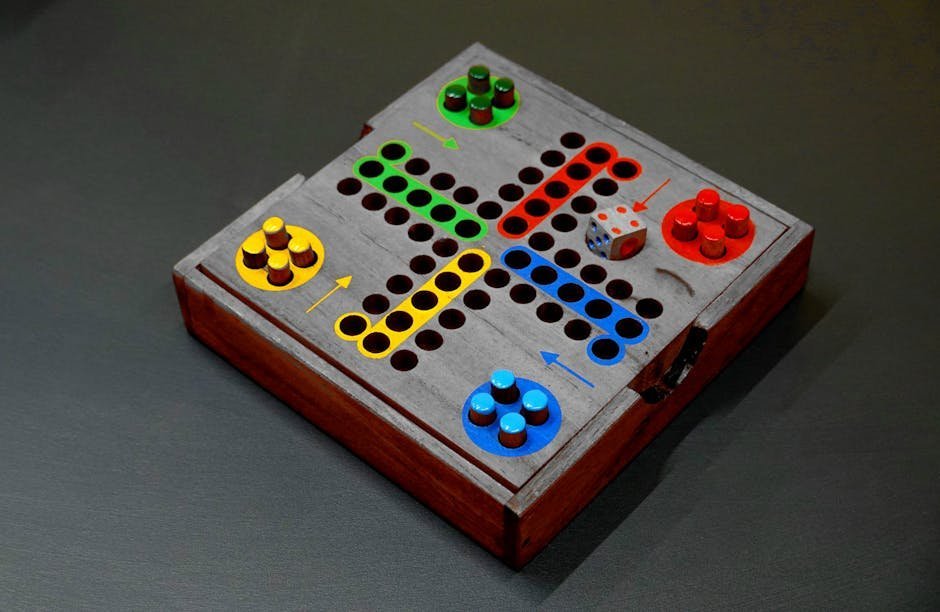
Trouble popped in 1965. Pop-O-Matic dice sped pawns home. Bumps thrilled rivals.
Holiday energy matches its pop. Retro boards draw repeat plays. Family packs sell well.
Luck keeps it fair for all. Excitement builds with each pop. It unites uneven skill levels.
The Retro Entertainment Revival
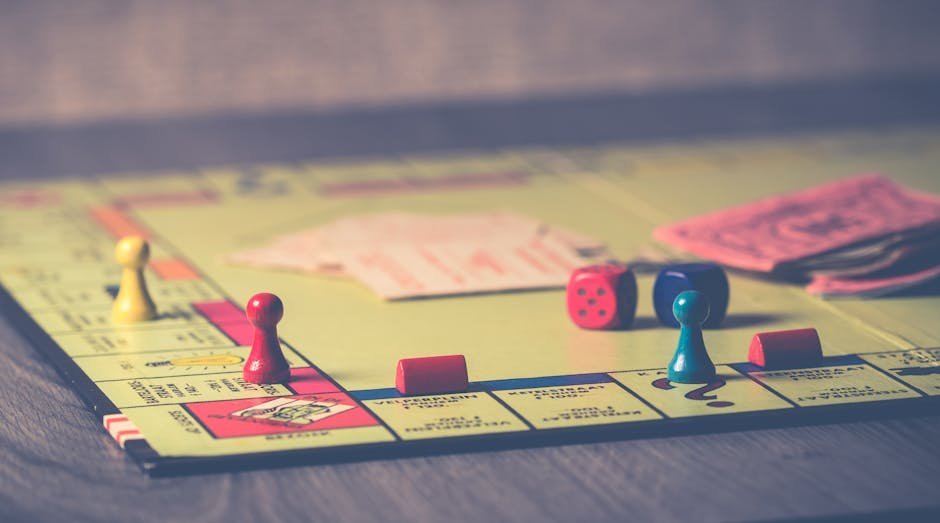
These games prove classics endure. Nostalgia meets modern needs for connection. Holiday tables fill with laughter again.
Screen fatigue amplifies their pull. Gen Z embraces analog joys.[11] Future gatherings may lean even more retro. Simple pieces create lasting memories.

- 12 Classic TV Shows With Shocking Behind-the-Scenes Dramas You Never Knew - September 10, 2026
- 10 Novels That Were Initially Dismissed, Only to Become Timeless Masterpieces - September 10, 2026
- The ’80s Were a Wild Ride of Style and Sound That Changed Everything - September 10, 2026

