

For any feedback please reach out to info@festivalinside.com
- 15 Forgotten TV Show Theme Songs That Are Still Incredibly Catchy - August 31, 2026
- Every Masterpiece Holds a Secret Story of Its Creation Within Its Depths. - August 31, 2026
- 10 Groundbreaking Scientific Discoveries That Revolutionized Daily Life - August 31, 2026
Music festivals have always mirrored the spirit of their times, turning muddy fields into stages for personal and cultural expression. What starts as practical attire for long days outdoors often evolves into bold statements that ripple through everyday wardrobes. Crowds at events like Woodstock or Coachella don’t just listen to music; they wear the era’s ideals on their sleeves, literally.
These gatherings spark trends that outlast the weekend, influencing high street shops and runway collections alike. From fringe to neon, festival looks capture rebellion, joy, and community in fabric form. They remind us how clothing becomes a badge of belonging.
The Hippie Revolution at Woodstock
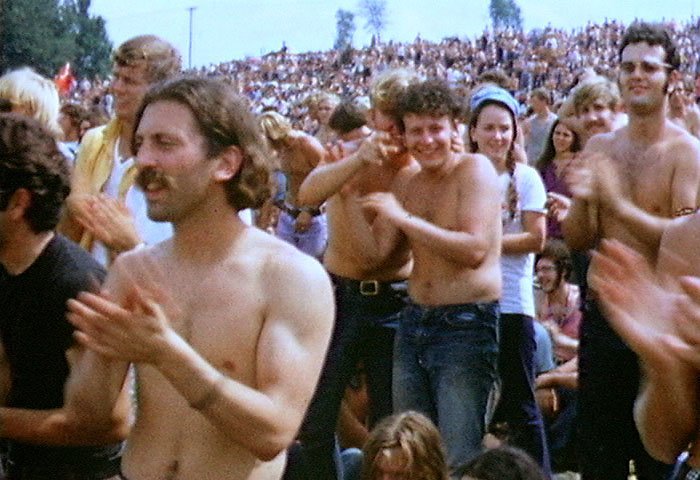
The late 1960s marked the rise of the hippie look, centered around Woodstock in 1969.[1] Attendees donned tie-dye shirts, bell-bottom pants, fringe jackets, and flowers tucked into long, flowing hair. Bare feet or simple sandals completed the free-spirited vibe, emphasizing comfort over convention.[2]
This style embodied the counterculture movement’s push against materialism, promoting peace and self-expression. It influenced global fashion, popularizing natural fabrics and handmade accessories. Woodstock’s visuals cemented hippie aesthetics as a symbol of youthful defiance for generations.[3]
Boho-Chic Flower Crowns at Coachella
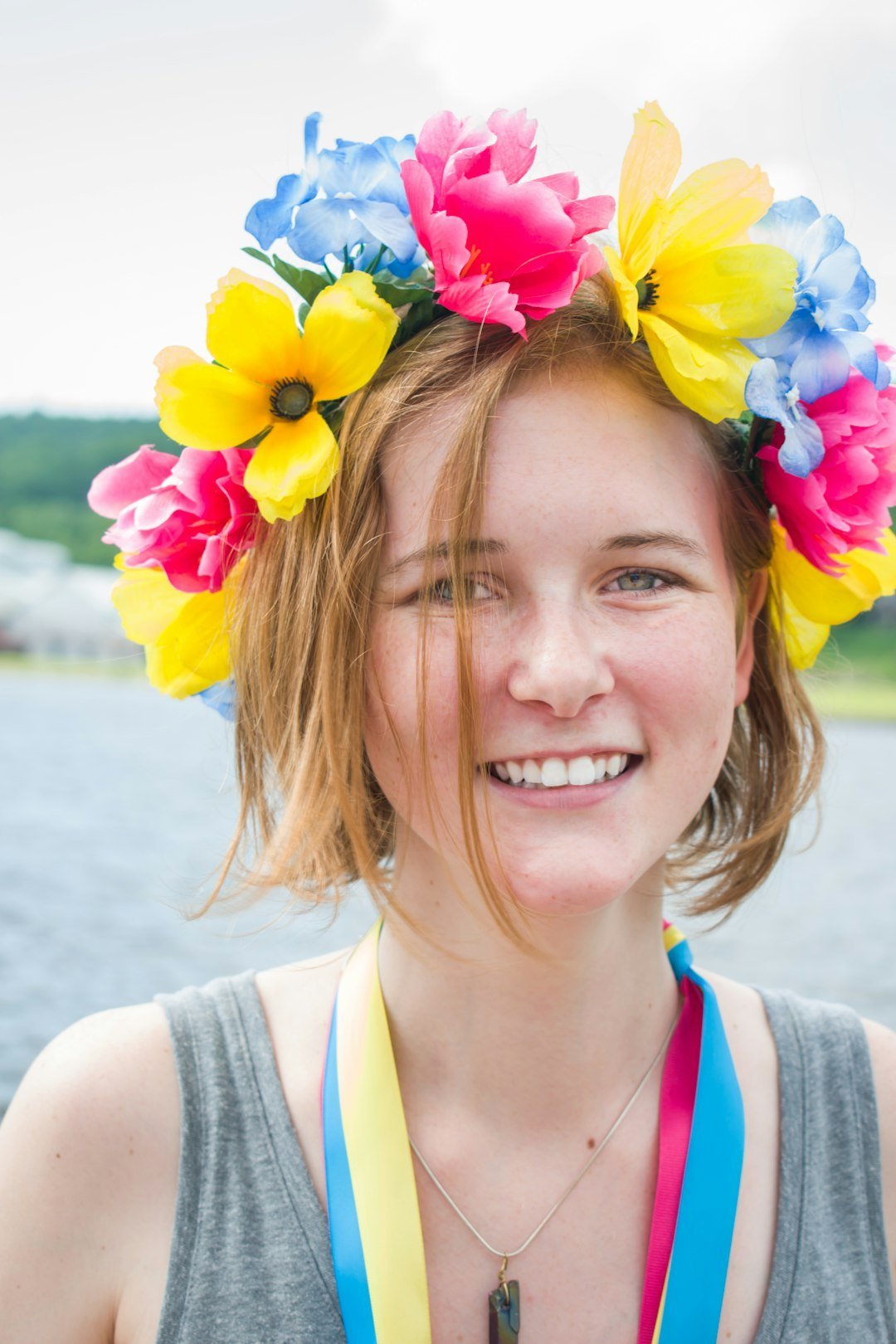
Coachella in the early 2010s popularized boho-chic, peaking around 2012 to 2015. Festival-goers layered flower crowns with fringe vests, crochet tops, and maxi dresses in earthy tones.[4] Denim cutoffs and ethnic prints added a nomadic flair, perfect for desert heat.
The trend blended 1970s revival with modern Instagram appeal, turning attendees into influencers. It boosted sales of bohemian pieces worldwide and shaped summer wardrobes. Coachella’s look highlighted festivals as fashion events, where style rivals the music lineup.[5]
Grunge Flannels and Oversized Tees in the 1990s
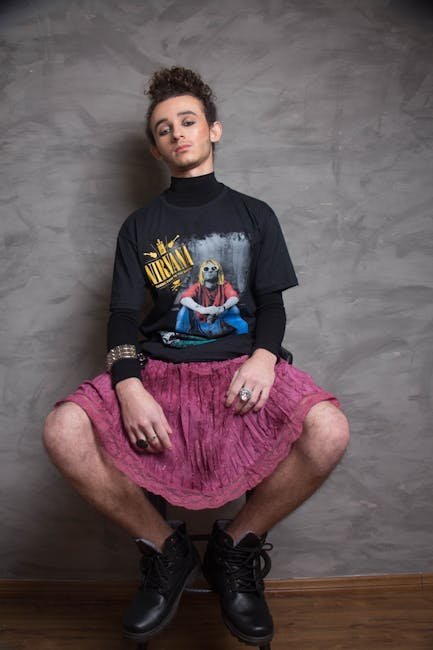
The 1990s grunge era shone at festivals like Lollapalooza, starting in 1991. Loose band t-shirts, plaid flannel shirts, ripped jeans, and combat boots defined the anti-fashion attitude.[6] Doc Martens and unkempt hair screamed rebellion against polished 1980s excess.
This practical, thrift-store style reflected Generation X’s disillusionment and DIY ethos. It crossed into mainstream fashion, with flannels becoming closet staples. Lollapalooza crowds proved comfort could be cool, influencing streetwear for years.[2]
Neon Rave Wear at EDM Festivals
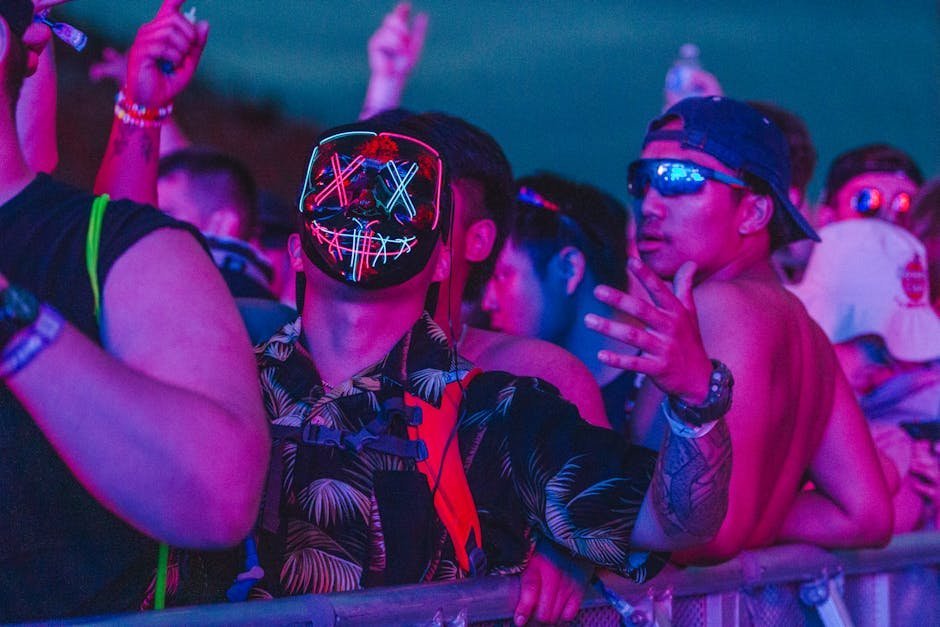
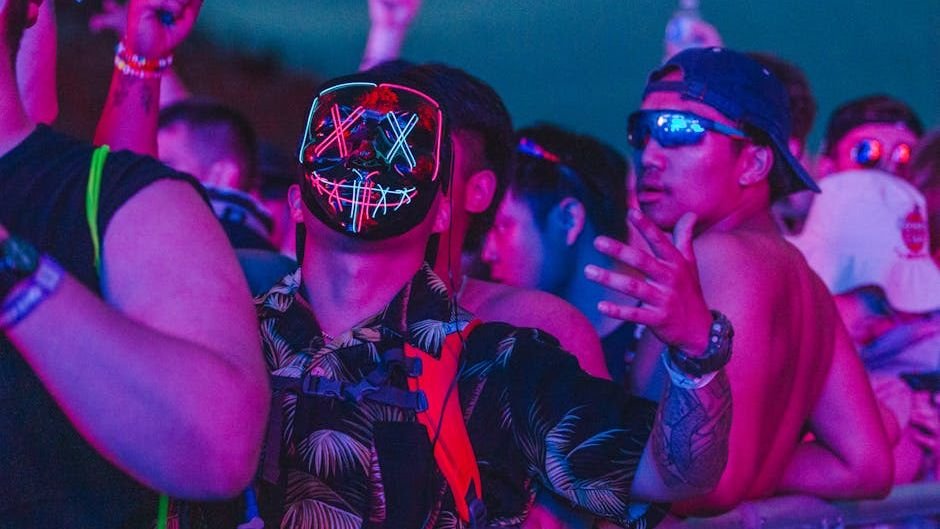
Late 1990s and 2000s electronic dance festivals like Electric Daisy Carnival introduced neon rave fashion. Glow sticks, body paint, glitter, fur leg warmers, and holographic prints lit up the night.[2] Crop tops and short shorts maximized movement under strobe lights.
The bold palette matched the high-energy beats, fostering a sense of ecstatic unity. Trends like kandi bracelets built community through traded accessories. EDC’s influence pushed rave elements into pop culture, from clubwear to festival staples.[7]
Fringe and Tie-Dye Psychedelics of the 1970s
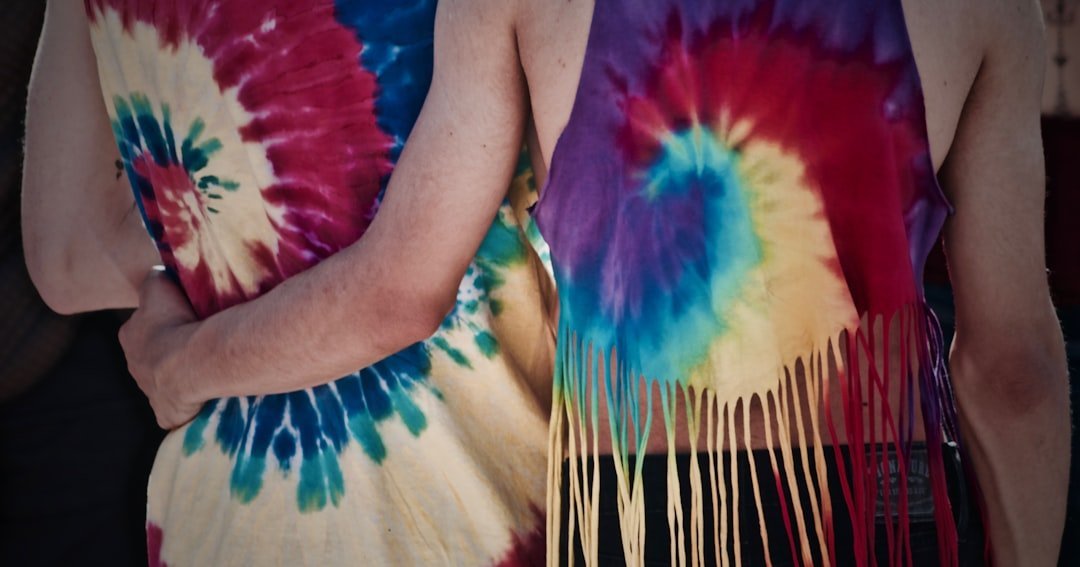
The 1970s saw psychedelic prints and fringe dominate at Glastonbury’s early years, from 1970 onward. Tie-dye tees, flowing maxi dresses, and leather vests captured post-Woodstock wanderlust.[8] Bright colors and screen-printed patterns evoked expanded consciousness.
These looks suited muddy British fields while echoing global hippie trails. They popularized craft techniques like macramé in everyday fashion. Glastonbury’s vibe made fringe a timeless festival essential.[9]
Radical Self-Expression at Burning Man
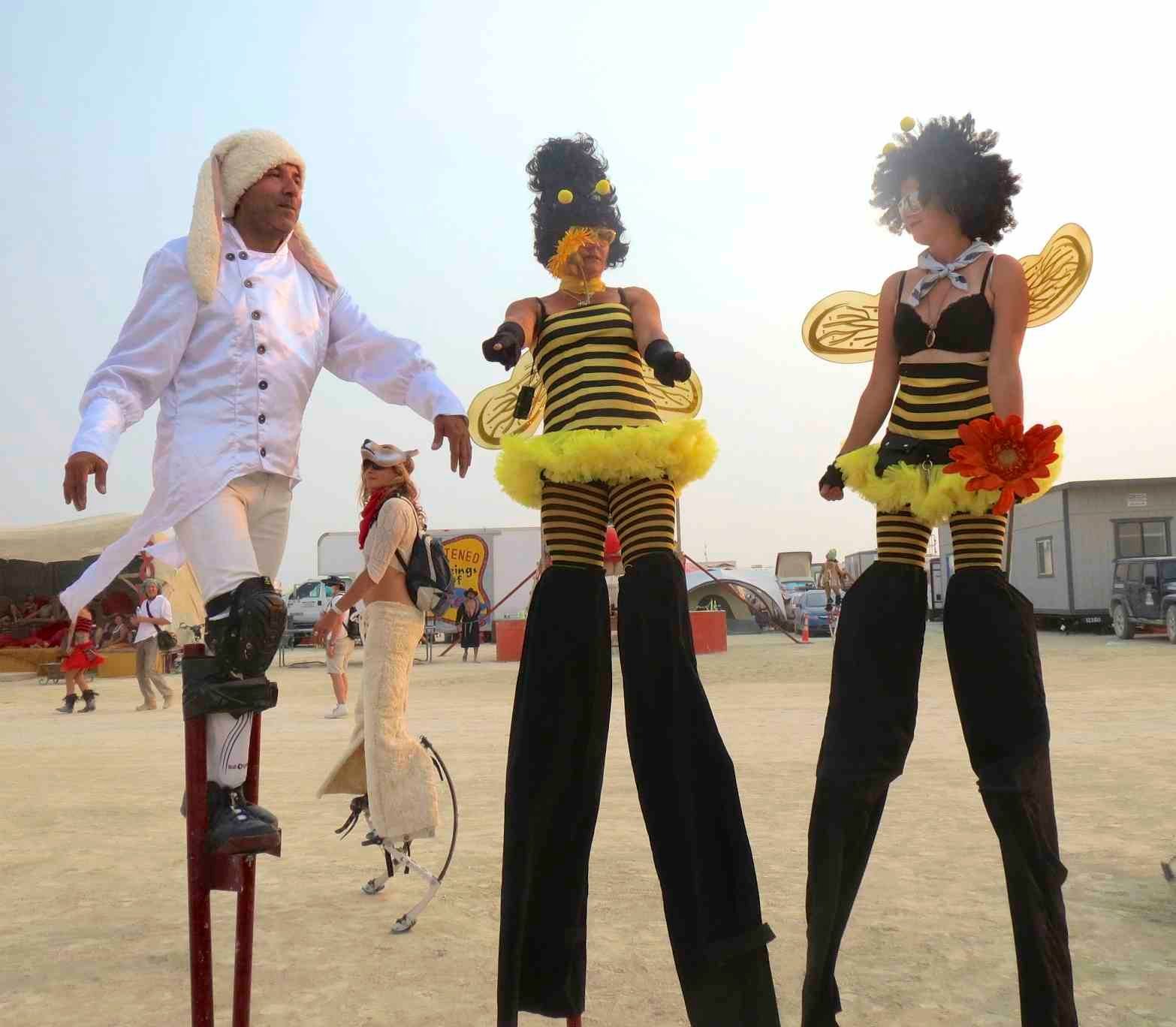
Burning Man, since the late 1980s in Nevada’s desert, championed outrageous, dust-ready costumes. Elaborate headdresses, body suits, goggles, and art-car inspired outfits defied norms.[10] Practical layers protected against alkaline dust while sparking creativity.
This trend prioritized themes like survival and spectacle, influencing avant-garde fashion. It encouraged handmade, interactive wear that blurred performer and audience lines. Burning Man’s ethos turned festivals into living art installations.[11]
Mud-Proof Wellies at Glastonbury
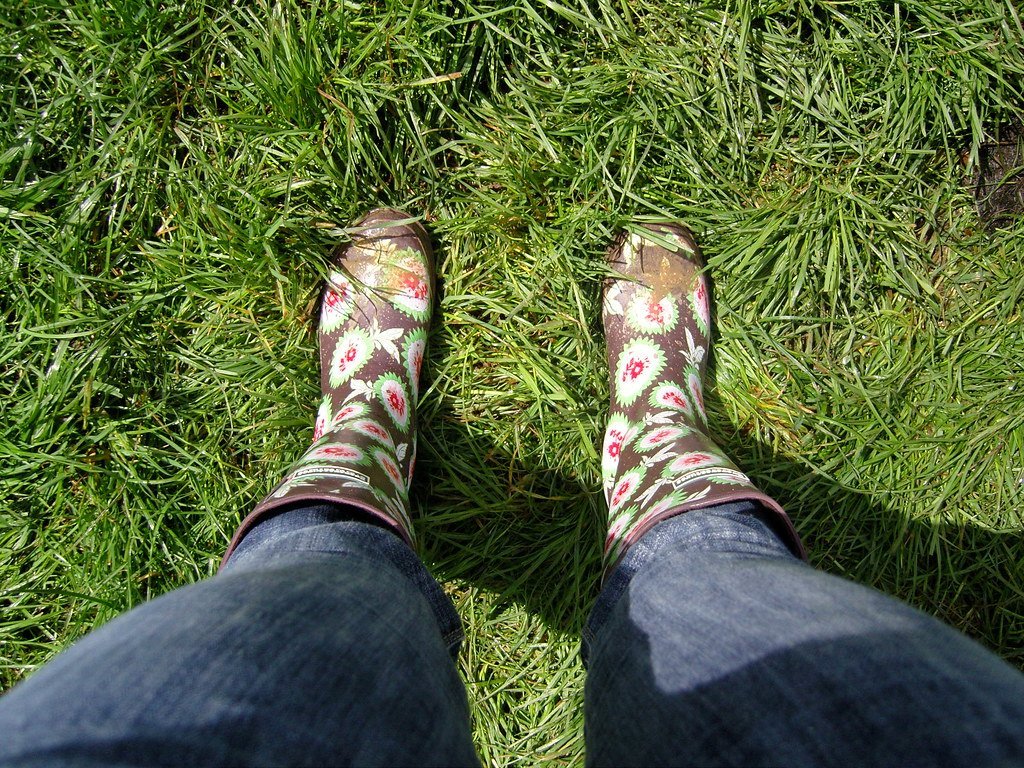
Glastonbury, evolving since 1970, made Hunter wellies iconic in the 2000s amid infamous rain. Paired with Barbour jackets, hoodies, and practical tees, they handled Worthy Farm’s mud.[12] Waterproof trousers and ponchos kept the party going.
The look balanced British resilience with subtle style, boosting boot sales globally. It showed festivals adapt fashion to environment without losing edge. Glastonbury’s wellies became a symbol of enduring festival spirit.[13]
Festival Fashion as Identity
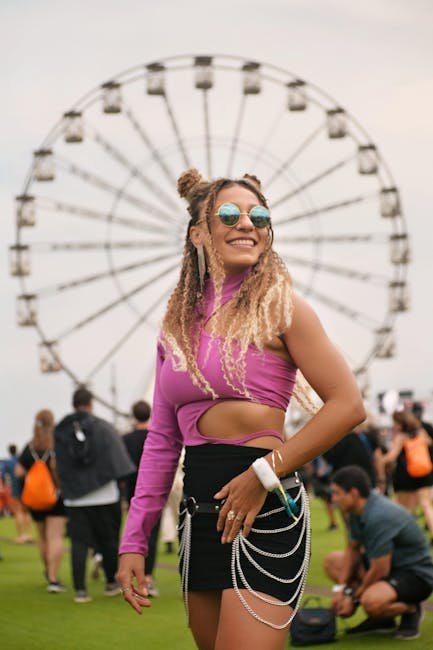
These trends reveal how festival attire weaves personal stories into collective narratives. What you wear signals tribe, era, and values, from peace symbols to neon glows. It transforms strangers into a sea of shared style.
Today, in 2026, echoes of fringe and flower crowns mix with fresh takes, proving festivals remain cultural mirrors. Ultimately, the outfits endure because they capture who we are when the music hits hardest.

Christian Wiedeck, all the way from Germany, loves music festivals, especially in the USA. His articles bring the excitement of these events to readers worldwide.
For any feedback please reach out to info@festivalinside.com
