
Film music has a unique way of embedding itself in our memories, often outlasting the movies themselves. It shapes emotions during viewing and lingers in everyday life, turning simple scenes into cultural touchstones.
Audiences connect deeply because these scores and songs amplify storytelling, evoke nostalgia, and even influence fashion or dance trends for years. They bridge generations, becoming anthems that play at weddings, parties, or quiet reflections.[1]
Saturday Night Fever (1977)
The Bee Gees dominated this soundtrack with disco hits like “Stayin’ Alive” and “Night Fever.” It captured the pulse of late-1970s New York nightlife. The album became one of the best-selling soundtracks ever, selling millions worldwide.[1]
Disco fever swept across clubs and streets, defining a generation’s love for dance and self-expression. Tracks still energize parties today, proving its timeless groove. The film’s raw energy paired perfectly with the music’s infectious rhythm.[2]
Purple Rain (1984)

Prince and the Revolution crafted this powerhouse album, featuring “When Doves Cry” and the title track. It marked Prince’s explosion into superstardom. Every instrument on key songs came from his hands, showcasing raw talent.[3]
The soundtrack blended funk, rock, and pop, influencing countless artists. It became a cultural milestone for bold performance and sensuality. Fans still celebrate it at concerts, a staple of ’80s rebellion.[4]
Dirty Dancing (1987)
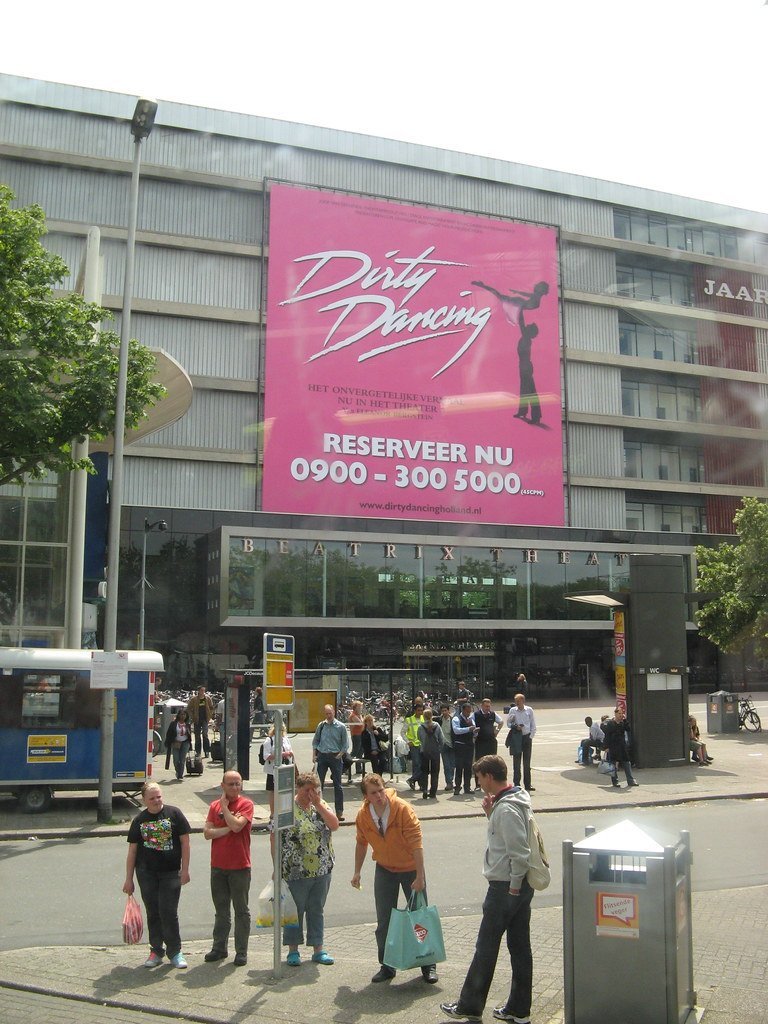
Various artists shone, but Bill Medley and Jennifer Warnes delivered “(I’ve Had) The Time of My Life.” The soundtrack topped charts for months, selling over 24 million copies. It mixed old standards with fresh pop.[1]
Summer romances and dance floors owe much to its joyful energy. The Oscar-winning hit became a wedding staple across decades. It captured youthful freedom, resonating long after the credits rolled.[2]
The Bodyguard (1992)
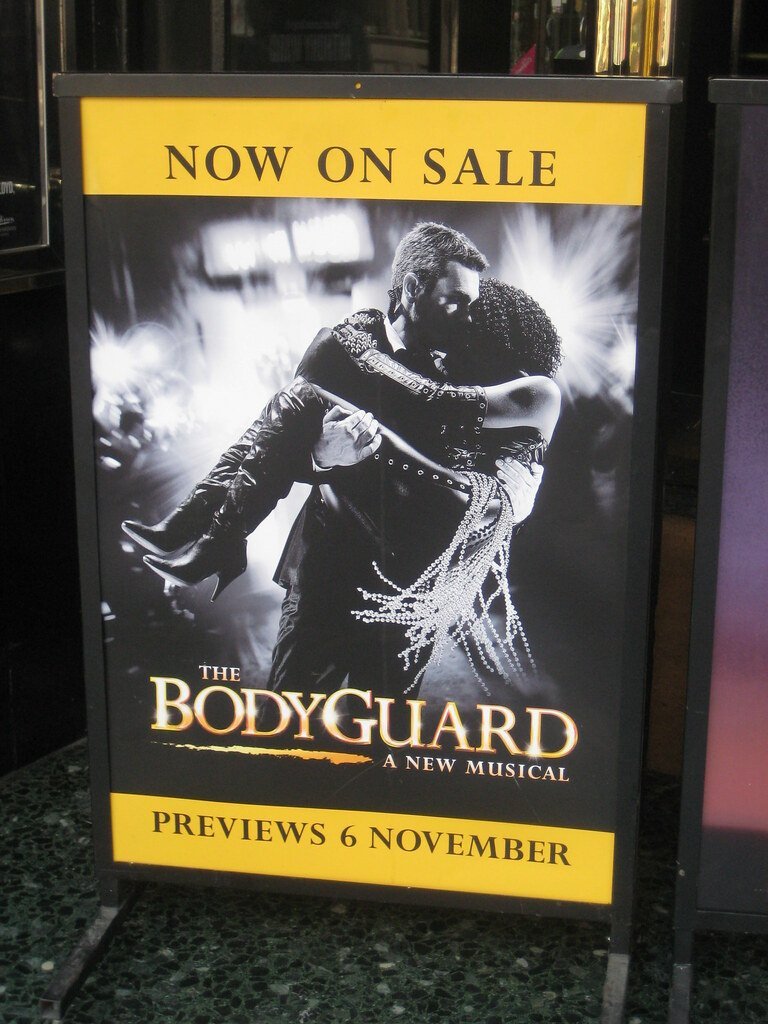
Whitney Houston’s vocals led with “I Will Always Love You,” backed by various producers. This 18-times-platinum release shattered sales records. Her key change became pop legend.[1]
It dominated airwaves, defining ’90s ballad romance. Houston’s power turned heartbreak into empowerment anthems. The songs still move crowds at live shows worldwide.[2]
Footloose (1984)
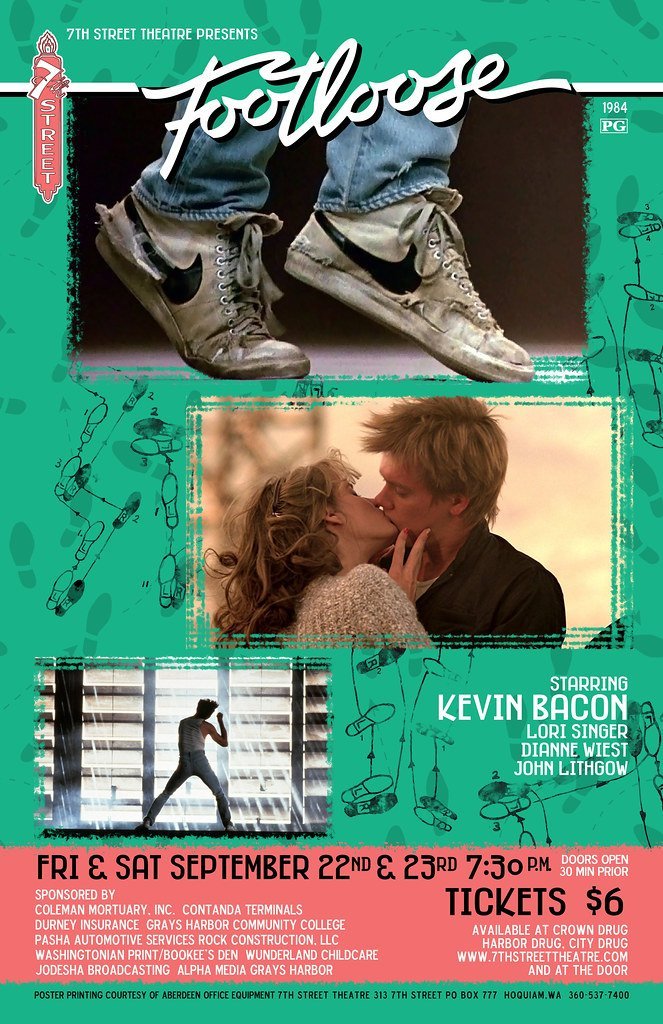
Kenny Loggins fronted hits like the title track, with AOR stars filling the rest. Seven songs charted on the Hot 100. It embodied ’80s synth-pop cheese.[1]
Rebellion against rules found its beat here, inspiring dance crazes. The music fueled teen defiance in small towns everywhere. Decades later, it pumps up workout playlists.[3]
Flashdance (1983)
Irene Cara’s “Flashdance… What a Feeling” anchored the album, produced by Giorgio Moroder. It won Oscars and Golden Globes. The soundtrack pulsed with ’80s energy.[2]
Dance workouts and ambition soared with its beats. It bridged pop and film, motivating dreamers. Tracks remain fitness favorites today.
Pulp Fiction (1994)
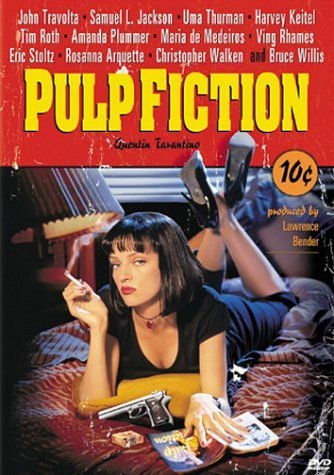
Quentin Tarantino curated ’60s and ’70s gems like “Misirlou.” Surf rock and soul mixed eccentrically. It launched forgotten tracks back to fame.[1]
The nonlinear vibe reshaped cool in the ’90s. Indie scenes gained mainstream traction. It still sets the tone for retro revivals.[4]
Guardians of the Galaxy (2014)
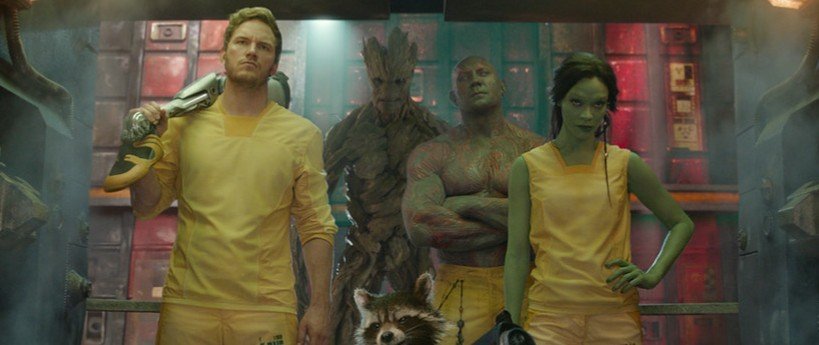
A mixtape of ’70s and ’80s obscurities, like “Hooked on a Feeling.” Curated for superhero flair. It turned B-sides into blockbusters.[1]
Retro pop infiltrated modern blockbusters. Families sing along across ages. The approach influenced countless films after.[5]
Grease (1978)
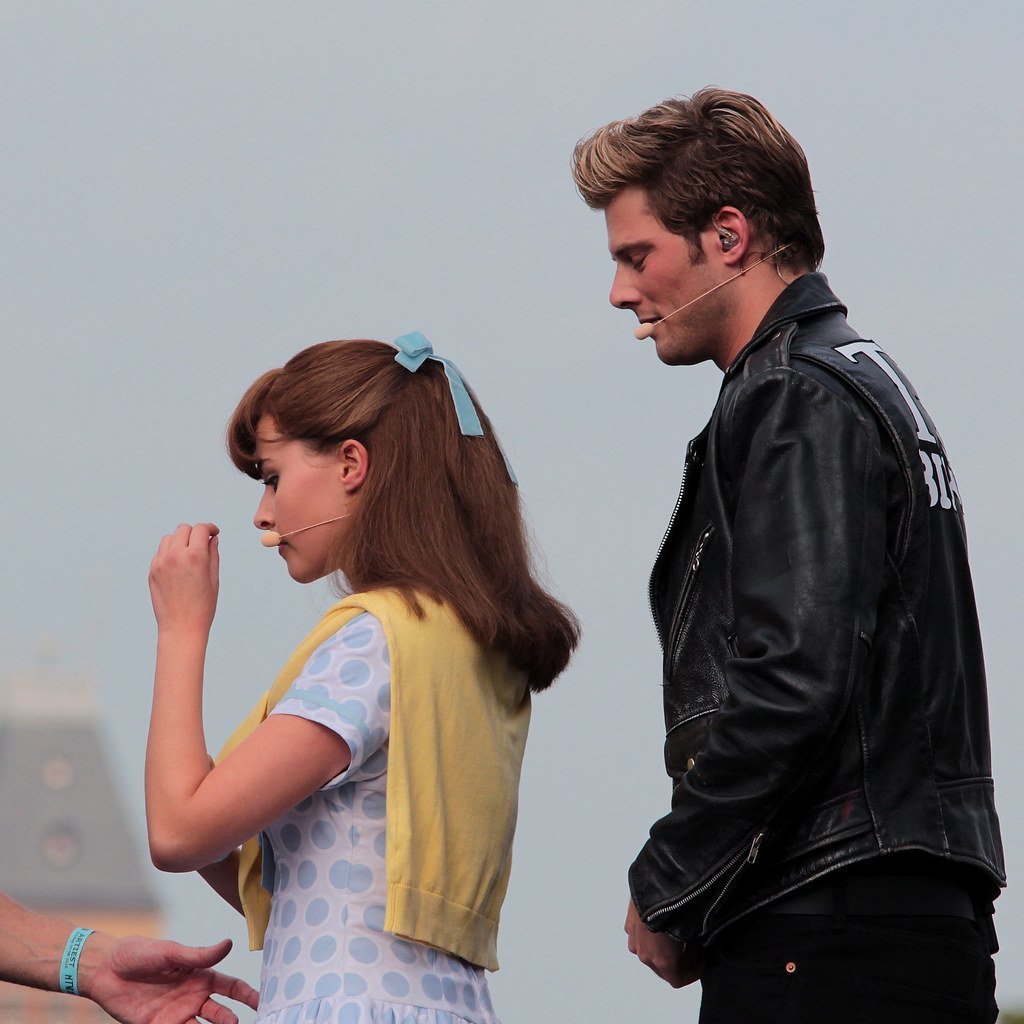
John Travolta and Olivia Newton-John led with “You’re the One That I Want.” It revived ’50s rock for new fans. The musical’s charm exploded commercially.[2]
Teen love and sock hops defined late ’70s fun. Songs fueled revivals and theater. Nostalgia keeps it spinning.
High school dances echo its swing. Generations grease up for fun.
Top Gun (1986)
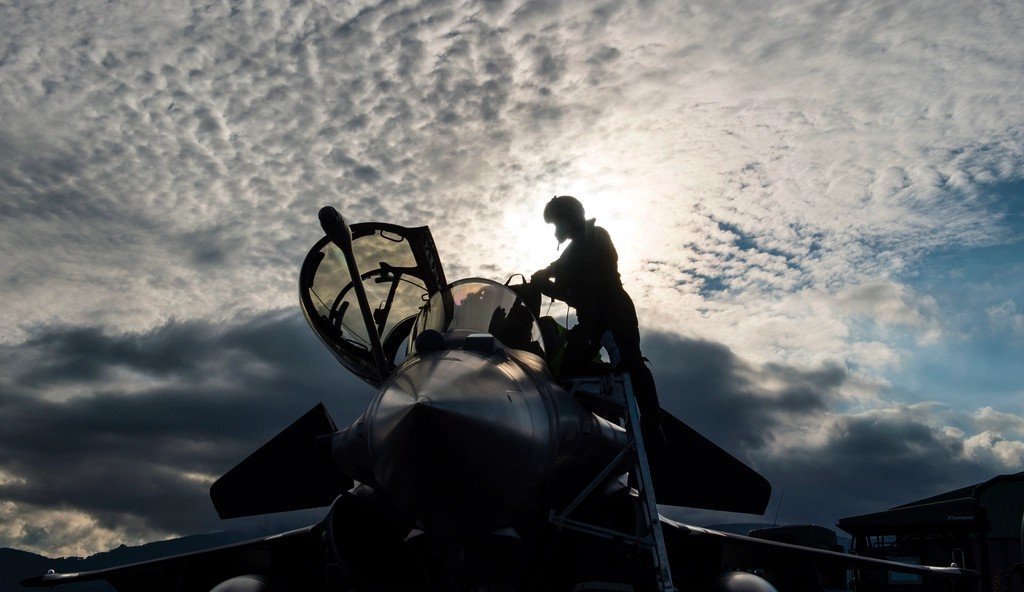
Kenny Loggins’ “Danger Zone” and Berlin’s “Take My Breath Away” ruled. Giorgio Moroder produced hits. It screamed ’80s excess.[1]
Fighter pilot swagger met power ballads. The Oscar winner became romance shorthand. It still scores adrenaline rushes.
Trainspotting (1996)
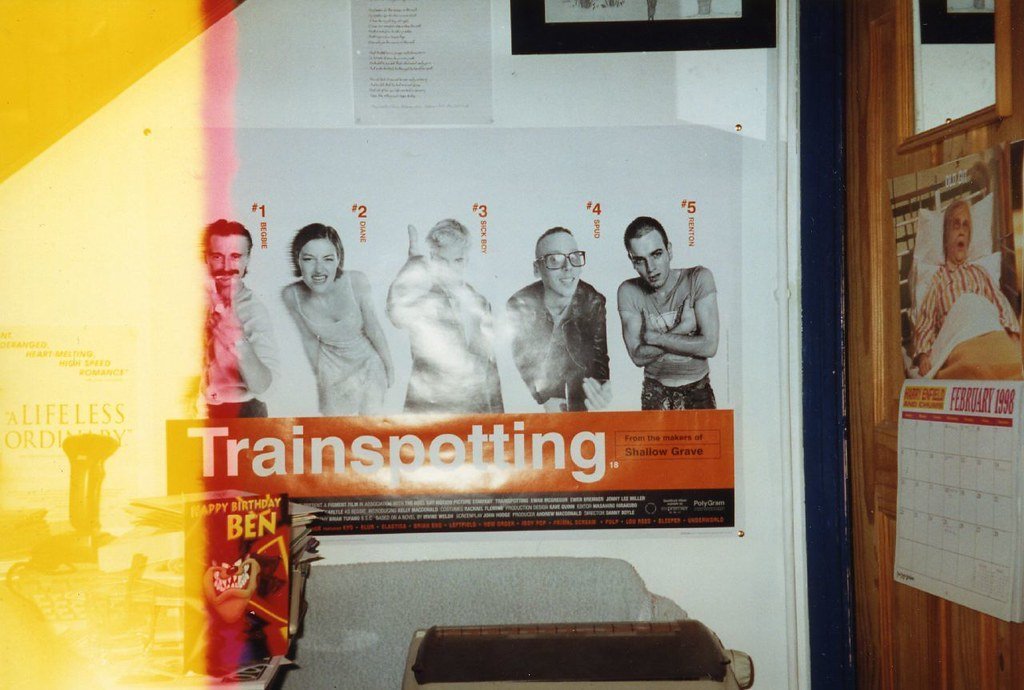
Various acts like Iggy Pop and Brian Eno clashed indie with club. It mirrored drug haze perfectly. Britpop optimism shone through.[4]
’90s youth culture found its gritty voice. The energy inspired lad flicks. Tracks pulse in underground scenes still.[3]
Titanic (1997)
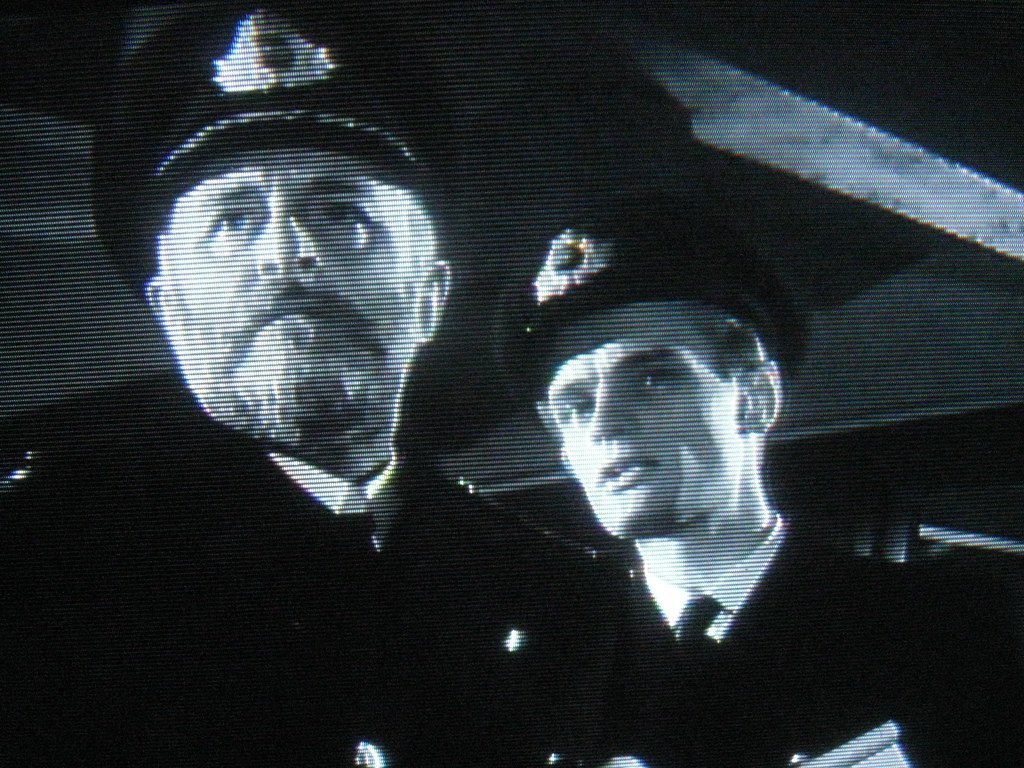
James Horner composed, with Celine Dion’s “My Heart Will Go On.” Epic orchestration met pop ballad. It swept global charts.[6]
Romance swelled to oceanic heights for millennials. The song marked ’90s heartbreak. Its melody endures in covers everywhere.
Star Wars (1977)
John Williams’ orchestral score birthed heroic themes. Brass fanfares announced adventure. It revived symphonic film music.[7]
Sci-fi epics gained epic sound. The Force theme unites fans decades on. Concerts sell out worldwide.
The Lasting Power of Cinematic Music
These soundtracks prove film’s tunes transcend screens, weaving into life’s fabric. They spark joy, nostalgia, or chills across eras.[1]
From disco floors to superhero battles, the right notes define moments. They remind us why stories stick, humming softly in memory long after the lights dim.

- 37 Songs From the ’60s and ’70s With Meanings No One Caught the First Time - August 31, 2026
- 12 Legendary Concert Venues That Witnessed Unforgettable Musical Moments - August 31, 2026
- 10 Iconic Speeches That Dramatically Shaped Modern History - August 31, 2026

