

- 15 Rock Anthems That Defined a Generation and Still Sound Amazing Today - August 11, 2026
- 12 Unforgettable Movie Quotes You Can Still Use in Everyday Conversation. - August 11, 2026
- 10 Music Festivals That Changed the World - August 11, 2026
Fashion moves in loops that span decades. Designers and shoppers alike draw from the past, reviving silhouettes that once defined entire eras. A recent study analyzing over 37,000 women’s fashion images since 1869 confirms this pattern, showing trends peak, fade, and resurface roughly every 20 years.[1][2]
These revivals feel fresh because they adapt to new contexts. What started as bold statements often returns toned down or layered into everyday wear. In 2026, runways and streets pulse with nostalgia from the 2000s, 2010s, and even earlier, blending old vibes with modern edge.[3]
Low-Rise Bootleg Jeans
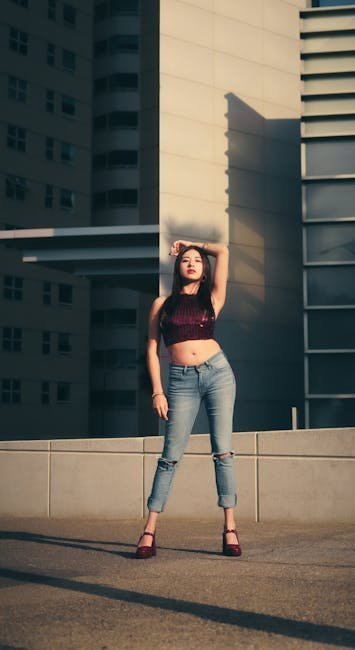
These jeans exploded in the early 2000s, hugging hips with daringly low waists and flaring out at the ankles. Think Madonna’s cowgirl phase or the Y2K obsession with exposing just enough midriff. They symbolized a playful rebellion against grunge’s looseness.[2]
Now in 2026, they’re storming back via bleached acid washes and dark indigos on runways and red carpets. Kendrick Lamar’s Super Bowl look sparked wider buzz, pairing them with everything from tees to blazers. Culturally, they tap Y2K nostalgia while fitting sustainability pushes toward versatile closet staples. Shoppers mix them with cropped tops for that familiar thrill, updated for today’s hybrid work lives.[2]
Skinny Jeans
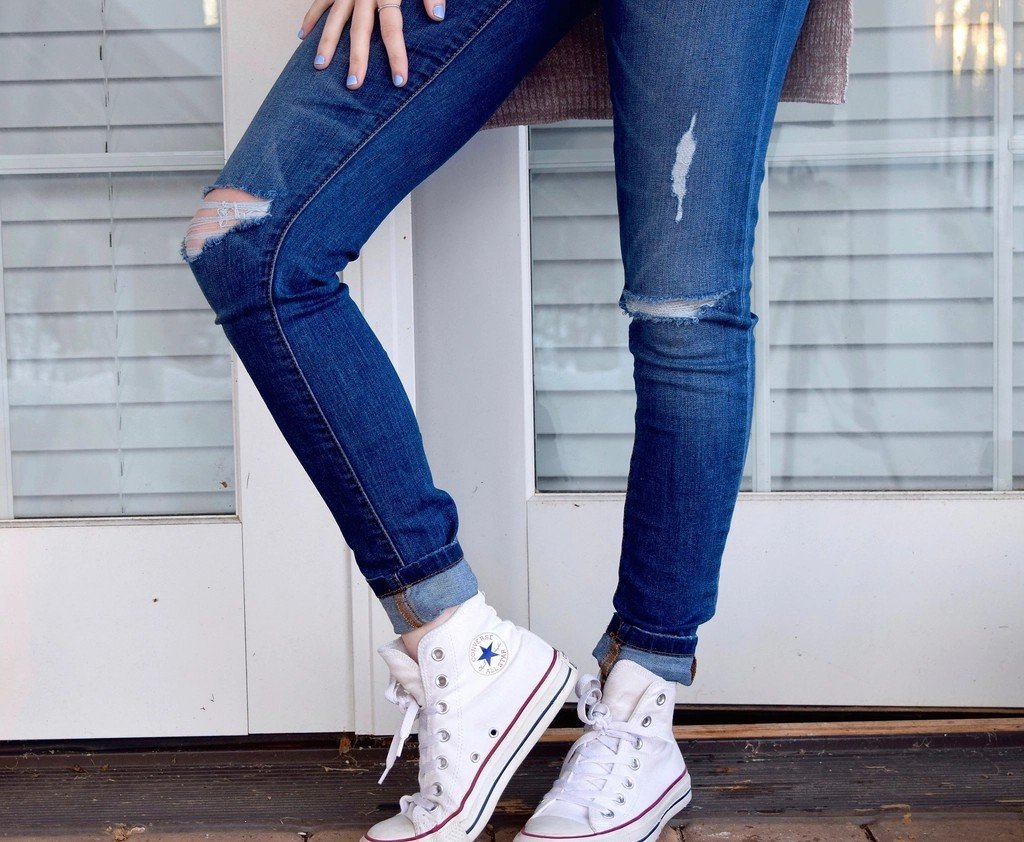
Skinny jeans ruled the mid-2010s, especially around 2016, when they paired seamlessly with ankle boots and ballet flats in city streets. They defined a sleek, urban uniform for millennials navigating early adulthood. Ripped pairs from brands like AG and Paige became wardrobe anchors.[3]
By 2026, they’re reclaiming runways with a vengeance, from NYFW collections to high-street revamps like Levi’s 724. Designers slim them down further or add subtle distressing for edge. This return nods to personal style archives, evoking pre-pandemic ease amid shape-shifting denim trends. They bridge nostalgia and practicality, slipping under boots or standing alone.[4][3]
Peplum tops peaked in the early 2010s millennial boom, cinching waists with ruffled hips for an hourglass effect. They screamed office femininity mixed with party flair, often in bold prints or sheers. Celebrities layered them over pencil skirts, turning boardrooms into style statements.
At NYFW fall 2026, Tory Burch and Proenza Schouler dusted them off with peplum details on column dresses and jackets. The vibe feels luxe now, less flashy than before. Culturally, they reflect a craving for structured joy post-minimalism, empowering wearers in tailored athleisure eras. Pair one with wide-leg pants for balanced proportions today.[4]
Statement Necklaces
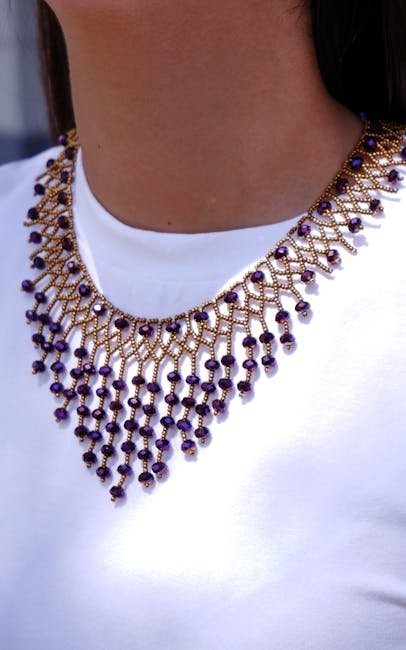
These oversized, chunky pieces dominated 2010s accessories, layering drama over simple tees or dresses. Millennials stacked them for that instant outfit upgrade, channeling hipster edge and red-carpet glam. They turned basics into bold declarations.
NYFW 2026 runways revived them alongside rhinestone versions, spotlighted by brands like Coach. Now they mix with slim scarves for texture play. The cultural pull lies in escaping quiet luxury, adding personality to neutral palettes. They’re perfect for elevating jeans in uncertain times, a nod to confident self-expression.[4]
V-Neck Jumpers
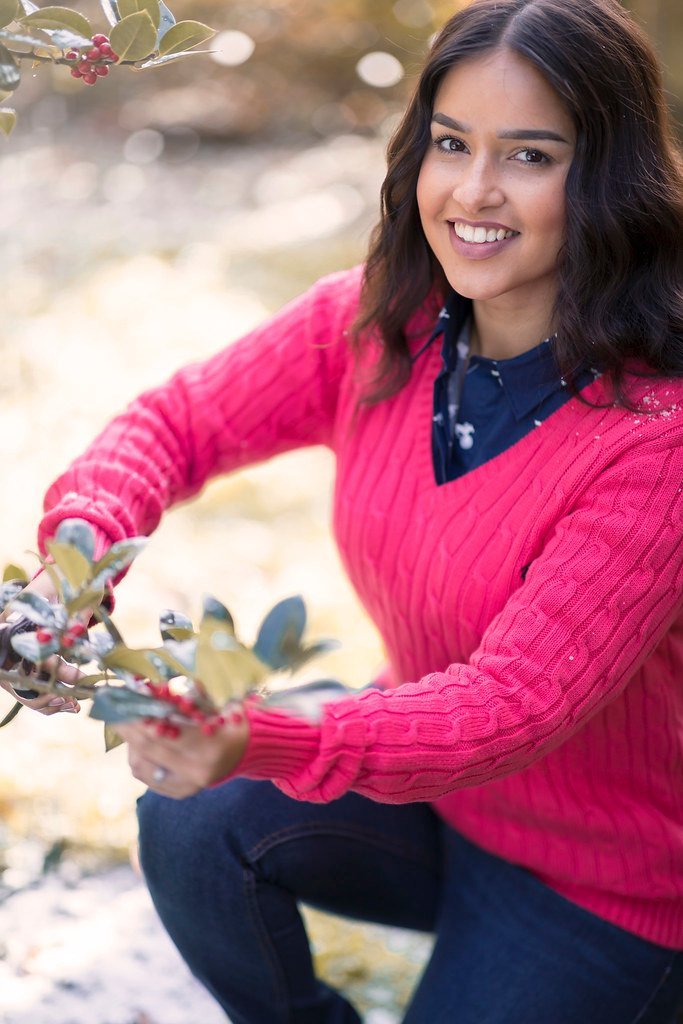
V-neck jumpers echoed 1990s minimalism, layering smoothly over shirts for polished casual looks. They favored clean lines and deep necks, a staple in wardrobes craving versatility. Crew necks overshadowed them later, but their elegance lingered.
In 2026, they’re cementing a comeback, styled solo or with turtlenecks beneath. Brands like COS offer wool versions with subtle ribbing for luxe feel. This revival counters maximalist shifts, grounding outfits in timeless knits. They suit transitional weather, blending nostalgia with everyday reliability.[2]
Baker Boy Hats
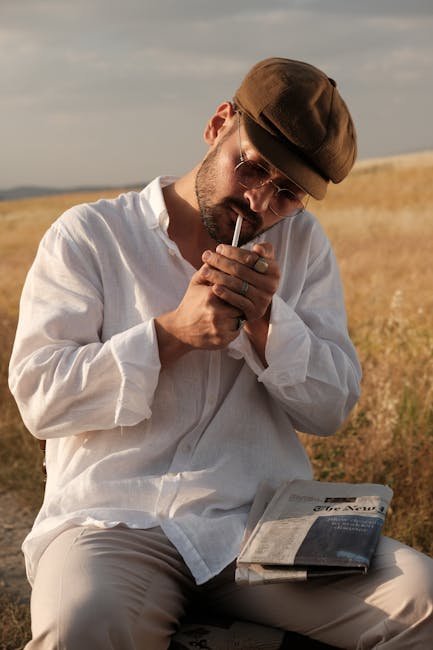
Y2K kids topped outfits with these newsboy-style caps around 2003, as seen in films like Love Actually. They added streetwise charm to low-rise eras, often in wool or prints. Gen Z later sidelined them for beanies.
Spring 2026 marks their second wave, with paisley and corduroy options from Mango and Prada. Festive rewatches fueled the spark. Culturally, they channel indie sleaze playfulness, topping retro denim effortlessly. Wear one tilted for that effortless cool in cooler months.[2]
80s Maximalism
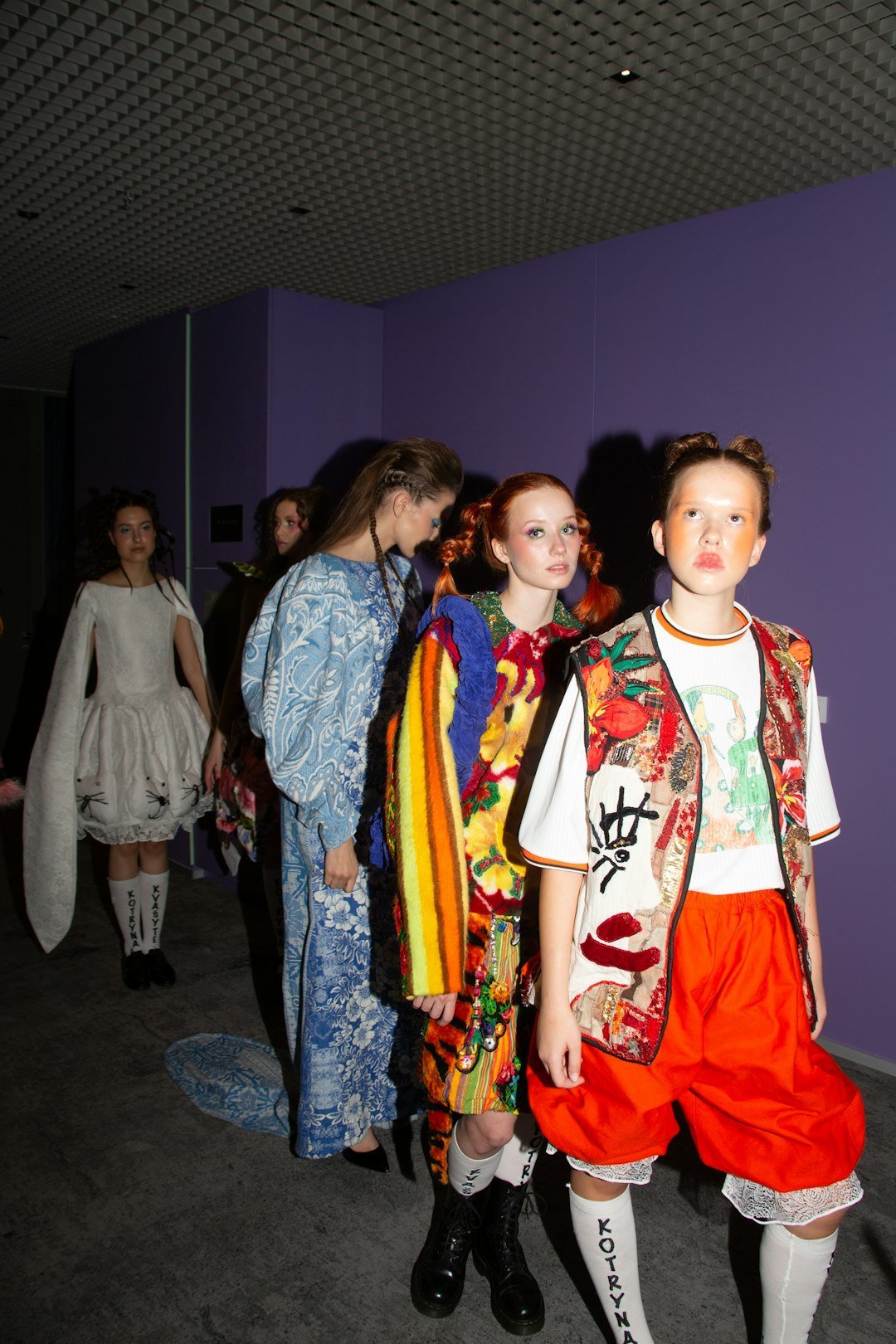
The 1980s embraced excess with shoulder pads, power suits, and tartan clashes. Pussy-bow blouses and bold colors defined ambition. Minimalism buried it for years.
Pinterest flagged it for 2026, with Saint Laurent runways leading via frothy dresses and earrings. Red carpets amplify the more-is-more ethos. It counters recent quiet luxury, celebrating bold identities in fragmented style landscapes. Layer tartan with metallics for power dressing refreshed.[2]
Why Styles Cycle Back
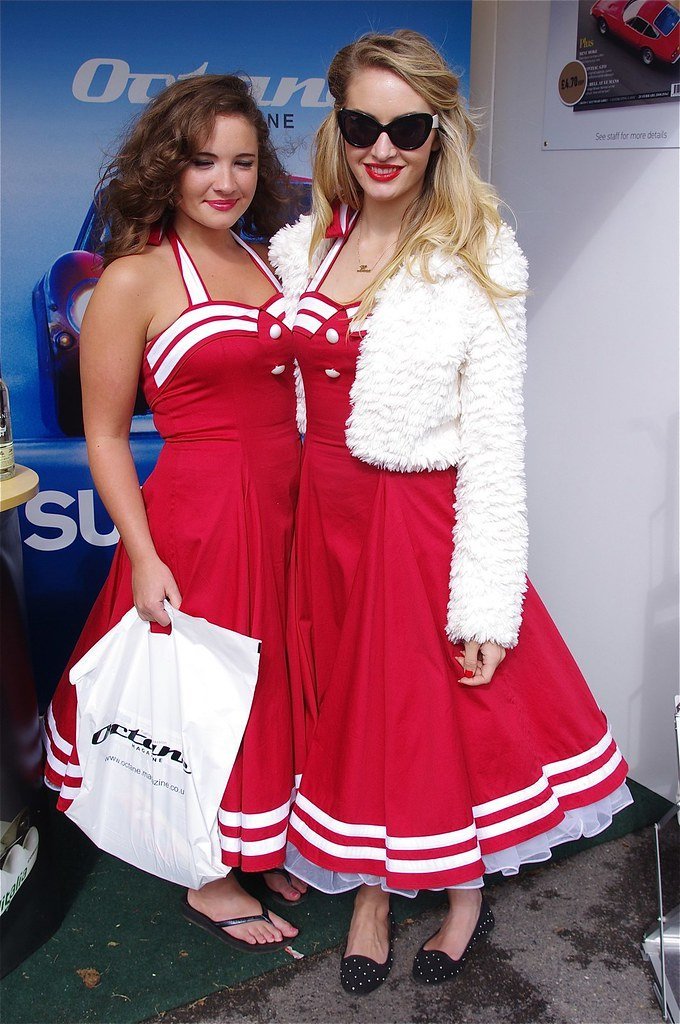
Revivals stem from a balance of novelty and familiarity. People crave distinction from recent trends yet comfort in the known, per mathematical models of fashion data.[1] Nostalgia hits during uncertain times, like economic shifts prompting 2016 throwbacks.
Platforms amplify this, resurfacing old photos and fueling demand. Sustainability plays in too, favoring durable revamps over fast fashion. Ultimately, these loops remind us style evolves but roots run deep, inviting personal reinvention each turn.[3]
CEO-Co-Founder
