

- Iconic Cultural Moments Are Not Planned; They Simply Erupt and Resonate. - August 31, 2026
- 10 Classic TV Commercials That Are More Memorable Than the Products They Sold - August 31, 2026
- The Echoes of Past Eras Resurface in Our Modern World in Surprising Ways. - August 30, 2026
Musical theater started as light revues and operettas, but over time, creators pushed boundaries with deeper stories and tighter integration of song, dance, and dialogue. Shows began tackling real social issues, blending genres, and redefining what a musical could say about the world. These shifts turned fluffy entertainment into a powerful art form.
From racial integration to rock scores and concept-driven narratives, innovations built on each other across decades. Each breakthrough expanded the stage’s possibilities, influencing everything from choreography to casting. The results reshaped Broadway into the diverse powerhouse it remains today.[1]
Show Boat (1927)
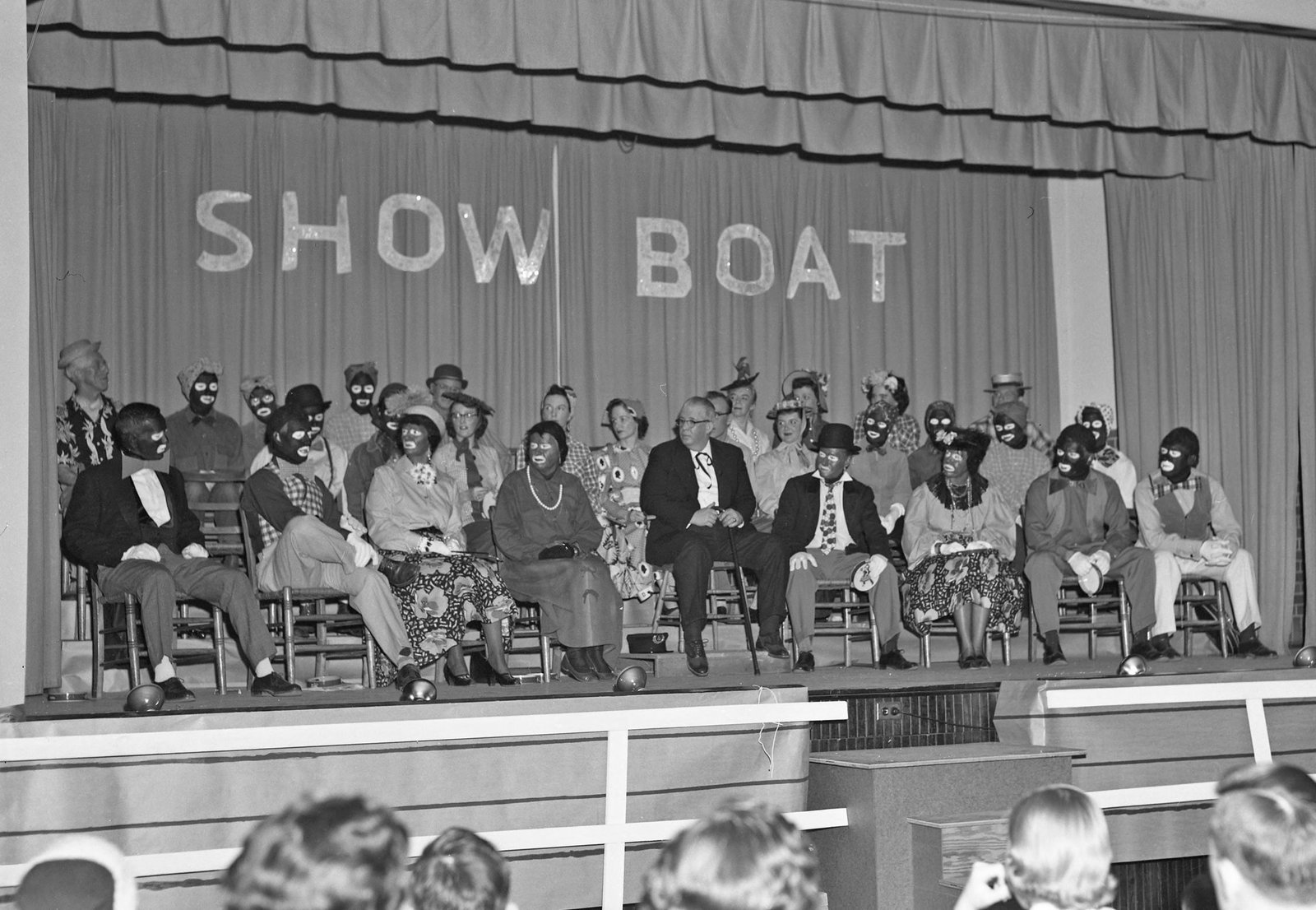
Show Boat premiered on Broadway in 1927, marking a sharp turn from escapist revues toward serious drama. Jerome Kern and Oscar Hammerstein II wove music directly into the plot, exploring racism, miscegenation, and river life with depth rarely seen before. The show featured the first integrated cast of Black and white performers sharing the stage meaningfully.[2][1]
Songs like “Ol’ Man River” became cultural touchstones, carrying emotional weight beyond mere entertainment. Its structure influenced the “integrated musical” model that Rodgers and Hammerstein perfected later. Decades on, revivals highlight its role in addressing America’s racial divides head-on.[2]
Oklahoma! (1943)
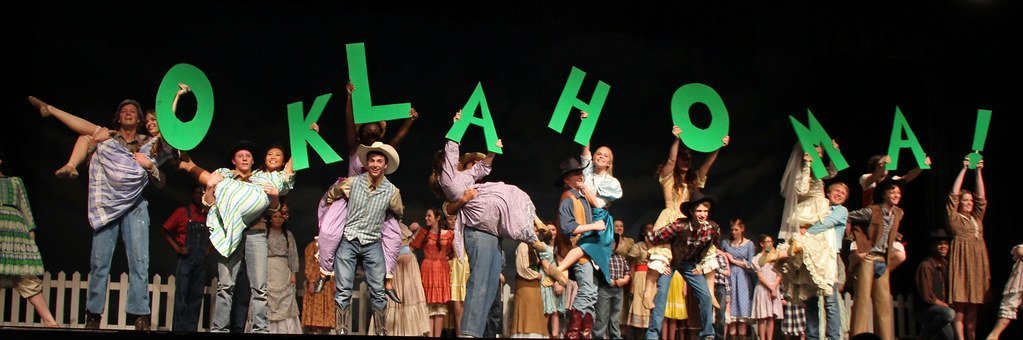
Oklahoma! opened in 1943, fully integrating book, music, lyrics, and dance into one seamless narrative. Richard Rodgers and Oscar Hammerstein II ditched standalone numbers for songs that advanced the story or revealed character psyches. Agnes de Mille’s dream ballet sequence used choreography to delve into subconscious tensions, a bold new tool.[1]
The show ran over 2,200 performances, proving audiences craved substance over spectacle. It set the gold standard for the “book musical,” echoed in countless hits since. Even now, its template guides how musicals blend elements for emotional impact.[2]
West Side Story (1957)
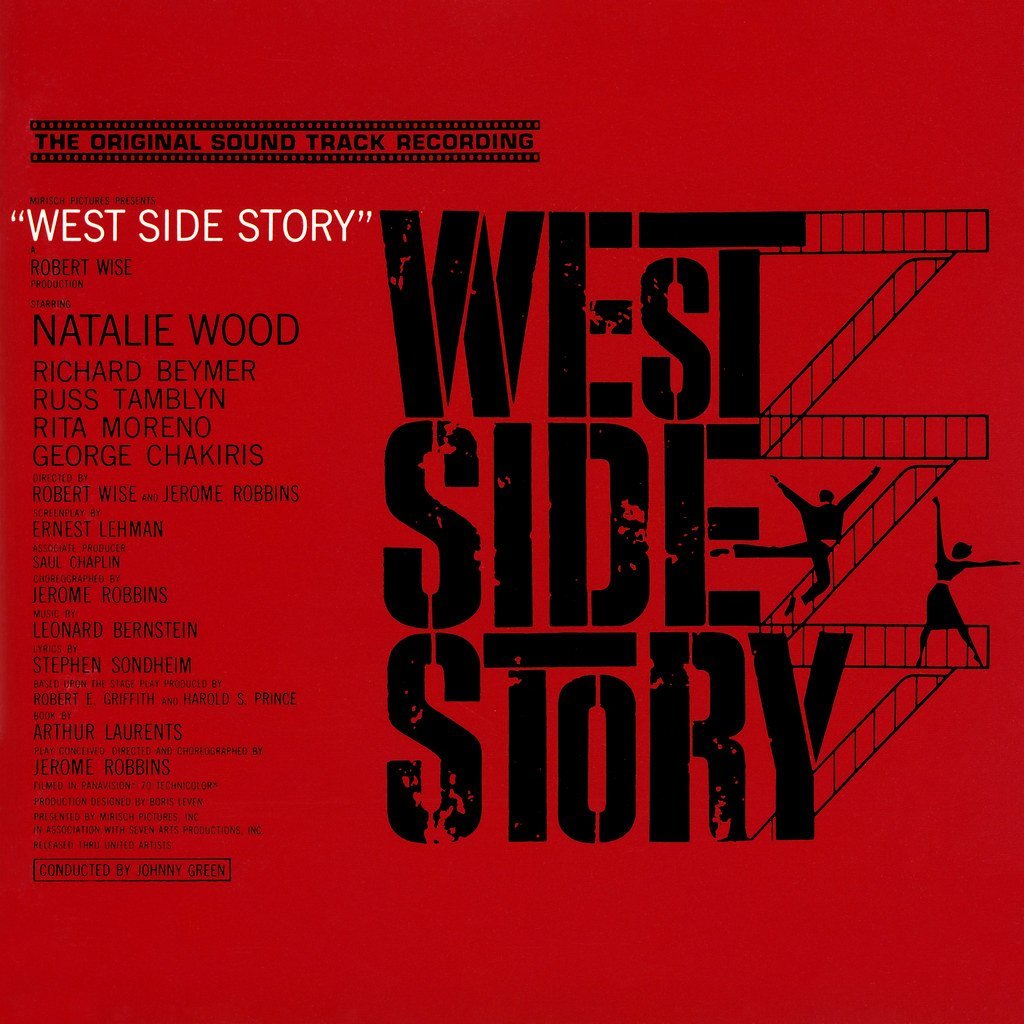
West Side Story hit Broadway in 1957, reimagining Romeo and Juliet amid gang rivalries with groundbreaking dance. Jerome Robbins elevated choreography to equal book and score, using movement to convey rage, romance, and tragedy without words. Leonard Bernstein’s score fused jazz, Latin rhythms, and classical elements for raw urban energy.[1]
The “Somewhere” ballet captured impossible dreams through fluid, athletic steps. Its tackling of ethnic tensions and violence resonated deeply. Productions worldwide still draw on its dance-driven storytelling, proving physicality’s power in musicals.[2]
Fiddler on the Roof (1964)
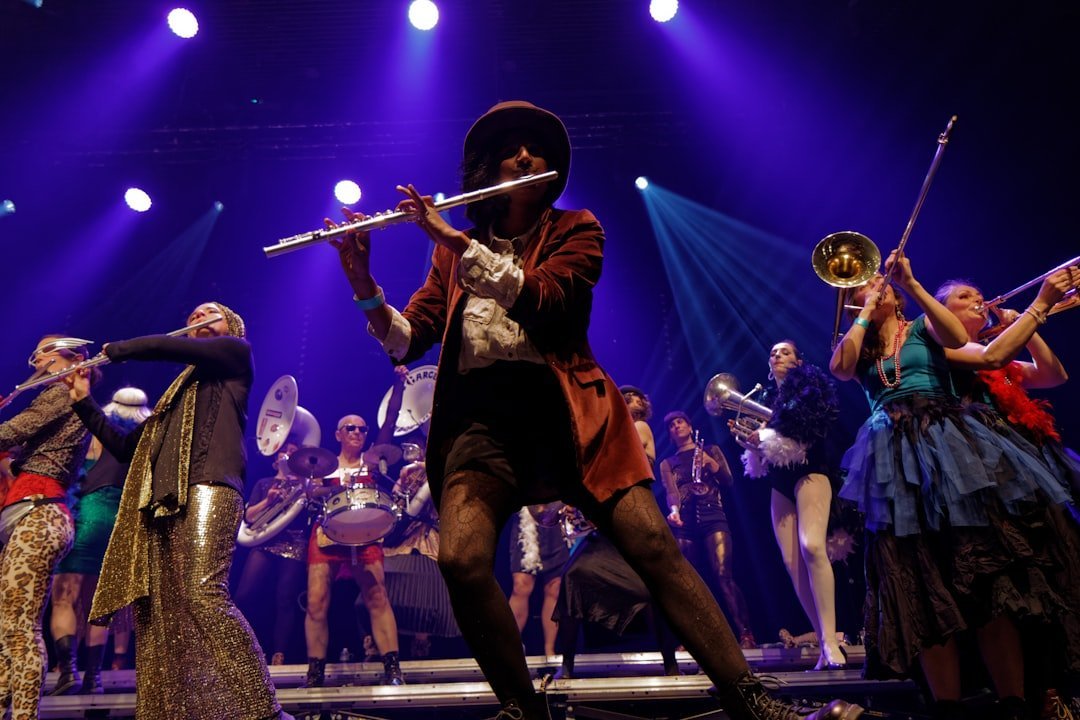
Fiddler on the Roof debuted in 1964, the first musical to top 3,000 performances. It portrayed Jewish immigrant life in Russia, blending humor, tradition, and heartbreak with authenticity. The bottle dance wowed crowds, symbolizing cultural rituals amid upheaval.[1]
Songs like “Tradition” framed generational clashes vividly. The show expanded representation beyond mainstream tales, opening doors for diverse voices. Its themes of change and heritage echo in today’s culturally rich productions.
Cabaret (1966)
Cabaret arrived in 1966, pioneering the “concept musical” with a nightclub framing the rise of Nazism. Kander and Ebb used songs for ironic commentary, not just plot propulsion. The Emcee character broke the fourth wall, blending vaudeville with dark reality.[1]
“Willkommen” set a sinister tone right away. It shifted focus from linear stories to overarching metaphors. Revivals keep its Brechtian edge sharp, influencing edgier, thematic works ever since.[2]
Hair (1968)
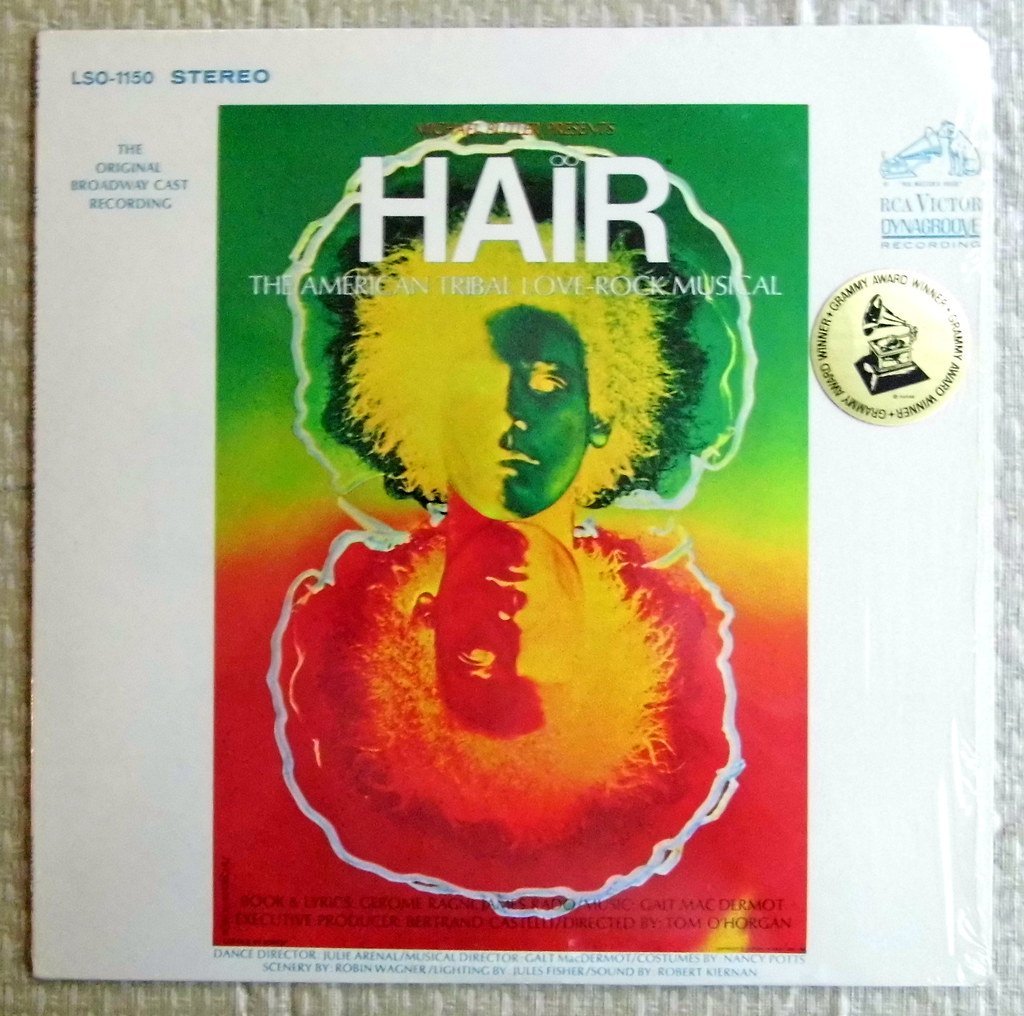
Hair premiered off-Broadway in 1967 before Broadway in 1968, launching the rock musical era. Its score captured hippie counterculture, protesting Vietnam, racism, and sexual norms with electric guitars and drums. Nudity and audience interaction shattered taboos, making theater visceral and immediate.[1]
“Aquarius” became an anthem for free love and peace. The show mirrored societal upheavals, pulling musicals into contemporary relevance. Its raw energy paved the way for pop and rock scores in mainstream hits.
Company (1970)

Company opened in 1970, Stephen Sondheim’s first with director Harold Prince, embracing the concept musical fully. Instead of a straight plot, it probed marriage through vignettes around bachelor Robert. Witty, fragmented songs dissected relationships with psychological insight.[1]
“Being Alive” crystallized the theme’s complexity. It defied Rodgers and Hammerstein’s unity for thematic exploration. Sondheim’s influence lingers in introspective, adult musicals today.[2]
A Chorus Line (1975)
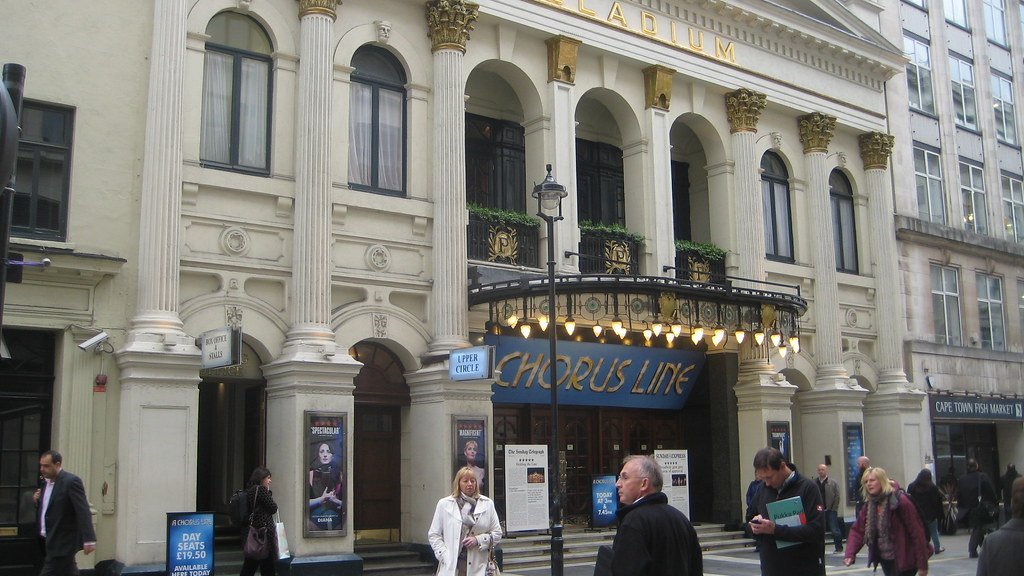
A Chorus Line launched in 1975, stripping Broadway bare with dancers auditioning on a stark stage. Michael Bennett drew from real interviews, turning backstage struggles into raw monologues and songs. “What I Did for Love” captured performers’ sacrifices poignantly.[1]
It ran over 6,000 performances, humanizing the ensemble. The minimalist approach highlighted vulnerability over glamour. Its legacy shapes actor-driven stories in intimate venues.
Rent (1996)
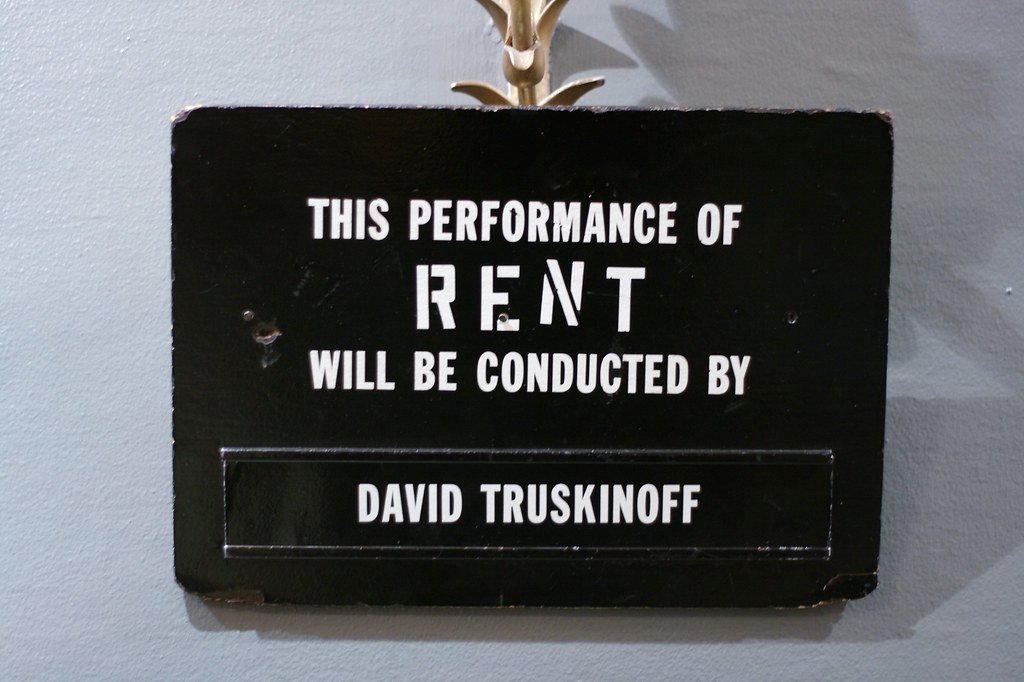
Rent burst onto Broadway in 1996, updating La Bohème for East Village artists amid the AIDS crisis. Jonathan Larson’s rock score pulsed with urgency, featuring diverse queer and bohemian lives. “Seasons of Love” measured life in moments, striking a universal chord.[1]
It proved musicals could tackle HIV stigma head-on. The show’s energy revived relevance for younger crowds. Tours and revivals sustain its call for no day but today.
Hamilton (2015)
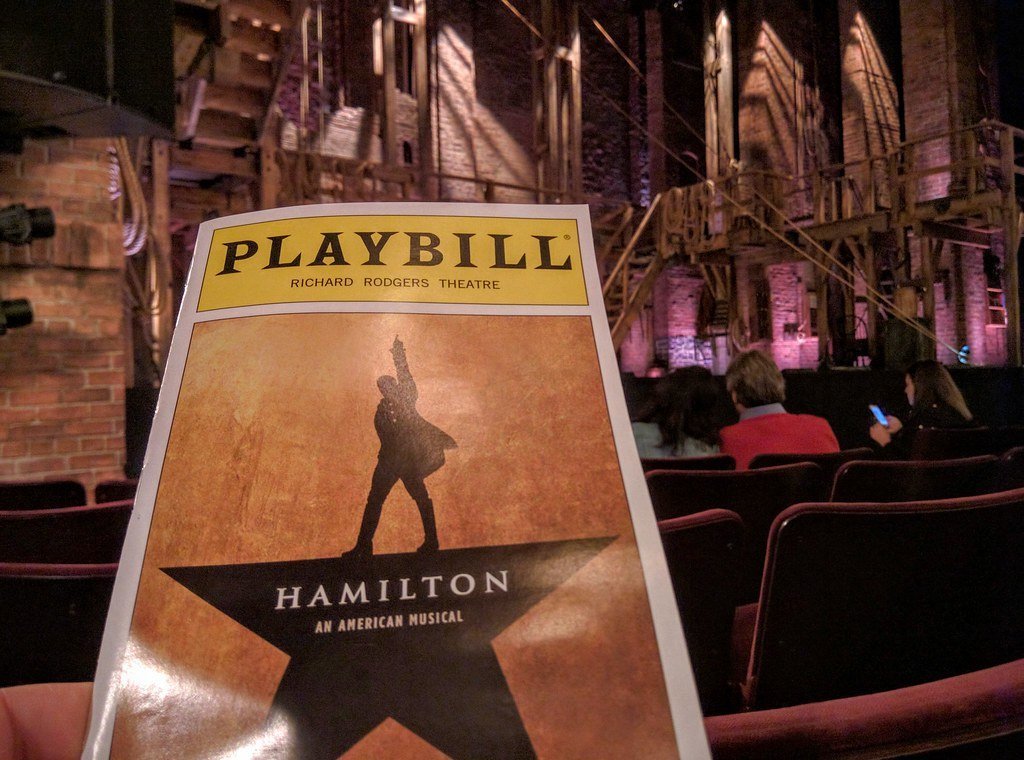
Hamilton premiered in 2015, Lin-Manuel Miranda’s hip-hop retelling of Alexander Hamilton’s life. Nonwhite actors played founders, flipping history with rap battles and R&B ballads. Dense lyrics packed Founding Fathers’ debates into rhythmic genius.[1]
“My Shot” embodied ambition’s fire. It drew massive crowds, including youth, via cast albums and memes. Hamilton redefined inclusion and sound, sparking a new wave of diverse creators.
The Evolution of Modern Theater
These ten shows trace a path from plot-driven integration to genre-bending concepts and cultural mirrors. Each built on the last, incorporating rock, dance, and social grit into the form. Broadway now thrives on innovation, from hip-hop histories to puppet spectacles.
Theater keeps evolving, but these milestones remind us change comes from bold risks. They prove musicals can challenge, unite, and endure, lighting stages for generations ahead.[2][1]

Besides founding Festivaltopia, Luca is the co founder of trib, an art and fashion collectiv you find on several regional events and online. Also he is part of the management board at HORiZONTE, a group travel provider in Germany.
