
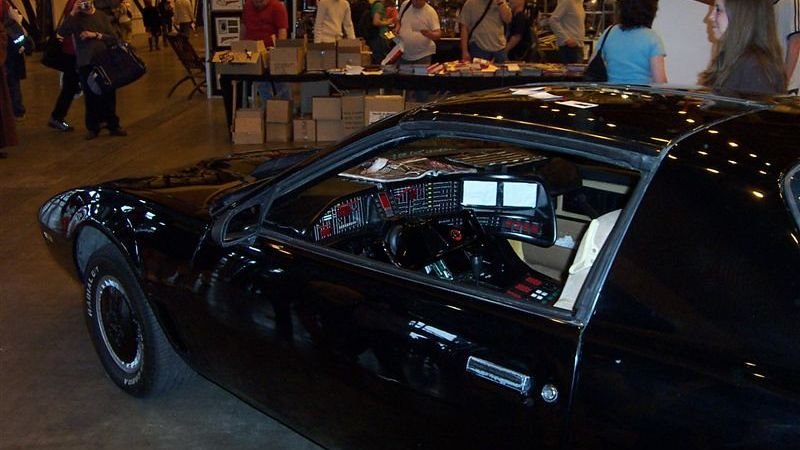
Television in the 1970s and 1980s brimmed with bold concepts that pushed boundaries, yet many fizzled out due to modest budgets or niche appeal. Shows tackled sci-fi adventures, quirky cop duos, and serial thrills with enthusiasm, but practical effects and smaller viewerships often cut them short.
Today’s streaming era offers advanced visuals and global reach, making these overlooked gems ripe for revival. Their core stories hold up, ready for fresh spins.
Holmes & Yoyo (1976-1977)

This ABC sitcom paired klutzy detective Lieutenant Alexander Holmes with his indestructible robot partner, Yoyo, as they tackled crimes in a bumbling yet earnest style. Running just 13 episodes, it leaned into slapstick humor around Yoyo’s superhuman strength and Holmes’s accident-prone nature. The premise explored human-machine partnerships long before they became commonplace.
A reboot could harness modern robotics and AI trends, delivering sharper effects for Yoyo’s antics. Deeper character arcs would fit serialized streaming formats, turning the fish-out-of-water dynamic into timely commentary on tech in policing. Limited by 70s effects back then, it shines brighter now with CGI polish.
Grady (1975-1976)
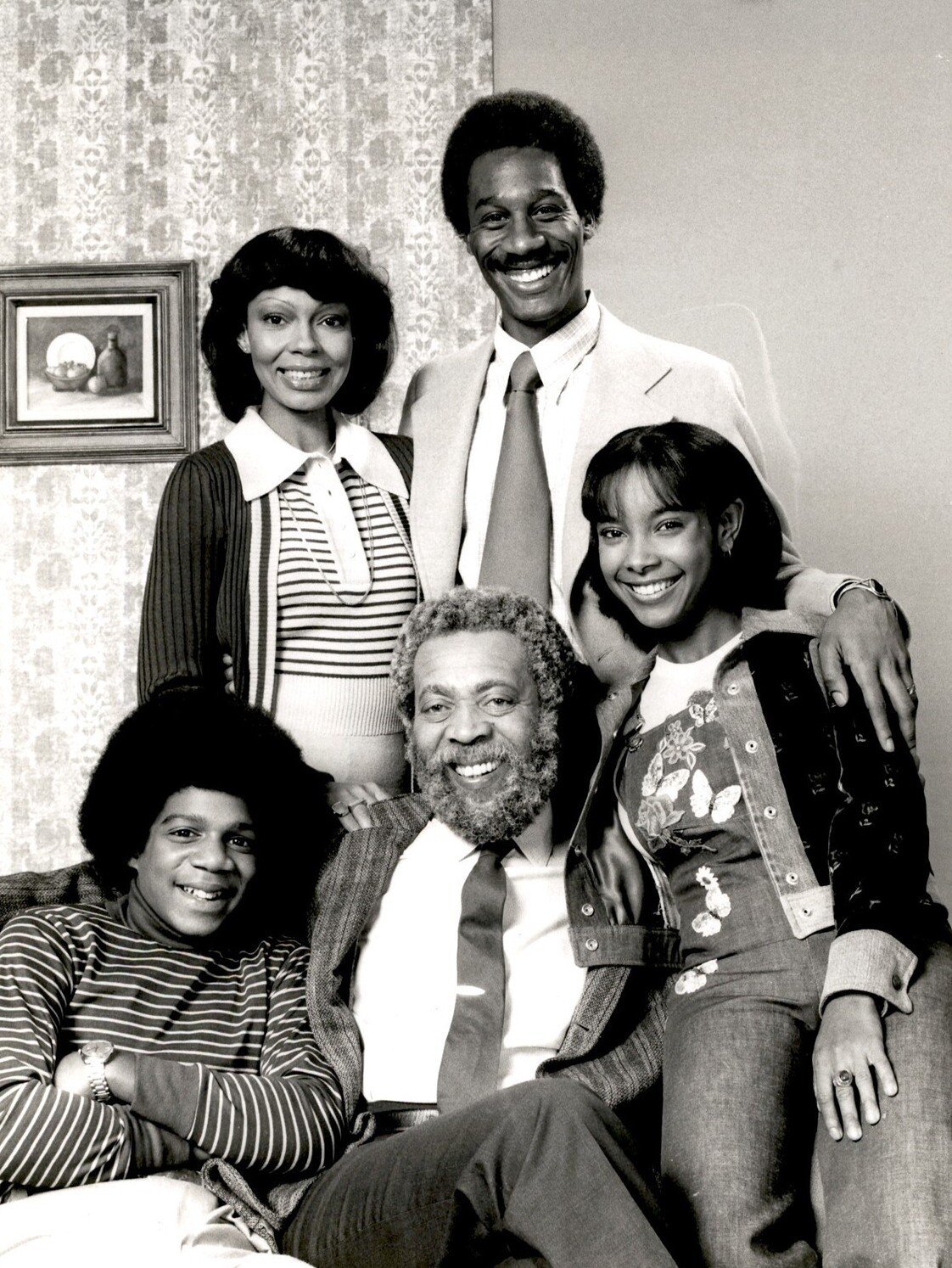
A spin-off from Sanford and Son, this NBC comedy followed Uncle Grady, played by Whitman Mayo, as he navigated life in Los Angeles after moving from Watts. Airing 19 episodes, it captured family mishaps and neighborhood warmth with a laid-back vibe. The show highlighted Black family dynamics in a post-civil rights era.
Reviving it today allows for updated cultural nuances and diverse storytelling. Streaming platforms could expand on ensemble casts, blending nostalgia with contemporary humor. Original constraints on representation limited its run; now, richer production values would let it thrive.
Space Academy (1977-1978)

Filmation’s CBS series followed young cadets at a futuristic space academy under Commander Gampu, embarking on interstellar missions aboard the sleek ship Searcher. It spanned two seasons with 16 and 15 episodes, mixing education with alien encounters. Cadets like Chris and Tee Kay wielded unique powers in low-budget space opera style.
Modern VFX could transform its ambitious cosmos into spectacle, appealing to Star Trek fans. Themes of teamwork and exploration resonate amid space race revivals. Budget tech of the era held it back; today’s tools unlock epic scope.
Makin’ It (1979)
This short-lived ABC sitcom starred Greg Evans as a teen relocating to Los Angeles, chasing dreams amid disco fever and family adjustments. Just nine episodes aired, featuring music and youthful romance. It captured late-70s optimism through dance numbers and coming-of-age tales.
A reboot might infuse fresh music genres and social media angles for Gen Z appeal. Enhanced choreography and production could elevate its lighthearted energy. Disco-era charm faded quickly then; now it offers retro fun with modern twists.
Flatbush (1979)
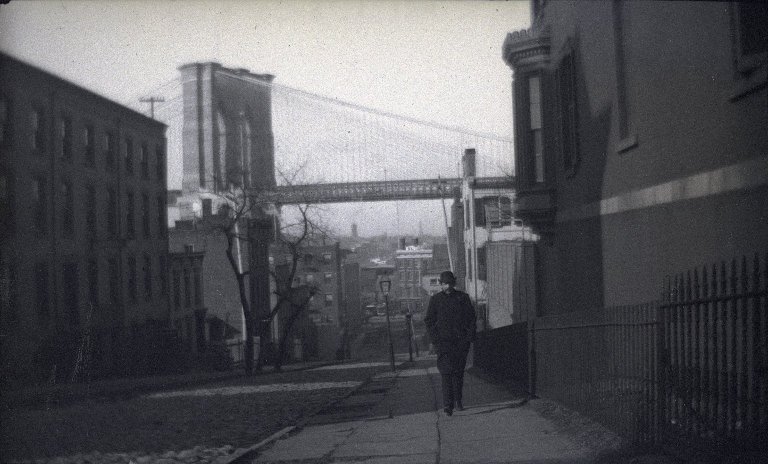
Centered on five Brooklyn buddies navigating jobs, romance, and mischief, this CBS comedy ran a mere six episodes. It drew from real New York street life with raw humor and ethnic diversity. The group dynamic echoed friends-in-the-city vibes before bigger hits.
Today’s urban comedies could expand its ensemble with nuanced backstories. Streaming allows serialized growth beyond network limits. Quick cancellation overlooked its authentic voice; reboots bring grit to light.
Cliffhangers (1979)
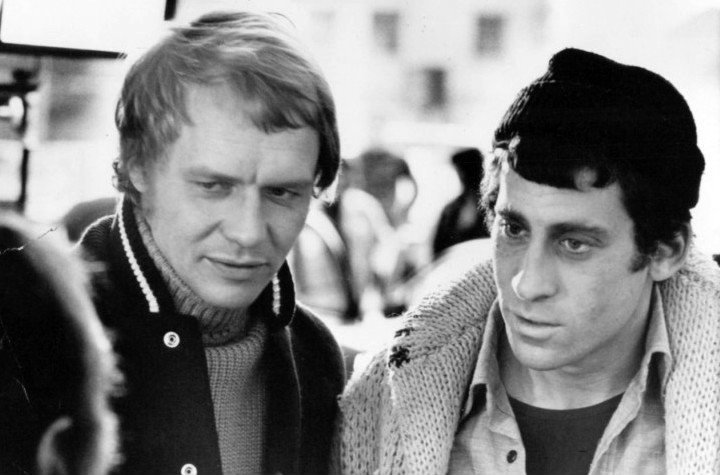
NBC’s bold experiment mashed three mini-serial adventures: sci-fi with The Secret Empire, swashbuckling with Stop Susan Williams, and horror via The Curse of Dracula. Airing 10 episodes, it mimicked old movie serials with weekly perils. Viewers tuned in for cliffhanger thrills.
High-concept format suits binge-watching, with CGI amplifying action. Anthology style fits prestige TV trends. 70s effects constrained drama; now it delivers pulse-pounding revival.
Mrs. Columbo (1979-1980)
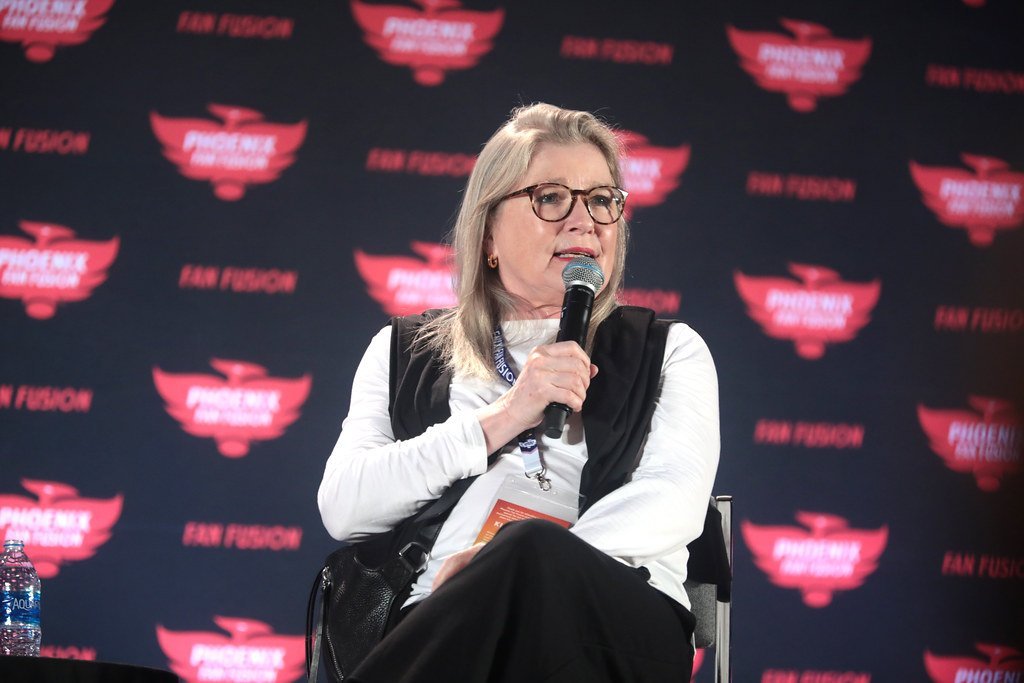
NBC spun off Kate Mulgrew as Columbo’s wife, a reporter solving mysteries with sharp wit. Two seasons totaled 26 episodes before rebranding. It flipped detective tropes by centering a female lead in procedural puzzles.
Empowered women sleuths dominate now, perfect for her clever style. Deeper mysteries and guest stars enhance appeal. Network shifts ended it prematurely; streaming revives independence.
Automan (1983-1984)
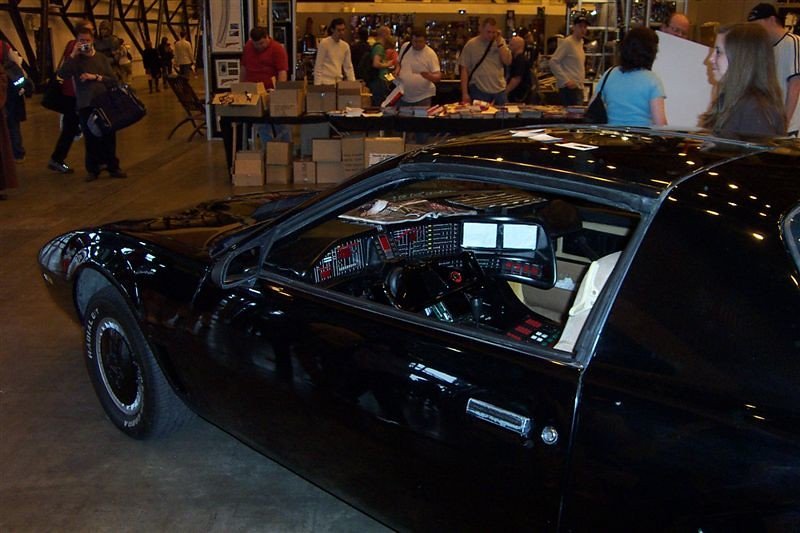
Walter Nebeker created a holographic superhero, Automan, to fight crime with dazzling effects and gadgets. ABC aired 13 episodes, blending live-action with early CGI experiments. The premise pioneered digital heroes.
Advanced holograms and AI make it prescient for cyber threats. Visual flair pops in 4K. Primitive tech doomed it; modern upgrades ignite potential.
Tales of the Gold Monkey (1982-1983)
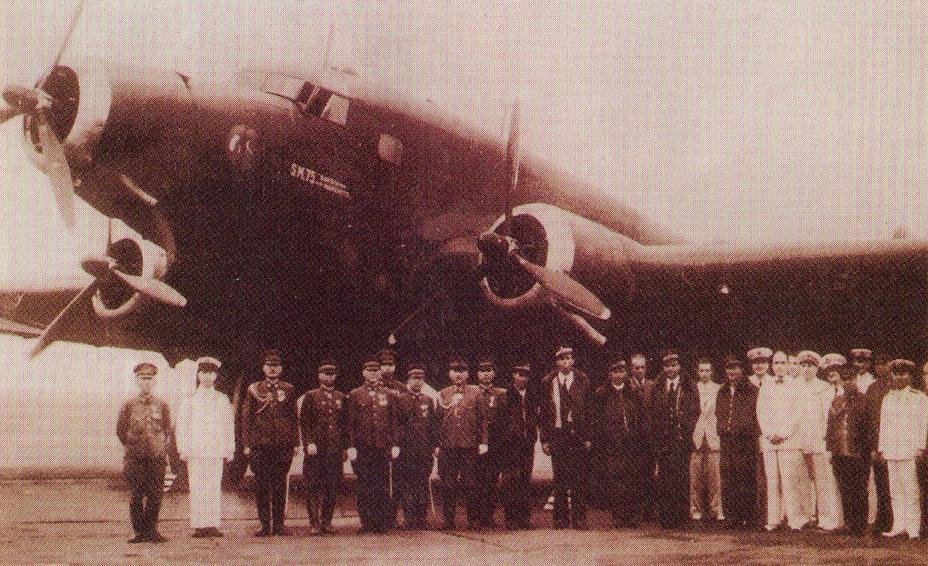
Set in 1930s South Pacific, pilot Jake Cutter flew cargo and battled Nazis in ABC’s adventure series. 21 episodes captured Indiana Jones pulp before the films. High-flying action and romance defined it.
Period visuals and stunts excel with current tech. Exotic locales draw global viewers. Short run missed momentum; reboots tap adventure craze.
Ace Crawford, Private Eye (1983)

Tim Conway starred as a bumbling PI in Hawaii, solving cases with slapstick flair. CBS managed six episodes. Tropical setting mixed mystery and comedy.
Conway’s charm updates to ensemble laughs. Island backdrops suit escapism. Quick ax overlooked humor; now it fits light procedurals.
The Highwayman (1987-1988)
A high-tech trucker with gadgets fought crime across America in this syndicated action series. Nine episodes featured explosive chases. Post-apocalyptic vibes met 80s excess.
Drone tech and vehicles amplify road warrior tales. Streaming serializes arcs. Low budget clipped wings; VFX soars today.
Sledge Hammer! (1986-1988)

ABC’s satire followed gun-obsessed cop Sledge Hammer parodying Dirty Harry. Two seasons, 41 episodes, ended with a literal bang. Over-the-top violence poked fun at machismo.
Political satire sharpens for gun debates. Absurd humor thrives in reboots like The Boys. Creator eyed revivals; timing perfect now.
Out of This World (1987-1991)
Syndicated sitcom starred Evie, a teen freezing time via alien heritage from her dad. Five seasons, 96 episodes, blended family comedy with powers. Relatable teen drama with twists.
Superhero fatigue aside, light powers fit YA audiences. Effects seamless today. Steady run faded; fresh cast revives magic.
Alien Nation (1989-1990)

Detective Matthew Sikes partnered with alien Newcomer George Francisco amid prejudice. Fox aired 22 episodes. Sci-fi cop drama tackled immigration metaphors.
Social themes resonate deeply now. Makeup/CGI hybrids stun. Cancellation starved depth; prestige format unlocks layers.
Beauty and the Beast (1987-1990)
CBS romantic fantasy paired lawyer Catherine with beast Vincent in underground world. Three seasons, 56 episodes, mixed thriller and romance. Gothic passion gripped viewers.
Dark fairy tales boom in fantasy TV. Practical effects evolve to wonder. Abrupt end hurt; mature reboot heals.
Why Revisiting These Concepts Works Now
Advanced technology breathes life into era-limited visuals, from robots to space battles. Broader audiences via streaming reward niche ideas once dismissed.
Diverse casts and serialized stories add relevance, turning forgotten sparks into fires. These revivals honor origins while speaking to today.

- 15 Forgotten TV Shows From the 70s and 80s That Deserve a Dramatic Reboot - August 30, 2026
- 10 Unsung Heroes of Music History Who Deserve More Recognition - August 30, 2026
- 15 Movie Quotes So Powerful, They Became Part of Our Everyday Language - August 30, 2026

