
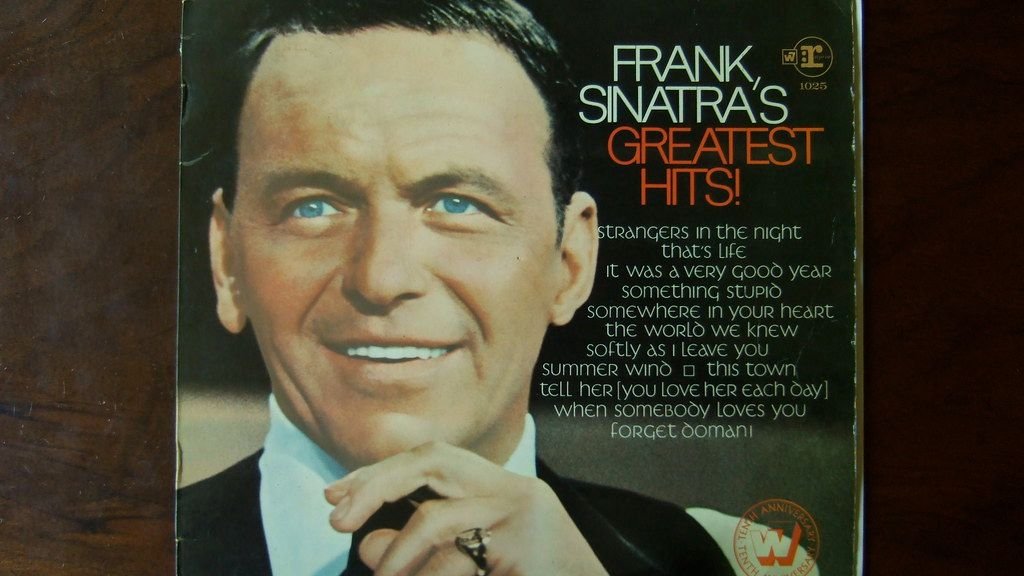

Certain voices pierce the veil of time, refusing to fade even decades after their owners left the stage. These singers shaped music with raw power and unmatched emotion, their tones still capable of stirring chills or tears today. From soul-shaking belts to velvet croons, their legacies remind us how a single voice can redefine eras.
Aretha Franklin
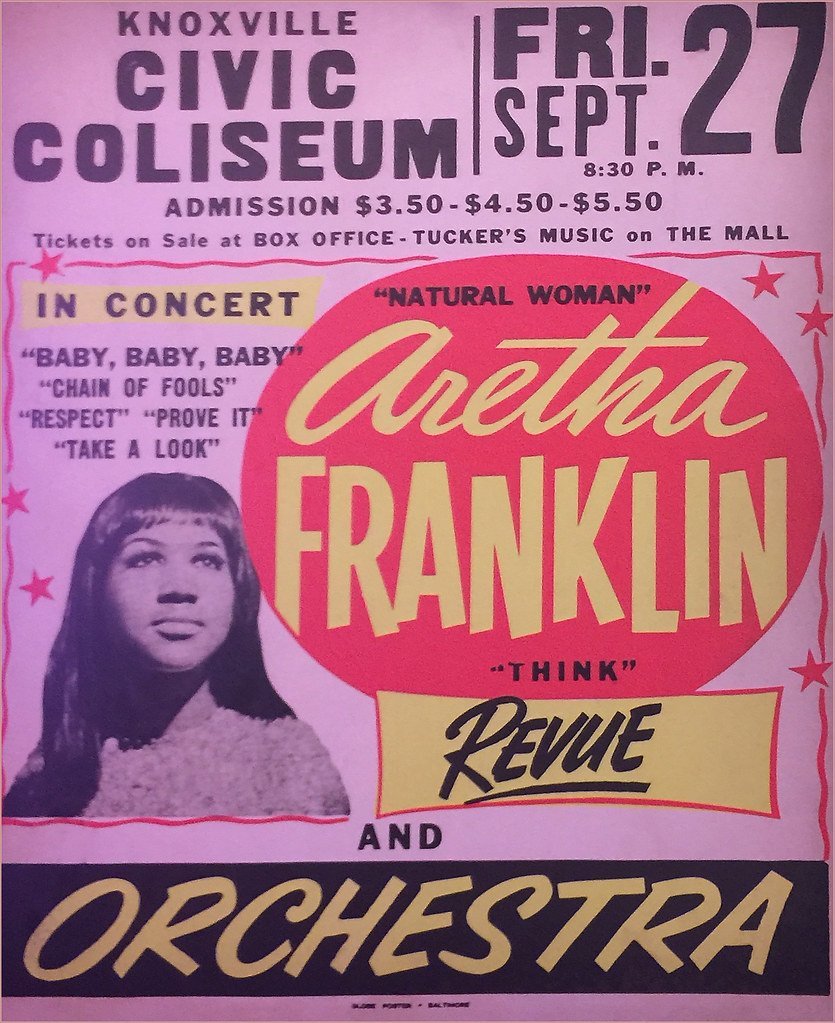
Aretha Franklin commanded stages with hits like “Respect” and “(You Make Me Feel Like) A Natural Woman.” Her voice carried the fire of gospel churches where she grew up singing.[1]
That style blended soaring runs, impeccable phrasing, and unyielding power, earning her the title Queen of Soul. She turned personal pain into universal anthems. Franklin topped Rolling Stone’s list of greatest singers for her emotional depth that influenced countless artists across genres.[1]
Even years after her passing in 2018, her recordings demand attention, proving vocal greatness endures.
Whitney Houston
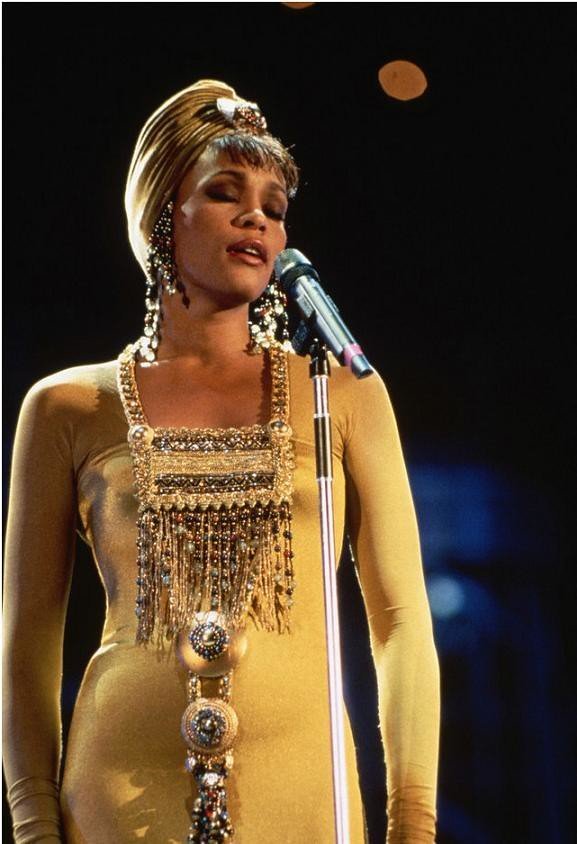
Whitney Houston delivered signature tracks such as “I Will Always Love You” and “I Wanna Dance with Somebody.” These songs showcased her crystalline tone that soared effortlessly.[1]
Her vocal style featured a four-octave range, precise melismas, and heartfelt power, blending pop polish with gospel roots. Houston’s technique set new standards for emotional delivery in ballads and uptempo hits alike.
Rising to number two on Rolling Stone’s all-time singers list, she shaped modern R&B and pop vocals.[1] Though gone since 2012, her voice remains a benchmark for aspiring singers everywhere.
Freddie Mercury
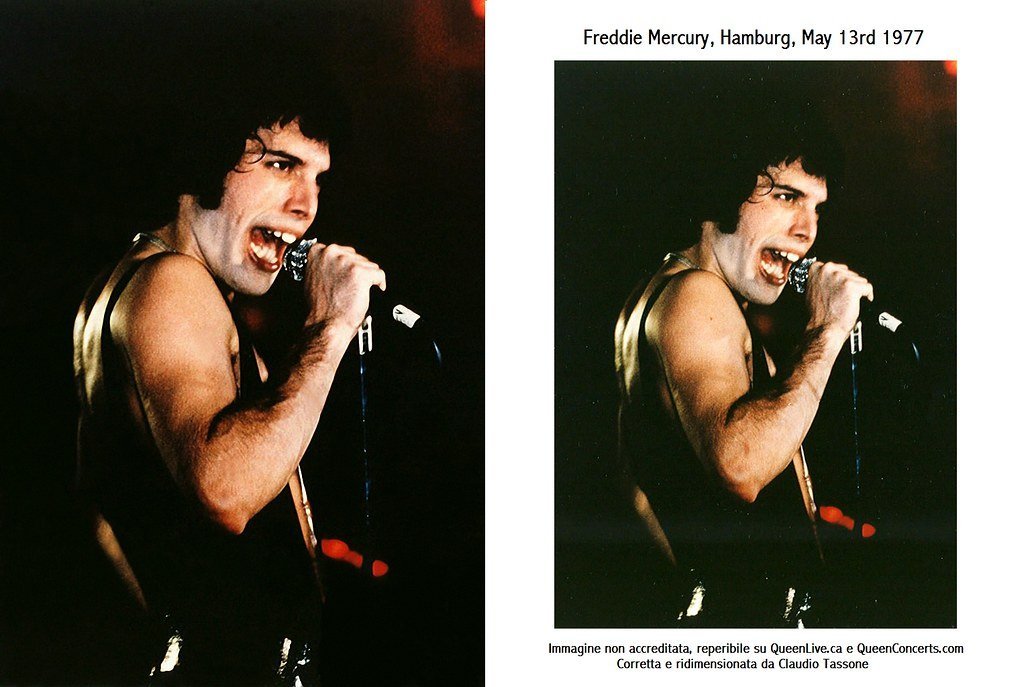
Freddie Mercury’s anthems include “Bohemian Rhapsody,” “Somebody to Love,” and “We Are the Champions.” Queen’s frontman made each note an event.
His style spanned four octaves, shifting from operatic highs to gritty lows with flawless vibrato and theatrical flair. Mercury drew from rock, opera, and gospel for a versatile, larger-than-life sound.
He influenced rock vocalists with his range and stage command. Decades after 1991, live performances still give fans goosebumps, his voice frozen in defiant glory.[2]
Elvis Presley
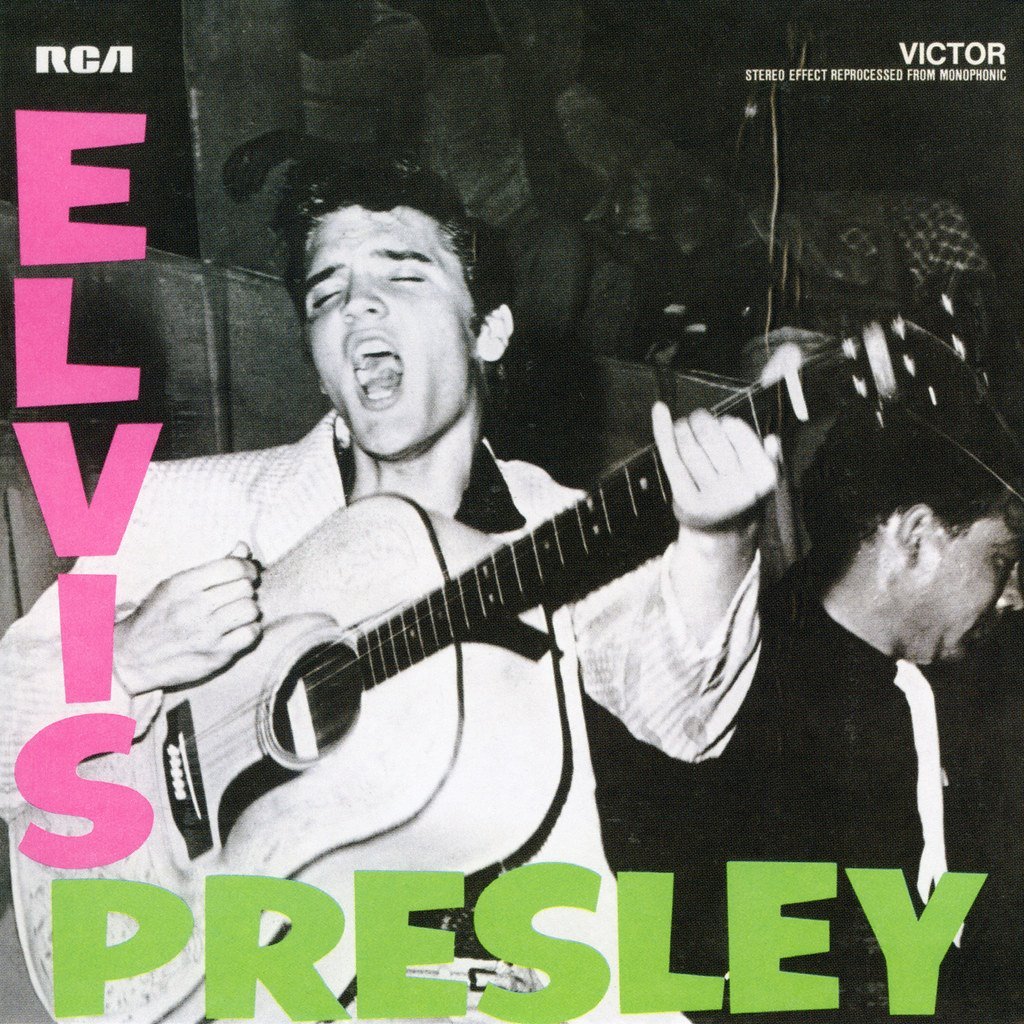
Elvis Presley rocked the world with “Hound Dog,” “Jailhouse Rock,” and “Heartbreak Hotel.” His early hits fused energy and seduction.
A baritone with tenor flexibility, his style mixed gospel fervor, blues grit, and country twang into rock’s blueprint. Presley bent notes and infused swagger that no one matched.
He revolutionized popular music, paving the way for rock and roll’s explosion. Over 700 recordings later, his voice from the 1950s still pulses with youthful rebellion.[3]
Presley’s influence touches every corner of music today.
Frank Sinatra
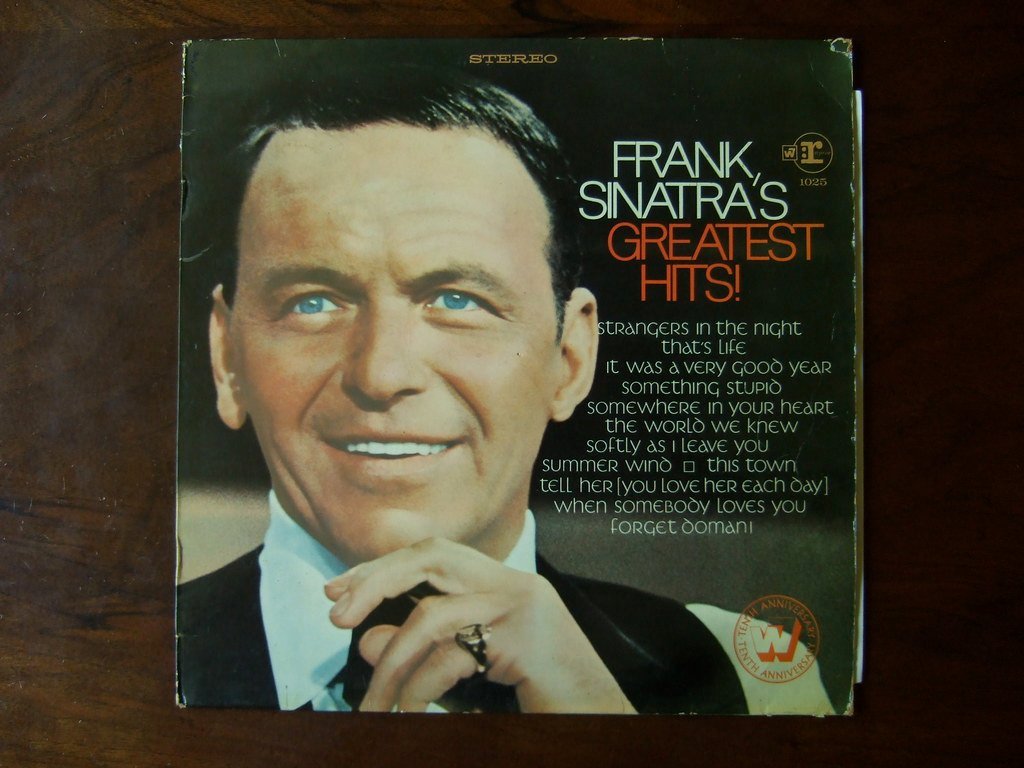
Frank Sinatra owned standards like “My Way,” “New York, New York,” and “Fly Me to the Moon.” His phrasing turned simple tunes timeless.
With a smooth baritone, subtle dynamics, and masterful rubato, he treated songs like intimate conversations. Sinatra’s jazz-inspired swing and emotional nuance defined crooning.
He elevated the American songbook, influencing generations of interpreters. Even in 2026, his recordings feel current, a testament to vocal artistry beyond trends.[4]
Ray Charles
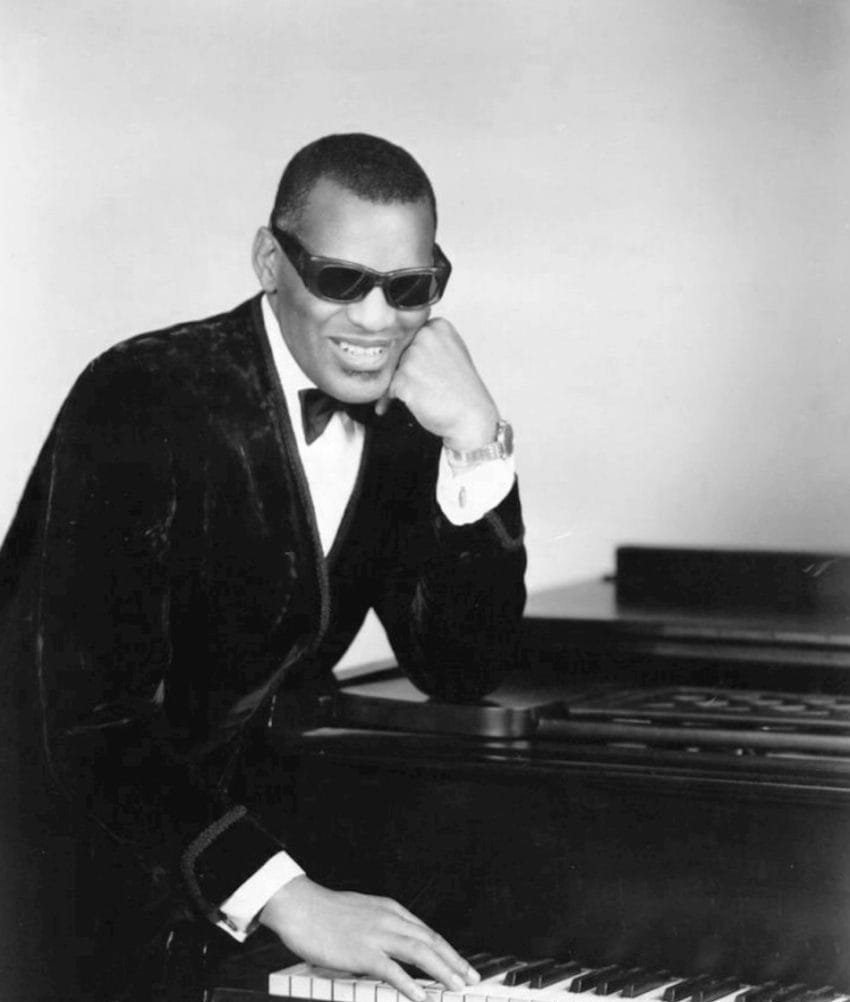
Ray Charles pioneered soul with “What’d I Say,” “Georgia on My Mind,” and “Hit the Road Jack.” His raspy pleas hit deep.
Blending gospel shouts, blues bends, and jazz scat, his style created soul music’s foundation. Charles conveyed joy and heartache in equal measure.
Ranked sixth by Rolling Stone, he bridged genres and inspired icons like Stevie Wonder.[1] His voice, gone since 2004, still swings with irrepressible spirit.
Billie Holiday
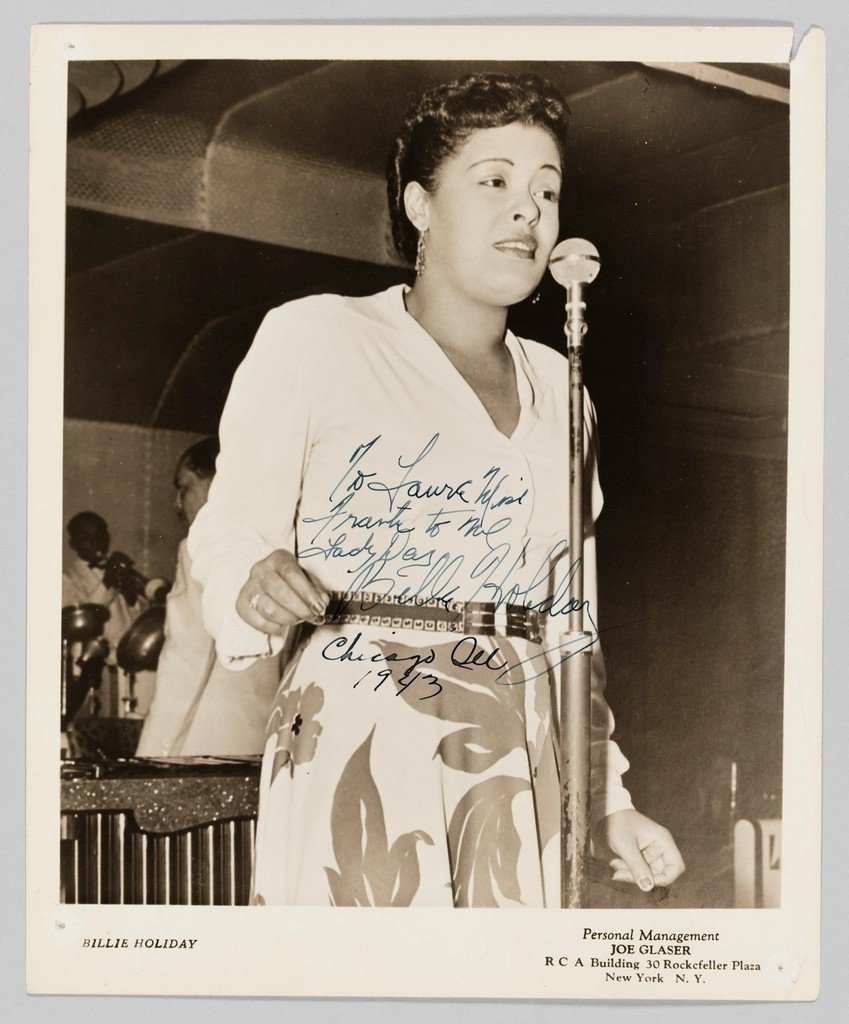
Billie Holiday haunted listeners with “Strange Fruit” and “God Bless the Child.” Her fragile yet fierce delivery lingers.
A husky timbre with behind-the-beat phrasing and raw vulnerability defined her jazz approach. Holiday made lyrics bleed with lived pain.
Fourth on Rolling Stone’s list, she reshaped vocal jazz toward personal storytelling.[1] Over 65 years after her death, those recordings unsettle and soothe in turn.
Sam Cooke
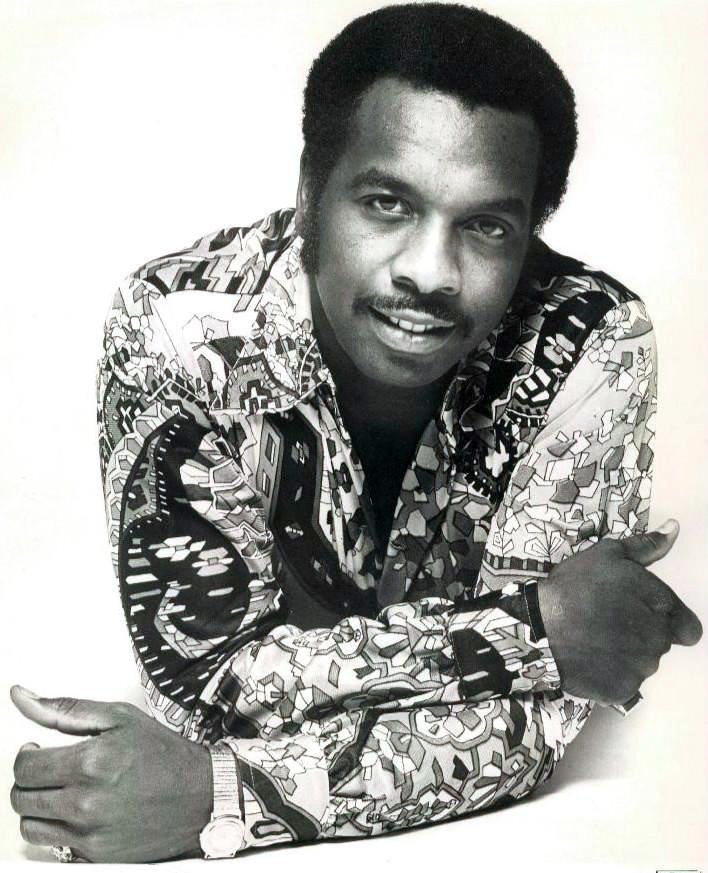
Sam Cooke smoothed paths with “A Change Is Gonna Come” and “You Send Me.” His silken tenor seduced instantly.
Gospel polish met pop elegance in his emotive, controlled style. Cooke glided through verses with warmth and precision.
Third greatest singer per Rolling Stone, he linked sacred and secular music.[1] Lost in 1964, his optimism still lifts souls today.
His civil rights anthem endures as a beacon.
Otis Redding
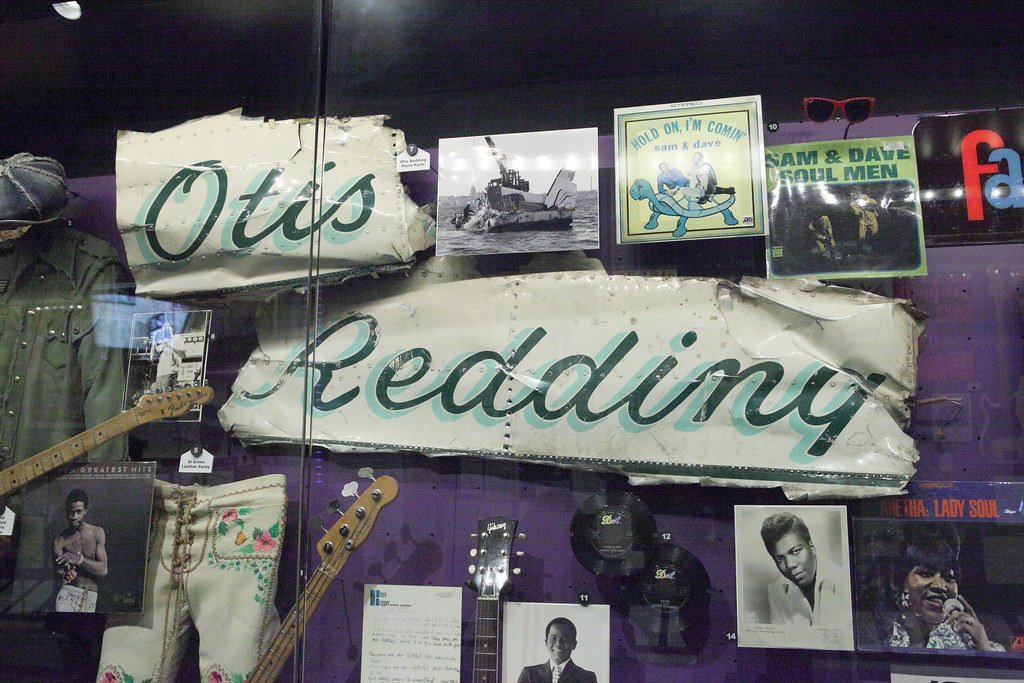
Otis Redding roared through “(Sittin’ On) The Dock of the Bay” and “Try a Little Tenderness.” Raw urgency marked his work.
A gritty baritone fueled by gospel fire, his style poured sweat and soul into every line. Redding built tension that exploded in choruses.
Ninth on the Rolling Stone ranking, he embodied Stax soul’s heart.[1] Decades on, his passion ignites new listeners.
Little Richard
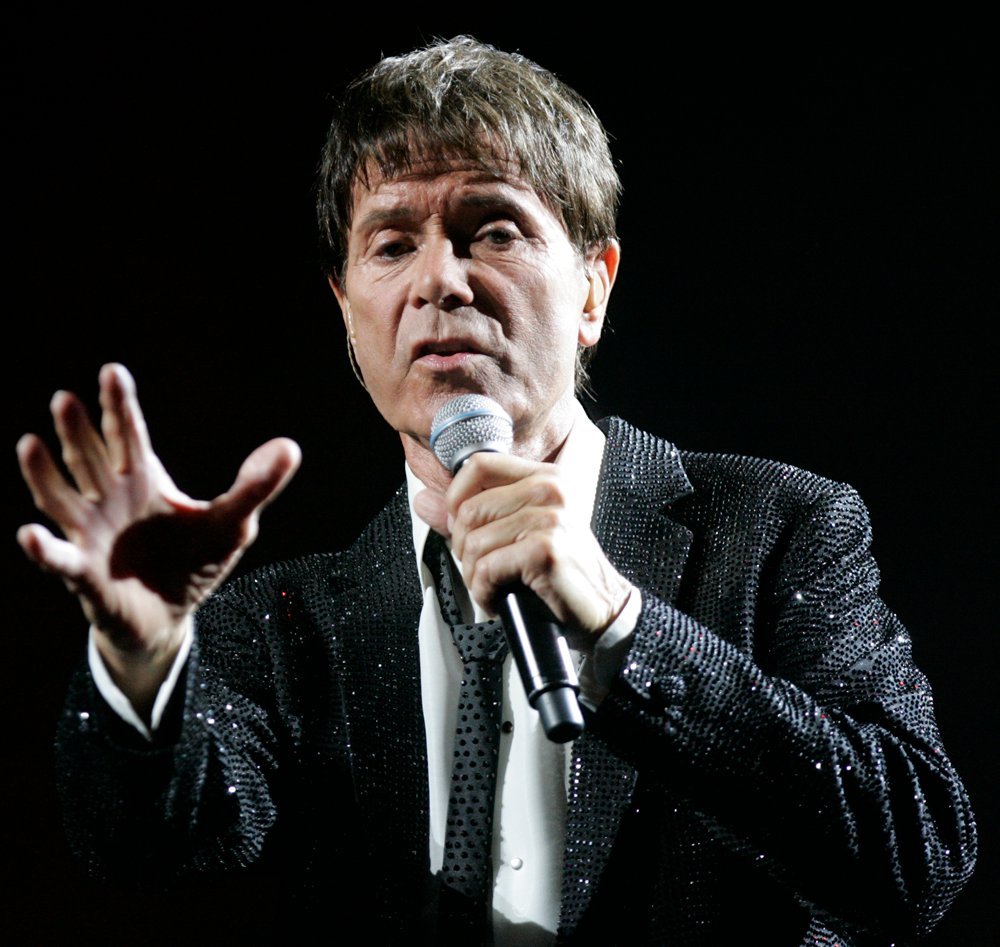
Little Richard exploded with “Tutti Frutti,” “Long Tall Sally,” and “Lucille.” His whoops defined rock’s birth.
Falsetto shrieks and pounding piano drove his wild, gospel-charged style. He injected frenzy into rhythm and blues.
As a rock pioneer, he influenced everyone from the Beatles to Prince. His voice from the 1950s still electrifies, proving raw energy never ages.
Richard’s flair opened doors for bold performance.
The Enduring Echo of Vocal Mastery
These ten voices prove that true artistry defies calendars. They didn’t chase trends; they set them, leaving imprints too deep to erase. In a world of fleeting hits, their tones offer something eternal – a reminder that the best singing touches the timeless human core.
CEO-Co-Founder
