

For any feedback please reach out to info@festivalinside.com
- 12 Literary Feuds So Intense, They Changed the Course of Literature - August 11, 2026
- 10 Mysterious Disappearances of Famous Figures That Still Puzzle Experts - August 11, 2026
- 10 Foods We Thought Were American But Were Actually Invented Somewhere Else. - August 11, 2026
Music slips into films like an invisible guide, nudging our hearts toward fear, joy, or sorrow. Directors rely on it to deepen a glance or swell a battle’s chaos. These soundtracks often carry the emotional weight, making scenes stick with us for years.
Psycho (1960)
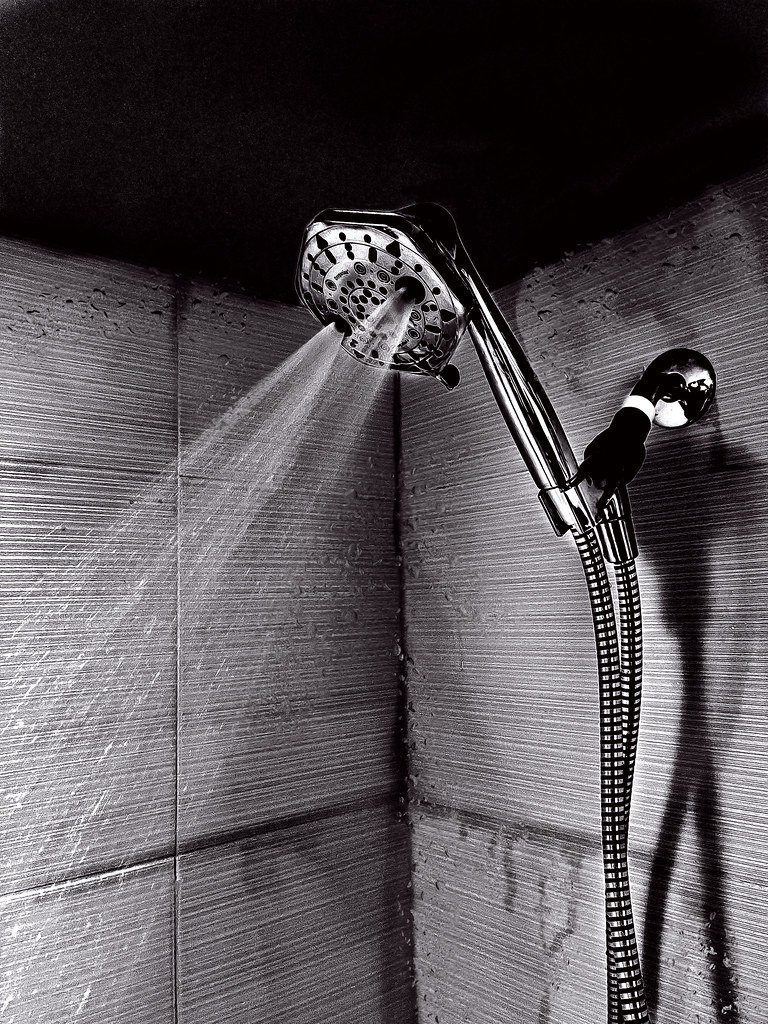
Bernard Herrmann crafted a score for Alfred Hitchcock’s Psycho that turned silence into screams. His stabbing violins in the shower scene slash through the air, mimicking knife thrusts and amplifying the horror.[1][2]
The all-strings ensemble builds dread without a single brass note. Viewers feel the panic viscerally, as everyday acts like showering become terrifying. Herrmann’s work subverted norms, proving sparse sounds could evoke deep psychological terror. That motif echoes in countless thrillers today.
Jaws (1975)

John Williams delivered a simple yet devastating theme for Steven Spielberg’s Jaws. Those two relentless notes on tuba pulse like a predator’s heartbeat, signaling the shark’s approach in beach scenes.[3][1]
The motif accelerates with danger, turning calm waters menacing. Without it, the film’s suspense might falter amid mechanical shark troubles. Williams made the unseen beast a musical force, scaring audiences from oceans worldwide. Spielberg credited the score for half the movie’s power.
Star Wars: A New Hope (1977)
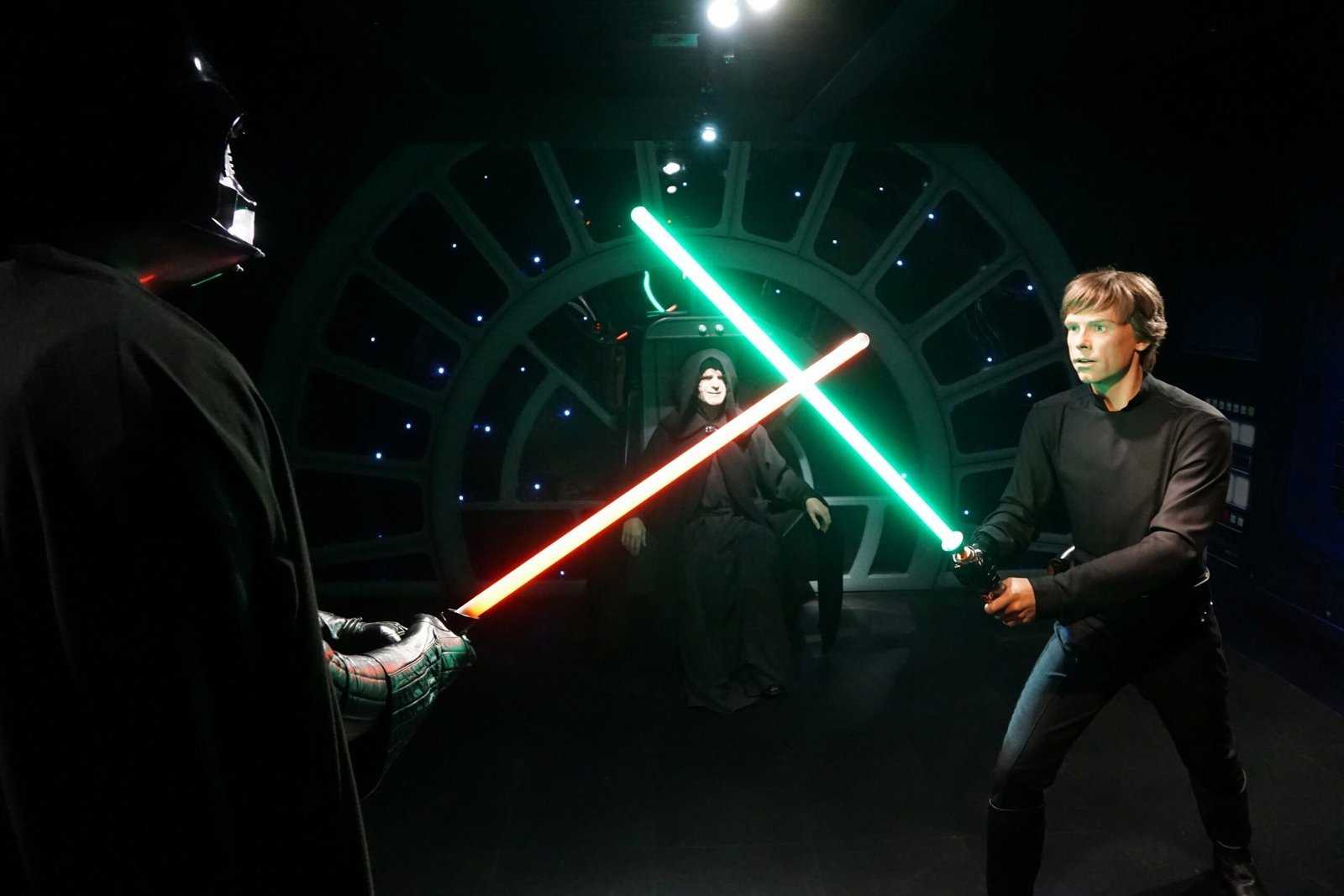
John Williams’ sweeping orchestra elevated George Lucas’s galaxy far away. The Force theme swells during heroic moments, infusing Luke Skywalker’s journey with mythic grandeur.[4]
Then comes the Imperial March, its heavy brass stomping as Darth Vader enters, instantly marking him villainous.[1] Themes recur to tie battles and revelations together. This leitmotif approach guides emotions across space opera chaos. Fans hum them still, proof of music’s galactic reach.
The Good, the Bad and the Ugly (1966)
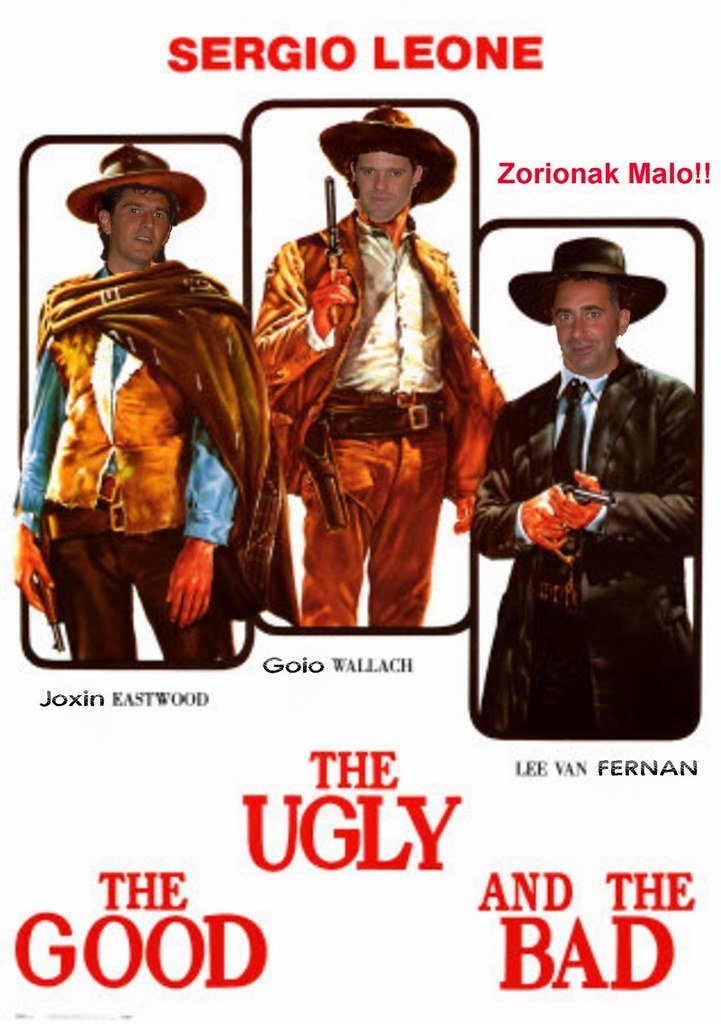
Ennio Morricone’s score defined the spaghetti Western for Sergio Leone. Whistles and coyote howls open vast deserts, immersing viewers in gritty lawlessness.[2]
“The Ecstasy of Gold” surges in the cemetery showdown, its choral frenzy matching greed and gunplay. Lone instruments introduce antiheroes, their sounds as iconic as faces. Morricone wove sounds into characters, heightening standoff tension. The result lingers in every dust-choked duel.
Lawrence of Arabia (1962)
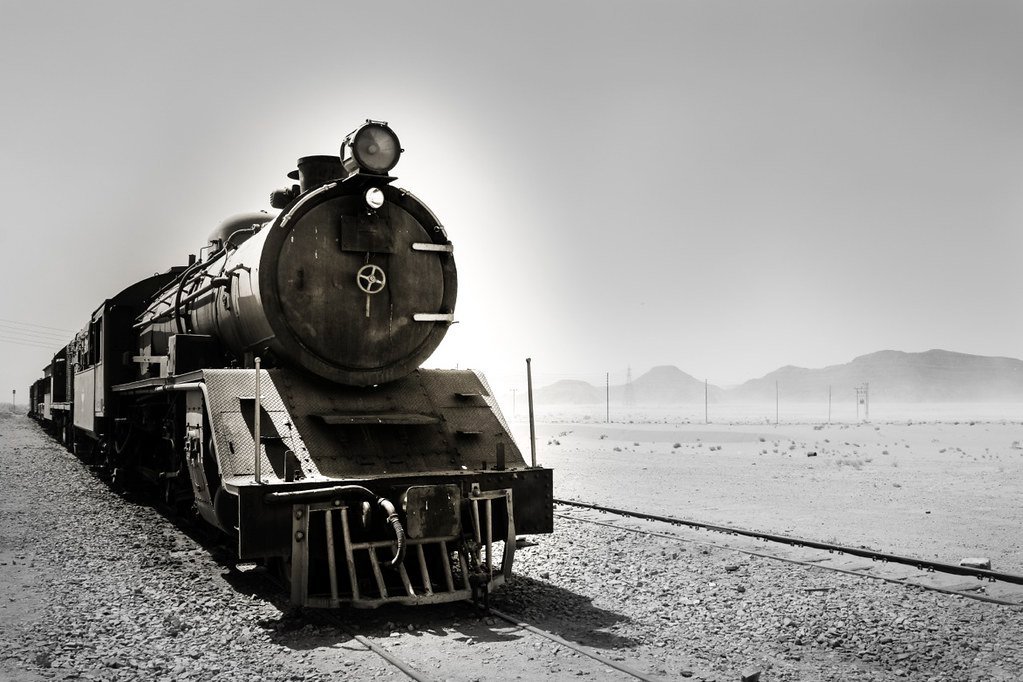
Maurice Jarre’s themes transport audiences across endless dunes in David Lean’s epic. Swelling strings and horns capture the desert’s heat and heroism during T.E. Lawrence’s marches.[2]
The main motif evokes wind-swept isolation and grand ambition. It underscores triumphs and mirages alike, blending man with landscape. Jarre’s music scales the film’s vastness, making personal quests feel monumental. Silence between swells mirrors the sands’ quiet menace.
Viewers sense the epic weight through every note.
Schindler’s List (1993)
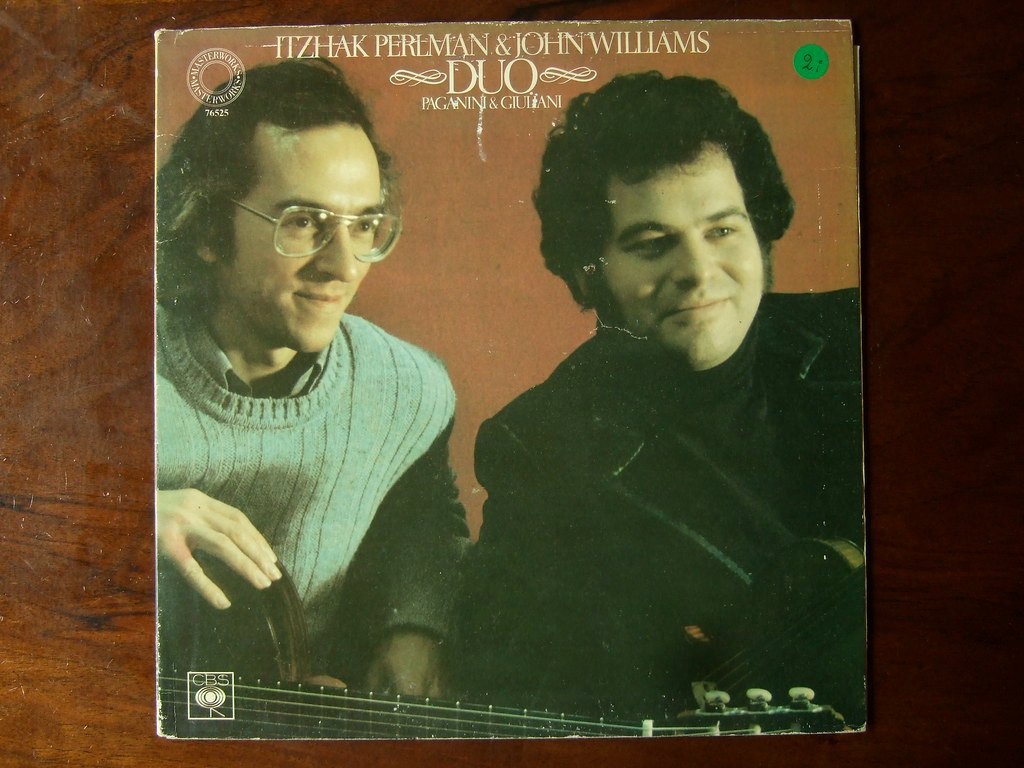
John Williams paired violin with Steven Spielberg’s Holocaust tale in Schindler’s List. The mournful theme rises during factory lists and rescues, conveying quiet anguish.[2]
Itzhak Perlman’s playing adds raw humanity amid horror. Subtle swells highlight redemption’s flicker. Williams avoided bombast, letting restraint pierce deeper. The score earned an Oscar, etching loss into memory. Few films owe so much to one solo voice.
Inception (2010)
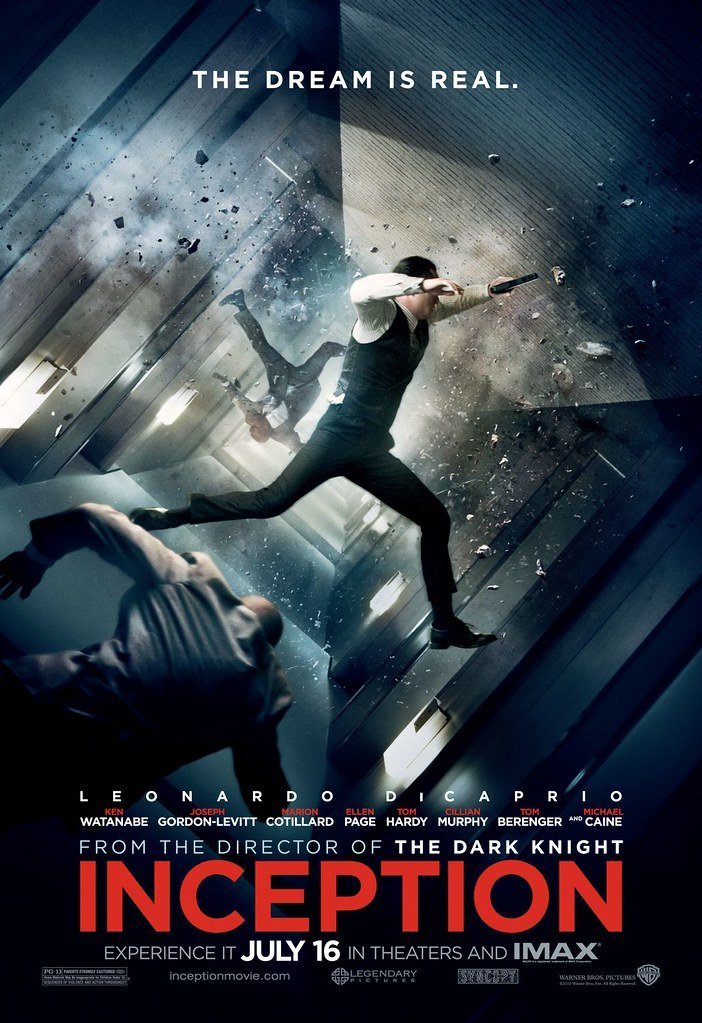
Hans Zimmer bent time in Christopher Nolan’s dream heist with Inception. Brass fanfares slow and distort, mirroring dream layers in chase scenes.[3][1]
The low BRAAAM horns build disorientation, pushing subconscious tension. Édith Piaf’s song anchors reality amid chaos. Zimmer’s sound design warps reality, heightening mind-bending stakes. It influenced scores for years, proving electronics could rival orchestras.
The Storytelling Power of Soundtracks
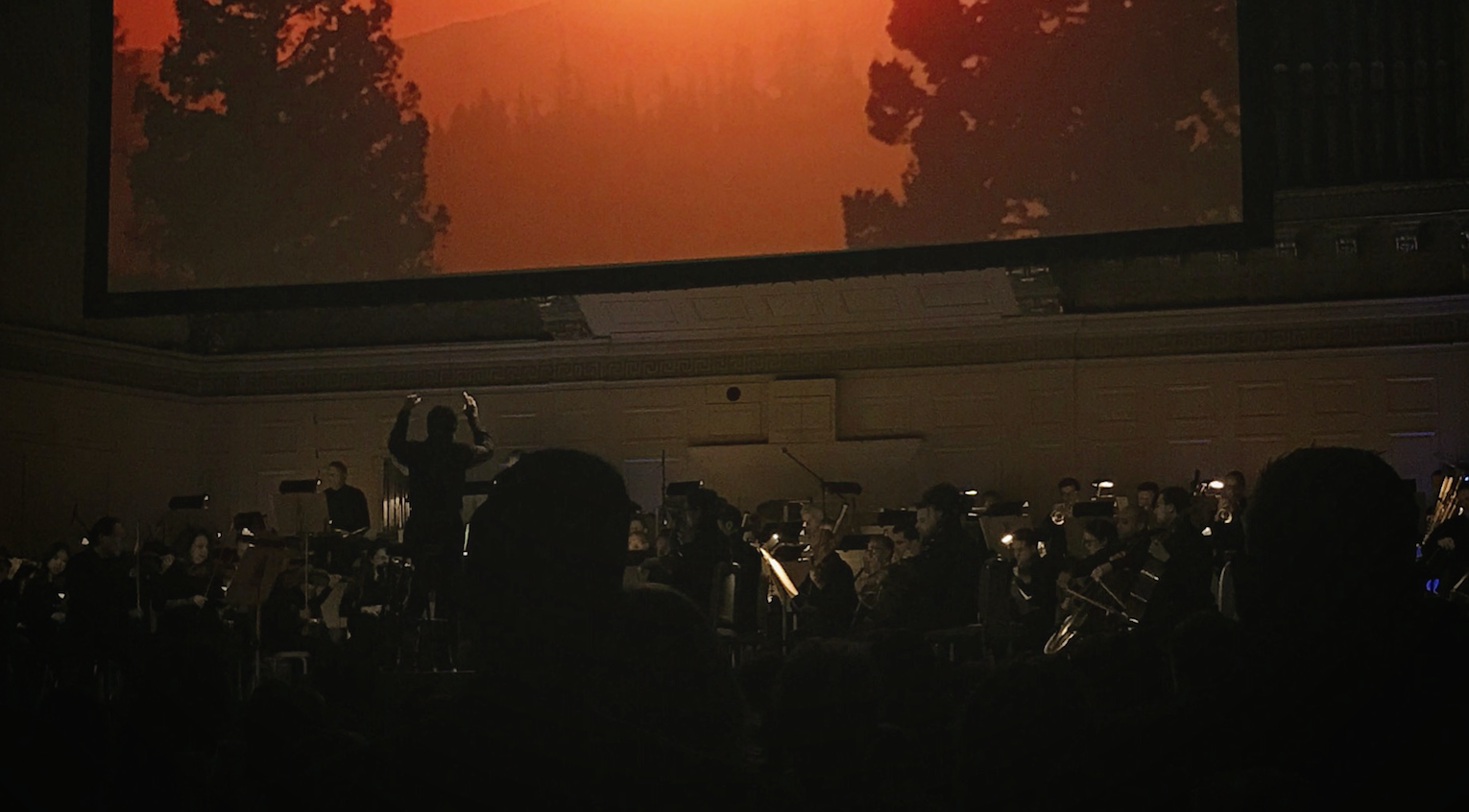
Soundtracks transform raw footage into emotional journeys. They whisper subtext, roar climaxes, and haunt long after credits roll.
From Herrmann’s shrieks to Zimmer’s booms, these heroes shape how stories land. Cinema thrives because music makes us feel seen.

Christian Wiedeck, all the way from Germany, loves music festivals, especially in the USA. His articles bring the excitement of these events to readers worldwide.
For any feedback please reach out to info@festivalinside.com
