

For any feedback please reach out to info@festivalinside.com
Pop music mirrors the pulse of its time. Society’s moods, technological leaps, and cultural upheavals all weave into its sound, pushing it to adapt and surprise.
From radio waves to streaming algorithms, each breakthrough reshapes how pop reaches ears and stirs hearts. This evolution reveals not just catchy hooks, but deeper stories of change.[1]
The 1950s: Rock ‘n’ Roll Sparks the Fire
Post-World War II America birthed pop’s modern form in the 1950s. Elvis Presley and Chuck Berry led the charge with rock ‘n’ roll, blending rhythm and blues with country twang. Electric guitars and upbeat rhythms marked the musical innovation, making songs danceable and raw.
Youth culture exploded as teens rebelled against conservative norms. This era shifted society toward individualism, with music fueling dance crazes and fashion like leather jackets. Radio and 45 RPM records spread the sound far and wide.[2][3]
The 1960s: British Invasion and Psychedelic Dreams
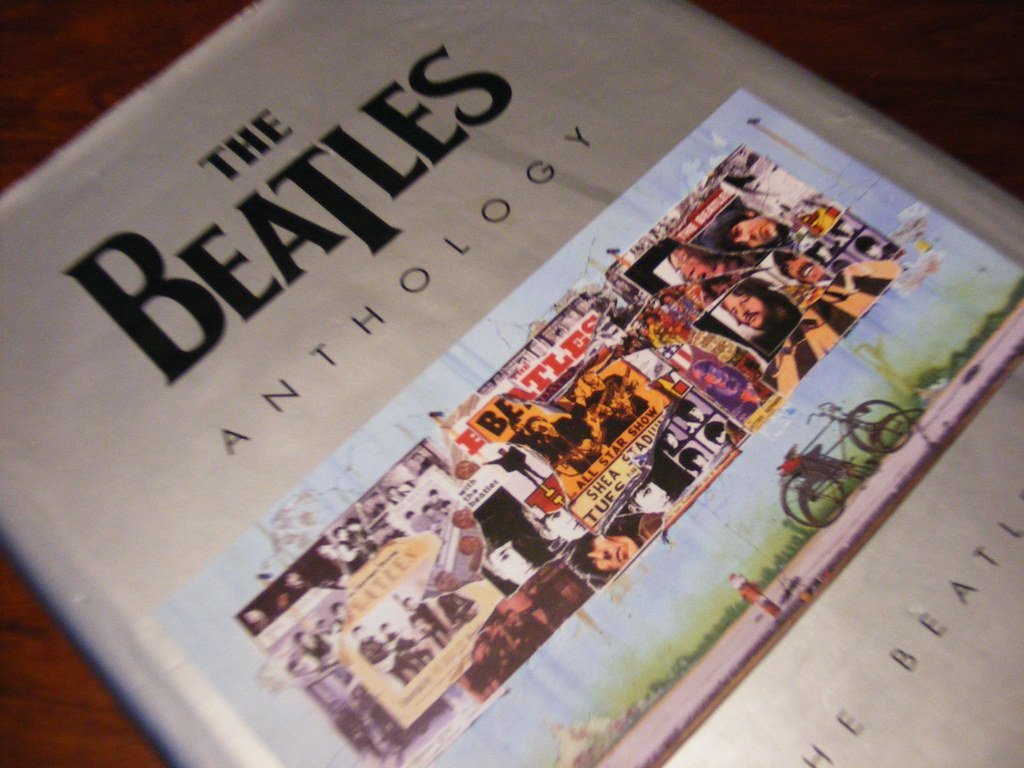
The 1960s brought the British Invasion, with The Beatles and The Rolling Stones dominating charts. Motown stars like The Supremes added soulful polish. Studio techniques evolved, from multitrack recording to sitars and feedback for psychedelic layers.
Civil rights movements and counterculture defined the cultural backdrop. Anti-war protests found voice in folk-pop hybrids. Television amplified global reach, turning music into a unifying force amid division.[2][4]
By decade’s end, festivals like Woodstock symbolized pop’s rebellious spirit.
The 1970s: Disco Fever and Glam Excess
Disco ruled the 1970s, thanks to Bee Gees and Donna Summer. David Bowie’s glam rock added theatrical flair. Four-on-the-floor beats and synthesizers innovated dance floors, while funk grooves deepened rhythms.
Sexual liberation and urban nightlife shaped culture. Studio 54 became iconic, blending fashion and hedonism. Punk’s raw edge rebelled against pop’s gloss, yet both thrived in economic uncertainty.[5][6]
The 1980s: MTV and Synth Supremacy
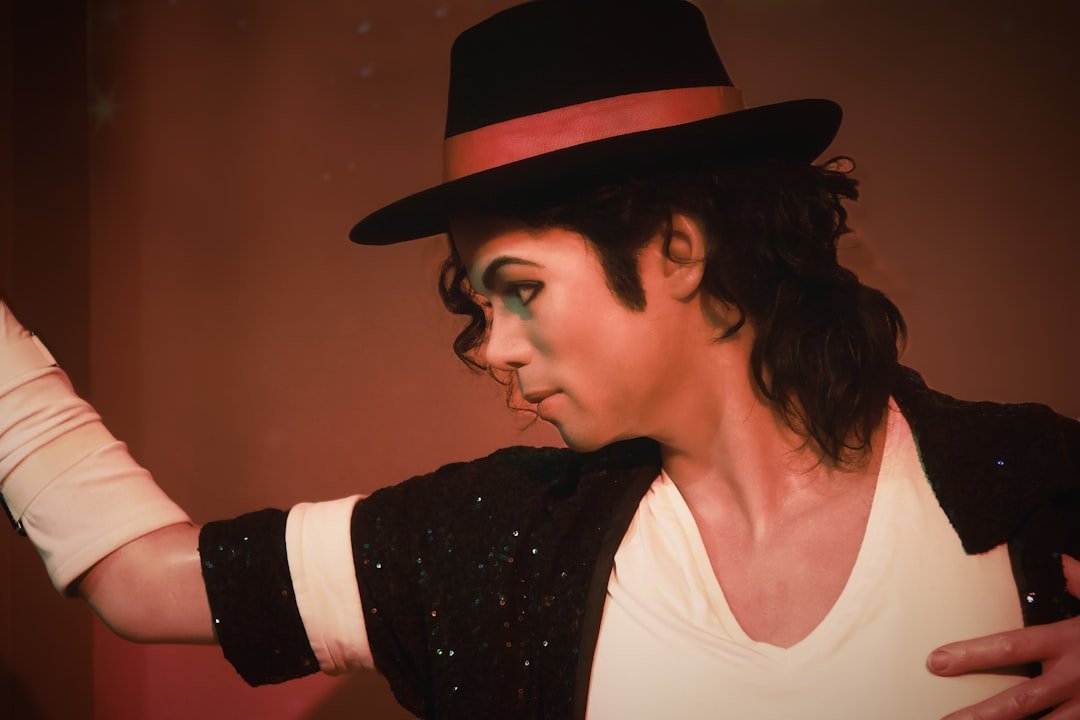
Michael Jackson, Madonna, and Prince defined 1980s pop. Synthesizers and drum machines revolutionized production. Music videos on MTV turned visuals into art, with Thriller setting sales records.
Reagan-era materialism met AIDS crisis awareness. Power ballads and big hair reflected excess. Hip-hop’s rise hinted at future blends, challenging pop’s boundaries.[7][4]
Global acts like Duran Duran spread new wave worldwide.
The 1990s: Teen Idols and Hip-Hop Crossovers
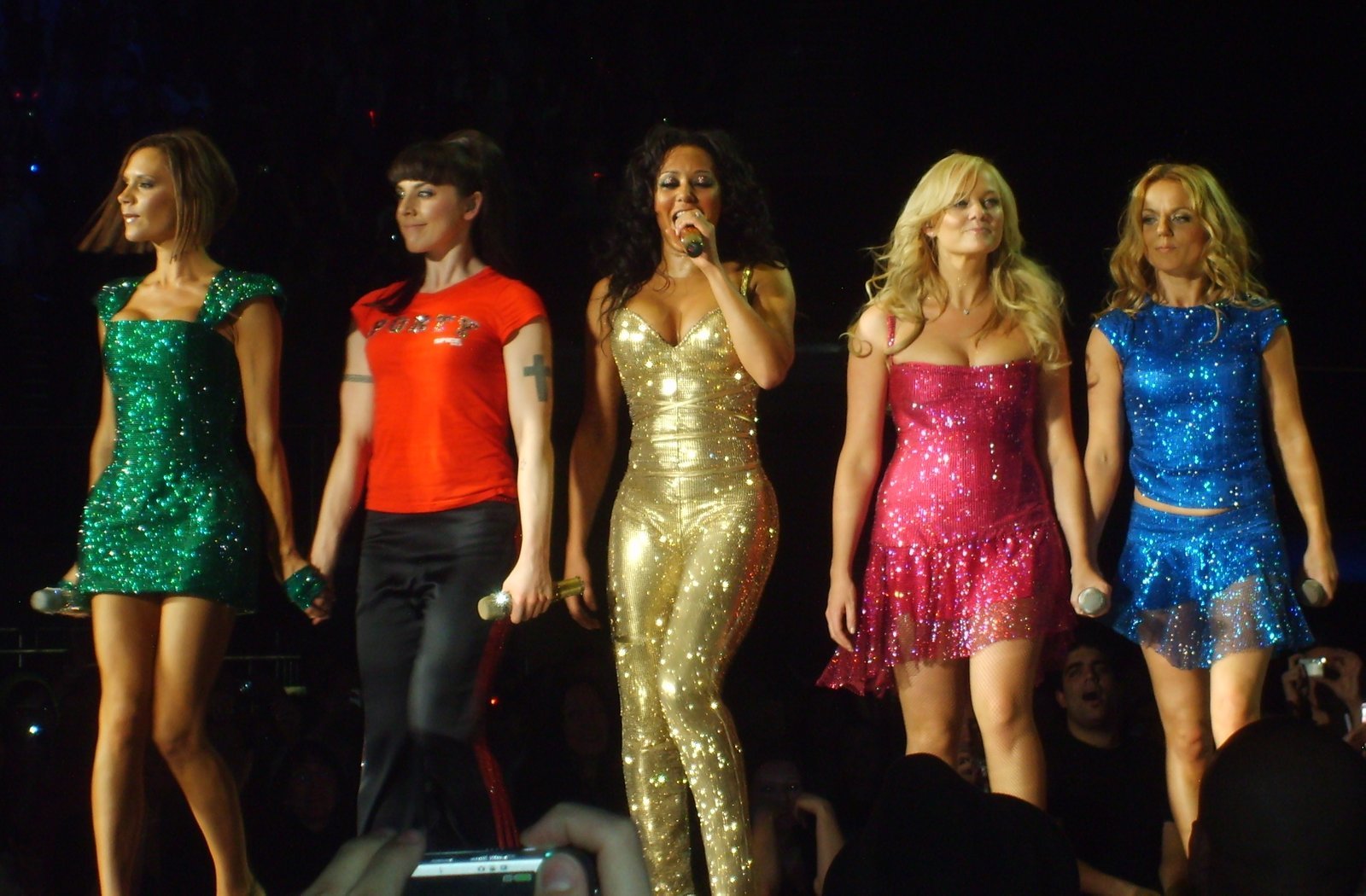
Boy bands like Backstreet Boys and girl groups like Spice Girls topped 1990s charts. Britney Spears emerged as a teen pop queen. Hip-hop elements fused in, with sampling and rap verses innovating hooks.
Grunge influenced edge, but pop stayed shiny amid tech boom. “Girl power” empowered youth culture. CDs peaked as the format of choice.[3][8]
The 2000s: Auto-Tune and Pop Divas
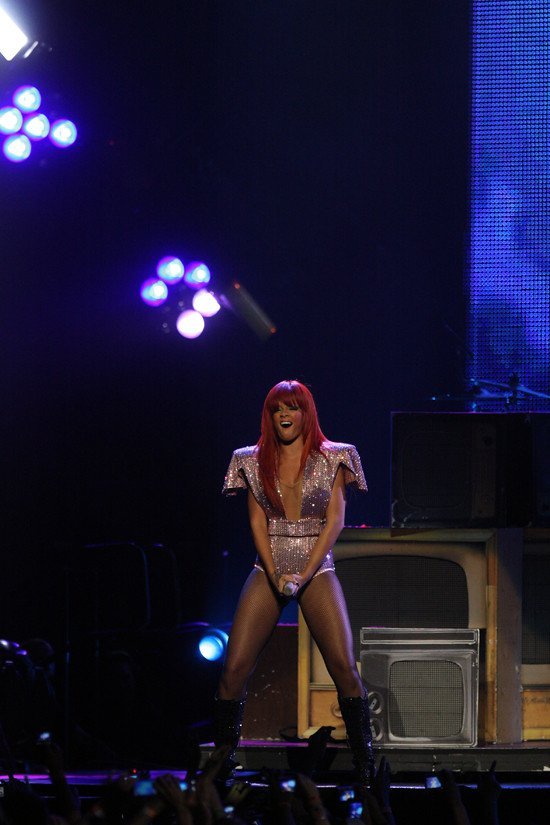
Beyoncé, Rihanna, and Justin Timberlake carried 2000s pop. Auto-Tune transformed vocals into futuristic tools. Digital downloads via iTunes shifted consumption forever.
Reality TV launched stars, blending fame with music. Post-9/11 unity sought escapist anthems. Crunk and electro-pop added grit to glossy production.[9][10]
Globalization brought K-pop hints to Western ears.
The 2010s: Streaming and EDM Explosions
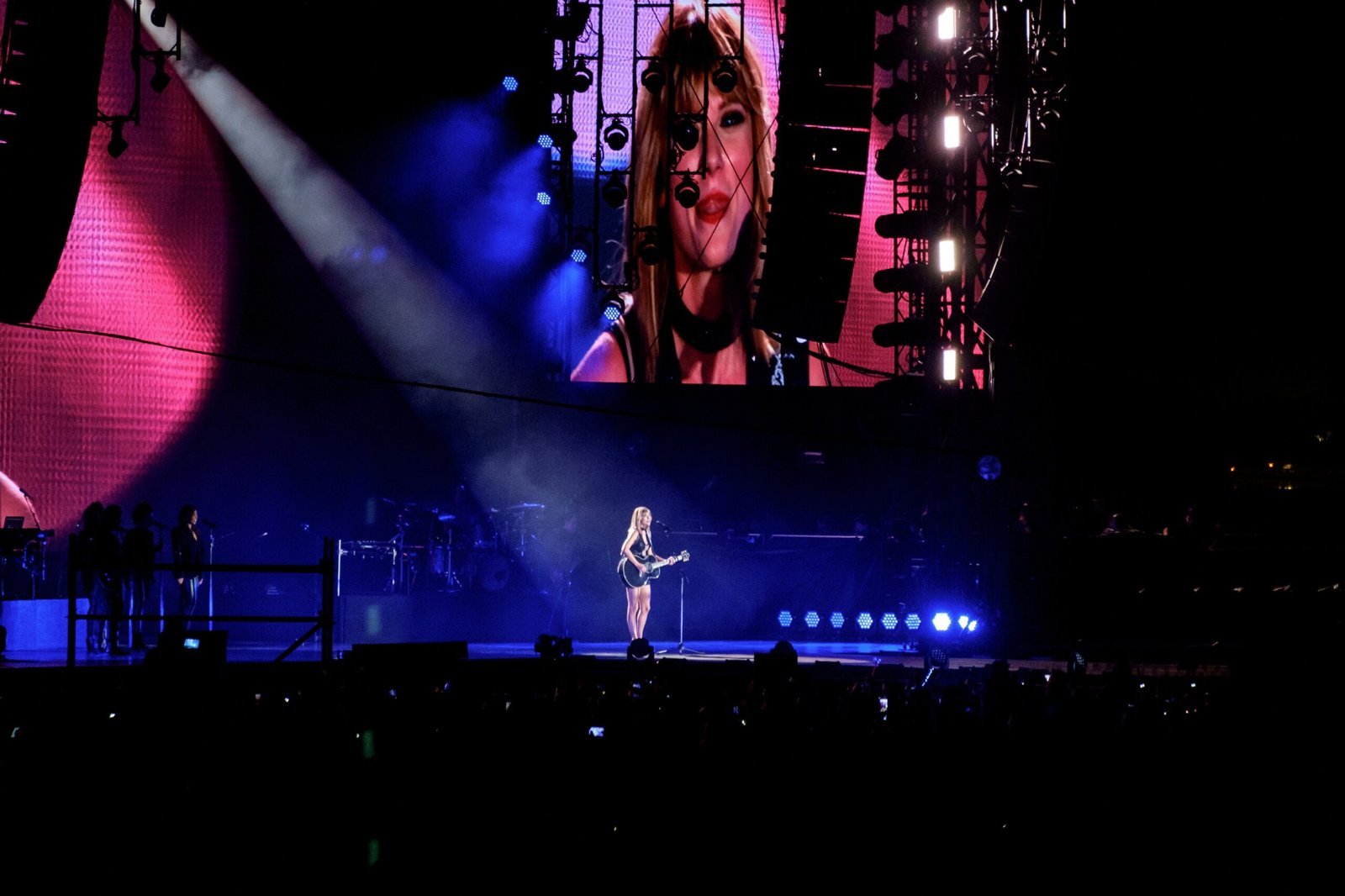
Taylor Swift, Adele, and Drake dominated 2010s streaming. EDM drops and trap beats innovated drops. Social media virality made hits overnight sensations.
LGBTQ+ representation grew with artists like Lady Gaga. #MeToo echoed in lyrics. Algorithms curated playlists, personalizing pop.[11][12]
The 2020s: TikTok and Fluid Genres
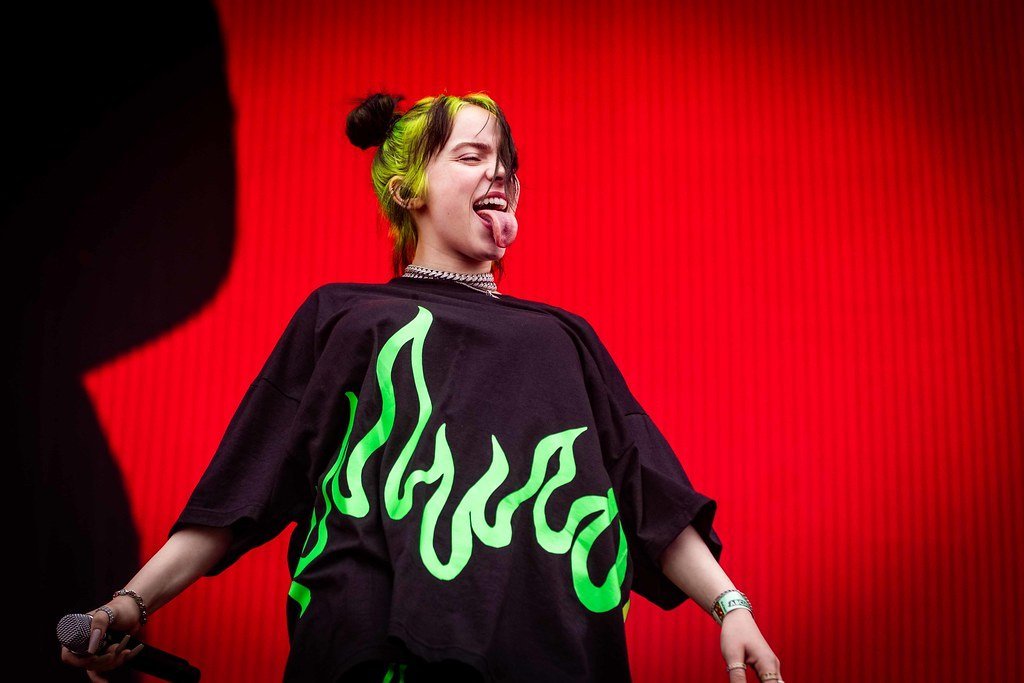
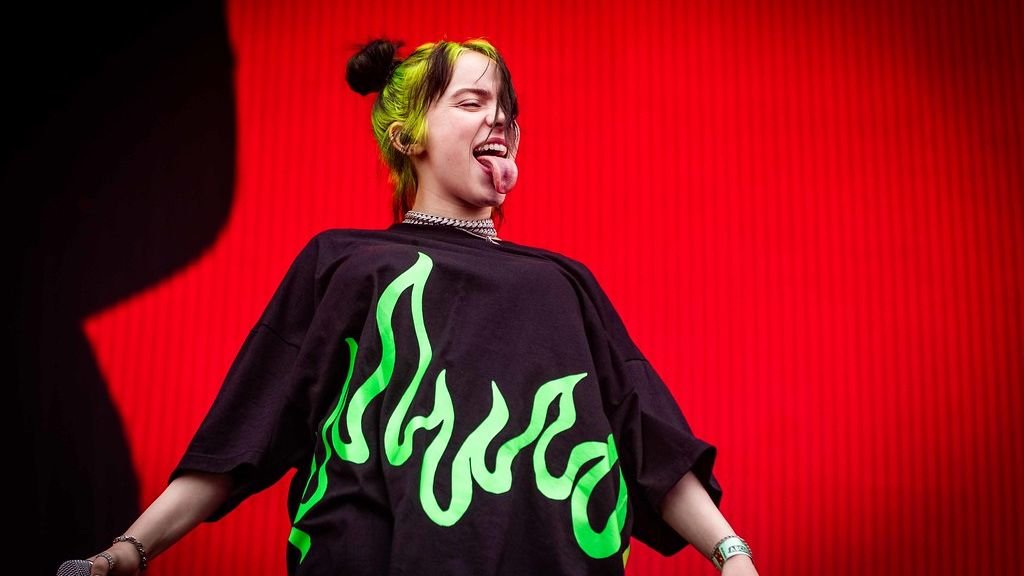
Olivia Rodrigo, Billie Eilish, and Bad Bunny lead 2020s pop. Genre-blending thrives, from hyperpop to Latin traps. Short-form video platforms like TikTok propel unknowns to stardom.
Pandemic isolation boosted bedroom producers. Social justice fuels conscious lyrics. AI tools hint at production’s next frontier, keeping evolution rapid.[9][10]
Pop’s Endless Reinvention
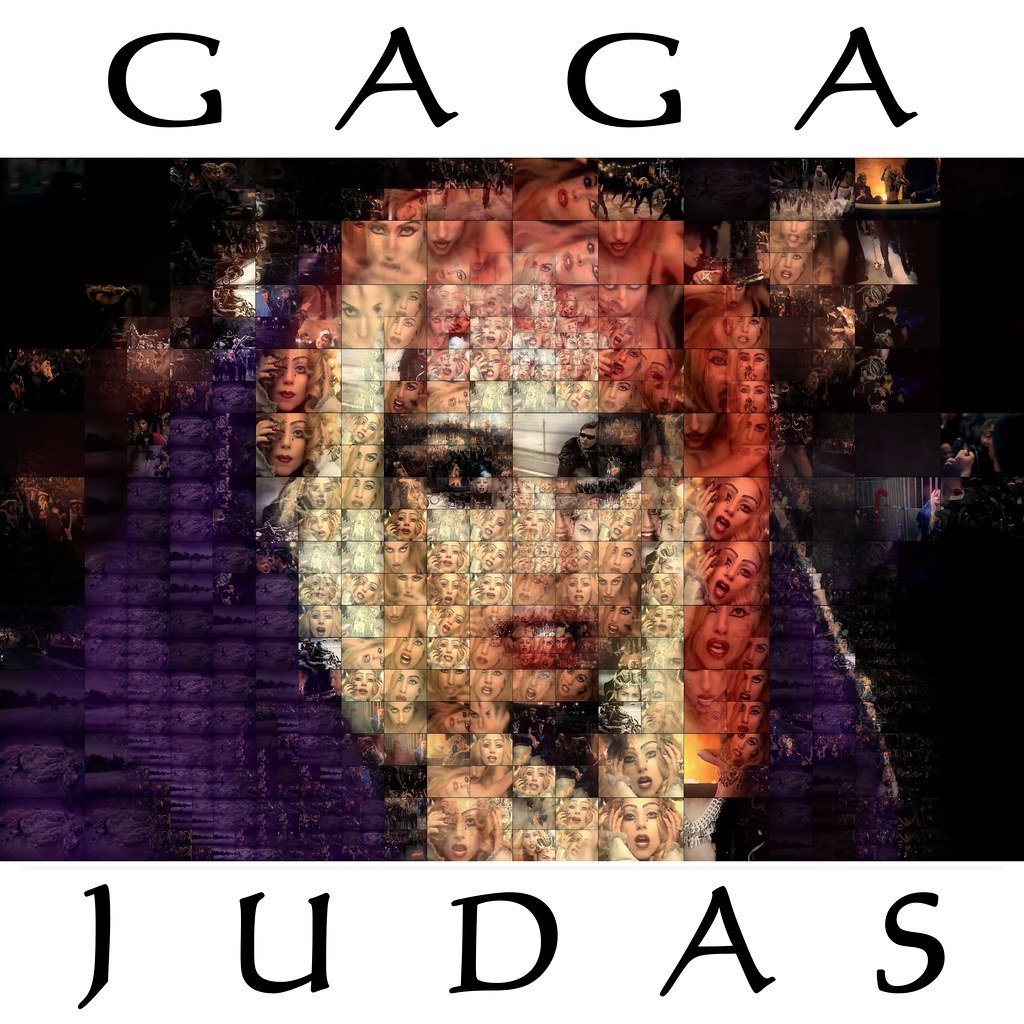
Pop music thrives on reinvention, absorbing tech and turmoil alike. Each era builds on the last, yet surprises with fresh rebellion.
As platforms evolve, so does the sound, ensuring pop remains society’s vibrant mirror. Its tapestry grows richer, thread by defiant thread.[6]

Christian Wiedeck, all the way from Germany, loves music festivals, especially in the USA. His articles bring the excitement of these events to readers worldwide.
For any feedback please reach out to info@festivalinside.com
