


- The Best Music Festivals Are Time Capsules of Cultural Revolution - August 29, 2026
- 12 Iconic Duets That Changed Music History Forever - August 29, 2026
- 10 TV Shows From the 80s and 90s That Defined a Generation’s Humor - August 29, 2026
Classic rock stations loop the biggest hits from the golden era. Plenty of worthy albums, though, slipped through the cracks amid the frenzy of blockbuster releases.
These records captured raw talent and bold ideas. They faded from view due to bad timing or stiff competition. A fresh listen reveals their lasting spark.[1][2]
Love – Forever Changes (1967)
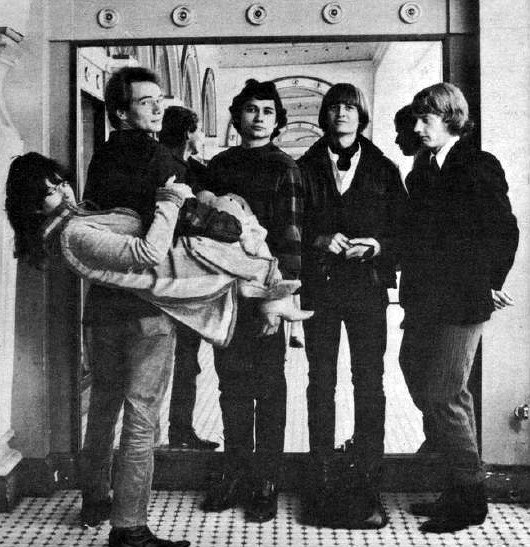
Love’s Forever Changes arrived amid the 1967 Summer of Love explosion. The Los Angeles band’s second album struggled with poor promotion and internal strife. It bombed commercially back then.[1]
Baroque strings blend with gritty psych rock throughout. Tracks like “Alone Again Or” showcase poetic lyrics and intricate arrangements. This gem influenced countless artists and holds up as a psychedelic pinnacle.[1]
Its overlooked status stems from the band’s quick dissolve. Rediscovery uncovers a timeless blend of beauty and menace.
The Zombies – Odessey and Oracle (1968)
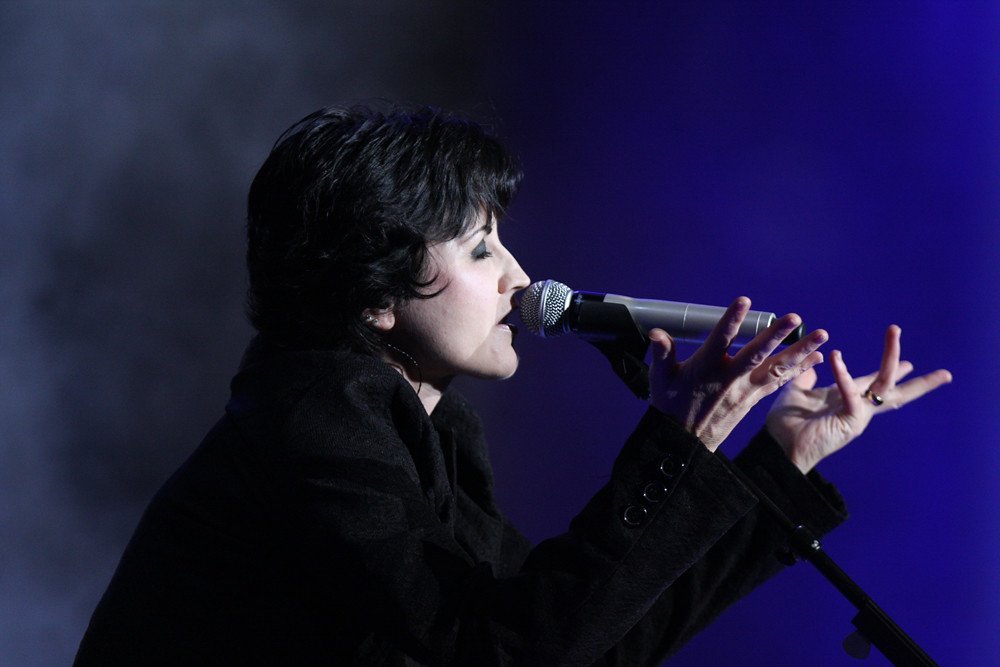
The Zombies wrapped their career with Odessey and Oracle. No major hits propelled it at release. The band split soon after, leaving it in obscurity.[1]
“Time of the Season” gained fame years later via film soundtracks. Sunlit melodies mix with haunting harmonies on cuts like “A Rose for Emily.” Its chamber-pop sophistication feels innovative even now.
Flawed spelling in the title hinted at its odd path. This swan song brims with emotional depth worth revisiting.
Jeff Beck Group – Beck-Ola (1969)
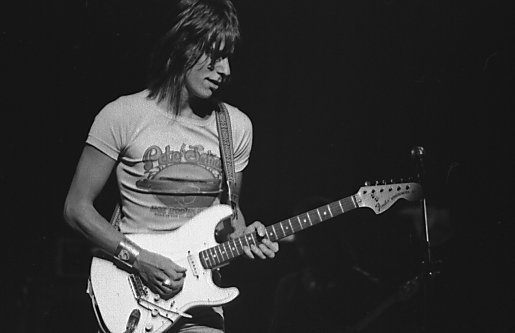
The Jeff Beck Group’s Beck-Ola followed their raw debut Truth. Guitar wizardry from Beck paired with Rod Stewart’s vocals and Ronnie Wood’s bass. Yet it got lost in the heavy blues shuffle.[3]
Pounding riffs drive “Spanish Boots” and “Pussy Whiskers Stomp.” The energy crackles with proto-hard rock fire. It outshines many contemporaries in sheer power.
Short-lived lineup contributed to its fade. Beck’s vision shines through, demanding a spin today.
Status Quo – Dog of Two Head (1971)
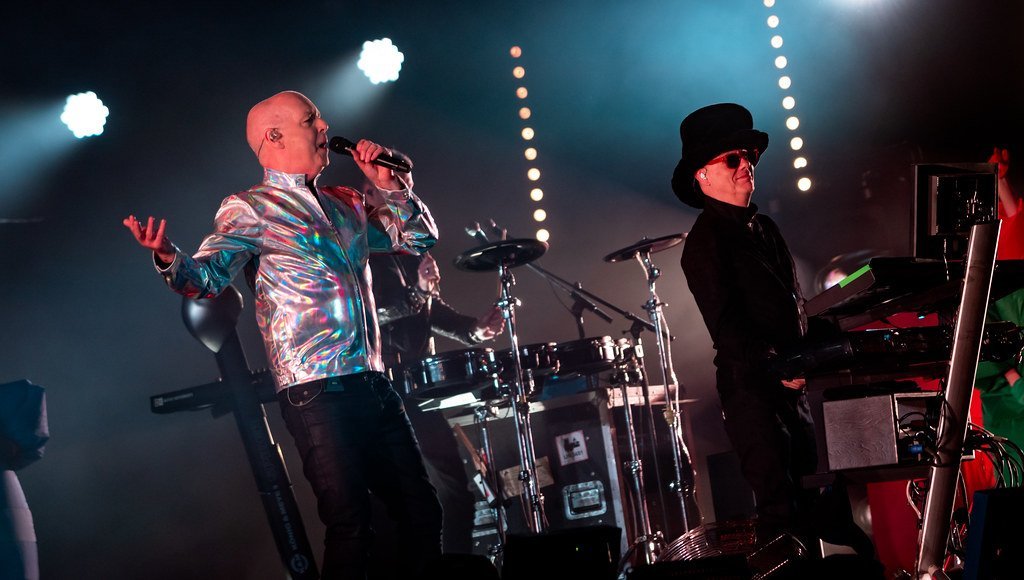
Status Quo shifted gears on Dog of Two Head. Pre-boogie era, it featured heavy riffs and eclectic vibes. Overshadowed by their later hits, it rarely gets airplay.[4]
“Paper Plane” hints at future anthems with catchy hooks. Geraniums and experimental edges add surprise. Live staples emerged from these sessions.
Band’s image change buried it deeper. Fierce grooves make it a hidden powerhouse.
Big Star – #1 Record (1972)
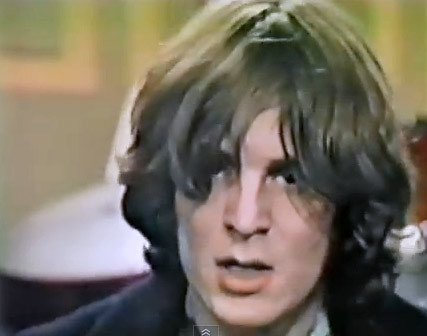
Big Star dreamed big with their debut #1 Record. Power pop perfection clashed with poor distribution. Sales tanked despite radio potential.[1]
“Thirteen” tugs at heartstrings with youthful longing. Alex Chilton’s melodies soar on “When My Baby’s Beside Me.” It paved the way for future indie rock.
Label woes sealed its initial fate. Cult status grew later, but it merits mainstream revival.
Deep Purple – Burn (1974)

Deep Purple’s Mk III era kicked off with Burn. New singer David Coverdale and bassist Glenn Hughes shook things up. Fans clung to Mk II classics, sidelining it.[4]
Title track blazes with funky riffs and soaring solos. Ritchie Blackmore peaks here. Soulful twists refresh their hard rock core.
Purist backlash dimmed its shine. Bold evolution rewards patient listeners.
Robin Trower – Bridge of Sighs (1974)
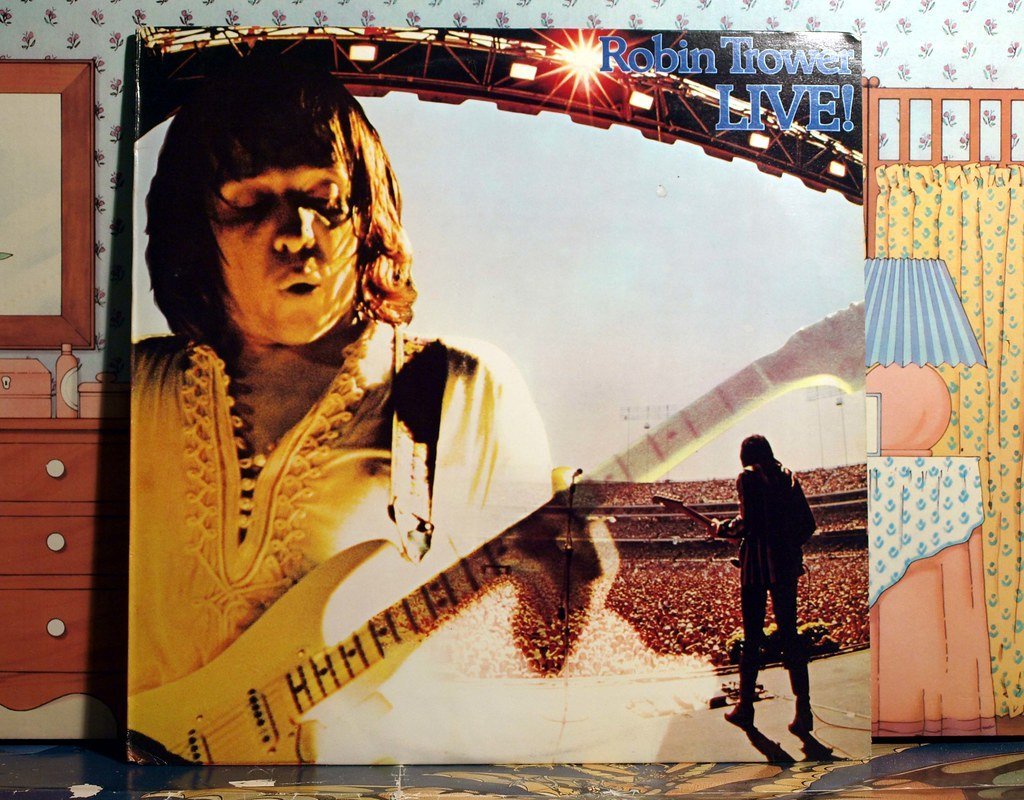
Ex-Procol Harum guitarist Robin Trower went solo on Bridge of Sighs. Hendrix-inspired tones defined his sound. It peaked modestly amid 70s guitar heroes.
“Daydream” weeps with expressive bends. Atmospheric production elevates every note. Blues-rock mastery flows end to end.
Post-band shadow kept it niche. Trower’s touch lingers vividly.
Blue Öyster Cult – Secret Treaties (1974)
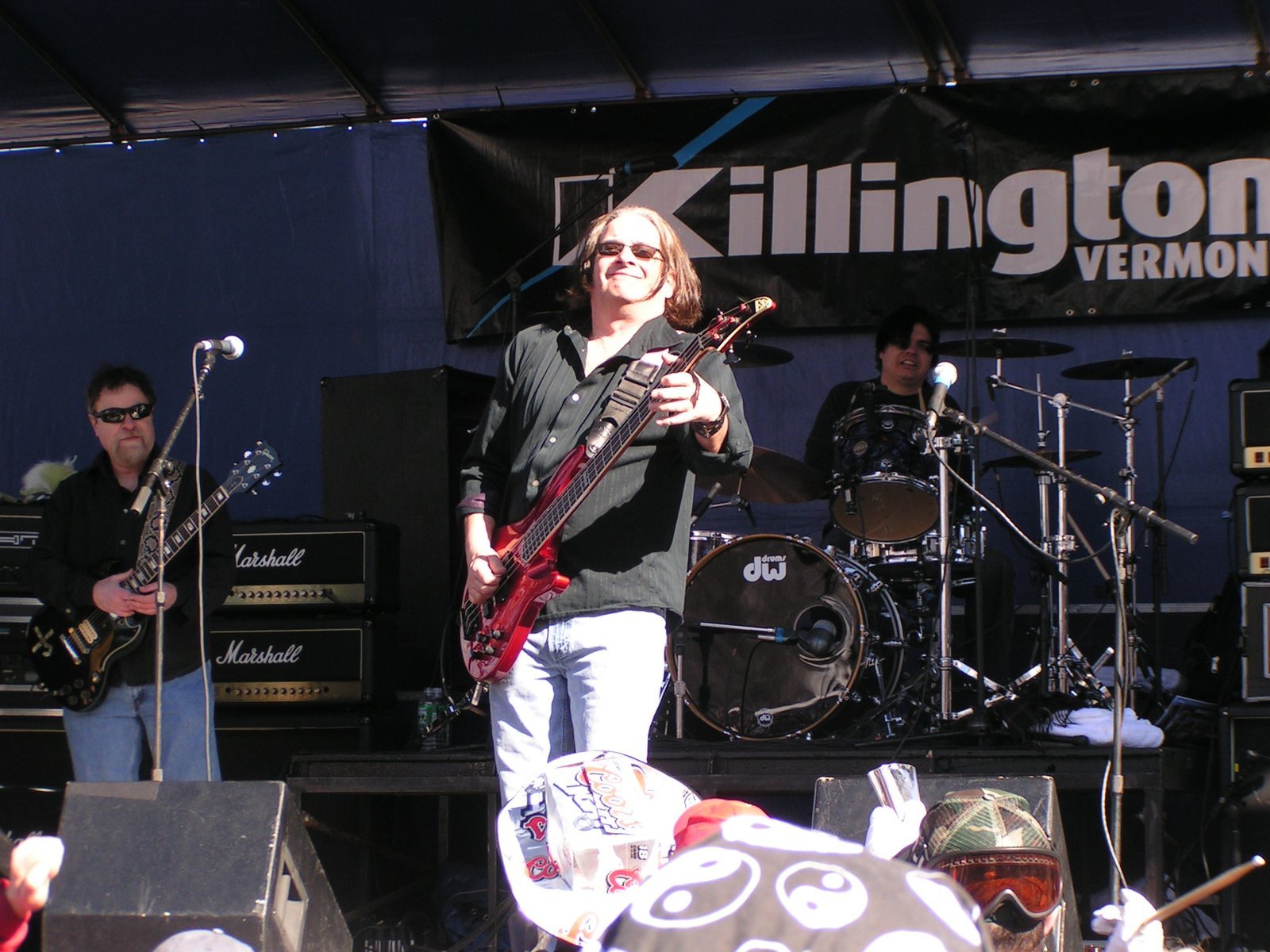
Blue Öyster Cult peaked creatively on Secret Treaties. Sci-fi lyrics met sharp riffs. Later hits like “(Don’t Fear) The Reaper” stole the spotlight.[5]
“Flaming Telepaths” thrills with urgent drive. Donald Roeser’s guitar bites hard. Conceptual depth adds intrigue.
Mid-career timing hurt visibility. Occult charm endures strongly.
Peter Gabriel – Peter Gabriel 3 (1980)
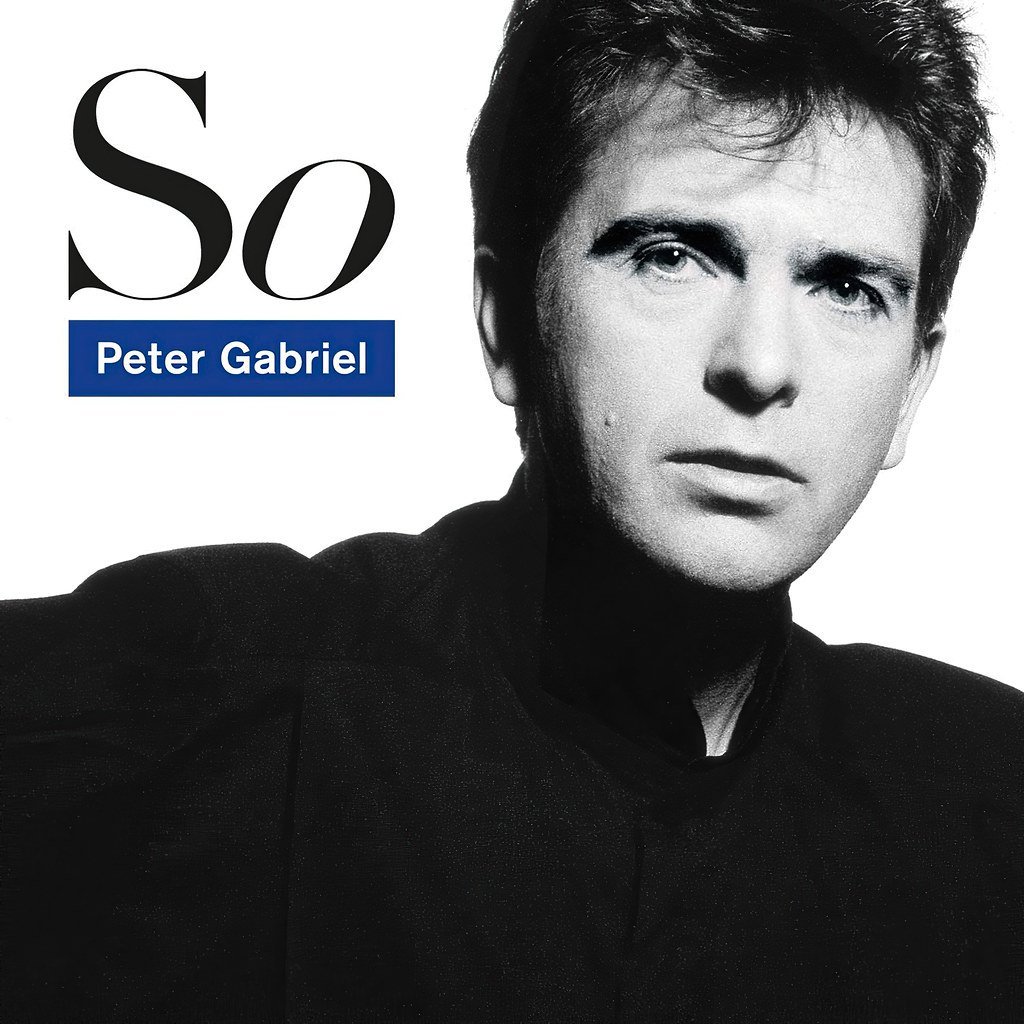
Peter Gabriel’s third self-titled album experimented wildly. World beats and art rock fused boldly. Later hits from So eclipsed it.[2]
“Games Without Frontiers” chills with stark vision. “Intruder” pulses innovatively. Consistent unease captivates fully.
Avant-garde leanings puzzled some. Peak artistry calls for return.
Aerosmith – Get Your Wings (1974)
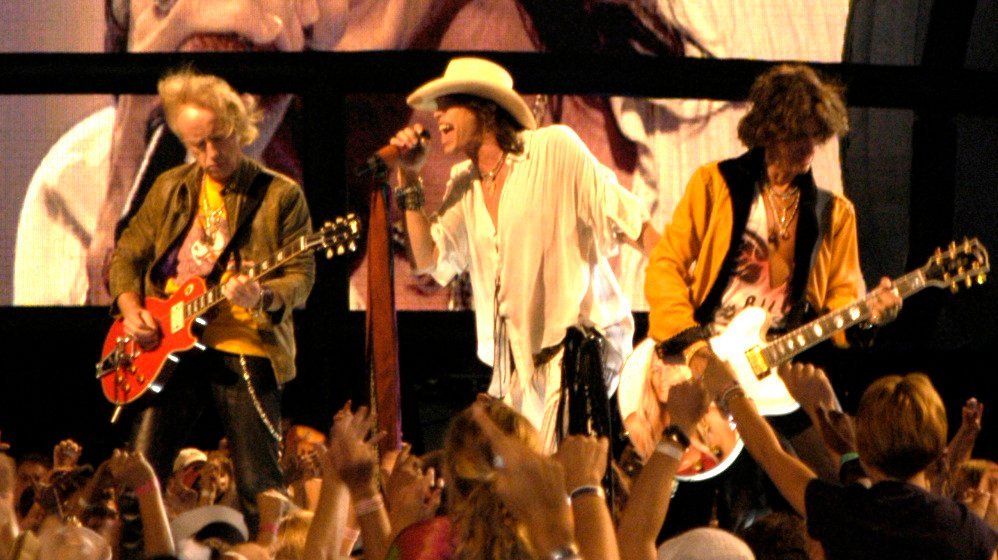
Aerosmith sharpened up on Get Your Wings. Post-debut polish boosted songcraft. Toys in the Attic soon dominated talk.[4]
“Same Old Song and Dance” snarls fiercely. Steven Tyler’s wail ignites “Lord of the Thighs.” Bad-boy attitude solidifies here.
Quick follow-up got buried. Refined swagger shines through.
Time to Dust Them Off

These albums prove classic rock’s depth runs far beyond the usual suspects. Dust off your vinyl or fire up a stream.
One spin might hook you for good. The era’s spirit lives on in these corners.

Besides founding Festivaltopia, Luca is the co founder of trib, an art and fashion collectiv you find on several regional events and online. Also he is part of the management board at HORiZONTE, a group travel provider in Germany.
