

- 10 Legendary Album Covers That Are Artworks in Themselves (and Their Hidden Meanings). - August 24, 2026
- 15 Famous Quotes That Are Dramatically Misattributed or Misunderstood by Millions. - August 24, 2026
- 12 Iconic TV Commercials That Defined a Generation and Became Pop Culture Cornerstones - August 23, 2026
Chart-topping hits often hook us with infectious melodies and seemingly straightforward lyrics. Yet beneath the surface, many harbor hidden meanings or unexpected origins that shift their entire vibe. These stories reveal the human moments fueling the music we love.
“(I Can’t Get No) Satisfaction” by The Rolling Stones (1965)
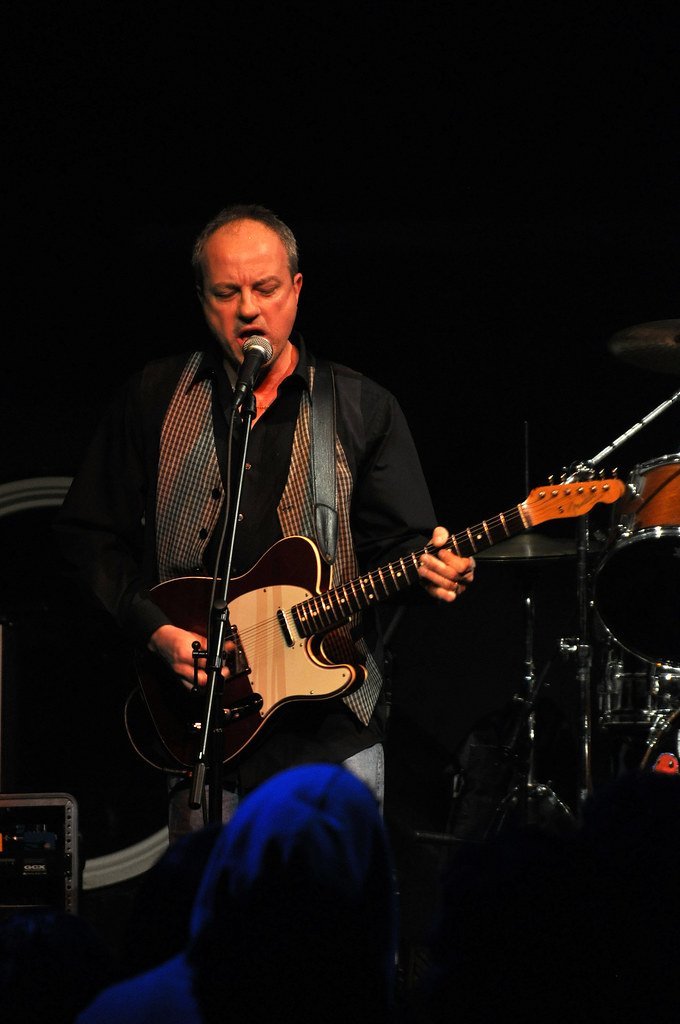
Listeners typically hear this raw rocker as a bold complaint about sexual frustration. The gritty riff and Mick Jagger’s snarling delivery reinforce that edgy rebel image.[1]
In truth, Keith Richards dreamed up the iconic riff one night and captured it on a cassette before passing out. The song captures the band’s weariness from endless touring and the hollow side of early fame, including fights over publishing rights they never owned.[1] Jagger shaped the words around broader discontent rather than just bedroom woes. This origin adds a layer of industry bitterness to its timeless punch.
“The Sound of Silence” by Simon & Garfunkel (1966)
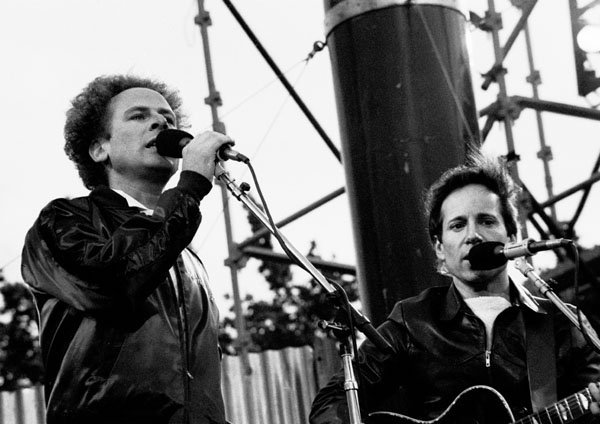
People embrace this haunting folk tune as a meditation on loneliness and societal numbness. Its stark poetry resonates as a cry against emotional isolation.
The surprise lies in its unlikely path to the top. The original acoustic cut flopped hard, selling just a couple thousand copies. Without telling the duo, producer Tom Wilson added electric guitar and drums, transforming it into the folk-rock smash that hit number one.[1] Paul Simon called it a “betrayal,” but it relaunched their career. That unauthorized remix turned a forgotten track into an anthem.
“Hey Jude” by The Beatles (1968)
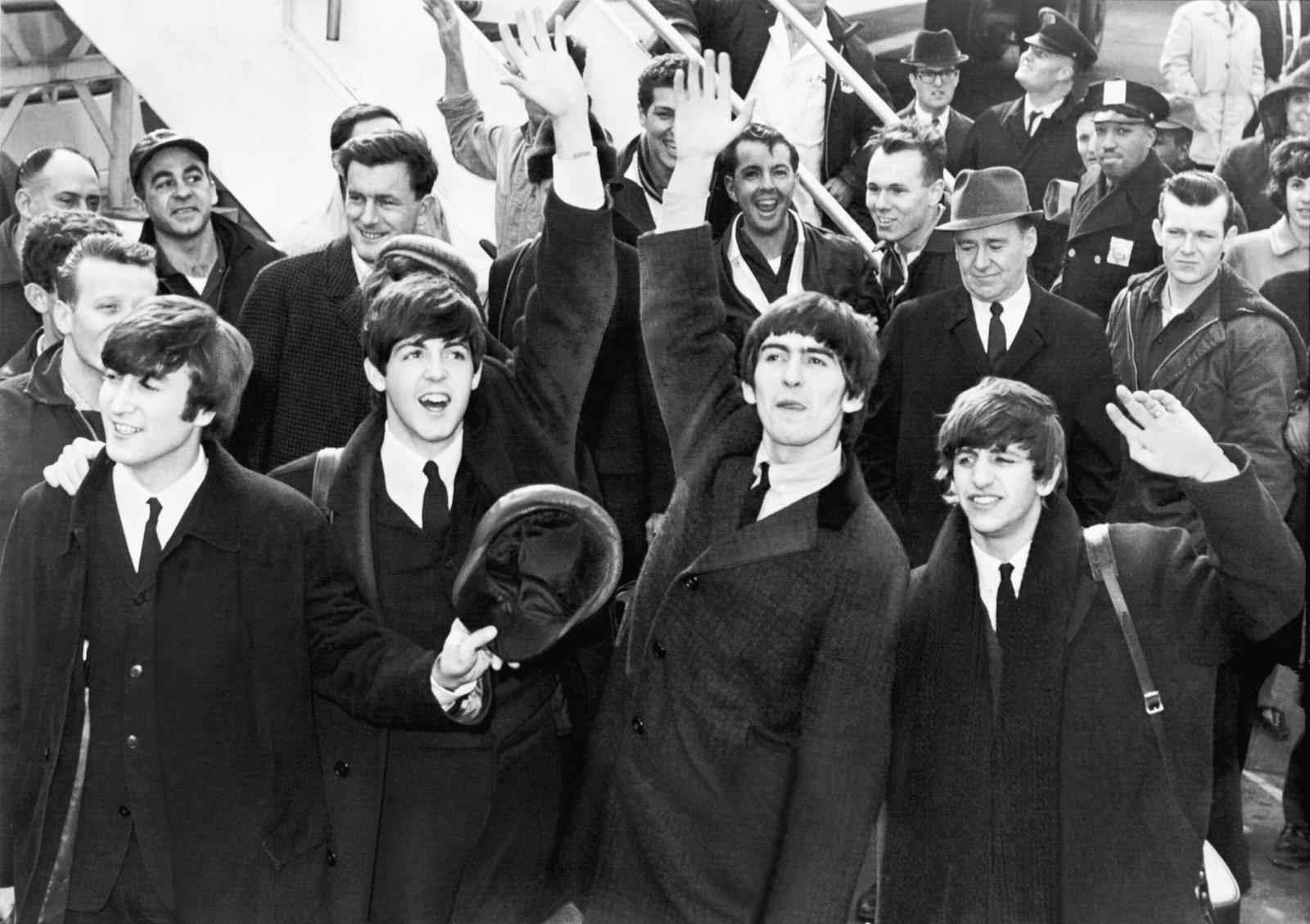
Most fans take this soaring ballad as a universal pep talk for tough times. Its gentle build to a massive sing-along feels like pure encouragement.
Paul McCartney actually penned it for John Lennon’s young son, Julian, amid his parents’ messy divorce. He started with “Hey Jules” to fit the melody, tweaking it to “Jude” later. Lennon initially thought it was about him and Yoko.[2] The song’s epic length broke radio rules, yet it became their longest-running number one. Knowing the personal root makes those “na na nas” hit differently.
“American Pie” by Don McLean (1972)
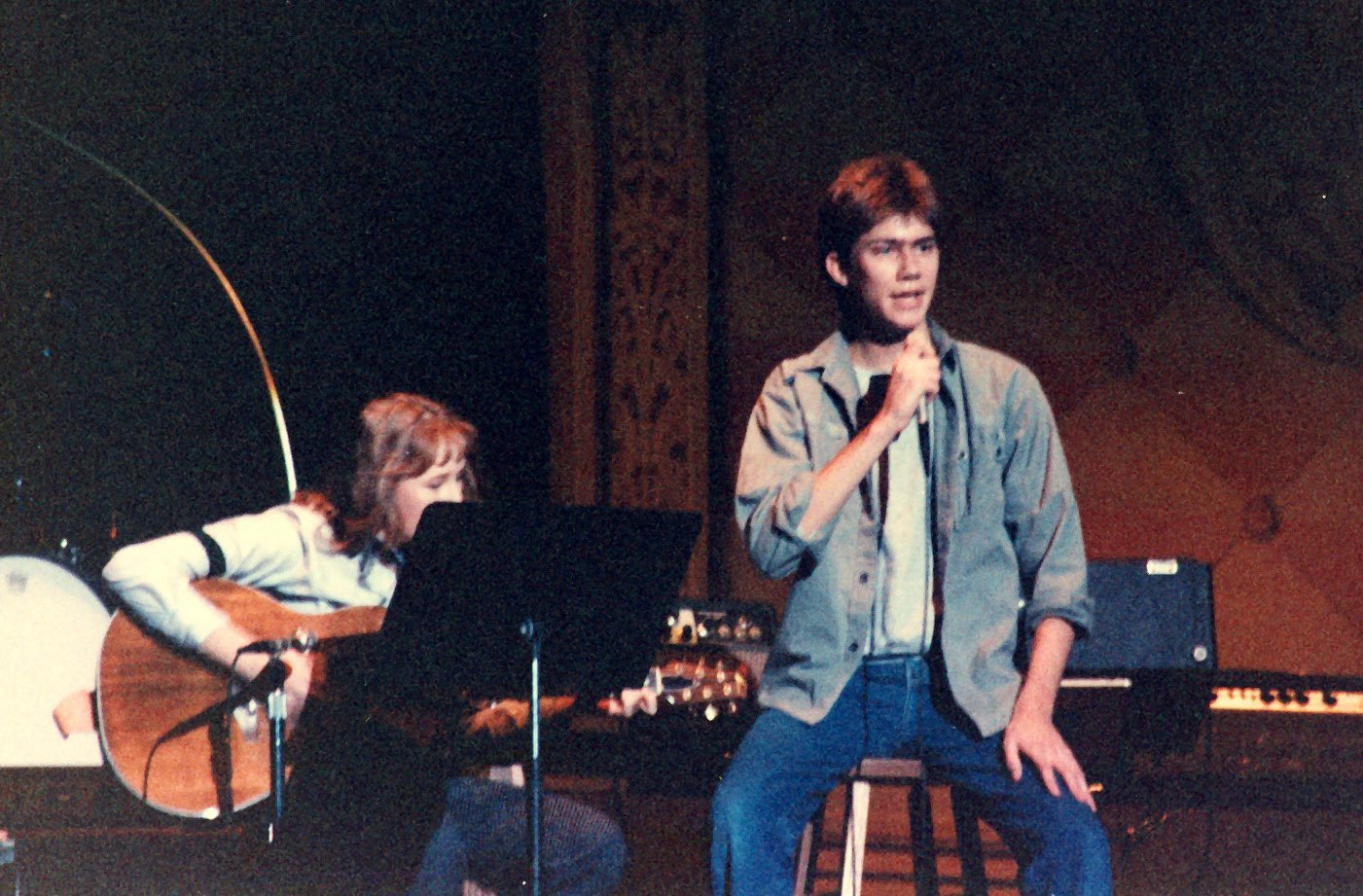
Many boil it down to mourning Buddy Holly’s fatal plane crash, dubbing it “the day the music died.” That line sticks as the core tragedy.
Don McLean crafted an eight-minute epic tracing rock’s evolution from the 1950s innocence through the turbulent 1960s and beyond. It laments wider cultural losses, from Elvis to the Stones and Altamont.[3] He never fully explained every symbol, leaving fans to decode. This broader canvas turns a campfire staple into a rock history lesson.
“Dreams” by Fleetwood Mac (1977)
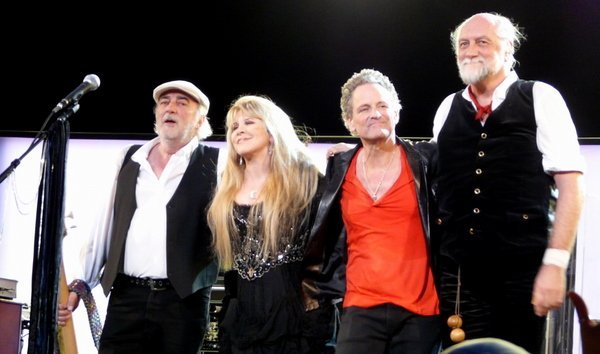
The dreamy vibe suggests a soft reflection on love or fleeting visions. Stevie Nicks’ ethereal voice sells that serene illusion.
She scribbled it in ten minutes during a band spat, venting frustration at Lindsey Buckingham. The group dismissed it as dull until Buckingham layered in his parts. It became their only Billboard number one.[1] That quick burst of anger fuels its hypnotic flow. Rumors of romance add even more bite now.
“Hotel California” by the Eagles (1977)
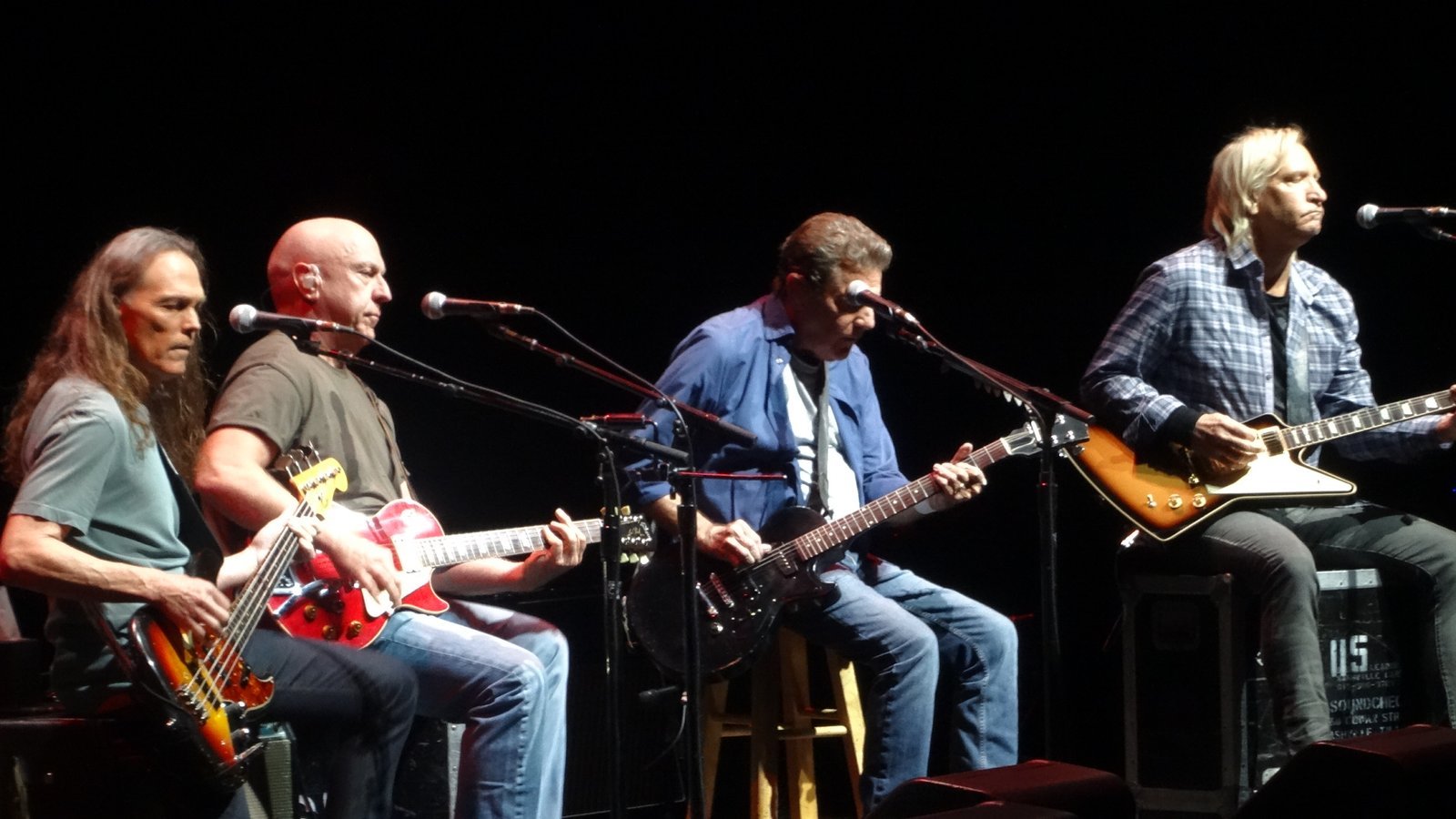
Conspiracy fans claim it’s about satanism, drugs, or a cult murder scene. Those “steely knives” and check-out line spark wild theories.
The band described it as a metaphor for the dark underbelly of the 1970s California rock lifestyle – greed, excess, and inescapable hedonism. The “you can check out anytime you like, but you can never leave” nods to addiction’s grip.[2] A subtle dig at Steely Dan hides in the lyrics too. It transforms from spooky tale to cautionary mirror.
“Billie Jean” by Michael Jackson (1983)
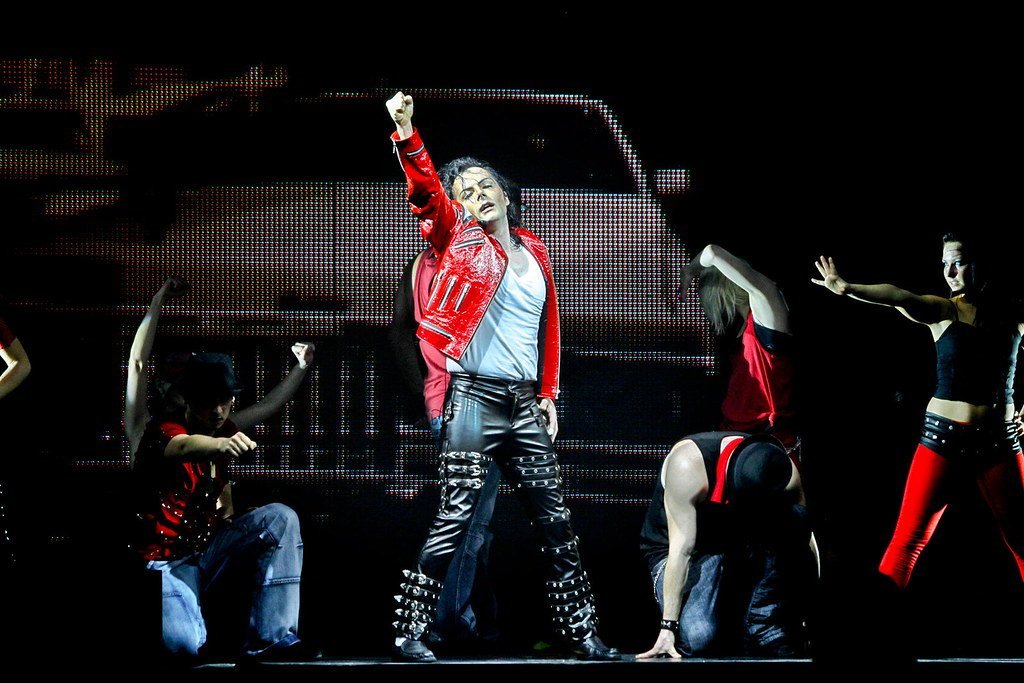
Dancers groove to its funky beat as a slick thriller-era banger. The paranoia blends into the pop perfection seamlessly.
Michael drew from real life: a persistent woman insisted he fathered her twins, bombarding him with letters and photos. He changed her name to “Billie Jean” for the track. It topped charts worldwide.[4] That true stalker tale sharpens the thriller edge. Fame’s creepy side pulses through every beat.
“Like a Virgin” by Madonna (1984)

The title screams celebration of first-time sex or youthful innocence lost. Its playful sass fits that cheeky read.
Songwriter Billy Steinberg meant feeling emotionally reborn in a new romance, healing old scars. Madonna amplified the provocative angle for shock value. It held number one for six weeks.[5] Vulnerability trumps literalism here. Her reinvention shines brighter with that intent.
“Every Breath You Take” by The Police (1983)
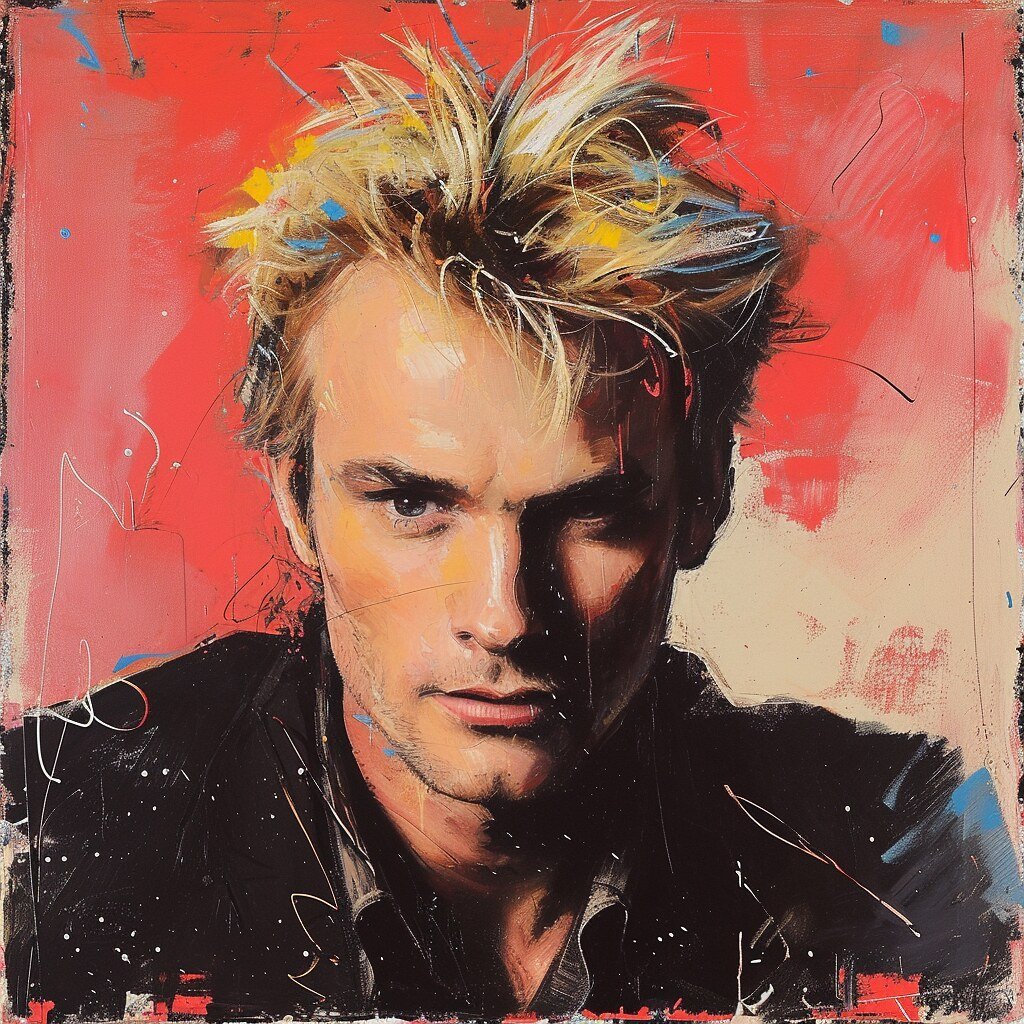
Couples sway to it as the ultimate possessive love song. Sting’s smooth croon sells obsessive romance.
Sting wrote it post-divorce as a creepy stalker anthem, watching an ex’s every move with dark intent. The band hated its vibe at first. It swept the Grammys anyway.[6] Weddings book it still, missing the menace. That twist chills the sweetest listens.
“Jump” by Van Halen (1984)

Party crowds leap to its synth-driven energy as pure fun escapism. Eddie Van Halen’s keys scream 80s excess.
David Lee Roth penned it urging a suicidal girlfriend to “jump” into life instead. He framed risks as leaps worth taking. It marked their only number one.[7] Beneath the hype lies quiet desperation. Air guitar now carries weight.
“I Will Always Love You” by Whitney Houston (1992)
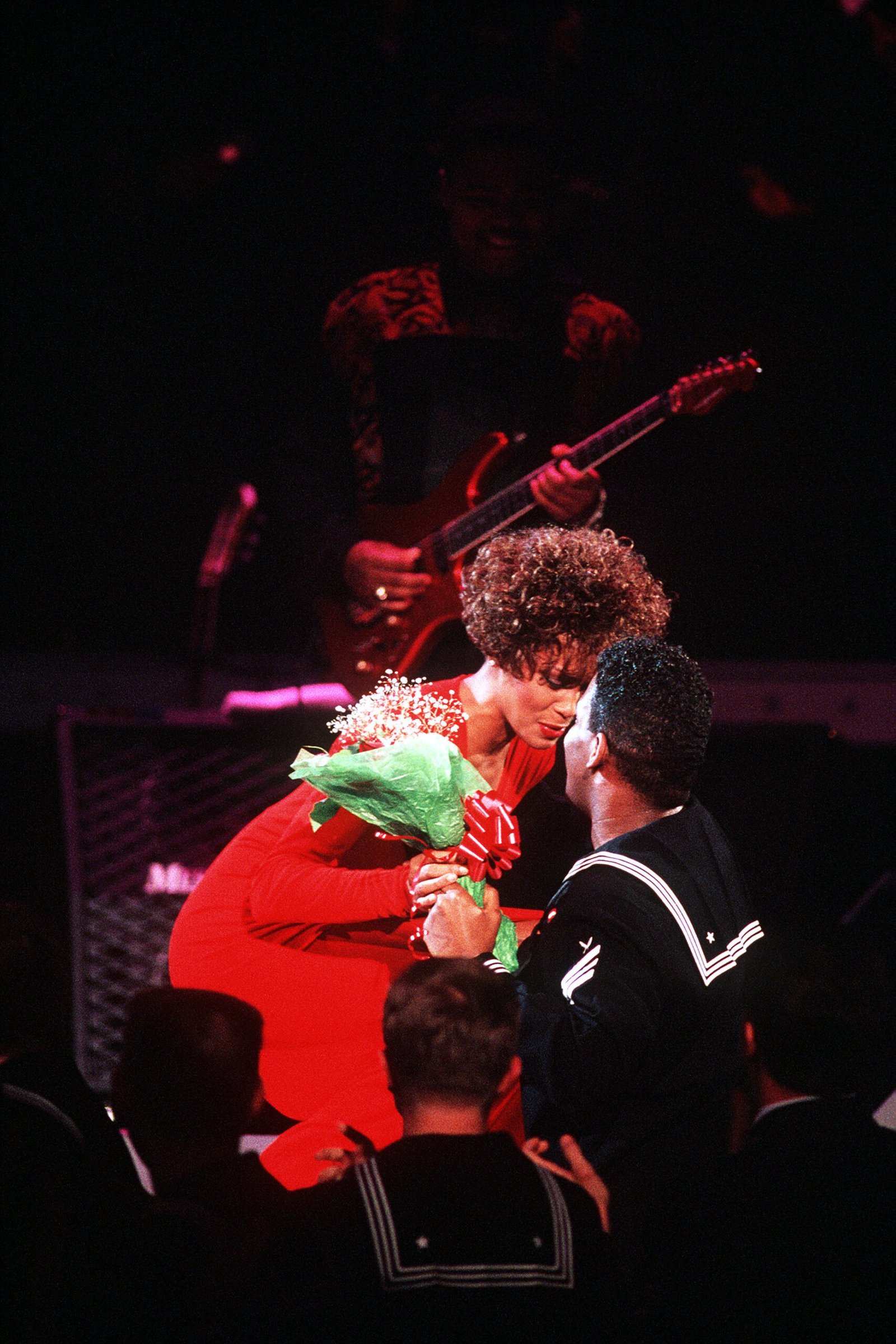
Heartbreak ballads fans hear a lover’s tearful final goodbye. Whitney’s powerhouse vocals seal the romance.
Dolly Parton wrote the original as a professional send-off to mentor Porter Wagoner when she went solo. He wept upon hearing it. Whitney’s version dominated charts for weeks.[3] Career crossroads replace bedroom drama. Gratitude echoes in every note.
“MMMBop” by Hanson (1997)
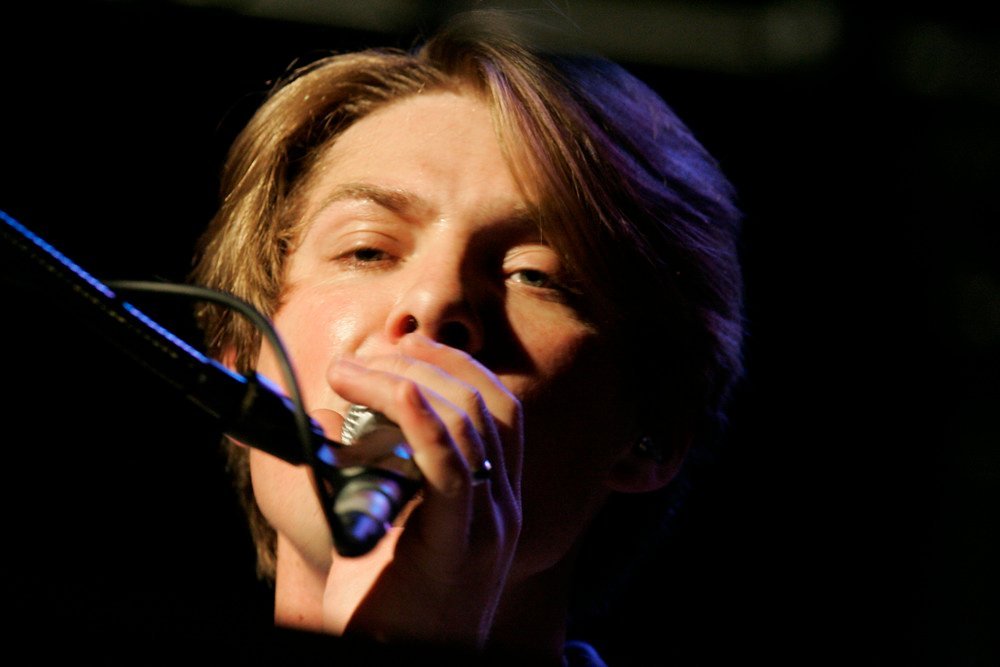
The “mmmbop” hook comes off as joyful nonsense pop for kids. Those teen brothers owned the bubblegum era.
The brothers crafted it as a reminder to nurture key relationships before time slips them away. “Mmmbop” stands for a brief life phase. It launched them huge.[3] Wisdom hides in the catchiness. Playlists gain depth.
“Hey Ya!” by OutKast (2003)
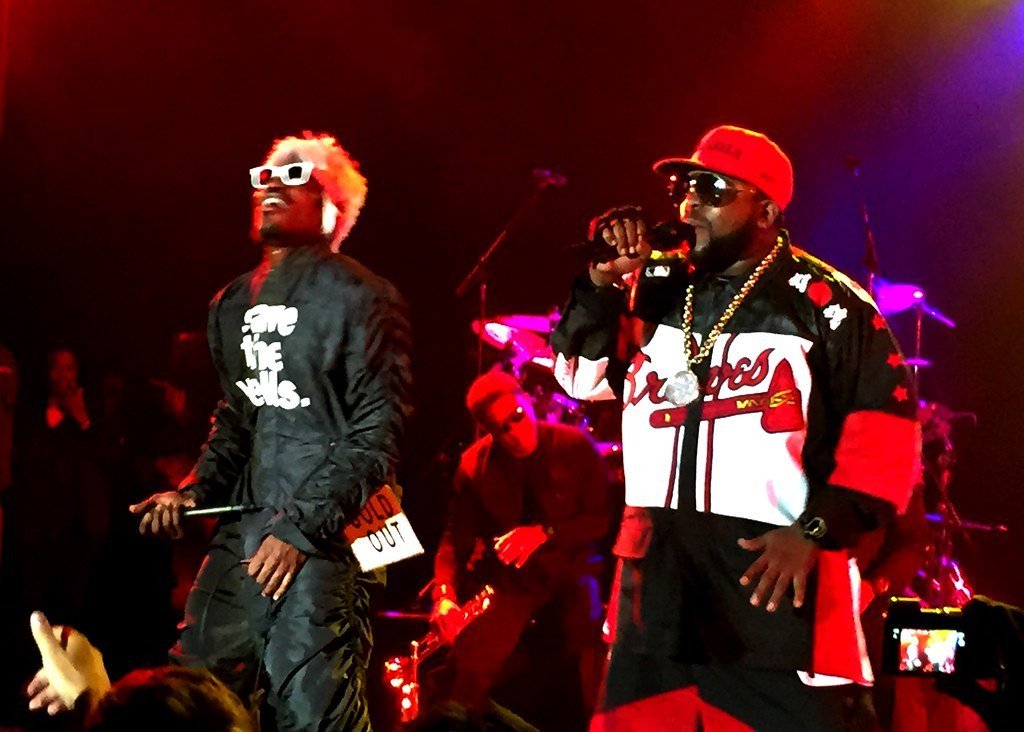
Upbeat handclaps and hooks scream irresistible party starter. Andre 3000’s charm sells non-stop fun.
Andre disguised a somber take on doomed marriages and fading love as high-energy dance fare. He questioned modern romance’s shake-it-off facade. It topped charts for nine weeks. That contrast stings on replay.
“Poker Face” by Lady Gaga (2008)

Gamblers nod to bluffing in high-stakes games. The beat pulses like a casino floor.
Gaga revealed it channels her thrill of sleeping with men while fantasizing about women, bluffing her bisexuality. She fought to keep raw language intact. Number one everywhere.[2] Secrets fuel the glamour. Confidence rings truer.
“S and M” by Rihanna (2011)

The whips-and-chains imagery screams bedroom kink celebration. Her bold strut owns the provocation.
Rihanna targeted her twisted pleasure-pain bond with tabloid scrutiny and public gossip. Media “sticks and stones” became her fetish. It ruled charts amid backlash.[3] Fame’s lash replaces leather. Empowerment flips the script.
These Revelations Reshape the Soundtrack

Peeling back these layers shows how personal pain, accidents, and sharp commentary birth the hits we hum daily. Songs evolve from private confessions to global earworms.
Next spin, that familiar chorus might whisper a new truth. Music’s magic deepens when we listen closer.
CEO-Co-Founder
