
For any feedback please reach out to info@festivalinside.com
- 12 Literary Feuds So Intense, They Changed the Course of Literature - August 11, 2026
- 10 Mysterious Disappearances of Famous Figures That Still Puzzle Experts - August 11, 2026
- 10 Foods We Thought Were American But Were Actually Invented Somewhere Else. - August 11, 2026
Music festivals have long served as gathering points where sounds collide with social movements. In the mid-1960s, they began evolving from simple concerts into sprawling events that blended art, politics, and communal living. These gatherings shifted how performers connected with crowds, turning passive listening into shared cultural moments.
Expectations for live shows grew alongside audience roles, from spectators to participants in something larger. Over decades, select festivals etched themselves into history by pioneering formats, scales, and atmospheres that echoed far beyond their stages.[1][2]
Monterey International Pop Festival
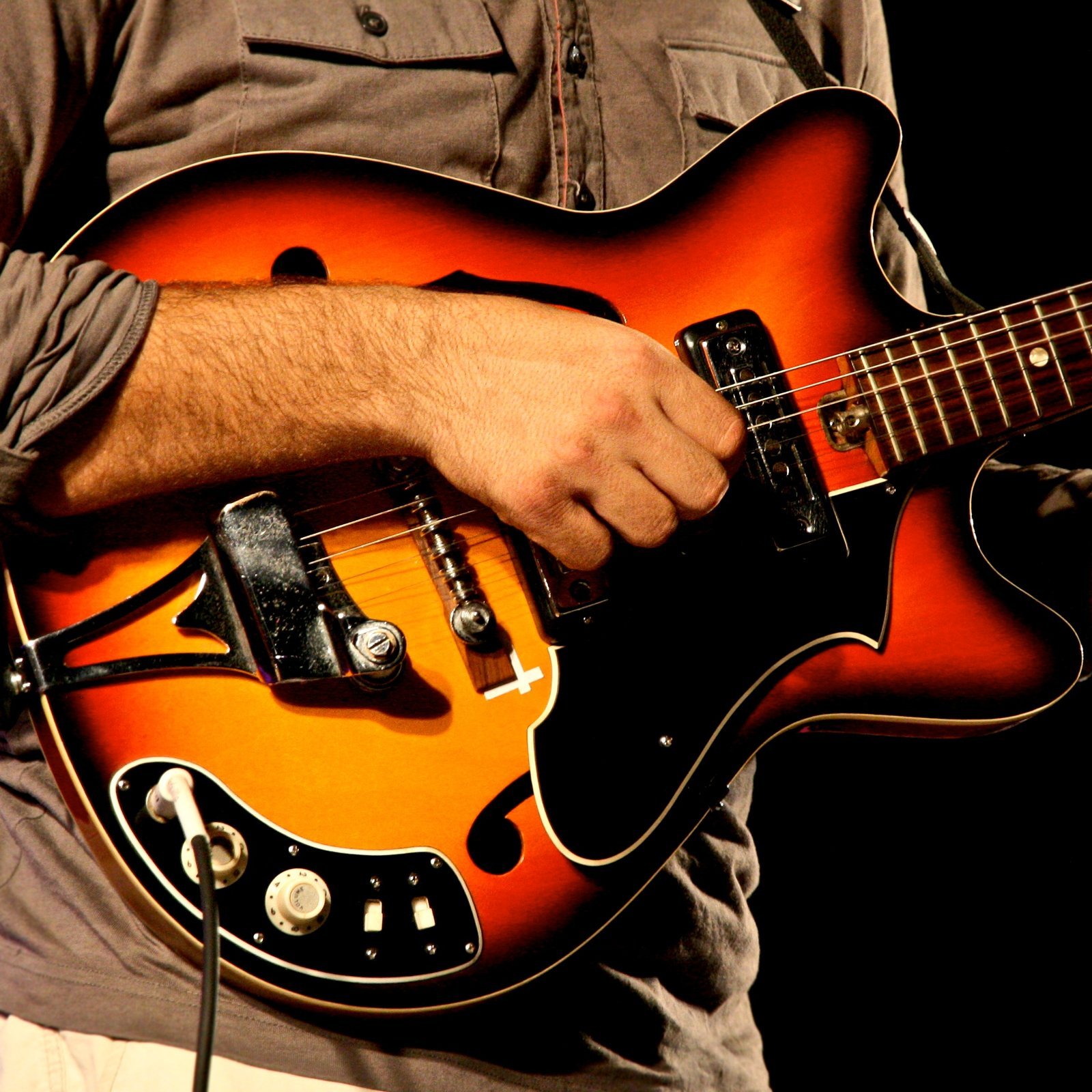
The Monterey International Pop Festival took place over three days in June 1967 at the Monterey County Fairgrounds in California. Organized by John Phillips of the Mamas & the Papas and others, it featured a mix of rock, folk, blues, and jazz acts from around the world. This event marked one of the first large-scale outdoor rock festivals in the United States, drawing around 100,000 attendees despite no admission for many performers, who donated fees to charity.
Monterey launched careers like Jimi Hendrix’s in America, with his fiery guitar set becoming legendary. It set the template for future festivals by emphasizing diverse genres and international talent on expansive stages. The festival’s success proved rock could be a serious art form, influencing production standards and audience immersion for years to come.[3][4]
Woodstock Music and Art Fair
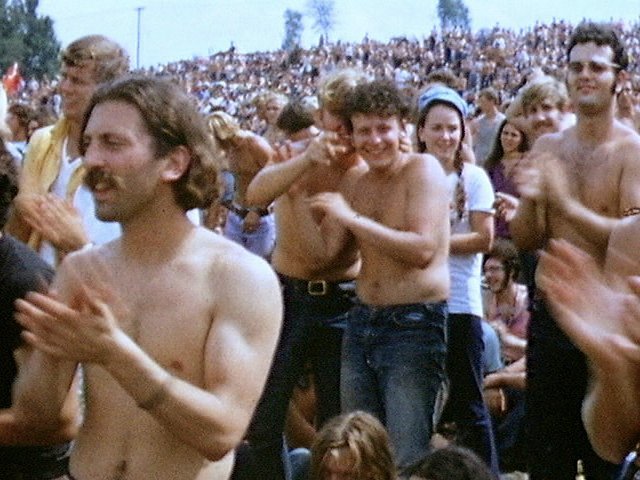
Woodstock unfolded from August 15 to 18, 1969, on Max Yasgur’s farm in Bethel, New York. Billed as “three days of peace and music,” it drew an estimated 400,000 people amid the counterculture era. Heavy rain and logistical chaos tested organizers, yet acts like Jimi Hendrix, Joan Baez, and The Who performed through it all.
The event symbolized hippie ideals of peace and freedom, captured in a documentary that reached millions. Woodstock redefined festivals as communal utopias, inspiring camping traditions and free-spirited vibes worldwide. Its legacy shaped expectations for massive, mud-soaked gatherings that prioritize experience over perfection.[5]
Altamont Free Concert
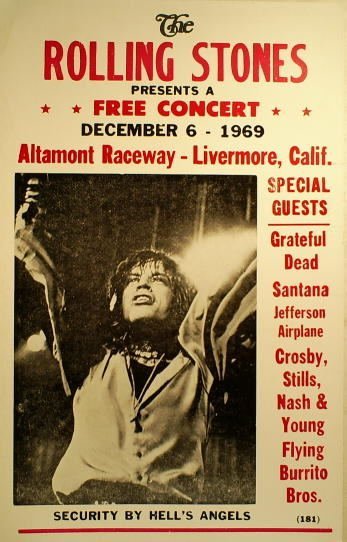
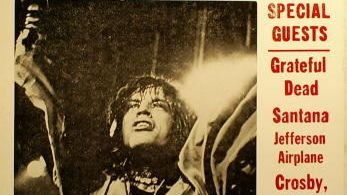
On December 6, 1969, the Altamont Free Concert drew about 300,000 to Altamont Speedway in California. Promoted as “Woodstock West” by the Rolling Stones, it featured Grateful Dead, Jefferson Airplane, and Santana. Hells Angels provided security, a decision that unraveled amid rising tensions and drug use.
A stabbing death during the Stones’ set highlighted festival dangers, ending the 1960s dream sharply. Altamont prompted stricter safety measures, professional security, and site planning in future events. It served as a cautionary pivot, balancing freedom with responsibility in live music organization.
Isle of Wight Festival
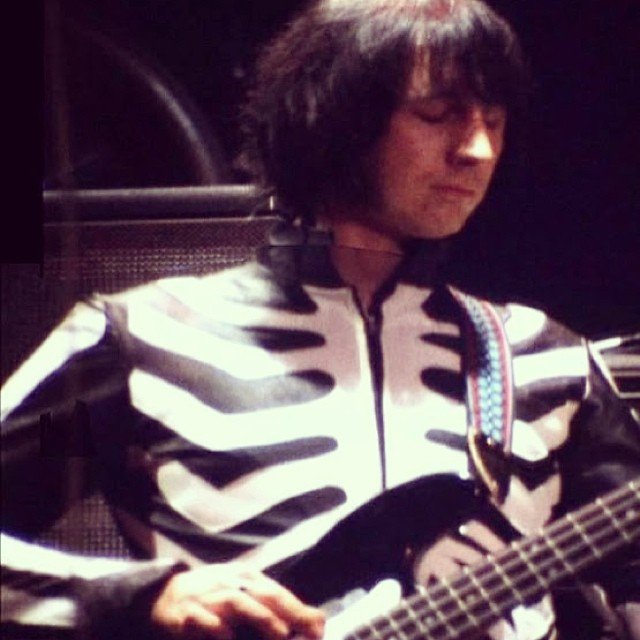
The 1970 Isle of Wight Festival occurred August 29 to September 6 on the Isle of Wight, England. It attracted over 600,000 attendees, making it one of the largest at the time. Headliners included The Who, Jimi Hendrix (posthumously honored), and The Doors, amid a diverse bill.
The event strained local resources and led to gate-crashing, influencing UK festival regulations. Isle of Wight showcased rock’s global draw, paving the way for Europe’s big outdoor events. Its scale redefined capacity limits and community impacts for planners everywhere.
Glastonbury Festival
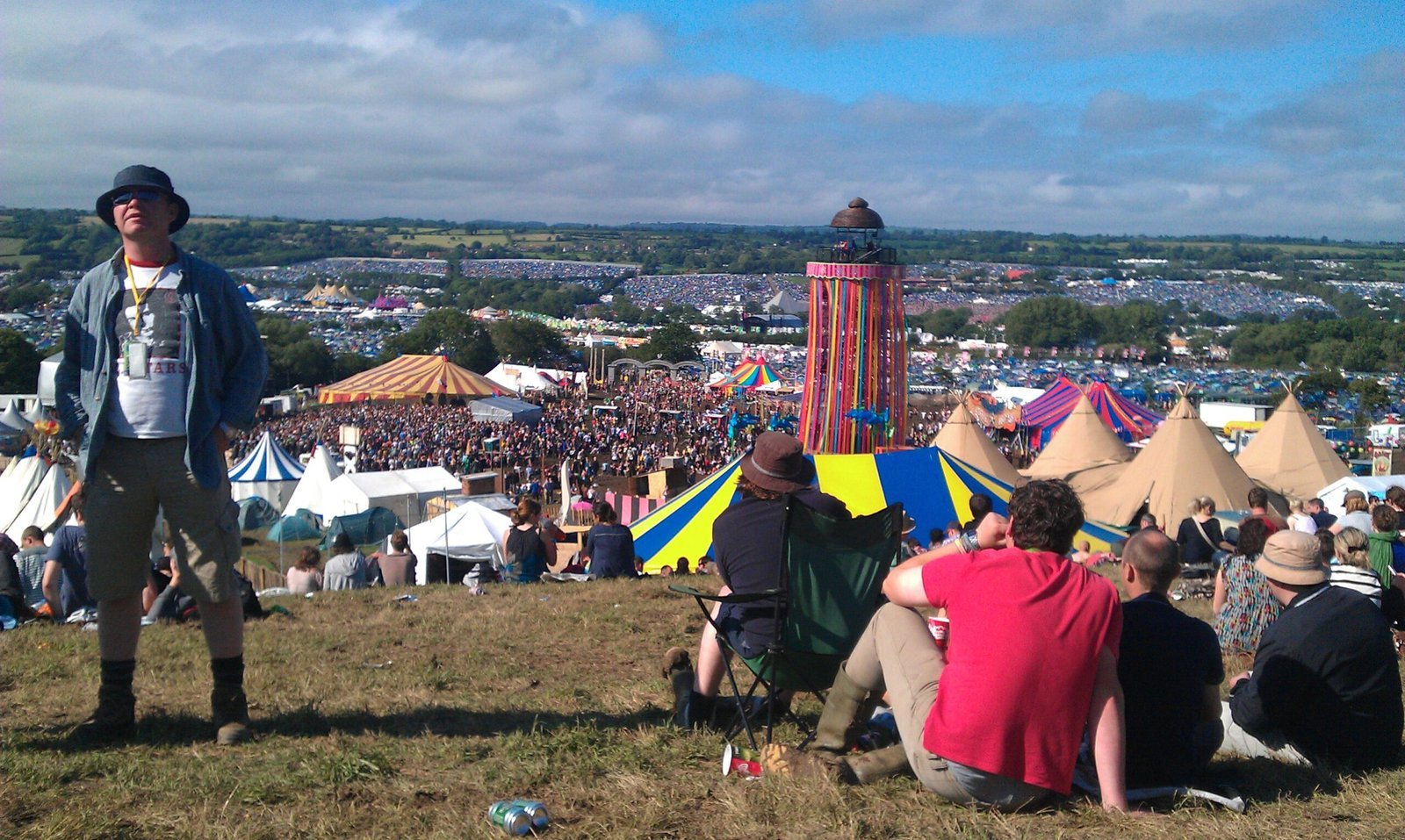
Glastonbury began in 1970 on Worthy Farm in Somerset, England, organized by Michael Eavis. Initially a small hippie gathering with free milk, it grew into the world’s largest greenfield festival. Early lineups mixed folk, rock, and jazz, evolving with Pyramid Stage debuts.
Now drawing 200,000 annually, Glastonbury blends music, arts, and activism, fallowing fields yearly for sustainability. It established the model for multi-day, multi-stage immersion with political edge. The festival’s endurance shapes modern expectations for cultural depth beyond headliners.[6]
Live Aid
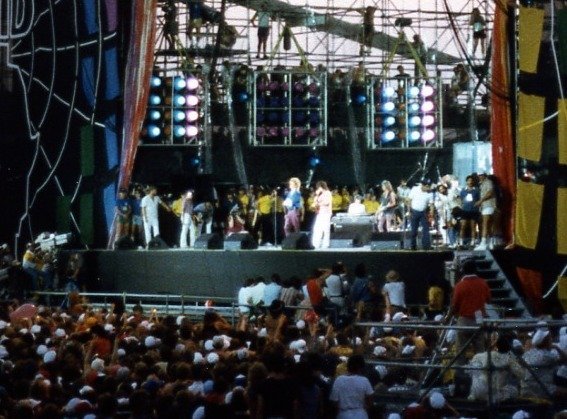
Live Aid happened on July 13, 1985, with simultaneous concerts at Wembley Stadium in London and JFK Stadium in Philadelphia. Organized by Bob Geldof after Band Aid, it featured Queen, U2, and Paul McCartney among 60 acts. Broadcast live to 1.9 billion viewers, it raised over $125 million for Ethiopian famine relief.
The event revolutionized global simulcasts, merging TV with music for charity. Live Aid inspired benefit mega-events and celebrity activism in music. Its production scale elevated technical standards for synchronized international broadcasts.[7][8]
Lollapalooza
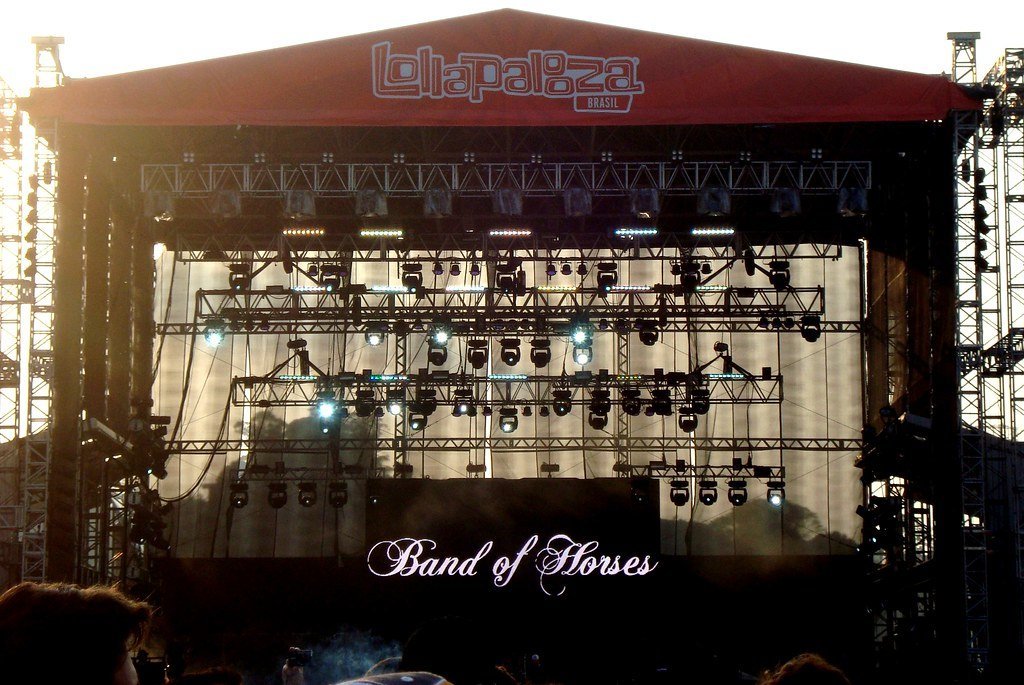
Lollapalooza launched in 1991 as a touring festival across North America, founded by Perry Farrell of Jane’s Addiction. It spotlighted alternative rock with Jane’s Addiction, Nine Inch Nails, and Pearl Jam early on. The multi-city format reached diverse audiences without fixed venues.
Lollapalooza mainstreamed grunge and rap-rock, challenging radio dominance. Its touring model influenced mobile festivals globally, expanding reach. Now settled in Chicago and abroad, it continues blending genres and activism.[9]
Lilith Fair
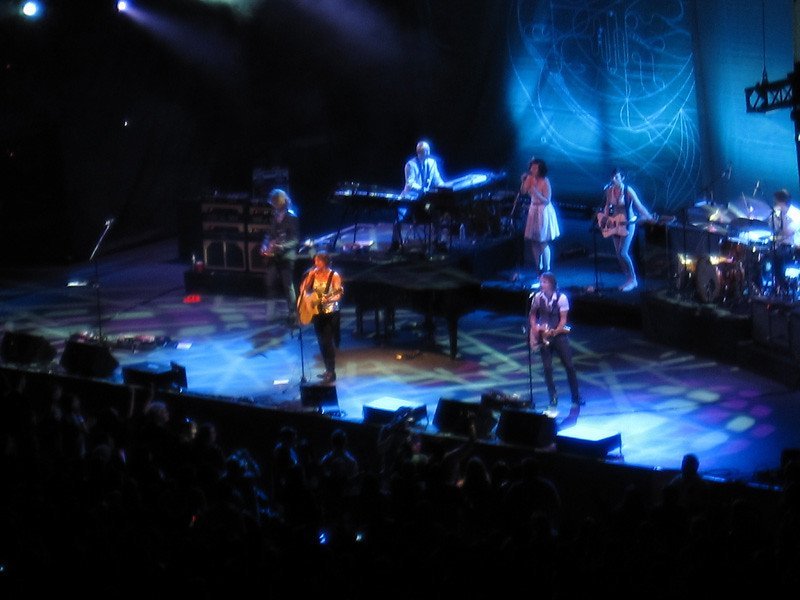
Lilith Fair debuted in 1997, created by Sarah McLachlan to counter all-male festival bills. The touring event featured Sheryl Crow, Fiona Apple, and Missy Elliott over three summers. It drew 1.5 million fans, donating proceeds to women’s causes.
The festival broke gender barriers, proving female-led lineups could sell out. Lilith Fair empowered women in music, influencing diverse bookings today. Its success shifted industry views on market viability for solo female artists.
Coachella Valley Music and Arts Festival
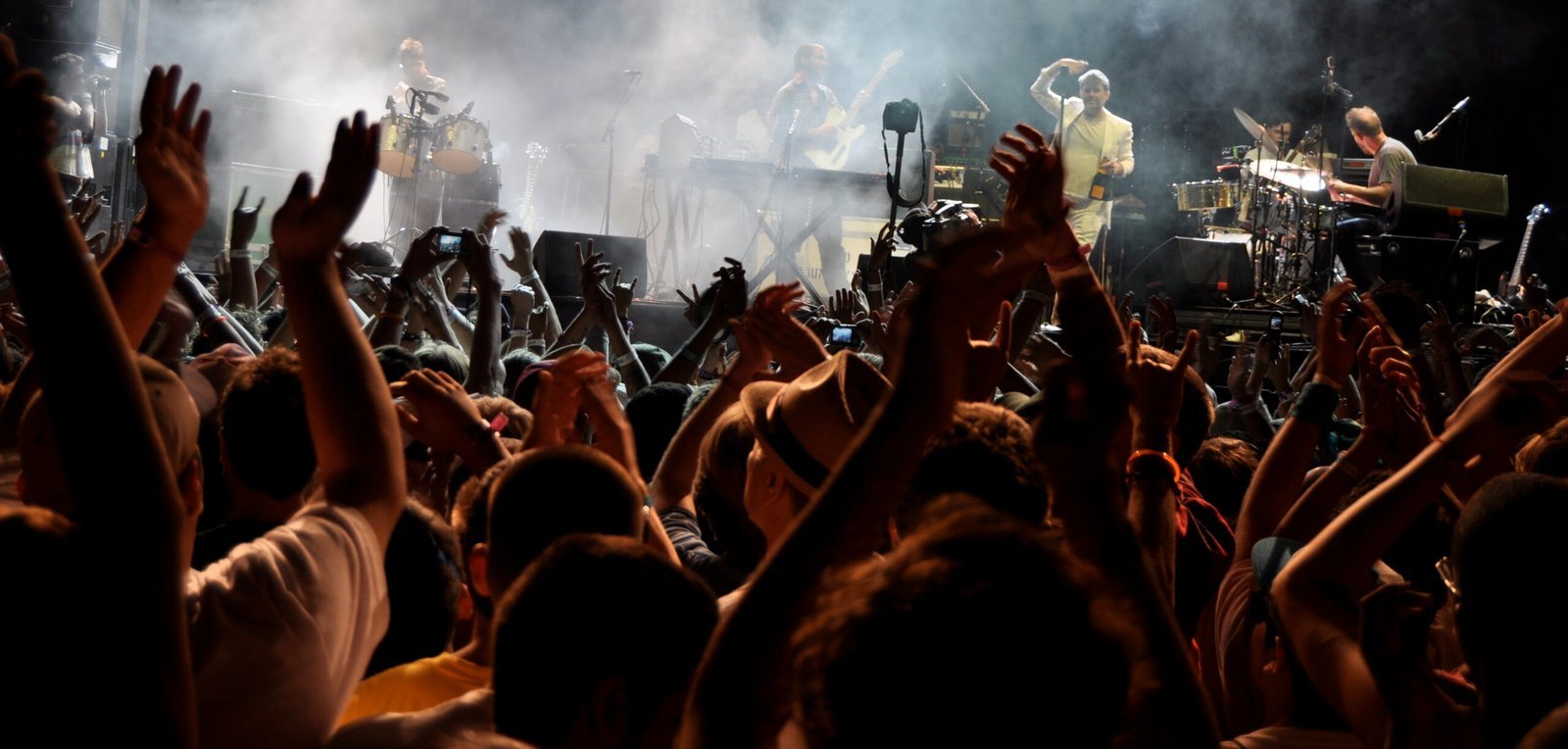
Coachella started in 1999 in Indio, California, organized by Goldenvoice. Early years struggled financially but gained traction with Beck and Tool. By the 2000s, it became a two-weekend empire with art installations and fashion focus.
Coachella commercialized festivals into luxury experiences, streaming sets worldwide. It set trends in celebrity attendance and visual spectacle, redefining live music as lifestyle events. The model’s profitability spawned imitators globally.[10]
Bonnaroo Music and Arts Festival
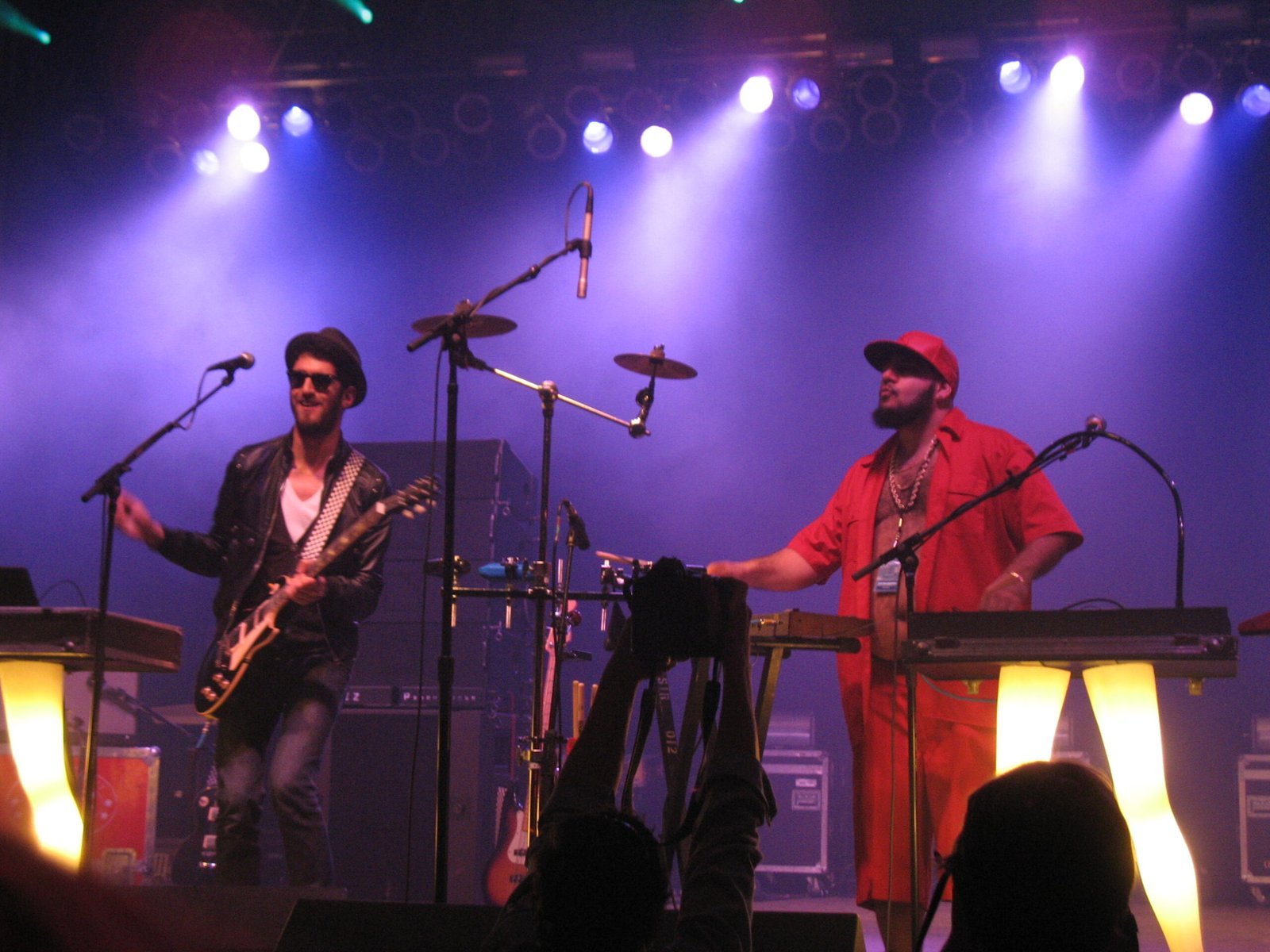
Bonnaroo began in 2002 on a 700-acre farm in Manchester, Tennessee. Founders aimed for a jam-band haven like Phish’s gatherings, drawing 80,000 campers. Lineups mixed indie, hip-hop, and country from Radiohead to Eminem.
It popularized endless camping with midnight sets and superjams, fostering community. Bonnaroo influenced U.S. festival culture toward endurance tests and genre fusion. Its laid-back vibe contrasts mega-events, sustaining niche loyalty.
Tomorrowland
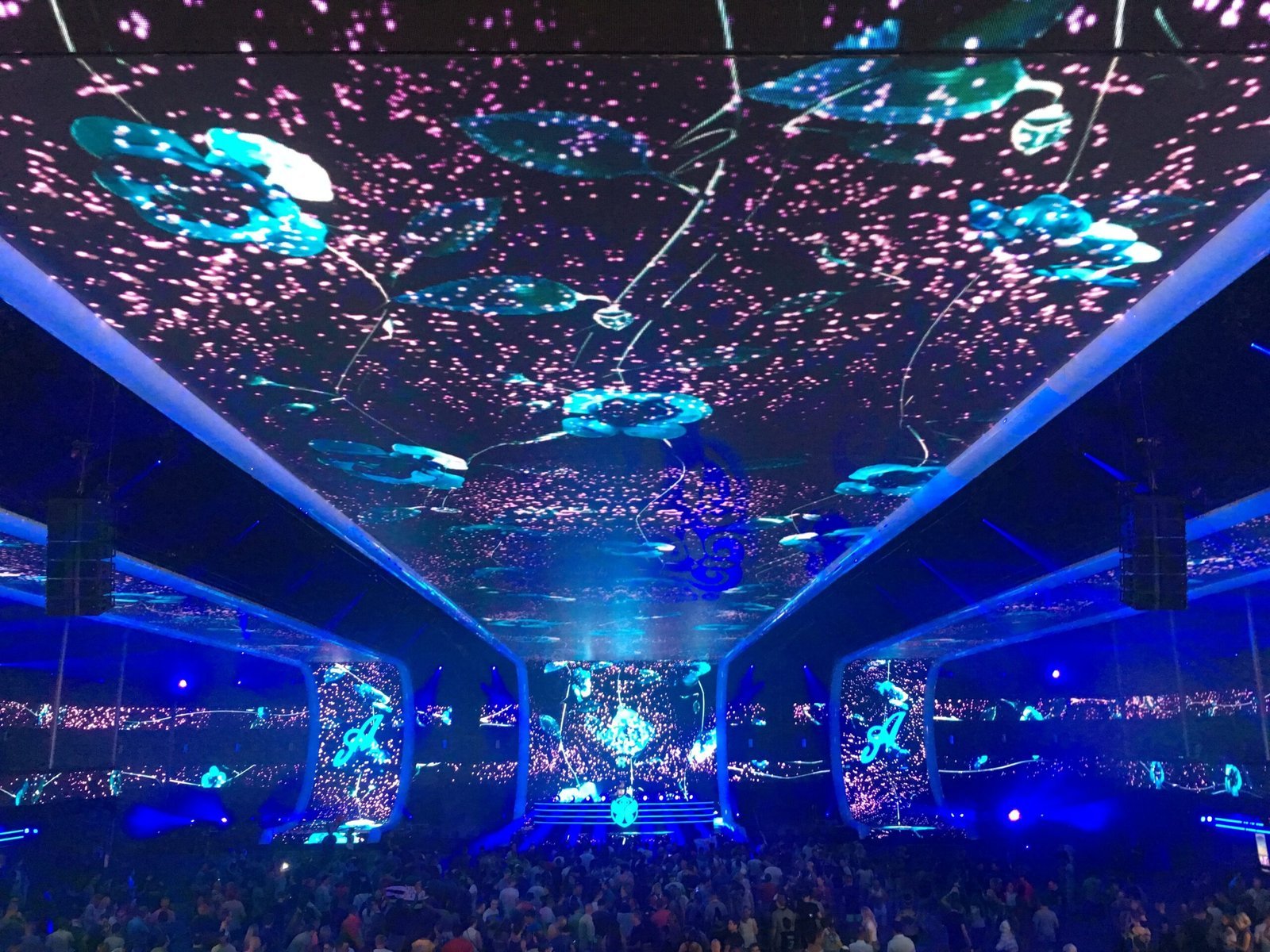
Tomorrowland launched in 2005 in Boom, Belgium, focusing on electronic dance music. Brothers Manza and Deckert built fairy-tale stages for 400,000 attendees over two weekends. Acts like Armin van Buuren headline amid pyrotechnics and global crowds.
The festival elevated EDM to mainstream spectacle, with immersive themes yearly. Tomorrowland’s production values redefined electronic events worldwide, inspiring replicas. Its international draw boosted dance music’s festival dominance.
Electric Daisy Carnival
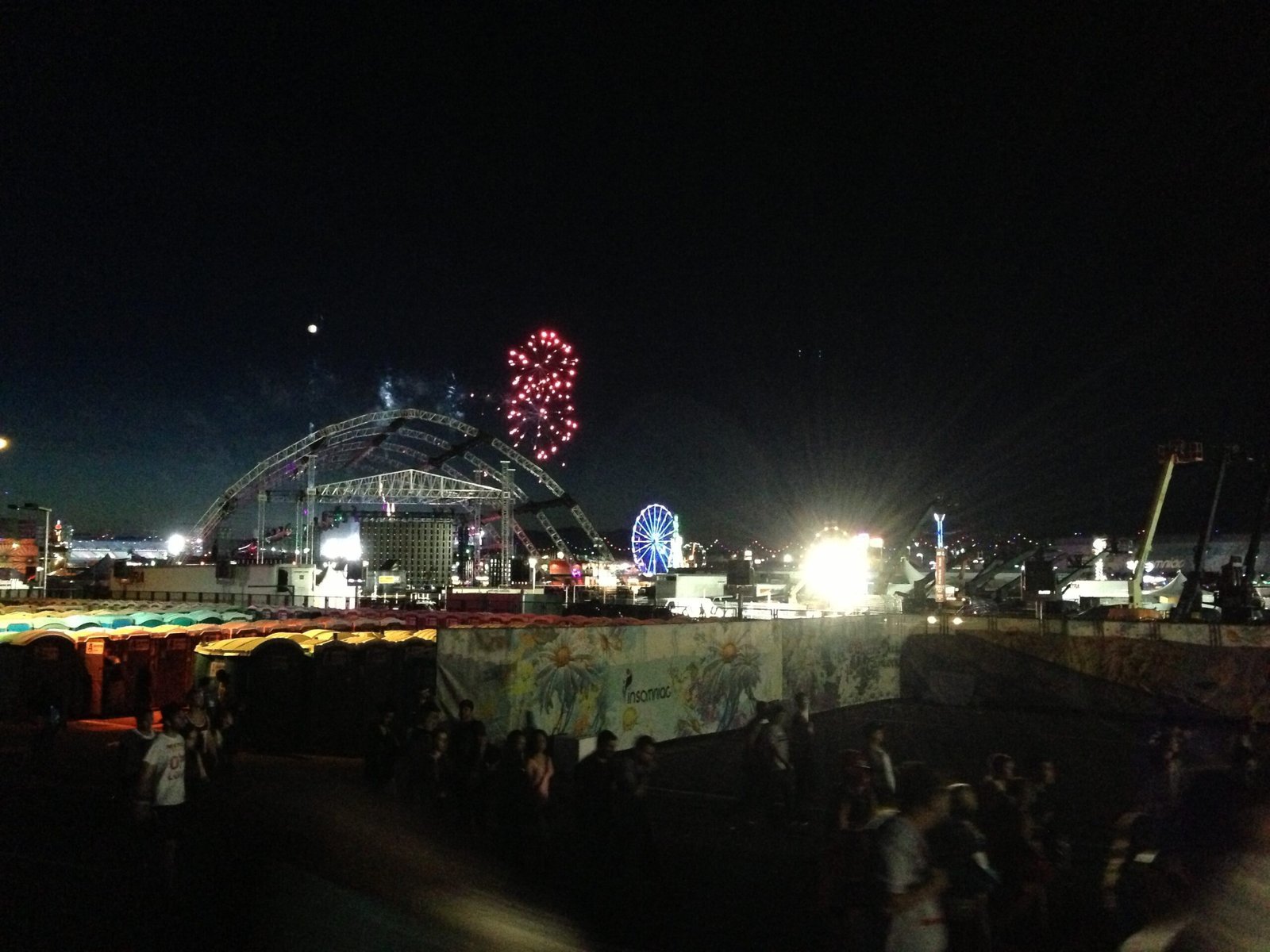
EDC started in 1997 as a Los Angeles warehouse party, evolving into massive outdoor raves by 2011 in Las Vegas. Pasquale Rotella’s event now spans 150,000 nightly with carnival rides and lasers. Headliners like Tiësto draw EDM pilgrims.
EDC mainstreamed all-night dance marathons, prioritizing visuals over traditional stages. It shifted festivals toward 24-hour party zones, influencing global EDM circuits. The brand’s expansion solidified electronic music’s live dominance.
Reading Festival
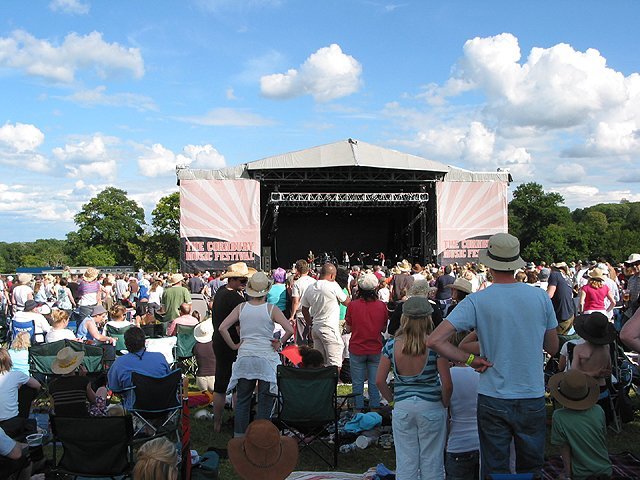
Reading Festival traces to 1961 in England, becoming a rock staple by the 1970s. Held alongside Leeds since 1999, it features Nirvana’s 1992 mud-soaked set famously. Attendance hits 100,000 combined.
As one of Europe’s oldest, Reading championed punk to grunge transitions. It shaped UK festival grit, with dual-site model copied elsewhere. The event’s legacy lies in raw energy and genre evolution.
Roskilde Festival
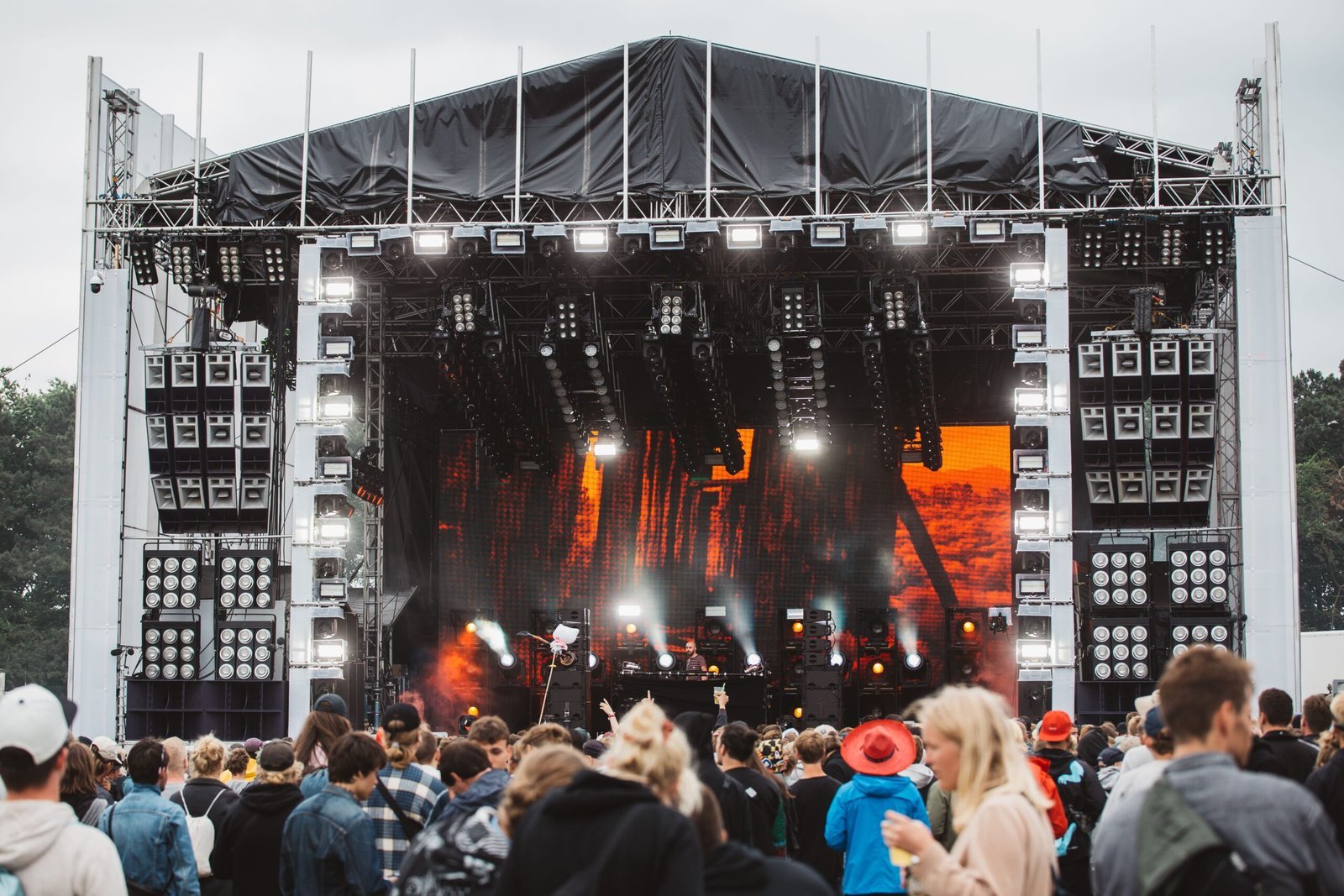
Roskilde Festival kicked off in 1971 in Denmark, now Europe’s largest music and culture event at 130,000 capacity. Nonprofit proceeds fund good causes, with stages hosting Metallica and Radiohead. Camping fosters a welcoming vibe.
It pioneered Scandinavian festival openness and sustainability practices. Roskilde’s blend of music and activism influences Northern Europe’s scene. Its size and ethos redefined large-scale communal events.
Fuji Rock Festival
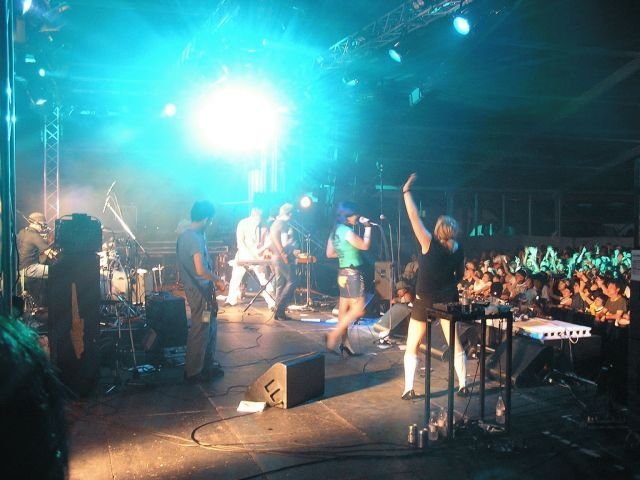
Fuji Rock debuted in 1997 in Japan, moving to Naeba Ski Resort for mountain views. Asia’s biggest, it draws 100,000 with Red Hot Chili Peppers and Björk. Rainy weather tests endurance.
The festival globalized rock in Asia, attracting international acts early. Fuji Rock’s natural setting inspired scenic venues worldwide. It solidified Japan’s role in live music tourism and diversity.
Conclusion
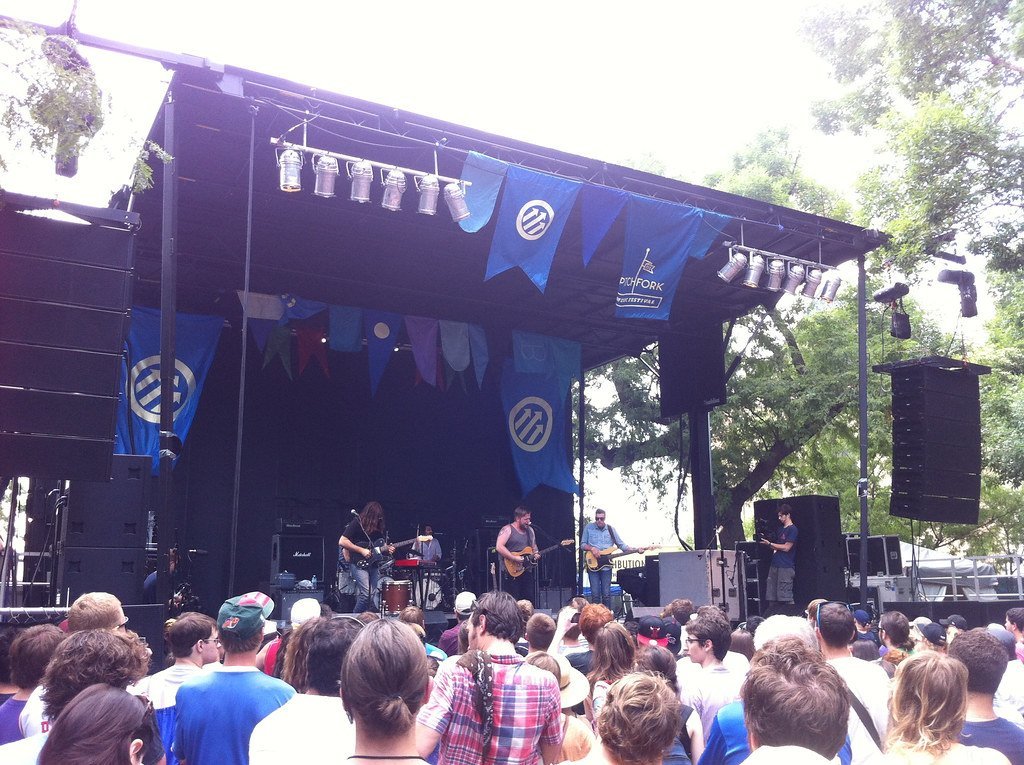
These festivals stand as turning points, each altering how music lives in shared spaces. From Monterey’s innovation to Tomorrowland’s spectacle, they expanded what live experiences could mean.
Looking back, they mirror society’s pulses, reminding us music thrives in collective memory. Their echoes ensure festivals remain vital threads in cultural fabric.

Christian Wiedeck, all the way from Germany, loves music festivals, especially in the USA. His articles bring the excitement of these events to readers worldwide.
For any feedback please reach out to info@festivalinside.com
