
Throughout history, classical music has seen flashes of extraordinary talent emerge in the youngest of minds. These prodigies often reshaped genres or captivated audiences with works far beyond their years, even as illness, war, or accident robbed the world of their full potential. Their stories remind us that genius does not always need decades to leave an indelible mark.[1][2]
Short lives forced these musicians to compress immense creativity into fleeting time. What survives speaks volumes about human potential and the fragility of brilliance.
Juan Crisóstomo Arriaga (1806-1826)
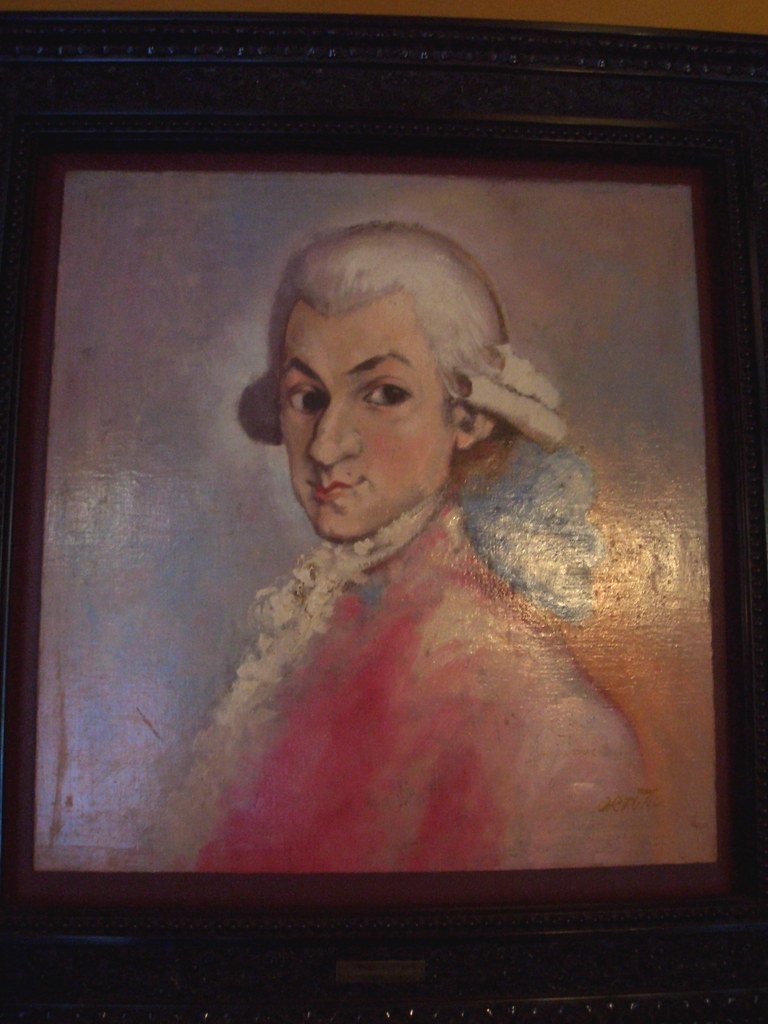
Born on Mozart’s fiftieth birthday, Arriaga earned the nickname “Spanish Mozart” for his precocious gifts. He composed his first opera, Los esclavos felices, at just fourteen and penned over a hundred works before nineteen, including a symphony and string quartets that stunned teachers like Cherubini at the Paris Conservatoire.[1][3] His fluency in counterpoint and orchestration belied his youth. A lung infection claimed him at nineteen.
Though many scores vanished after his death, surviving pieces like his Stabat Mater reveal a mature voice blending Spanish flair with classical poise. Arriaga’s brief output hints at symphonies and operas that might have rivaled Europe’s giants. His legacy endures in Basque musical pride and rare performances that spark wonder about untapped depths.[1]
Carl Filtsch (1830-1845)
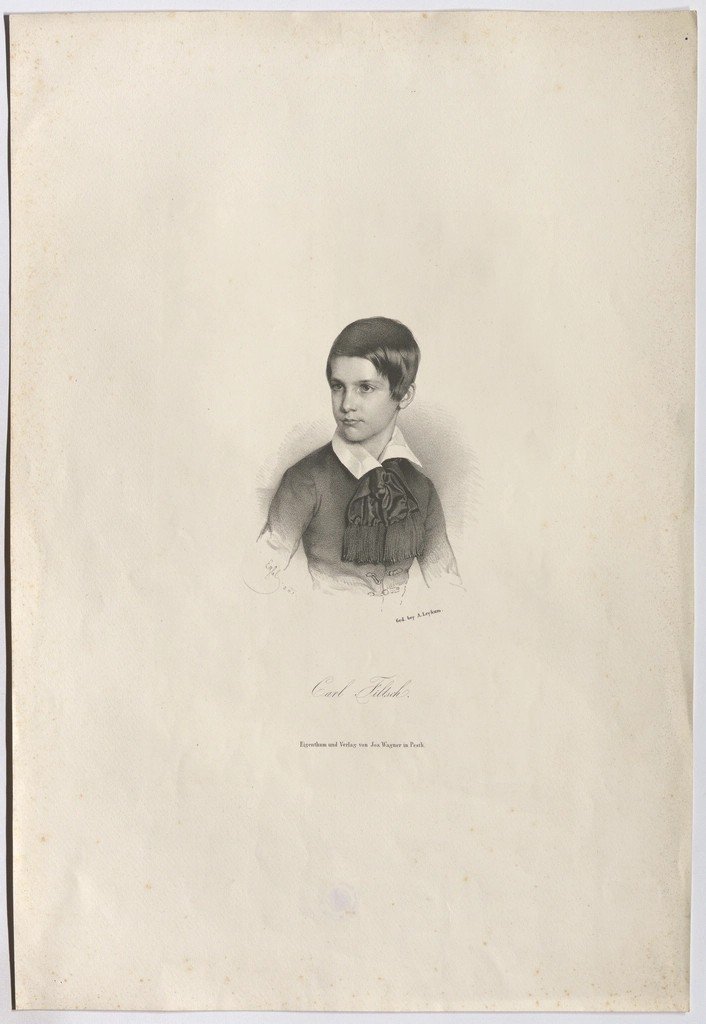
This Transylvanian pianist caught Frédéric Chopin’s eye as one of his rare child pupils, performing with poise in Paris salons by age eleven. Filtsch composed a concerto at thirteen and dazzled audiences in London and Vienna with interpretations rivaling adults. Chopin praised his sensitivity and promise. Tuberculosis ended his life just shy of fifteen in Venice.
Filtsch’s few surviving works, like his poignant Adieu, carry Chopinesque lyricism and technical finesse. He embodied the era’s Romantic ideal of fragile genius. Today, his story underscores how even the briefest flame can illuminate piano literature, inspiring niche revivals and reflections on lost potential.
Thomas Linley the Younger (1756-1778)
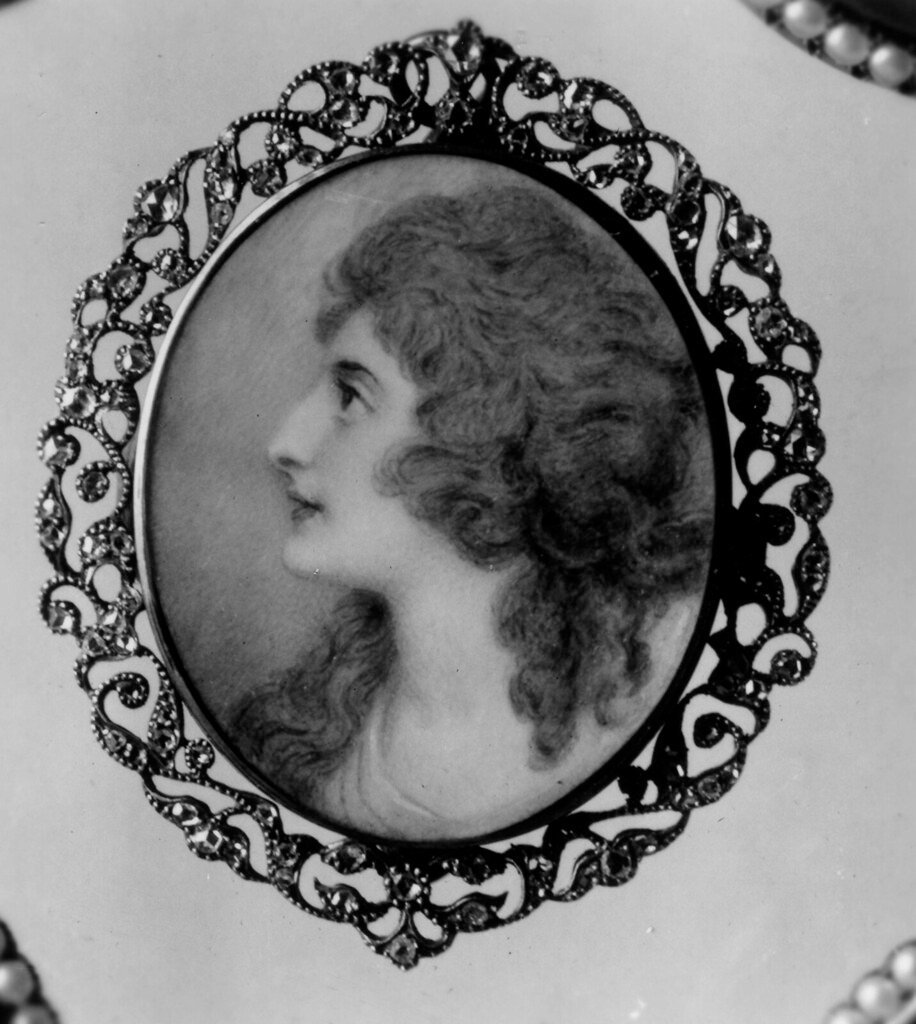
Dubbed the “English Mozart,” Linley performed violin concertos publicly at age seven and composed duets with young Mozart during their teens. His incidental music for The Tempest showcased dramatic flair and melodic invention at twenty-one. Friends and critics hailed his violin mastery and compositional depth. A boating accident drowned him at twenty-two.
Linley’s songs and overtures blend Handel-like grandeur with fresh elegance, influencing British theater music. Mozart lamented his passing as a profound loss. Modern recordings revive his elegance, ensuring his role in England’s musical heritage persists despite the tragedy.
Giovanni Battista Pergolesi (1710-1736)
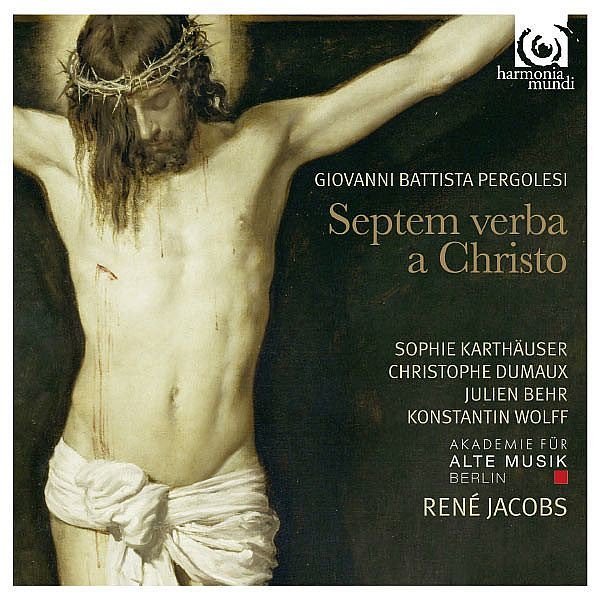
Pergolesi burst onto Naples stages with comic operas like La serva padrona by his early twenties, redefining the genre with wit and realism. His final Stabat Mater, crafted amid tuberculosis, weaves soprano lines into profound sorrow. Success came swiftly despite frail health. He died at twenty-six.
The Stabat Mater became eighteenth-century Europe’s most printed score, inspiring Bach adaptations. Pergolesi’s operas sparked the opera buffa revolution across Italy. His legacy thrives in sacred music repertoires, a testament to compressed brilliance.
Lili Boulanger (1893-1918)
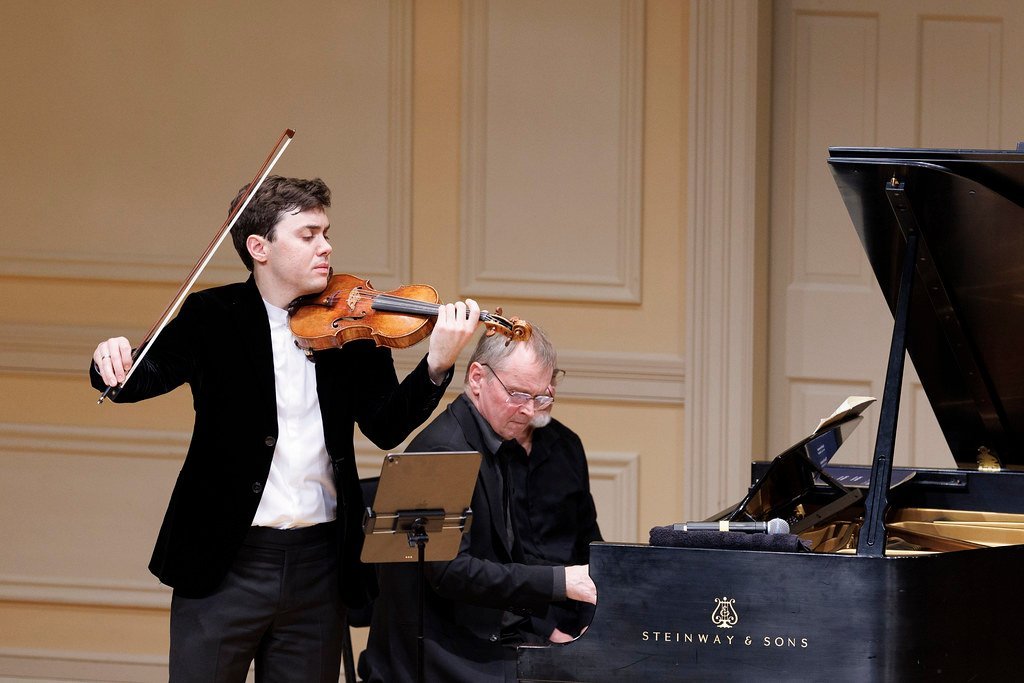
Perfect pitch at two, Boulanger won the Prix de Rome at nineteen – the first woman to do so – with her cantata Faust et Hélène. Chronic illness from childhood honed her focus on lush, inventive scores like Les sirènes. She dictated works until the end. Bronchial pneumonia took her at twenty-four.[2]
Boulanger’s output shattered gender barriers, blending impressionism with spiritual depth. Her sister Nadia preserved and promoted it worldwide. Performances today celebrate her as a trailblazer whose voice resonates in choral and orchestral halls.
Guillaume Lekeu (1870-1894)
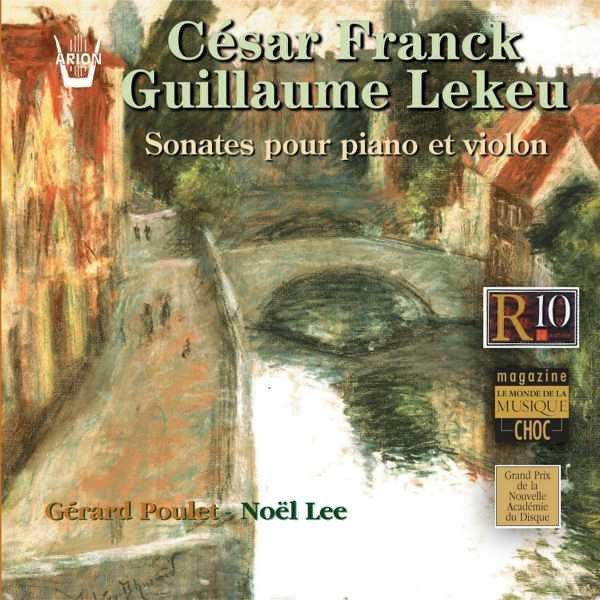
Awake to music at fifteen, Lekeu studied under Franck and d’Indy, producing a violin sonata premiered to acclaim just before his death. His style fused Beethoven’s intensity with French passion. Typhoid from tainted sorbet struck at twenty-four.
Lekeu’s chamber works pulse with originality and emotional fire, influencing later Belgians. Though flawed by youth, they brim with ambition. His sonata remains a recital staple, evoking what fuller maturity might have wrought.
Ludwig Schuncke (1810-1834)
A piano prodigy, Schuncke toured Europe young, studying with Moscheles before Chopin’s circle. His fantasies and variations dazzle with virtuosity and melody. Romantic fire marked his brief career. He succumbed at twenty-three to tuberculosis.
Schuncke’s piano music echoes contemporaries yet stands distinct in its sparkle. Schumann championed him posthumously. Revived editions keep his lively spirit alive for pianists seeking hidden gems.
Wolfgang Amadeus Mozart (1756-1791)
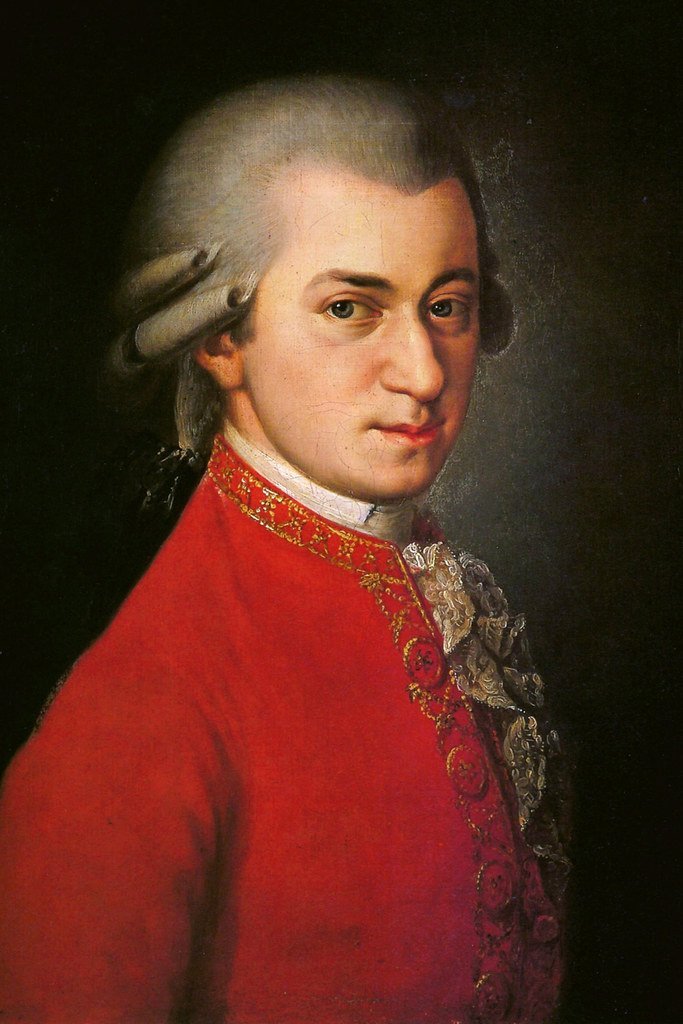
Touring Europe at five, Mozart composed symphonies by eight and operas by twelve, dazzling courts with harpsichord wizardry. His mature output – forty-one symphonies, masterful operas like Don Giovanni – revolutionized form and expression. Illness felled him at thirty-five.[1]
Mozart’s legacy forms classical music’s cornerstone, from concertos to quartets endlessly performed. Unfinished works like the Requiem fuel endless fascination. His genius endures as timeless perfection.
Franz Schubert (1797-1828)
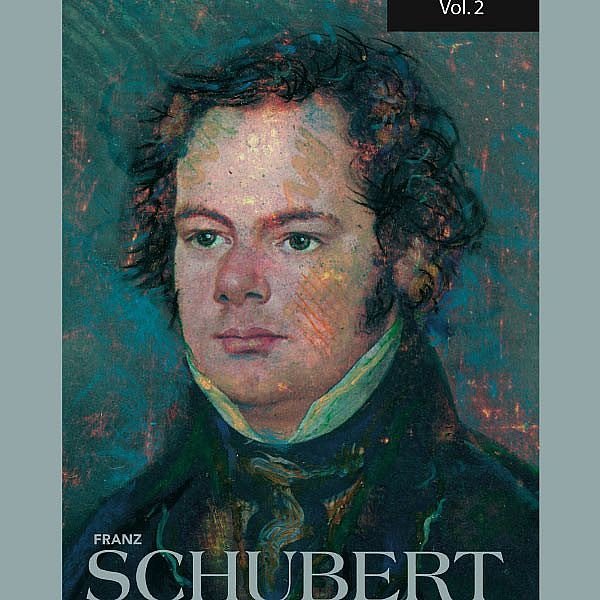
Schubert penned symphonies and lieder in his teens, producing over nine hundred works by thirty-one, including the Unfinished Symphony. His songs elevated poetry to art. Syphilis and treatment ended him young.[1]
Lieder cycles like Winterreise define the form, while late sonatas probe profound depths. Schubert’s melodic gift permeates recitals and films. Sketches suggest symphonic heights he never scaled.
Vincenzo Bellini (1801-1835)
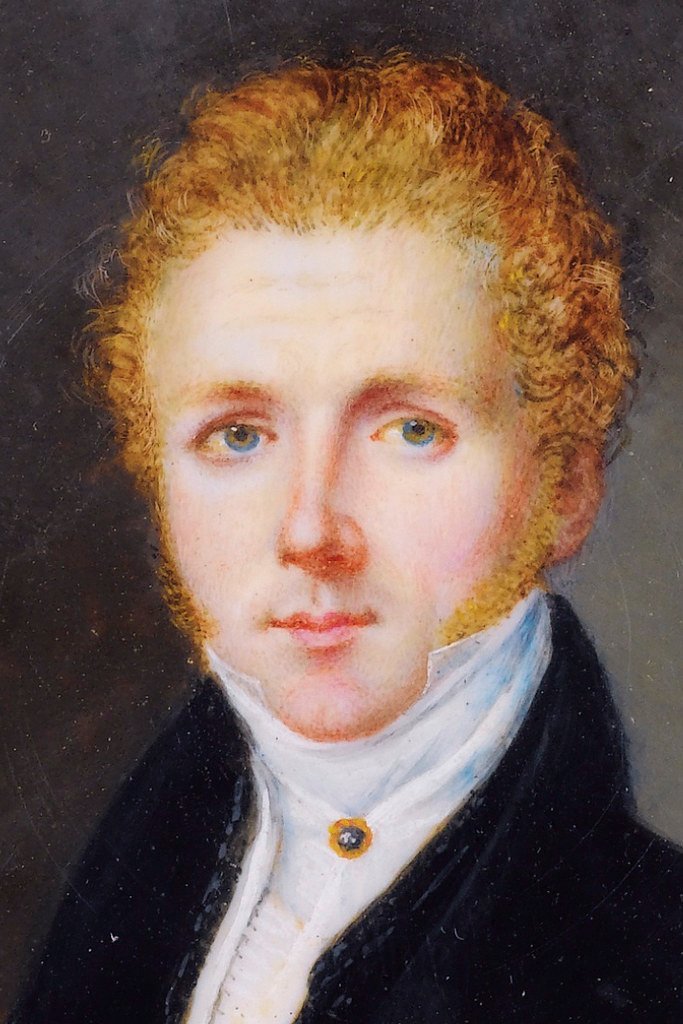
Bellini mastered bel canto operas like Norma by his thirties, crafting arias for stars like Giuditta Pasta. Long melodies influenced Chopin and Verdi. Liver abscess killed him at thirty-three.[1]
Norma remains bel canto’s pinnacle, staged worldwide. Bellini’s purity shaped Italian opera’s golden age. His voice lingers in soprano repertoires.
Henry Purcell (1659-1695)
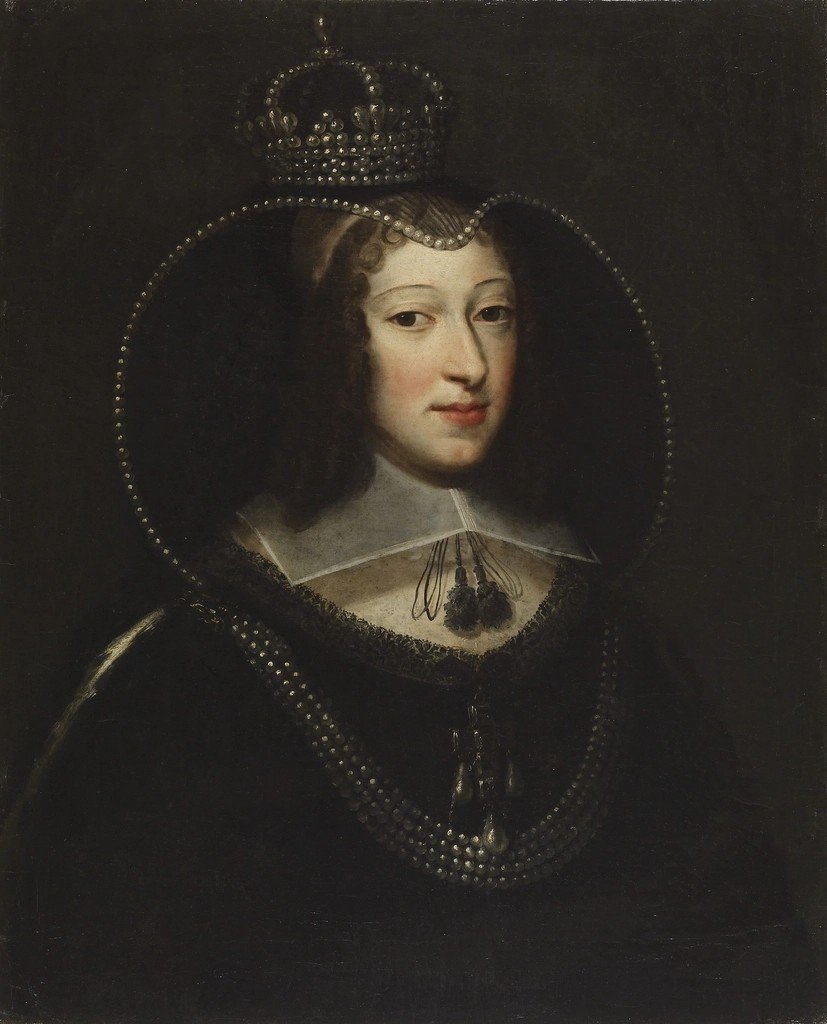
Purcell sang in the Chapel Royal as a boy, becoming organist by twenty and crafting Dido and Aeneas, England’s first great opera. He fused French and Italian styles masterfully. He died at thirty-six.
When I am laid in earth haunts with raw emotion. Purcell’s anthems and theater music anchor English Baroque. Longer life might have rivaled Handel abroad.
Felix Mendelssohn (1809-1847)
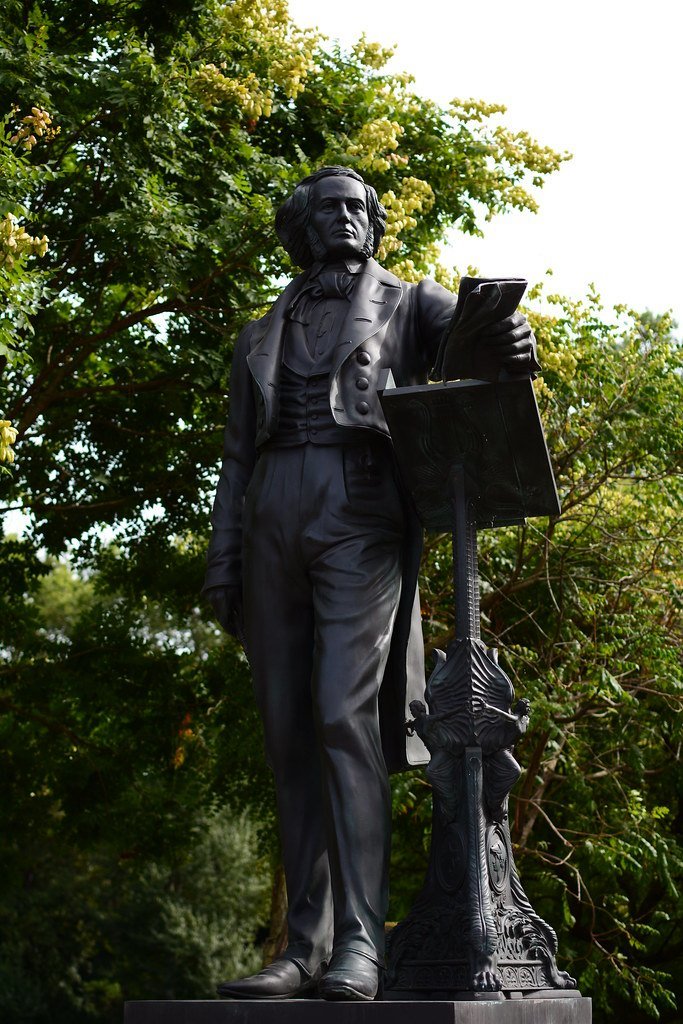
A child prodigy, Mendelssohn wrote his octet at sixteen and Midsummer Night’s Dream overture at seventeen. He revived Bach and conducted brilliantly. Strokes after overwork took him at thirty-eight.[1]
His violin concerto sparkles eternally; Elijah packs oratorio power. Mendelssohn’s legacy bridges classical and romantic eras seamlessly.
Frédéric Chopin (1810-1849)
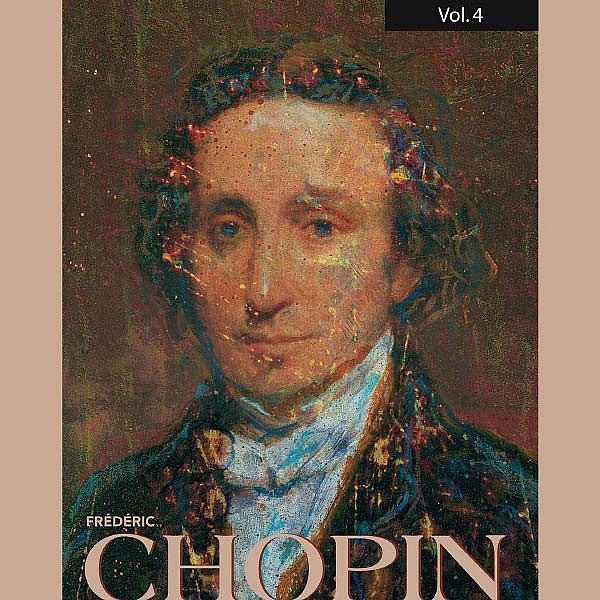
Public debut at seven, Chopin innovated piano with nocturnes and etudes by his twenties. Expressive depth defined Romantic keyboard art. Tuberculosis claimed him at thirty-nine.[1]
Chopin’s mazurkas evoke Poland; ballades stir the soul. His influence saturates piano teaching and performance worldwide.
George Butterworth (1885-1916)
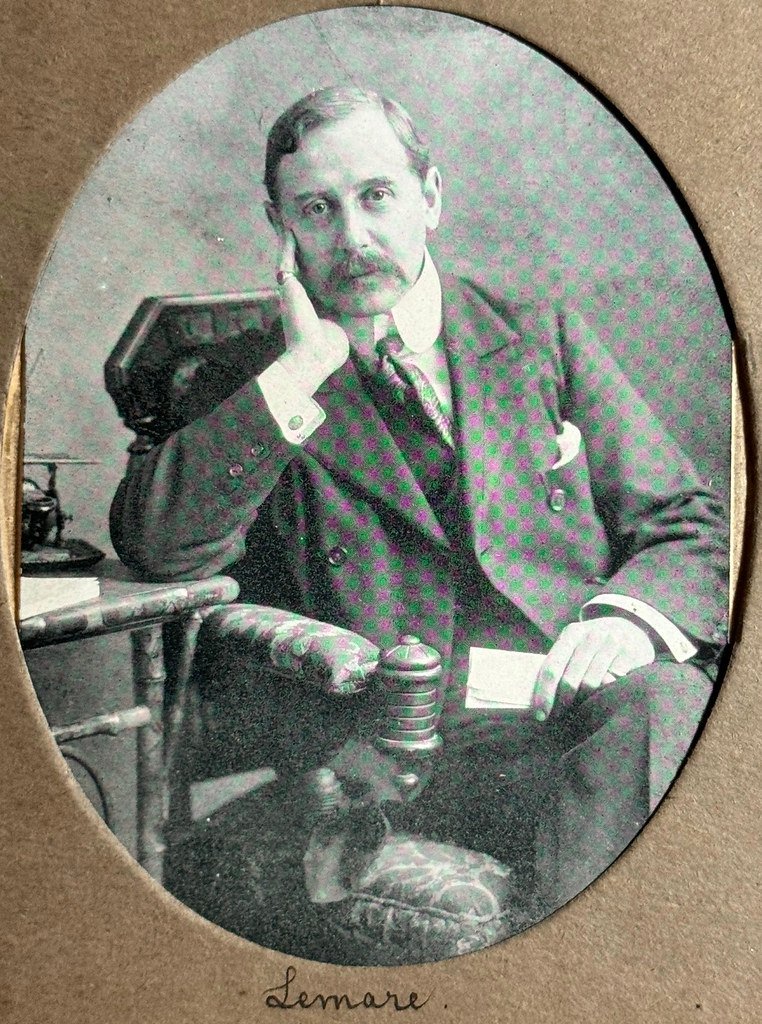
Precocious at Oxford, Butterworth collected folk songs with Vaughan Williams and composed A Shropshire Lad. War interrupted promise. A sniper killed him at thirty-one in the Somme.[2]
The Banks of Green Willow paints idyllic England. His pastoral voice echoes in British symphonies, mourned as war’s theft.
Jehan Alain (1911-1940)
Organ prizes at Conservatoire led to colorful fantasies like Le Jardin Suspendu. Reconnaissance in World War II cost him life at twenty-nine. He fought bravely before falling.
Alain’s organ evocations mimic trains and dreams uniquely. Posthumous honors affirm his innovative spark in French organ tradition.
Unfinished Brilliance: A Lasting Echo
These prodigies packed eras of growth into scant years, their works enduring as beacons. Illness and conflict silenced them prematurely, yet performances keep their fire alive. Classical music thrives on such what-ifs, honoring genius that burned bright and brief.
Their legacies challenge us to cherish every note, pondering symphonies forever unwritten.


