

For any feedback please reach out to info@festivalinside.com
- 12 Literary Feuds So Intense, They Changed the Course of Literature - August 11, 2026
- 10 Mysterious Disappearances of Famous Figures That Still Puzzle Experts - August 11, 2026
- 10 Foods We Thought Were American But Were Actually Invented Somewhere Else. - August 11, 2026
Music videos entered a new realm when MTV launched in 1981. Artists shifted from simple performance clips to elaborate visual stories. This change elevated pop music into a cinematic experience.
The network’s early years showcased innovation that blended narrative depth with catchy tunes. Directors experimented boldly, turning songs into must-see events. Viewers tuned in not just for the music, but for the drama unfolding on screen.[1][2]
Michael Jackson’s “Thriller” (1983)
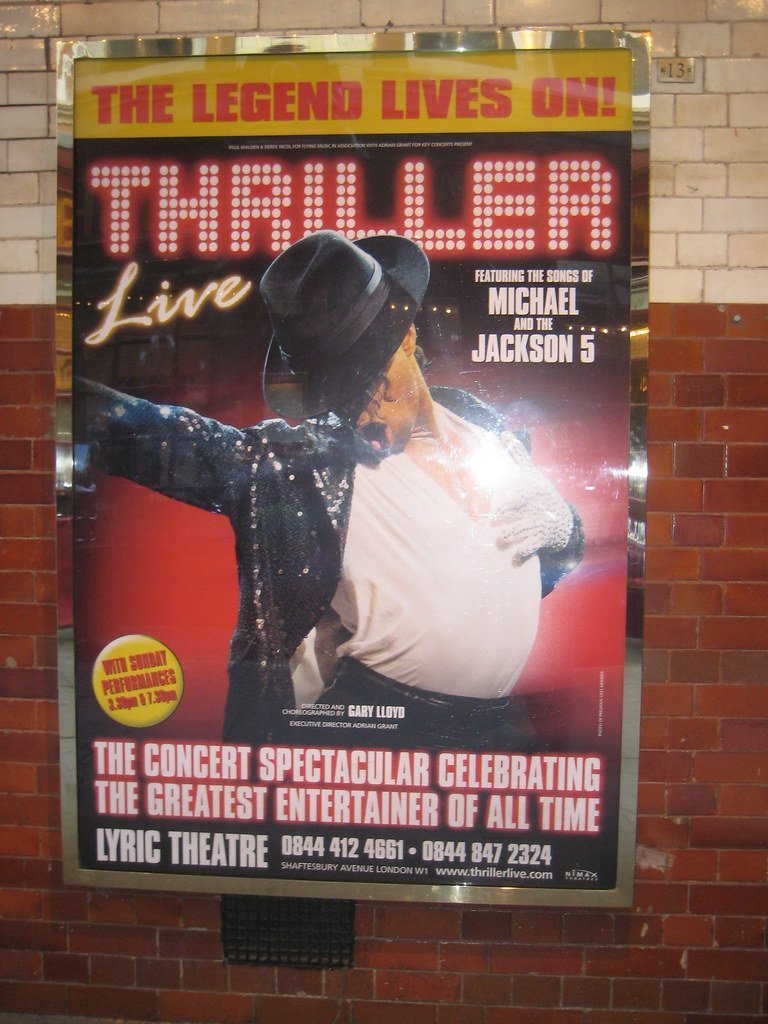
John Landis directed this 14-minute horror short film. Jackson transforms into a werewolf and leads a zombie dance in a foggy graveyard. Makeup effects and choreography create a thrilling mini-movie feel. The popcorn-eating scene in the theater adds a playful twist.[1][3]
It revolutionized music videos by proving they could rival feature films. The clip won a Grammy and boosted Thriller album sales massively. Zombie costumes flooded Halloween parties for years. Jackson solidified his status as the King of Pop through this visual spectacle.[1]
Madonna’s “Like a Prayer” (1989)
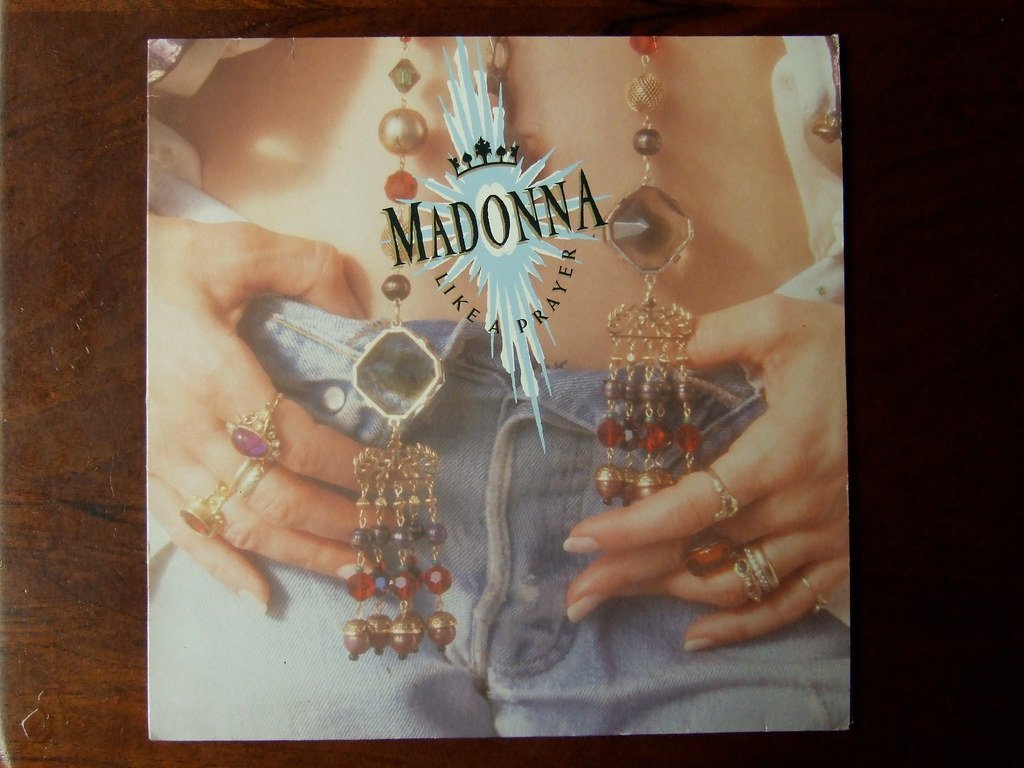
The video mixes church scenes with a murder witness subplot. Madonna dances among burning crosses and kisses a Black saint statue. Religious stigmata and racial themes build intense drama. Directed with bold symbolism, it challenges taboos head-on.[1][3]
Controversy erupted with Vatican condemnation and Pepsi pulling a $5 million ad. Protests highlighted debates on faith, race, and sexuality. It cemented Madonna’s provocative image in pop culture. The clip remains a benchmark for videos tackling social issues.[1]
a-ha’s “Take On Me” (1985)
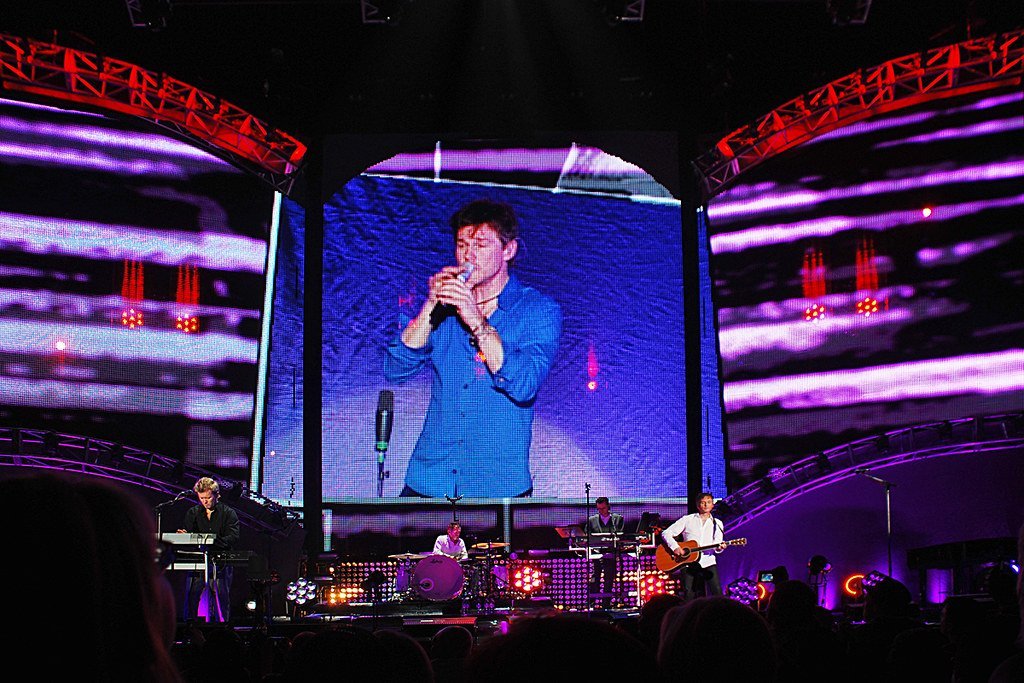
Rotoscoping blends live-action with pencil-sketch animation. A woman enters a comic book world to rescue the singer from danger. Three versions perfected the technique after initial failures. The chase through illustrated realms heightens romantic tension.[1][3]
It set a new standard for visual effects in music videos. Won six MTV VMAs, including Video of the Year. The innovative style influenced countless animations afterward. Fans still recreate the iconic hand-through-paper moment.[1]
Peter Gabriel’s “Sledgehammer” (1986)
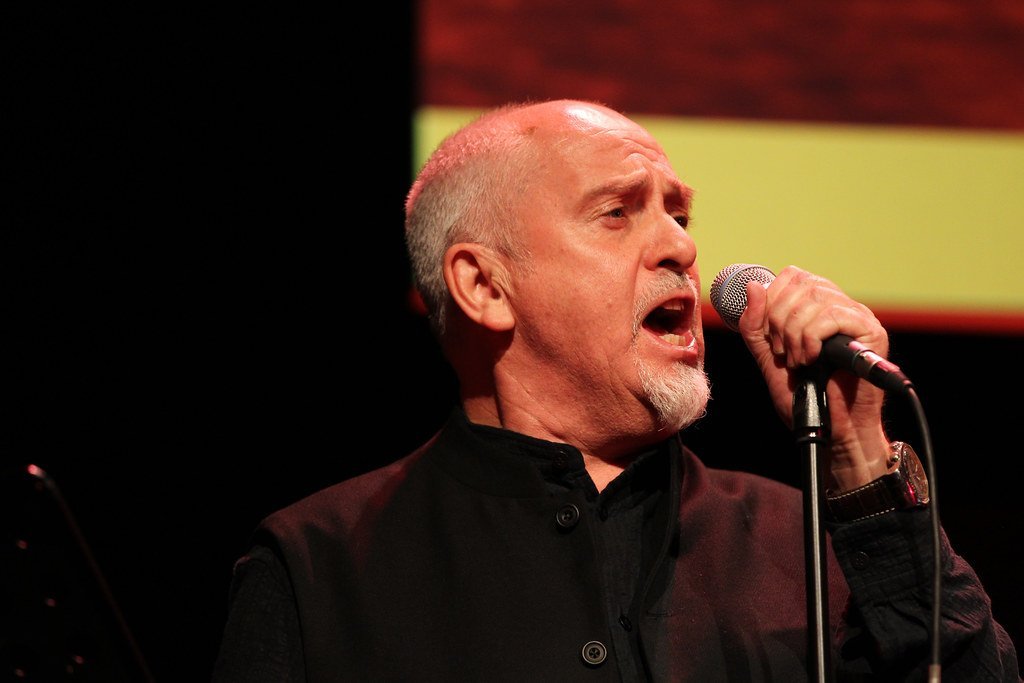
Stop-motion claymation and pixilation dominate the visuals. Gabriel’s face morphs with fruits, animals, and objects in surreal sequences. Over 100 animators worked painstakingly frame by frame. The clay trumpet solo stands out as wildly creative.[1]
It swept nine MTV VMAs, a record at the time. Pushed boundaries for non-narrative experimental videos. Referenced in parodies and ads for decades. Gabriel’s artistry elevated pop videos to fine art status.[1][2]
Madonna’s “Vogue” (1990)
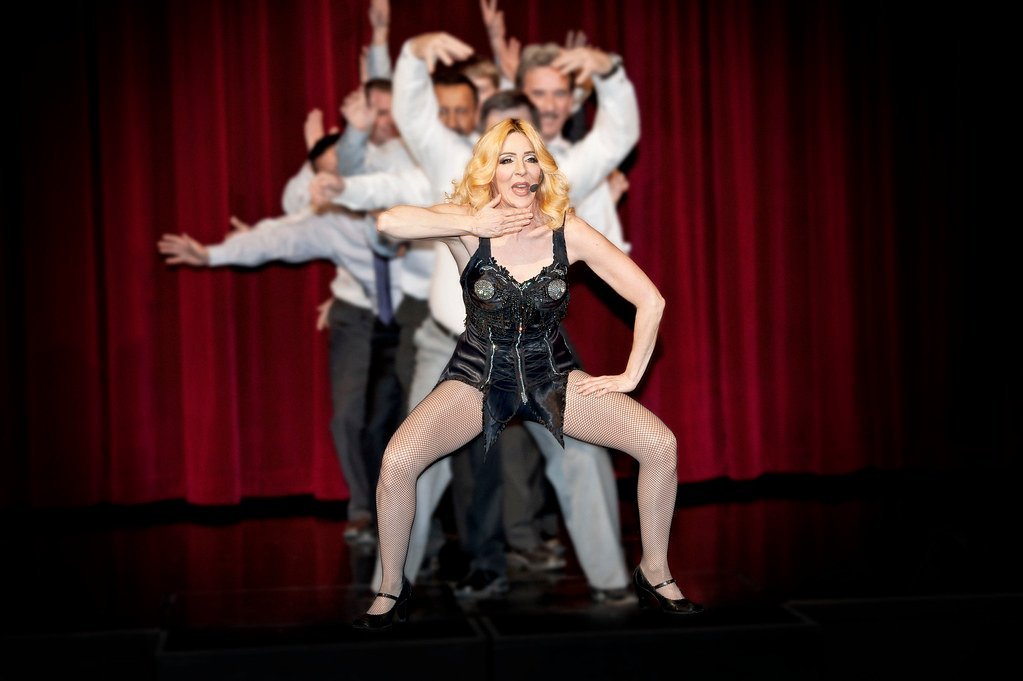
David Fincher directed black-and-white ballroom scenes. Dancers strike poses amid glamorous 1920s Hollywood imagery. Celebrates underground queer culture with high-fashion flair. The strut down a runway builds dramatic elegance.[4]
Brought voguing mainstream, sparking a dance craze. Ranked high on greatest videos lists for cultural shift. Empowered self-expression in pop. Influenced fashion and performance for years after.[4]
Sinéad O’Connor’s “Nothing Compares 2 U” (1990)
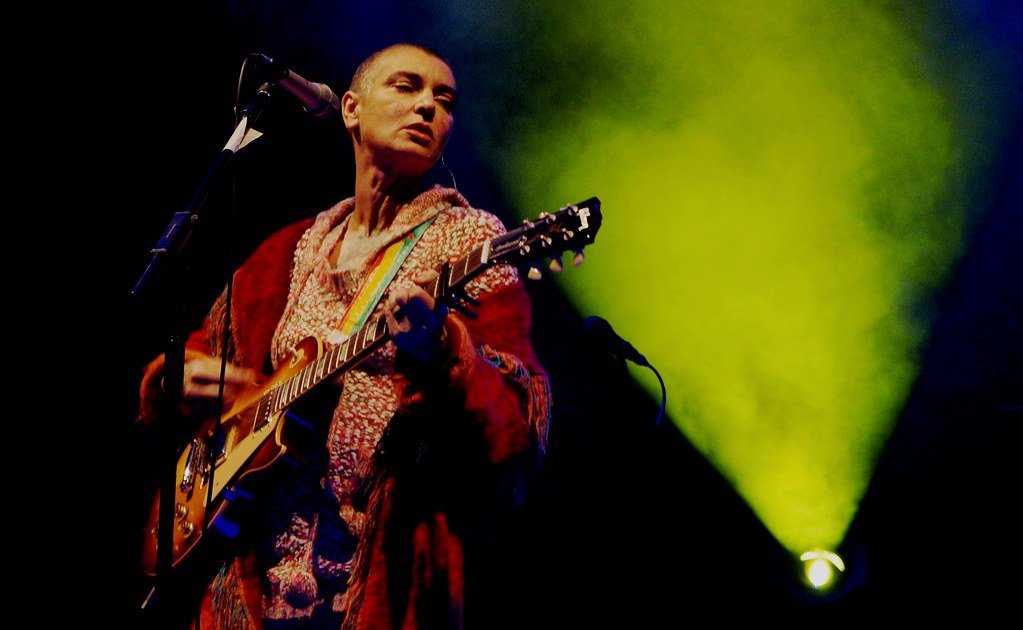
Simple close-ups capture O’Connor’s tear-streaked face. She walks Paris streets amid stark black backgrounds. Minimalism amplifies raw heartbreak emotion. Those two tears became legendary symbols of vulnerability.[3][4]
First woman to win MTV Video of the Year. Set standard for intimate, emotional storytelling. Resonated globally during personal loss eras. O’Connor’s intensity redefined pop ballad visuals.[3]
George Michael’s “Freedom! ’90” (1990)
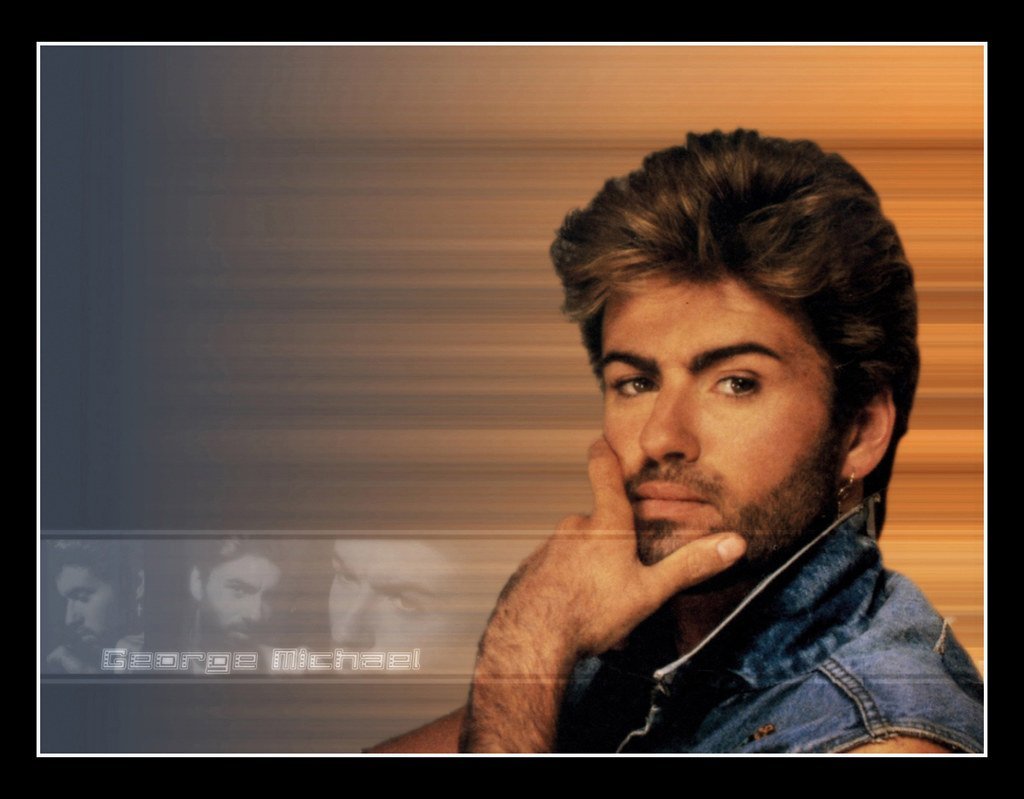
David Fincher helmed without Michael appearing. Supermodels like Naomi Campbell destroy 80s props in a luxurious bathroom. Lip-sync to freedom anthem amid symbolic chaos. Signals break from Wham!-era image.[2]
Marked shift to mature artistry post-stardom struggles. Supermodel casting boosted fashion-music crossover. Existential visuals captured 90s individualism. Enduring influence on video direction styles.[5]
Britney Spears’ “…Baby One More Time” (1998)
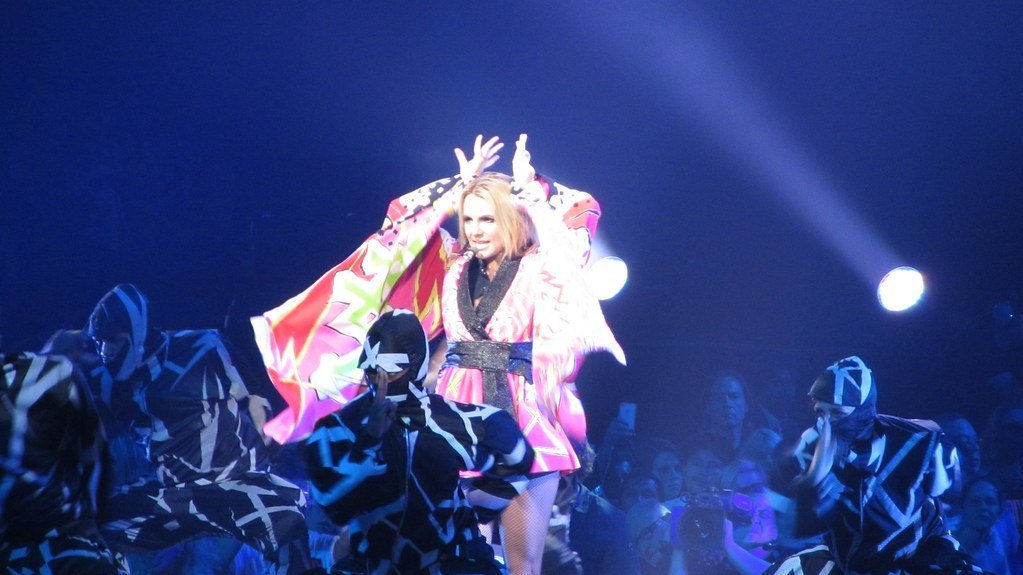
Nigel Dick directed the schoolgirl uniform performance. Spears wanders empty hallways in a dramatic plea. Choreography mixes innocence with teen angst. Catholic school setting adds edgy tension.[1]
Launched Spears to superstardom overnight. MTV called it most iconic video ever on TRL. Sparked school uniform fashion trends. Defined late-90s teen pop explosion.[1]
Lady Gaga’s “Bad Romance” (2009)
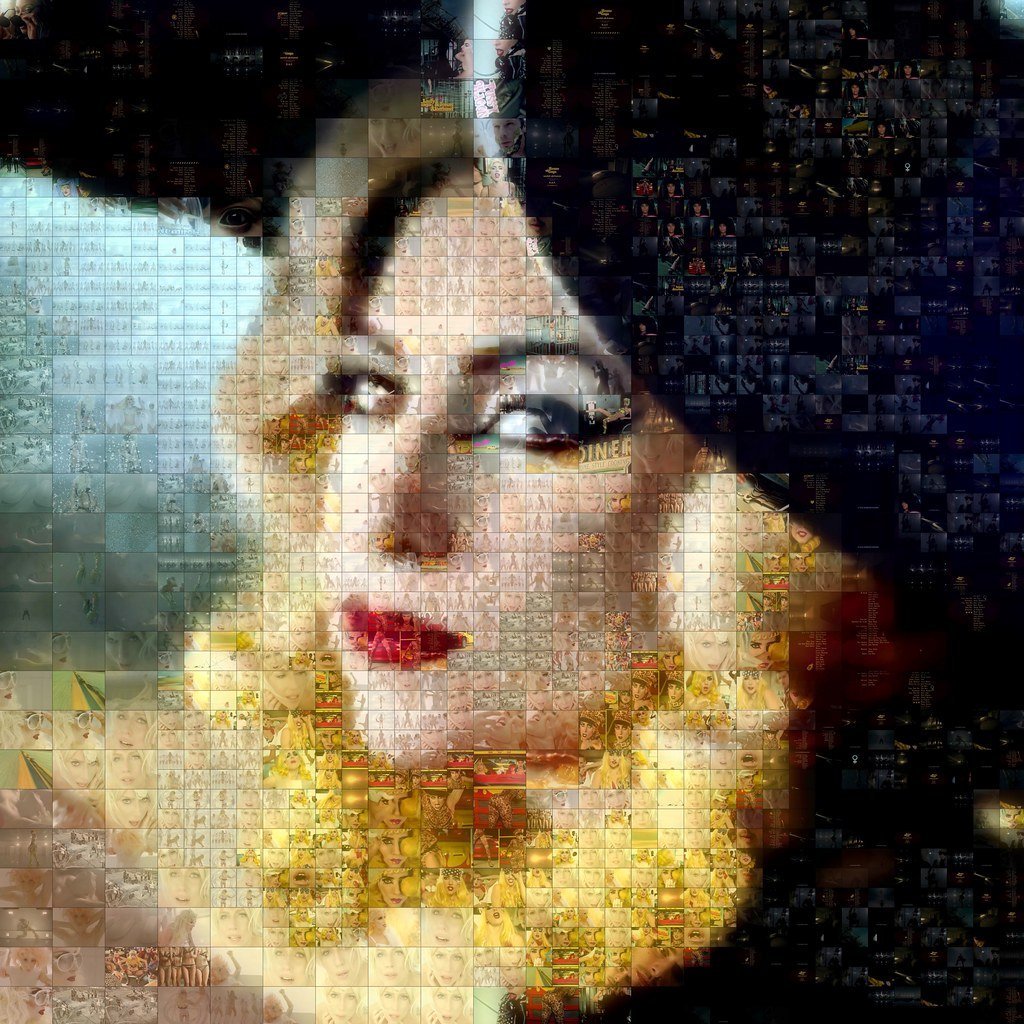
Features sex trafficking critique in a bathhouse auction. Gaga in grotesque outfits meets fiery demise on bed. Political metaphors layer the theatrical horror. Bold imagery drives narrative intensity.[3]
Won MTV Video of the Year amid pop dominance. Avant-garde style reshaped modern videos. Little monsters culture boomed from its drama. Influenced boundary-pushing in 2010s pop.[3]
Janet Jackson’s “Rhythm Nation” (1989)
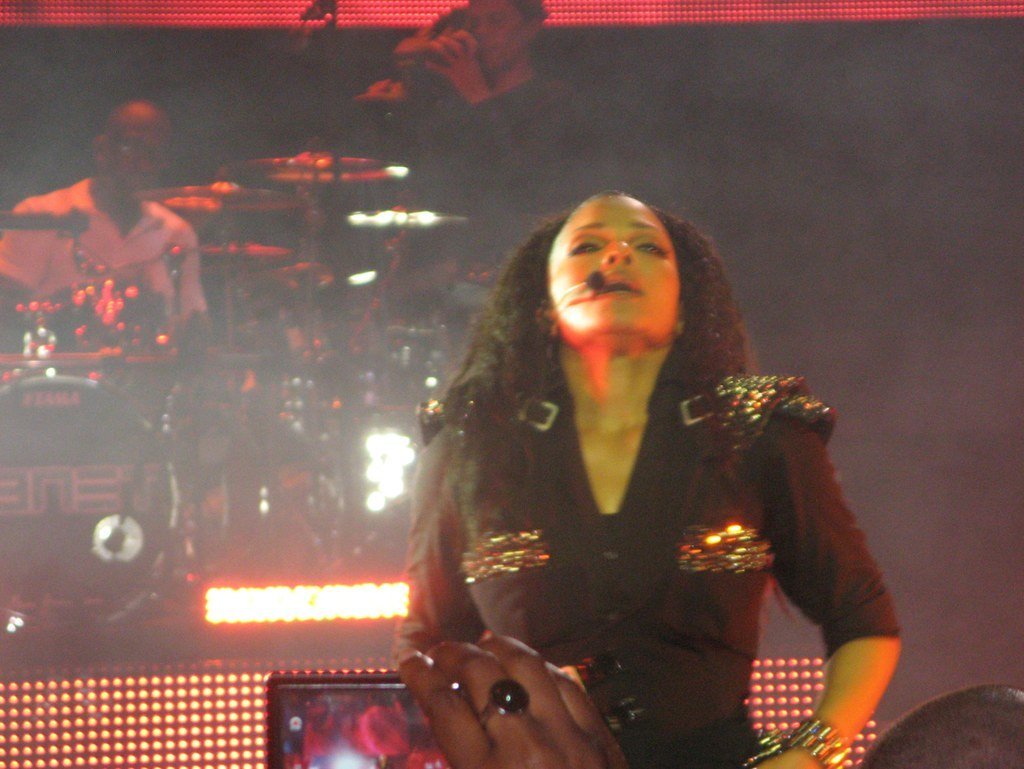
Black-and-white warehouse with military uniforms. Precise choreography unites dancers in social harmony message. Part of Grammy-winning long-form project. Discipline conveys powerful unity drama.[3][2]
Top dance video influencing routines worldwide. Highlighted unity themes in pop. Elevated Jackson’s trailblazing status. Choreography endures in performance history.[3]
Conclusion: Music Videos as Narrative Powerhouses
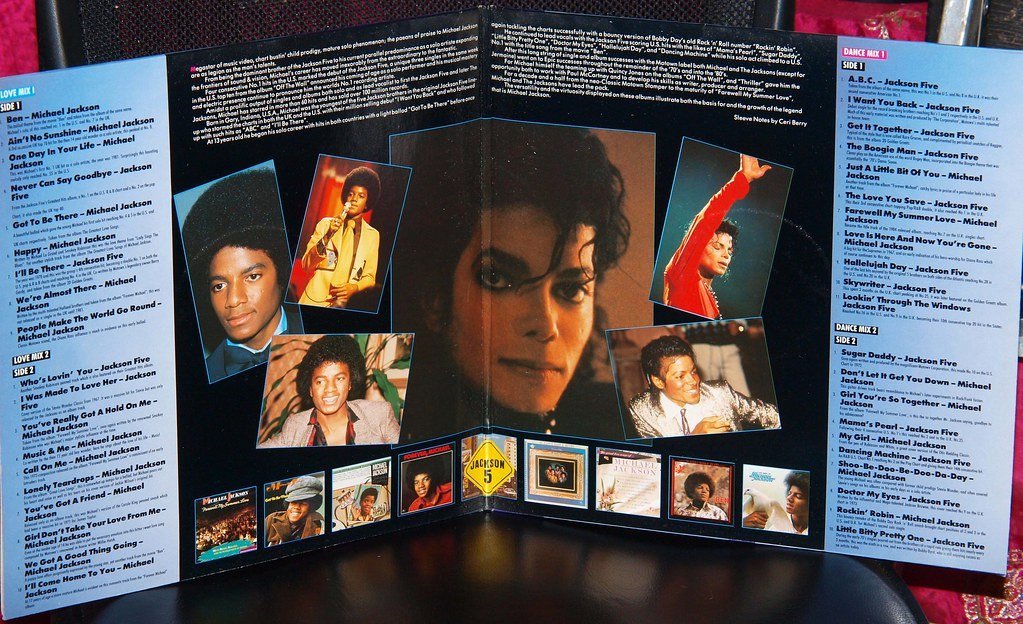
These clips prove videos extend songs into full narratives. Directors craft worlds that linger beyond the track. Drama hooks viewers, sparking endless cultural ripples.
From horror epics to emotional close-ups, they mirror society’s pulse. Pop thrives on this visual evolution. The legacy invites future artists to dream bigger still.[2]

Christian Wiedeck, all the way from Germany, loves music festivals, especially in the USA. His articles bring the excitement of these events to readers worldwide.
For any feedback please reach out to info@festivalinside.com
