

For any feedback please reach out to info@festivalinside.com
- 12 Literary Feuds So Intense, They Changed the Course of Literature - August 11, 2026
- 10 Mysterious Disappearances of Famous Figures That Still Puzzle Experts - August 11, 2026
- 10 Foods We Thought Were American But Were Actually Invented Somewhere Else. - August 11, 2026
Songs often carry layers of emotion that listeners unpack in personal ways. Artists pour specific experiences into their work, yet fans latch onto rhythms and hooks, spinning entirely new stories around the lyrics.
This gap between creation and reception has led to some striking surprises over the years. What starts as a private confession can morph into a wedding staple or party anthem, leaving creators bemused by the twist.
Born in the U.S.A. by Bruce Springsteen
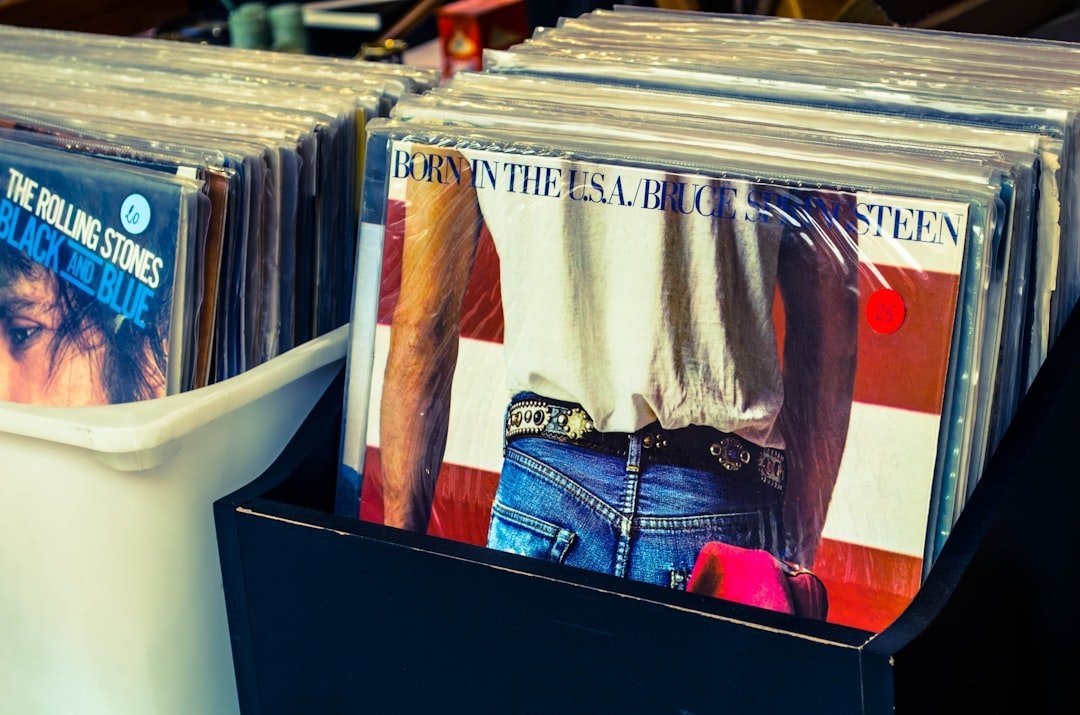
Bruce Springsteen crafted this track as a raw critique of how Vietnam veterans faced neglect after returning home. The verses paint a picture of a working-class man drafted into war, then struggling with unemployment and isolation upon his return. Springsteen drew from real stories of soldiers forgotten by the system that sent them abroad.[1][2]
Many fans embraced it as a bold patriotic rally cry, especially with its booming chorus. Politicians even waved it at rallies, missing the anger entirely. Springsteen found this shift so off-base that he once compared it to the most garbled rock track ever.[3]
Every Breath You Take by The Police
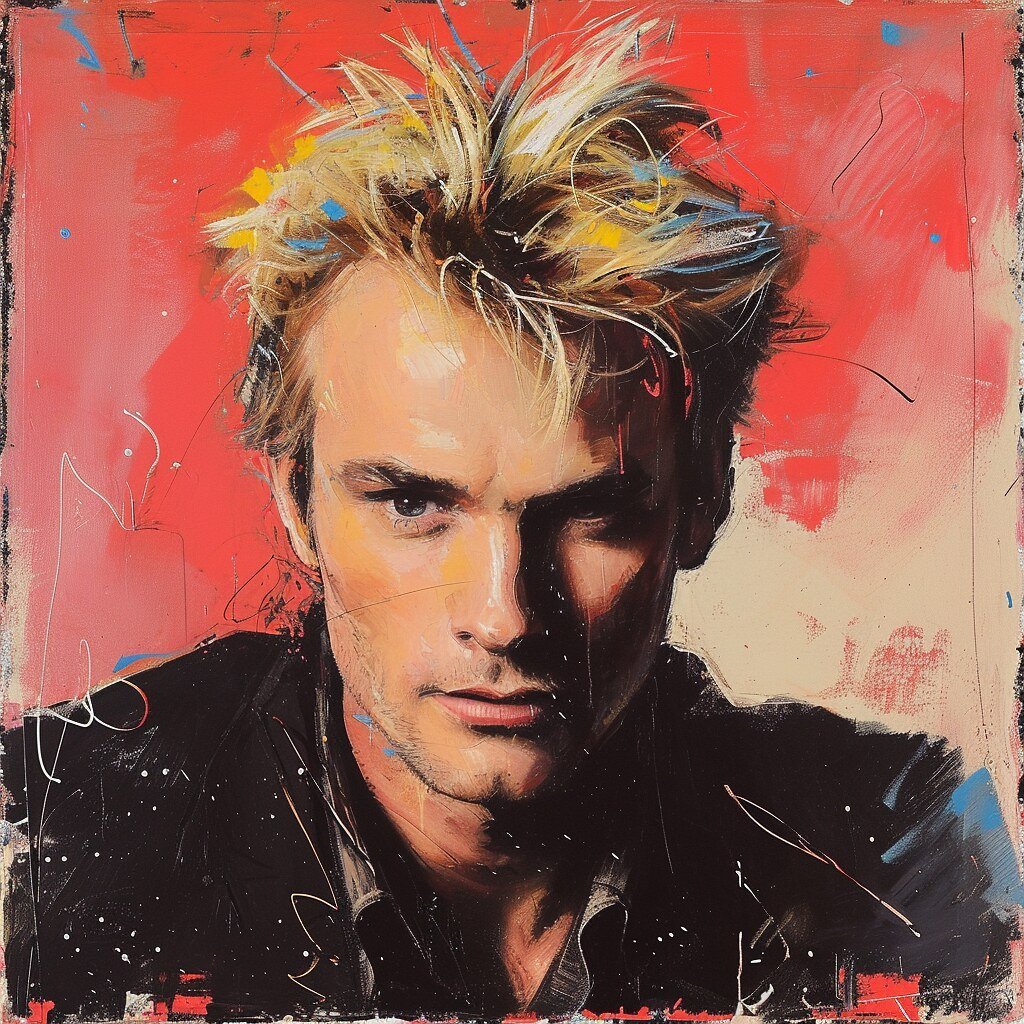
Sting wrote this as a dark tale of obsession and control, inspired by ideas of constant surveillance. The lyrics follow a possessive figure monitoring every move of another, turning love into something menacing. It emerged from late-night reflections on power dynamics in failed relationships.
Listeners heard a tender romance instead, playing it at weddings for years. Sting expressed discomfort at how the sinister edge vanished for so many. Couples swayed to what they saw as pure devotion, blind to the stalking undertones.[1][4]
Good Riddance (Time of Your Life) by Green Day
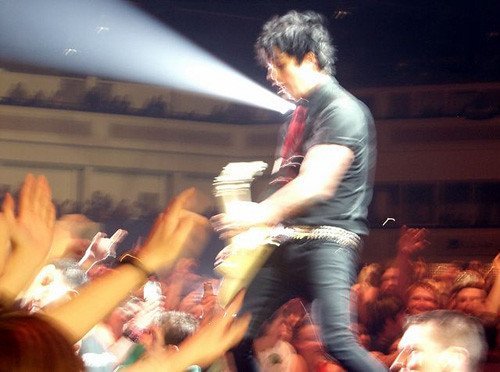
Billie Joe Armstrong penned this amid a breakup, with his girlfriend heading to Ecuador. The full title hints at sarcasm, capturing mixed feelings of relief and resentment. He aimed to process the end of that chapter through quiet acoustic strums.
High school grads and wedding crowds turned it into a feel-good sendoff. Armstrong marveled at its prom popularity, given the underlying bitterness. Fans overlooked the edge, making it a staple for milestones.[1][2]
Closing Time by Semisonic
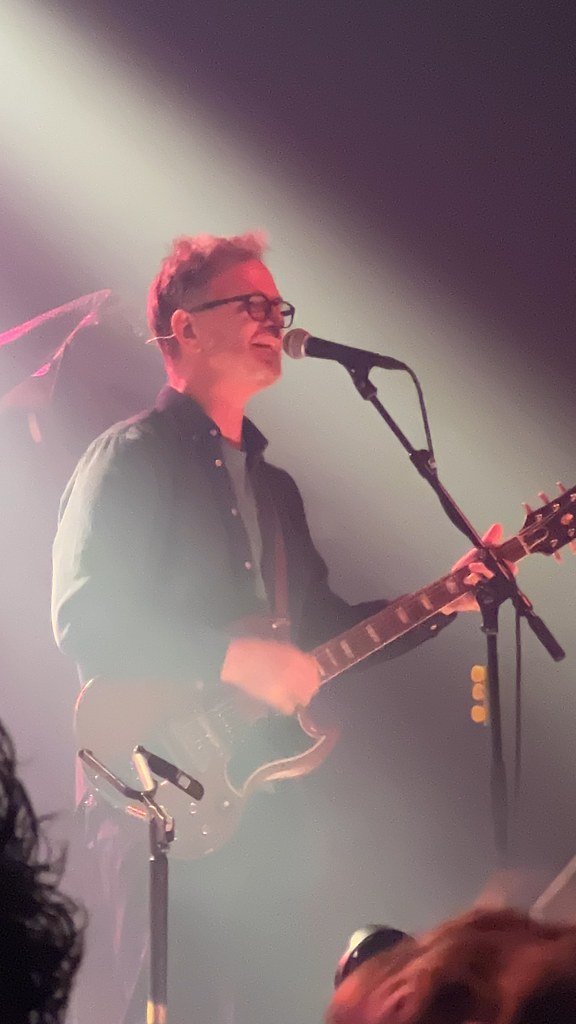
Dan Wilson composed this celebrating his daughter’s birth, likening the womb exit to a bar bouncer clearing the room. Lyrics like heading to new places nod to a newborn’s fresh start. Fatherhood’s joy shaped every line during his wife’s pregnancy.
Bartenders blasted it as last-call motivation, fitting the surface vibe perfectly. Wilson hid the baby theme so well that millions missed it entirely. It became a nightlife closer rather than a parental ode.[5]
Semi-Charmed Life by Third Eye Blind
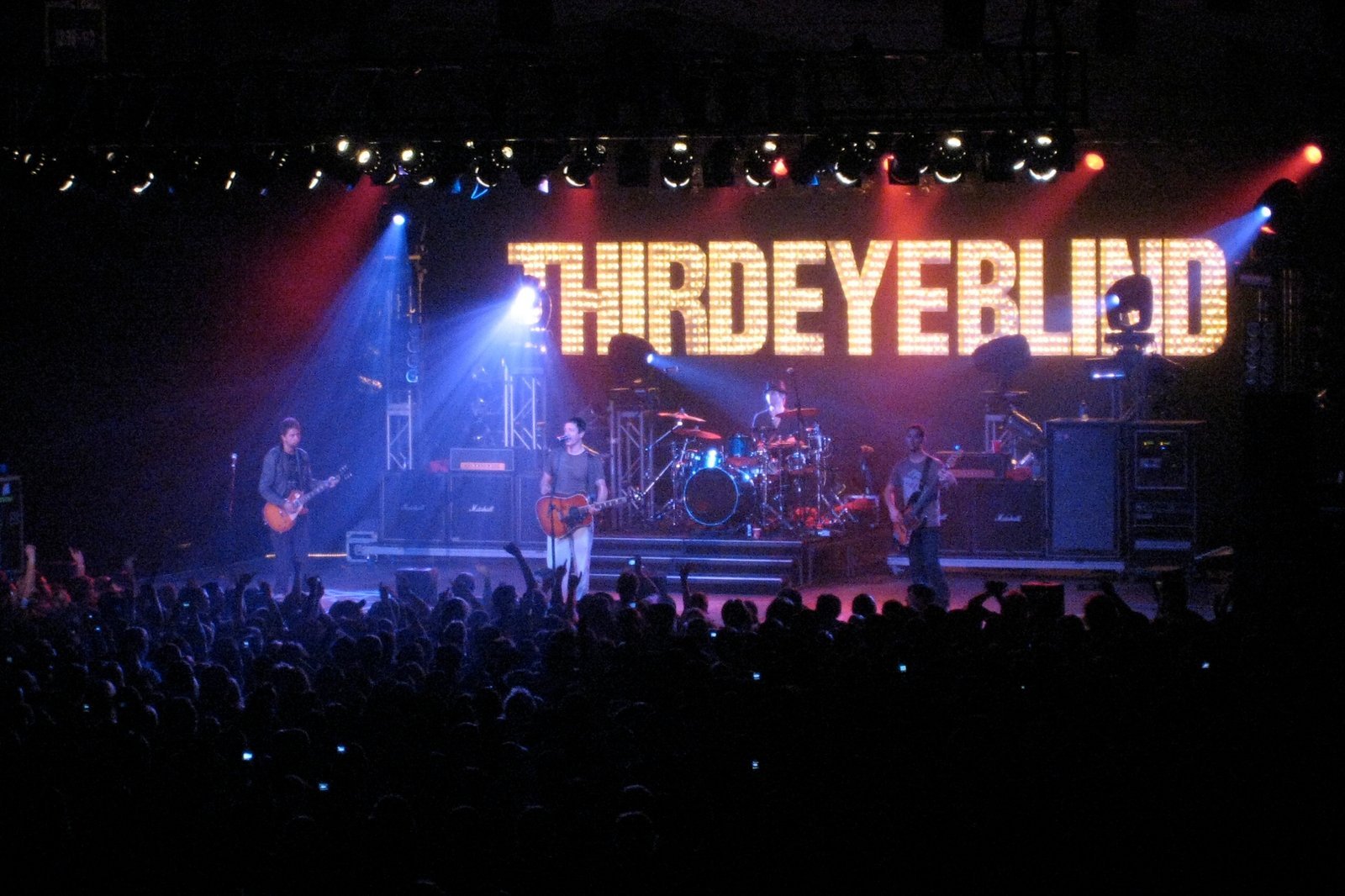
Stephan Jenkins detailed a crystal meth spiral, where highs crash into desperation. Upbeat tempo mirrors the drug’s false shine before the fall. The band captured addiction’s cycle through hidden references in the rush.
Radio play framed it as a carefree ’90s summer hit. Fans sang along without spotting the darkness in lines about sniffing and breaking. Jenkins noted how the gloss fooled listeners completely.[1]
Harder to Breathe by Maroon 5
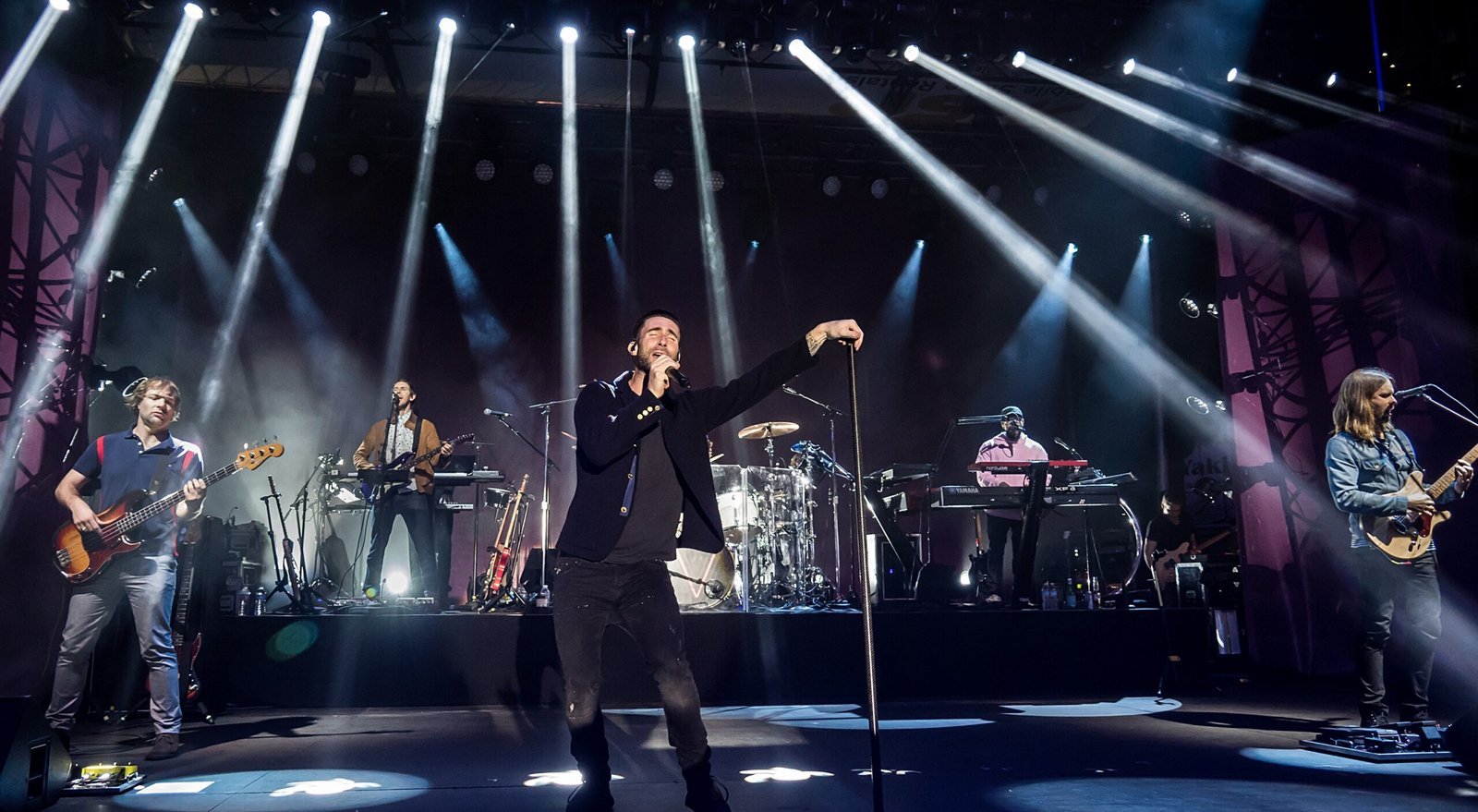
Adam Levine vented frustration at record label demands for extra tracks. The pressure built until it exploded into this raw outburst. It marked a pushback against industry control during album crunch time.
Most took it as another steamy romance from their catalog. Levine saw the hit potential born from anger, yet fans stayed in love-song mode. The metaphor shifted seamlessly for everyday ears.
In the Air Tonight by Phil Collins
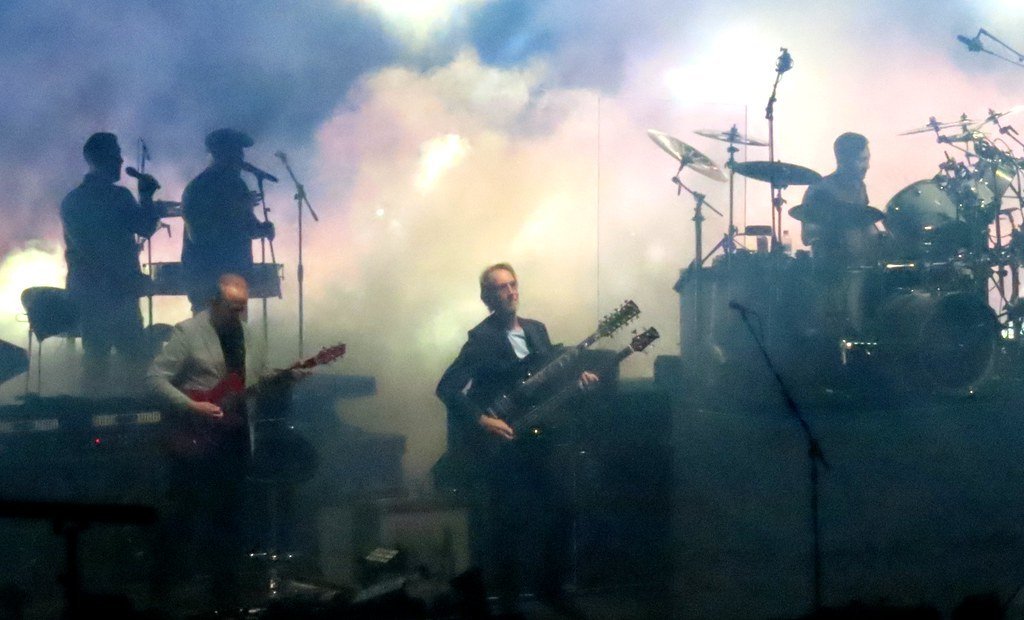
Collins channeled divorce rage into tense introspection. Studio scraps formed lyrics about emotional fallout from separation. The drum fill amplified personal turmoil without a specific incident.
Urban legends spread of a drowning witness ignored by a friend. Collins laughed off these tales in interviews, calling them comical inventions. Fans wove dramatic backstories around the mood.[1][5]
Imagine by John Lennon
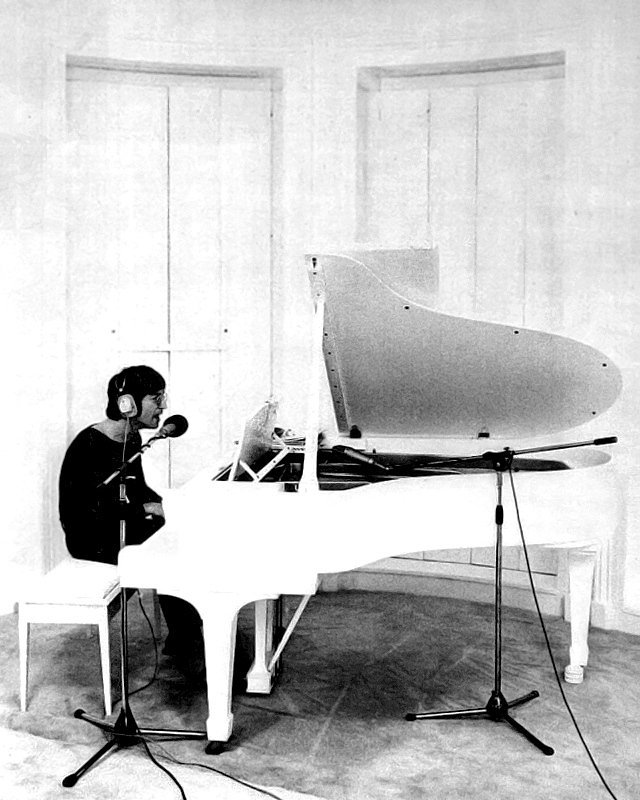
Lennon outlined a borderless world without religion or possessions, echoing radical ideals. He softened the message for wider appeal, drawing from political visions. The piano simplicity masked deeper challenges to norms.
It soared as a unity anthem at events worldwide. Listeners focused on peace vibes, skipping the anti-establishment core. Lennon noted the honey coating helped it spread far.[5]
Total Eclipse of the Heart by Bonnie Tyler
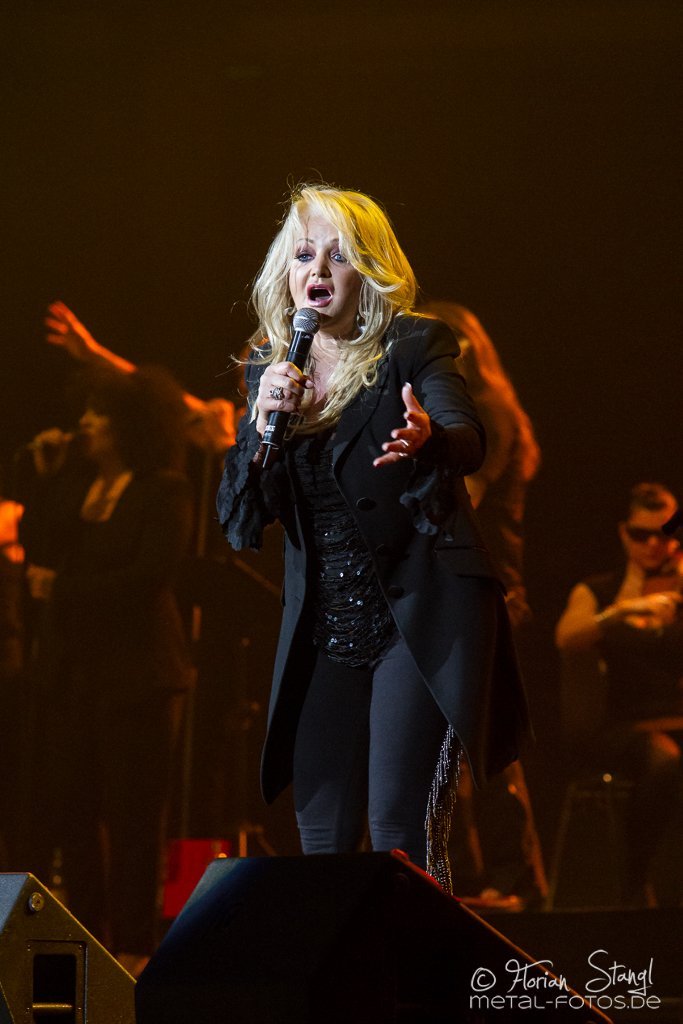
Jim Steinman built it around vampire romance from a Nosferatu musical idea. Darkness and longing fill lines about shadows and eternal night. The power ballad hid gothic fantasy in its swell.
Fans heard standard heartbreak drama in the bombast. Steinman pointed to vampire cues everyone overlooked. It thrived as pure emotion without the supernatural twist.[5]
Like a Virgin by Madonna
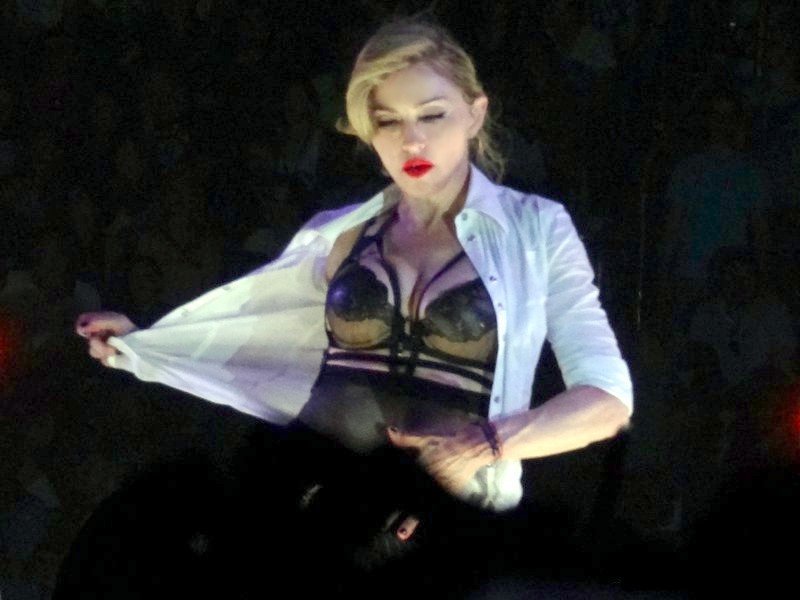
Songwriter Billy Steinberg reflected on renewal after emotional scars from past love. Feeling fresh in a new bond inspired the shine and untouched vibe. It captured healing beyond physical innocence.
Sex took center stage in public eyes, from videos to debates. Steinberg clarified the deeper romantic reset many missed. Performances locked in the steamy read.[1]
Losing My Religion by R.E.M.
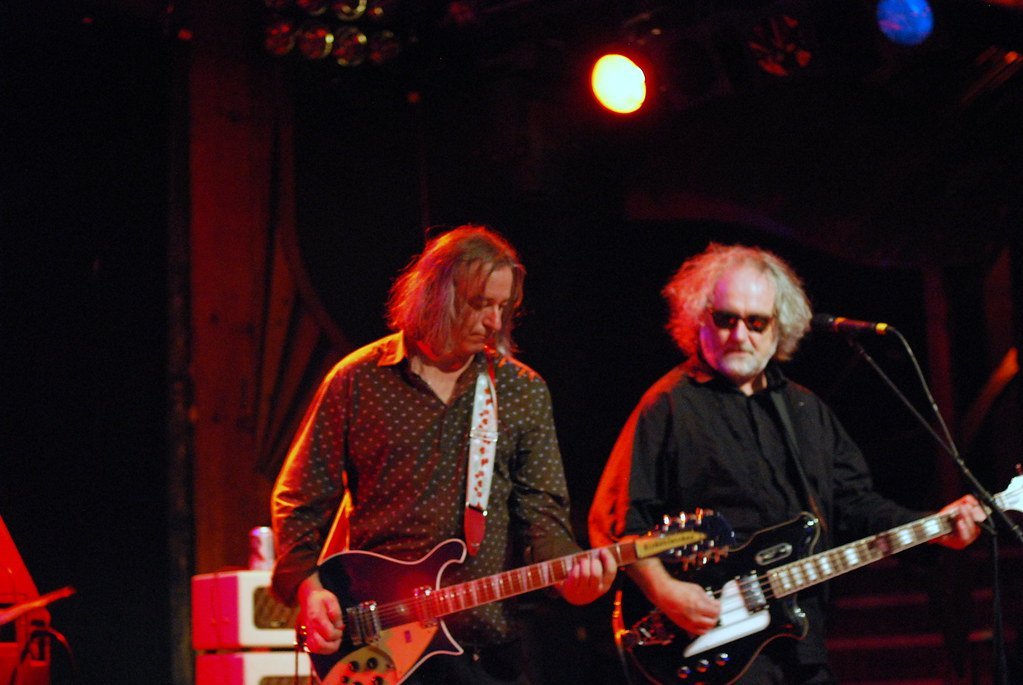
Michael Stipe explored obsession at its breaking point, using a Southern phrase for frustration. Unreturned feelings drove the plea and crush. It stayed a classic fixation narrative.
Religion dominated assumptions from the title alone. Stipe explained the idiom’s rope-end sense to fans. The hit veered into spiritual territory broadly.[1]
Blackbird by The Beatles
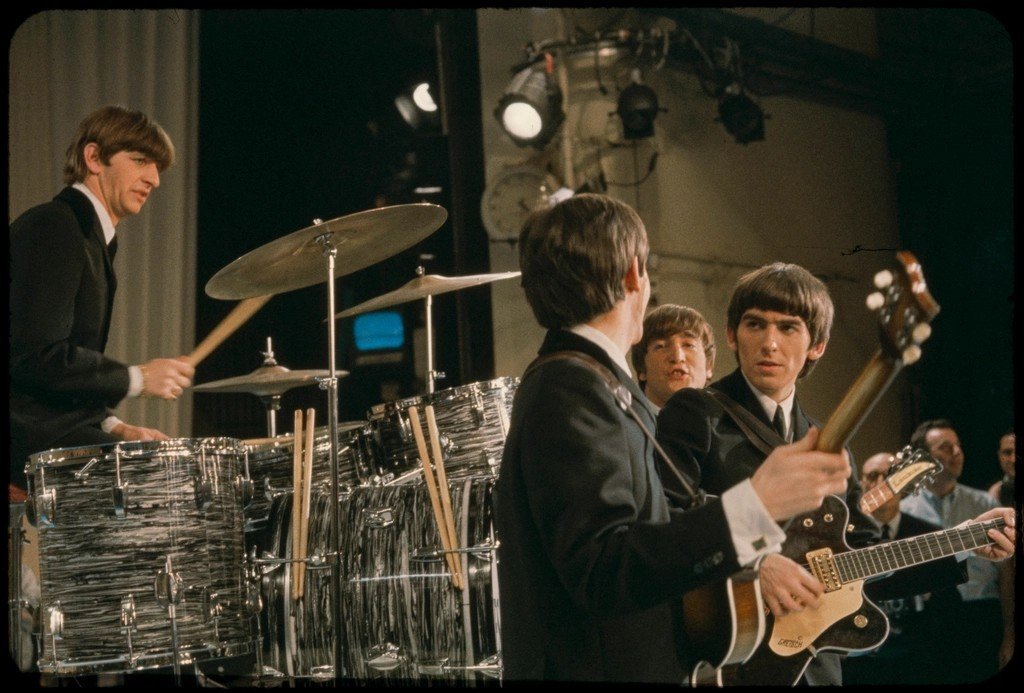
Paul McCartney symbolized civil rights struggles for Black women in America. “Bird” as slang for girl tied to U.S. unrest. He fingerpicked hope amid injustice.
Literal bird tales flew with the gentle melody. McCartney linked it to school integration fights later. Nature imagery overshadowed the social call.[1]
Hotel California by The Eagles
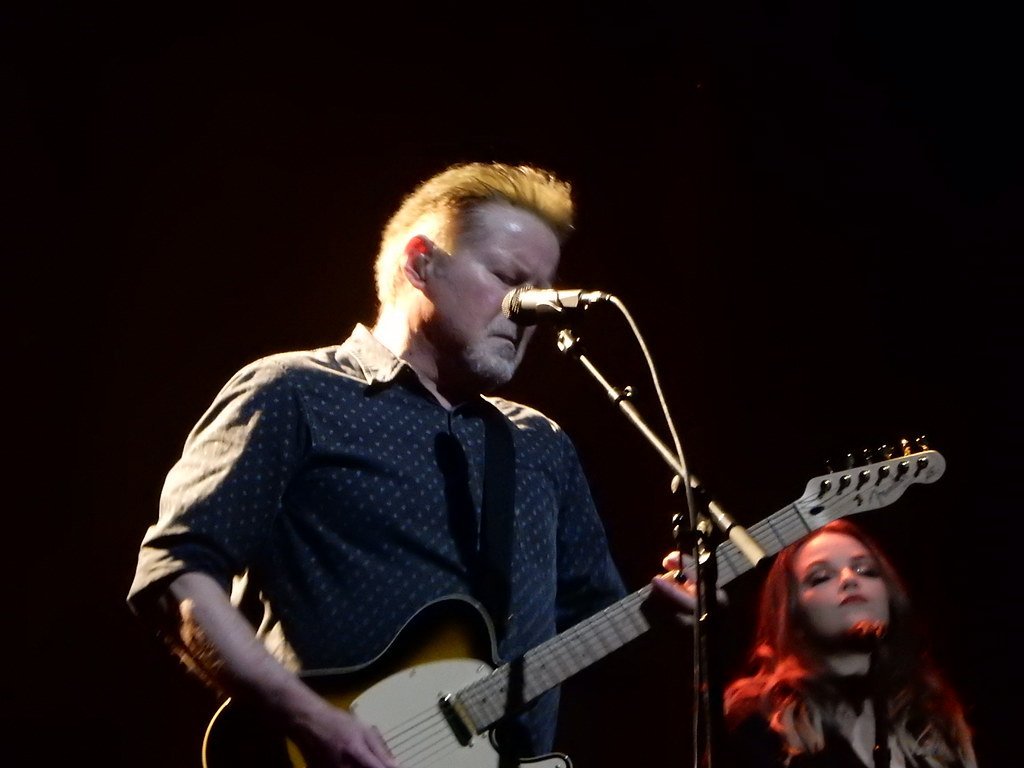
Don Henley targeted U.S. excess and art-commerce tension. Scenes evoked cultural indulgence and traps. Frey likened it to surreal TV episodes.
Satanic hotel or drug dens filled fan theories. Wilder takes amused Henley over time. The mystery fueled endless debate.[1]
The One I Love by R.E.M.
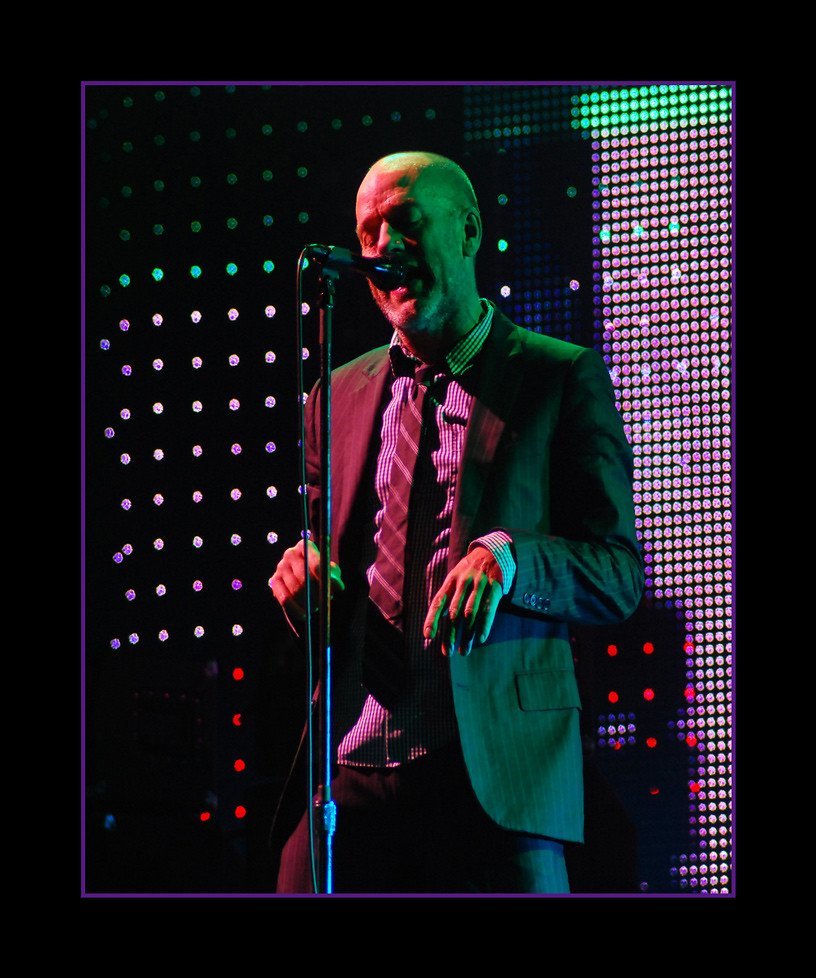
Stipe dissected using others as placeholders in loneliness. Brutal anti-love edged the repetition. The band nearly shelved its harshness.
Romantic dedications lit up concerts with kisses. Stipe found the flip ironic given the savagery. Fans claimed it as their tender tune.[5]
Summer of ’69 by Bryan Adams
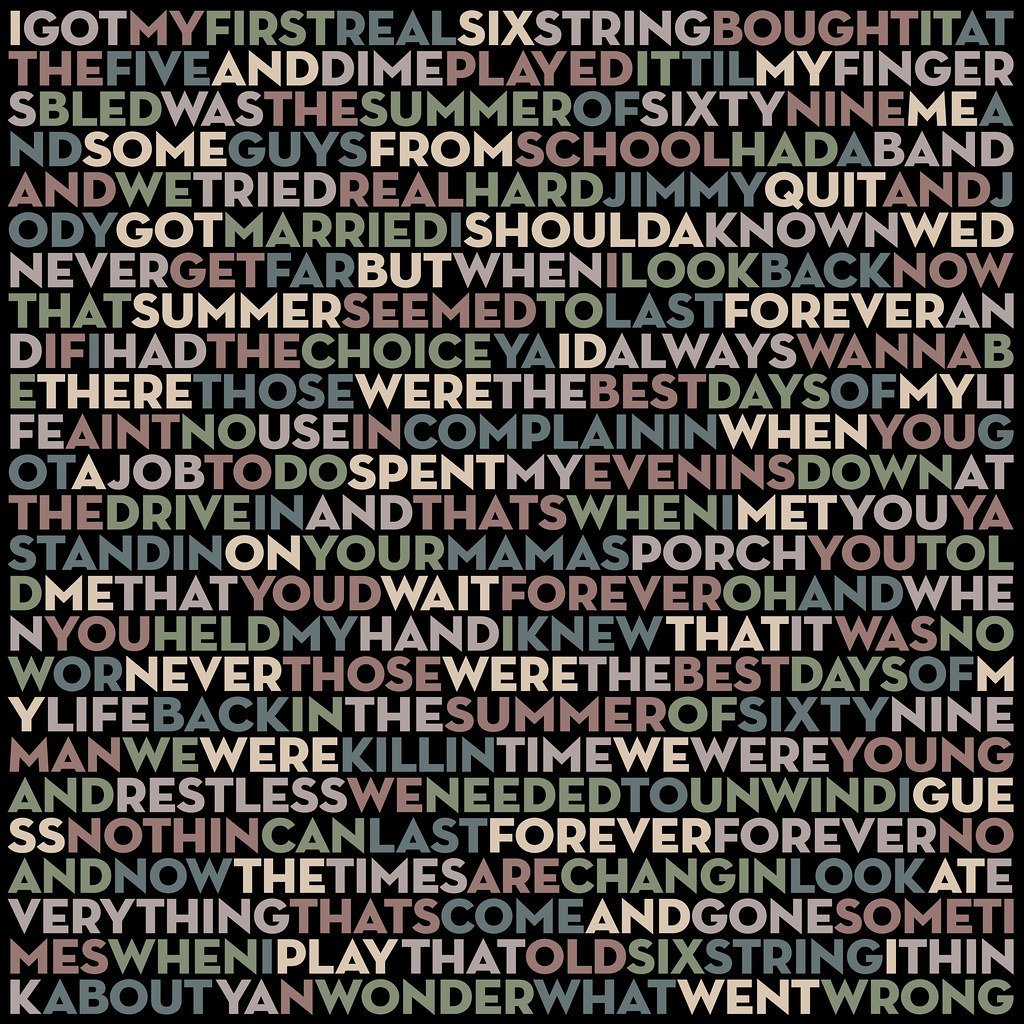
The number nodded to a sexual position amid youthful passion. Pawn shop guitars and raw practice added real touches. Adams mixed memory with innuendo.
1969 nostalgia ruled, tying to Woodstock era. Adams set straight the sex angle years later. History buffs sang the wrong story.[5]
Slide by Goo Goo Dolls
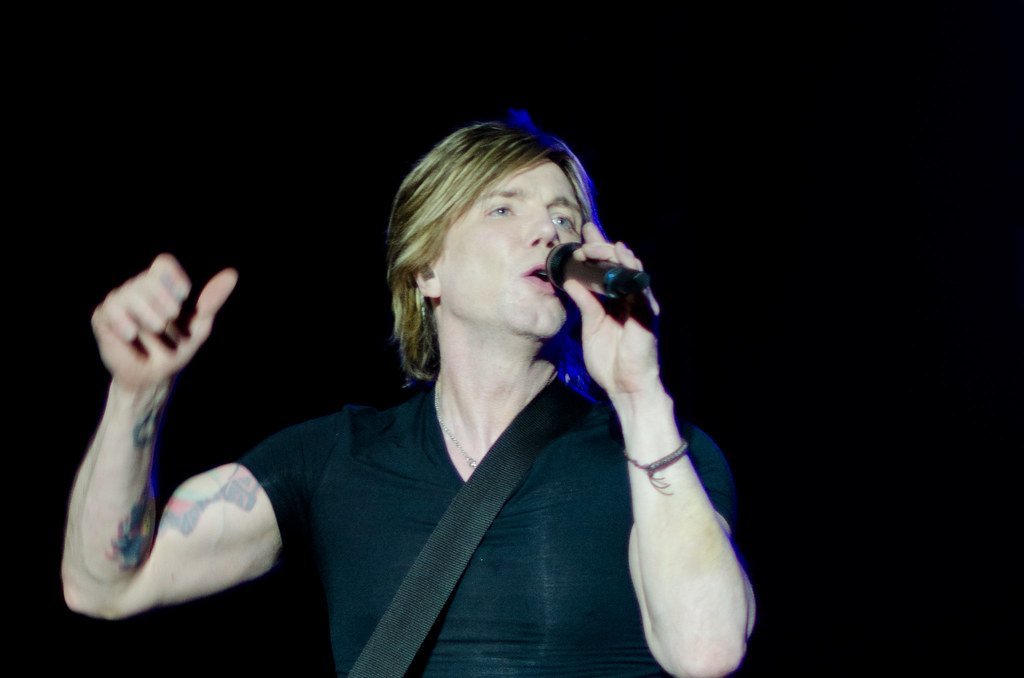
John Rzeznik depicted teen pregnancy dilemmas under family and faith pressure. Choices like abortion or escape weighed heavy. Neighborhood hardships shaped the urgency.
Beautiful love track status endured unchallenged. Rzeznik unpacked the cultural binds in reflections. Fans stayed with the romance glow.[2]
American Pie by Don McLean
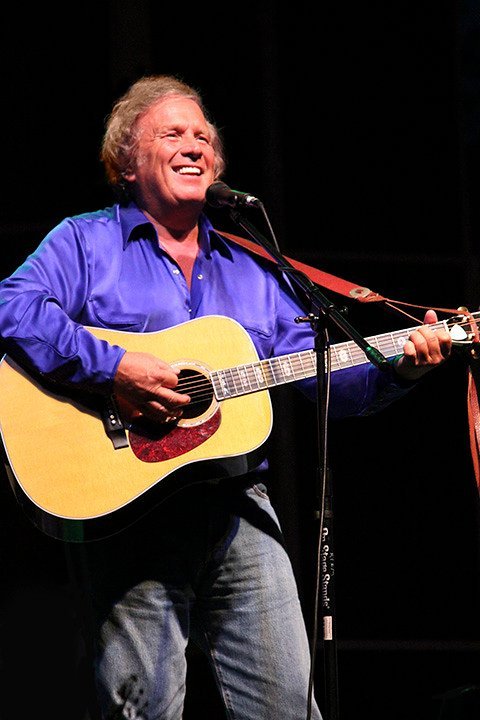
“The day the music died” mourned a 1959 plane crash killing rock pioneers. Society’s moral slide followed in dense verses. McLean layered ambiguity for impact.
Campfire joy from the chorus buried the gloom. He called it a warning on direction lost. Singalongs skipped the depth.[2]
Angel by Sarah McLachlan
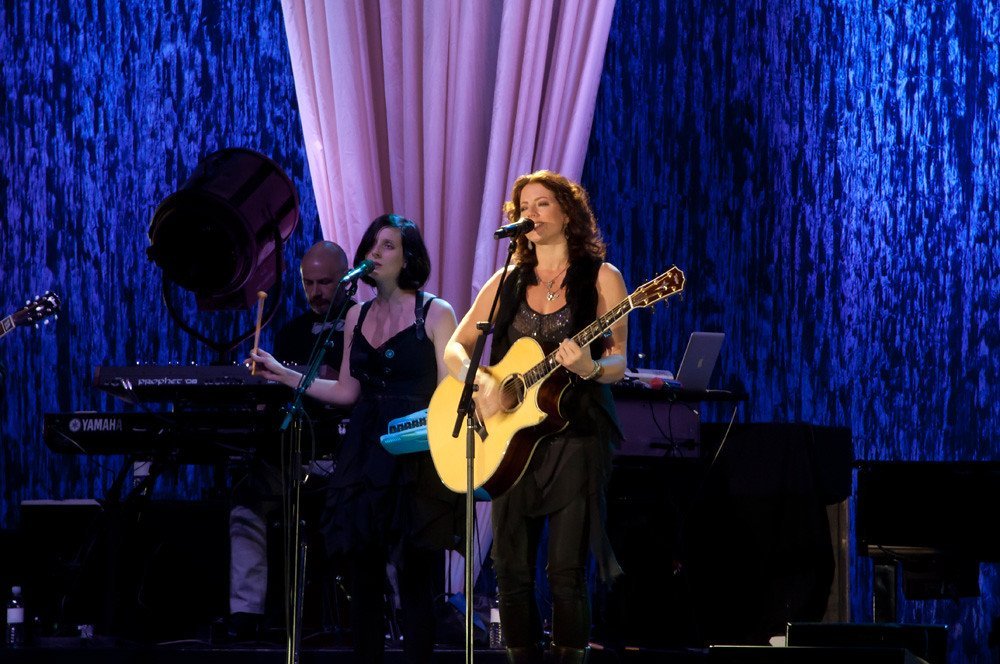
McLachlan grieved a musician’s heroin death, capturing isolation and release search. Overdose loss hit close in the industry. Quiet piano held the ache.
ASPCA ads repurposed it for animal sadness. Fans linked to vague personal grief. The drug core faded from view.[2]
S & M by Rihanna
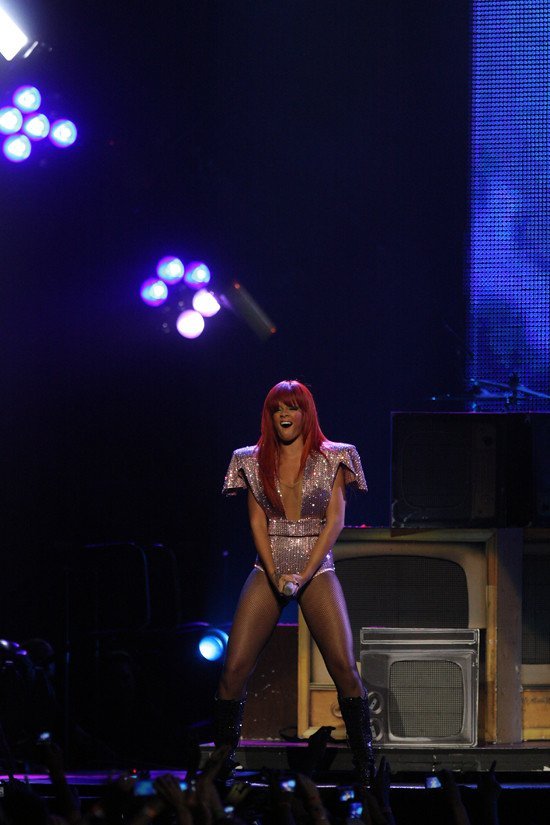
Rihanna framed media scrutiny as addictive pain-pleasure. Public gaze fed her in twisted ways. The metaphor turned fame toxic yet thrilling.
Kinky bedroom antics dominated headlines. She stressed the press angle in talks. Videos sealed the sexy spin.[2]
Rock the Casbah by The Clash
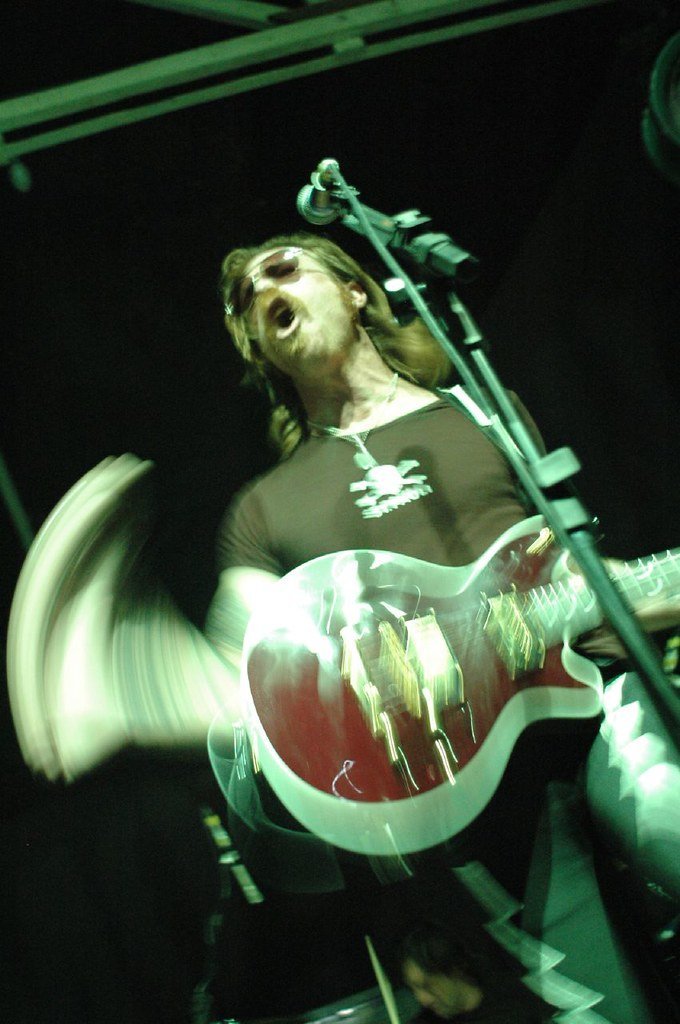
Joe Strummer mocked Iran’s music ban under strict rule. Fanaticism lost humanity in the satire. Shorter song pleas birthed it.
Party rock without politics for dancers. Strummer traced the Tehran disco lash inspiration. Context vanished in the groove.[2]
I Will Always Love You by Dolly Parton
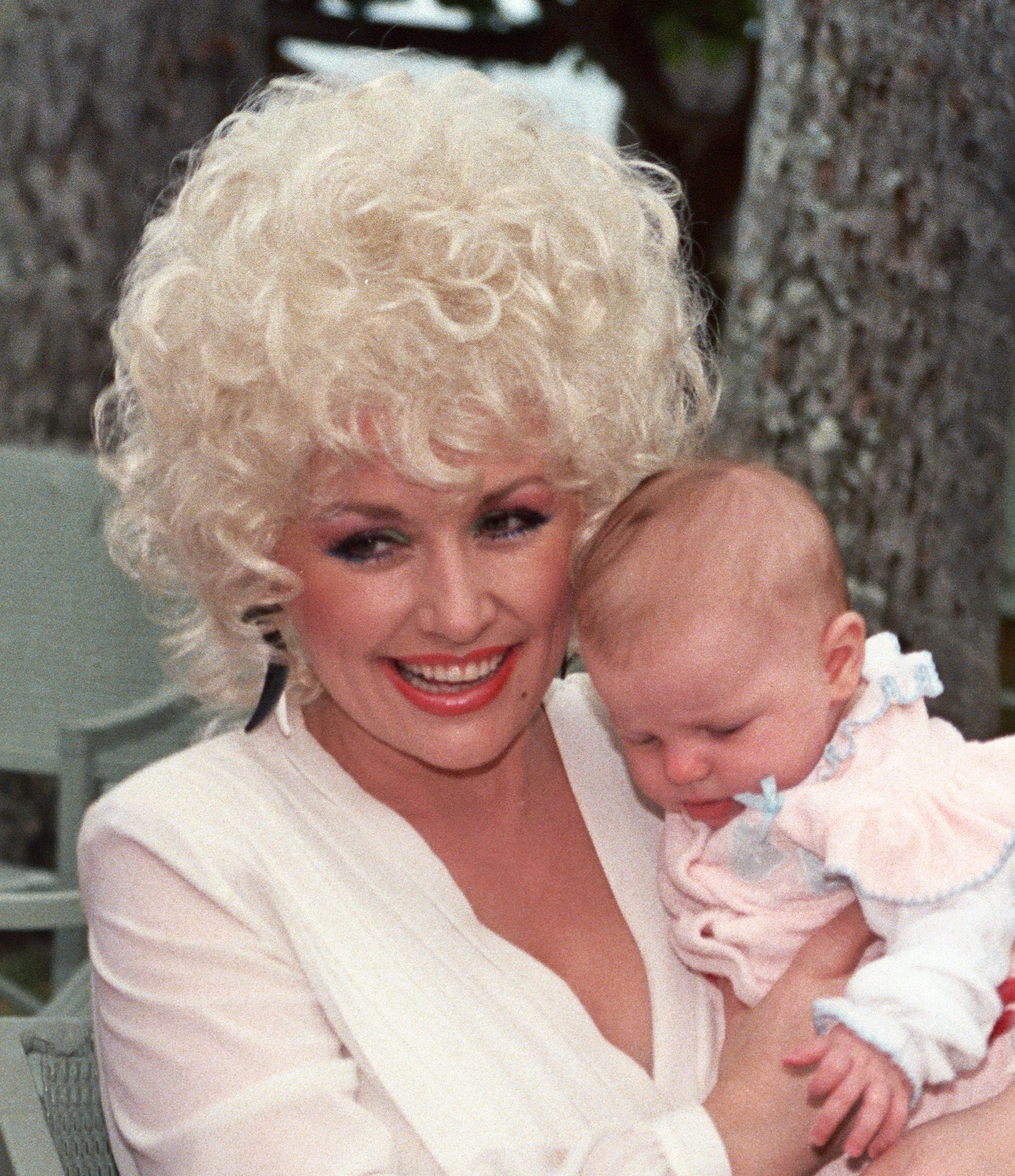
Parton bid farewell to mentor Porter Wagoner after tense years. Gratitude mixed with goodbye after his show. Partnership’s passion clashed often.
Epic romance breakup defined covers and plays. She detailed the professional split clearly. Hearts heard lovers parting.[2]
MMMBop by Hanson
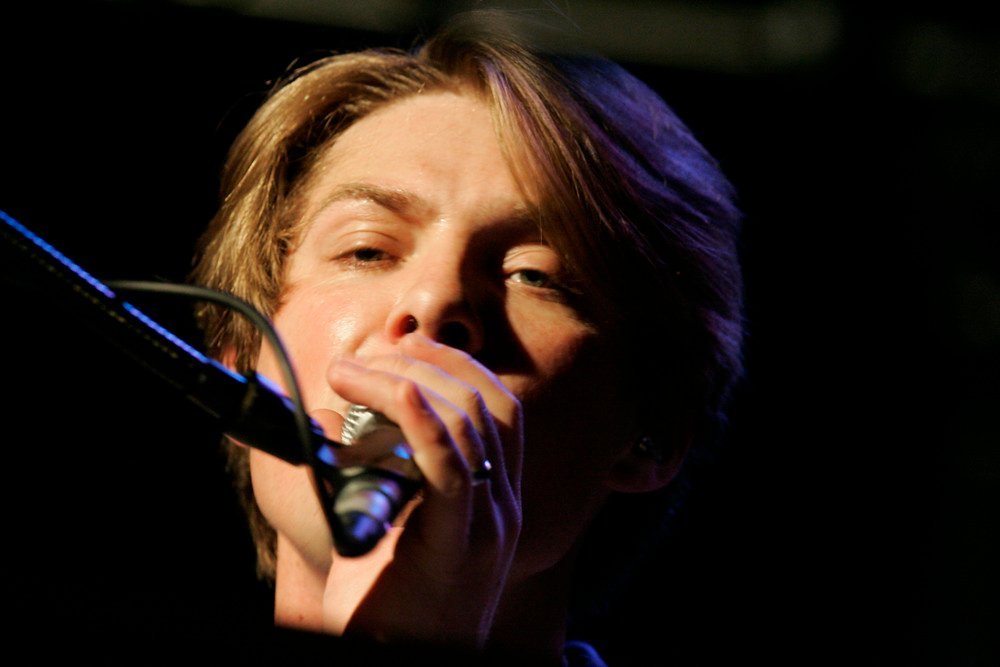
“MMMBop” coined fleeting time, urging hold on true bonds. Life’s quick pass demanded focus on what lasts. Brothers built philosophy into pop.
Nonsense word baffled amid bubblegum fun. Zac Hanson called it the top missed hit. Peak fame hid the wisdom.[2]
Just Like Heaven by The Cure
Robert Smith recalled hyperventilating kisses and drowning pulls at a cliff. Magic tricks blended with seduction hints. Beachy Head trip sparked it.
Straight love synth joy ruled airplay. Smith unpacked the floor-fall gasps. Romance veiled the oddity.[5]
American Girl by Tom Petty and the Heartbreakers
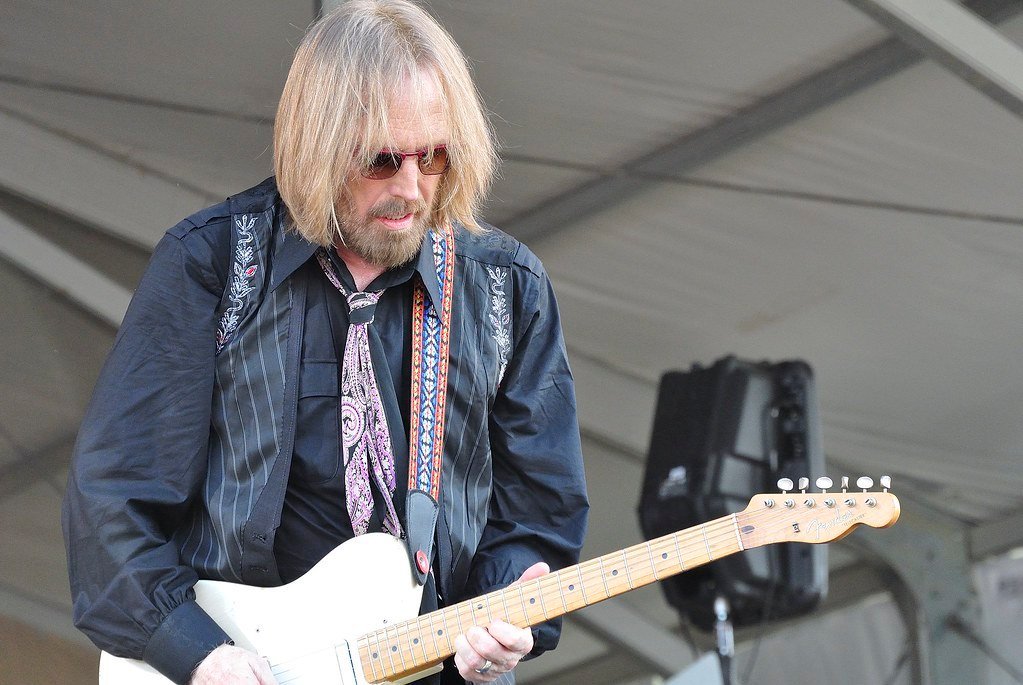
Petty celebrated pure love without dark ties. Melody lifted everyday affection skyward. No tragedy fueled the rush.
Florida suicide myth persisted stubbornly. Petty debunked the tower jump tale. Beauty got twisted literal.[5]
London Calling by The Clash
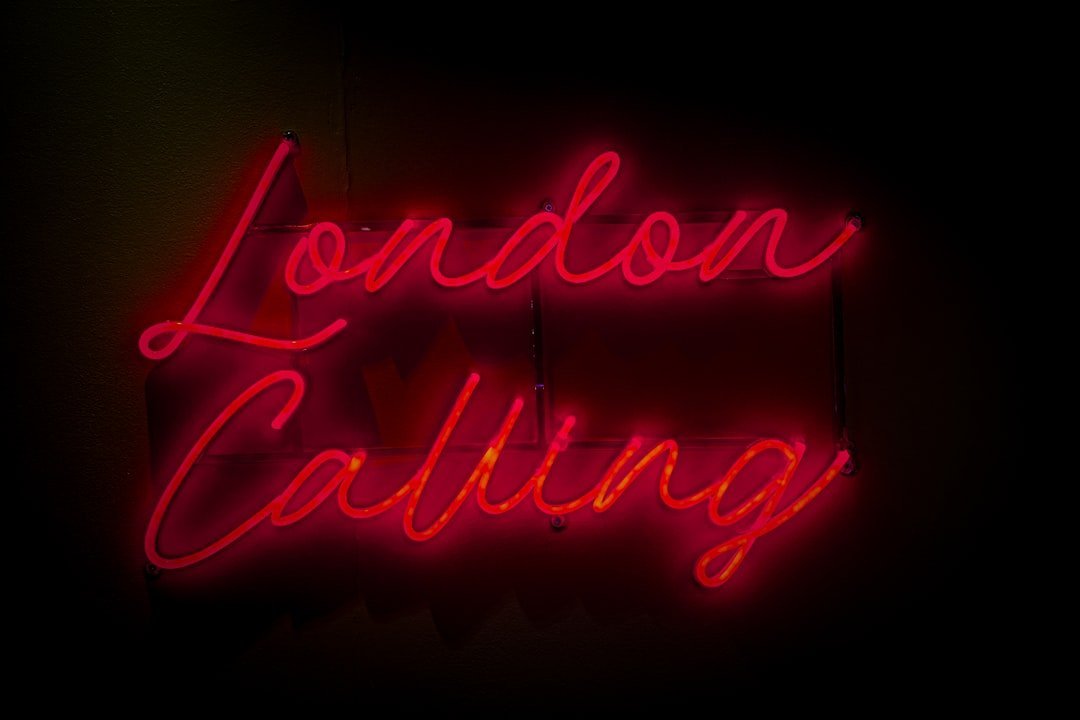
Strummer feared Thames floods signaling wider doom. Everyday perils expanded from one headline. Punk warned of coming crises.
British politics pinned it narrowly. Jones joked on climate foresight. Scope grew beyond first read.[5]
Who Let the Dogs Out by Baha Men

Anslem Douglas rallied against street harassment of women. Name-calling got the clapback in rhythm. Feminist push hid in party bark.
Dogs literal for sports crowds. Lyrics flipped the catcall power. Fun masked the stand.[3]
Waterfalls by TLC
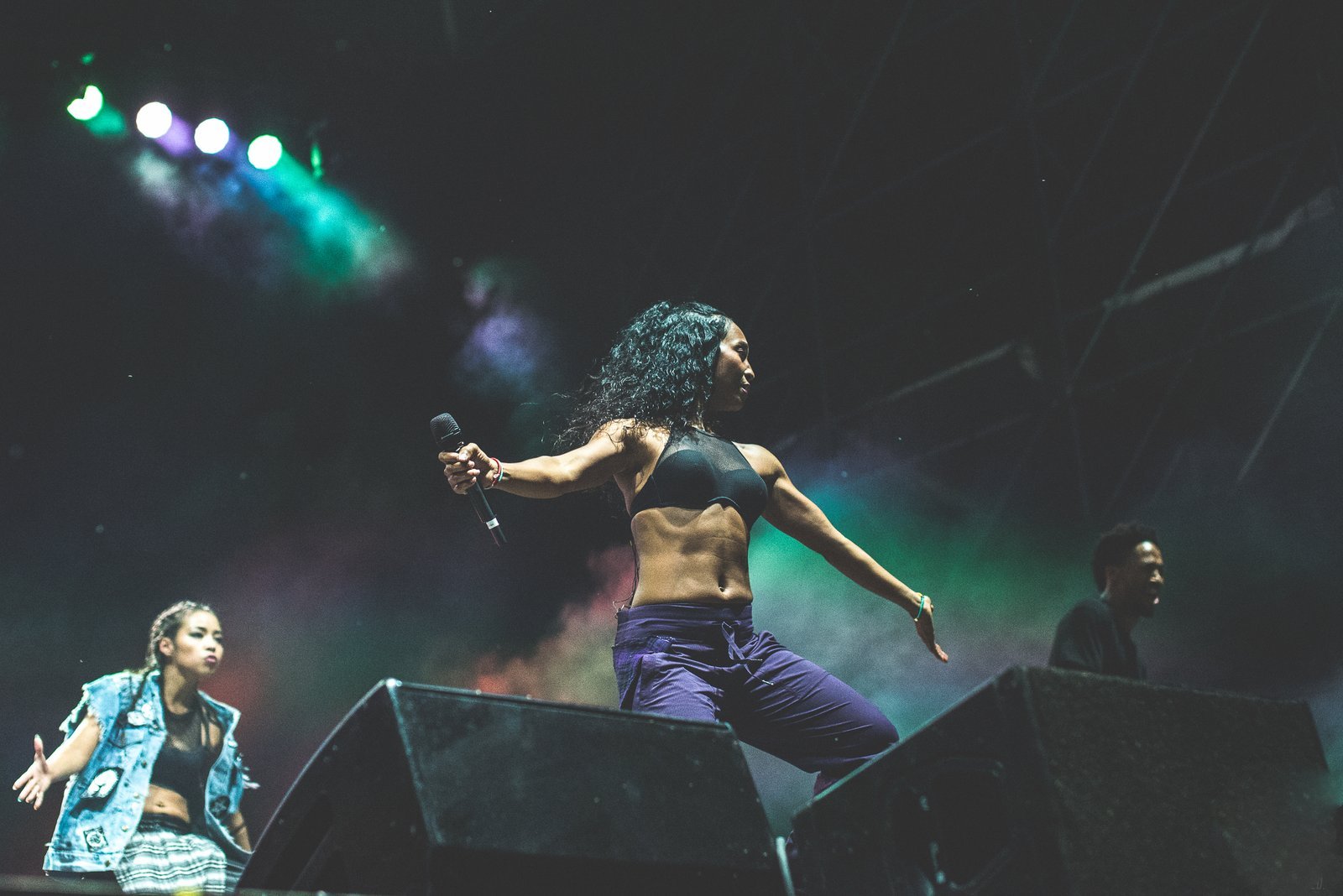
TLC warned on AIDS risks, promiscuity, and bad crowds. “Three letters” spelled final fate. Video drove dangers home visually.
Carpool karaoke smoothed it safe. Deeper ills lurked under flow. Message drowned in hooks.[3]
Macarena by Los Del Río
Track followed a woman’s army-boyfriend betrayal with pals. Draft left room for infidelity dance. Spanish tale turned global.
Innocent line dance swept ’90s parties. Cheating core vanished in steps. Moves won over plot.[3]
One Way or Another by Blondie
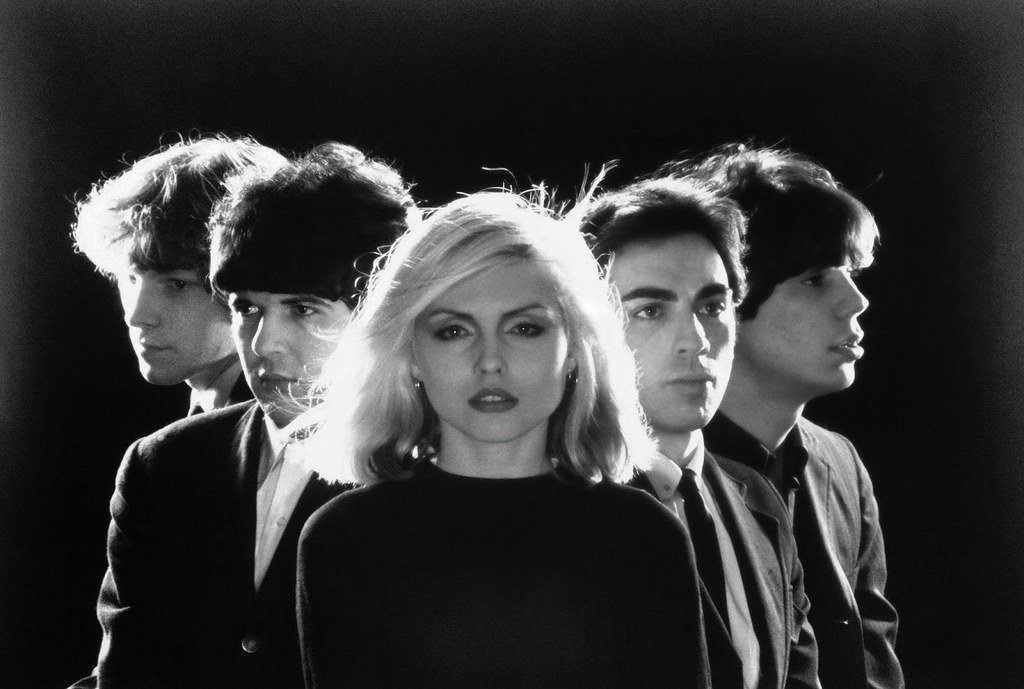
Debbie Harry drew from real stalker pursuit. Levity lightened the creep factor. Personal chase inspired the hunt.
Lovers’ playful chase for romantics. Harry grounded it in threat. Game hid the fear.[3]
Pumped Up Kicks by Foster the People
Mark Foster spotlighted mental health and shootings. Gun threats urged flight in chorus. News week triggered the plea.
Cool shoes for teen angst singalong. Foster aimed awareness squarely. Violence lurked unheard.[3]
Gangnam Style by Psy
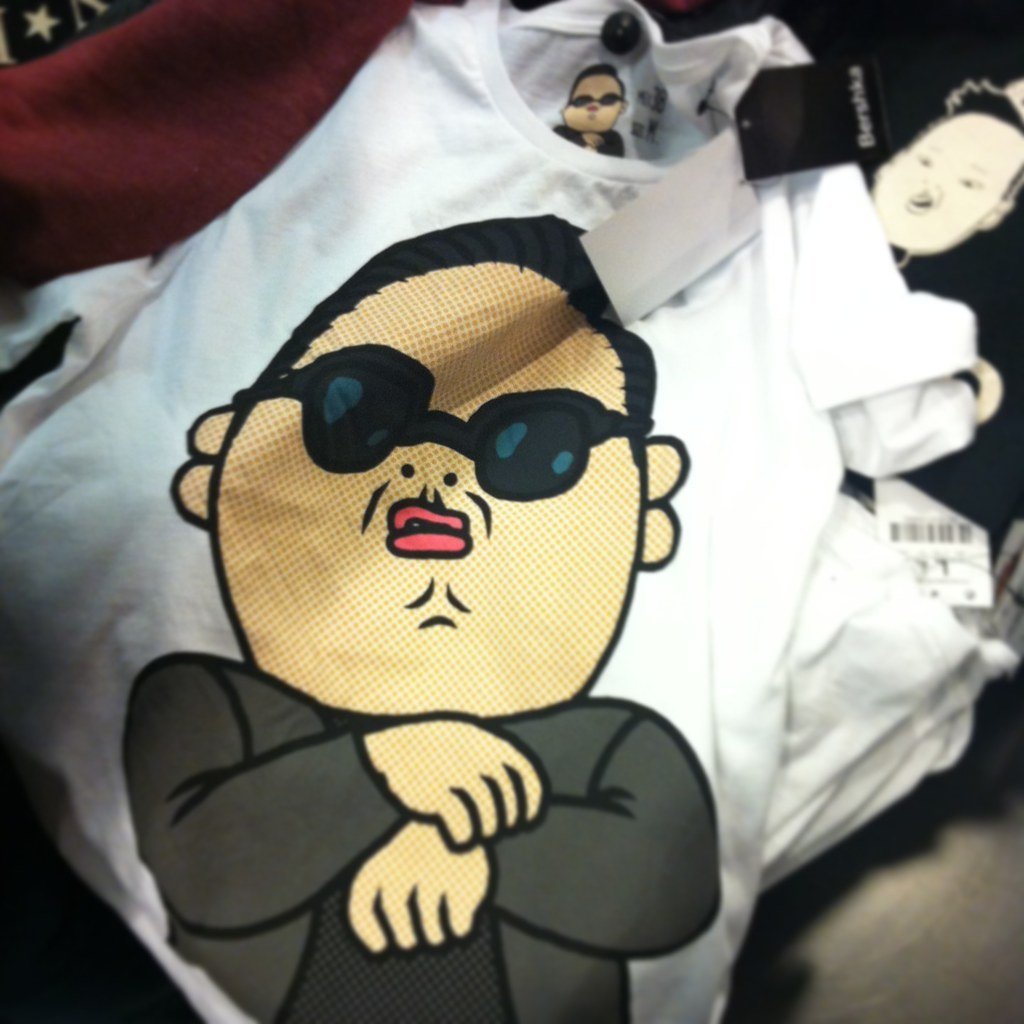
Psy satirized Seoul’s elite hollow lives. Beverly Hills parallel mocked excess. Filming felt empty itself.
Viral dance craze exploded worldwide. Social bite lost in horse moves. Billions missed the jab.[3]
Royals by Lorde
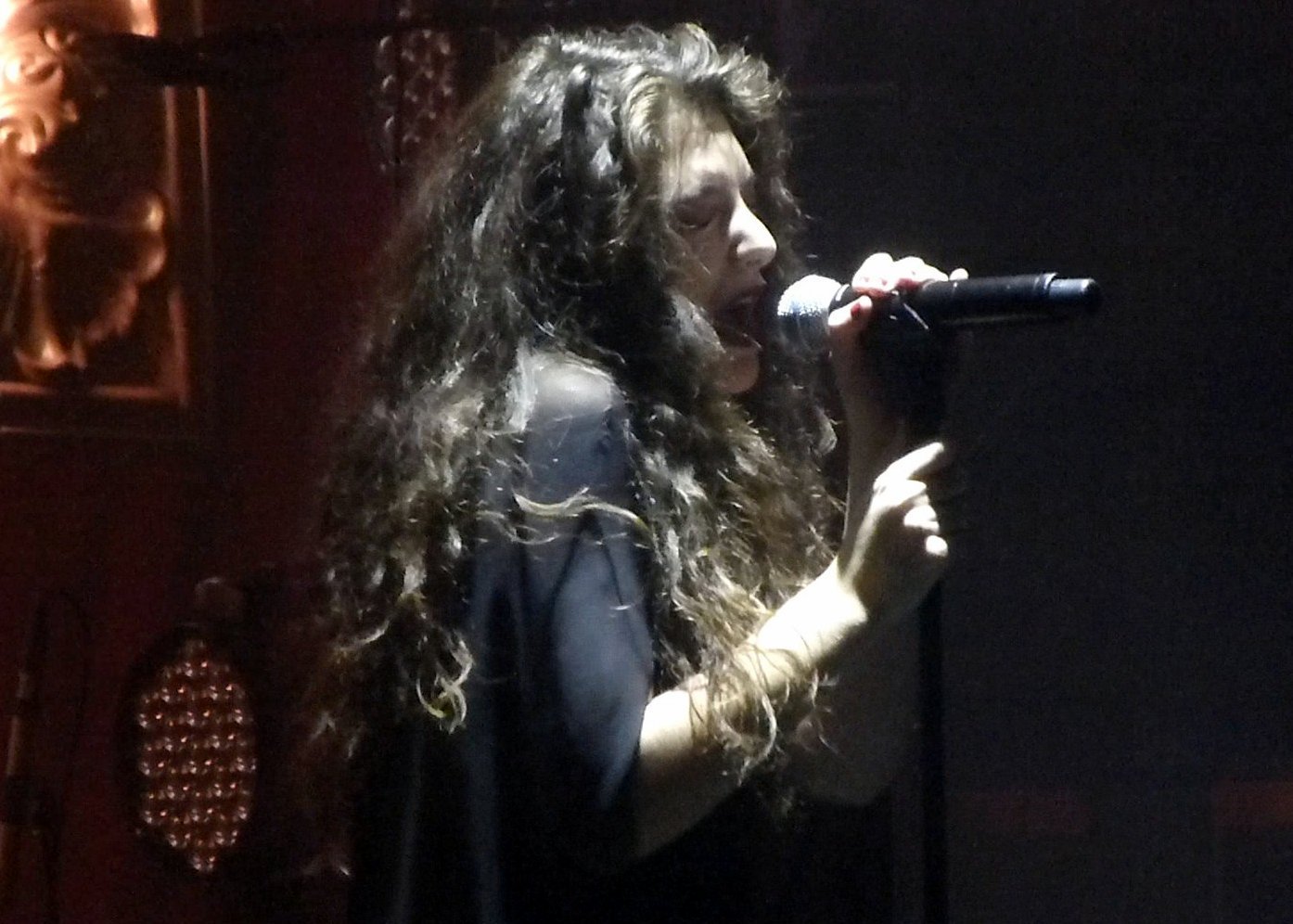
Lorde rejected glam from a baseball pic’s fan swarm. Wordplay shunned luxury traps. Youth critiqued shine.
Pop luxury bash for irony fans. Image sparked anti-fame core. Hit flipped the script.[3]
The A Team by Ed Sheeran
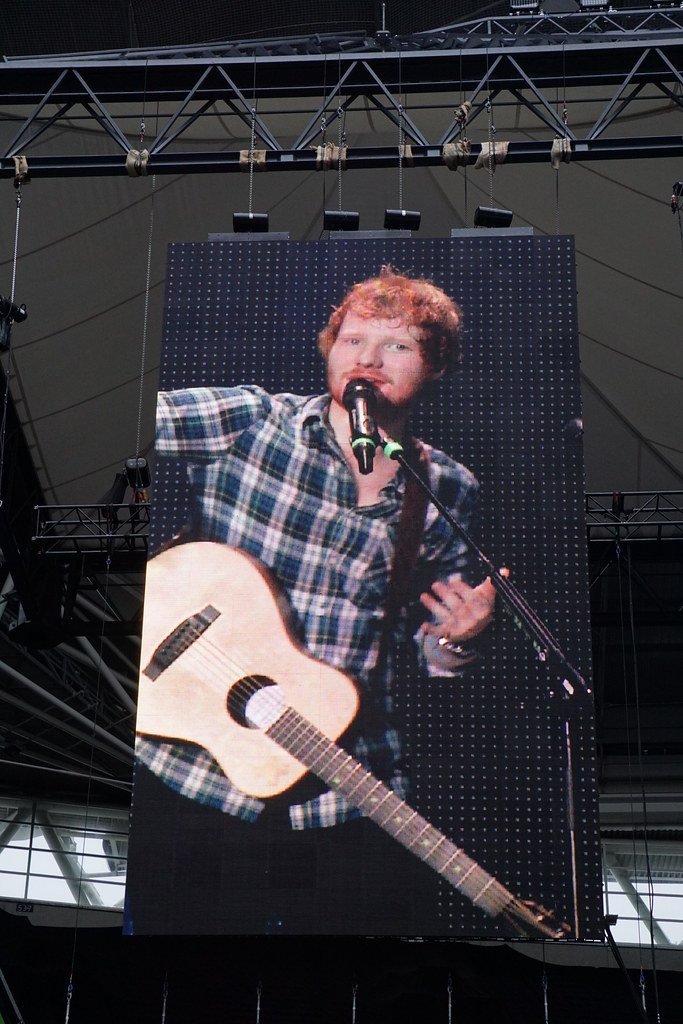
Sheeran mourned homelessness after shelter tales. Ripped gloves and swims fought rain. Charity gig poured pain.
Love soothe in acoustics. Quick write hid street grit. Ballad veiled the bleak.[3]
Poker Face by Lady Gaga
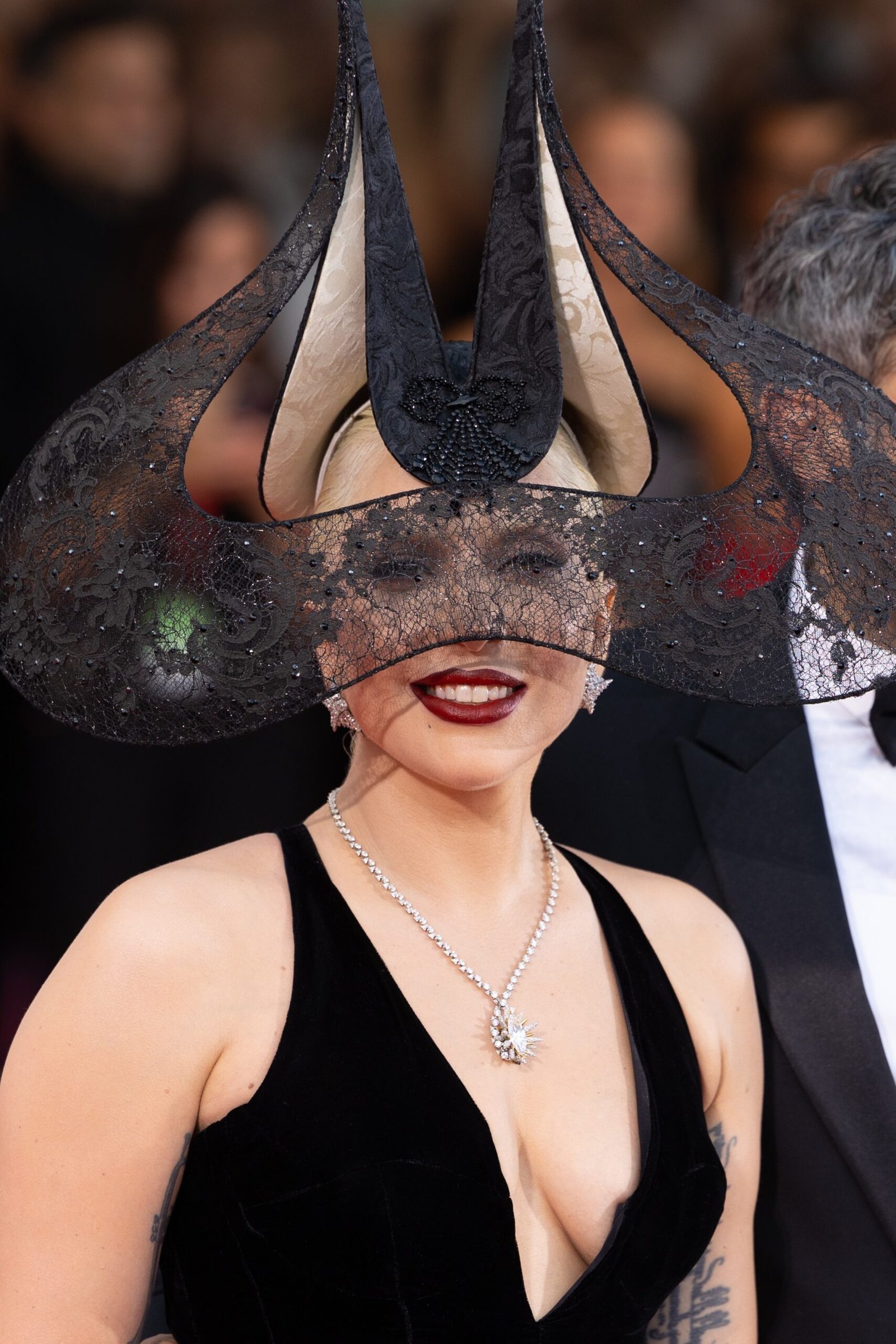
Gaga hid bisexual fantasies from a man partner. Bluff kept secrets in bed. Rights advocacy wove through.
Gambling deceit or club fun. Bisexuality peek stayed subtle. Poker masked the personal.[3]
White Riot by The Clash
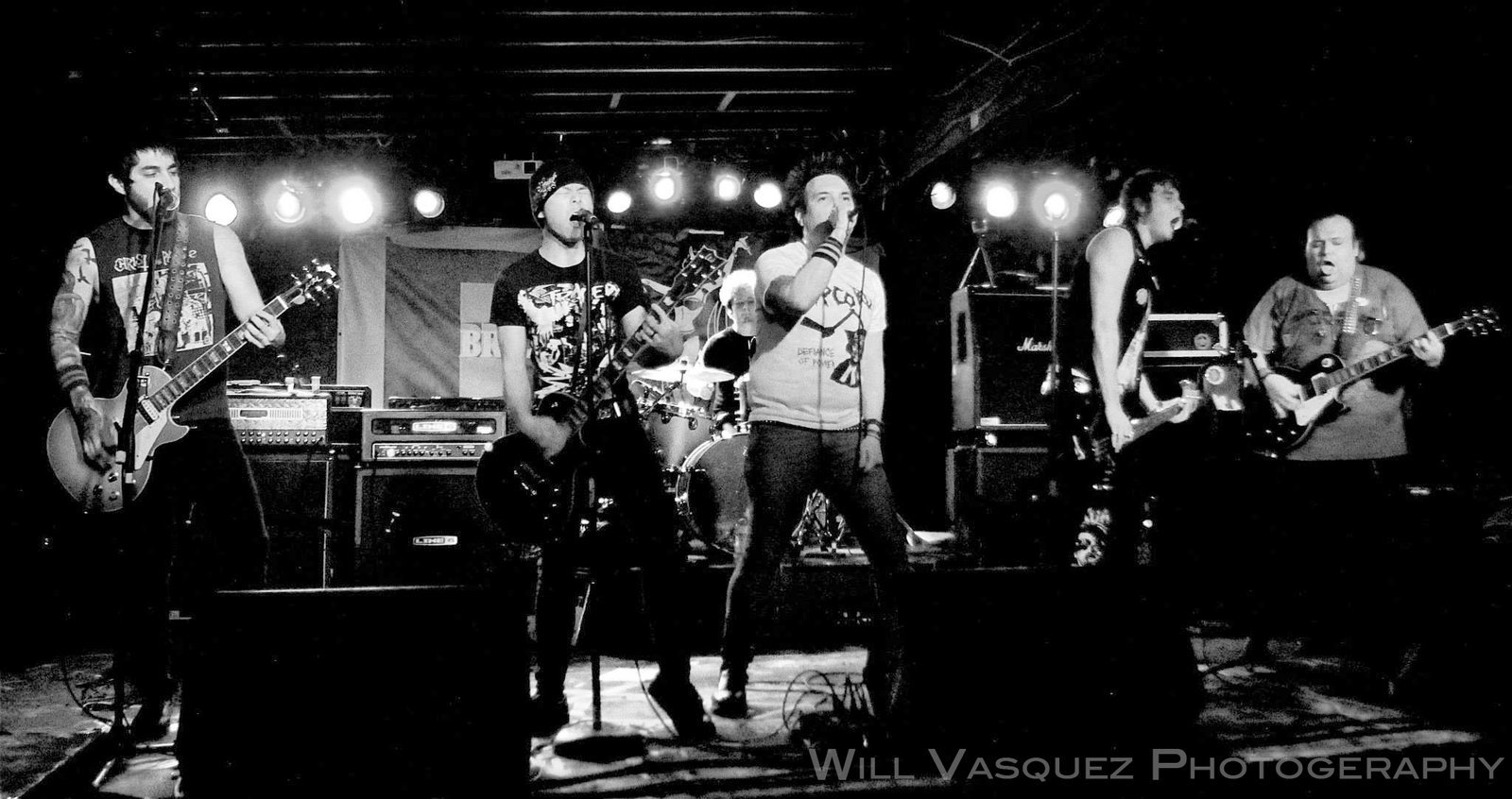
Strummer questioned white poor’s rage gap versus Black action. Class wealth hoards fueled call. Notting Hill violence sparked.
Race war chants sparked fights. Class struggle drowned in chorus. Punk crowds misfired.[4]
Hallelujah by Leonard Cohen
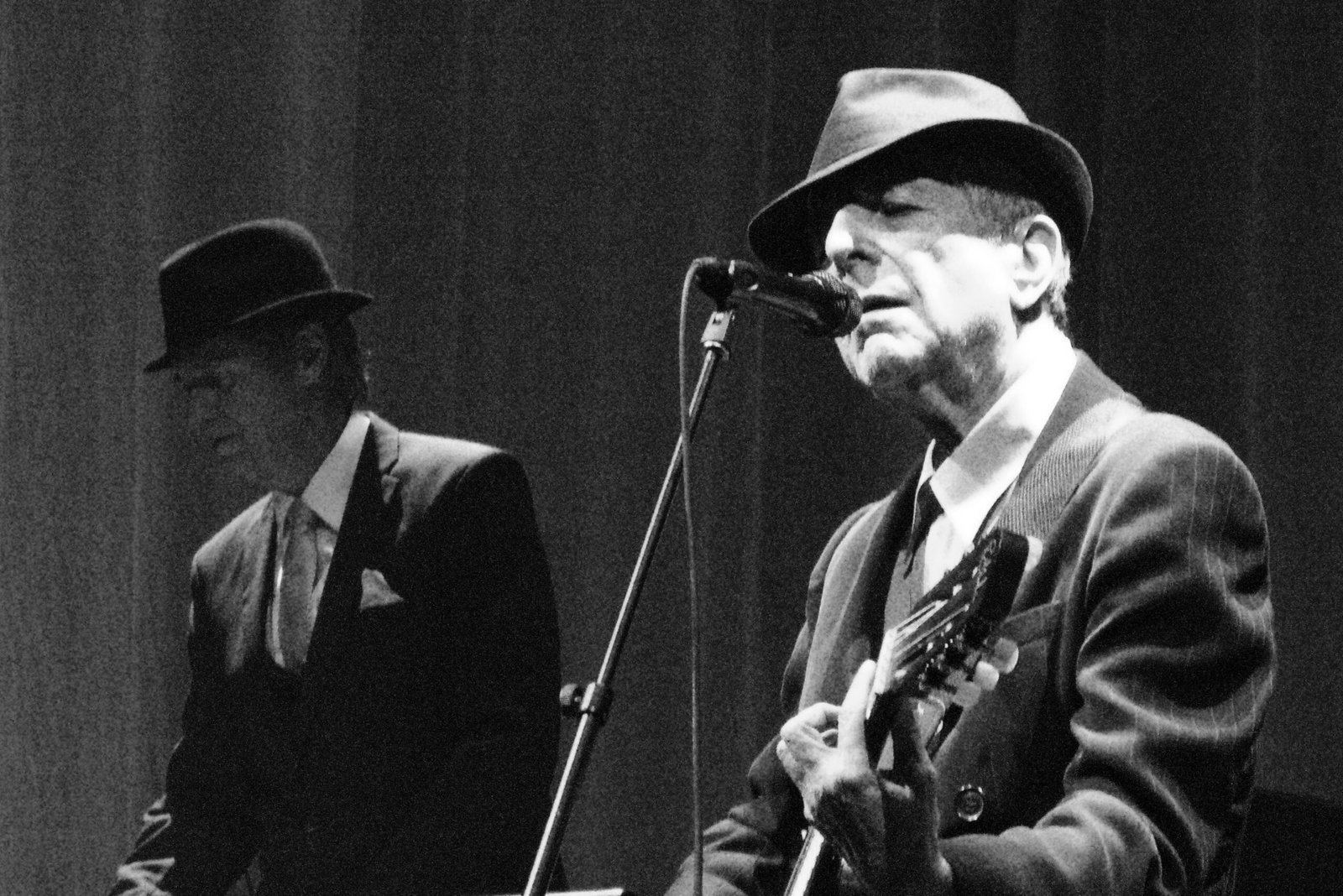
Cohen probed sex struggles via Bible tales. David and Bathsheba imaged desire clash. Sacred met flesh.
God praise prayer swelled covers. Cohen layered relations deep. Glory gloss took over.[4]
Alison by Elvis Costello
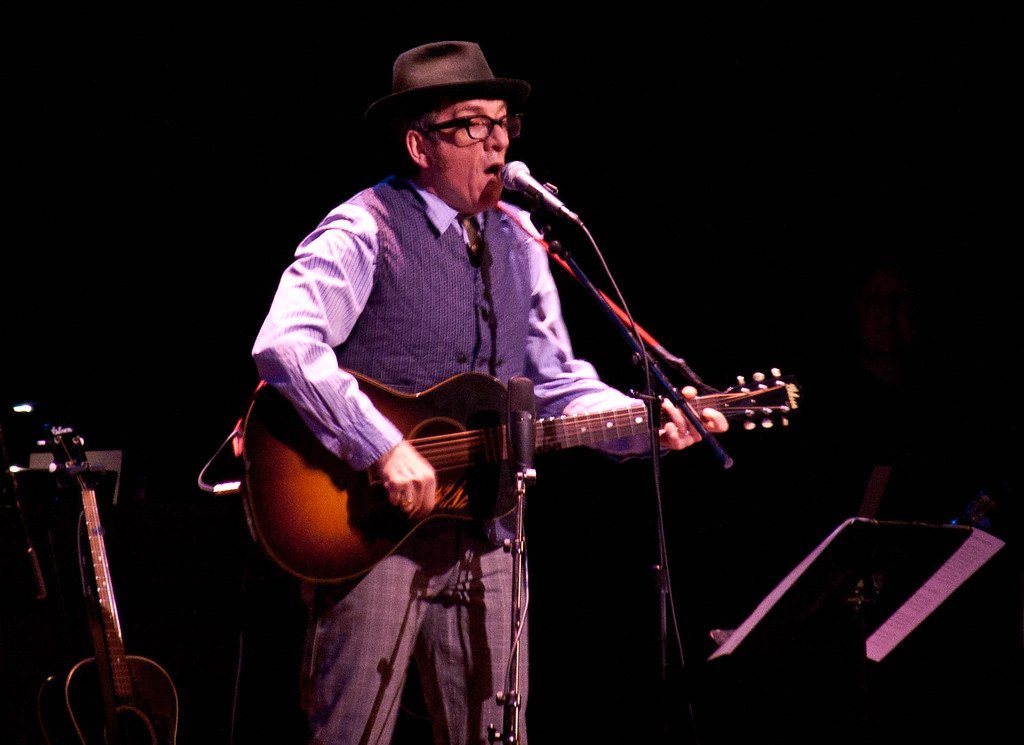
Costello eyed a fading dream checkout girl. Unrequited ache wished silence. Supermarket spark lit it.
Murder hints chilled listeners. Memoir cleared the love plain. Creep grew unintended.[4]
I Can’t Go For That (No Can Do) by Hall & Oates
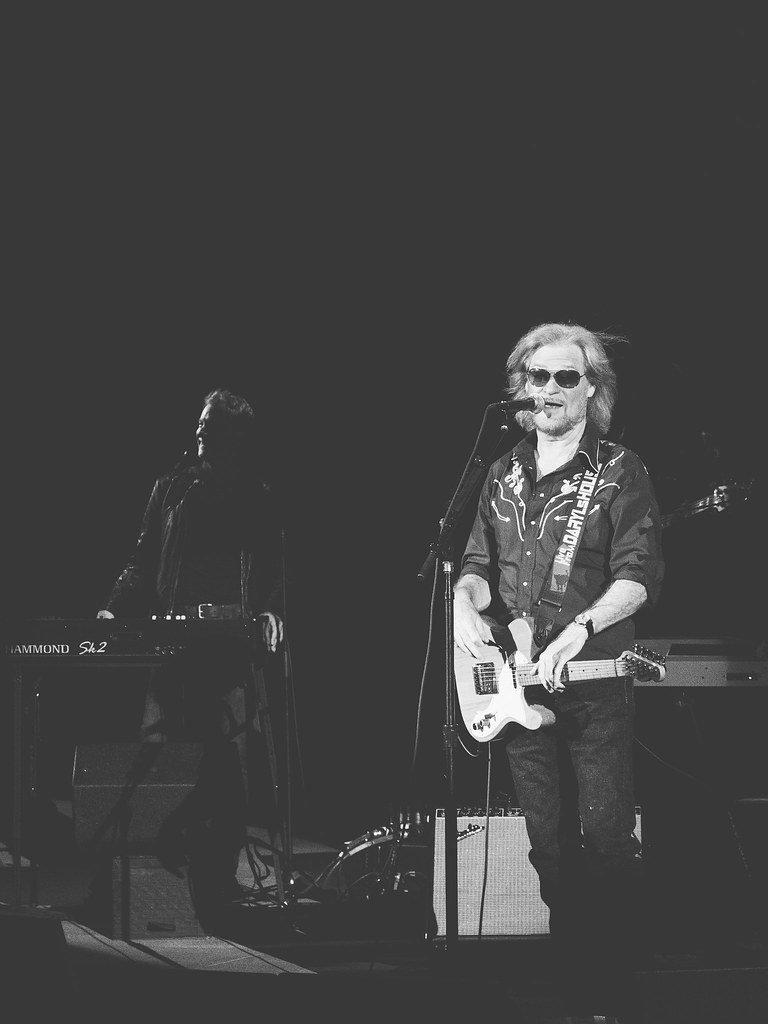
Hall resisted label and manager pushes. Soul trades echoed biz traps. Industry fight pulsed.
Romantic no or sex standoff. Oates tied kin to city hunger. Love sounds won.[4]
Blister in the Sun by Violent Femmes
Gano linked drugs to wrecked intimacy. Big hands pictured ex’s new jock. Strung-out side blistered.
Masturbation teen horniness ruled. Gano puzzled at sheet-stain reads. Abuse hid in bounce.[4]
Rockin’ in the Free World by Neil Young
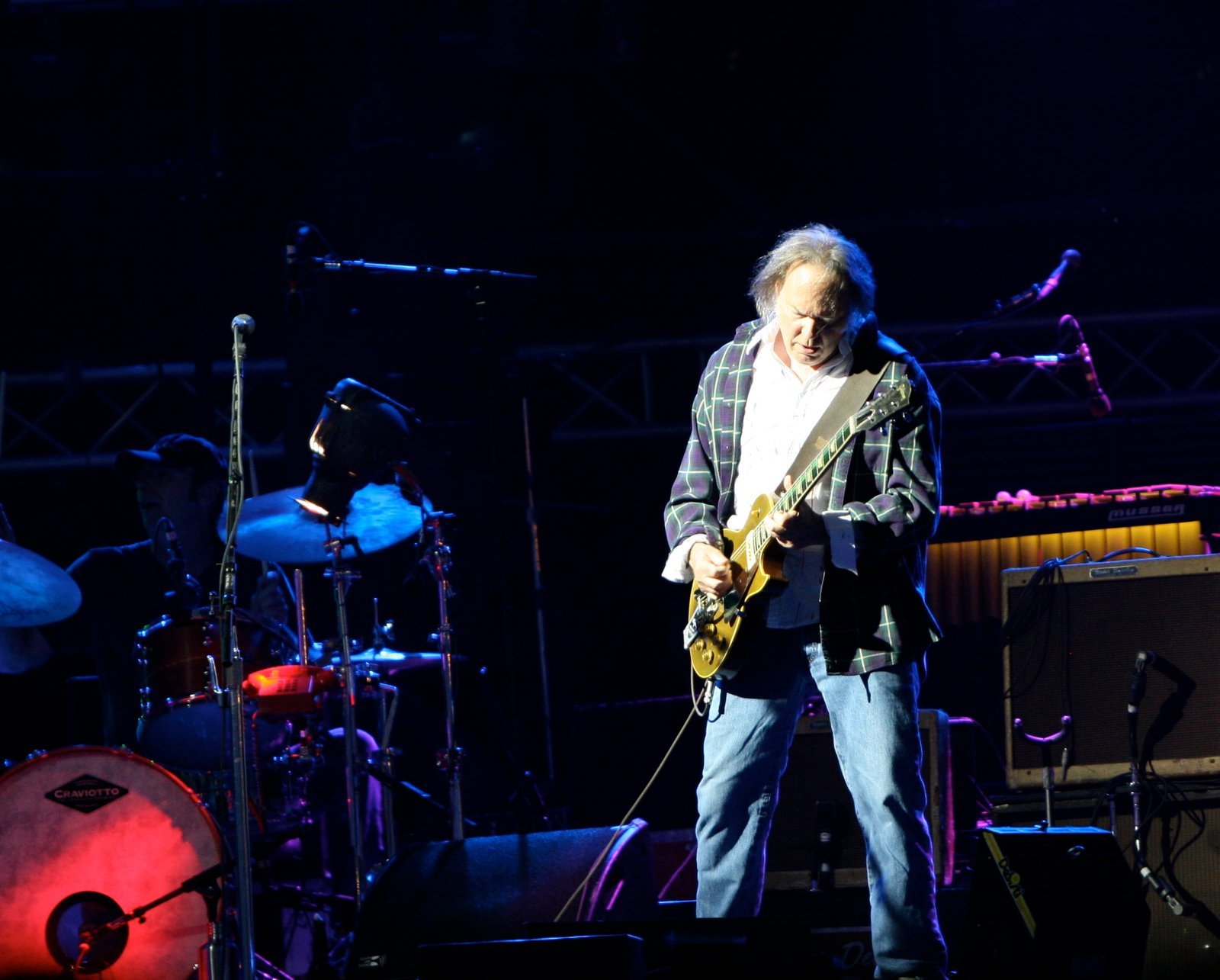
Young grieved U.S. ethics fail on drugs, kids, earth, homes, war. Verses slammed ills. Chorus eulogized loss.
Gung-ho patriot yell rallied. Young listed woes pointedly. Rally cry buried critique.[4]
Jump by Van Halen
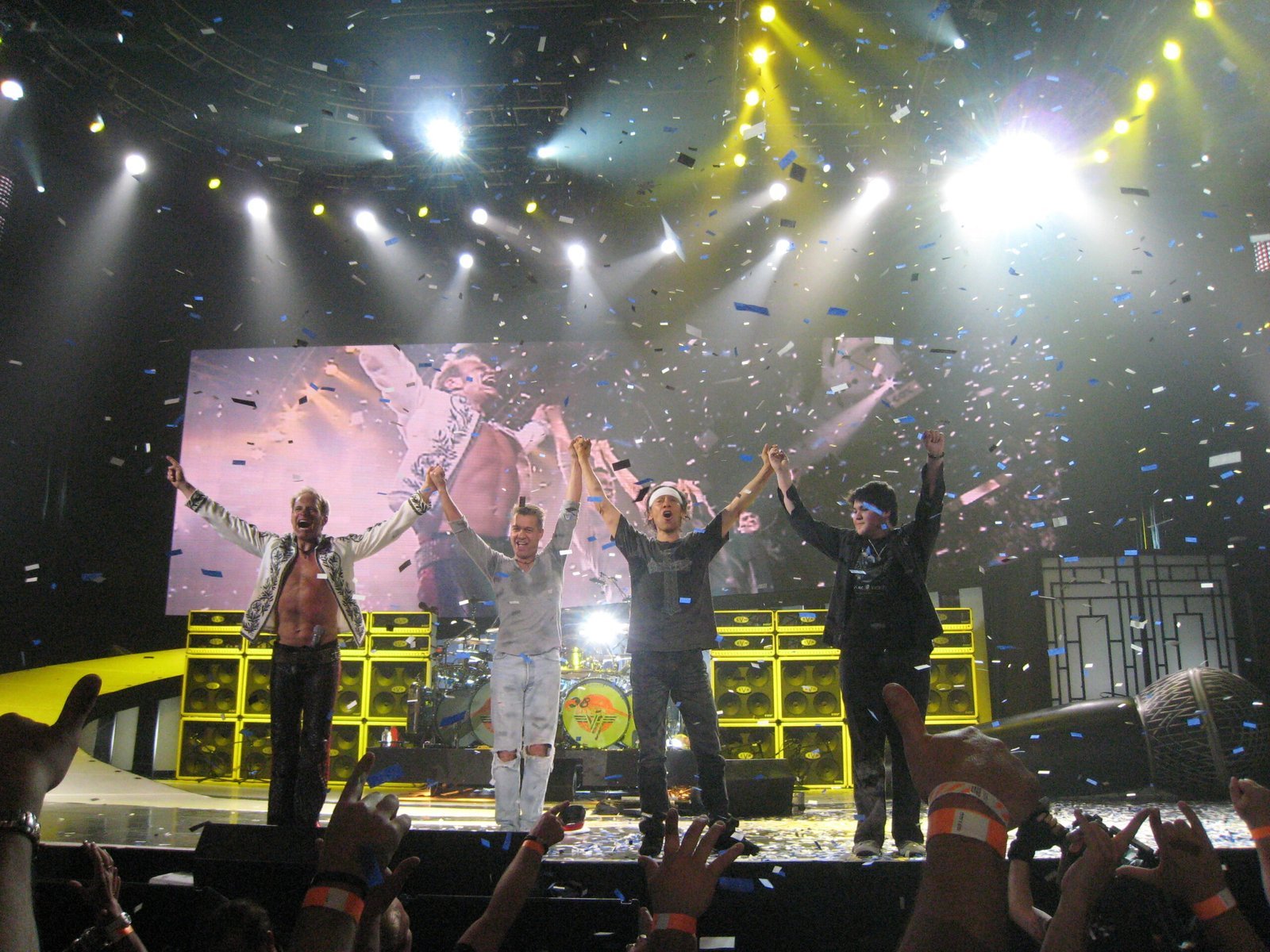
Dark suicide watch from TV clip haunted Eddie. Doom reeked despite leap urge. Despair drove the push.
Adrenaline positivity pumped crowds. Van Halen stayed mum on twist. Upbeat hid the drop.
Conclusion
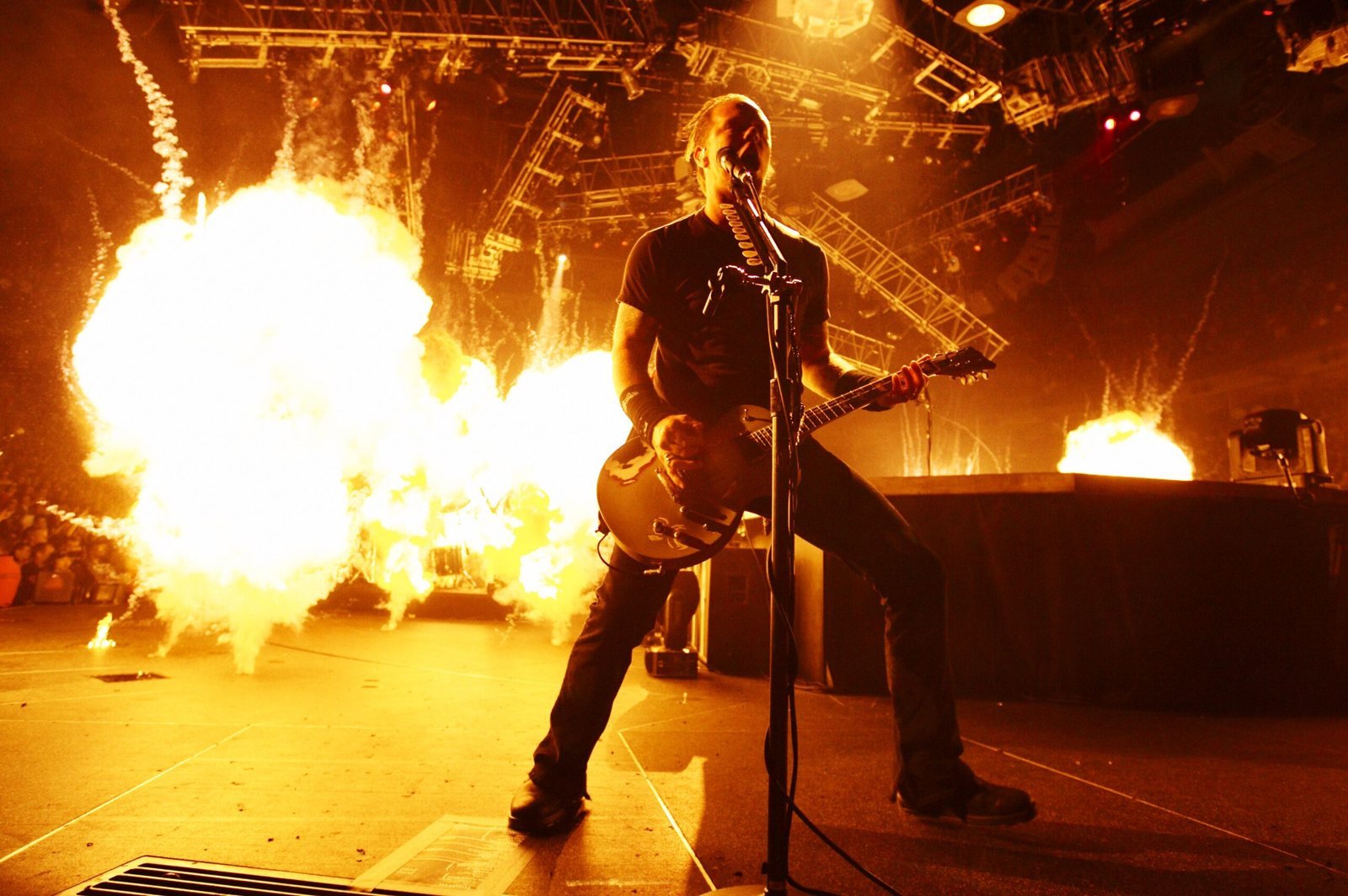
These shifts highlight how music breathes anew through listeners. Artists release creations into a world ready to reshape them.
That dialogue keeps songs alive across generations. What shocks one era often defines the next.

Christian Wiedeck, all the way from Germany, loves music festivals, especially in the USA. His articles bring the excitement of these events to readers worldwide.
For any feedback please reach out to info@festivalinside.com
