

For any feedback please reach out to info@festivalinside.com
- 12 Literary Feuds So Intense, They Changed the Course of Literature - August 11, 2026
- 10 Mysterious Disappearances of Famous Figures That Still Puzzle Experts - August 11, 2026
- 10 Foods We Thought Were American But Were Actually Invented Somewhere Else. - August 11, 2026
Backstories in literature often serve as the hidden engine driving a character’s actions and the story’s tension. They reveal motivations that make triumphs feel earned and tragedies more piercing. Readers connect deeply when a hero’s scars explain their fire.
These origins raise the stakes from the outset. A simple quest becomes a reckoning with past wounds. What follows explores ten characters whose formative pains reshaped their fictional universes.
Hamlet from Shakespeare’s Hamlet
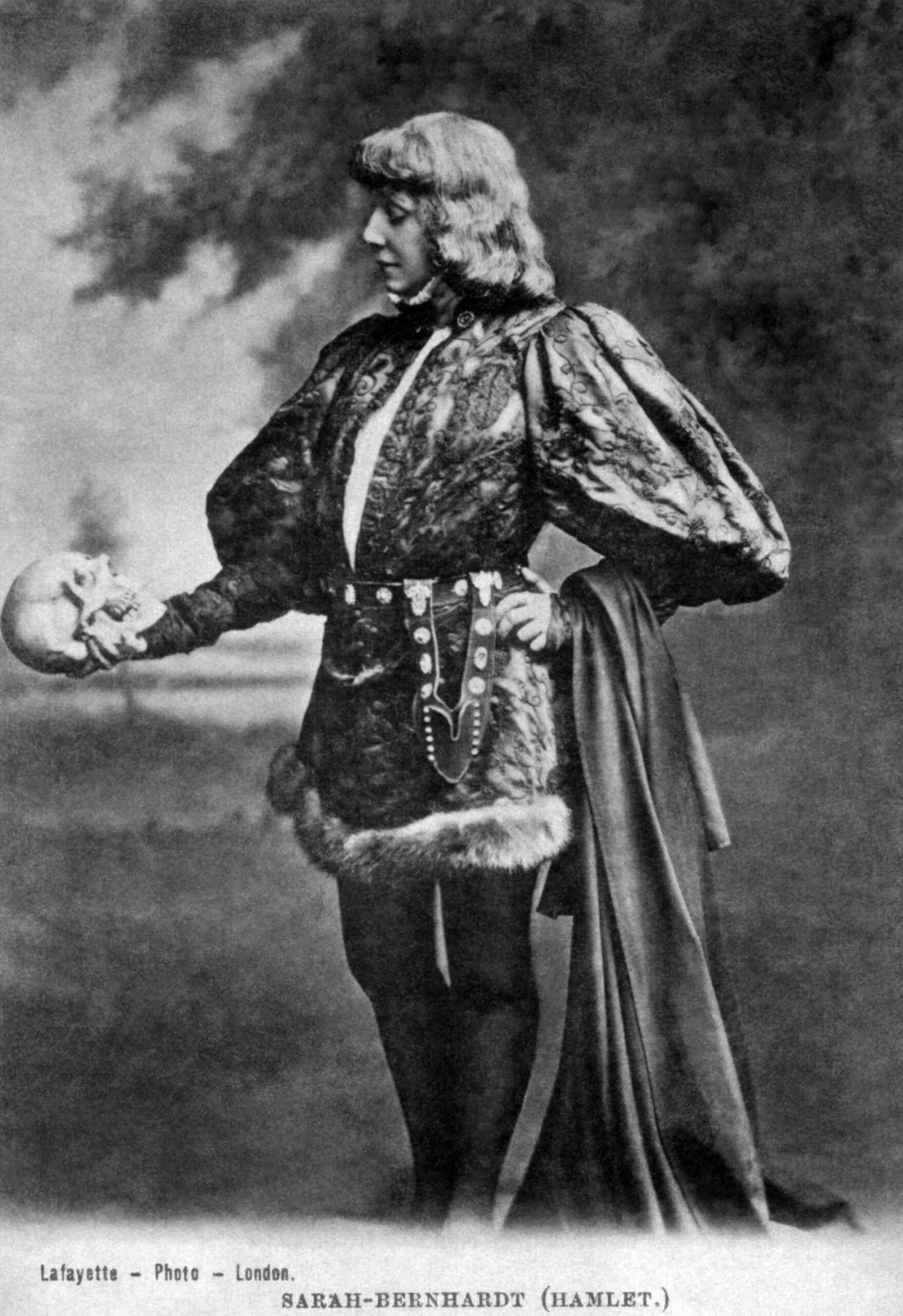
Prince Hamlet grapples with his father’s sudden death, soon revealed as murder by his uncle Claudius. The ghost’s appearance demands vengeance, shattering Hamlet’s scholarly life at Wittenberg. This betrayal poisons his trust in family and courtly bonds.
His feigned madness spirals into real doubt, delaying action amid Denmark’s corruption. The backstory fuels soliloquies of existential torment, propelling revenge that engulfs Elsinore in bloodshed. Ultimately, it defines a tragedy of inaction born from profound loss.
Heathcliff in Wuthering Heights by Emily Brontë
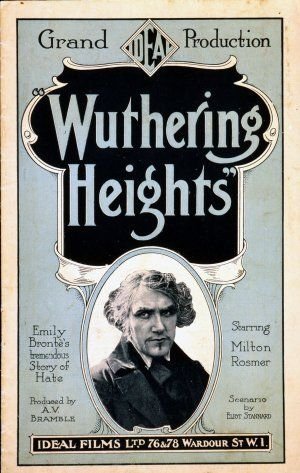
Found as a ragged orphan on Liverpool’s streets, Heathcliff arrives at the Earnshaw home, earning Mr. Earnshaw’s favor but Hindley’s hatred. Catherine’s wild love blooms amid moors, yet class divides them when she chooses Edgar Linton. Rejection hardens Heathcliff into vengeful isolation.
His return wealthy unleashes cycles of cruelty on two families, mirroring his abandoned youth. The moors become a haunting symbol of unresolved passion. This origin crafts a gothic tale where love twists into eternal torment.
Jay Gatsby in The Great Gatsby by F. Scott Fitzgerald

James Gatz reinvents himself from North Dakota poverty, serving in World War I and amassing fortune through shady deals. His obsession with Daisy Buchanan stems from a fleeting 1917 romance. Bootstraps and bootlegging forge his lavish West Egg persona.
Parties mask a desperate bid to reclaim lost innocence across Long Island Sound. The green light embodies unreachable dreams rooted in youthful hope. Gatsby’s past dooms his pursuit, exposing the American Dream’s hollow core.
Ebenezer Scrooge in A Christmas Carol by Charles Dickens
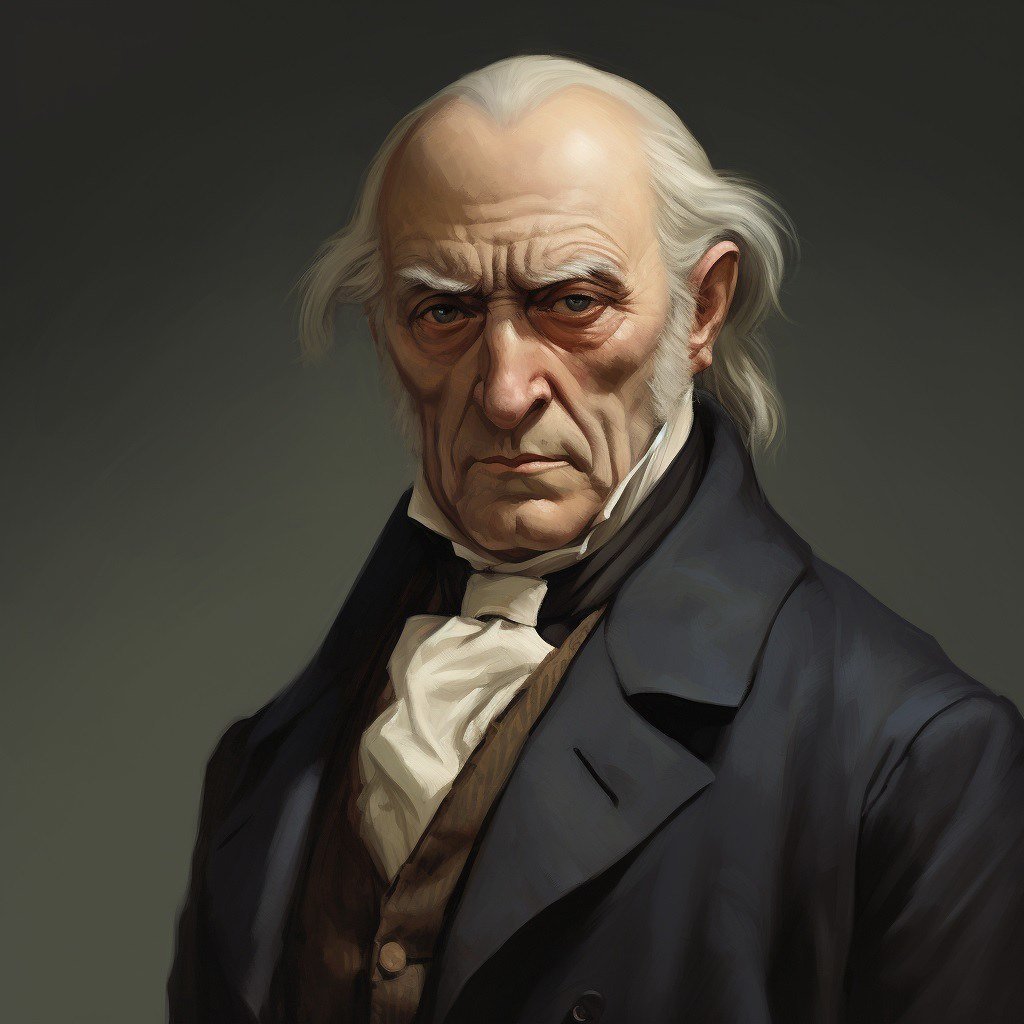
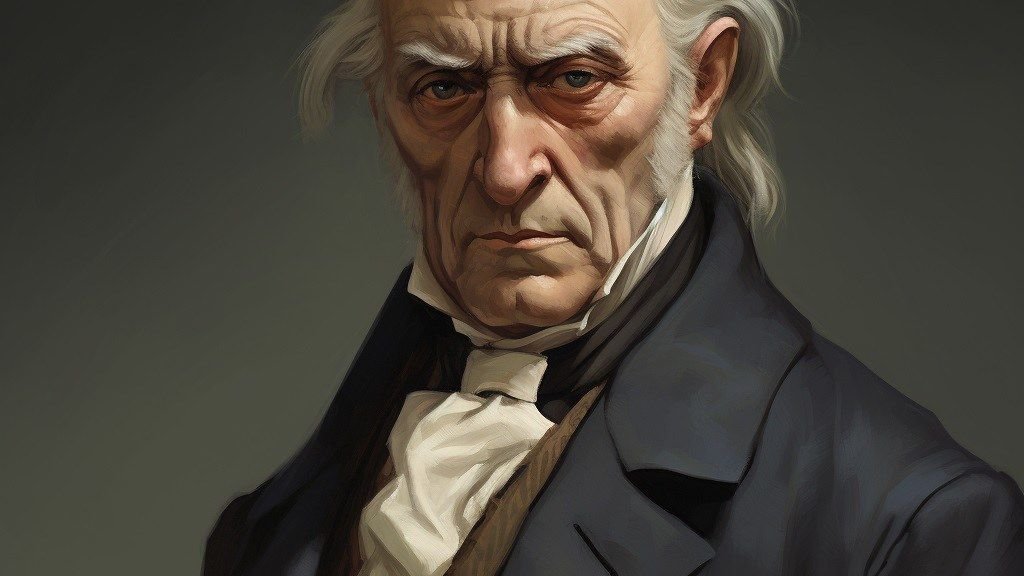
Young Scrooge loses his mother at birth, enduring a harsh boarding school and loveless apprenticeship under Fezziwig. Betrayed by partner Marley and jilting Belle for wealth, loneliness calcifies into miserly greed. Festive seasons amplify his isolation.
Ghosts force confrontation with this trajectory, from ignored nephew Fred to Tiny Tim’s plight. Transformation hinges on reclaiming buried humanity. The backstory redeems a curmudgeon, birthing a holiday staple of second chances.
Victor Frankenstein in Frankenstein by Mary Shelley

Obsessed with alchemy from childhood in Geneva, Victor loses his mother to scarlet fever, fueling a quest to conquer death. At Ingolstadt University, he animates a creature from scavenged parts, abandoning it in horror. This hubris unleashes unintended havoc.
The monster’s vengeful path destroys Victor’s family and Arctic pursuit. Science’s perils unfold through his flawed creation myth. The novel probes ambition’s shadows, defined by one reckless experiment.
Jane Eyre in Jane Eyre by Charlotte Brontë
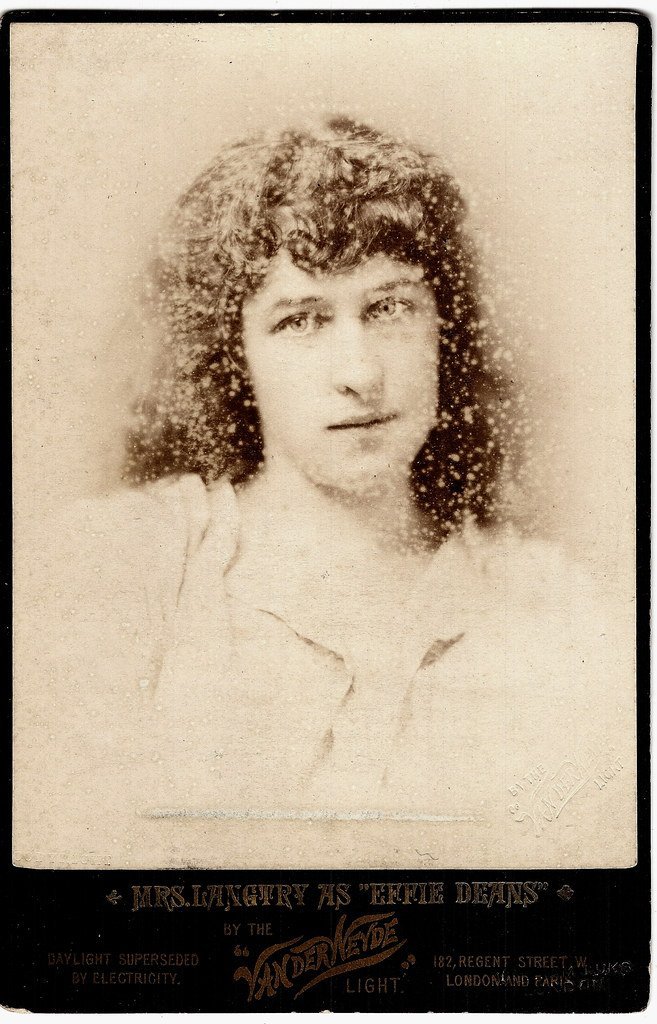
Orphaned after her parents’ typhus deaths, Jane endures Gateshead abuse from Aunt Reed and cousins. Lowood School’s privations under cruel Brocklehurst claim her friend Helen Burns. Resilience tempers her into a governess seeking independence.
Thornfield’s romance with Rochester reveals his attic secret, testing her moral fire. Exile sharpens self-reliance before reunion. Her origins craft a bildungsroman of quiet defiance against Victorian constraints.
Captain Ahab in Moby-Dick by Herman Melville

Ahab’s whaling life peaks until a white whale severs his leg off Japan, igniting monomaniacal hatred. Nantucket’s Pequod becomes his floating fortress for revenge. Past voyages pale against this singular obsession.
Crew loyalty frays as Ahab lashes lines to fate, chasing the beast across oceans. Biblical fury consumes the ship in foam. His wound births an epic meditation on human limits versus nature’s indifference.
Scarlett O’Hara in Gone with the Wind by Margaret Mitchell

Spoiled on Tara plantation, Scarlett loses her mother Ellen to typhoid amid Civil War siege. Ashley Wilkes’s rejection spurs her Rhett Butler marriage and mill ventures. Atlanta’s fall hardens her survival instincts.
Rebuilding from ashes, she clings to land over love, alienating daughter Bonnie. War’s scars redefine Southern identity. Scarlett’s tenacity drives a saga of loss and reinvention.
Holden Caulfield in The Catcher in the Rye by J.D. Salinger
Pencey Prep expulsion follows Allie Caulfield’s leukemia death at age ten. Red hunting hat and ducks in Central Park symbolize lost innocence. Phony adults erode his post-war New York wanderings.
Museum fantasies preserve purity amid prostitution and suicide thoughts. Narrative unravels phoniness through raw teen voice. Brother’s grave anchors a coming-of-age cry against adulthood’s betrayals.
Frodo Baggins in The Lord of the Rings by J.R.R. Tolkien

Bilbo’s Shire heir inherits the Ring after parents’ Brandywine drowning. Gandalf reveals its dark forging by Sauron. Quiet hobbit life shatters with Black Riders’ pursuit.
Fellowship fractures, leaving Frodo and Sam to Mordor’s doom. Ring’s corruption tests bearer endurance. Epic quest hinges on one small life’s burden, saving Middle-earth from shadow.
The Lasting Impact of Literary Backstories
These characters prove origins as narrative bedrock, turning personal pain into universal resonance. Stakes soar when pasts collide with presents, inviting empathy across eras.
Storytellers wield backstories to humanize heroes and villains alike. They remind us why we turn pages: to witness fractured souls mending or breaking worlds in the attempt.

Christian Wiedeck, all the way from Germany, loves music festivals, especially in the USA. His articles bring the excitement of these events to readers worldwide.
For any feedback please reach out to info@festivalinside.com
