

For any feedback please reach out to info@festivalinside.com
- 12 Literary Feuds So Intense, They Changed the Course of Literature - August 11, 2026
- 10 Mysterious Disappearances of Famous Figures That Still Puzzle Experts - August 11, 2026
- 10 Foods We Thought Were American But Were Actually Invented Somewhere Else. - August 11, 2026
Censorship often aims to silence ideas, yet history shows it can amplify them instead. When authorities ban a book, curiosity spikes, turning forbidden texts into symbols of resistance and drawing wider audiences than ever before.
This Streisand effect plays out repeatedly. Suppressed works gain notoriety, sparking debates that embed them deeper into the cultural fabric, proving that attempts to bury literature rarely succeed.
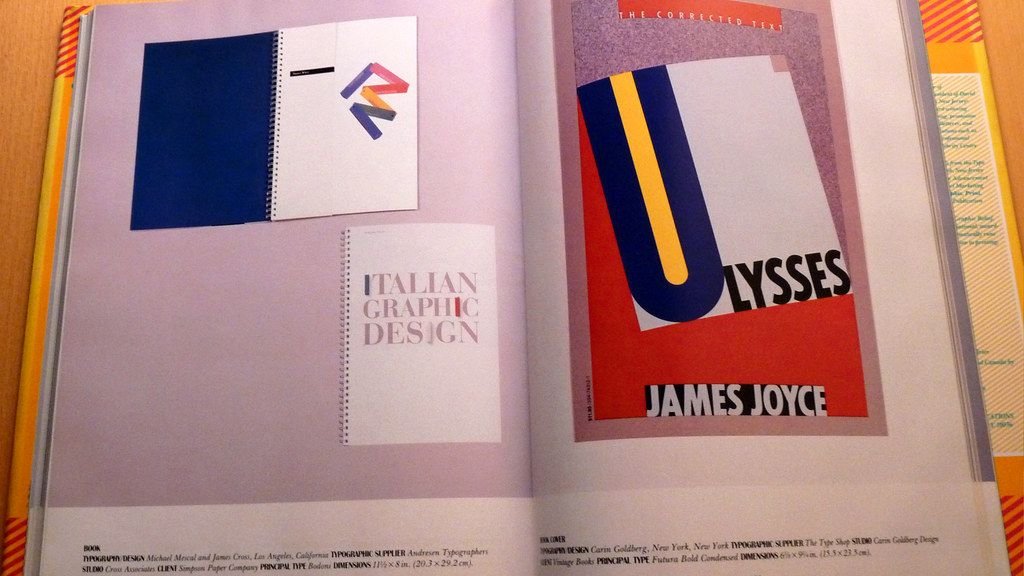
Ulysses by James Joyce
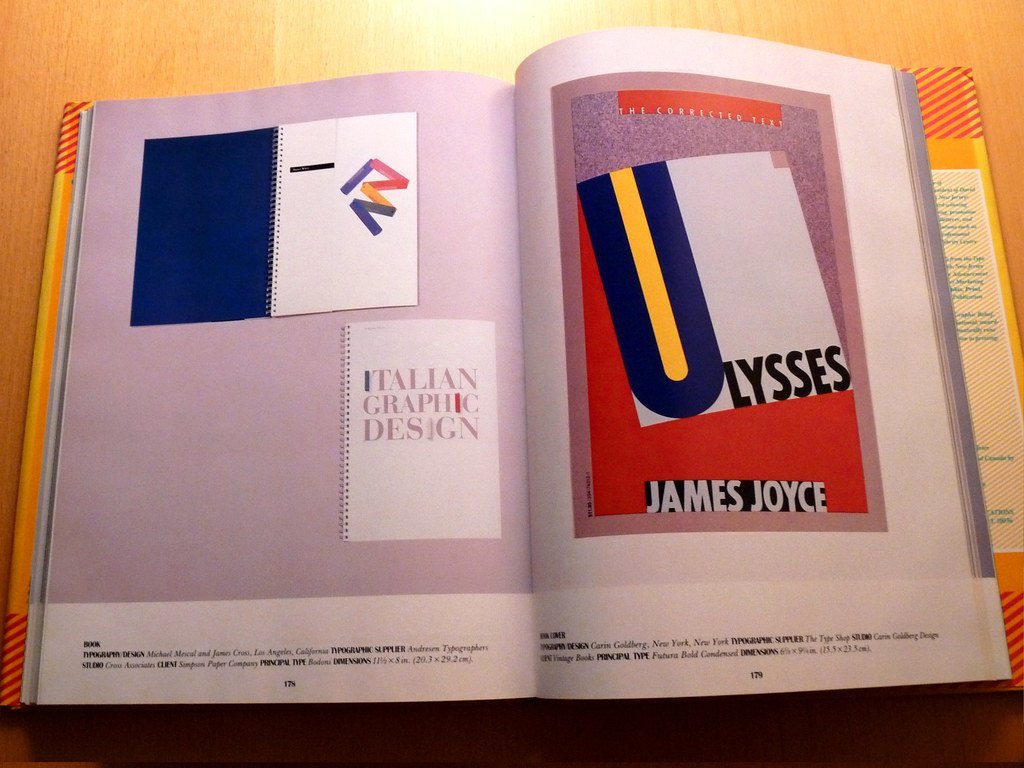
James Joyce’s 1922 novel faced immediate backlash for its explicit depictions of sexuality and bodily functions. U.S. authorities seized and burned over 500 copies shortly after serialization, deeming it obscene under the Comstock Act.[1][2]
Bans persisted in the UK until the mid-1930s and Australia into the 1950s for ridiculing religion and disrupting moral standards. The controversy fueled underground smuggling networks, heightening its allure.
Today, Ulysses stands as a modernist masterpiece, pioneering stream-of-consciousness narration. Its intricate structure mirroring a single Dublin day has influenced generations of writers and earned university acclaim worldwide.[2]
The legal battles paved the way for freer expression in literature. What censors saw as filth, readers embraced as profound human portraiture.
Lolita by Vladimir Nabokov
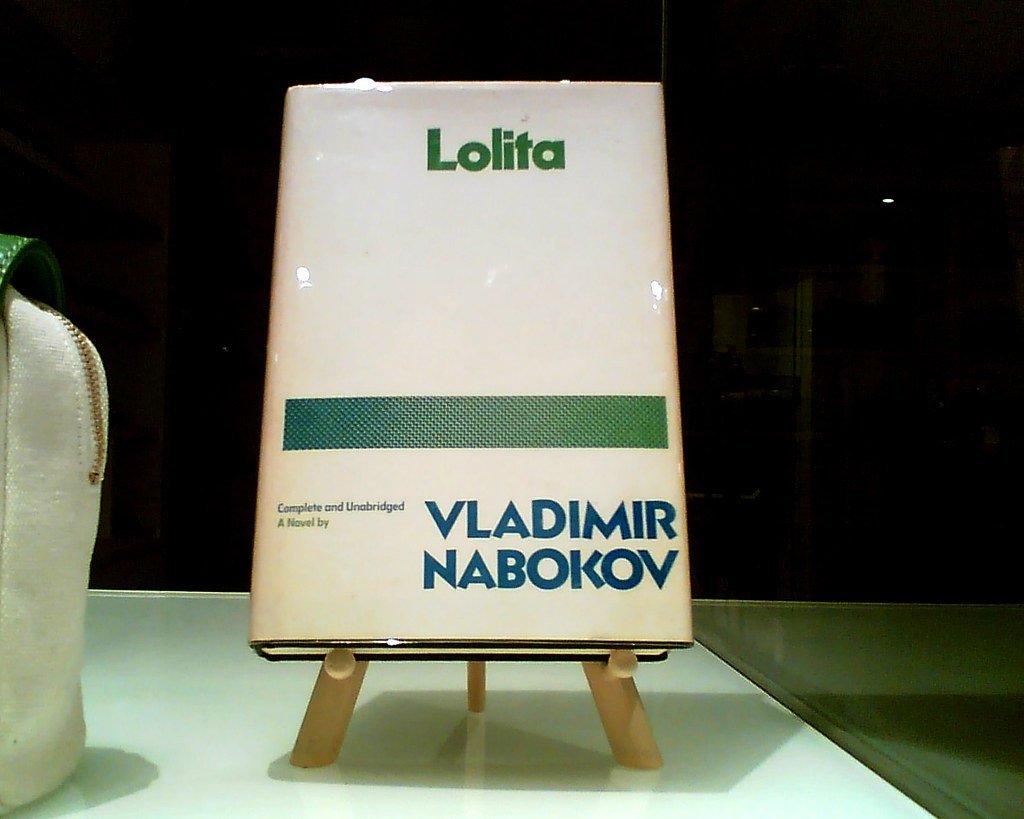
Vladimir Nabokov’s 1955 tale of a middle-aged man’s obsession with a 12-year-old girl shocked readers with its unflinching exploration of pedophilia. France banned it for three years, followed by England, Argentina, New Zealand, and parts of the U.S. for obscenity.[2][3]
Critics labeled it highbrow pornography, fearing it glamorized taboo desires. Sales soared amid the furor, despite initial publisher hesitations.
Lolita endures as a stylistic triumph, dissecting obsession’s psychology with linguistic brilliance. Its unreliable narrator challenges readers’ morals, cementing Nabokov’s legacy.
The book reshaped discussions on art versus ethics. It remains a bestseller, proving controversy can birth enduring icons.
Tropic of Cancer by Henry Miller
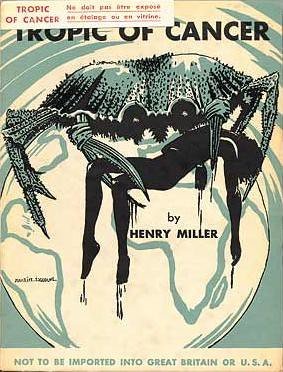
Henry Miller’s 1934 semi-autobiographical work candidly detailed sex, poverty, and Paris bohemia, sparking over 60 U.S. obscenity trials. Banned across America until 1961, it faced seizures and smuggling.[2][4]
Accusations flew of misogyny, racism, and promoting depravity. The Supreme Court finally cleared it, shifting legal standards on literature.
Miller’s raw voice inspired the Beat Generation and frank sexual writing. Tropic of Cancer captures expatriate life’s chaos, influencing counterculture.
Its victory symbolized free speech gains. Banned no more, it thrives as a provocative classic.
Lady Chatterley’s Lover by D.H. Lawrence
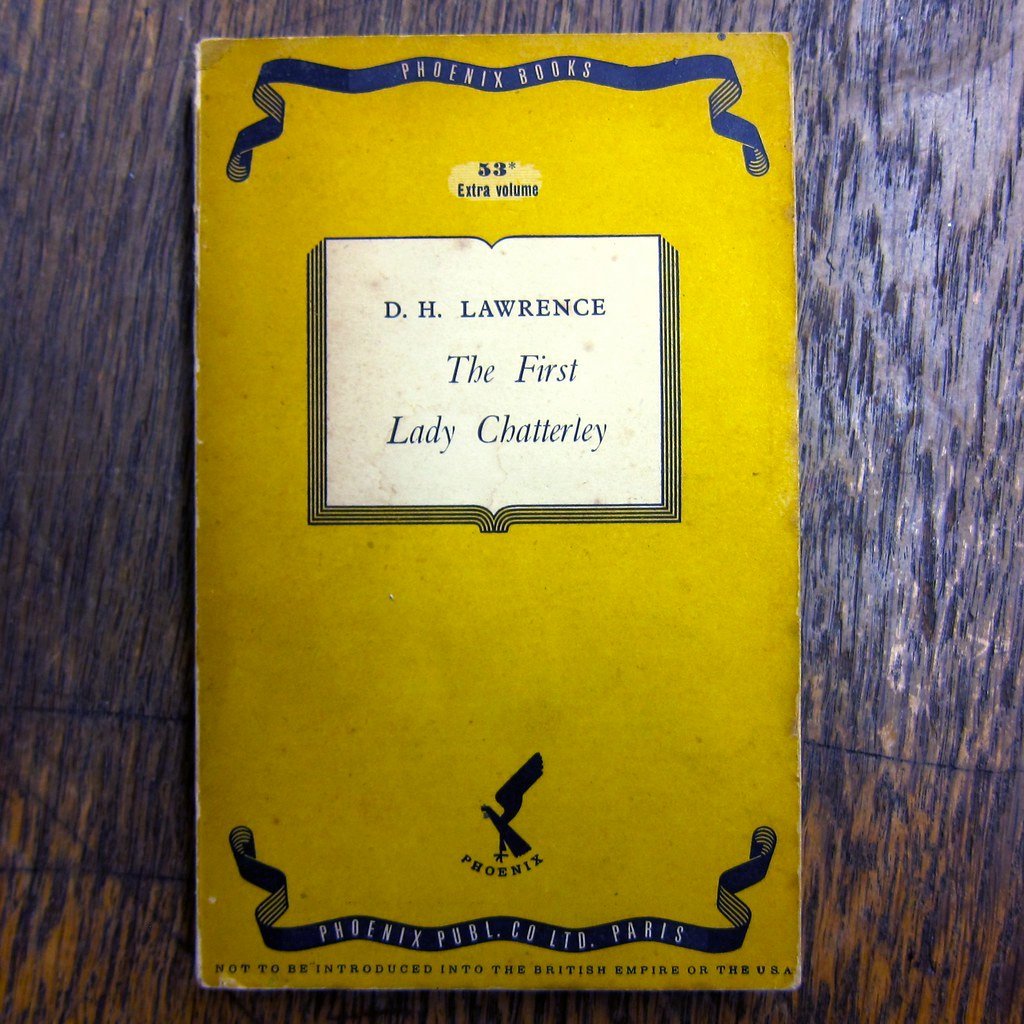
D.H. Lawrence’s 1928 novel explicit sex scenes and class critique led to bans in the U.S., UK, Australia, and Canada for obscenity. The 1960 UK trial became a landmark, testing “redeeming social value.”[3]
Printed privately at first, it circulated underground. Censors decried its language as corrupting youth.
The acquittal revolutionized publishing, allowing bolder themes. Lawrence’s story of desire across classes resonates in discussions of body and society.
It endures as a sensual landmark. Controversy elevated it to must-read status.
The Satanic Verses by Salman Rushdie
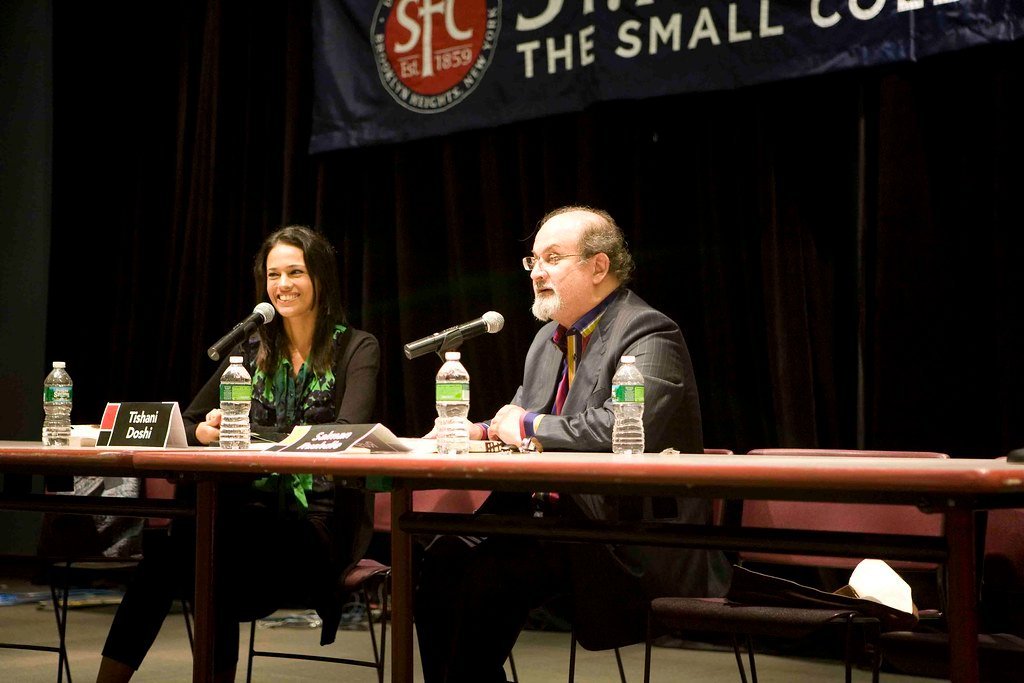
Salman Rushdie’s 1988 novel blending magic realism with Islamic critique prompted bans in India, Iran, Pakistan, and others for blasphemy. Ayatollah Khomeini’s fatwa called for the author’s death, igniting global protests.[2][4]
Bookstores firebombed, translators attacked. The outrage made it a free speech symbol.
Rushdie’s work explores identity and faith, influencing postcolonial literature. Despite peril, it sold millions.
The saga highlighted censorship’s limits. It remains a bold cultural defiant.
1984 by George Orwell
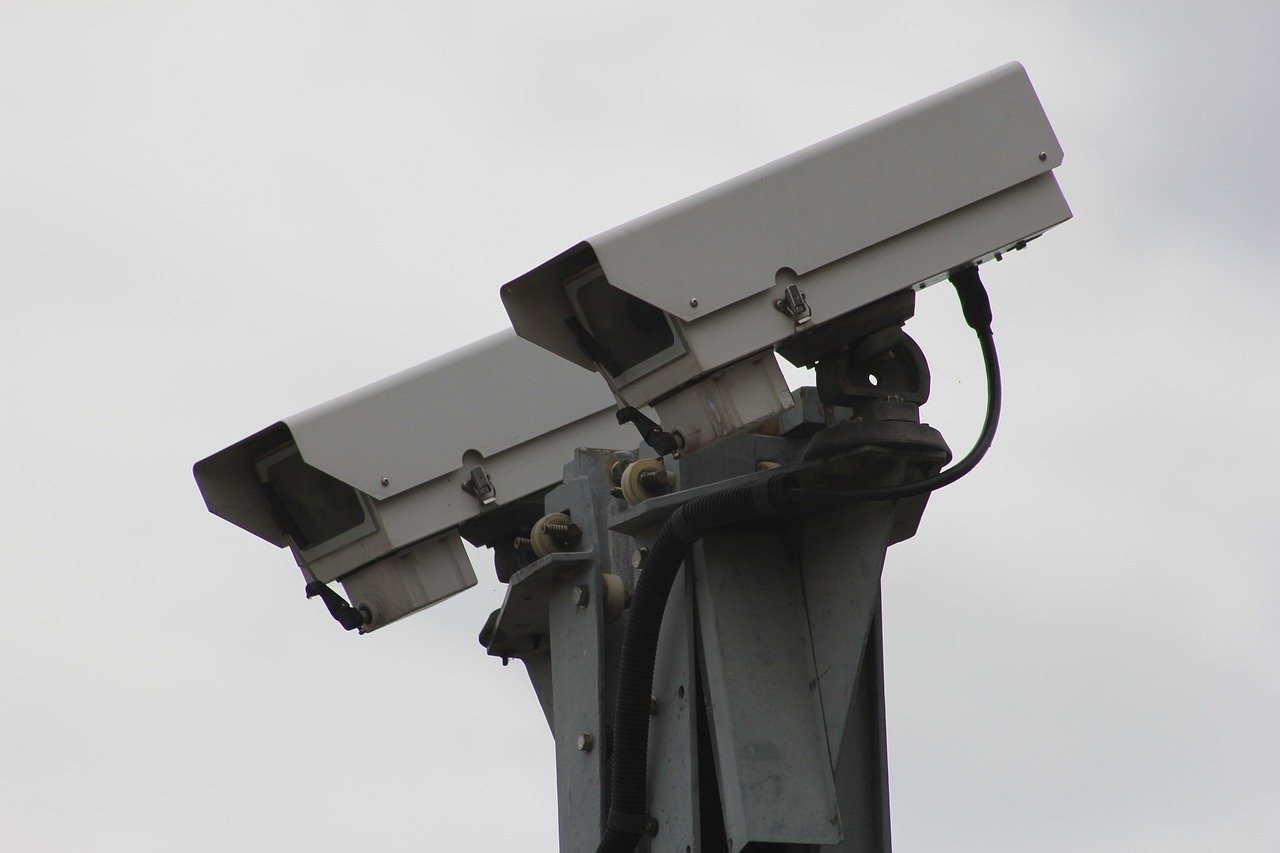
George Orwell’s 1949 dystopia critiquing totalitarianism was banned in the Soviet Union until 1988 and challenged in U.S. schools for anti-government tones.[2]
Regimes feared its surveillance warnings. Terms like “Big Brother” entered lexicon amid suppression.
1984 defines modern fears of authoritarianism and truth erosion. Its prescience shapes political discourse.
Bans amplified its prophecy. It stands as timeless vigilance call.
To Kill a Mockingbird by Harper Lee
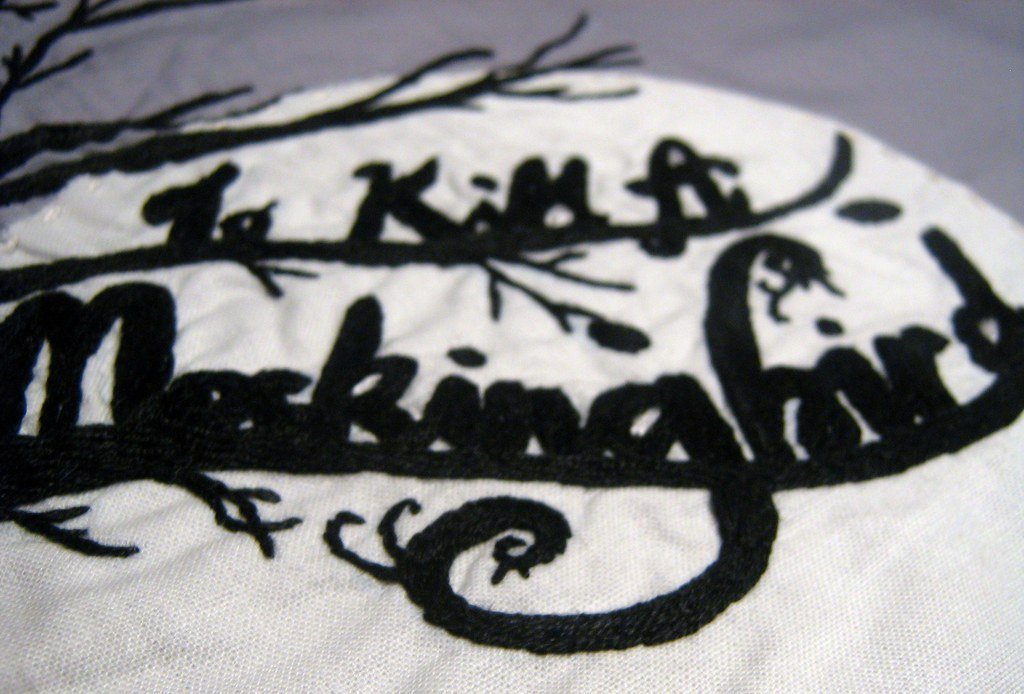
Harper Lee’s 1960 novel on Southern racism drew bans in U.S. schools for slurs, rape depictions, and “immorality.” Challenges persist today.[1][4]
Virginia pulled it in 1966; recent removals cite discomfort. Yet it won Pulitzer.
Scout’s innocence lens teaches empathy enduringly. Film adaptation broadened reach.
It fuels justice conversations. Bans underscore its power.
The Catcher in the Rye by J.D. Salinger
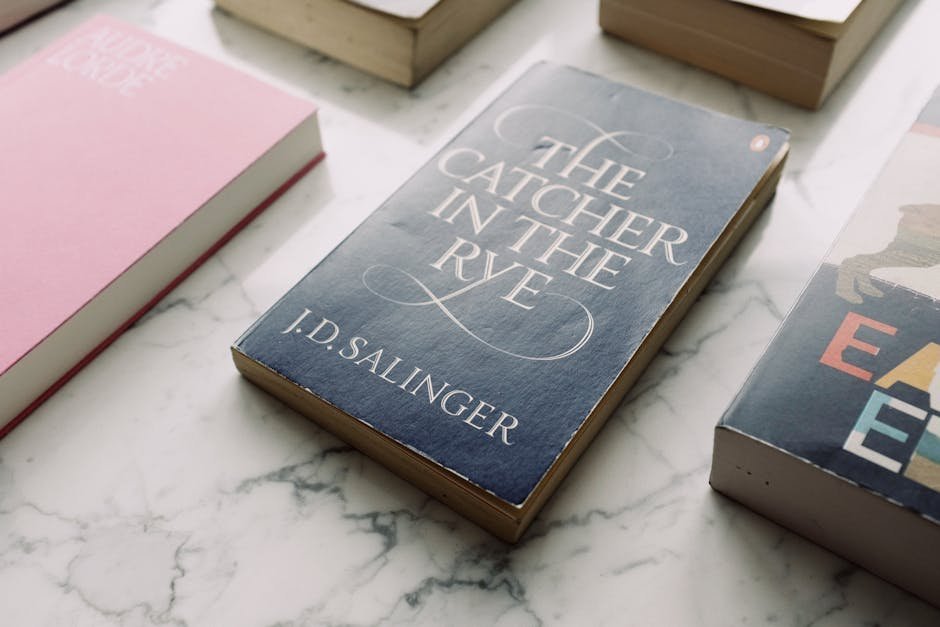
J.D. Salinger’s 1951 teen angst tale faced school bans for profanity, sex, and rebellion since 1951. ALA ranks it highly challenged.[1][4]
Linked to assassins, yet captures youth universally. Removals continue.
Holden Caulfield icons adolescence. It influences coming-of-age stories.
Controversy cements relevance. Phonies beware.
The Grapes of Wrath by John Steinbeck
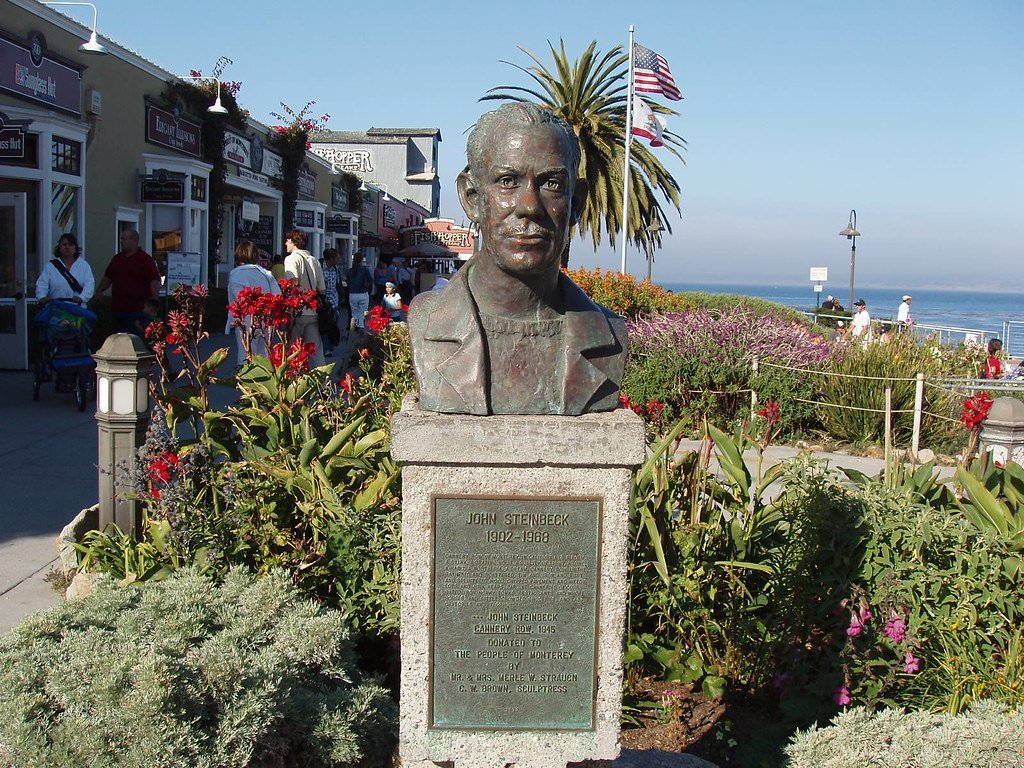
John Steinbeck’s 1939 Dust Bowl epic banned in California for “vulgarity” and socialism. Burned publicly; Irish ban followed.[1]
Kern County sued over portrayal. Pulitzer winner persisted.
Joads’ migration symbolizes resilience. Shapes labor rights views.
Bans highlighted inequities. Enduring American saga.
I Know Why the Caged Bird Sings by Maya Angelou
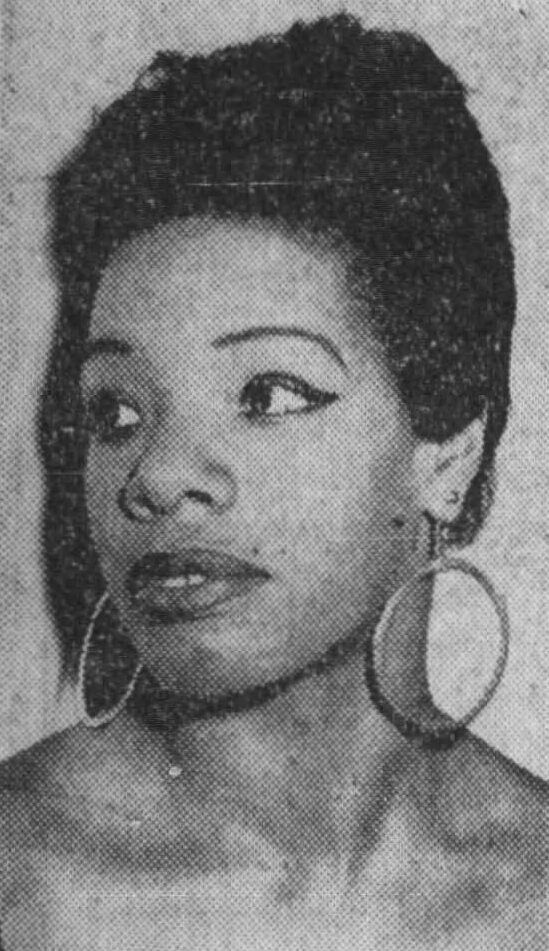
Maya Angelou’s 1969 memoir challenged over 30 times for rape, sexuality, racism since 1983. School removals decried “bitterness.”[2]
Autobiographical trauma tale. Nominated National Book Award.
Empowers through survival story. Influences Black women’s voices.
Its honesty defies silence. Cultural beacon.
Literature’s Resilience Against Suppression
These books prove suppression often backfires, forging legends from outcasts. Bans ignite curiosity, embedding works in collective memory.
From courtrooms to fatwas, efforts to erase only illuminate truths. Literature thrives, reminding us ideas outlast chains.

Christian Wiedeck, all the way from Germany, loves music festivals, especially in the USA. His articles bring the excitement of these events to readers worldwide.
For any feedback please reach out to info@festivalinside.com
