

For any feedback please reach out to info@festivalinside.com
- 12 Literary Feuds So Intense, They Changed the Course of Literature - August 11, 2026
- 10 Mysterious Disappearances of Famous Figures That Still Puzzle Experts - August 11, 2026
- 10 Foods We Thought Were American But Were Actually Invented Somewhere Else. - August 11, 2026
Gardening tips spread quickly online, often from well-meaning enthusiasts sharing what seems like clever shortcuts. Yet many lack backing from soil science or plant physiology, leading gardeners to unintended problems like root rot or pest invasions.
These viral ideas promise easy wins but can disrupt soil health or stress plants over time. Understanding the pitfalls helps build a thriving garden grounded in real practices.[1][2]
1. Adding Gravel to Pot Bottoms
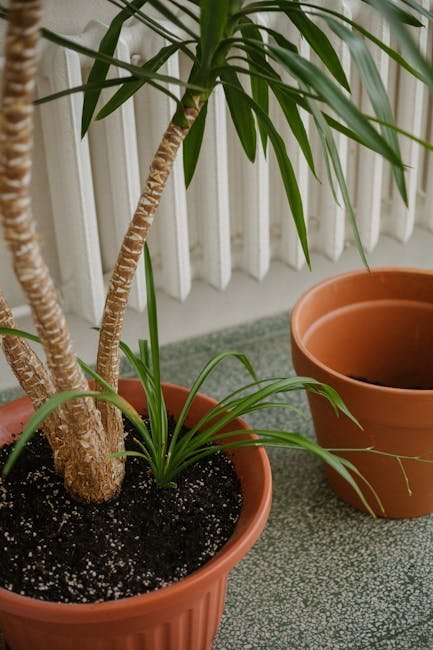
Many gardeners layer gravel at the base of pots thinking it boosts drainage. In reality, this creates a perched water table where moisture sits atop the gravel, keeping soil soggy and inviting root rot. The setup blocks proper airflow and mimics a saucer effect, even in pots with holes.[3]
Skip the gravel entirely. Choose a well-draining potting mix with perlite or pumice, and ensure pots have holes. For extra insurance, elevate pots slightly or use a cache pot with space for excess water to escape.[3]
2. Burying Banana Peels as Fertilizer
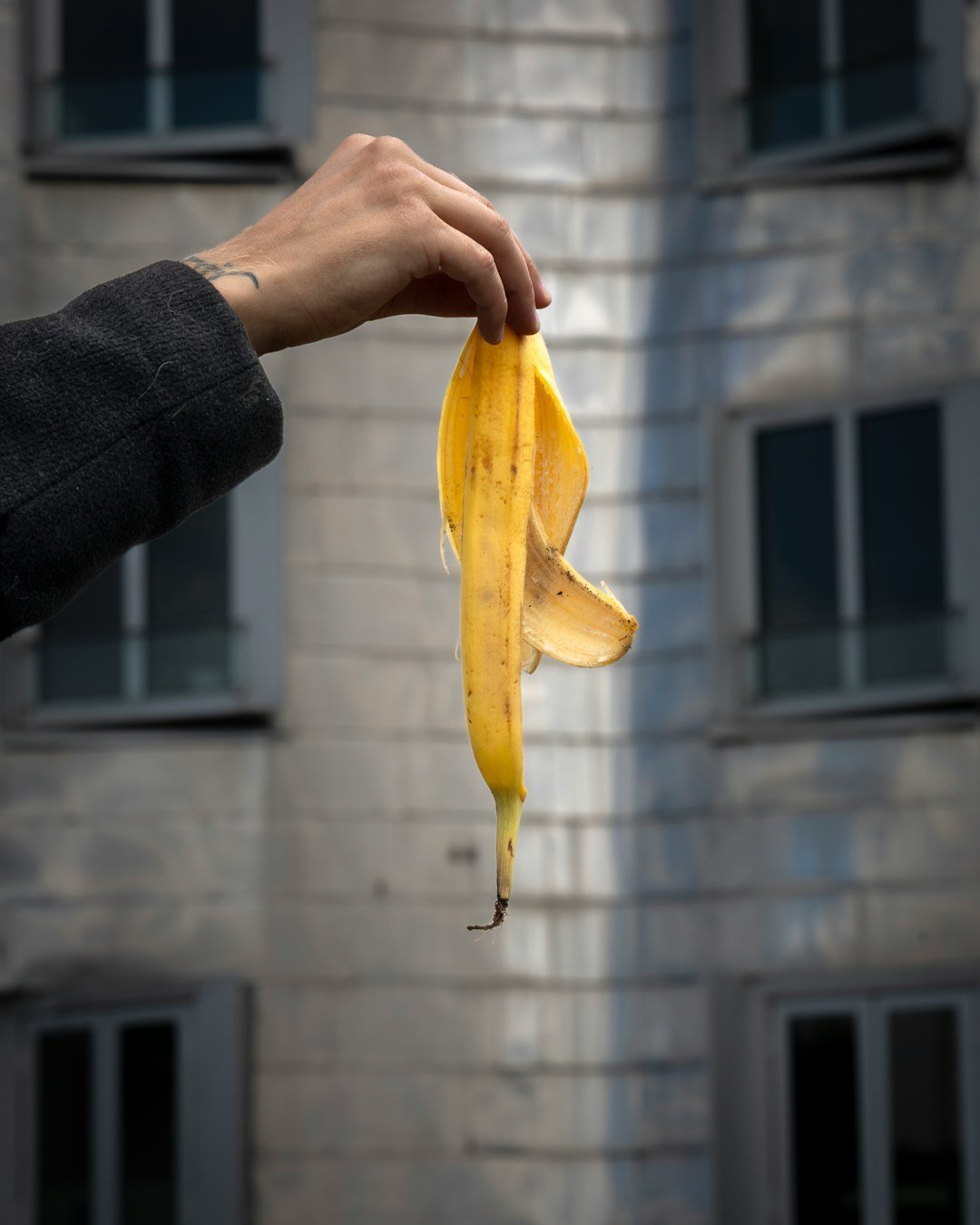
Banana peels offer potassium, but they break down slowly without providing balanced nutrients like nitrogen. Raw peels attract rodents, flies, and ants while tying up nitrogen during decomposition, starving nearby plants. The result often means delayed growth and pest troubles instead of a nutrient boost.[1][3]
Compost peels first for safe, even release. Opt for finished compost, bone meal, or balanced organic fertilizers to feed plants reliably. This approach nourishes soil without the mess or wildlife visitors.
3. Sprinkling Coffee Grounds on Soil
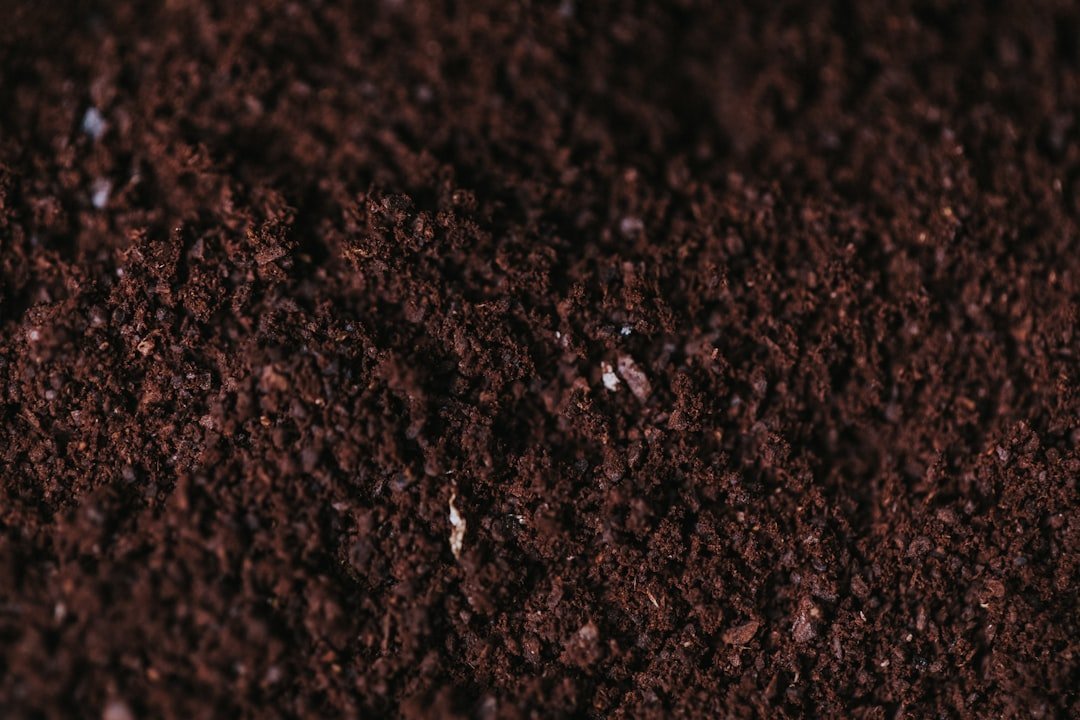
Coffee grounds seem like free fertilizer, yet they compact into a crust that repels water and air. Their acidity can tip soil pH too low for many plants, causing nutrient lockout. Overuse leads to imbalances rather than enrichment.[1][3]
Add grounds to a compost pile where they break down properly. Test soil pH regularly and amend with lime if needed for balance. Compost or manure provides steady nutrition without the risks.
4. Using Dish Soap as Insecticide

Dish soap sprays strip protective waxes from leaves, burning foliage and harming beneficial insects like pollinators. Commercial soaps contain additives that disrupt plant cells more than pests. The quick fix often escalates into bigger issues.[2][1]
Switch to insecticidal soap or neem oil, always spot-testing first. Encourage predators with diverse plantings and use row covers for prevention. Healthy plants naturally resist pests better than any spray.
5. Spraying Vinegar on Weeds
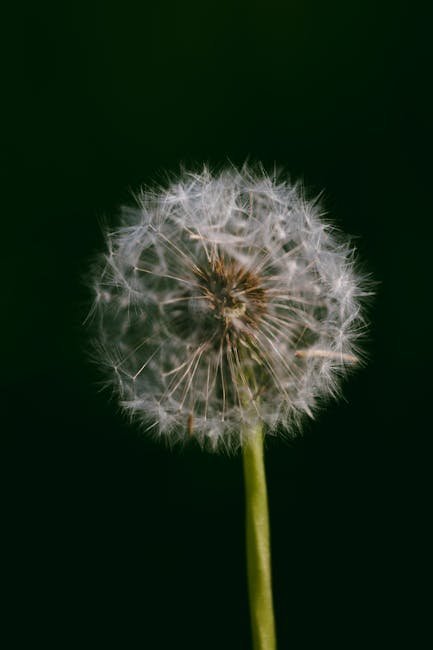
Vinegar burns weed tops but spares roots, prompting regrowth and repeated applications. It acidifies soil over time, hurting microbes and nearby plants. The non-selective burn risks desired greenery too.[3][4]
Pull weeds by hand or mulch heavily to smother them. For paths, use flame weeding sparingly. Build soil health with compost to crowd out weeds naturally over seasons.
6. Crushed Eggshells for Slugs or Calcium
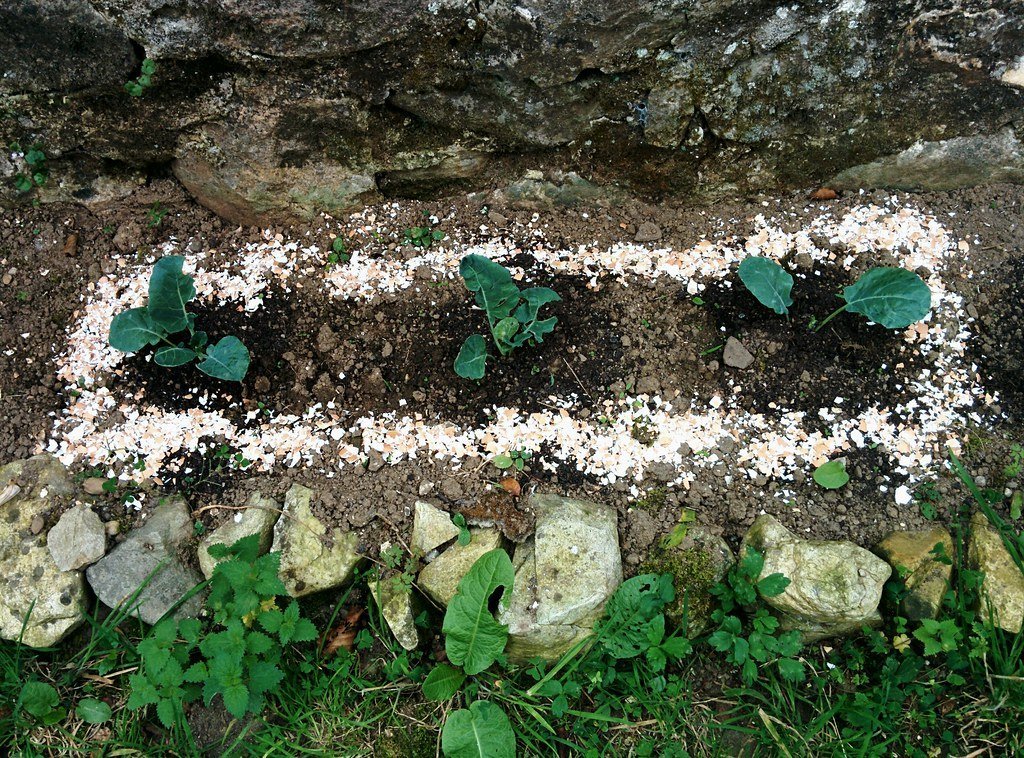
Eggshells fail to deter slugs, which glide right over the edges. They take years to add usable calcium, offering no quick fix for deficiencies. Salt pairings worsen matters by salinizing soil.[1][3]
Compost shells for gradual calcium release. Try sheep wool barriers or iron phosphate baits for slugs. Test soil and use gypsum if calcium truly lags.
7. Pouring Boiling Water on Weeds
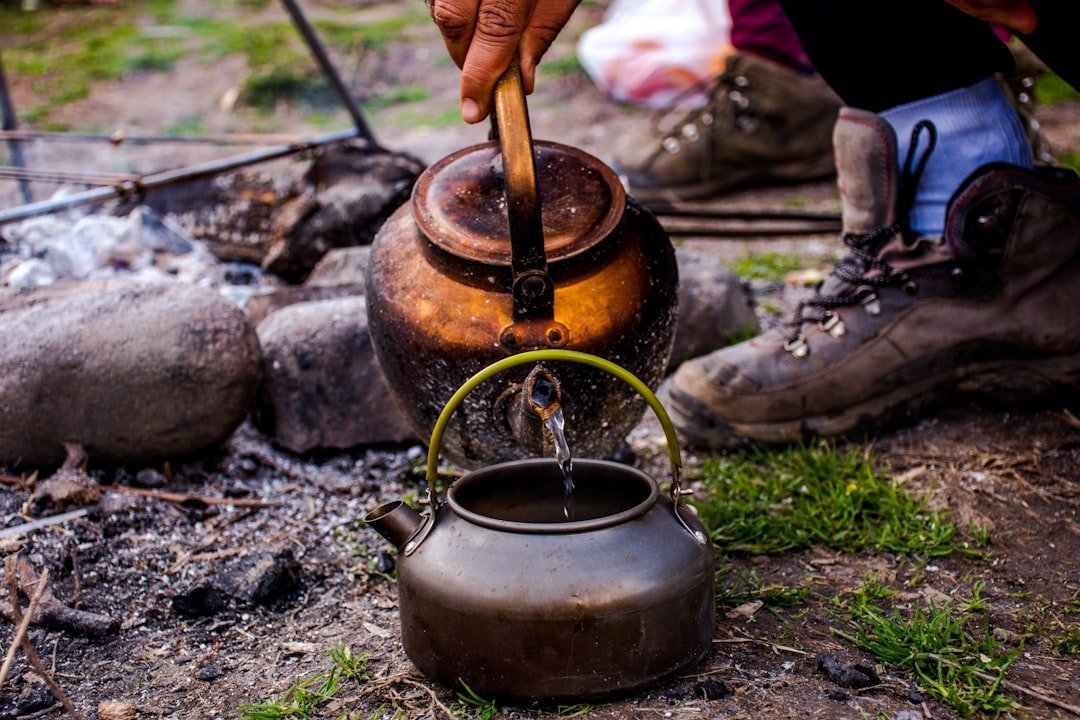
Boiling water kills weeds but sterilizes soil, wiping out beneficial microbes essential for health. Repeated pours degrade soil structure long-term. It’s messy and risky near garden plants.[2]
Mulch paths thickly or use cardboard under gravel. Hand-pull in beds and foster dense plantings. Restore life with compost teas after any soil disturbance.
Landscape fabric blocks weeds short-term but traps debris, birthing tougher weeds later. It suffocates soil life by limiting air, water, and earthworm activity. Removing it later tears roots.[2][3]
9. Adding Epsom Salts to Everything
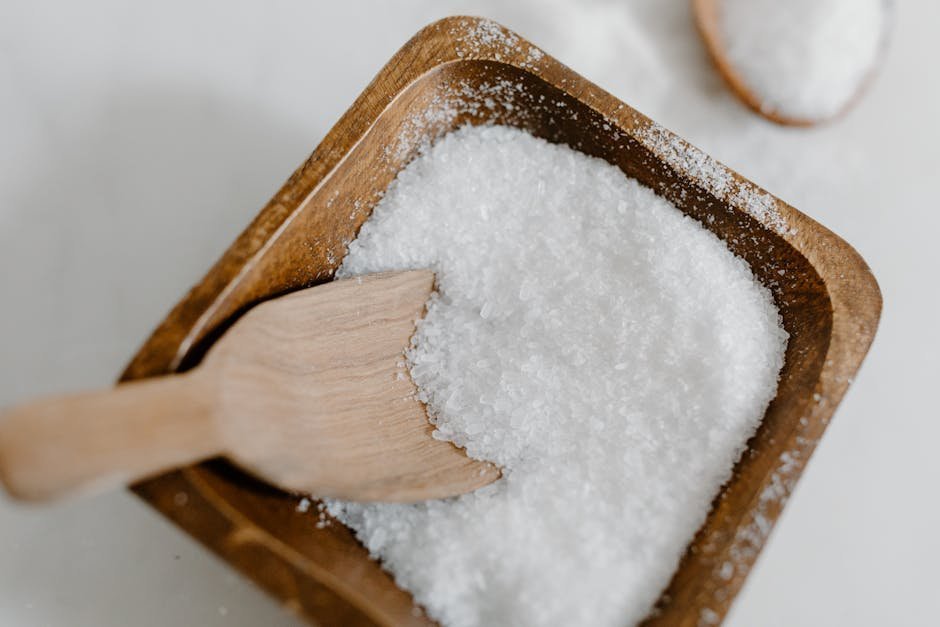
Epsom salts add magnesium unneeded by most plants without soil tests, building up to toxicity. They disrupt balances rather than fix deficiencies. Roses and tomatoes rarely benefit as claimed.[4]
Test soil first through extension services. Use dolomite lime for magnesium if confirmed low. Balanced fertilizers cover needs without guesswork.
10. Volcano Mulching Against Stems
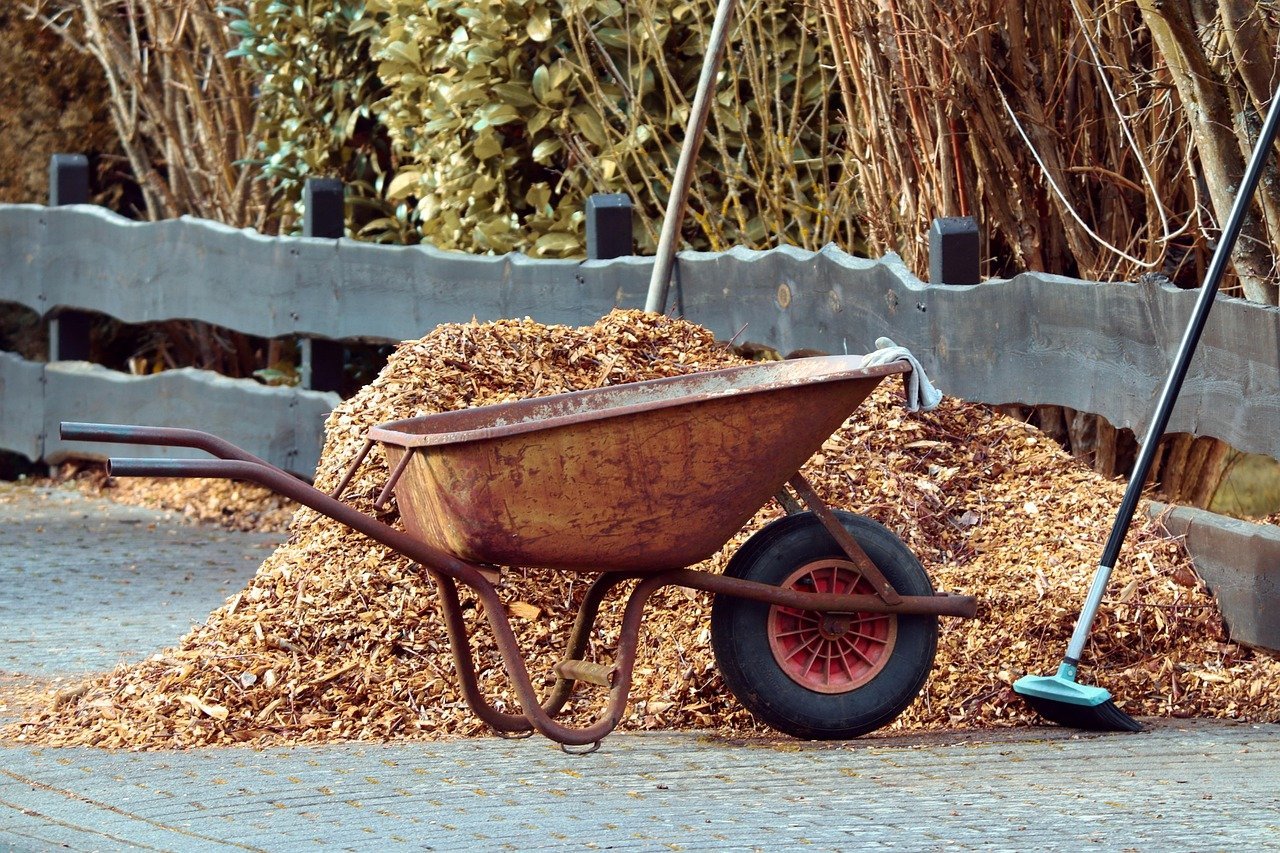
Piling mulch high around trunks traps moisture, rotting stems and inviting rodents. It starves roots of oxygen in the anaerobic zone. Trees and perennials suffer most.[2][3]
Keep mulch 2-3 inches deep, pulled back from bases like a donut. Shredded leaves or bark work best for suppression and feeding. This lets roots breathe while controlling weeds.
Conclusion
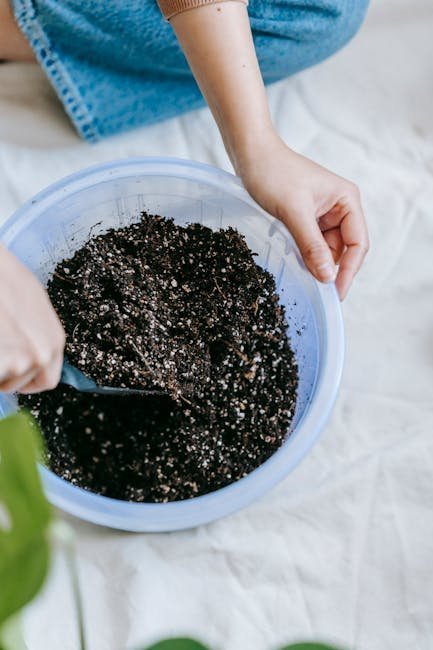
Evidence-based gardening favors soil tests, observation, and patience over quick tricks. Proven methods like composting and proper watering build resilience that hacks undermine.
Gardens thrive when we respect plant needs over social media shortcuts. A little research pays off in healthier yields year after year.

Christian Wiedeck, all the way from Germany, loves music festivals, especially in the USA. His articles bring the excitement of these events to readers worldwide.
For any feedback please reach out to info@festivalinside.com
