
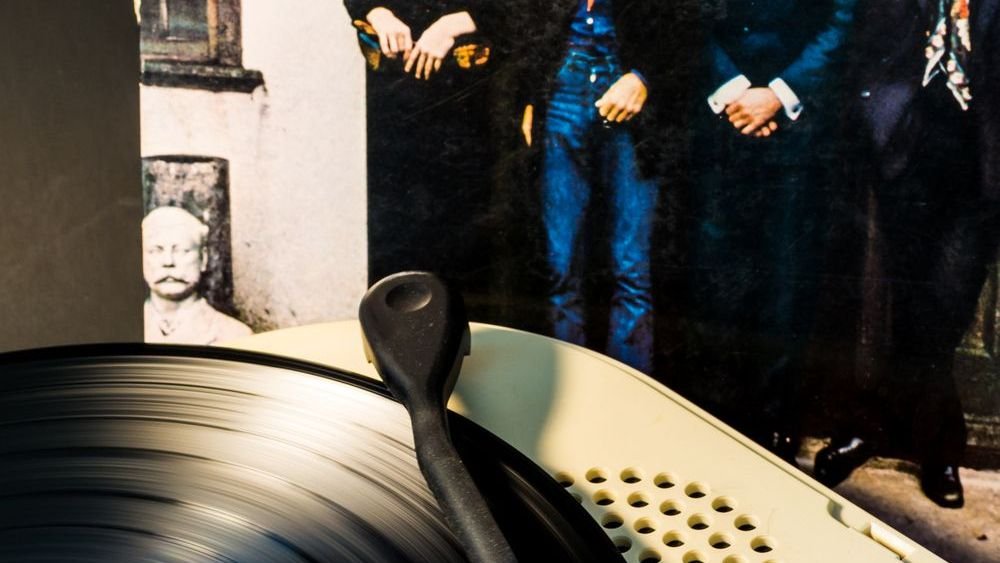
Recording decisions in the music industry often hinge on tight constraints like song length or commercial viability. A track might get shelved if it runs too long for radio or clashes with an album’s flow. These choices can make or break a song’s path to becoming a cultural touchstone.[1][2]
Sometimes producers or bands nearly scrap a piece during tense sessions. What seems like a risky bet turns into an anthem that shifts the landscape of rock. History pivots on those close calls.
Bohemian Rhapsody by Queen
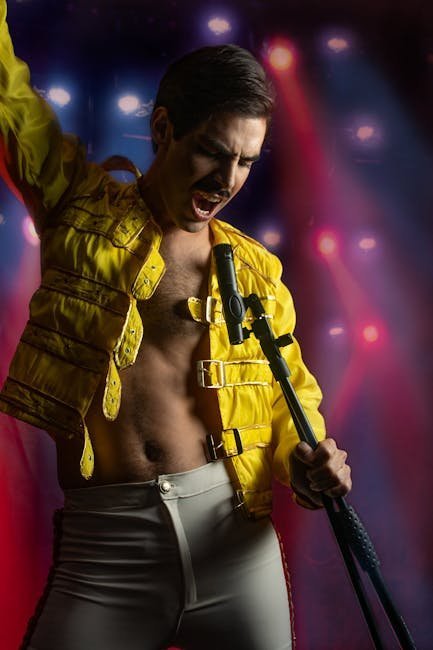
Queen faced skepticism from their label, EMI, over the song’s nearly six-minute runtime packed with operatic sections and shifting styles. Executives dismissed it as uncommercial and laughed during playback. Freddie Mercury insisted on keeping it intact without an edit.[3]
The track exploded upon release, topping UK charts for nine weeks and reviving Queen’s career. Its groundbreaking structure influenced prog rock and power ballads alike. The 1975 hit reshaped what radio could handle, paving the way for ambitious singles.[4]
Decades later, a movie revival sent it back to number one, proving enduring appeal.
Sweet Child o’ Mine by Guns N’ Roses
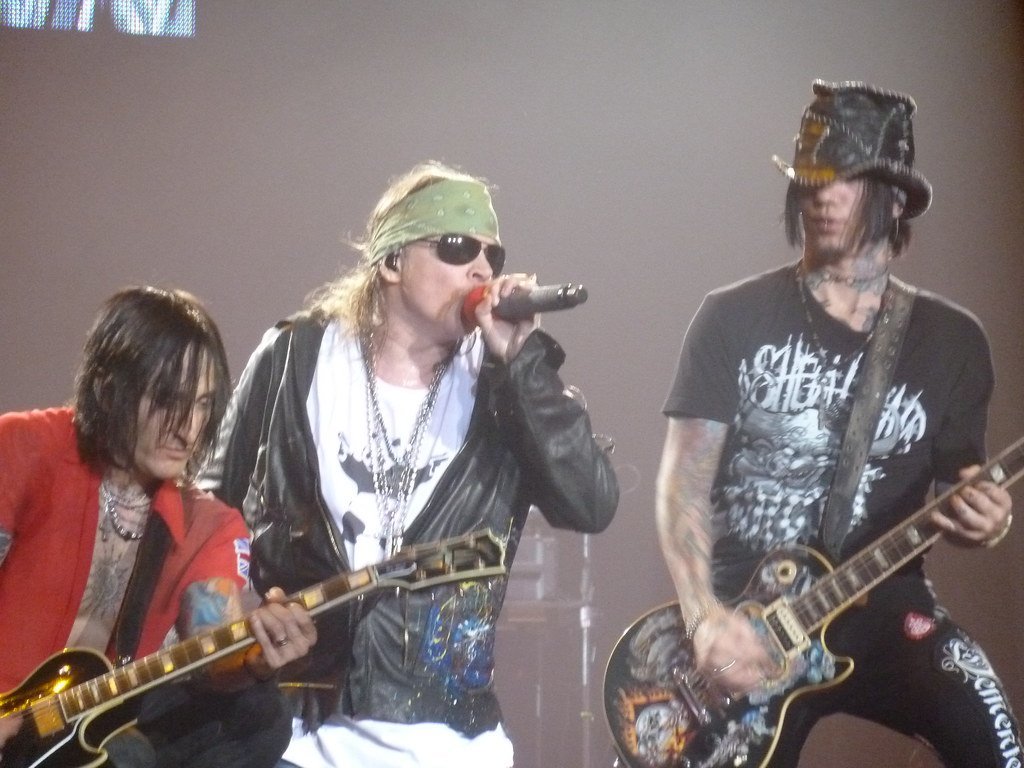
Slash crafted the iconic opening riff as a casual warm-up exercise, not meant for a full song. He later called it a “circus tune” and fought against releasing it as the band’s lead single. The band reworked it reluctantly after ditching another track.[2]
Despite doubts, it climbed to number one in the US, anchoring Appetite for Destruction’s massive sales. The song defined Guns N’ Roses’ blend of hard rock grit and melody. It remains a staple at weddings and arenas, bridging generations of fans.[2]
Its guitar intro alone became one of rock’s most recognizable hooks.
Born to Run by Bruce Springsteen
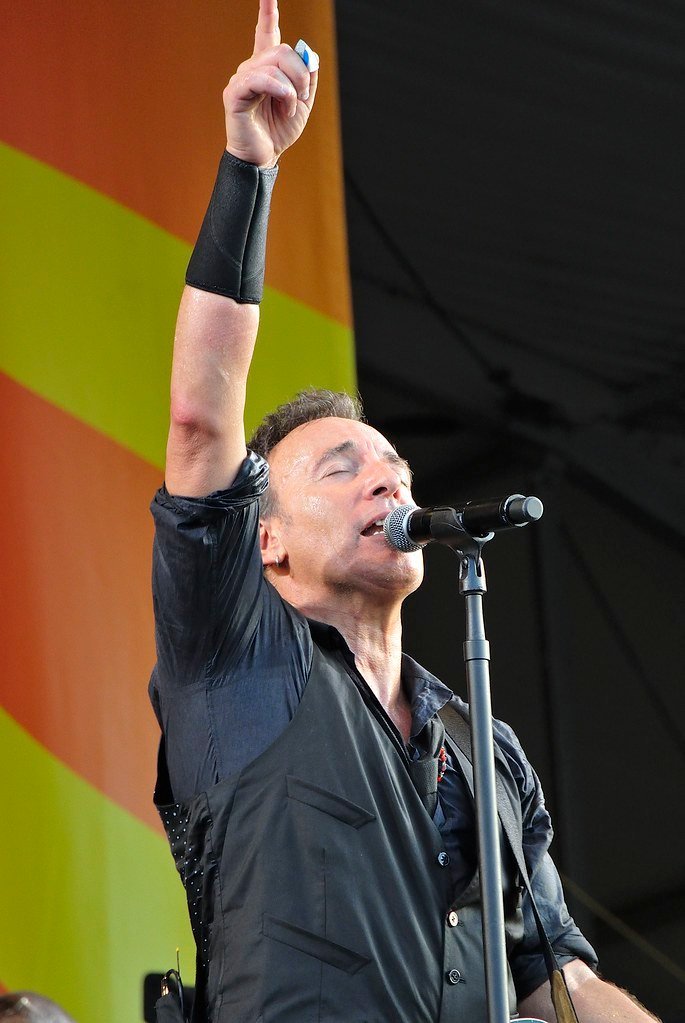
Springsteen labored over the track for months, rewriting lyrics obsessively amid label pressure after weaker prior sales. Frustration peaked during endless studio takes with producer Jon Landau. He nearly abandoned it, fearing it wouldn’t capture his vision.[2]
The 1975 release catapulted Springsteen to stardom, with the album selling millions. It embodied working-class dreams and Jersey shore energy, inspiring countless heartland rockers. Critics hailed it as a defining American epic.[2]
Live versions stretched into marathon performances, cementing its legend.
Don’t Stop Believin’ by Journey
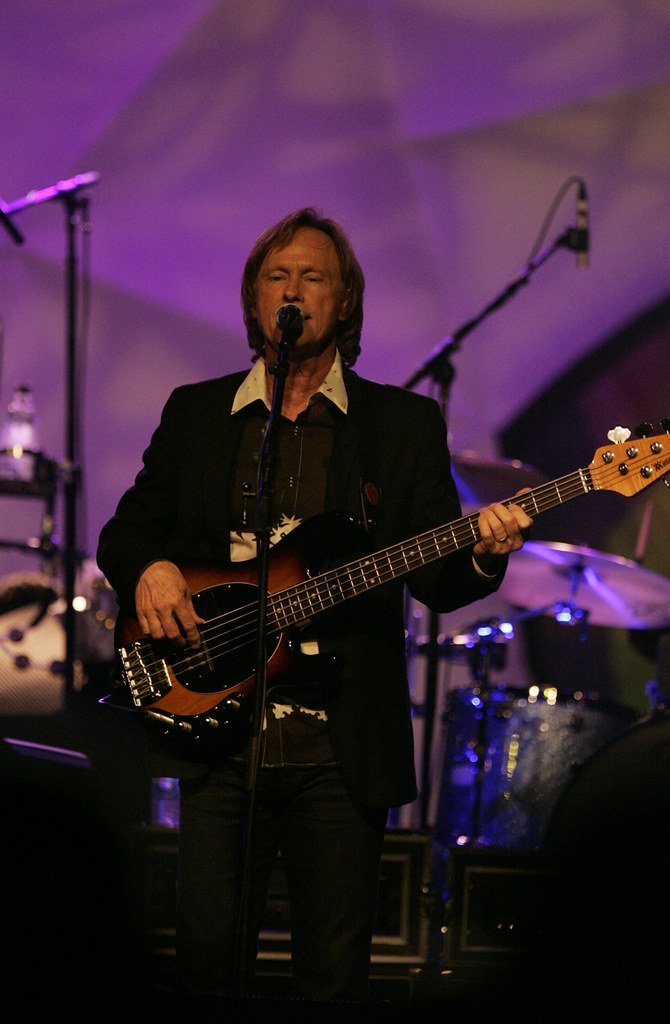
Jonathan Cain brought a half-finished demo with a delayed chorus structure that puzzled the band during Escape sessions. Members resisted the optimistic vibe at first. Persistence won out, but it teetered on the edge of revision.[2]
The song surged to global fame, becoming Journey’s signature and a sports anthem. It sold millions, boosted by TV shows like The Sopranos and Glee. Its universal hopefulness turned it into karaoke gold and arena closer.[2]
Billions of streams later, it outlives trends.
More Than a Feeling by Boston
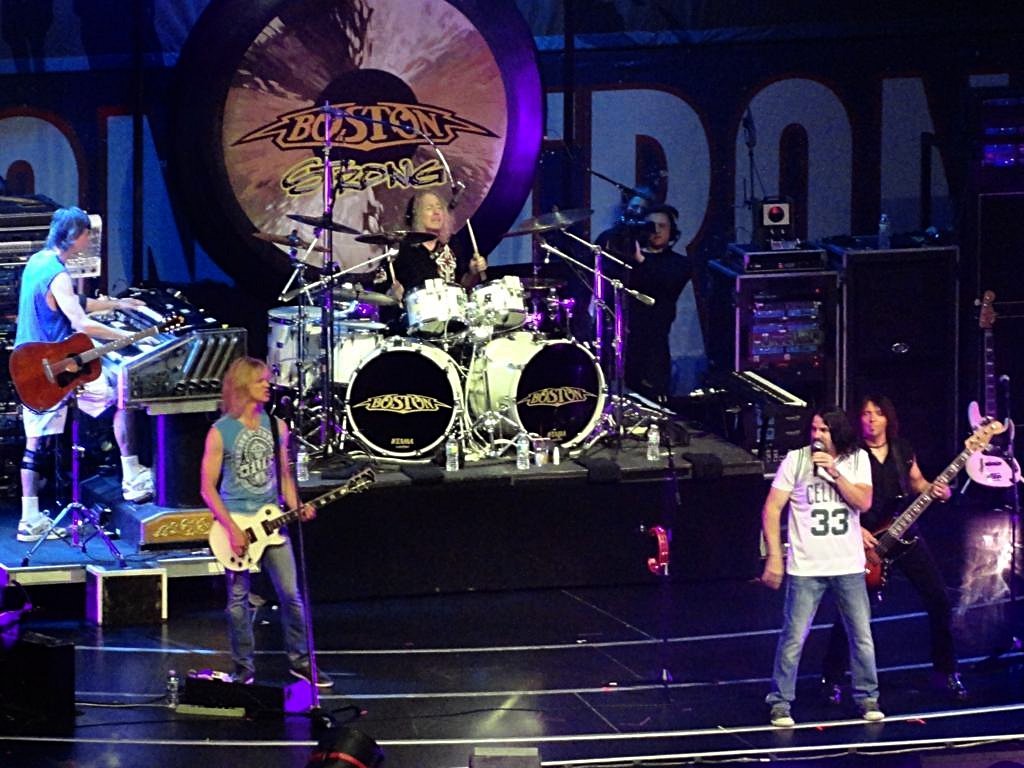
Tom Scholz demoed it in his basement over years while holding a day job, facing label rejections for its polished sound. Epic Records nearly passed on the tape. He doubted its lighter arena rock leanings amid heavier trends.[2]
Boston’s debut exploded with the track leading sales over 17 million. It pioneered multi-tracked guitar walls, influencing 70s rock production. Radio embraced its hooks, making it a timeless classic.[2]
The band formed hastily post-deal, riding its wave.
Under Pressure by Queen and David Bowie
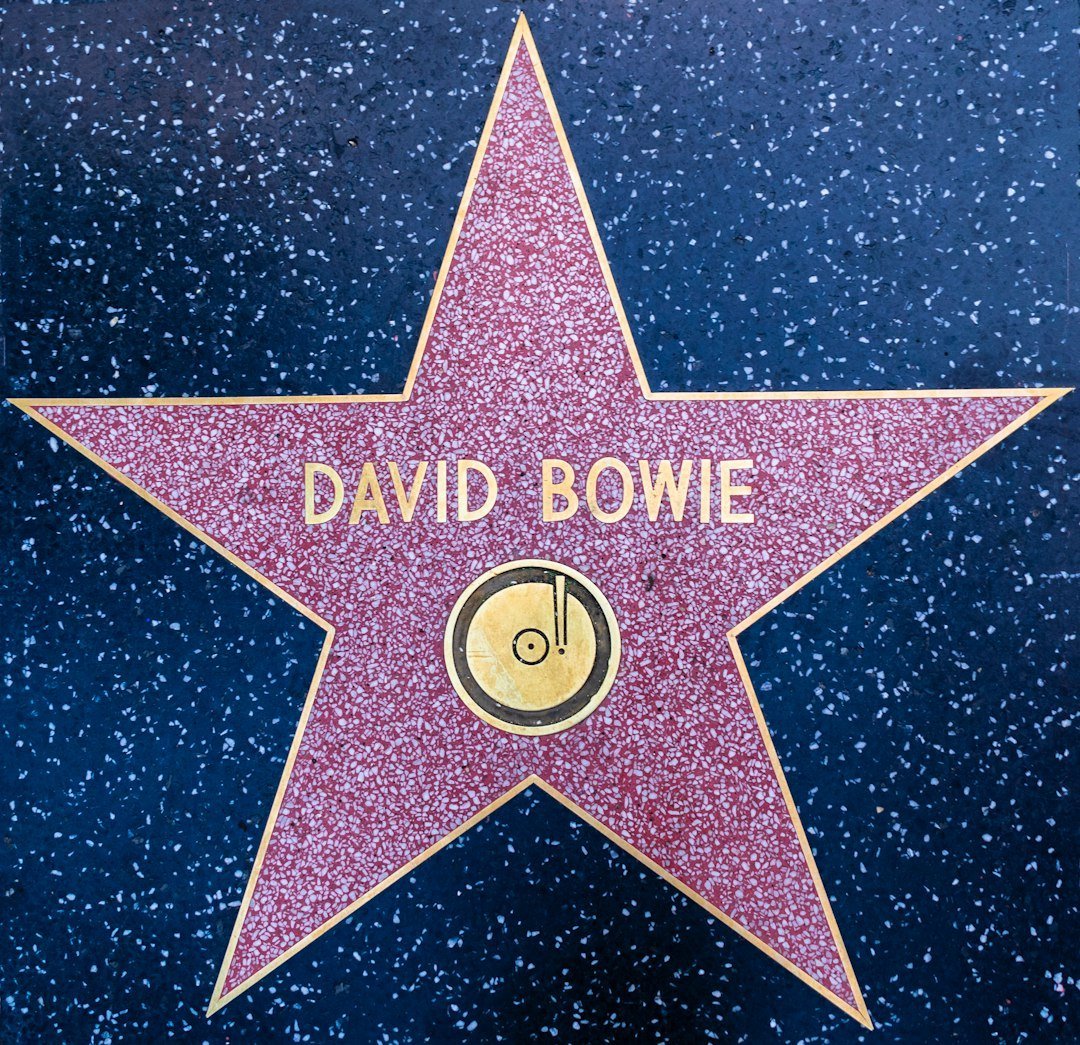
The collaboration sparked from a spontaneous Mountain Studios jam fraught with clashing egos. No clear plan existed for the bassline-driven track. Bowie’s direction salvaged it from potential discard amid other unreleased ideas.[1][2]
Released as a single, it hit number one and endures as a rock-pop hybrid staple. The “woo-oooh” line permeates samples and covers. It highlighted superstar pairings’ magic in 1981.[1]
Fans still chant it at events worldwide.
Creep by Radiohead
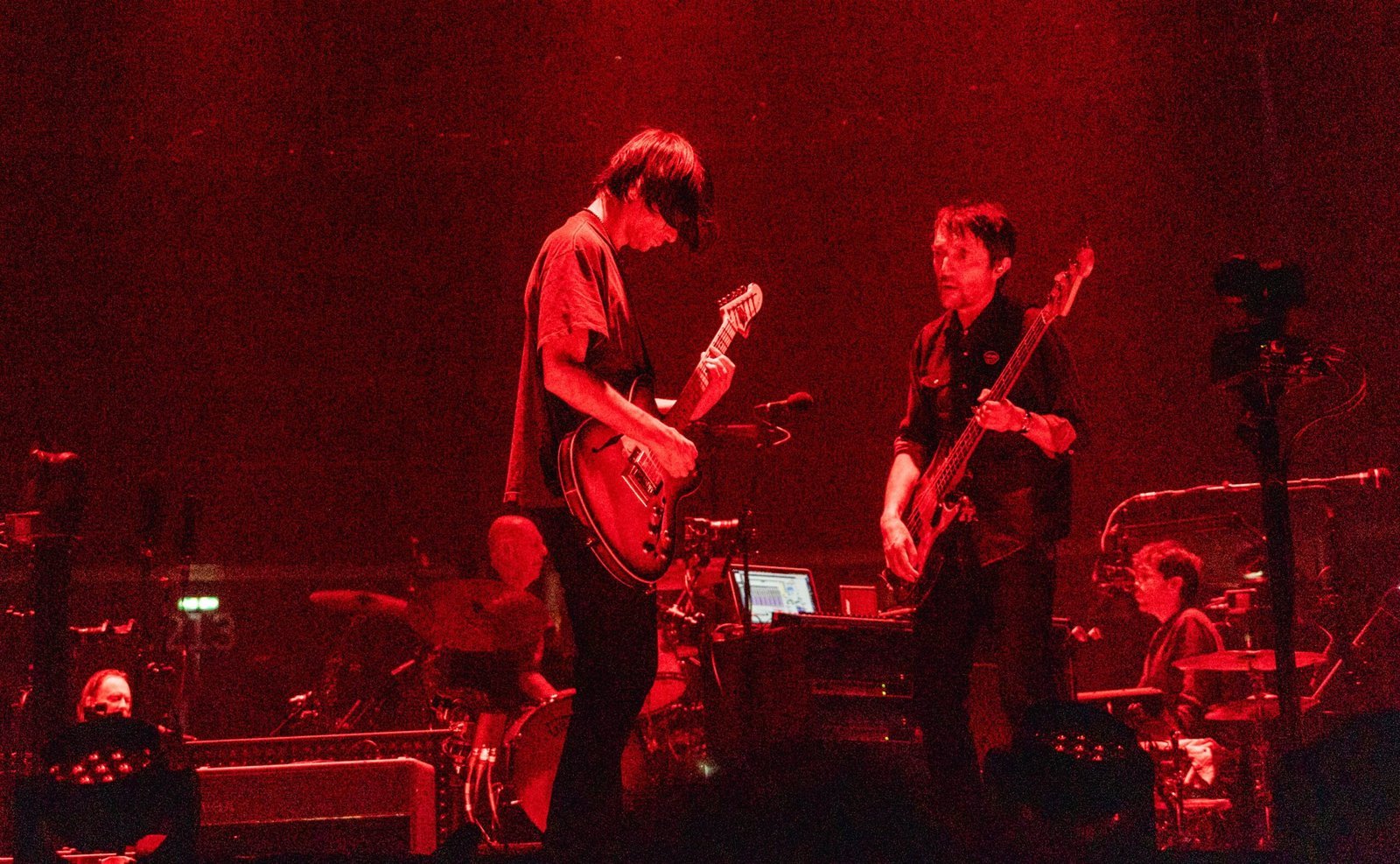
Radiohead nearly ditched the self-loathing track, with Thom Yorke calling it a “shit song” post-recording. Their label pushed back on its depressive tone. It lingered as an afterthought on Pablo Honey.[4]
Grunge-era fans latched on, making it a slow-burn hit across Europe then US. It launched the band beyond one-hit status, evolving their sound. Alienation themes resonated deeply in alt-rock.[4]
Today, it streams endlessly among millennials.
Smells Like Teen Spirit by Nirvana
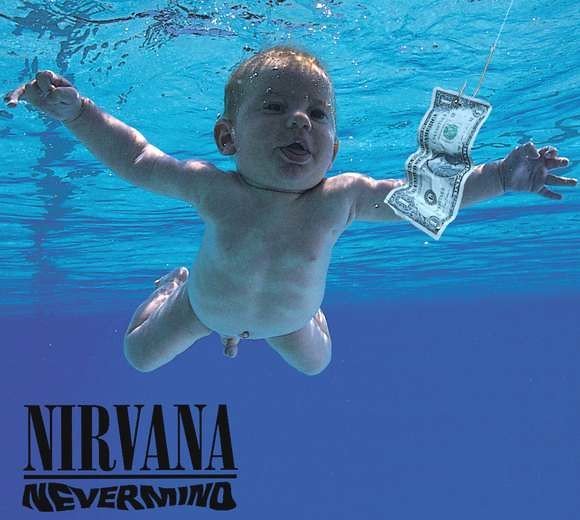
Kurt Cobain debuted the riff to bandmates, who dismissed it outright. He reworked it quietly, unsure of its pop-punk edge amid their raw style. Nearly scrapped for sounding too commercial.[5]
The 1991 Nevermind lead single ignited grunge revolution, topping modern rock charts. It dismantled hair metal dominance, ushering alternative mainstream. MTV rotation made it generational shorthand.[4]
Its raw energy still defines rebellion.
Silver Springs by Fleetwood Mac
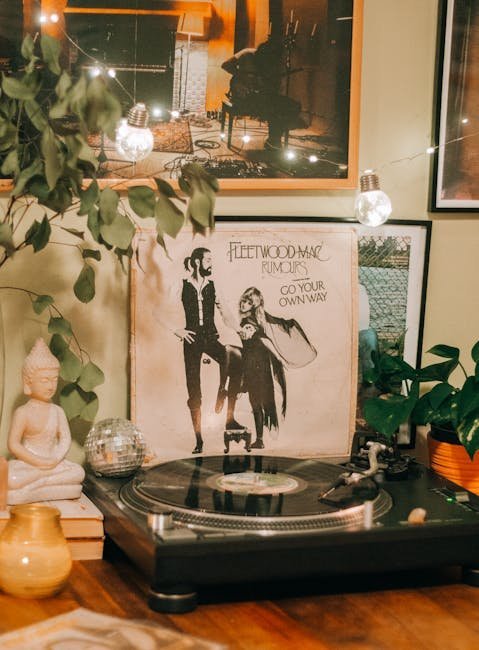
Cut from Rumours due to vinyl side length limits, replaced by another track. Stevie Nicks fought its removal amid band turmoil. It surfaced later as a B-side.[1]
The heartbreak ballad captured Nicks’ real pain, gaining cult status. Live versions, especially Nicks staring down Lindsey Buckingham, went viral. It amplified Rumours’ emotional legacy.[1]
Now a fan favorite, it underscores personal stakes in rock.
Hey Jude by The Beatles
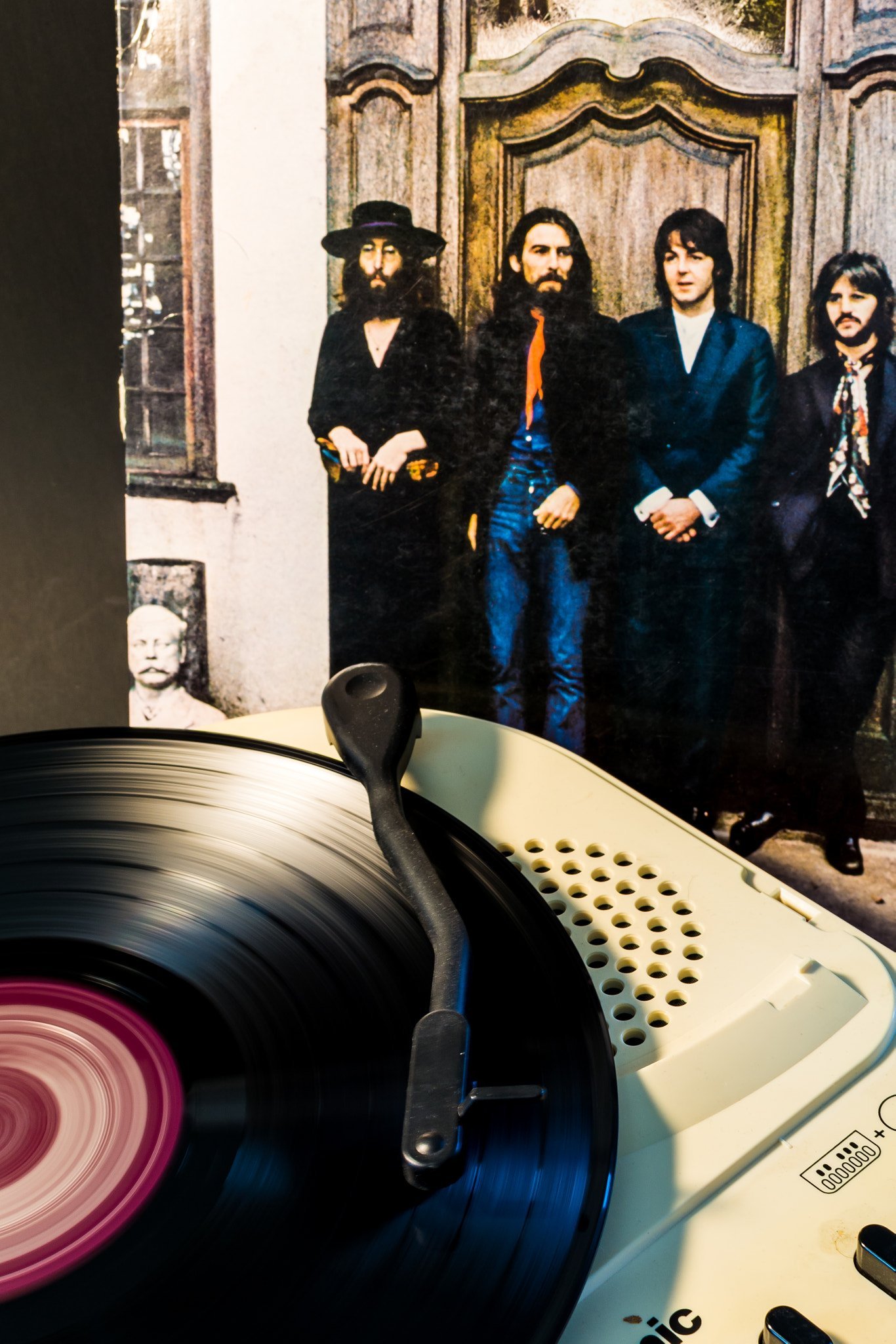
At over seven minutes, it challenged vinyl sequencing and radio norms. The band pondered its album fit before standalone single release. Length nearly doomed early plays.[1]
It became their longest-running UK number one at seven weeks. The fade-out “na-na-na” chant inspired communal singalongs. Bridged psychedelia to pop, solidifying their peak influence.[1]
Generations hum it instinctively.
The Hand of Chance in Rock History
Music’s timeline bends on slim margins, like a demo tape or stubborn artist. These anthems dodged deletion through grit or serendipity. They remind us hits often emerge from doubt.[1]
Without those releases, rock’s map redraws entirely. Chance favors the bold, but persistence seals the deal. The next pivot waits in some studio corner.


