

- 8 Gardening Hacks That Will Make Your Roses Bloom Like Never Before - August 11, 2026
- 8 Incredible Beaches Around the World You Won’t Believe Are Real - August 11, 2026
- 10 Classical Music Masterpieces That Will Transport You Through Time - August 11, 2026
History remembers leaders, inventors, and thinkers for their monumental achievements. Yet many of these icons nurtured skills far removed from their public personas. These hidden pursuits often revealed deeper layers of curiosity and creativity.
Such talents ranged from artistic endeavors to scientific hobbies. They remind us that brilliance rarely confines itself to a single domain. Exploring these sides enriches our understanding of what drove these figures forward.
Winston Churchill the Painter
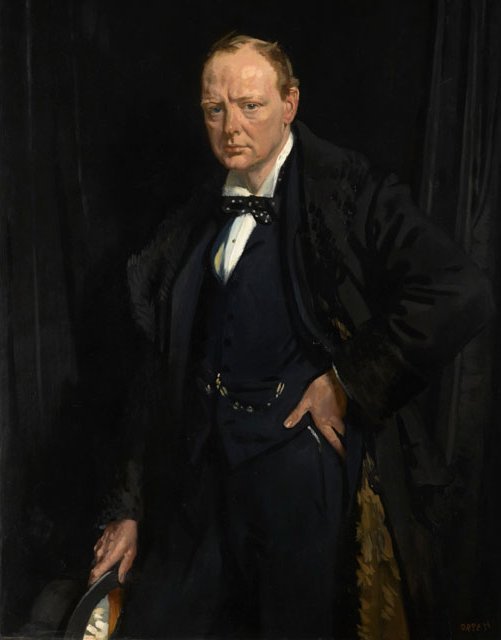
Winston Churchill, famed for guiding Britain through World War II, found solace in watercolor painting. He produced over 500 works, drawing inspiration from masters like Monet during travels and even amid political turmoil.[1][2] This hobby helped him cope with stress, sharpening his focus for leadership decisions. His landscapes and seascapes captured fleeting moments of peace.
Churchill’s art extended to bricklaying as well, where he laid thousands of bricks at his family estate. This hands-on craft taught him patience, a virtue he applied to wartime strategy.[2] Though not exhibited widely during his lifetime, his paintings now sell for substantial sums. These pursuits highlighted a reflective side to the bulldog prime minister.
Benjamin Franklin the Swimmer and Chess Master

Benjamin Franklin, polymath of the American Revolution, invented early swim fins to boost his efficiency in water. As a young man, he crafted hand and foot paddles from wood, testing them in England’s rivers before sharing the idea publicly.[2][3] This innovation stemmed from his lifelong passion for swimming, which he saw as vital exercise. It showcased his knack for practical problem-solving beyond politics and electricity.
Franklin also excelled at chess, penning the first American essay on the game titled “The Morals of Chess.” He promoted it as a lesson in foresight and ethics, playing against European opponents during diplomatic missions.[1] His induction into the U.S. Chess Hall of Fame centuries later underscores this overlooked skill. These hobbies fueled the strategic mind behind the Declaration of Independence.
Thomas Jefferson the Archaeologist
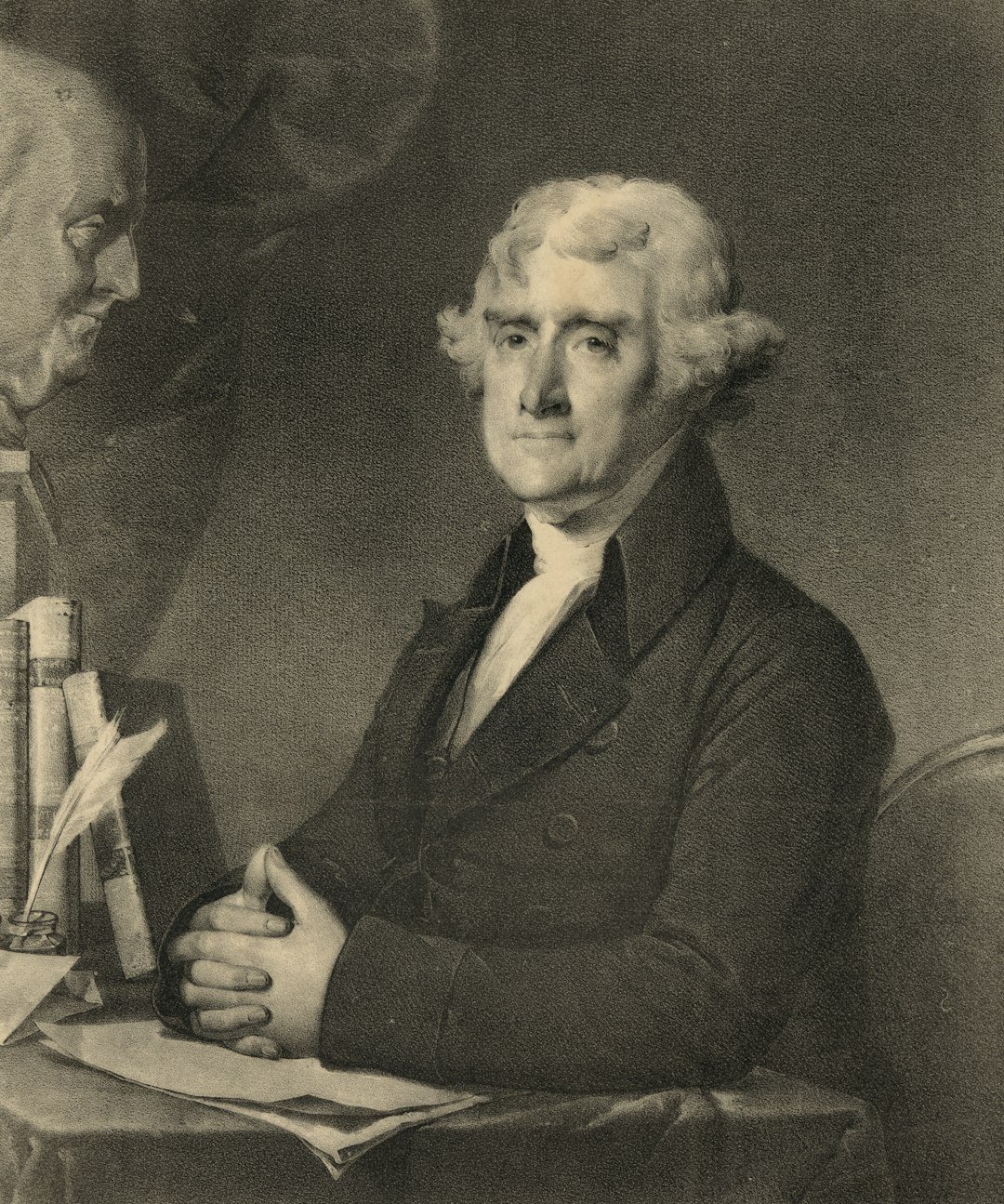
Thomas Jefferson, architect of American democracy, pioneered archaeology in the young nation. He systematically excavated a Native American burial mound on his Virginia land, documenting layers and artifacts in what became the first U.S. archaeological report.[4][1] This methodical approach predated modern techniques, driven by his curiosity about indigenous history. It reflected his Renaissance-man drive to understand America’s past.
Jefferson also designed Monticello and the University of Virginia as self-taught architect. His innovations included hidden closets and dome skylights, blending neoclassical style with functionality.[5] He experimented with winemaking too, planting Europe’s first commercial U.S. vineyard. These talents painted a fuller picture of the third president’s intellectual breadth.
Charles Darwin the Botanical Artist
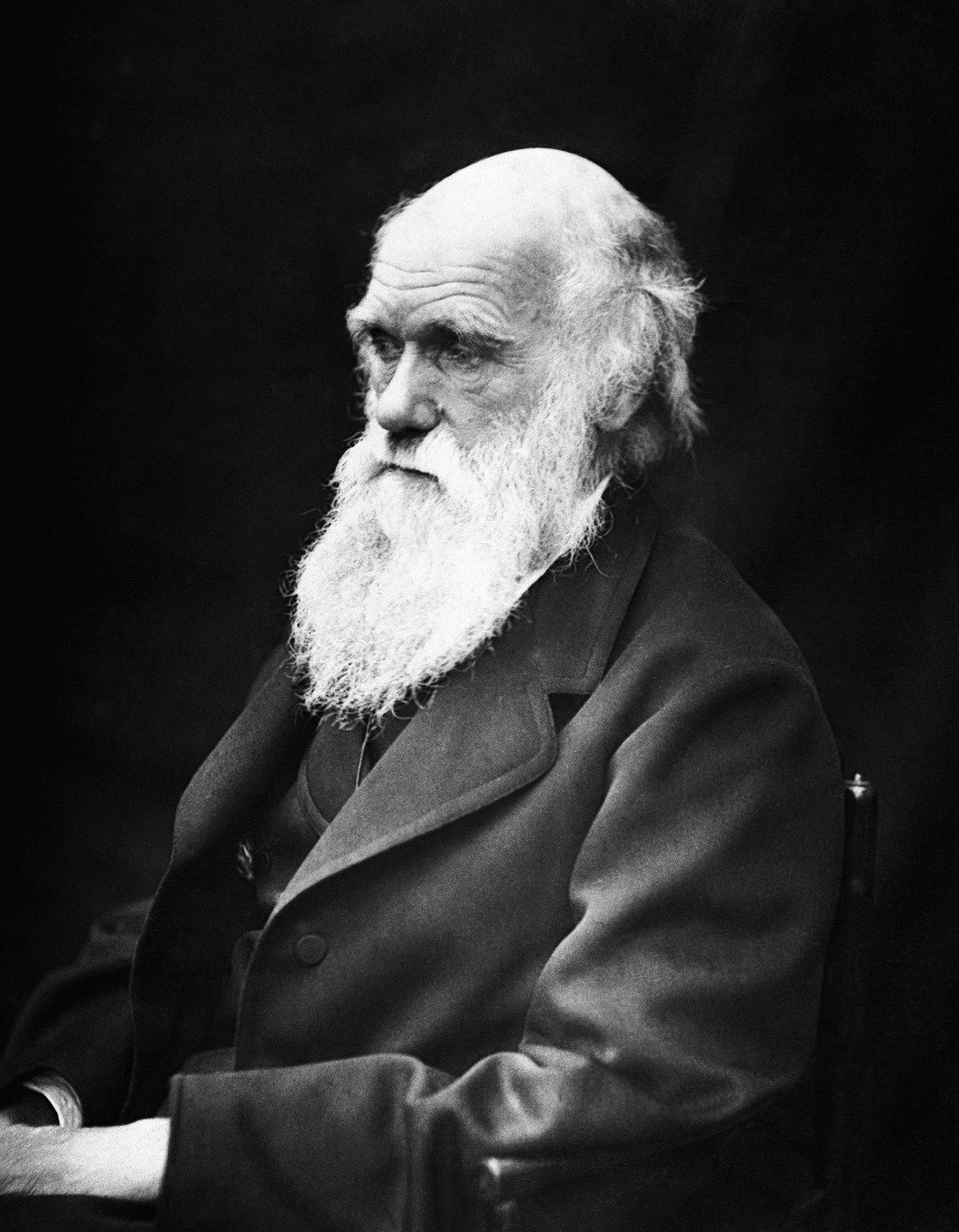
Charles Darwin, father of evolution, filled notebooks with precise watercolor sketches of exotic plants during his Beagle voyage. These botanical illustrations captured details that complemented his scientific observations, aiding later theories.[2][3] Far from mere doodles, they served as vital records in an era before photography. His artistic eye sharpened his grasp of nature’s variations.
Darwin’s drawings influenced his work on species adaptation. They revealed a patient observer who blended art with empirical science. This skill underscored how visual thinking propelled his groundbreaking ideas.
Florence Nightingale the Data Pioneer
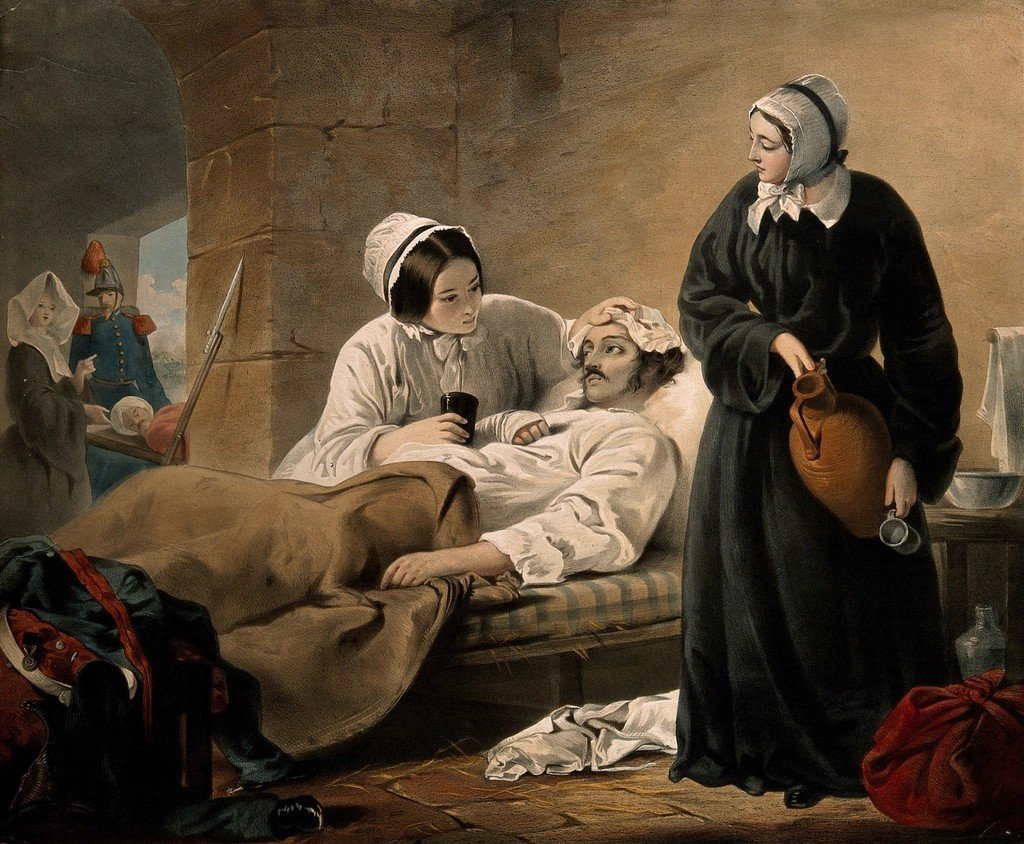
Florence Nightingale, nursing revolutionary of the Crimean War, invented data visualization with her “coxcomb” diagrams. These rose-shaped charts illustrated hospital death rates, convincing officials to reform sanitation practices.[2] Her statistical innovations saved countless lives through clear, persuasive graphics. This talent transformed raw numbers into calls for change.
Nightingale’s work predated modern infographics by decades. She combined caregiving with analytical rigor, influencing public health policy. Her lesser-known skill highlighted the intersection of compassion and intellect.
Queen Victoria the Photographer
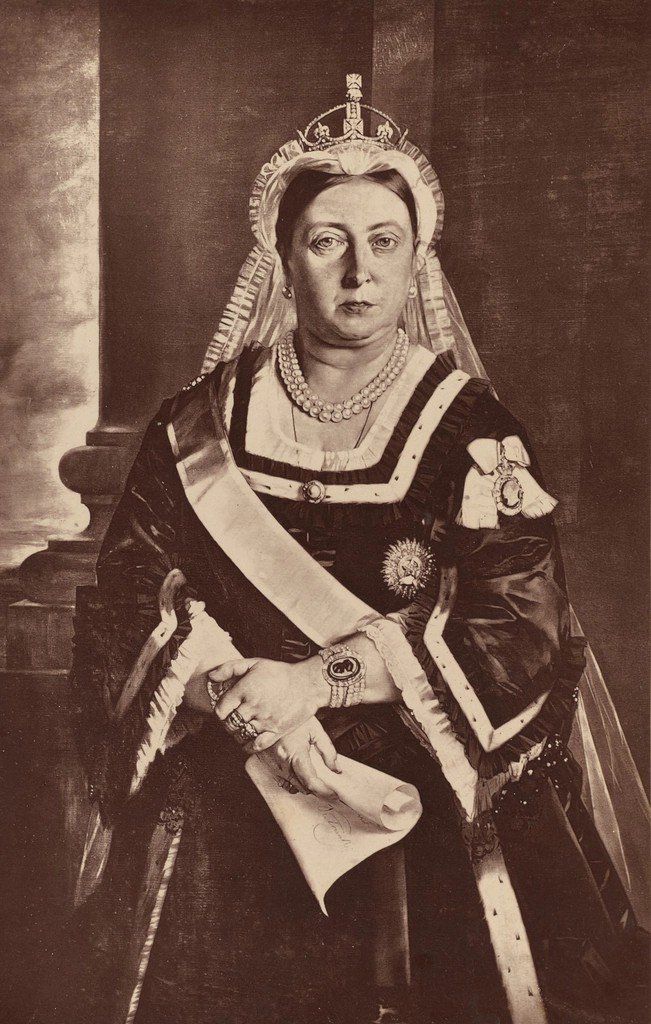
Queen Victoria, symbol of Victorian era stability, embraced photography as an early enthusiast. She experimented with daguerreotypes, capturing family portraits and adjusting exposures for sharp results.[2] This hobby documented her reign personally, from royal events to private moments. It marked her as a forward-thinking monarch in a changing world.
Victoria’s images preserved an intimate view of empire life. She shared prints with artists, blending technology with tradition. This pursuit revealed a creative spirit behind the iron crown.
Paul Revere the Forensic Dentist
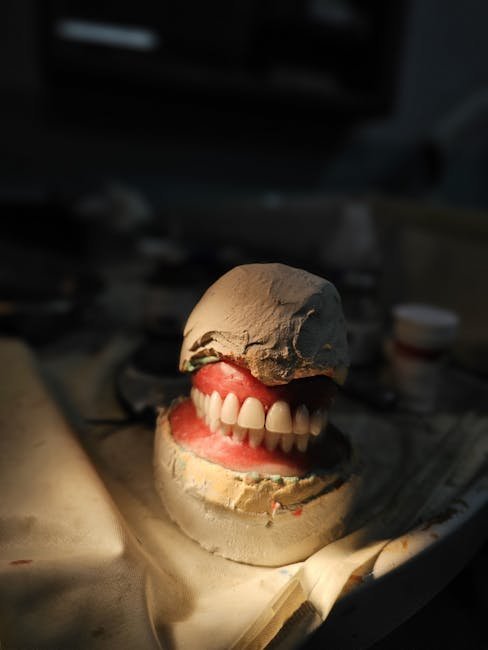
Paul Revere, midnight rider of the Revolution, pioneered forensic dentistry. He crafted a dental prosthetic for General Joseph Warren and later identified his body from a mass grave by it after Bunker Hill.[4][1] This marked the first U.S. military use of dental records. His silversmith skills extended to life-saving precision.
Revere studied under a prominent dentist, applying metallurgy to teeth. This talent aided revolutionary efforts indirectly. It showed how everyday crafts supported the fight for independence.
Emperor Hirohito the Marine Biologist
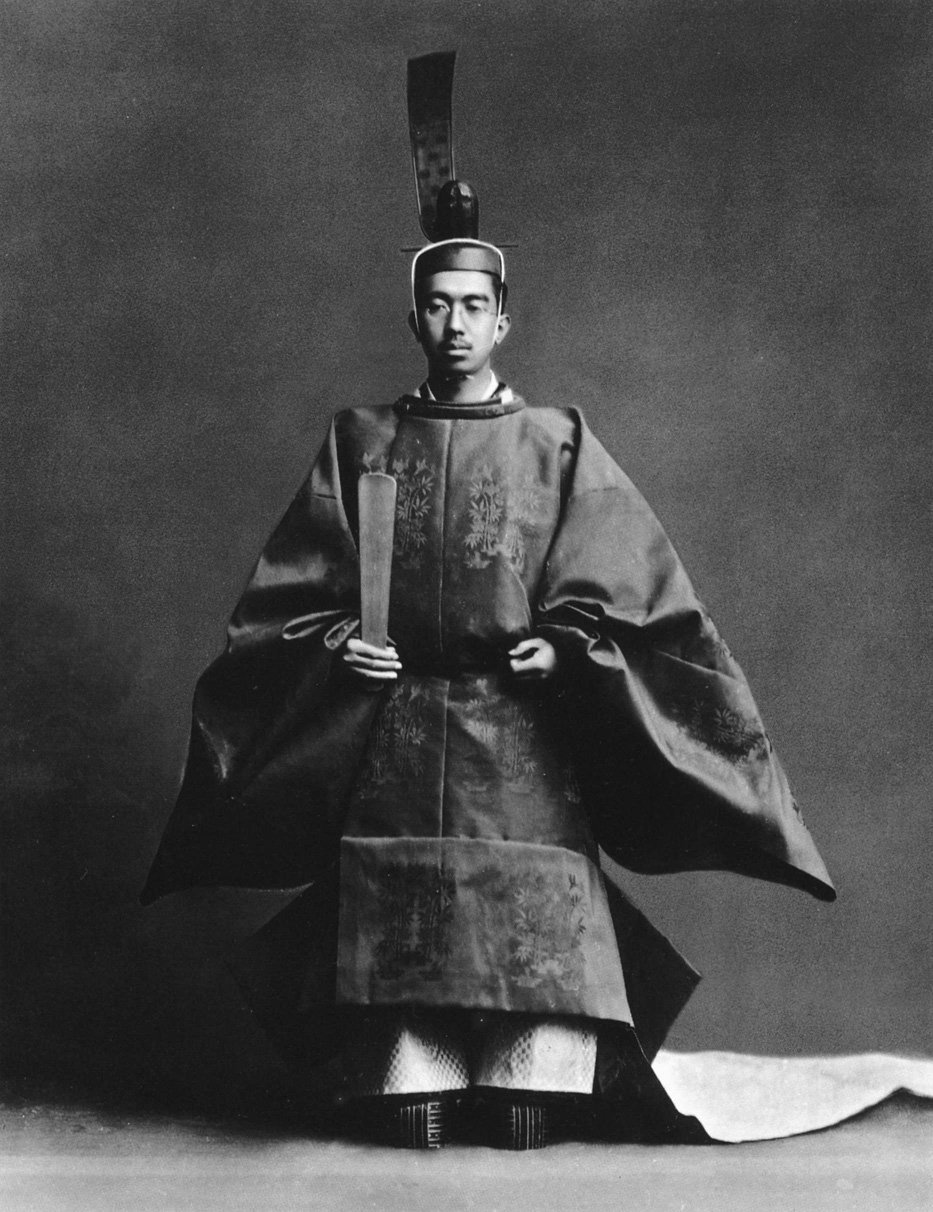
Emperor Hirohito of Japan, wartime figurehead, dedicated decades to marine biology. He maintained a palace lab, classifying hydrozoans and publishing papers on new species long after World War II.[4][1] This scholarly pursuit contrasted sharply with his symbolic role. It offered a quiet escape into scientific discovery.
Hirohito’s research earned respect among peers worldwide. He described dozens of species, contributing to taxonomy. This hidden passion humanized a leader often seen through geopolitical lenses.
The Enduring Complexity of Historical Icons
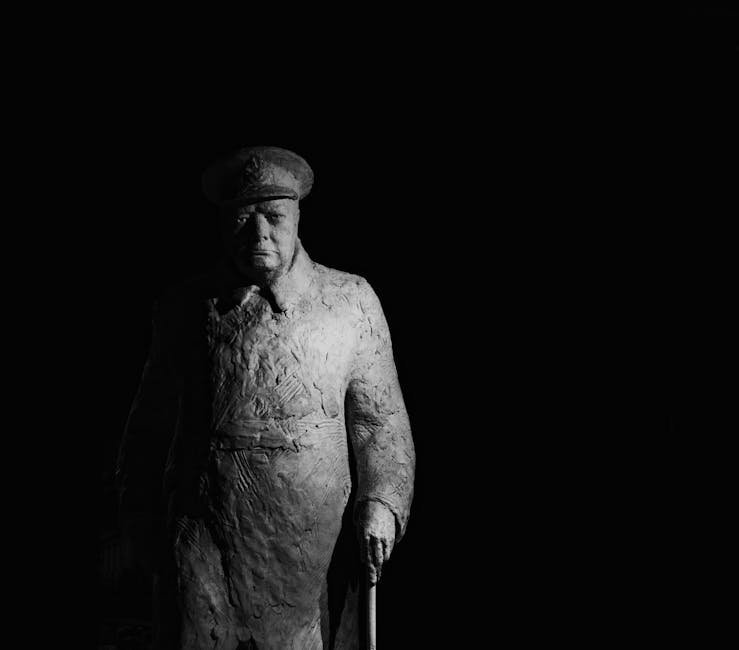
These stories challenge simple narratives of fame. Great figures often wove diverse threads into their legacies, from painting to data charts. Such versatility fueled their enduring impact.
Recognizing these talents invites a fuller appreciation. History’s giants were multifaceted, their surprises reminding us of shared human depths. In complexity lies true inspiration.

Besides founding Festivaltopia, Luca is the co founder of trib, an art and fashion collectiv you find on several regional events and online. Also he is part of the management board at HORiZONTE, a group travel provider in Germany.
