

For any feedback please reach out to info@festivalinside.com
- 12 Literary Feuds So Intense, They Changed the Course of Literature - August 11, 2026
- 10 Mysterious Disappearances of Famous Figures That Still Puzzle Experts - August 11, 2026
- 10 Foods We Thought Were American But Were Actually Invented Somewhere Else. - August 11, 2026
Archaeology often uncovers physical evidence that challenges long-held assumptions derived from texts or myths. A single artifact or site can unlock forgotten languages, reveal unexpected technologies, or expose the daily lives of people whose stories faded from records. These finds force scholars to revise timelines, social structures, and cultural narratives, showing ancient worlds were far more complex than imagined.
Such discoveries remind us that history is not fixed but evolves with new evidence. They bridge gaps left by destroyed documents or biased accounts, offering direct glimpses into human ingenuity and society.
The Rosetta Stone
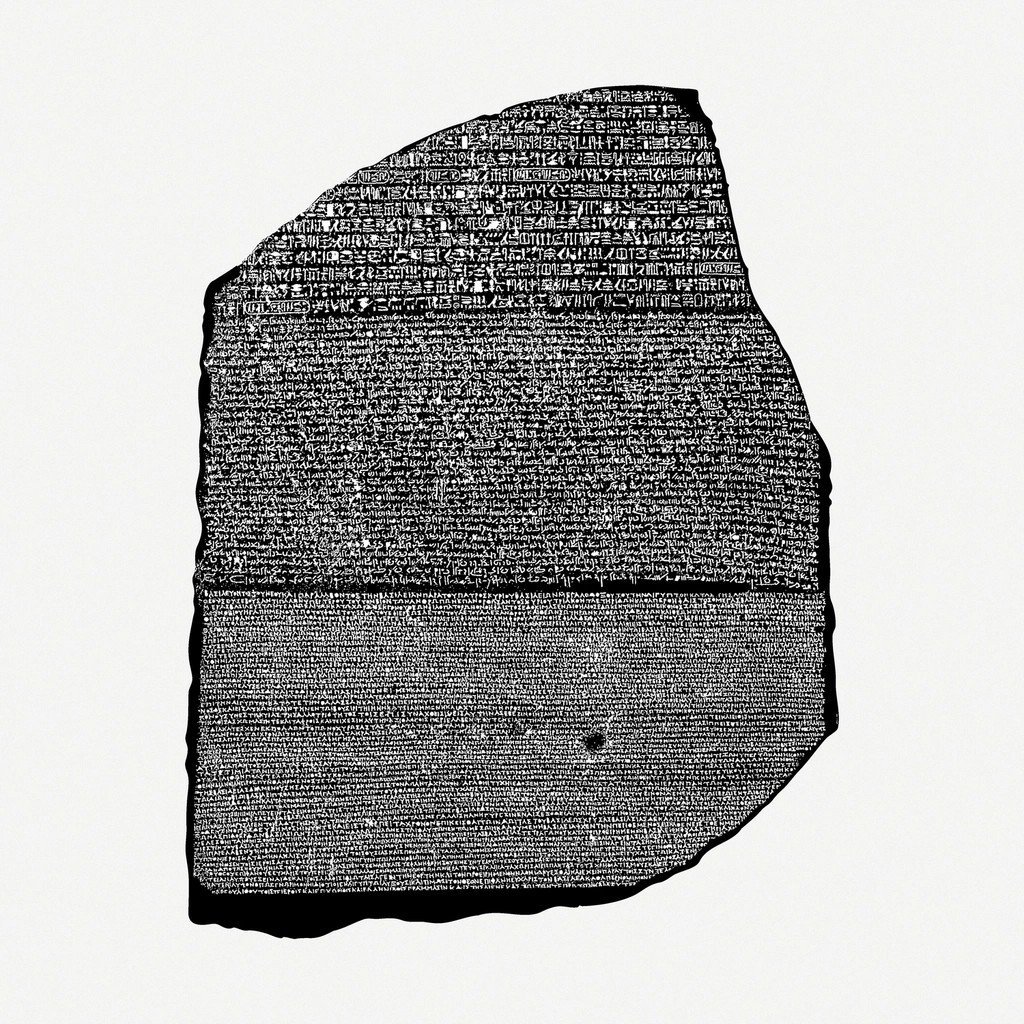
Soldiers in Napoleon’s army unearthed the Rosetta Stone near Rashid, Egypt, in 1799 while building fortifications. This granodiorite slab bore inscriptions in three scripts: ancient Greek, Demotic Egyptian, and hieroglyphs, all proclaiming the same decree from 196 BC honoring Ptolemy V.[1][2] The stone measured about 112 cm high and weighed 760 kg, making it a substantial find amid wartime chaos.
Jean-François Champollion used it to decipher hieroglyphs in 1822, opening vast archives of Egyptian texts previously indecipherable. This breakthrough extended knowledge of ancient Egypt by thousands of years, revealing royal lineages, religious practices, and administrative details lost to time. Egyptology transformed overnight, proving hieroglyphs combined phonetic and ideographic elements rather than pure symbolism.[3]
Göbekli Tepe
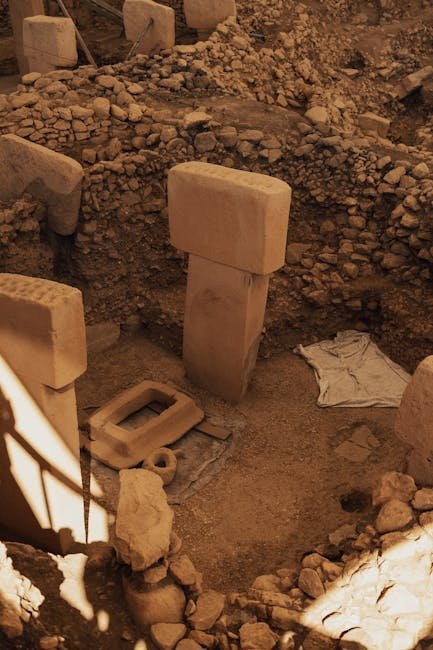
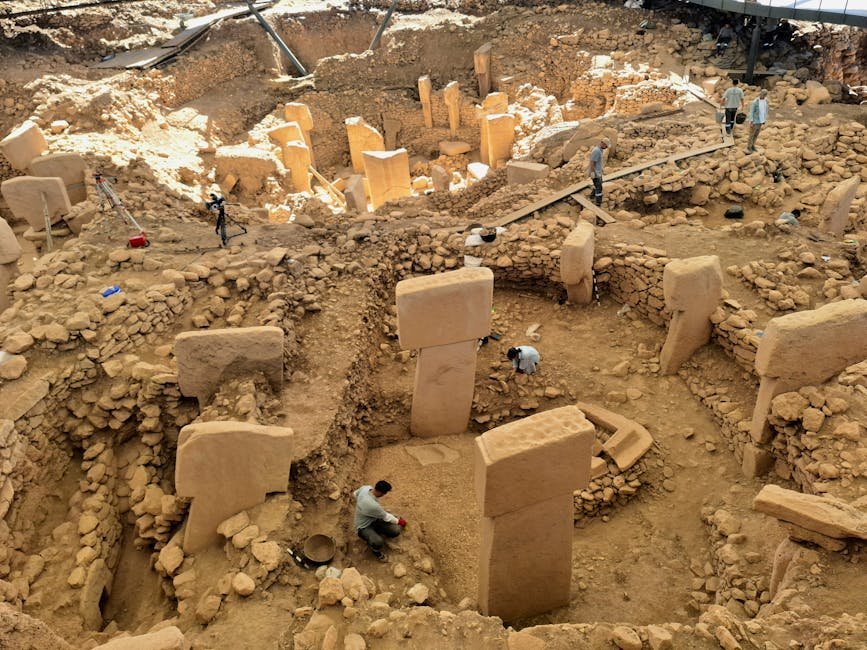
Excavations in southeastern Turkey since the 1990s revealed Göbekli Tepe, a site dating back 11,000 years to the Pre-Pottery Neolithic era. Massive T-shaped limestone pillars, some 6 meters tall and weighing up to 20 tons, form circular enclosures adorned with carvings of animals, humans, and abstract symbols. No evidence of permanent settlement appears nearby, suggesting hunter-gatherers built this complex.[4]
The discovery upended the idea that agriculture preceded large-scale architecture and organized religion. It indicates complex societies and monumental construction emerged among nomadic groups, possibly driving the shift to farming. Scholars now debate if ritual needs spurred settlement rather than economic surplus, reshaping Neolithic Revolution theories.
Linear B Tablets at Knossos
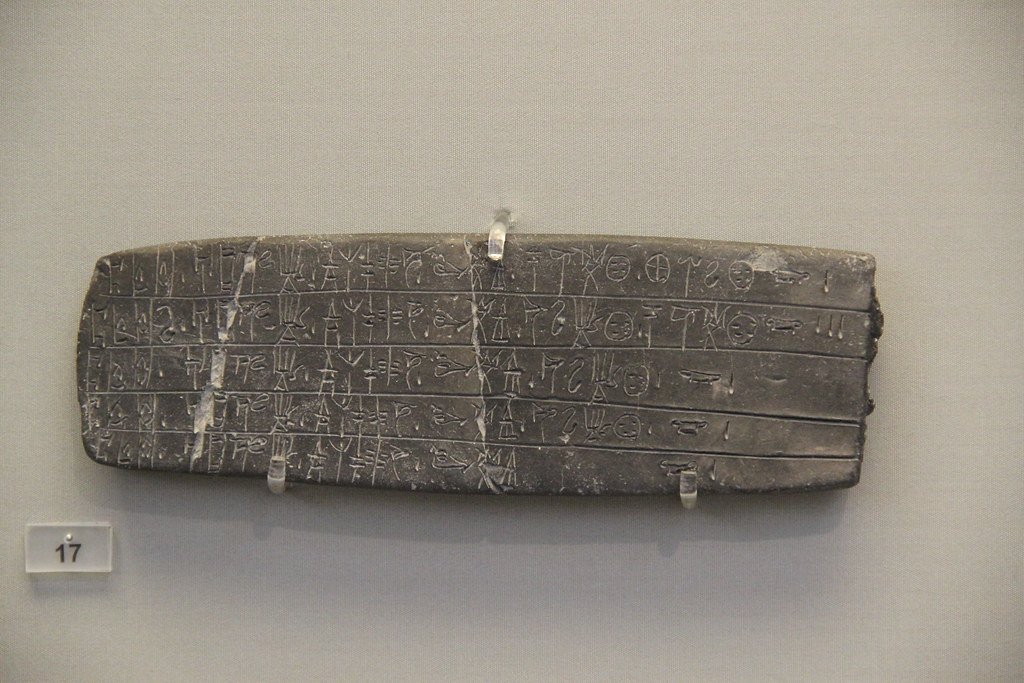
Arthur Evans uncovered thousands of clay tablets inscribed with Linear B script during digs at Knossos on Crete from 1900 to 1905. These palace records from around 1450 BC detailed inventories, personnel, and transactions in a Minoan context overtaken by Mycenaeans. The script appeared undecipherable until Michael Ventris cracked it in 1952.[1]
Linear B proved to be an early form of Greek, confirming Mycenaean literacy and administrative sophistication during the Bronze Age. This validated Homer’s epics as rooted in real palace economies, not pure myth. It rewrote views of pre-Classical Greece, showing a literate, bureaucratic society centuries before assumed.[2]
The Terracotta Army
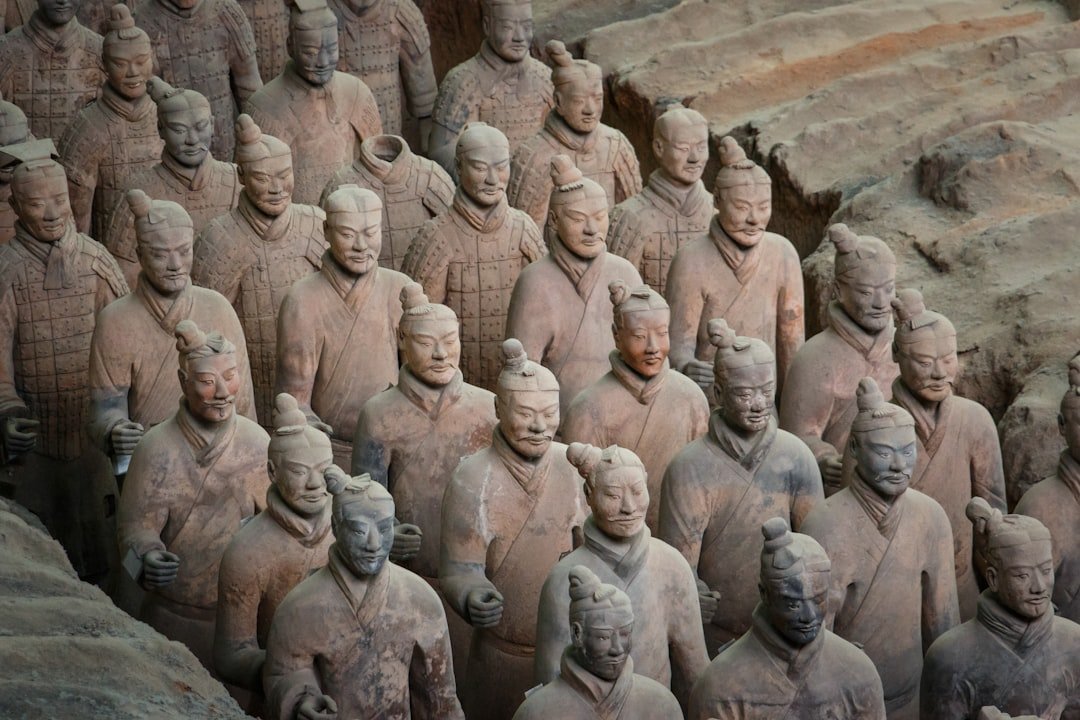
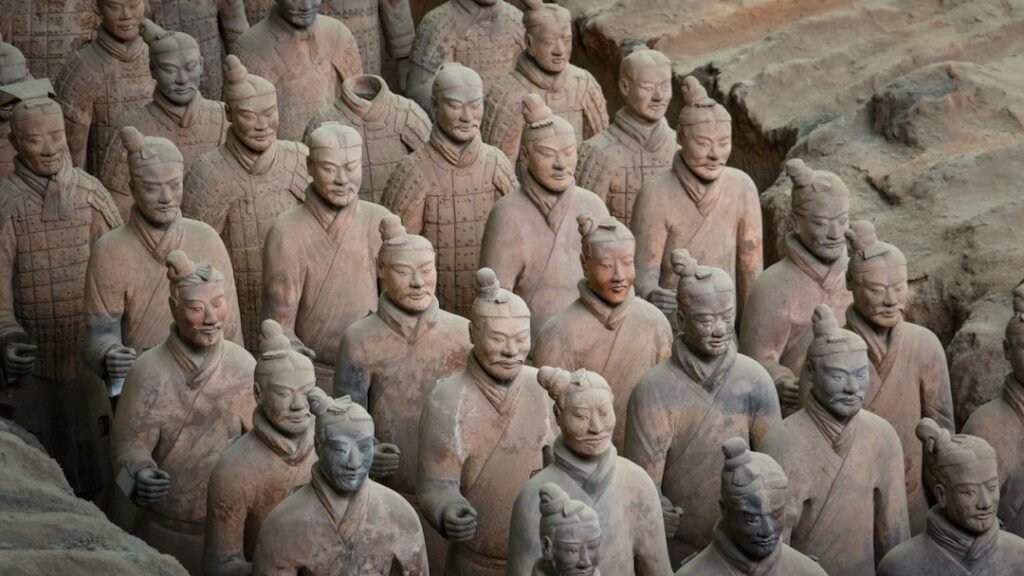
In 1974, farmers digging a well near Xi’an, China, stumbled upon underground pits housing over 8,000 life-sized terracotta soldiers, horses, chariots, and officials from the tomb of Emperor Qin Shi Huang. Crafted around 210 BC, each figure boasts unique facial features, hairstyles, and armor, arranged in battle formation to guard the afterlife. Additional pits held acrobats, musicians, and bureaucrats, highlighting imperial scale.[1]
This army demonstrated the Qin dynasty’s unprecedented organizational power, mass production techniques, and unification efforts across China. It shifted perceptions from a fragmented warring states period to a centralized empire with advanced metallurgy and logistics. The find elevated understanding of early imperial China’s military and artistic prowess.
Tutankhamun’s Tomb
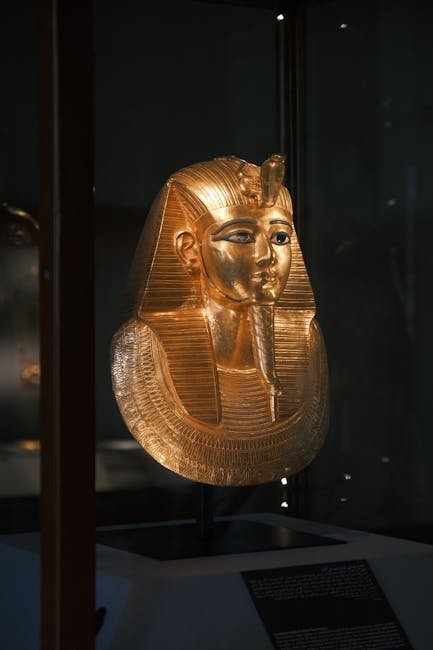
Howard Carter entered the nearly intact tomb of the boy pharaoh Tutankhamun in Egypt’s Valley of the Kings on November 26, 1922, after years of searching. Over 5,000 artifacts filled four chambers, including a solid gold sarcophagus, chariots, thrones, and everyday items revealing royal life. Despite Tut’s brief reign, the tomb escaped robbers, preserving New Kingdom splendor.[1][2]
The discovery illuminated 18th Dynasty wealth, craftsmanship, and burial rituals, countering views of Tut as insignificant. It fueled Egyptomania worldwide and advanced knowledge of ancient technologies like glassmaking and perfumery. Scholars gained insights into political intrigue, health issues via the mummy’s analysis, and artistic evolution.
The Antikythera Mechanism
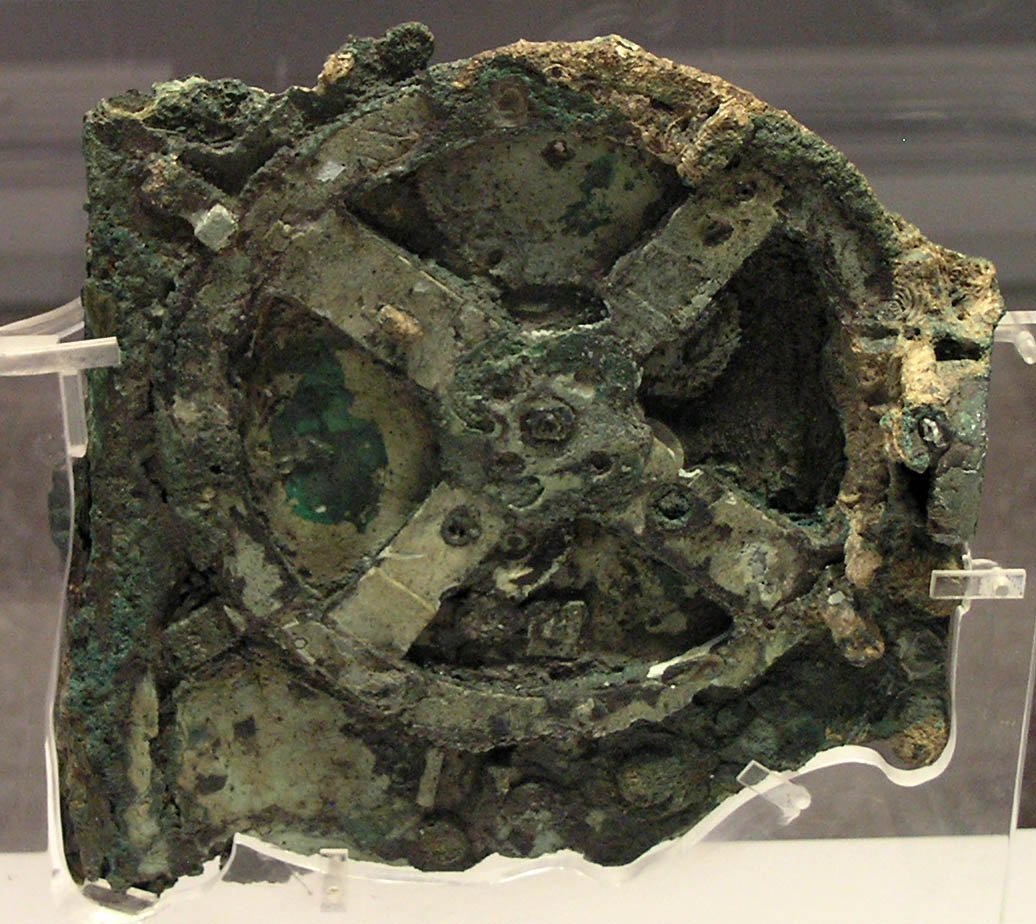
Fishermen salvaged the Antikythera Mechanism from a shipwreck off the Greek island of Antikythera in 1901, dating it to around 100 BC. This bronze geared device, about the size of a shoebox, featured at least 30 meshing wheels for predicting astronomical positions, eclipses, and Olympic cycles. X-rays in modern studies revealed its intricate differential gearing.[2]
It proved ancient Greeks possessed mechanical computing far beyond known levels, rivaling 18th-century clocks. The mechanism expanded views of Hellenistic science, suggesting lost knowledge in astronomy and engineering. Debates continue on its origins, possibly linked to Hipparchus, reshaping classical technology narratives.
Pompeii and Herculaneum
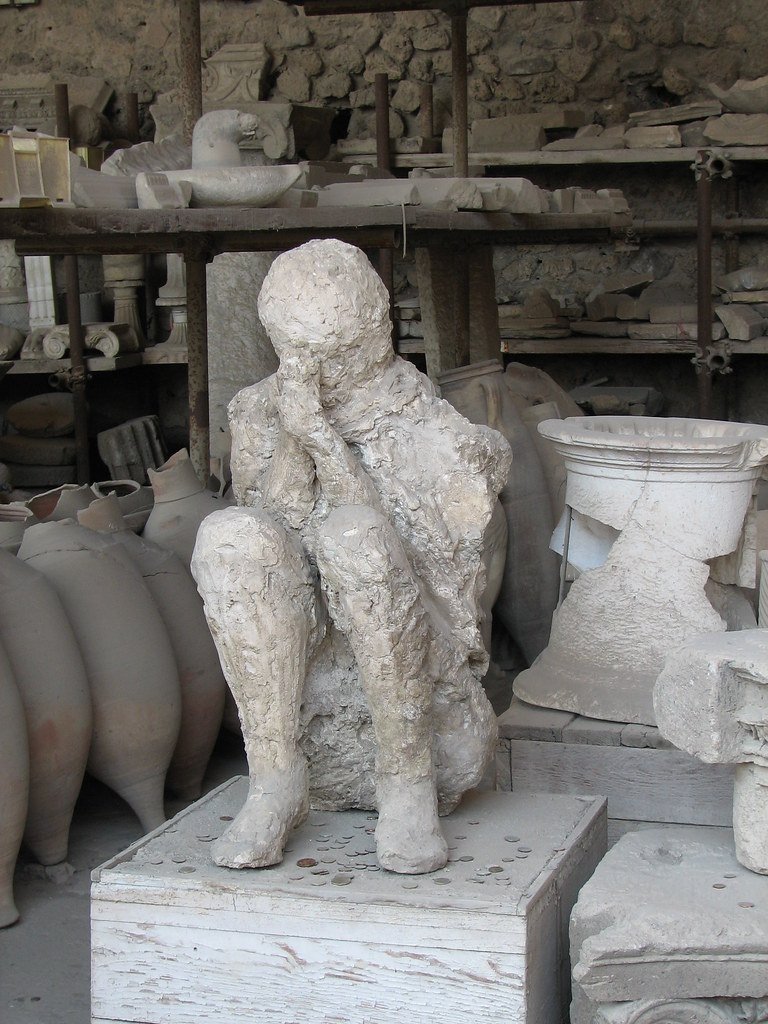
Mount Vesuvius erupted in AD 79, burying Pompeii and Herculaneum under ash and pumice, preserving them until systematic excavations began in the 1700s. Streets, homes, temples, brothels, and bakeries froze in time, with graffiti, frescoes, and carbonized food offering intimate details. Casts of victims captured final moments.[3]
These sites revealed everyday Roman life across classes, from enslaved people’s quarters to elite villas, including advanced plumbing and concrete. They corrected assumptions about urban decay, showing vibrant provincial culture. Insights into diet, religion, and disasters refined Roman history profoundly.
Conclusion
These discoveries highlight archaeology’s power to reshape narratives through concrete evidence. Each find peeled back layers of misconception, from illiterate ancients to sophisticated engineers.
History remains fluid, promising more revisions as tools like LiDAR and DNA analysis uncover hidden truths. What seems certain today may shift tomorrow, keeping the past vibrantly alive.[3]

Christian Wiedeck, all the way from Germany, loves music festivals, especially in the USA. His articles bring the excitement of these events to readers worldwide.
For any feedback please reach out to info@festivalinside.com
