
- 8 Gardening Hacks That Will Make Your Roses Bloom Like Never Before - August 11, 2026
- 8 Incredible Beaches Around the World You Won’t Believe Are Real - August 11, 2026
- 10 Classical Music Masterpieces That Will Transport You Through Time - August 11, 2026
In the 1960s and 1970s, music festivals emerged as gathering points for a generation wrestling with war, civil rights, and cultural upheaval. These events turned songs into shared anthems that captured the raw energy of the time.
Artists poured their souls into performances amid mud-soaked fields and electric crowds, forging a collective identity that challenged the status quo. That spirit lingers in the tracks that defined those moments.
Richie Havens’ “Freedom” at Woodstock
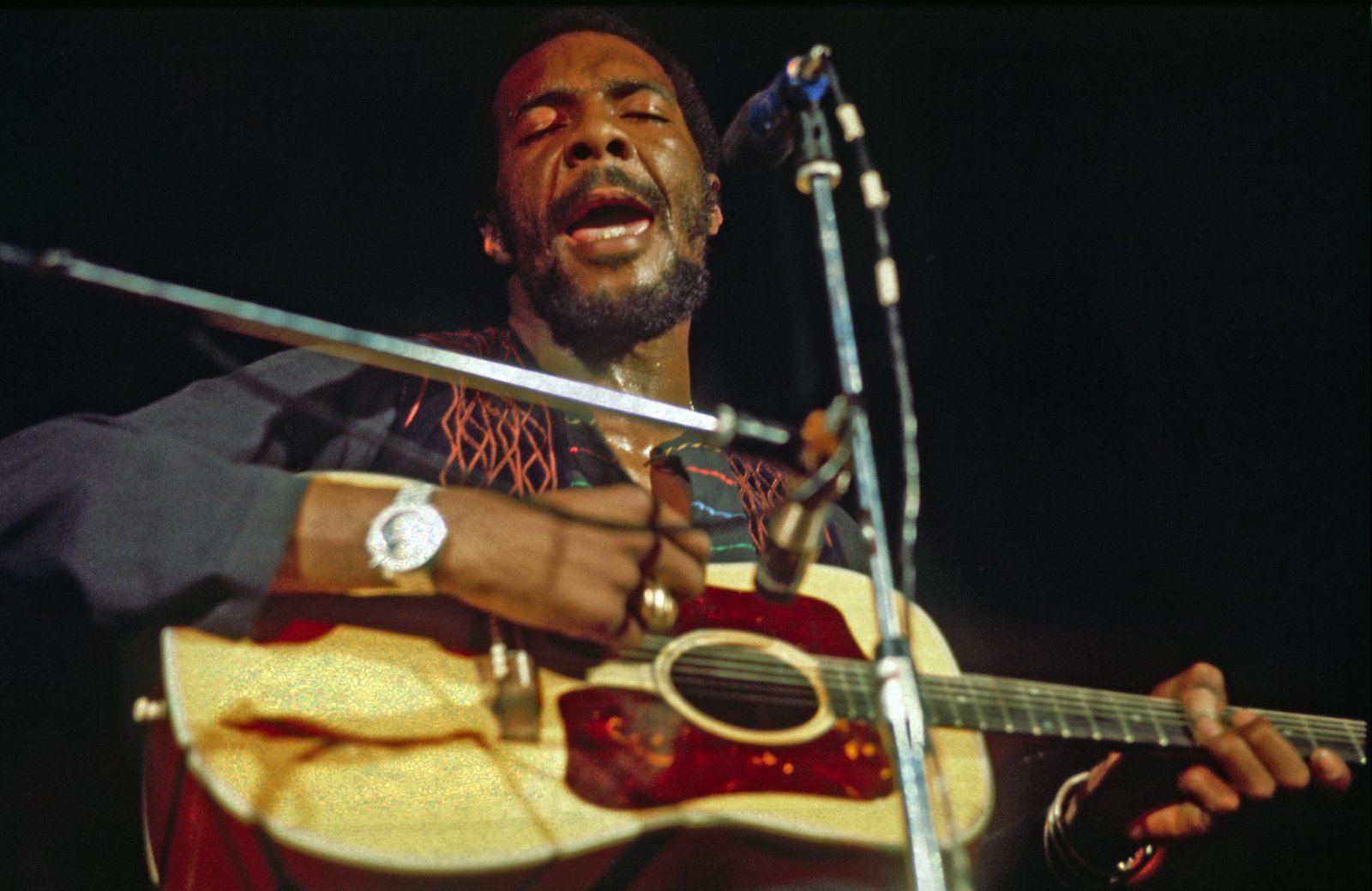
Richie Havens took the Woodstock stage on August 15, 1969, as the unplanned opener when traffic delays stranded other acts. He stretched his set for nearly three hours, improvising “Freedom” from the spiritual “Motherless Child” to rally the swelling crowd. The song’s urgent rhythm and plea for liberation matched the festival’s chaotic dawn.
This performance set Woodstock’s tone of resilience and unity. Today, “Freedom” echoes in covers by artists across genres and compilations marking counterculture milestones. It stands as a blueprint for festival openers, reminding listeners of music’s power to bridge uncertainty.
Its raw folk-blues vibe continues to inspire live sets at modern events. Havens’ exhausted yet defiant delivery captures a pivotal shift in youth culture.
Country Joe McDonald’s “I-Feel-Like-I’m-Fixin’-to-Die Rag” at Woodstock
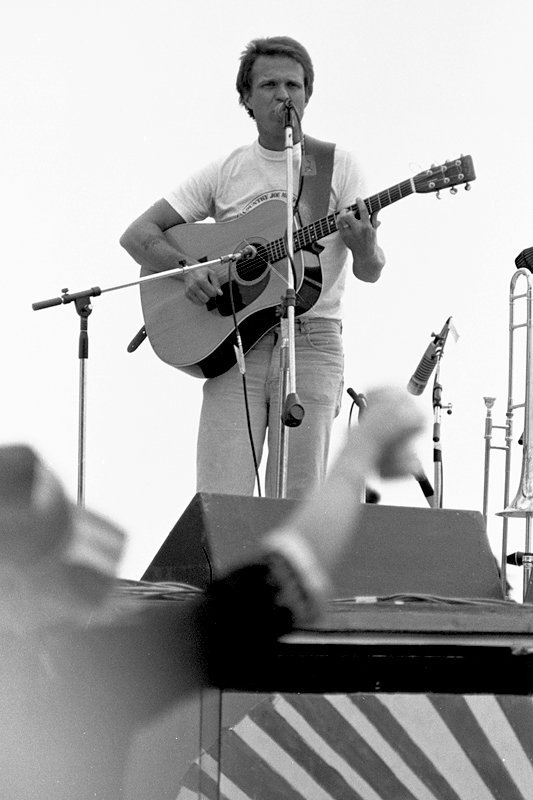
Country Joe and the Fish unleashed their anti-Vietnam War satire during Woodstock’s Saturday afternoon slot on August 16, 1969. The infamous “Fish Cheer” led into the chant-along chorus, with the crowd of hundreds of thousands roaring “Fuck!” in unison before the protest lyrics kicked in. McDonald later repeated it spontaneously, amplifying its rebellious punch.
The track crystallized the festival’s political undercurrent amid peace symbols and draft dodgers. Its legacy thrives in folk-punk revivals and history lessons on 1960s dissent. Decades later, it surfaces in anti-war playlists, proving satire’s staying power.
That call-and-response energy still fuels protest gatherings. McDonald’s grin amid the mayhem embodied the era’s mix of humor and fury.
Joe Cocker’s “With a Little Help from My Friends” at Woodstock
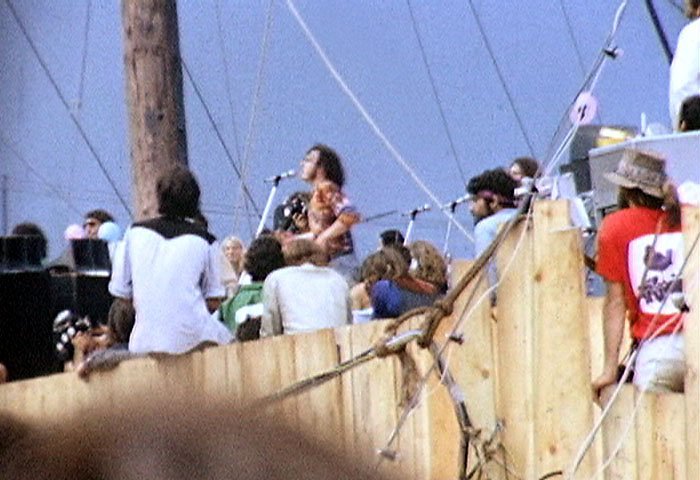
Joe Cocker delivered his gritty Beatles cover on Sunday, August 17, 1969, during a rain-soaked Woodstock afternoon. His spastic, soul-drenched interpretation, backed by a horn section, turned the lighthearted tune into a communal vow of solidarity. The crowd sang along, fists raised, as thunder rolled.
This version propelled Cocker to stardom and became Woodstock’s emotional core. It endures in TV themes, like The Wonder Years, and endless live tributes. Modern singers channel its vulnerability, keeping the message of friendship alive across generations.
Cocker’s physicality made it unforgettable. The performance bridged pop accessibility with raw emotion.
Its resonance shows how covers can redefine originals.
Santana’s “Soul Sacrifice” at Woodstock
Santana, relative unknowns, hit the Woodstock stage Saturday night, August 16, 1969, blending Latin rock with ferocious percussion. “Soul Sacrifice” unfolded as a 10-minute jam, drums pounding like a ritual heartbeat amid the festival’s peak frenzy. Carlos Santana’s searing guitar wailed over congas and timbales.
The set introduced fusion to mass audiences and launched the band’s career. Today, its percussive drive influences world music festivals and EDM builds. Santana’s Woodstock footage still captivates, symbolizing breakthrough moments.
The track’s improvisational fire mirrors the era’s experimental zeal. It remains a staple in Latin rock sets worldwide.
Jimi Hendrix’s “The Star-Spangled Banner” at Woodstock
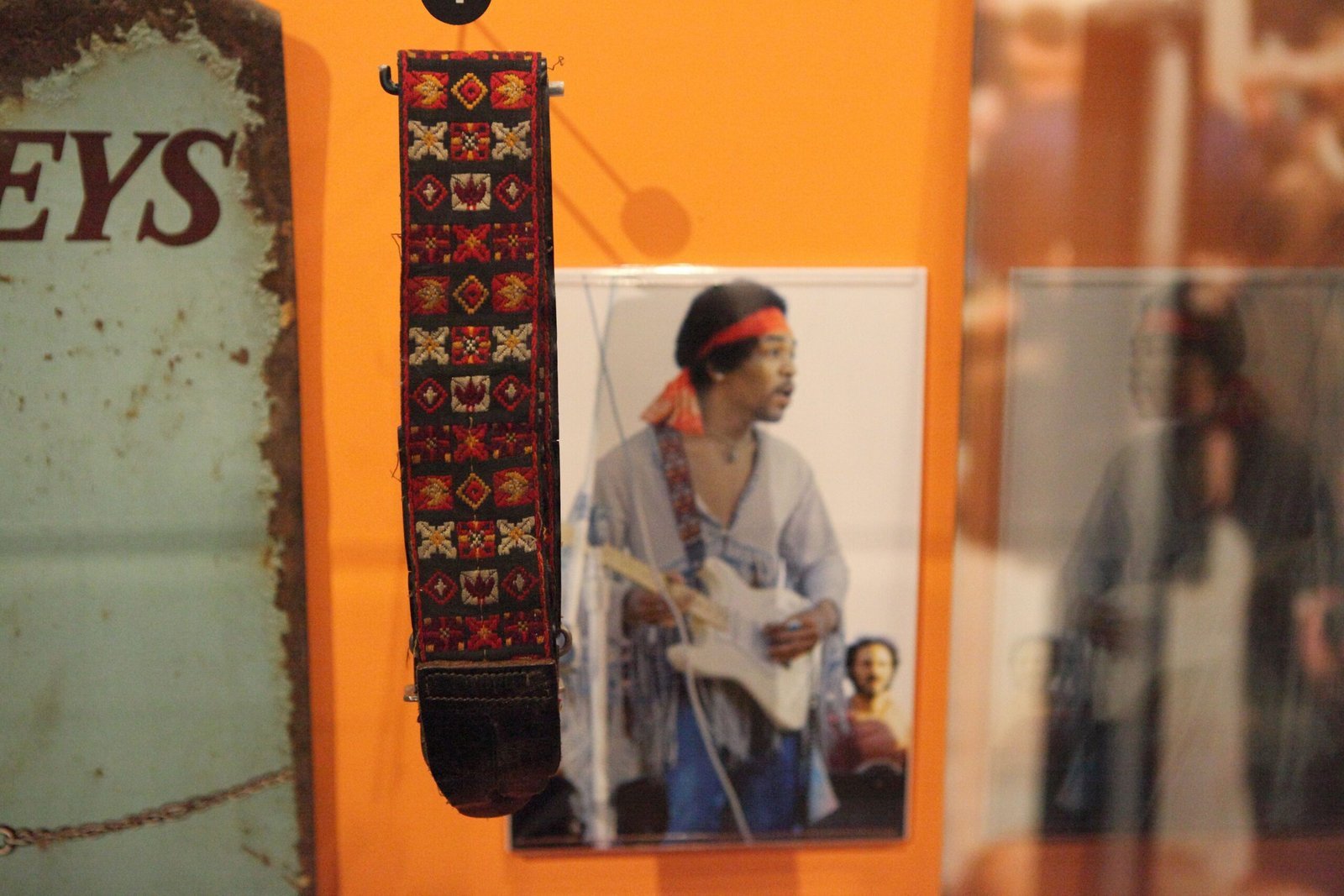
Jimi Hendrix closed Woodstock on Monday, August 18, 1969, before a thinned but devoted crowd. His electric reinvention of the national anthem twisted feedback and dive-bombs to evoke bombs and sirens, protesting the Vietnam War through sound. The performance stunned onlookers into silence then cheers.
This rendition redefined patriotism and guitar heroism. It appears in films, documentaries, and national debates on protest art. Hendrix’s vision continues to spark covers and analyses in music education.
Its visceral impact lingers in live recreations. Few moments so boldly fused symbol with subversion.
The anthem’s distortion captured a nation’s fracture.
Janis Joplin’s “Ball and Chain” at Monterey Pop
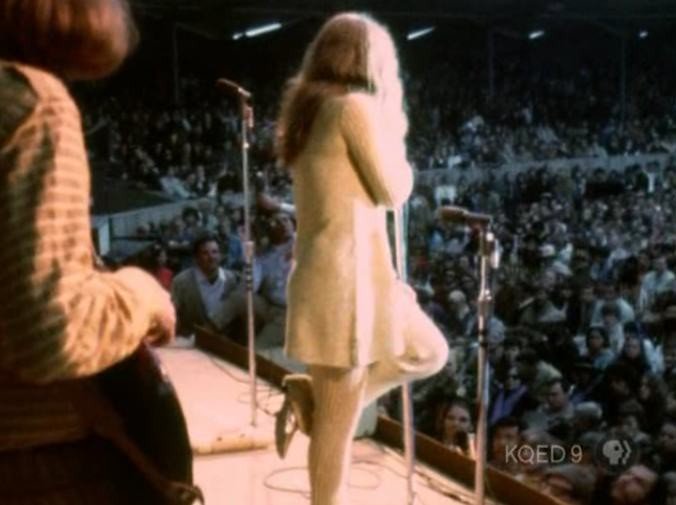
Janis Joplin with Big Brother and the Holding Company electrified the Monterey Pop Festival on June 17, 1967. Her raw, blues-shredding take on “Ball and Chain” built from a slow burn to wails that left the audience breathless. Otis Redding watched from backstage, reportedly moved to tears.
The set catapulted Joplin from obscurity to icon status. Its emotional torrent influences soul-rock singers today, from Adele to contemporary blues acts. Monterey footage keeps her intensity alive for new fans.
Joplin’s vulnerability amid power defined female expression in rock. The song’s ache resonates in heartbreak playlists.
The Who’s “My Generation” at Monterey Pop
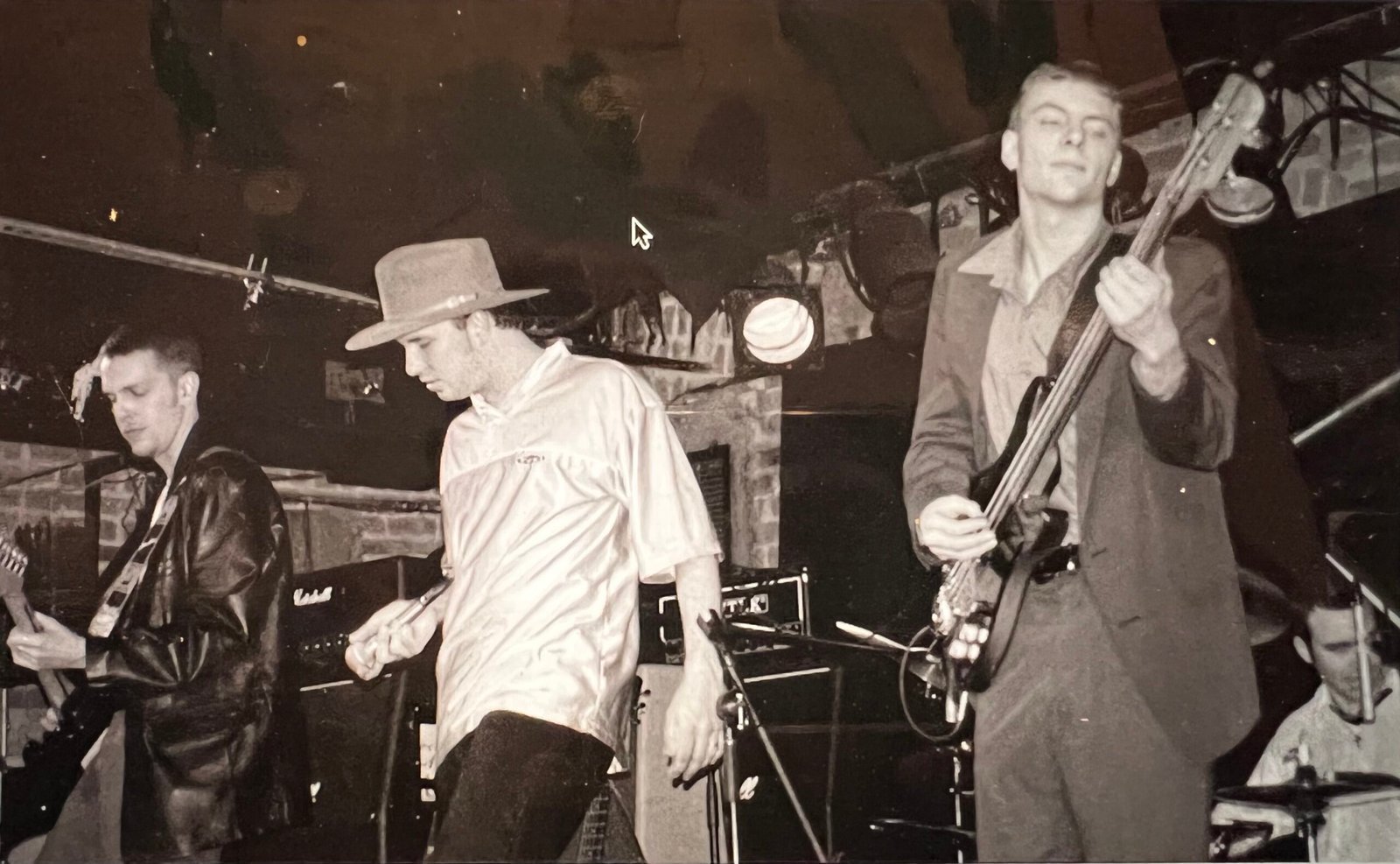
The Who smashed through their Monterey Pop closing set on June 18, 1967, culminating in “My Generation” with stuttering vocals and explosive destruction. Pete Townshend’s windmilled guitar and Keith Moon’s thunderous drums built to gear-smashing chaos. The finale saw amps toppled and cymbals shattered.
This performance cemented their mod rebellion worldwide. “My Generation” endures as a youth cry, sampled in hip-hop and blasted at stadiums. It symbolizes rock’s destructive creativity.
The Who’s fury contrasted the festival’s peace vibe perfectly. Its legacy fuels punk and hard rock alike.
Conclusion: Music as Generational Memory
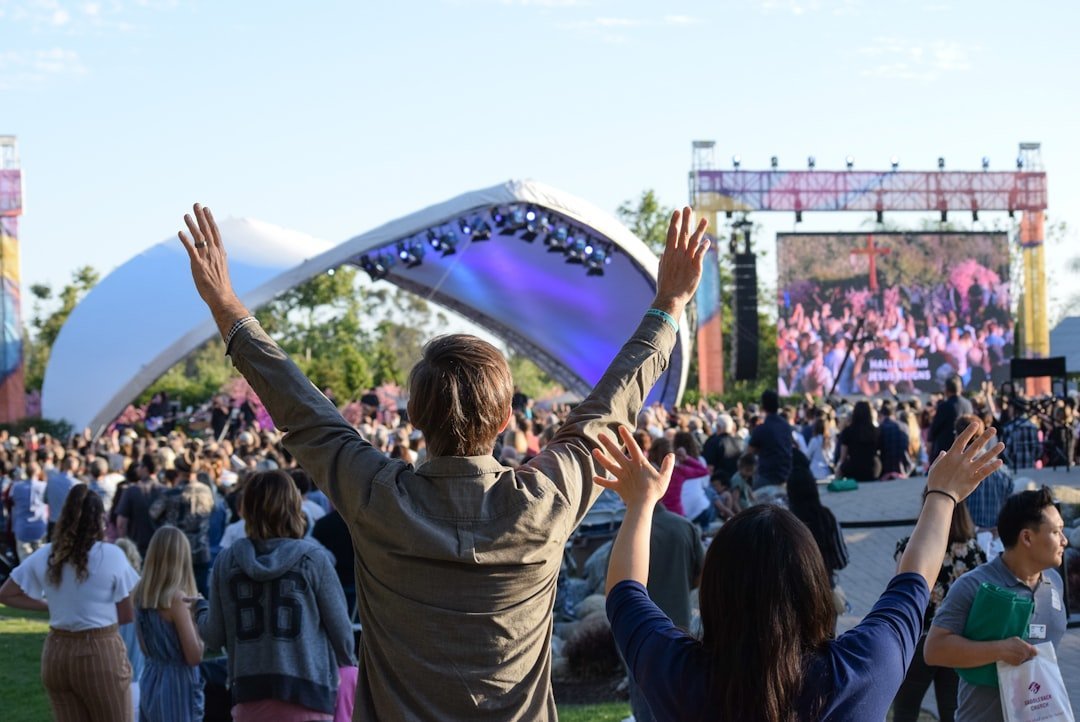
These anthems from 60s and 70s festivals wove themselves into the fabric of social change, turning personal songs into communal beacons. They remind us how live music forges bonds that outlast the events themselves.
In 2026, amid new upheavals, their echoes persist in playlists and revivals, preserving the thrill of those transformative gatherings. Music holds the past’s pulse, ready to inspire the next wave.

Besides founding Festivaltopia, Luca is the co founder of trib, an art and fashion collectiv you find on several regional events and online. Also he is part of the management board at HORiZONTE, a group travel provider in Germany.
