

For any feedback please reach out to info@festivalinside.com
- 12 Literary Feuds So Intense, They Changed the Course of Literature - August 11, 2026
- 10 Mysterious Disappearances of Famous Figures That Still Puzzle Experts - August 11, 2026
- 10 Foods We Thought Were American But Were Actually Invented Somewhere Else. - August 11, 2026
Many iconic US landmarks draw crowds for their surface-level fame. Yet lesser-known details often reveal layers of human struggle, innovation, and cultural fusion that turn a quick visit into a profound encounter.
These hidden narratives challenge simple histories. They invite travelers to see places not just as monuments, but as living records of overlooked lives and pivotal moments.[1][2]
Cahokia Mounds State Historic Site, Illinois
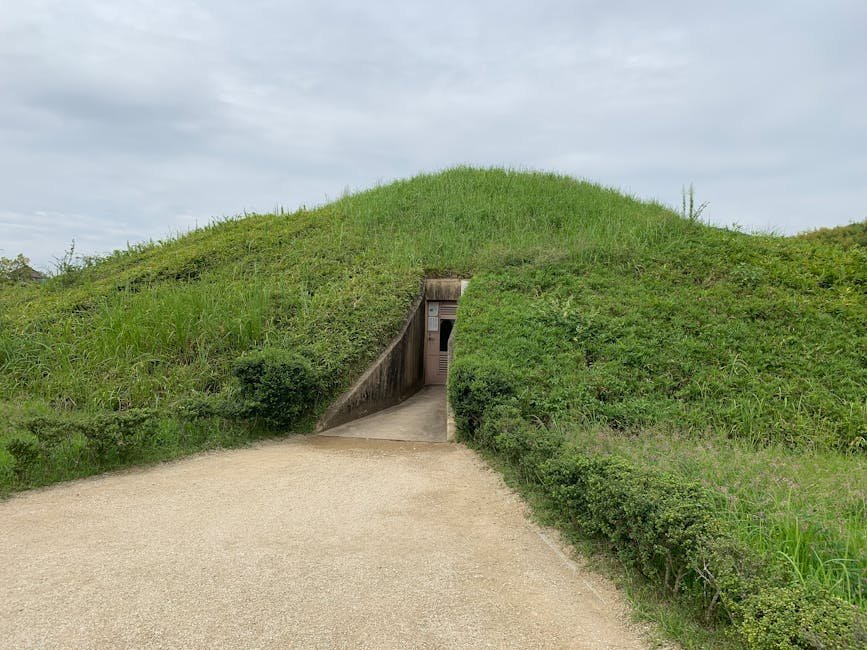
Cahokia Mounds served as the heart of the largest pre-Columbian city north of Mexico. From around 1050 to 1350, it housed tens of thousands in a bustling urban center complete with plazas, temples, and earthen mounds that rivaled contemporary European cities in scale. Monks Mound, the largest prehistoric earthwork in the Americas, stands as its centerpiece, built by hand with millions of baskets of soil.
Lesser-known is how Cahokia’s sophisticated society featured woodhenges for astronomical tracking and extensive trade networks spanning the continent. Its decline around 1400 remains a mystery, possibly tied to environmental shifts or social upheaval. Visitors today walk interpretive trails amid 70 surviving mounds, uncovering a Native American civilization that predates Columbus by centuries.[3][4]
Fort Mose Historic State Park, Florida
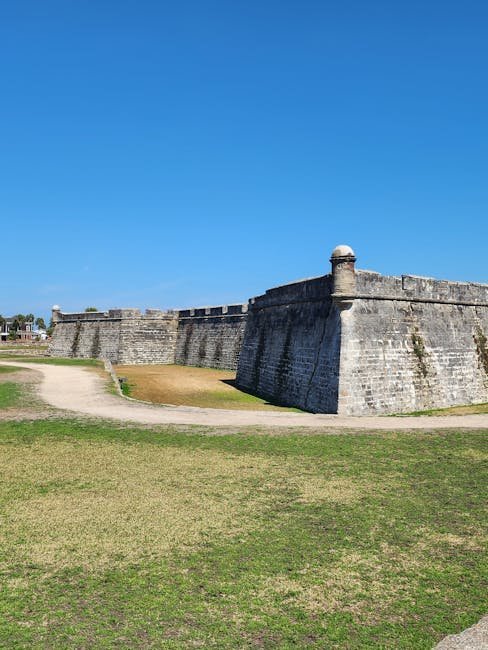
Established in 1738 near St. Augustine, Fort Mose became the first legally sanctioned free Black settlement in what would become the United States. Spanish colonial authorities offered freedom to escaped enslaved people from British colonies who pledged loyalty and converted to Catholicism. These settlers formed a fortified community that defended Florida’s northern border.
The untold story lies in their military role during conflicts like the War of Jenkins’ Ear, where they fought alongside Spanish forces against British invaders. Destroyed in 1740, the site was rebuilt but abandoned after the 1763 British takeover of Florida. Today, archaeological digs reveal tabby ruins and artifacts, highlighting early Black resistance and self-determination.[4]
Angel Island Immigration Station, California
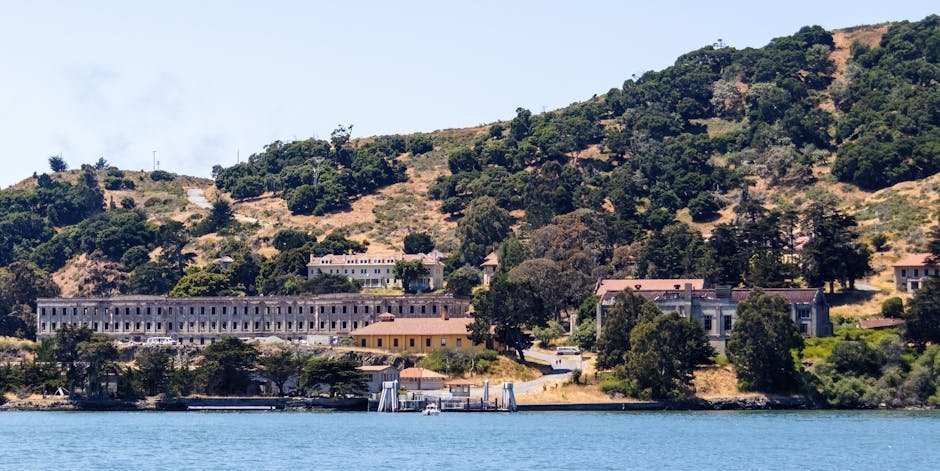
Operating from 1910 to 1940, Angel Island processed over a million immigrants, mostly from Asia, in San Francisco Bay. Unlike Ellis Island’s welcoming vibe, it enforced strict Chinese Exclusion Act quotas, detaining many for weeks or months in barracks. Officials scrutinized documents and interrogated applicants harshly.
Hidden narratives emerge from poetry etched into walls by detained Chinese immigrants, expressing despair, defiance, and dreams of America. These verses, now preserved, offer intimate glimpses into personal ordeals amid bureaucratic cruelty. Tours today include the immigration museum, where visitors read these poignant inscriptions firsthand.[2]
Manzanar National Historic Site, California
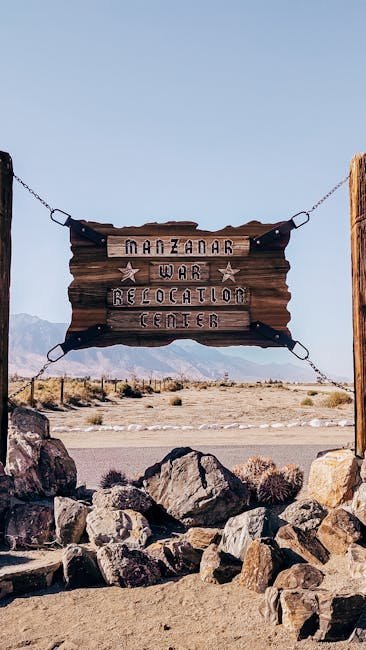
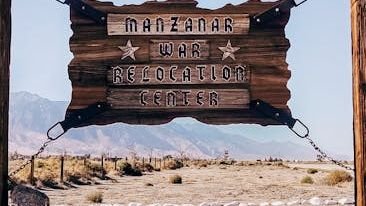
During World War II, Manzanar held over 10,000 Japanese Americans forcibly removed from the West Coast under Executive Order 9066. Barbed wire, guard towers, and dusty barracks defined daily life in this remote Owens Valley camp from 1942 to 1945. Families lost homes, businesses, and freedoms overnight.
Lesser-known resistance included a 1942 uprising met with military suppression, killing two and injuring others. Community efforts built schools, hospitals, and even a newspaper to maintain morale. The site now features restored barracks and exhibits on resilience, loyalty trials, and post-war reintegration struggles.[5]
Little Rock Central High School National Historic Site, Arkansas
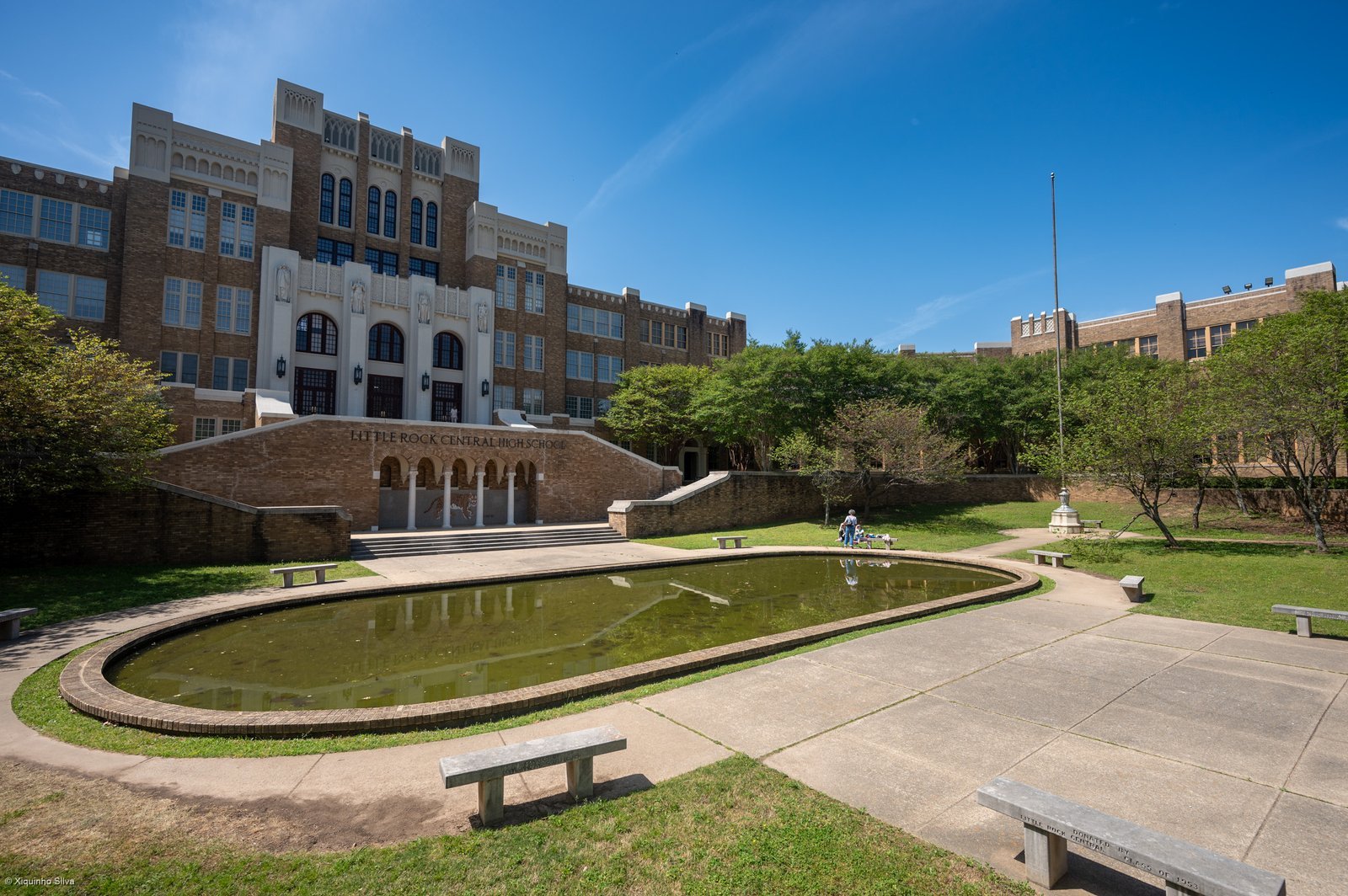
In 1957, Central High became ground zero for school desegregation when nine Black students attempted to enroll following the Brown v. Board decision. Governor Orval Faubus deployed the National Guard to block them, sparking a constitutional crisis. Federal troops eventually escorted the Little Rock Nine inside amid national scrutiny.
Beyond the headlines, the students faced daily harassment, physical attacks, and isolation for the school year. Their perseverance catalyzed federal enforcement of civil rights. The visitor center today offers oral histories and artifacts, revealing personal sacrifices in the fight for equal education.[5]
Golden Spike National Historical Park, Utah
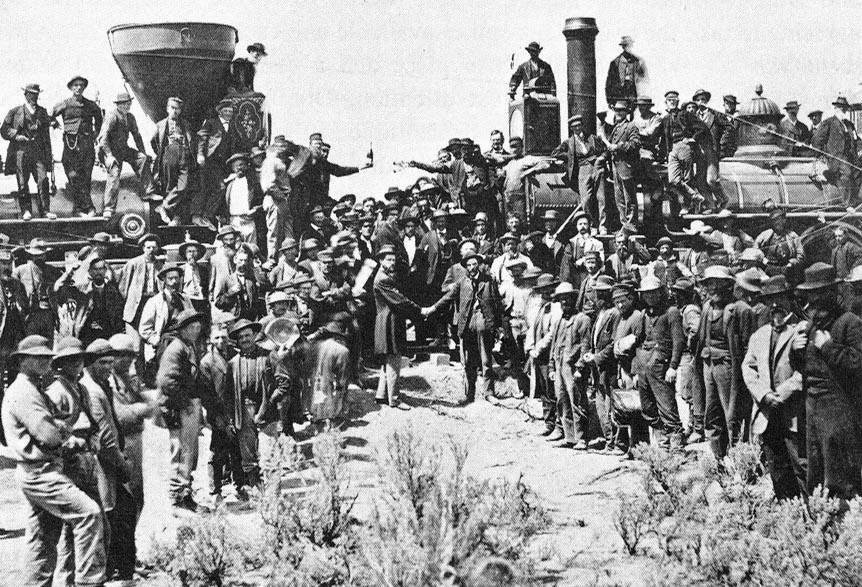
On May 10, 1869, the transcontinental railroad’s golden spike ceremony at Promontory Summit united East and West coasts. Chinese and Irish laborers endured brutal conditions to lay tracks across mountains and deserts. The event symbolized national expansion but glossed over worker hardships.
Untold are the predominantly immigrant crews’ stories – Chinese facing discrimination, Irish surviving avalanches. Reenactments feature replica locomotives, but exhibits highlight labor exploitation and the spike’s multiple versions. Trails lead to excavation sites, evoking the engineering feats and human cost.[2]
Fort Frederica National Monument, Georgia
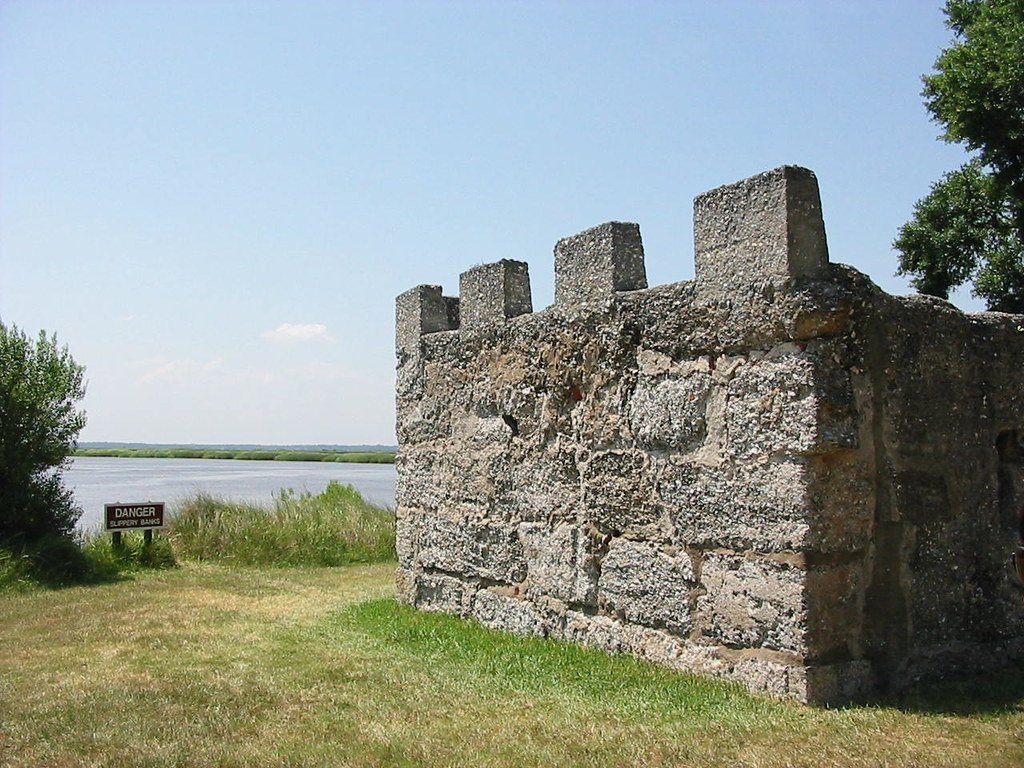
Built in the 1730s on St. Simons Island, Fort Frederica guarded British Georgia against Spanish Florida incursions. General James Oglethorpe established it as part of his utopian colony banning slavery initially. The town thrived with soldiers, civilians, and enslaved laborers.
A hidden chapter is the 1742 Battle of Bloody Marsh, where British forces decisively repelled Spanish invaders, securing the colony’s borders. The site declined after threats eased, abandoned by 1750s. Ruins, a museum, and grounds tours uncover daily colonial life and multicultural tensions.[2][4]
Touro Synagogue National Historic Site, Rhode Island
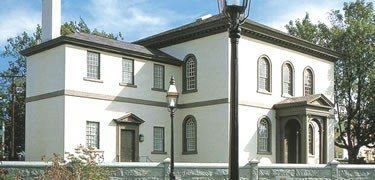
Completed in 1763 in Newport, Touro Synagogue stands as the oldest in the United States. Sephardic Jews fleeing Inquisition built it, designing an elegant interior with colonial symmetry. George Washington praised Rhode Island’s religious tolerance in a letter to the congregation.
Lesser-known is its role fostering early American pluralism amid anti-Semitism elsewhere. The adjacent Jewish cemetery holds centuries-old graves. Visitors explore the sanctuary and learn of congregants’ Revolutionary War contributions, from merchants to soldiers.[2][4]
San Miguel Mission, New Mexico
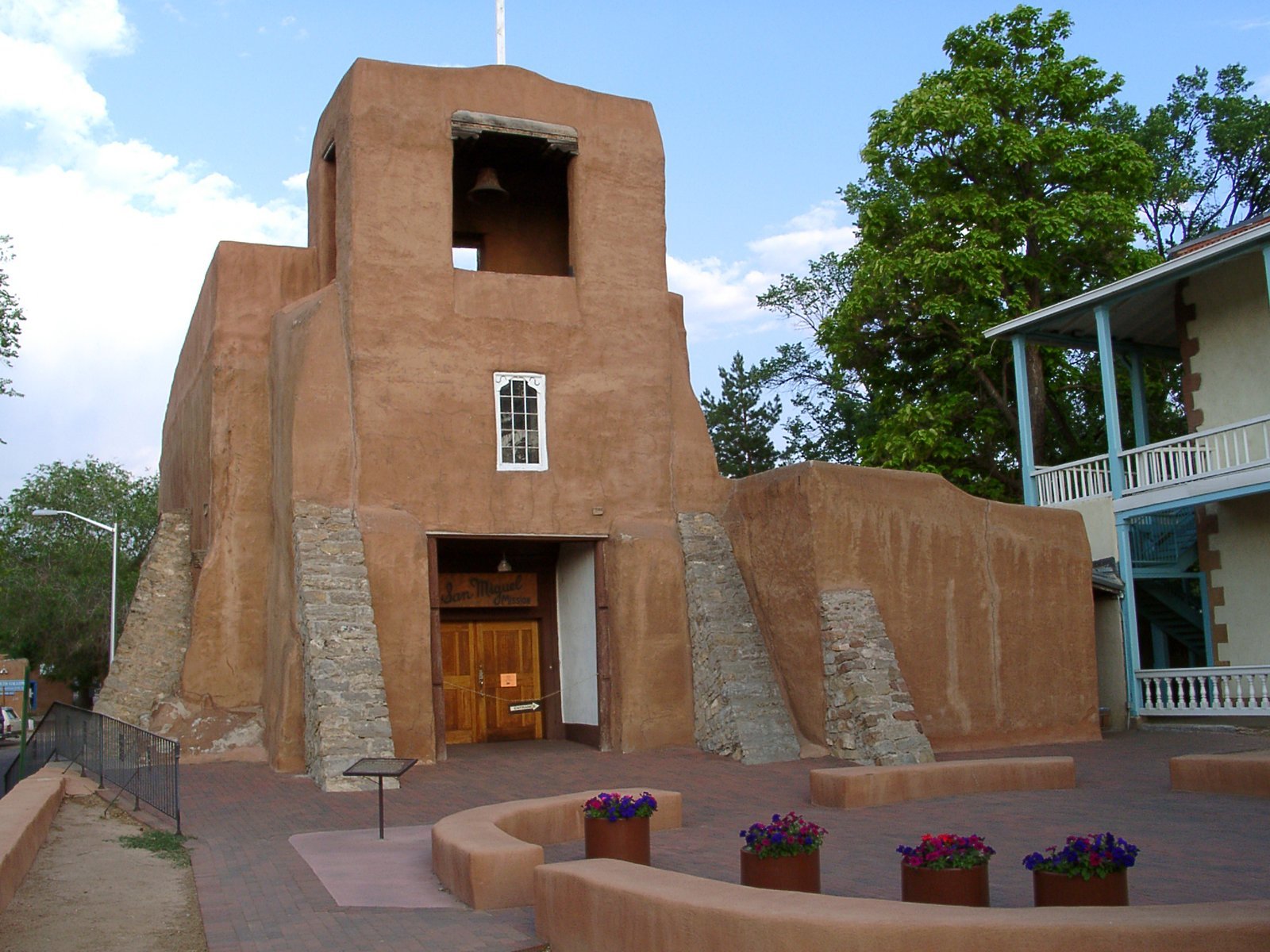
Dating to around 1610 in Santa Fe, San Miguel claims the title of oldest church structure in the US. Franciscan friars constructed it using adobe, serving Pueblo peoples under Spanish rule. It endured Pueblo Revolt destruction in 1680 before rebuilding.
Overlooked narratives include shared walls between church and Indigenous homes, symbolizing forced cultural blending. Thick adobe withstood centuries, including a 19th-century vigas roof replacement. The chapel hosts masses; visitors see original features and artifacts evoking colonial missions’ complexities.[4]
Maggie L. Walker National Historic Site, Virginia
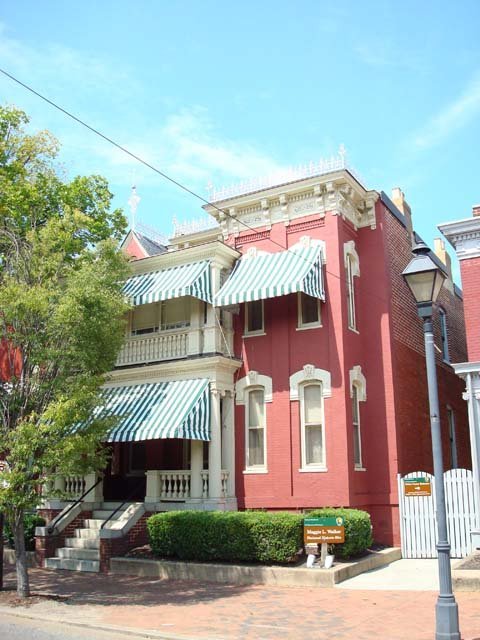
Maggie L. Walker chartered St. Luke Penny Savings Bank in 1903, becoming the first Black woman to lead a US financial institution. From her Richmond home-office, she headed the Independent Order of St. Luke, aiding Black economic empowerment. The site preserves her restored residence as left in 1934.
Her advocacy extended to disability rights and women’s suffrage within Black communities. Despite Jim Crow barriers, the bank thrived until the Depression. Tours detail her leadership and the mutual aid network’s impact on self-reliance.[1]
Fort Raleigh National Historic Site, North Carolina
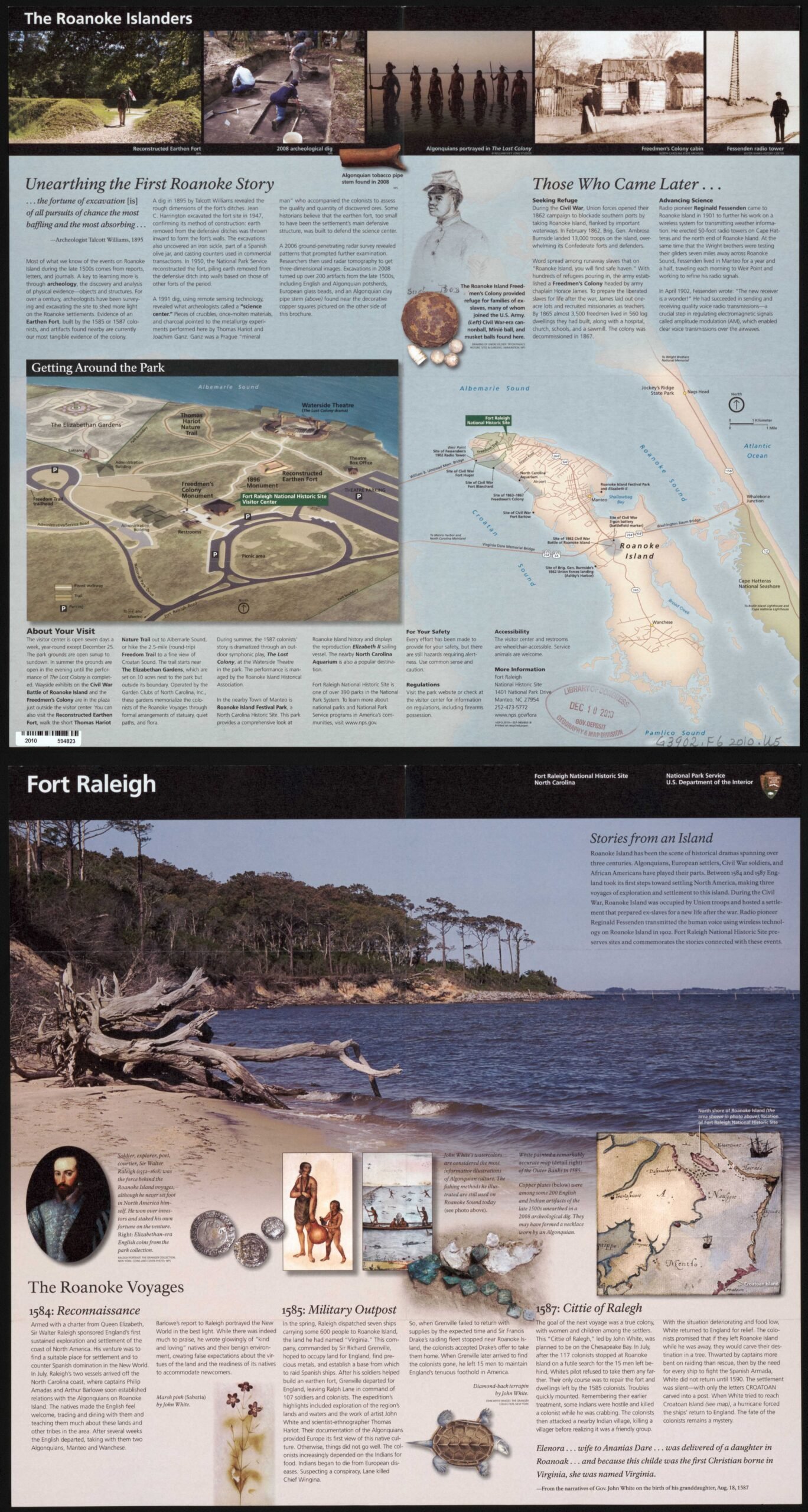
On Roanoke Island, Fort Raleigh marks the 1587 Lost Colony, England’s first attempt at permanent New World settlement. Over 100 colonists vanished by 1590, leaving “CROATOAN” carved on a post as the sole clue. Archaeological work uncovers fort remnants and artifacts.
During the Civil War, it hosted a Freedmen’s Colony for thousands of emancipated people. The mystery endures, with theories from assimilation to massacre. Evening plays recreate the drama; trails offer serene reflection on early exploration’s perils.[6]
Pullman National Historical Park, Illinois
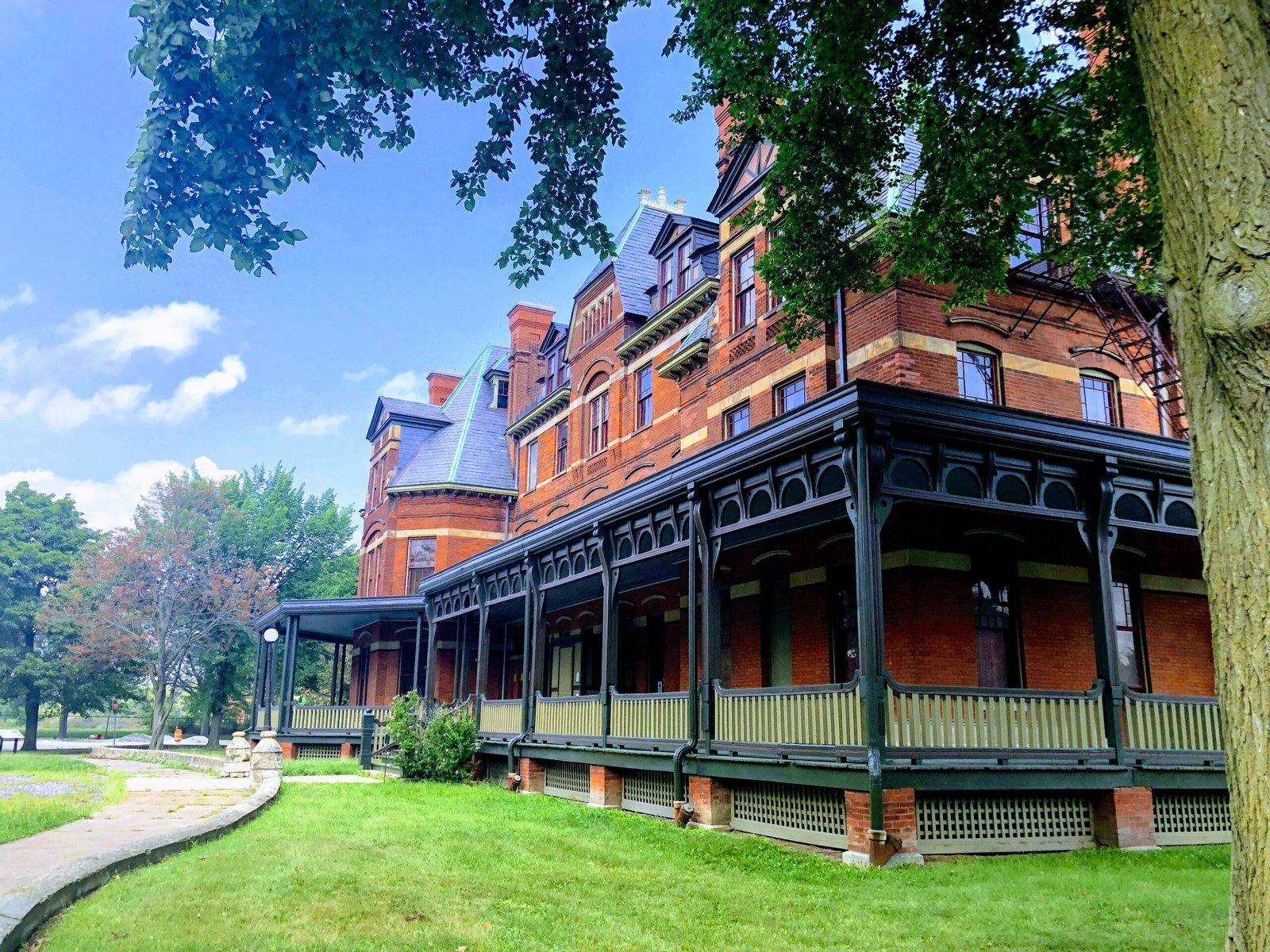
Founded in 1880s Chicago suburb, Pullman was America’s first planned industrial town by railcar magnate George Pullman. Company provided housing, schools, and churches to workers. Its orderly design influenced urban planning.
The 1894 Pullman Strike exposed paternalistic control, as wage cuts without rent relief sparked nationwide unrest. Federal troops intervened violently. Restored factories, homes, and the hotel reveal labor history’s tensions and model town’s legacy.[2]
Rediscovering History on the Road
Visiting these landmarks peels back official narratives to reveal resilient voices long sidelined. Each site, from earthen mounds to etched poems, connects past struggles to present understandings.
Travel becomes a quiet act of reclamation. In walking these grounds, we honor untold chapters that shaped the nation.

Christian Wiedeck, all the way from Germany, loves music festivals, especially in the USA. His articles bring the excitement of these events to readers worldwide.
For any feedback please reach out to info@festivalinside.com
