

Intellectual puzzles have woven themselves into the fabric of human thought for millennia. They compelled philosophers and mathematicians to question fundamental ideas about motion, truth, and identity, shaping entire fields like logic and calculus.
These enigmas, born from some of history’s keenest intellects, reveal how simple premises can unravel deep complexities. Their enduring grip stems from exposing cracks in our intuitive grasp of the world.
Zeno’s Achilles and the Tortoise

Zeno of Elea, a fifth-century BCE Greek philosopher and disciple of Parmenides, crafted this paradox to defend the idea that reality is unchanging and singular.[1][2] Picture swift Achilles racing a tortoise with a head start: by the time Achilles reaches the tortoise’s position, it has crept forward, leaving an infinite series of ever-smaller gaps to close. This suggests motion itself is impossible, as the chase demands completing endless tasks.
The paradox gripped thinkers for centuries, puzzling Aristotle and spurring the invention of calculus by Newton and Leibniz to resolve infinite series.[1] It forced a reevaluation of space, time, and continuity, influencing modern physics and philosophy. Even today, it underscores how infinity bends our everyday intuitions about distance and speed.
The Liar Paradox
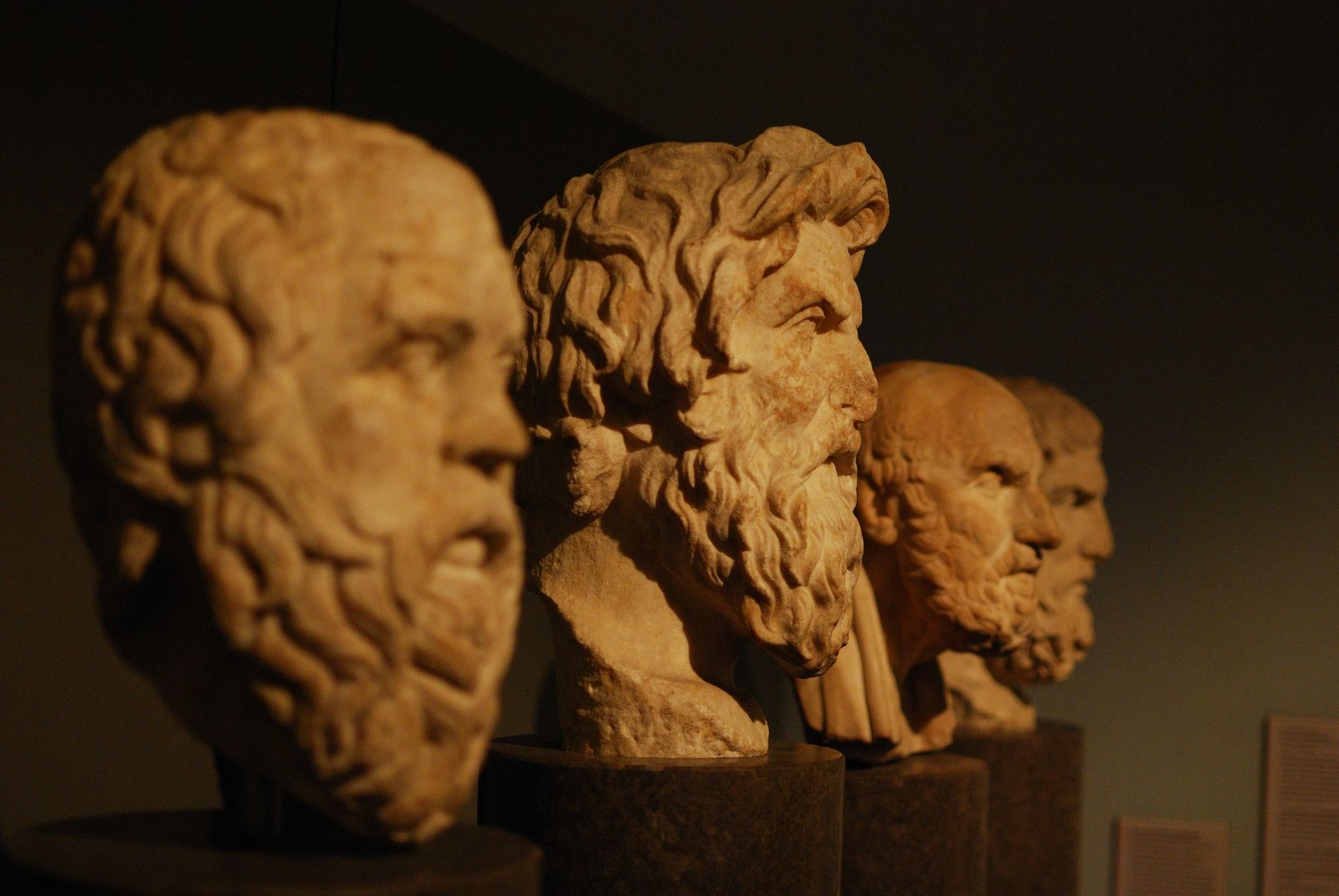
Epimenides, a sixth-century BCE Cretan poet and seer, inspired this classic with his claim that all Cretans are liars, creating a self-referential tangle since he was one himself.[3][4] Eubulides of Miletus sharpened it into “This sentence is false,” where assuming truth makes it false, and falsity makes it true – a loop with no escape. Variants like strengthened or multi-sentence forms amplify the contradiction.
This riddle bedeviled logicians from ancient Greece through medieval times, paving the way for Tarski’s language hierarchies and Gödel’s incompleteness theorems.[3] It exposed limits in formal systems, fueling debates on truth and self-reference. Philosophers still grapple with solutions like fuzzy logic or dialetheism.
The Sorites Paradox
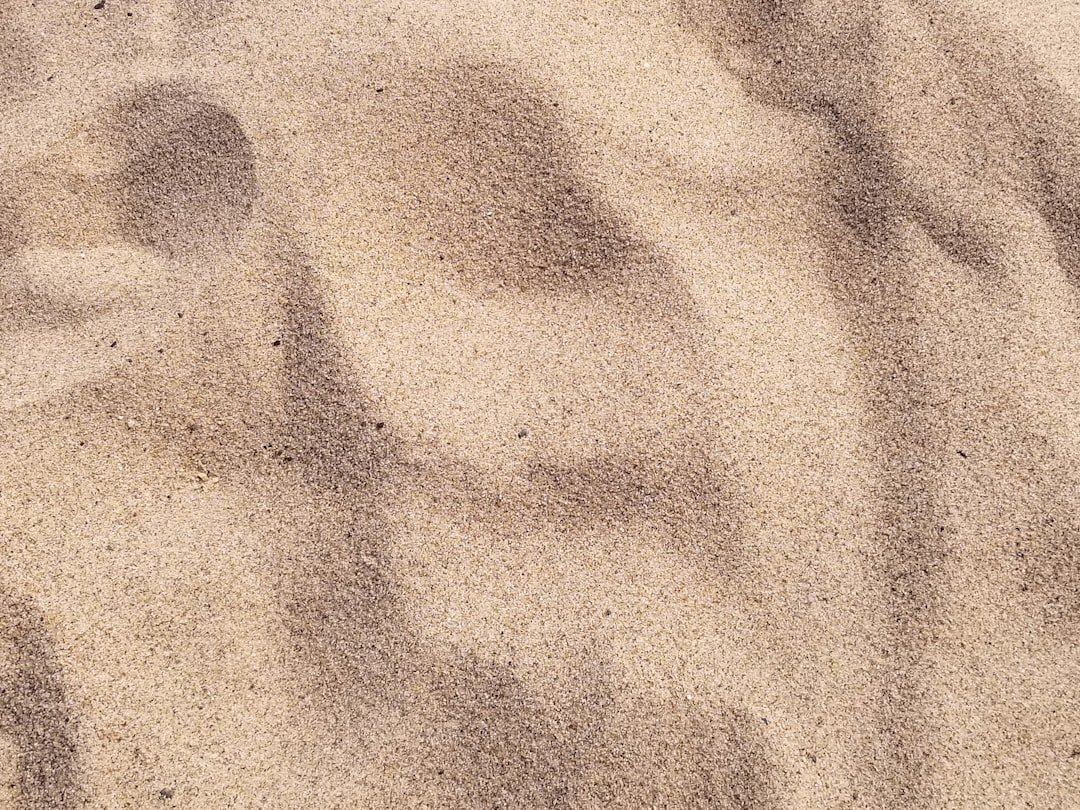
Eubulides of Miletus, a fourth-century BCE Megarian philosopher, devised the “heap” paradox to probe vague concepts.[5][4] Start with a heap of sand; remove one grain, and it’s still a heap. Repeat indefinitely, and a single grain absurdly qualifies as one. The chain relies on tolerance: tiny changes shouldn’t flip categories like “heap” or “bald.”
It challenged Aristotle and Bertrand Russell, highlighting vagueness in language and predicates.[5] Modern responses include epistemicism or supervaluationism, reshaping semantics and AI boundary detection. The paradox reminds us how precision falters at edges.
Buridan’s Ass
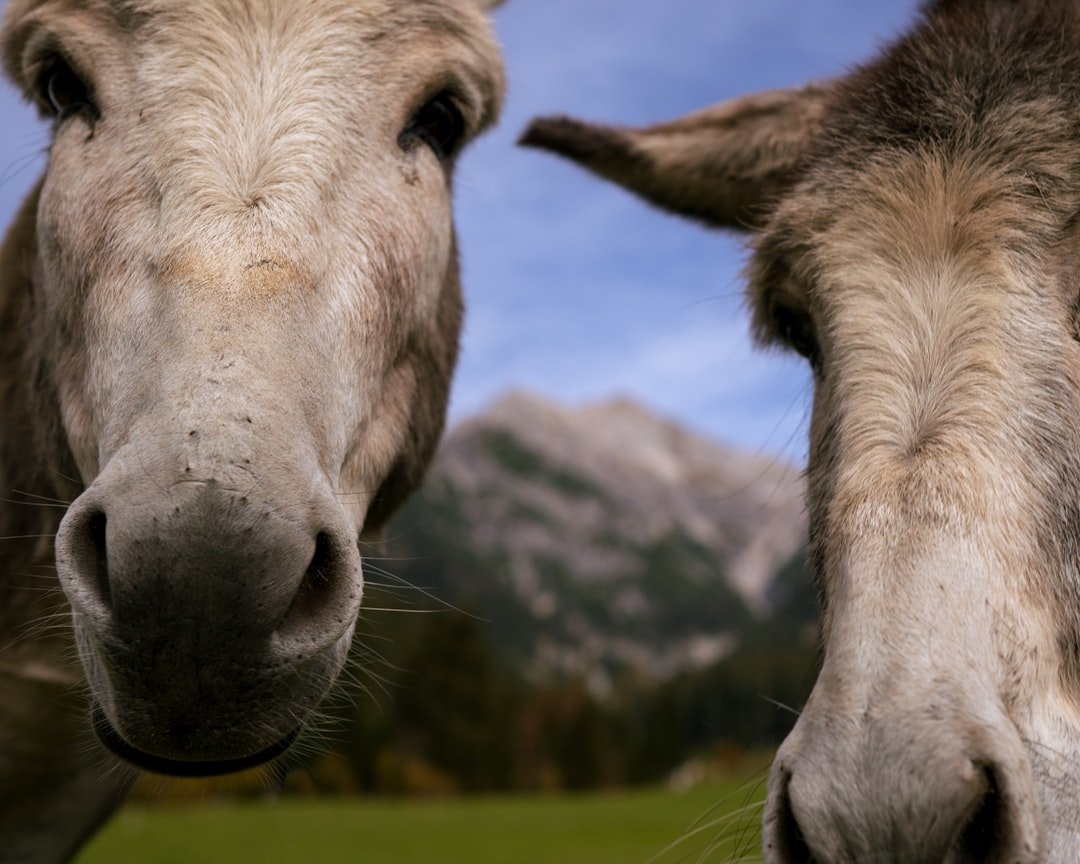
Jean Buridan, a fourteenth-century French philosopher, lent his name to this thought experiment critiquing rational choice, though it parodies his views on free will.[4] Imagine a donkey equidistant between two identical hay bales, facing perfect symmetry – no reason to pick one. Paralyzed by indecision, it starves despite plenty.
The scenario mocked the principle of sufficient reason, later dismissed by Leibniz as unrealistic.[4] It influenced decision theory and economics, probing symmetry in choices. Today, it echoes in game theory dilemmas like the prisoner’s bind.
Meno’s Paradox
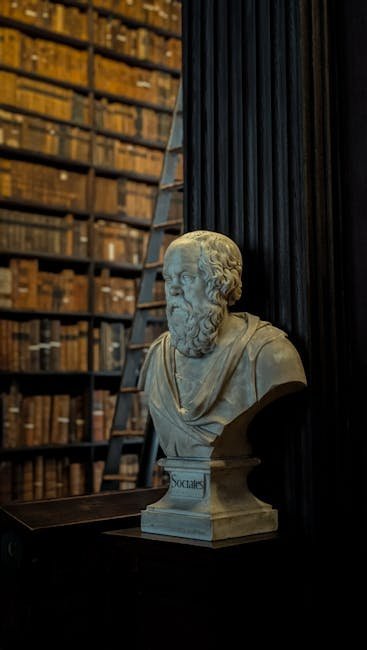
Plato presented this in his fourth-century BCE dialogue Meno, where Socrates debates knowledge with the title character.[4][2] How can one inquire into what they don’t know, without recognizing it when found? Prior knowledge seems required, yet that begs the question – suggesting learning is impossible.
Socrates counters with a geometry demo on a slave boy, proposing innate recollection from past lives.[4] Though rejected, it birthed epistemology debates and inspired Chomsky’s innate grammar. It shaped education philosophy, emphasizing latent understanding.
The Ship of Theseus
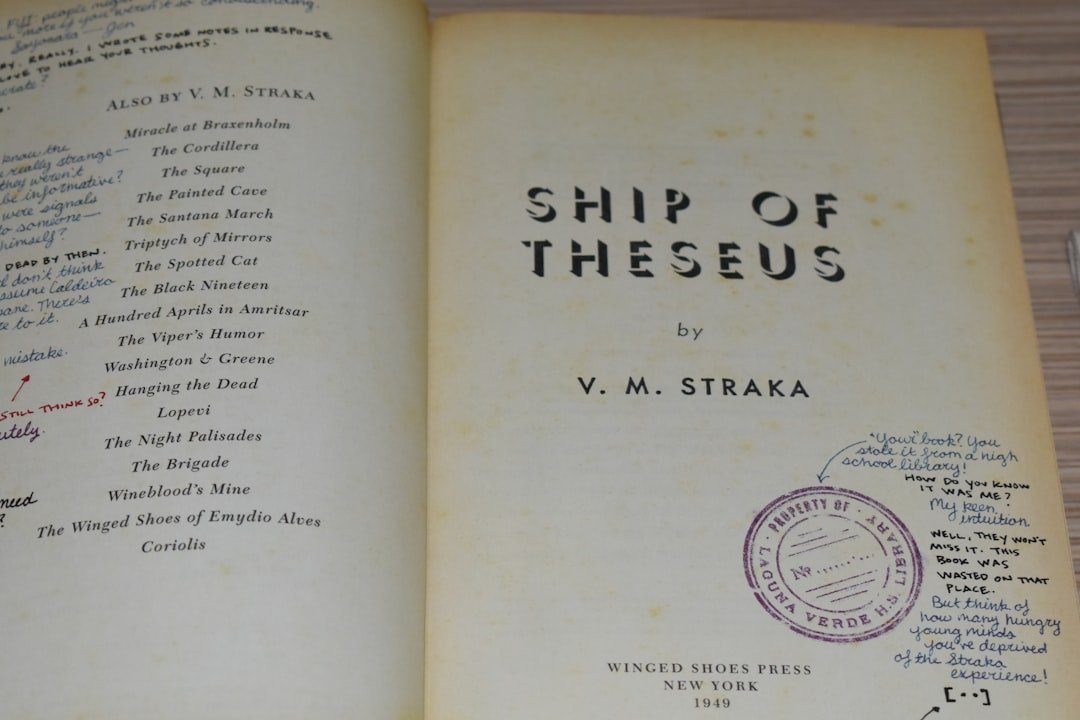
This ancient puzzle, linked to Heraclitus and elaborated by Plutarch, questions identity through gradual replacement, often tied to Plato’s discussions.[2] Theseus’s ship has every plank swapped over years for repairs. Does it remain the original, or become new? Reassemble old parts into a second ship – which is authentic?
It probed persistence and change, influencing metaphysics from antiquity onward.[2] Modern variants apply to humans’ cell turnover or AI upgrades. Philosophers like Hobbes weighed material continuity against form.
Russell’s Paradox
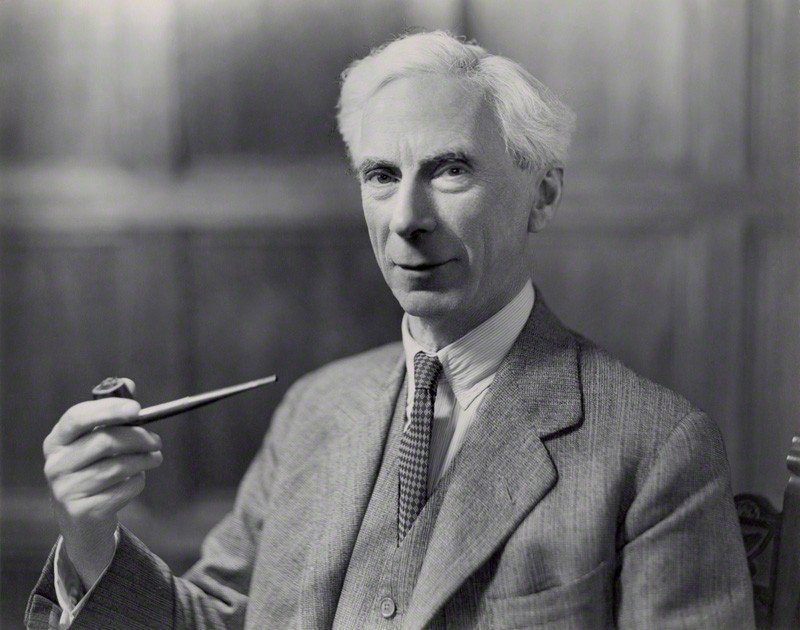
Bertrand Russell, early twentieth-century philosopher and mathematician, uncovered this in 1901 while probing set theory foundations.[2] Consider the set of all sets not containing themselves – does it contain itself? Yes leads to no; no leads to yes. A vicious self-reference.
His letter to Frege halted naive set theory, birthing axiomatic systems like ZFC.[2] It revolutionized math foundations, echoing in computer science type theory. Russell’s work clarified logic’s boundaries.
The Barber Paradox
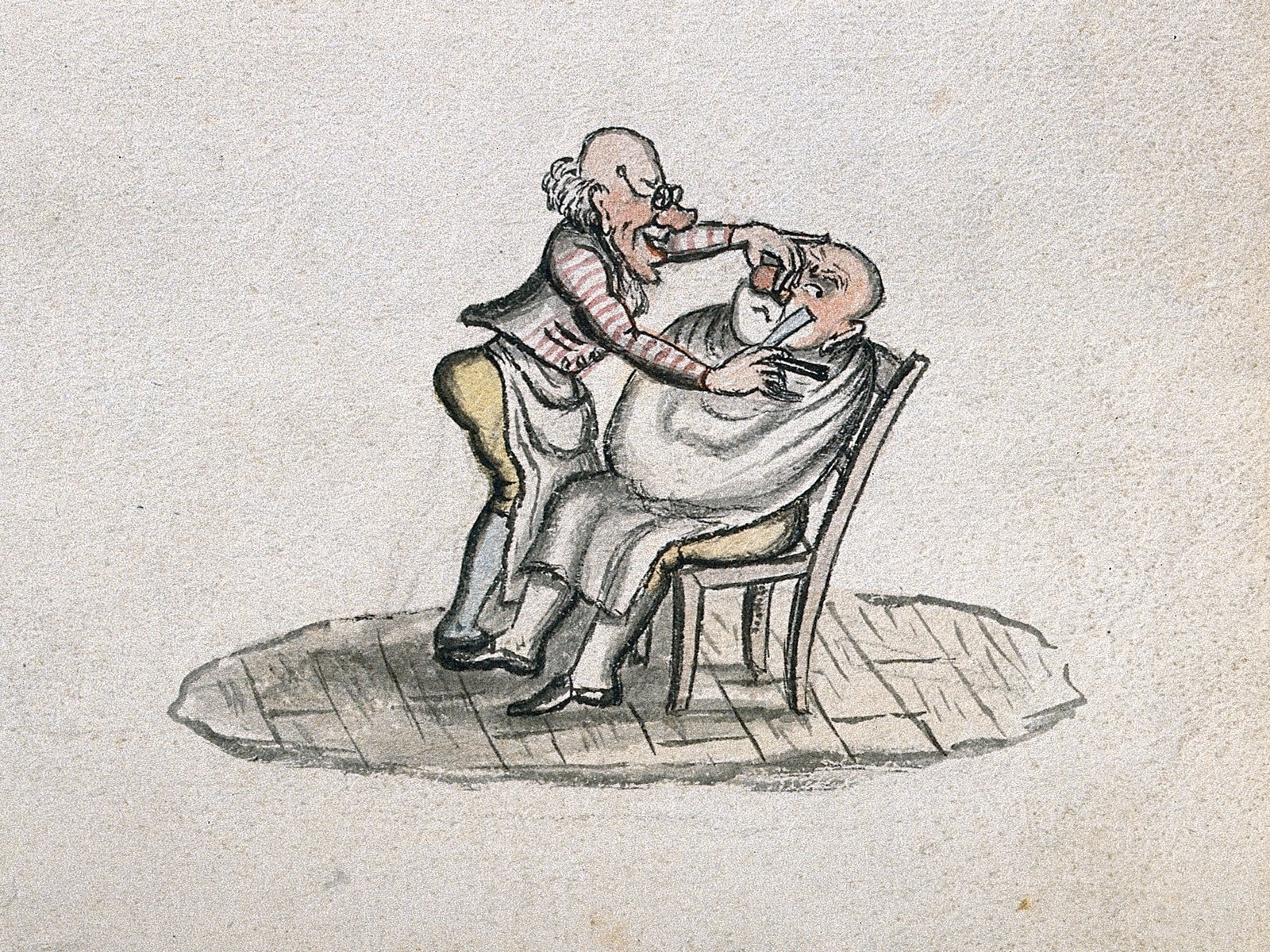
Russell popularized this 1918 variant to illustrate his set paradox accessibly.[2] In a village, a barber shaves men who don’t shave themselves – but no others. Does he shave himself? Affirmation denies it; denial requires he does.
It drove home self-reference dangers, reinforcing type theory needs.[2] Taught in logic classes, it demystified abstract math crises. Its simplicity masks profound impacts on formal systems.
Hilbert’s Paradox of the Grand Hotel
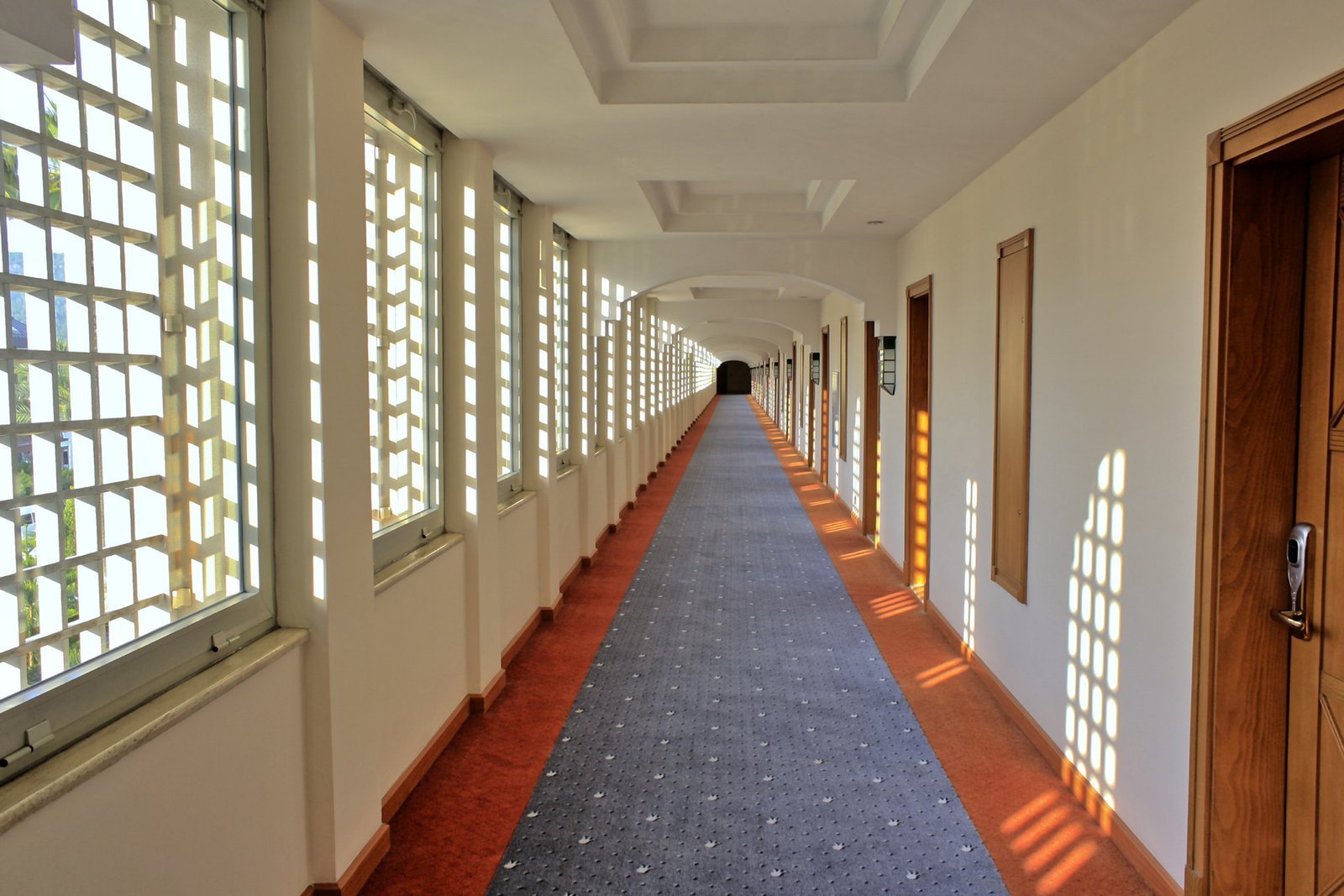
David Hilbert, pioneering twentieth-century mathematician, introduced this infinity teaser in the 1920s.[2] A hotel with infinite rooms, all full, accommodates a new guest by shifting everyone: room n to n+1. Infinite buses? Assign primes, powers. Counterintuitive accommodations abound.
It illuminated infinity’s quirks, distinguishing countable from uncountable.[2] Popularized set theory for lay audiences, influencing Cantor scholarship. Hilbert highlighted math’s weird wonders.
Galileo’s Paradox of the Squares
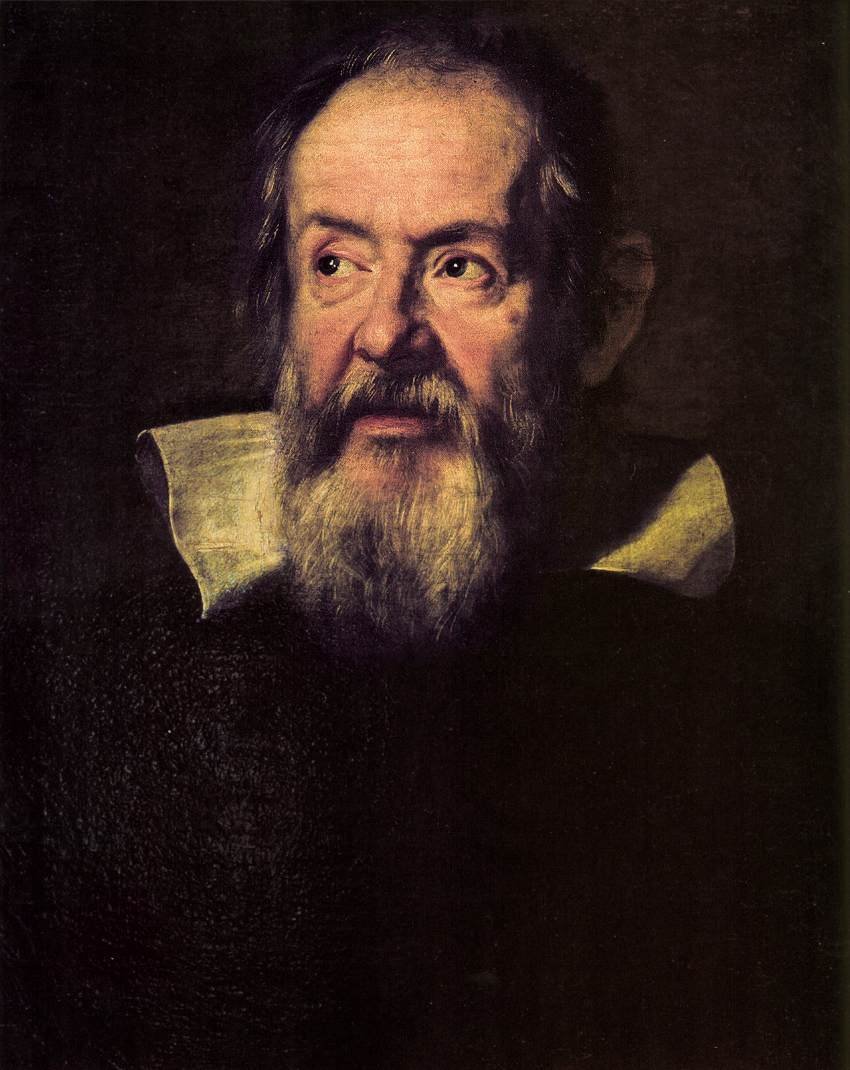
Galileo Galilei, seventeenth-century physicist and astronomer, noted this in his 1638 Two New Sciences.[6] Natural numbers pair one-to-one with their squares (1-1, 2-4, etc.), suggesting equal cardinality. Yet squares thin out, with gaps growing – fewer squares than numbers?
This early infinity clash prefigured Cantor, challenging finite intuitions extended infinitely.[6] It bridged physics and math, inspiring rigorous transfinite theory. Galileo’s insight endures in cardinalities.
Puzzles as Tools of Discovery

These riddles from Zeno to Russell didn’t just stump – they ignited progress. By cracking open flawed assumptions, they built sturdier logics and maths.
History shows puzzles thrive as catalysts, turning confusion into clarity. Their legacy invites us to question boldly, knowing answers often hide in the bend.


