

- 8 Gardening Hacks That Will Make Your Roses Bloom Like Never Before - August 11, 2026
- 8 Incredible Beaches Around the World You Won’t Believe Are Real - August 11, 2026
- 10 Classical Music Masterpieces That Will Transport You Through Time - August 11, 2026
Road travel emerged as a powerful emblem of American independence in the early twentieth century. Affordable automobiles put the open highway within reach of ordinary families, turning distant horizons into weekend escapes. Routes like the Lincoln Highway paved the way, but it was the interwar era that truly ignited the romance, with motels, diners, and gas stations sprouting along new paths.
By mid-century, post-war prosperity fueled a migration westward, especially along celebrated corridors that symbolized reinvention and escape. Dust Bowl migrants, Beat poets, and vacationing families all etched stories into the asphalt. These drives wove exploration into the national fabric, blending rugged individualism with communal pit stops.[1][2]
1. Historic Route 66: Chicago to Santa Monica
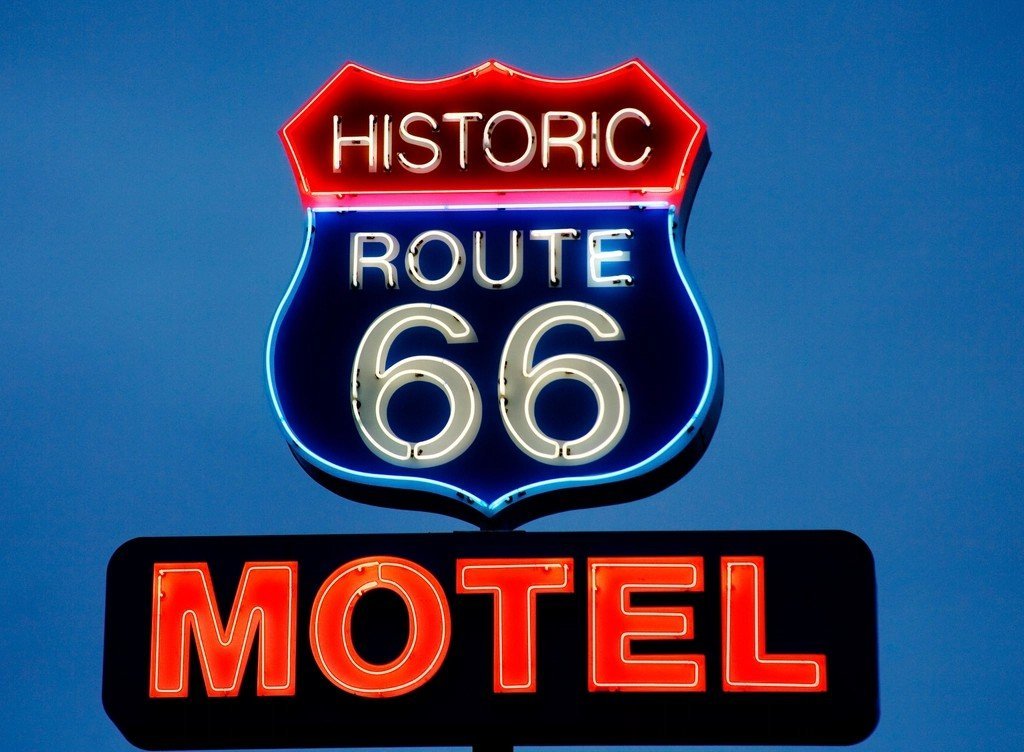
Stretching roughly 2,500 miles from Illinois to California, Route 66 cuts through prairies, deserts, and mountains.[3] Opened in 1926, it served as the main artery for Dust Bowl families heading west during the Great Depression. Neon-lit towns and quirky roadside attractions dot the path, evoking a bygone era of adventure.
Cultural touchstones abound, from classic diners serving pie to vintage service stations. Travelers encounter murals, museums, and annual festivals celebrating the “Mother Road.” The route fosters a sense of nostalgia, connecting generations through shared stories of resilience.[4]
2. Pacific Coast Highway: San Francisco to Los Angeles
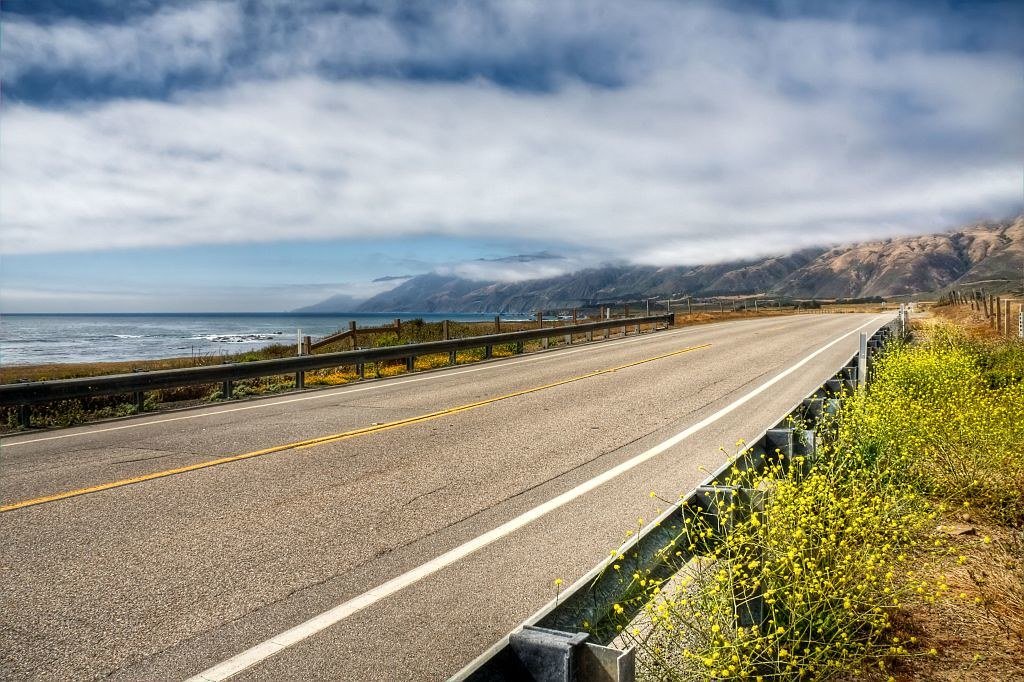
California’s Highway 1 hugs sheer cliffs above the Pacific, offering sweeping ocean vistas and redwood groves. The winding road passes landmarks like the Bixby Creek Bridge and Hearst Castle. Dramatic fog rolls in, adding mystery to the coastal scenery.
Historically, it symbolized Hollywood glamour and post-war leisure drives. Surfers, artists, and celebrities shaped its vibe in beach towns like Big Sur. Stop for fresh seafood or whale watching, immersing in a laid-back California culture that prizes the journey.[2]
3. Blue Ridge Parkway: Virginia to North Carolina
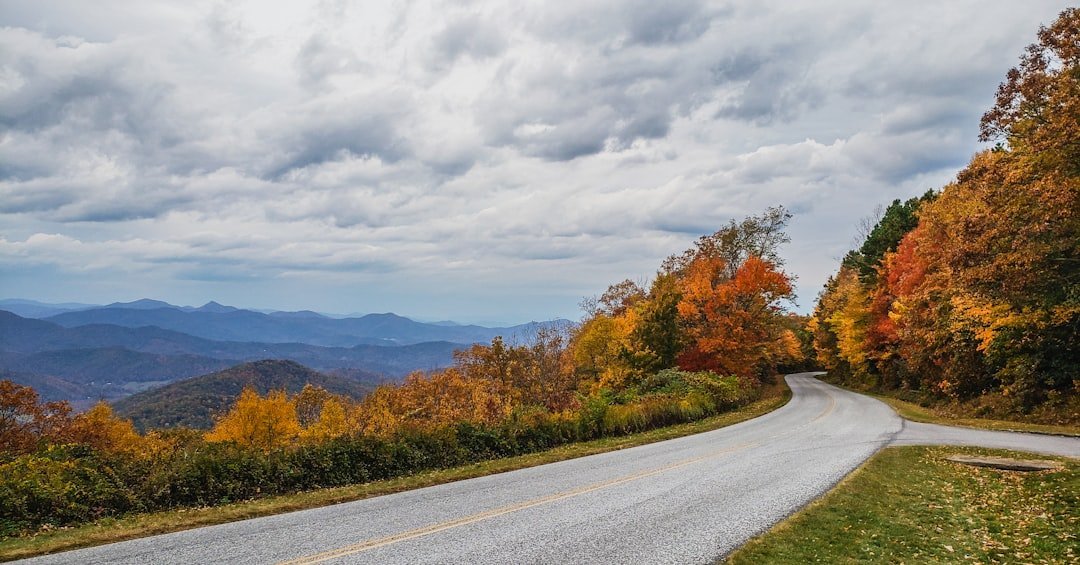
This 469-mile ribbon winds through Appalachian peaks, with overlooks revealing misty valleys and wildflower meadows.[5] Built during the New Deal era, it provided jobs and preserved natural beauty amid economic hardship. Fall foliage transforms the drive into a kaleidoscope of color.
Folk music heritage thrives in mountain communities along the way. Hikers access trails to waterfalls and historic cabins. The slow pace encourages reflection, mirroring the region’s timeless Appalachian spirit.[6]
4. Overseas Highway: Miami to Key West
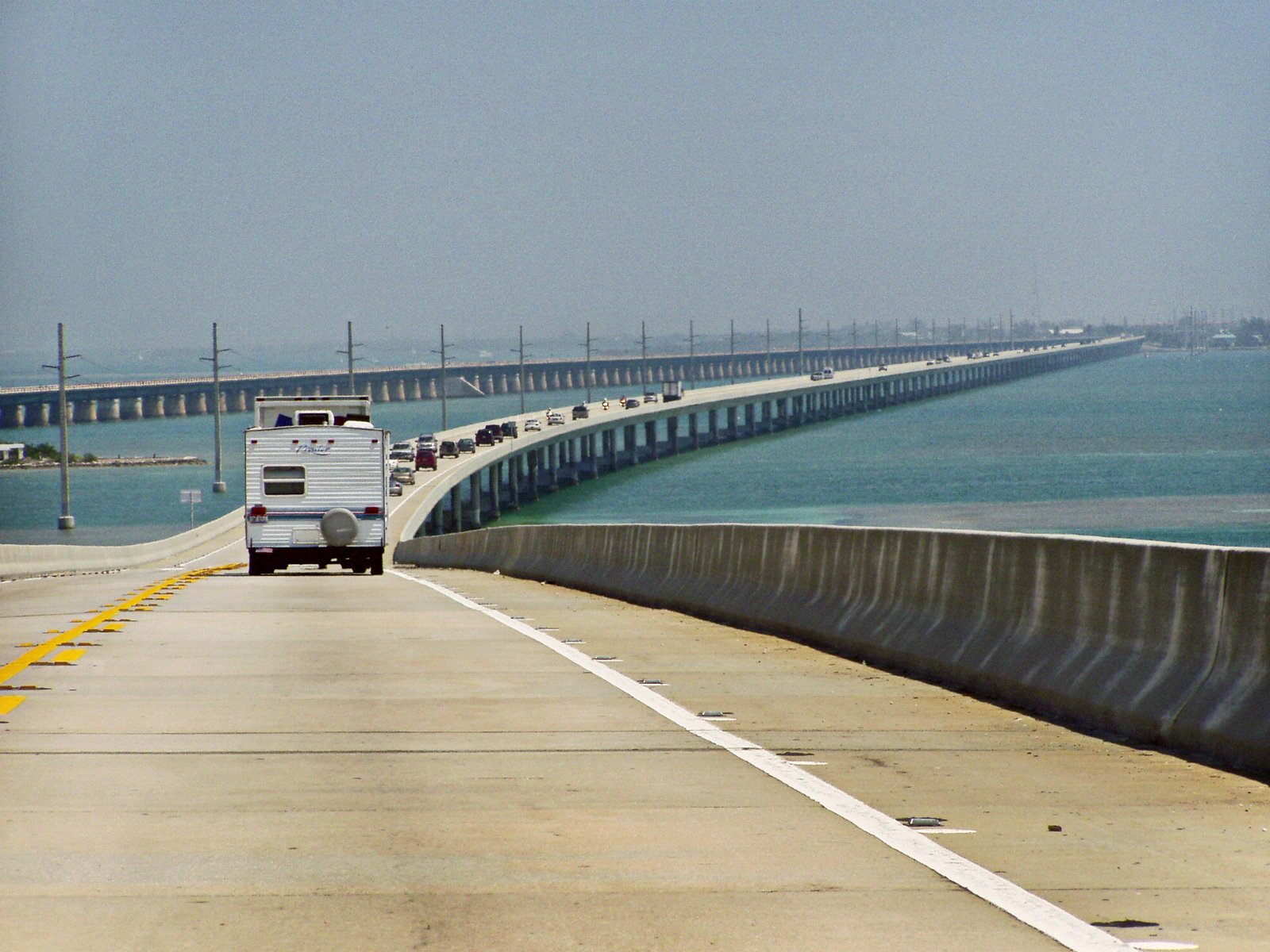
Linking the Florida mainland to the Keys via 42 bridges, this 127-mile route spans turquoise waters and coral reefs. The Seven Mile Bridge stands as an engineering feat rebuilt after a 1935 hurricane. Tropical breezes carry scents of salt and hibiscus.
Once a railroad turned highway, it opened the islands to tourism in the 1930s. Key West pulses with Hemingway-era bars and conch fritter shacks. Sunset celebrations at Mallory Square capture the carefree island lifestyle.[3]
5. Natchez Trace Parkway: Natchez to Nashville
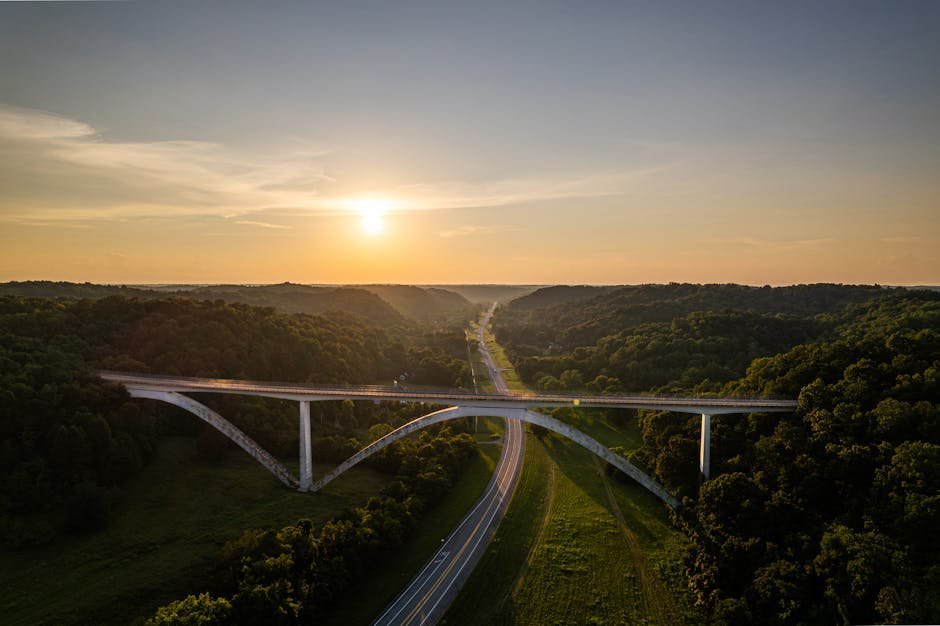
Tracing an ancient Native American path through hardwood forests and swamps, the 444-mile parkway avoids modern traffic. Sunken traces reveal centuries of foot travel by traders and settlers. Cypress knees rise from still bayous along the route.
Dating to the early 1800s, it facilitated commerce and migration post-Revolution. Emerald Mound, a massive ceremonial site, hints at pre-colonial history. Picnic spots and inns evoke pioneer hospitality in Southern towns.
6. Great River Road: Minnesota to Gulf of Mexico
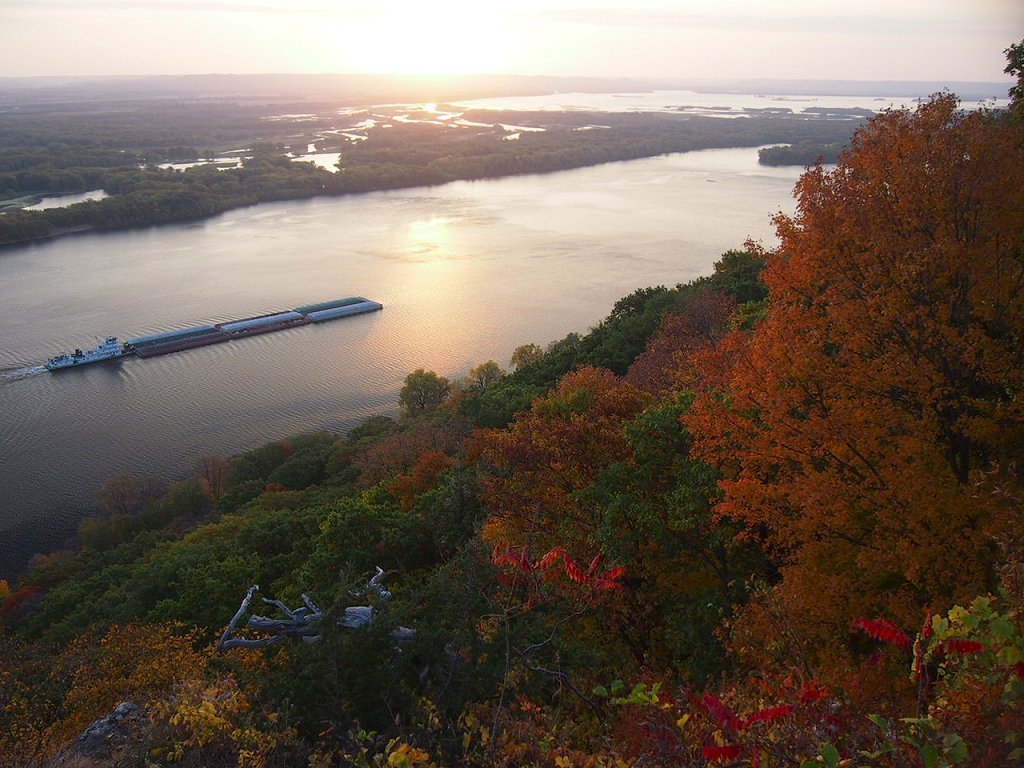
Following the Mississippi’s twists for over 3,000 miles, the route showcases bluffs, deltas, and floodplain forests. Steamboat-era levees line the shores in places. Birdlife flourishes in wetlands teeming with herons and eagles.
Designated in 1965, it highlights the river’s role in trade, music, and civil rights. Jazz clubs in New Orleans and blues trails in the Delta define the cultural pulse. Farm stands offer local pecans and catfish dinners.[6]
7. Going-to-the-Sun Road: Glacier National Park, Montana
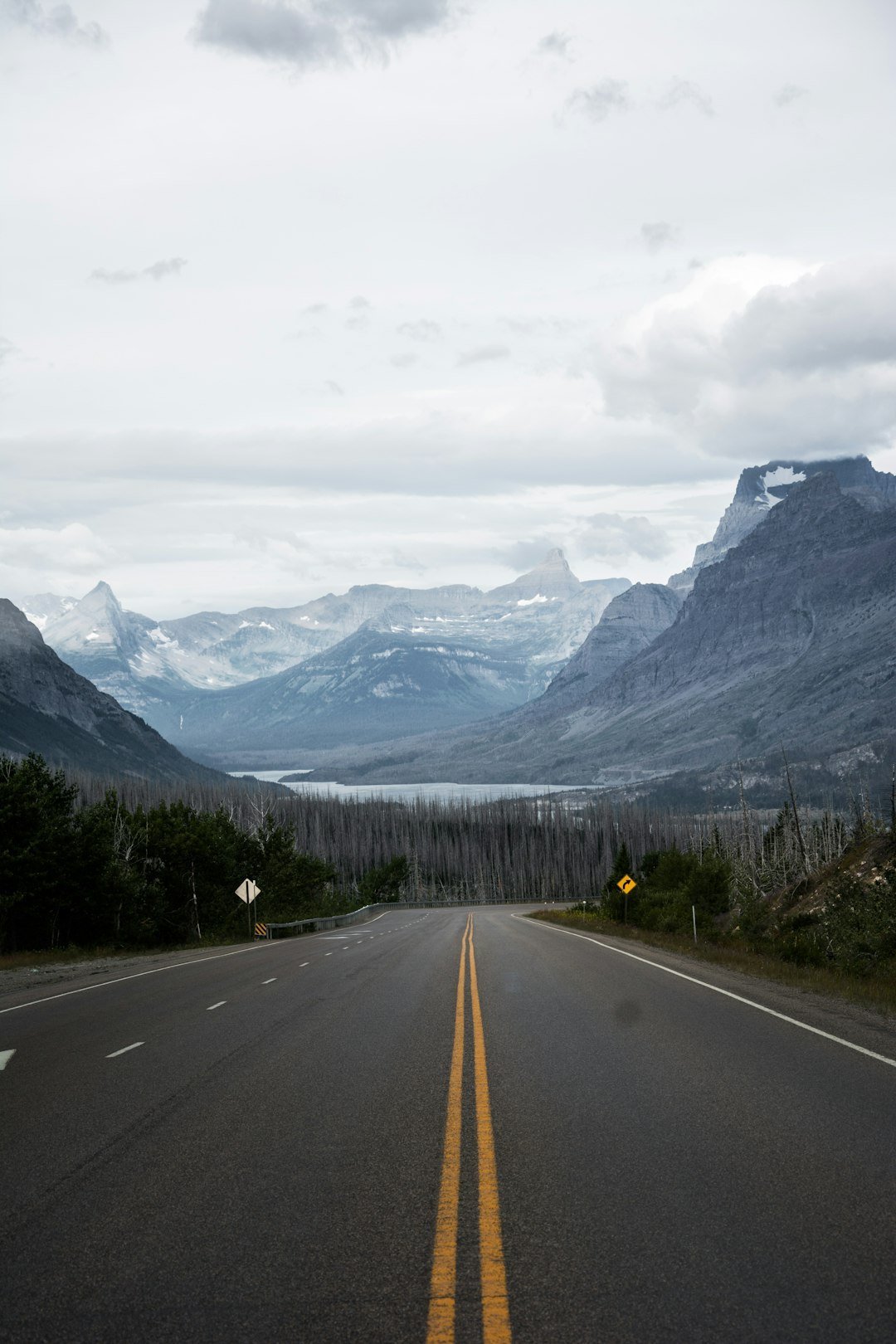
A 50-mile engineering marvel clings to sheer rock faces in Glacier, crossing the Continental Divide at Logan Pass. Turquoise lakes mirror snow-capped peaks. Wild goats roam alpine meadows visible from pullouts.
Completed in 1932, it opened remote wilderness to visitors during the park’s early years. Hikers tackle trails to hidden waterfalls amid grizzly country. The road embodies national park ideals of preservation and access.[7]
8. Beartooth Highway: Montana to Wyoming
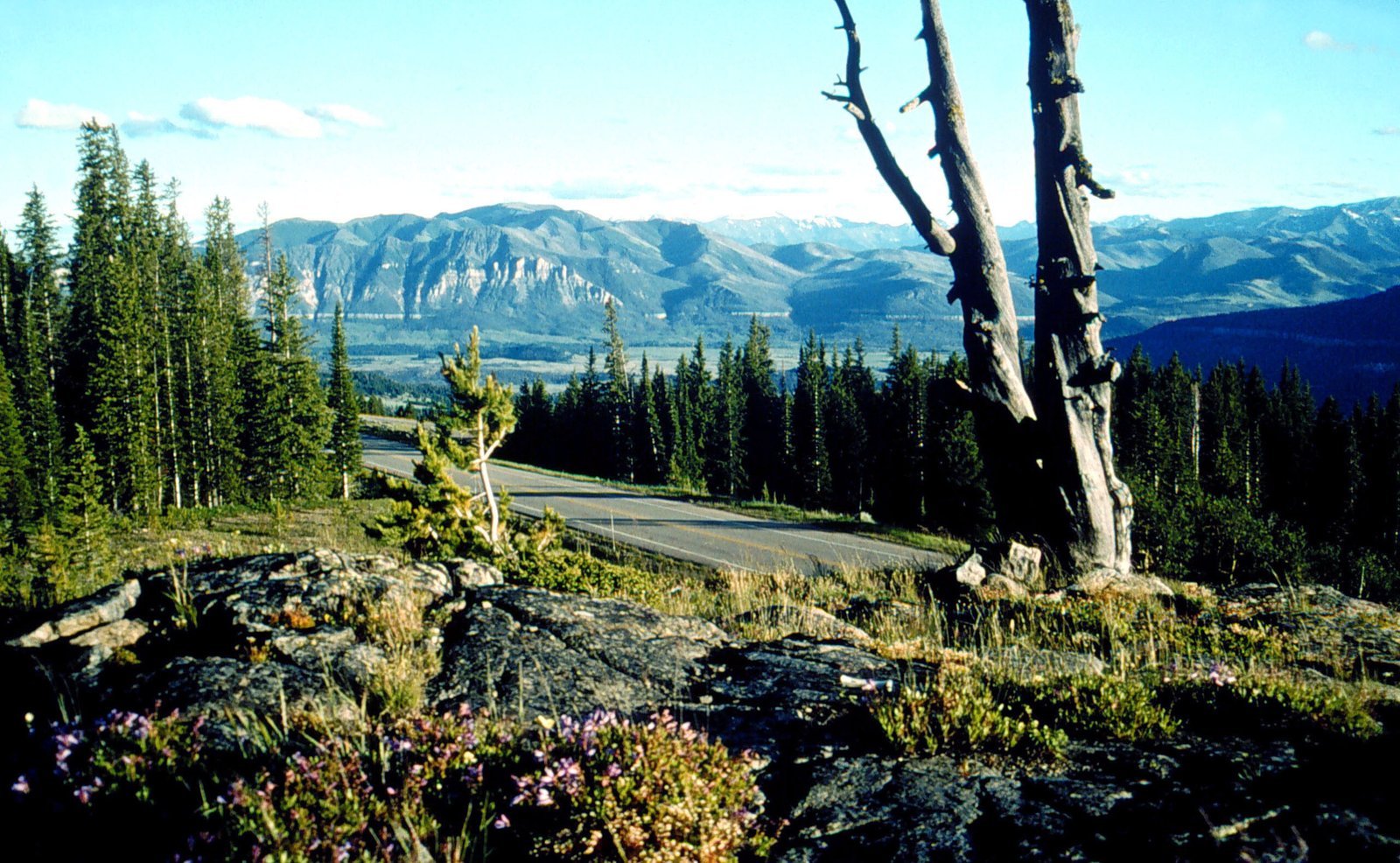
Climbing to 10,947 feet, this 68-mile spur twists past glacial lakes and tundra plateaus near Yellowstone. Beartooth Plateau feels like another world with its stark beauty. Summer wildflowers carpet the high ground.
Opened in 1936, it connected remote ranchlands during the Great Depression. Cooke City saloons serve as gateways to cowboy lore. Anglers chase trout in streams, tapping into frontier angling traditions.
9. Million Dollar Highway: Colorado’s San Juan Mountains
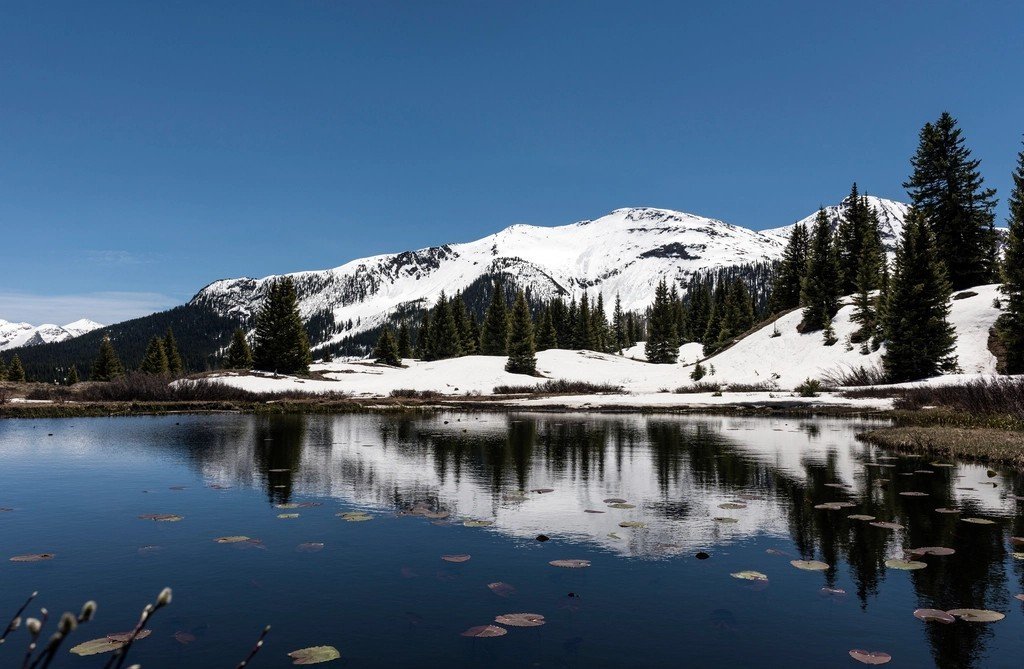
Part of the San Juan Skyway, this 25-mile stretch drops into sheer canyons with no guardrails in spots. Aspen groves glow gold in fall amid rugged peaks. Mining ghosts haunt the cliffs.
Blazed by prospectors in the 1880s silver boom, it fueled Colorado’s Wild West economy. Ouray hot springs and Telluride festivals blend history with modern arts. Jeep tours reveal off-road pioneer paths.[8]
10. Road to Hana: Maui, Hawaii
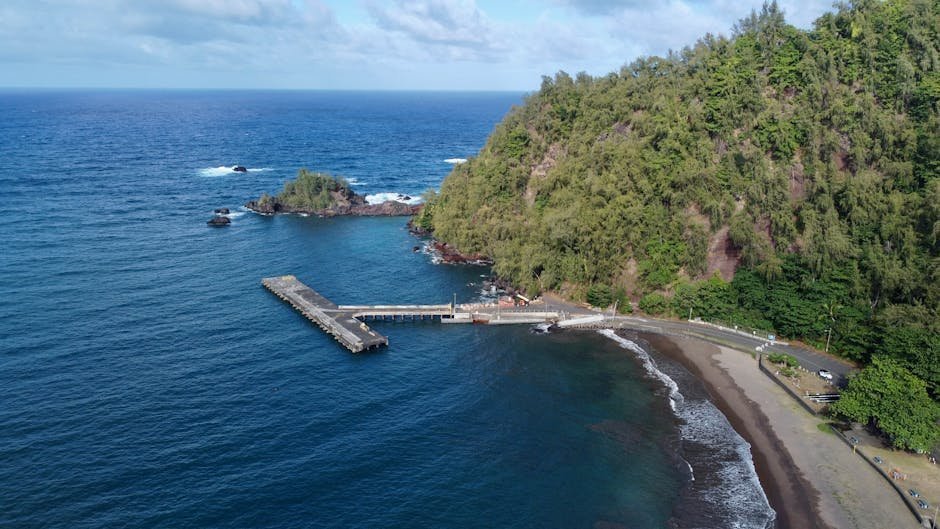
Sixty-four miles of curves hug black lava cliffs above the Pacific, passing 600-foot waterfalls and bamboo forests. Hana’s rainforests drip with ferns and plumeria. Ocean arches frame the horizon.
Ancient Hawaiians used the trail for trade; modern paving came mid-century. Roadside stands sell shave ice and poke. Cultural stops include heiau temples, preserving Polynesian heritage.
11. Park Loop Road: Acadia National Park, Maine

Circling Mount Desert Island for 27 miles, the loop climbs Cadillac Mountain for first U.S. sunrises. Jagged pink granite meets crashing surf. Tidal pools teem with sea stars.
Carved in the 1920s by Rockefeller funding, it safeguarded coastal wilderness. Bar Harbor shops mix lobster pounds with artisan galleries. Carriage roads invite bike explorations of Gilded Age estates.
12. Cascade Loop: Washington State
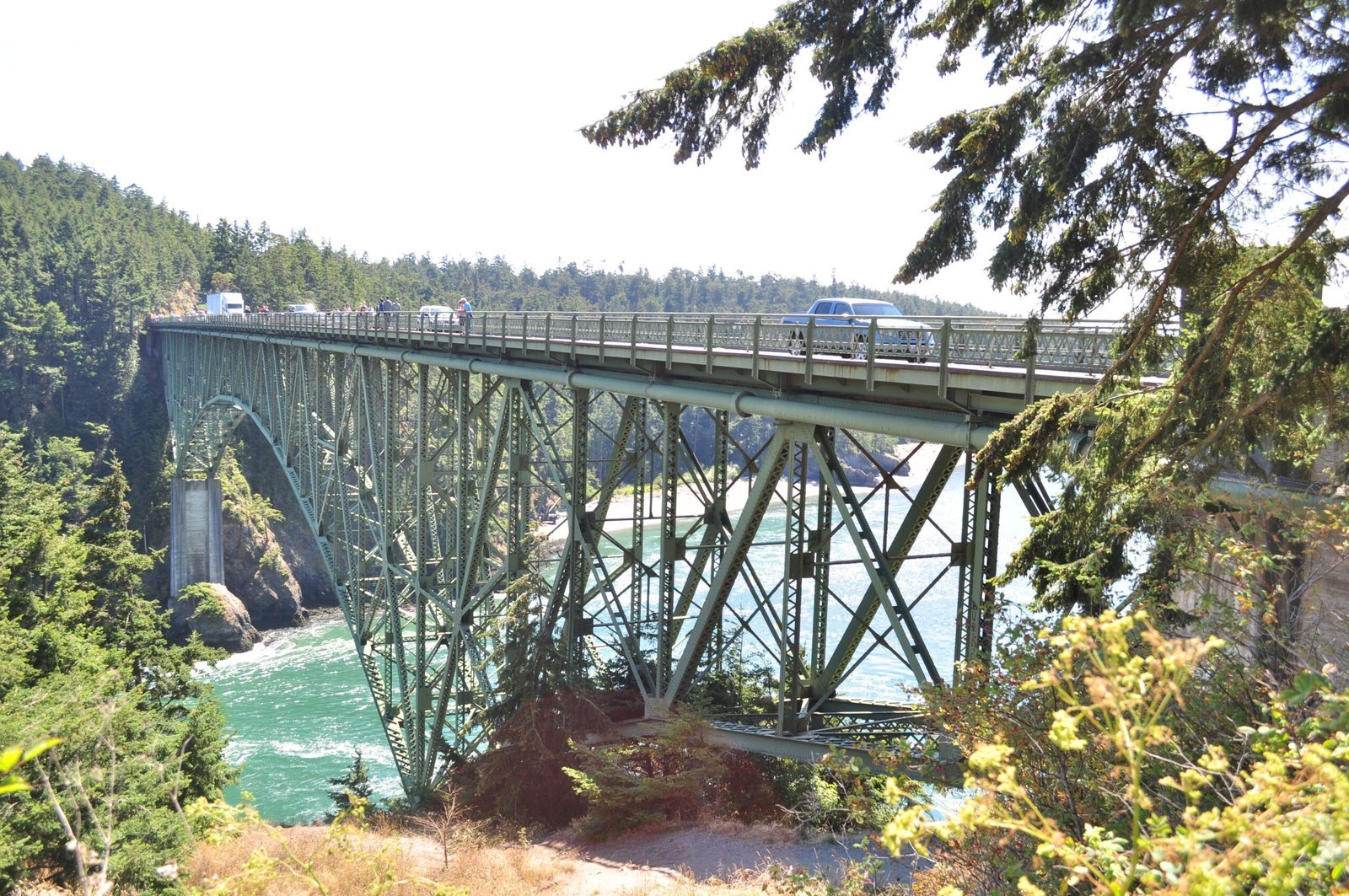
A 440-mile circuit threads volcanoes, alpine passes, and Puget Sound shores. North Cascades’ glaciers gleam against evergreen backdrops. Deception Pass Bridge swings dramatically over churning waters.
Launched in 1970s, it spotlights diverse ecosystems from orchards to whales. Leavenworth’s Bavarian festivals and Friday Harbor farms offer local brews and berries. The loop captures the Pacific Northwest’s wild variety.
The Timeless Pull of the Open Road
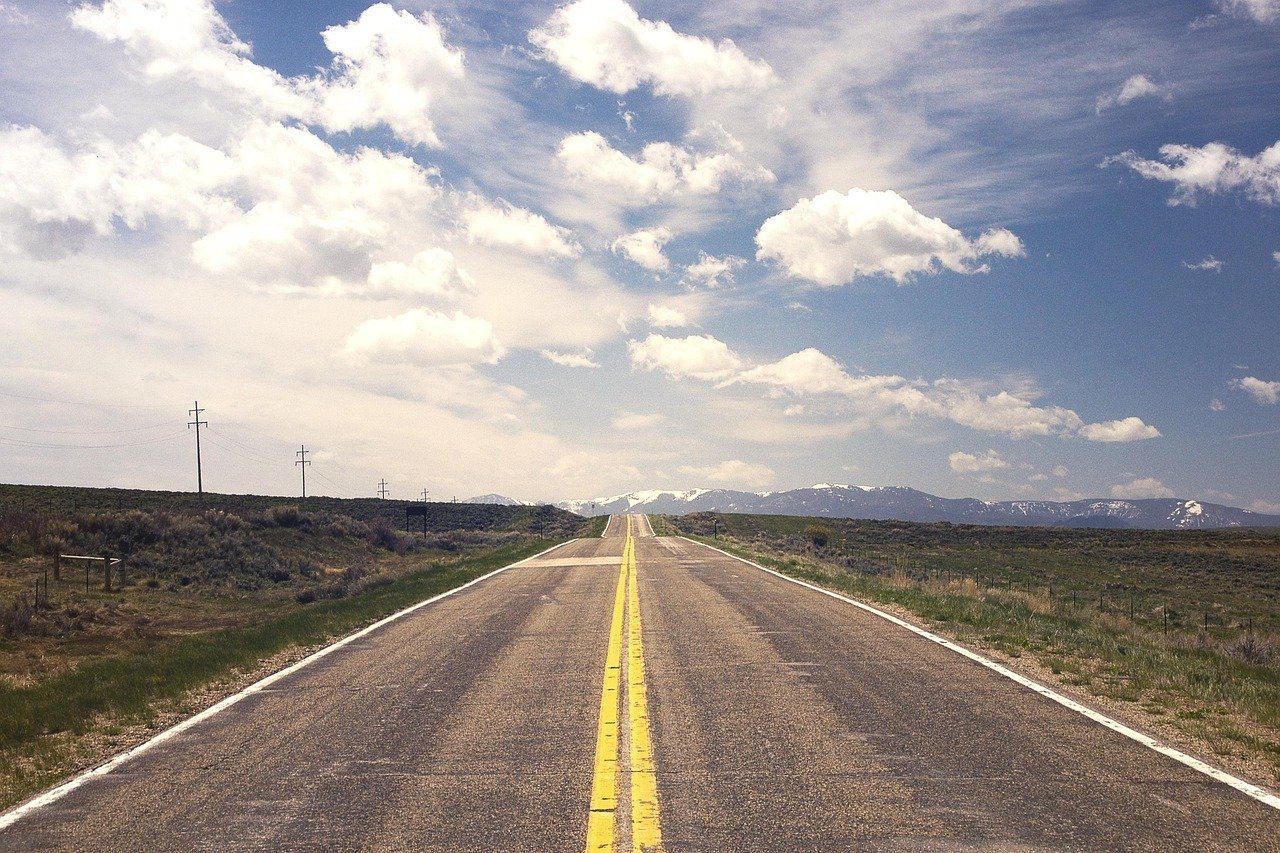
These routes persist because they distill freedom into tangible miles: wind in your hair, unexpected views, roadside conversations. They outlast fads, rooted in history yet alive with today’s wanderers. In an era of screens, the highway still whispers escape.
America’s vastness demands the slow unraveling of a drive. Pick a path, pack light, and let the asphalt rewrite your story. The spirit endures, one turn at a time.

Besides founding Festivaltopia, Luca is the co founder of trib, an art and fashion collectiv you find on several regional events and online. Also he is part of the management board at HORiZONTE, a group travel provider in Germany.
