
Familiar board games often bring back memories of cozy evenings and laughter around the table. Their seemingly innocent designs hide origins tied to hardship, war, and social critique.
From hospital beds during epidemics to blackout shelters amid bombings, these games emerged from moments of human struggle. They transformed personal challenges into enduring pastimes that shaped family traditions worldwide.
Candy Land
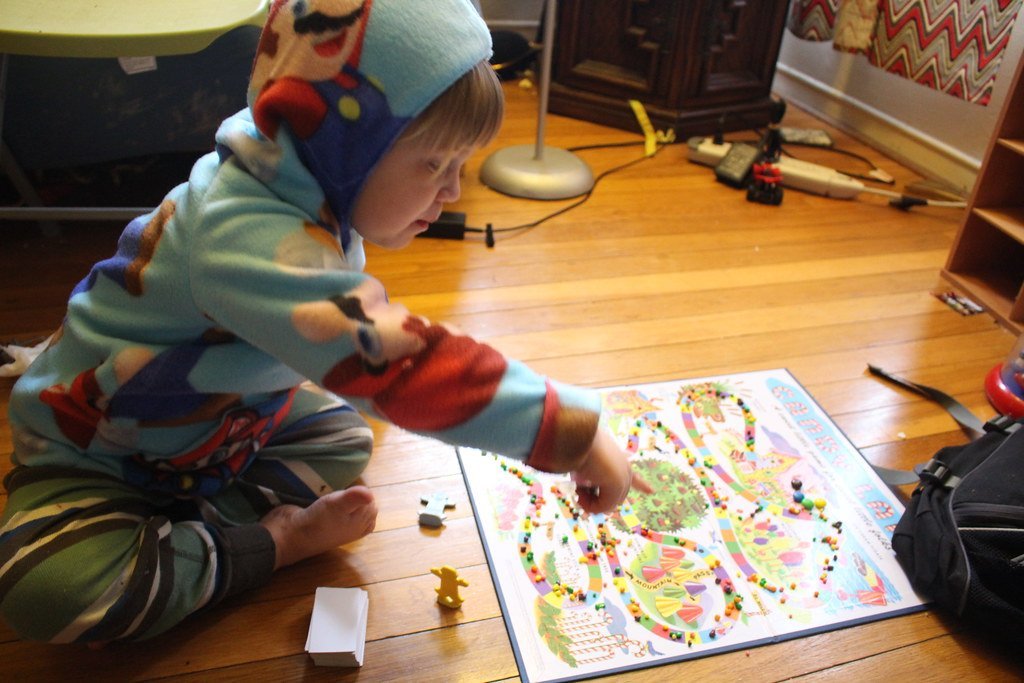
Eleanor Abbott crafted Candy Land in 1948 while recovering in a San Diego hospital polio ward.[1][2] A retired schoolteacher, she designed it to cheer young polio patients with its simple color-matching path through a sugary world. No reading or strategy was needed, making it perfect for bedridden children facing long quarantines.
The game quickly became Milton Bradley’s top seller after they bought the rights in 1949. It captured the imagination of kids everywhere, evolving into apps, films, and even cooking shows. Today, it stands as a testament to resilience, turning isolation into joyful escapism.[1]
Monopoly
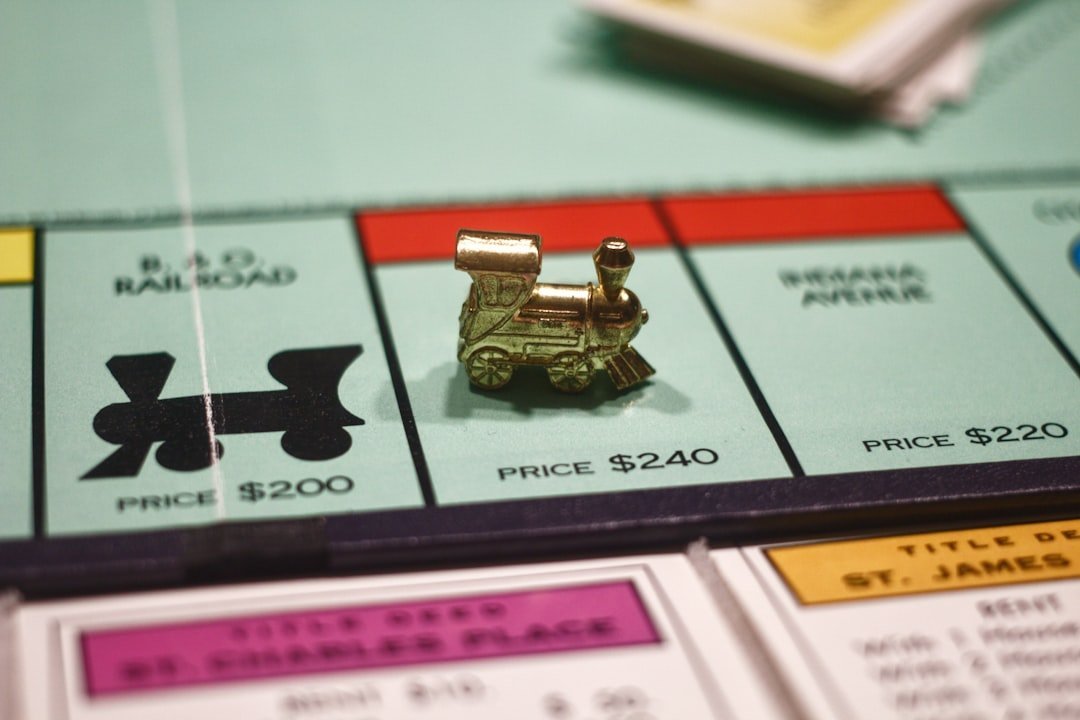
Monopoly traces back to The Landlord’s Game, invented around 1903 by Lizzie Magie to expose the dangers of monopolies.[1] A progressive activist, she patented it to promote Georgist economic ideas through gameplay showing wealth concentration’s ills. Charles Darrow copied it during the Great Depression, selling it to Parker Brothers as his own creation after minor changes.
Parker Brothers later acquired Magie’s patent for a mere $500, burying its roots. The game exploded in popularity, selling millions and ironically celebrating the capitalism it once criticized. Its global reach influenced views on business and fortune, becoming a staple in homes despite the theft at its core.[3]
Clue
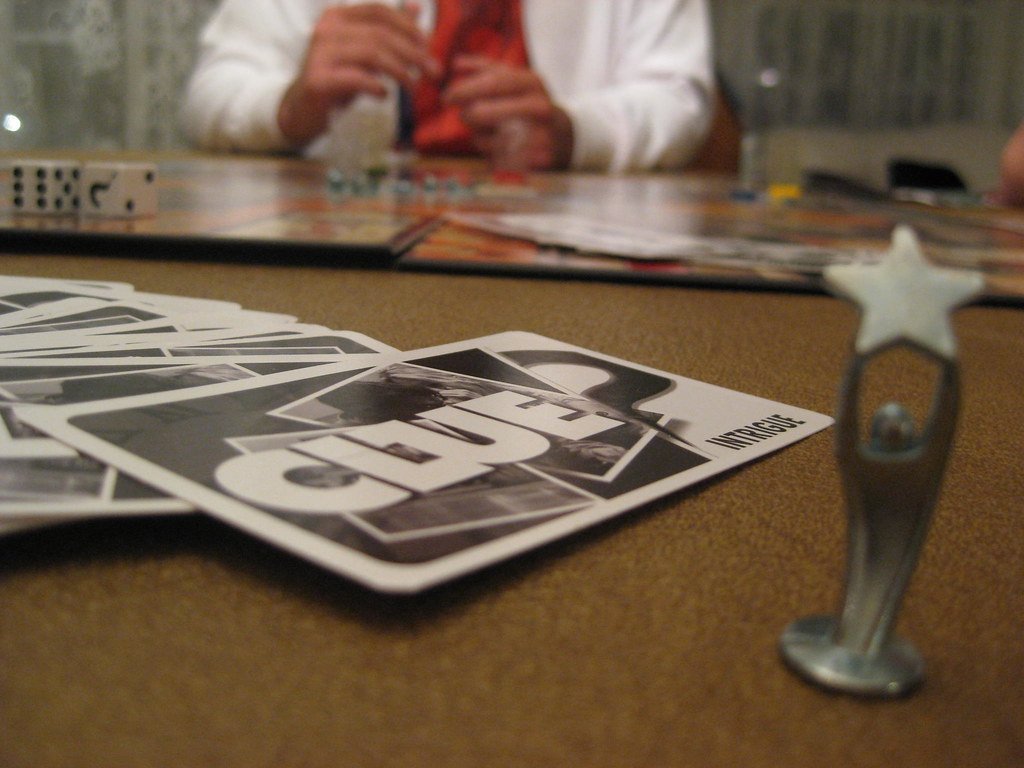
Anthony Pratt dreamed up Clue, originally Murder!, during World War II blackouts in Birmingham, England.[1][4] A pianist and fire warden, he sketched suspects and weapons inspired by crime novels and mansion murder parties while patrolling amid Nazi bombs. His wife Elva helped refine the board; they sold it to Waddingtons in 1944, but postwar shortages delayed release until 1949 as Cluedo.
Parker Brothers brought it to America as Clue, fueling detective story fans. It inspired films and endless variants, embedding mystery-solving in pop culture. Pratt’s family saw little profit after early rights sales, yet the game endures as a clever whodunit classic.[3]
The Game of Life
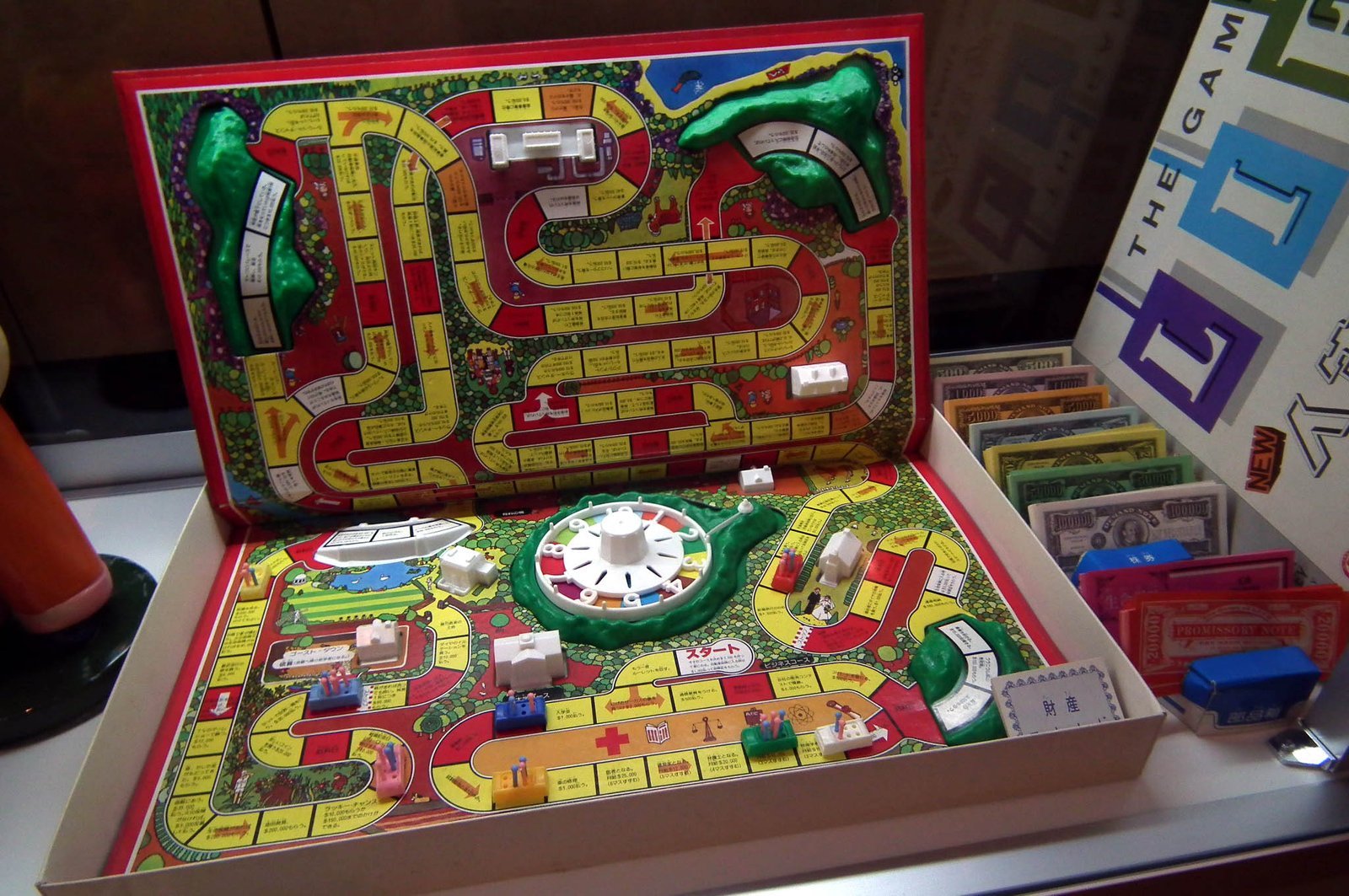
Milton Bradley launched The Checkered Game of Life in 1860 after financial disaster struck his lithograph business.[1] Abraham Lincoln’s new beard ruined sales of clean-shaven portraits, pushing Bradley into game design with moral paths. The board featured grim squares like Suicide, Prison, and Ruin, mirroring his desperate times possibly touched by drink.
A 1960 reboot shifted to cars, jobs, and money, ditching the darkest elements for family appeal. It sold hugely, simplifying life’s twists into spinner-driven choices. Culturally, it sparked talks on success and fate, remaining a rite of passage for generations.[3]
Chutes and Ladders
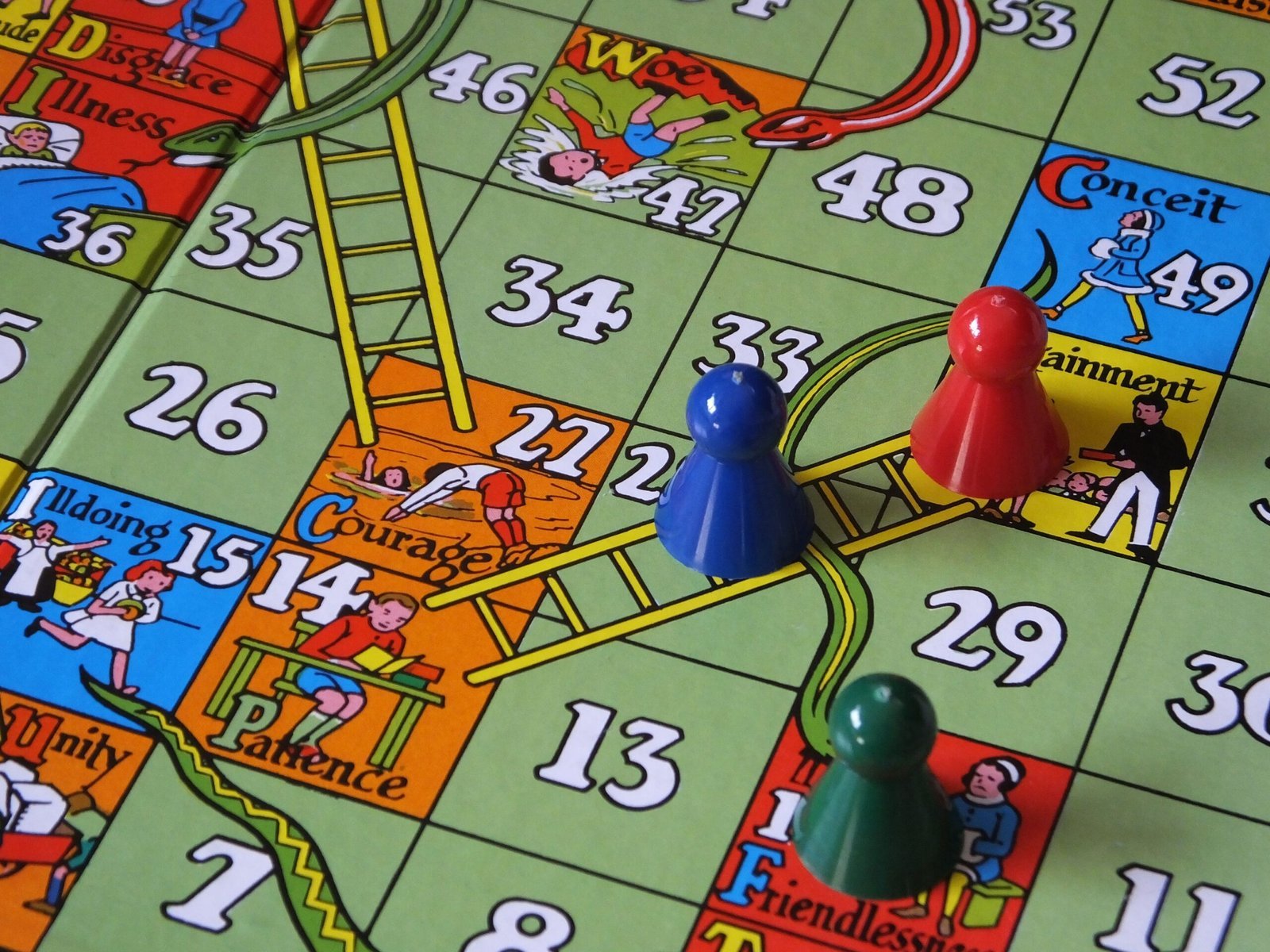
Chutes and Ladders evolved from ancient India’s Moksha Patamu, around the 2nd century BCE, teaching karma through ladders for virtues and snakes for vices.[1] Sins like theft, lust, and murder sent players sliding back, emphasizing life’s moral trials. British colonials adapted it as Snakes and Ladders, stripping spiritual depth for Victorian audiences.
Milton Bradley’s 1940s Chutes and Ladders made it kid-friendly, focusing on good deeds versus mistakes. It became a preschool staple, subtly imparting consequences without religious overtones. The game’s persistence highlights how old wisdom adapts to new eras.[3]
Chess

Chess began as Chaturanga in 6th-century India under the Gupta Empire, simulating army divisions for strategy training.[1] It spread via Persia, where “checkmate” means the king is dead, evolving through Arab lands to Europe. Medieval changes empowered the queen, reflecting shifting power dynamics.
Standardized in 1924 by the International Chess Federation, it fosters global tournaments and prodigies. Its depth mirrors warfare and intellect, influencing literature and AI research. Chess remains a timeless duel of minds across cultures.
Ouija Board
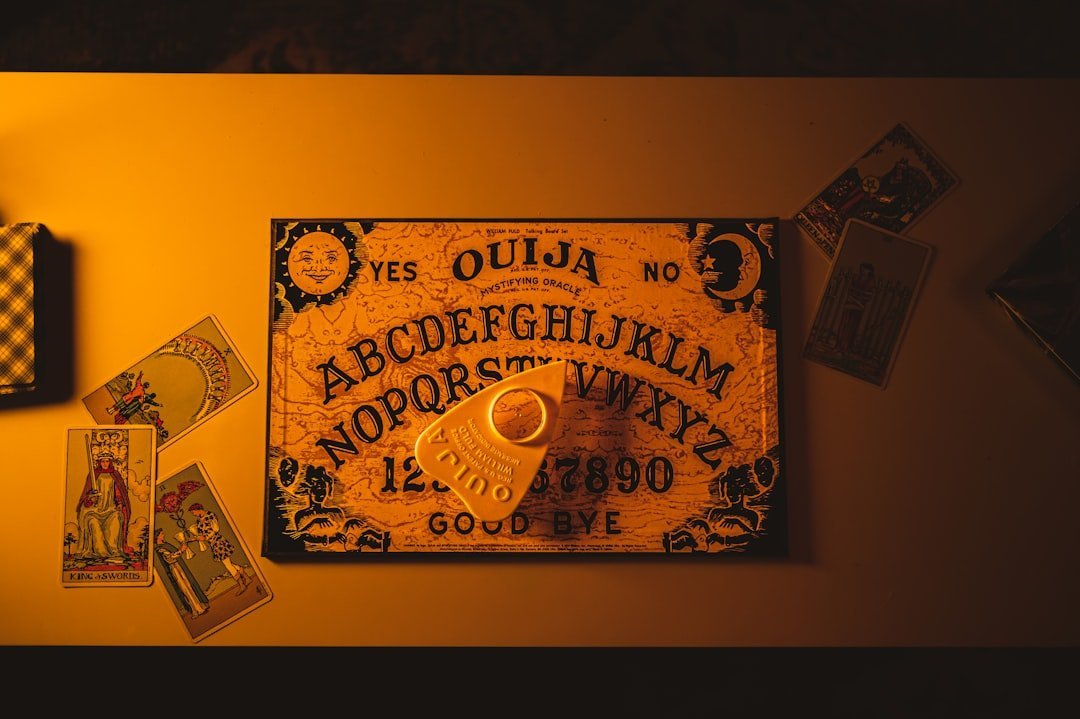
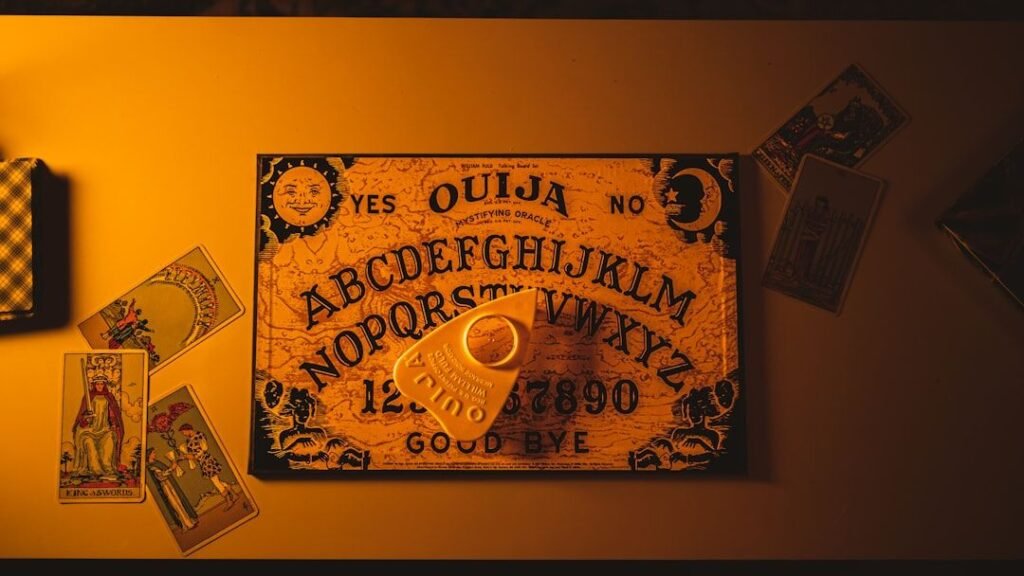
The Ouija board hit markets during the 19th-century Spiritualist movement, promising spirit communication via planchette on lettered boards.[1] Patented in 1890 by businessmen, it tapped grief over deaths from wars and illness. Hasbro marketed it as family fun, but occult ties grew amid séances.
Now a Halloween fixture, it sparks debates on the supernatural versus subconscious. Films amplified its eerie reputation, embedding it in horror lore. Ouija endures as a bridge between play and the unknown.
Scrabble
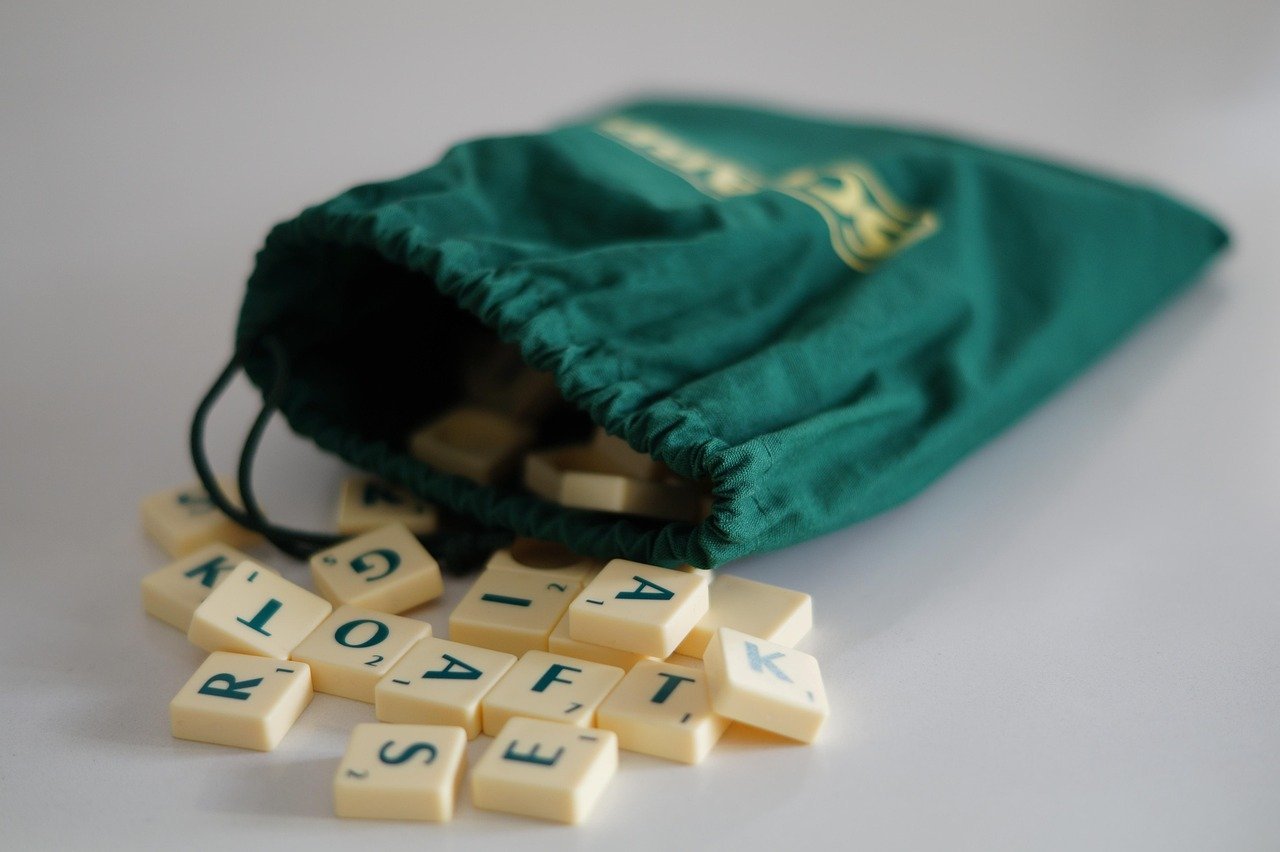
Architect Alfred Butts invented Scrabble’s precursor in 1931 amid the Great Depression unemployment.[5] Studying word frequencies, he crafted Lexiko and Criss-Cross Words, facing years of publisher rejections. Entrepreneur James Brunot refined and renamed it Scrabble in 1948, sparking slow success.
It exploded in the 1950s, building vocabularies and rivalries worldwide. Tournaments crown champions, while apps extend its reach. Scrabble celebrates language as a competitive art.
Trivial Pursuit
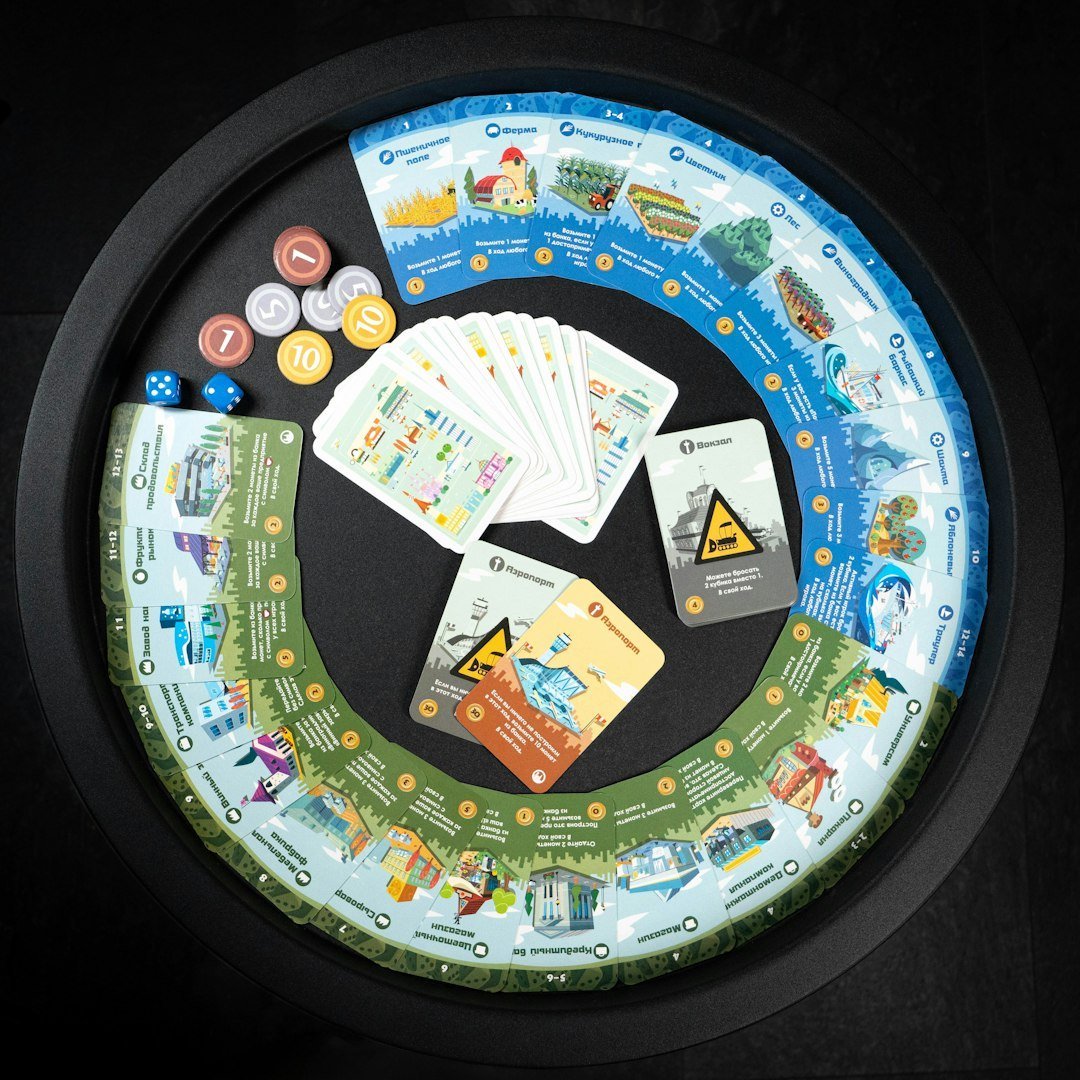
Journalists Chris Haney and Scott Abbott created Trivial Pursuit in 1979 over missing Scrabble tiles.[3] A plagiarism suit arose when trivia mirrored a book with planted errors, like wrong Columbo name, but facts proved uncopyrightable. It became an 1980s sensation despite the controversy.
Editions cover pop culture and history, fueling trivia nights. It tests knowledge breadth, bonding players through shared smarts. The game underscores facts’ power in entertainment.
Risk
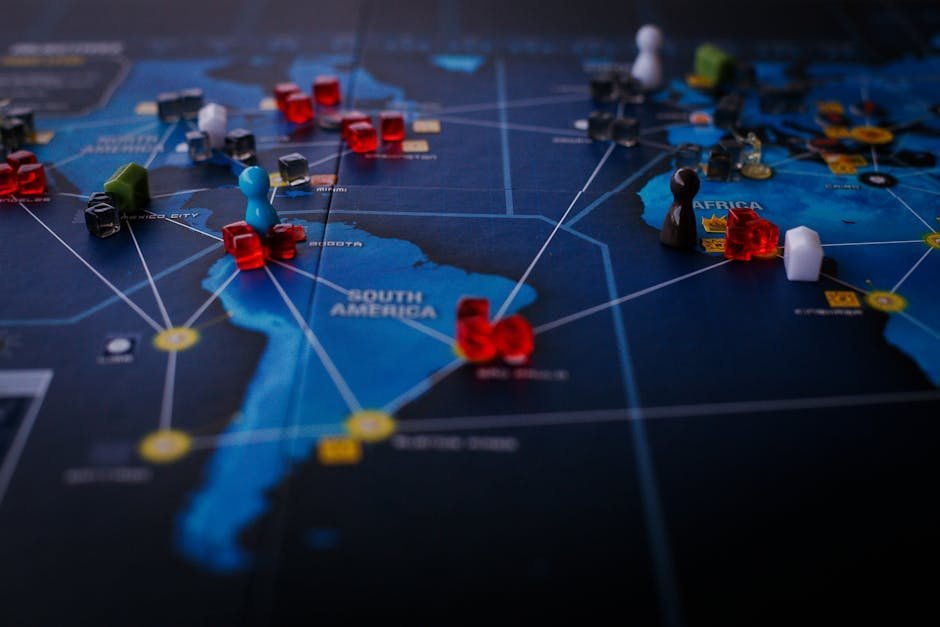
French filmmaker Albert Lamorisse devised Risk in 1957 as La Conquête du Monde, capturing global conquest ambitions.[6]) Amid Cold War tensions, Parker Brothers adapted it for 1959 release, tweaking for American tastes. Its epic battles mirrored era geopolitics.
Risk spawned expansions and rivals, teaching alliance fragility. Late-night marathons build strategy legends. It embodies ambition’s thrills and betrayals.
Battleship
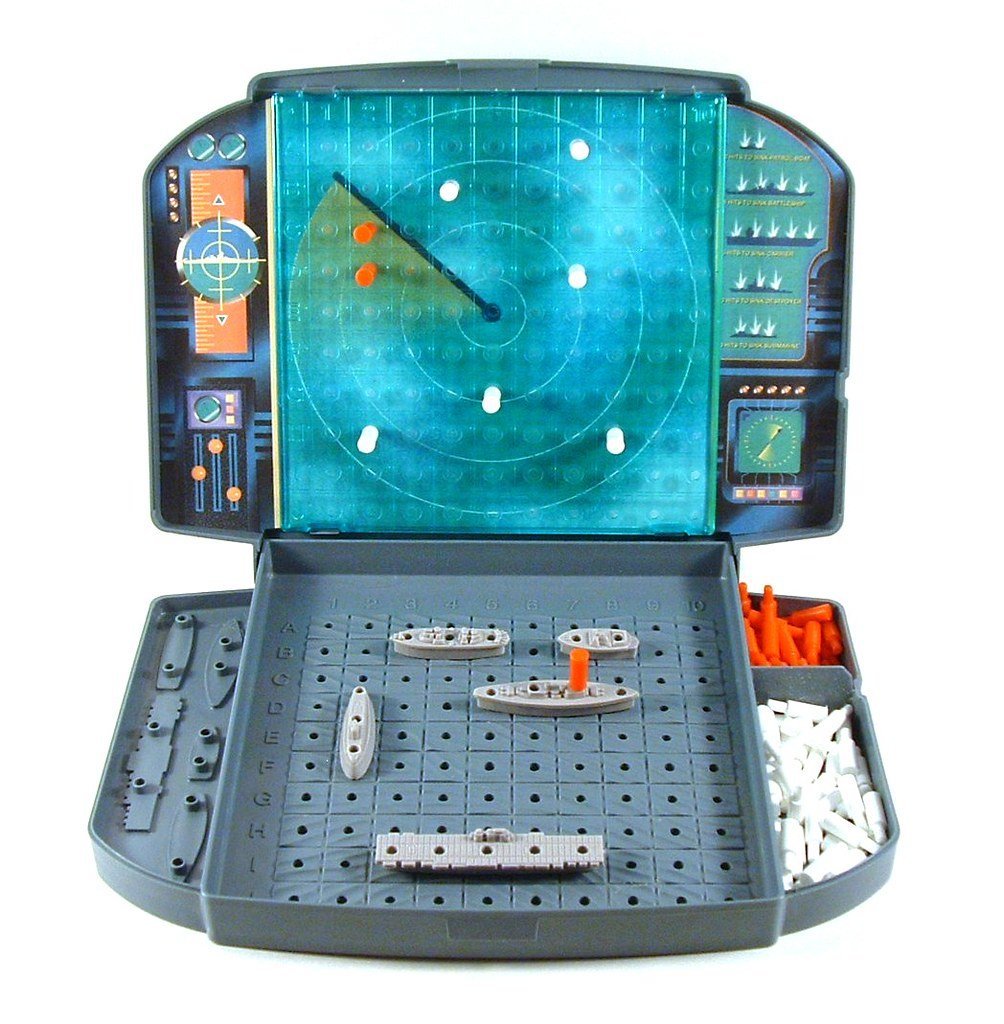
Battleship started as a pencil-and-paper naval game, formalized as Salvo in 1931 amid World War I echoes.[7] Players guessed grids for hidden fleets, simulating submarine warfare tactics. Milton Bradley’s 1960s plastic peg version brought it home.
It honed deduction skills, inspiring electronic sequels. Military roots add tension to grid hunts. Battleship captures warfare’s guesswork essence.
Parcheesi
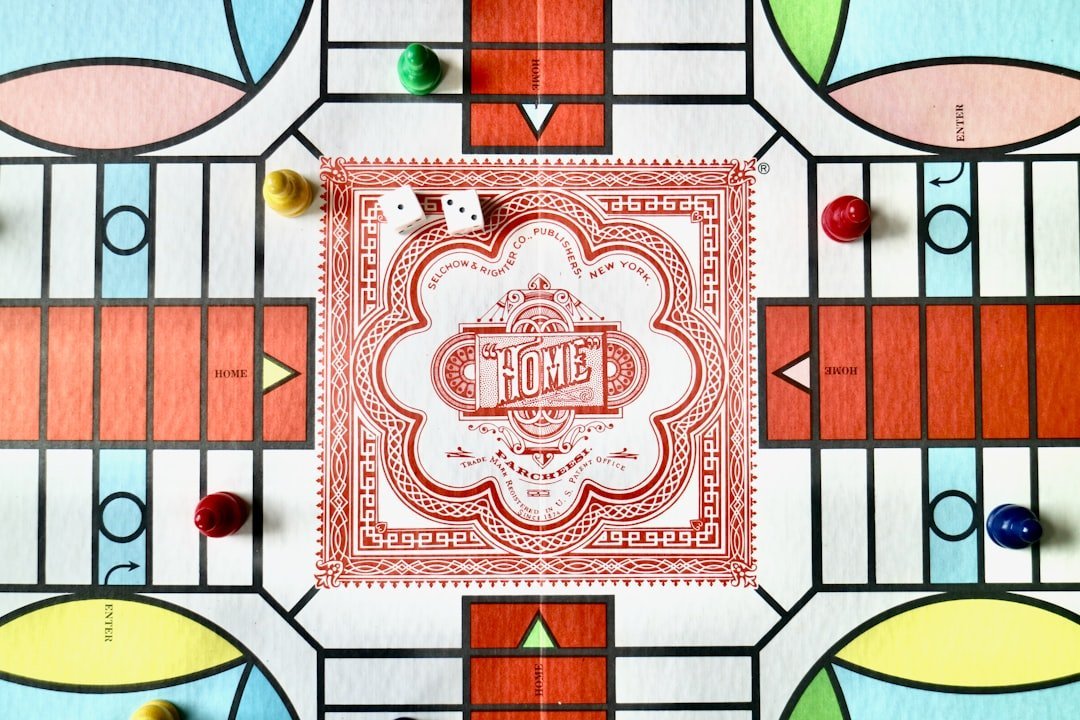
Parcheesi descends from ancient India’s Pachisi, played by Mughal emperors like Akbar with living courtesans as pieces.[8] Dating to the 16th century or earlier, it involved dancing “pawns” across vast boards. American Parcheesi arrived in 1867, simplified for tables.
Sorry! echoed it in 1934, adding apology twists. Family races foster cheers and groans. Its royal origins lend grandeur to simple rolls.
Hidden Histories in Play
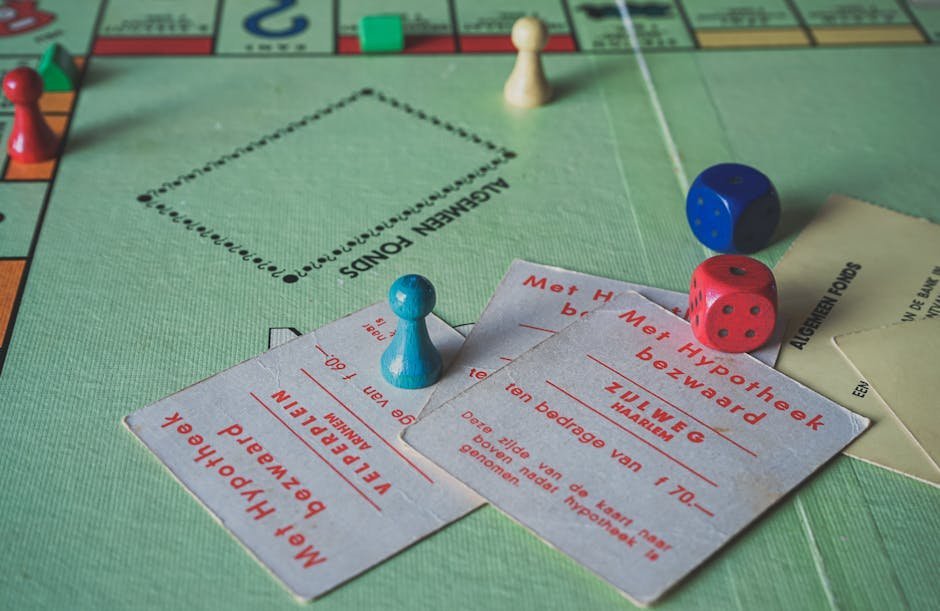
These games reveal how creativity blooms from adversity, weaving personal dramas into shared joy. Polio wards, bomb shelters, and economic woes fueled inventions that outlasted their births.
Next game night, glance deeper than the board. Everyday fun carries echoes of resilience and reinvention, reminding us history lurks in the laughter.


