

For any feedback please reach out to info@festivalinside.com
- 12 Literary Feuds So Intense, They Changed the Course of Literature - August 11, 2026
- 10 Mysterious Disappearances of Famous Figures That Still Puzzle Experts - August 11, 2026
- 10 Foods We Thought Were American But Were Actually Invented Somewhere Else. - August 11, 2026
Humanity has long gazed at the stars and pondered the forces shaping life on Earth. Certain scientific breakthroughs shattered long-held beliefs, forcing a reevaluation of our place in the cosmos and the mechanisms of nature itself.
These moments did not just add facts to our knowledge. They reshaped entire worldviews, from the structure of the universe to the essence of life.[1]
The Heliocentric Model
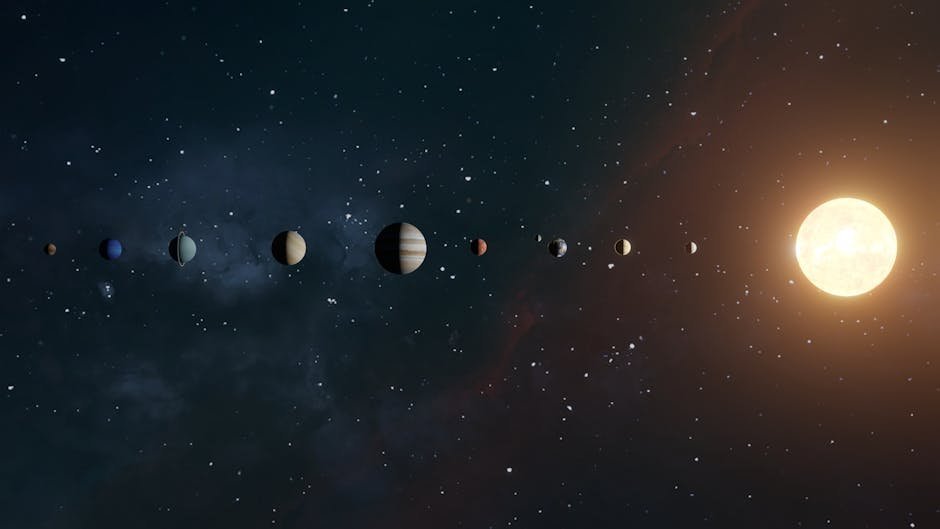
Nicolaus Copernicus proposed in 1543 that the Sun, not Earth, stood at the center of the solar system. This idea challenged the geocentric view endorsed by the Church and ancient philosophers. Galileo Galilei’s telescope observations in 1610 provided key evidence, revealing Jupiter’s moons and Venus’s phases.
The shift demoted Earth from cosmic center to a mere planet. It paved the way for modern astronomy and encouraged questioning of authority in science. Society began seeing the universe as vast and mechanistic, influencing art, philosophy, and exploration.[2]
Newton’s Law of Universal Gravitation

Isaac Newton unified earthly and celestial motion in his 1687 Principia. He described gravity as a force pulling all masses together, proportional to their product and inverse to distance squared. Apples falling and planets orbiting followed the same rule.
This framework enabled precise predictions of comets and tides. It established classical mechanics as the foundation of physics for centuries. Engineers built bridges and machines on these principles, transforming technology and industry.
Darwin’s Theory of Natural Selection
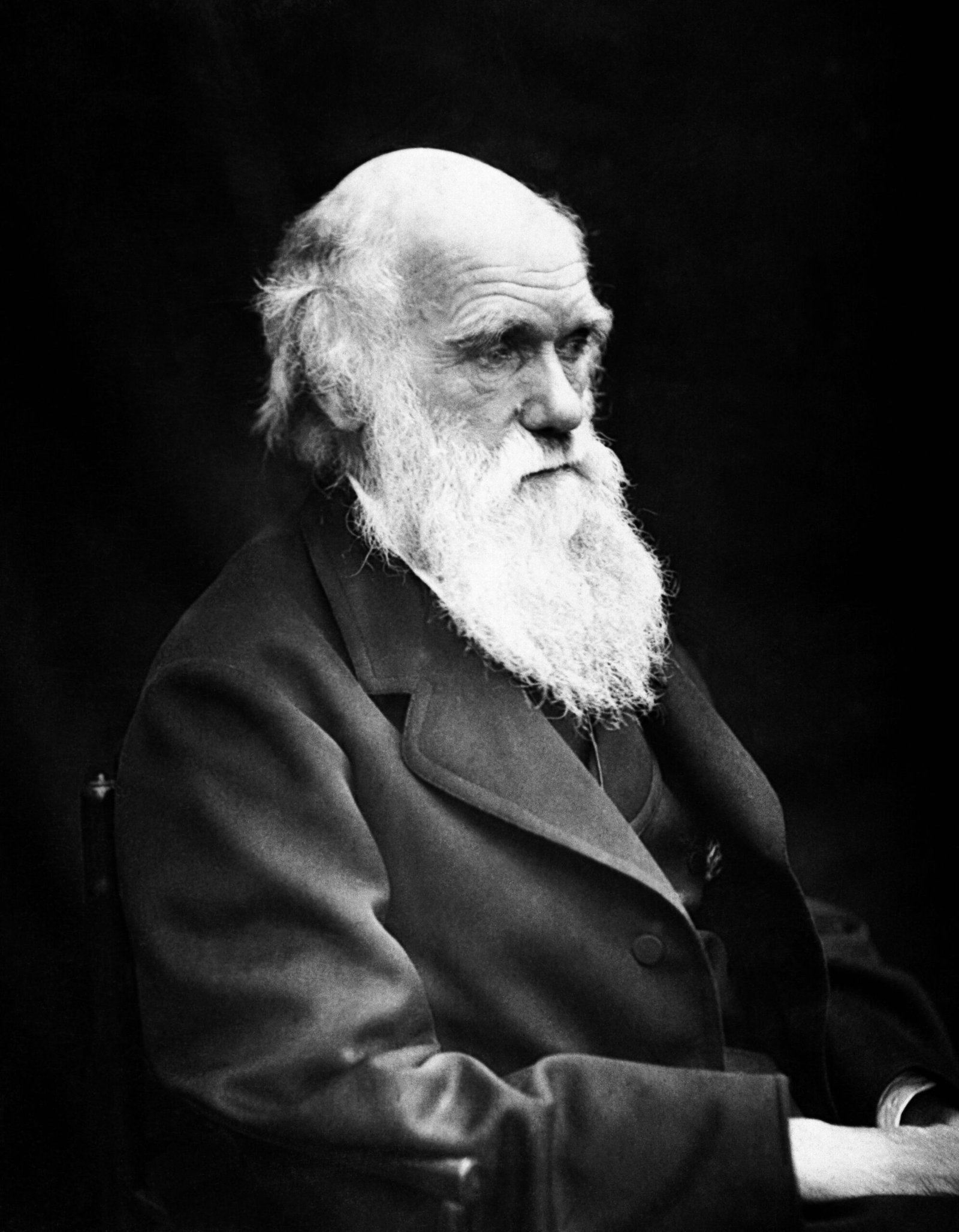
Charles Darwin’s 1859 On the Origin of Species explained species diversity through gradual change. Traits aiding survival passed to offspring, driving adaptation over vast time. Fossils and finch beaks supported common descent from shared ancestors.
Evolution replaced divine creation as the dominant biological narrative. It influenced medicine, agriculture, and ethics by emphasizing interconnected life. Humanity viewed itself as part of nature’s tree, not its pinnacle.
Germ Theory of Disease

Louis Pasteur and Robert Koch in the late 1800s proved microbes cause illness. Experiments disproved spontaneous generation, showing bacteria multiply and infect. Antiseptic surgery followed quickly.
Public health exploded with vaccination and sanitation. Life expectancy doubled as epidemics waned. This shifted medicine from humors to evidence-based practice, saving billions of lives.[1]
Maxwell’s Equations of Electromagnetism
![Maxwell's Equations of Electromagnetism (The Life of James Clerk Maxwell, by Lewis Campbell and William Garnett (see [1]), Public domain)](https://festivaltopia.com/wp-content/uploads/2026/04/1776683978771_1776683965233_james_clerk_maxwell_big.jpeg)
James Clerk Maxwell in 1865 formulated four equations linking electricity, magnetism, and light. They predicted electromagnetic waves traveling at light speed. Heinrich Hertz confirmed radio waves experimentally.
These unified forces birthed modern communication. Radio, TV, and internet stem from this insight. It revealed light as an electromagnetic phenomenon, altering physics toward relativity.
The Periodic Table
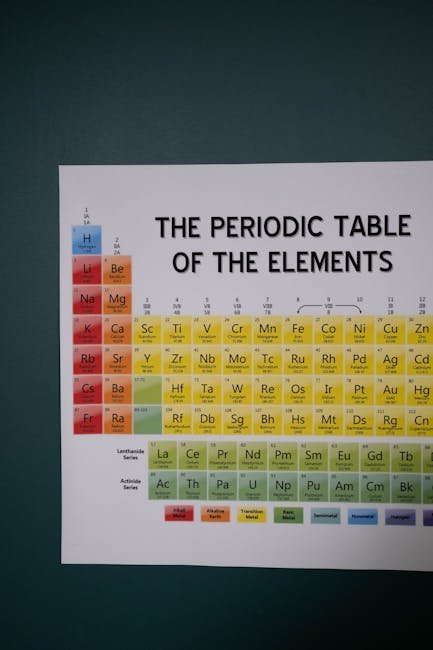
Dmitri Mendeleev arranged elements by atomic weight in 1869, predicting undiscovered ones. Properties repeated periodically, revealing underlying order. Gaps filled as gallium and germanium appeared.
Chemistry gained predictive power for reactions and bonds. Materials science advanced alloys and compounds. It foreshadowed atomic structure, linking chemistry to quantum physics.
Einstein’s Theory of Relativity
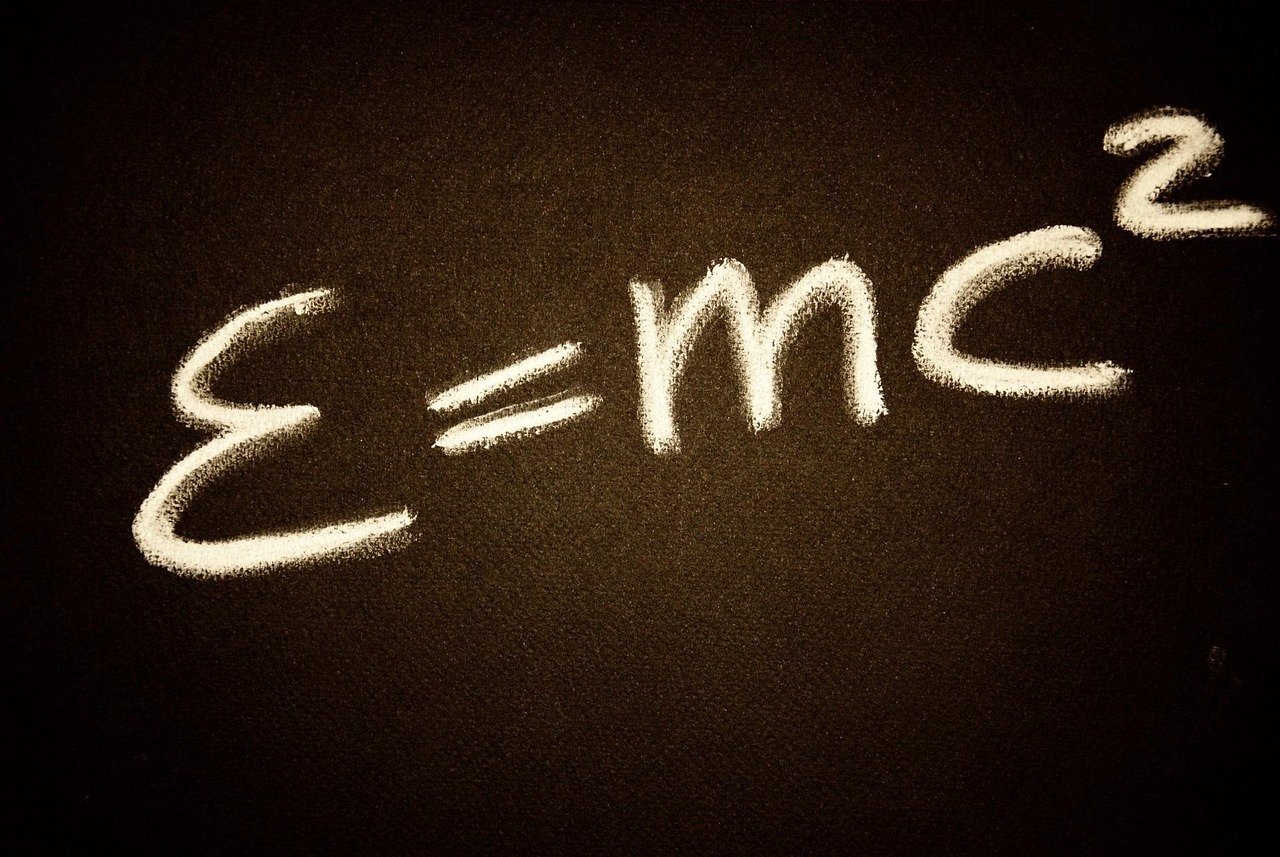
Albert Einstein’s 1905 special relativity equated mass and energy via E=mc². Time and space stretched with speed. General relativity in 1915 curved spacetime around mass, explaining Mercury’s orbit.
GPS satellites adjust for these effects daily. Nuclear power harnesses mass-energy conversion. Reality became relative, not absolute, reshaping philosophy and cosmology.
Quantum Mechanics
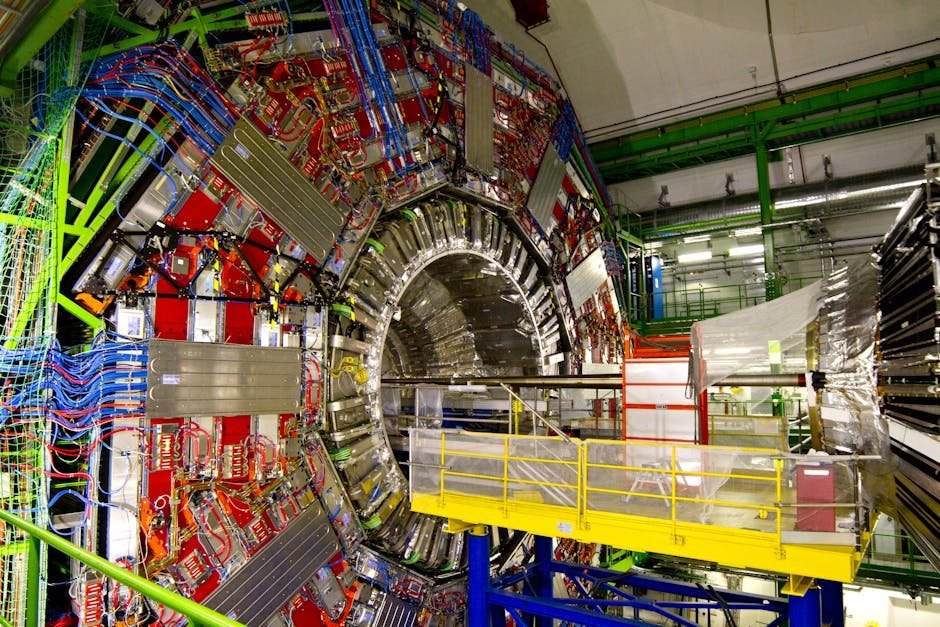
Max Planck introduced energy quanta in 1900, leading to wave-particle duality. Werner Heisenberg’s uncertainty principle showed limits on knowing position and momentum. Erwin Schrödinger’s equation described atomic behavior probabilistically.
Transistors and lasers emerged from quantum rules. It defied intuition, portraying nature as probabilistic. Computing and chemistry simulations rely on these counterintuitive truths.[3]
The Double Helix Structure of DNA
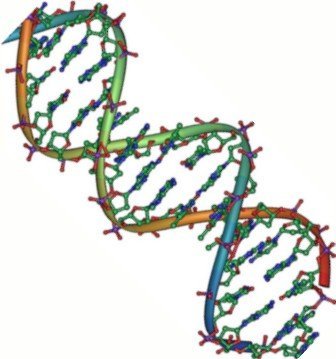
James Watson and Francis Crick deduced DNA’s twisted ladder in 1953, using Rosalind Franklin’s X-rays. Base pairs adenine-thymine and guanine-cytosine encoded genes. Replication proved semi-conservative.
Genetics unlocked heredity’s mechanism. Biotech like gene therapy followed. It personalized medicine and raised ethical questions about editing life.
Plate Tectonics Theory

Alfred Wegener suggested continental drift in 1912, confirmed by mid-20th-century seafloor spreading. Plates move on mantle convection, causing quakes and mountains. Fossils matched across oceans.
Earth became dynamic, not static. Resource exploration improved with subduction zones. It explained volcanoes and evolution’s geographic isolation.
The Big Bang Theory
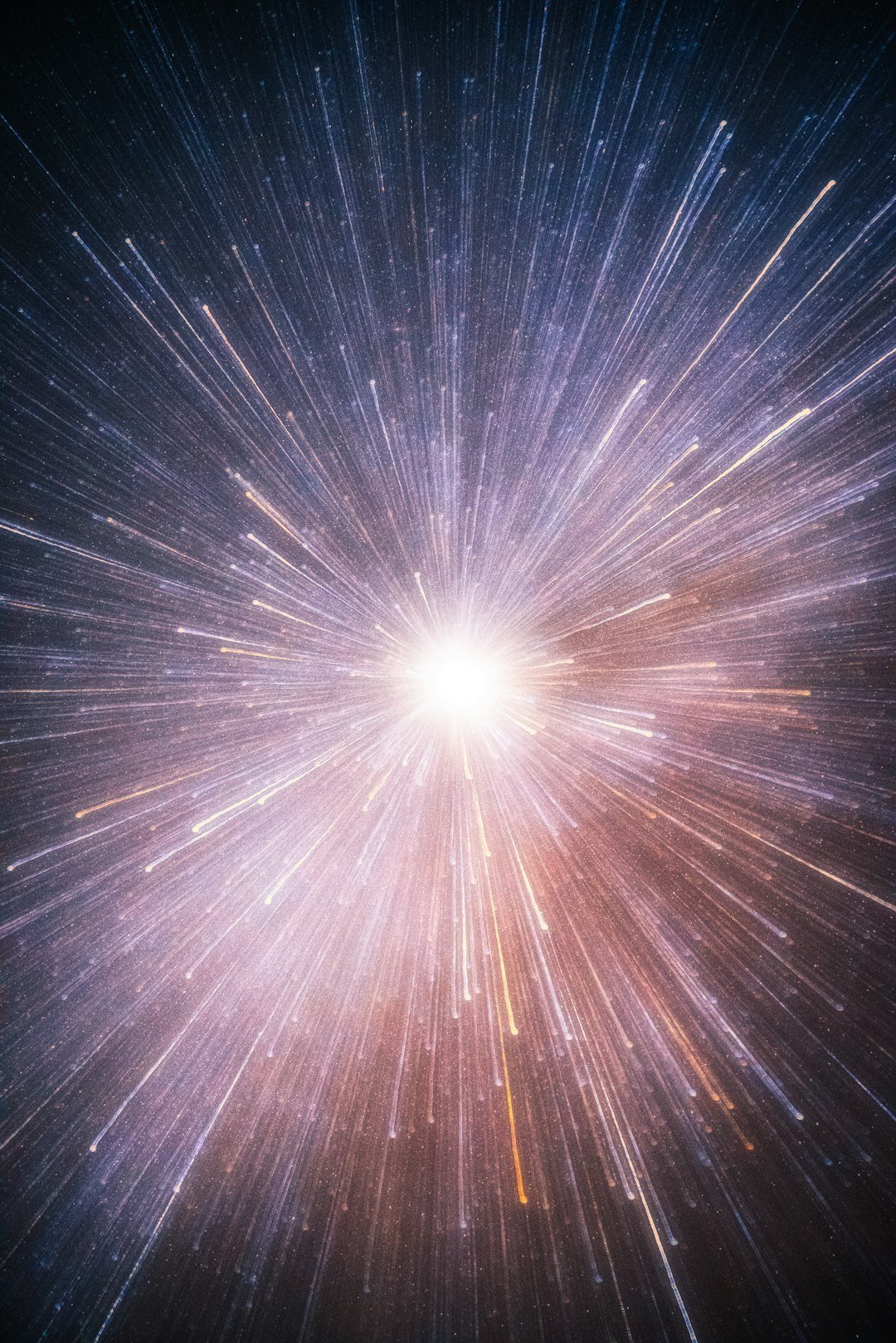
Georges Lemaître proposed cosmic expansion in 1927, supported by Edwin Hubble’s redshift. Cosmic microwave background discovered in 1965 sealed it. Universe began hot and dense 13.8 billion years ago.
Time and space had a start, challenging steady-state views. Element formation in stars explained abundance. It frames ongoing dark energy and multiverse debates.
The Higgs Boson
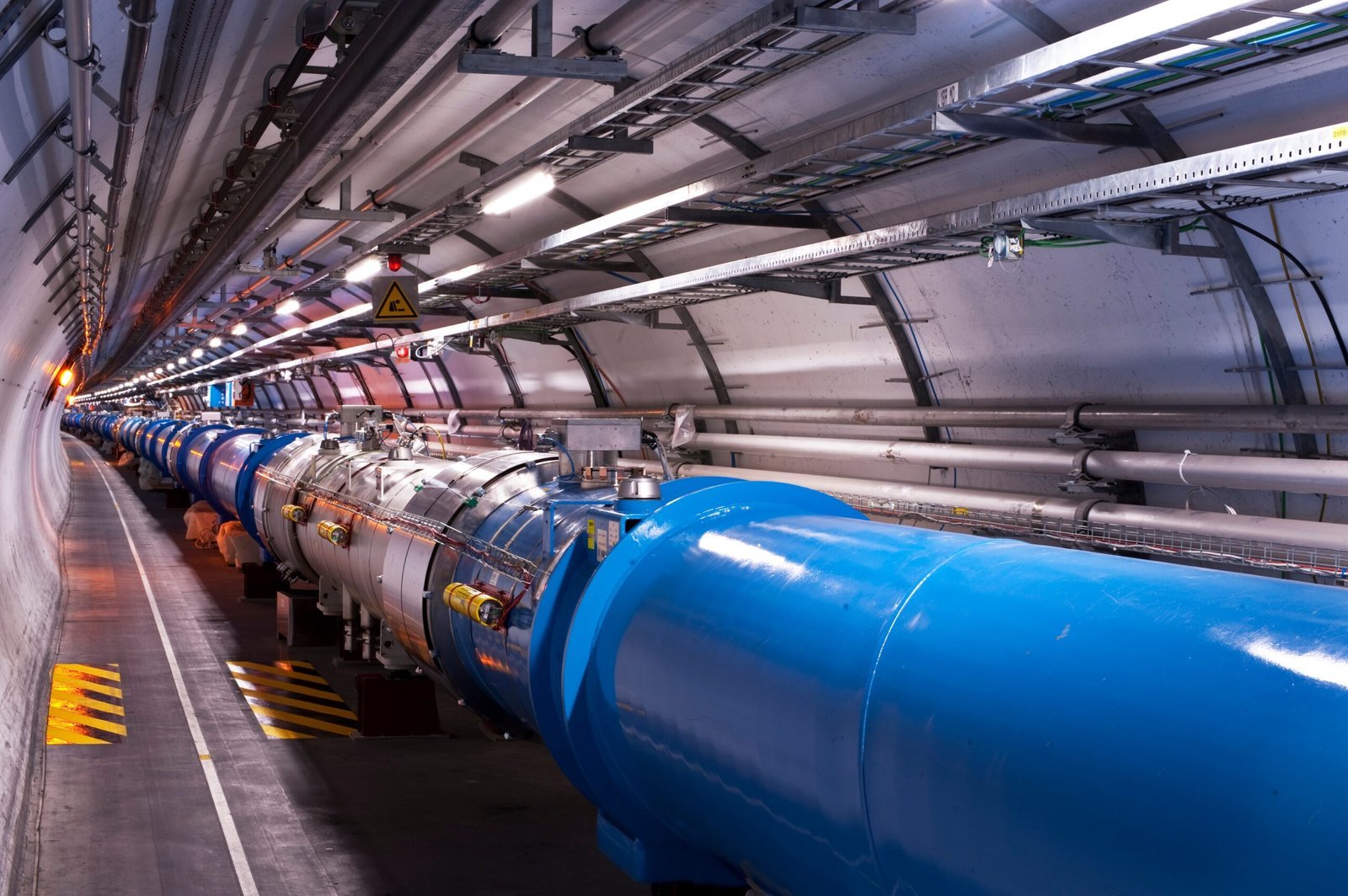
Peter Higgs predicted a field giving particles mass in 1964. CERN’s Large Hadron Collider detected it in 2012. It completes the Standard Model, explaining why matter has substance.
Particle physics gained closure on electroweak symmetry. Searches for physics beyond continue. It underscores experiments confirming theory after decades.[4]
Science as a Driver of Intellectual Transformation
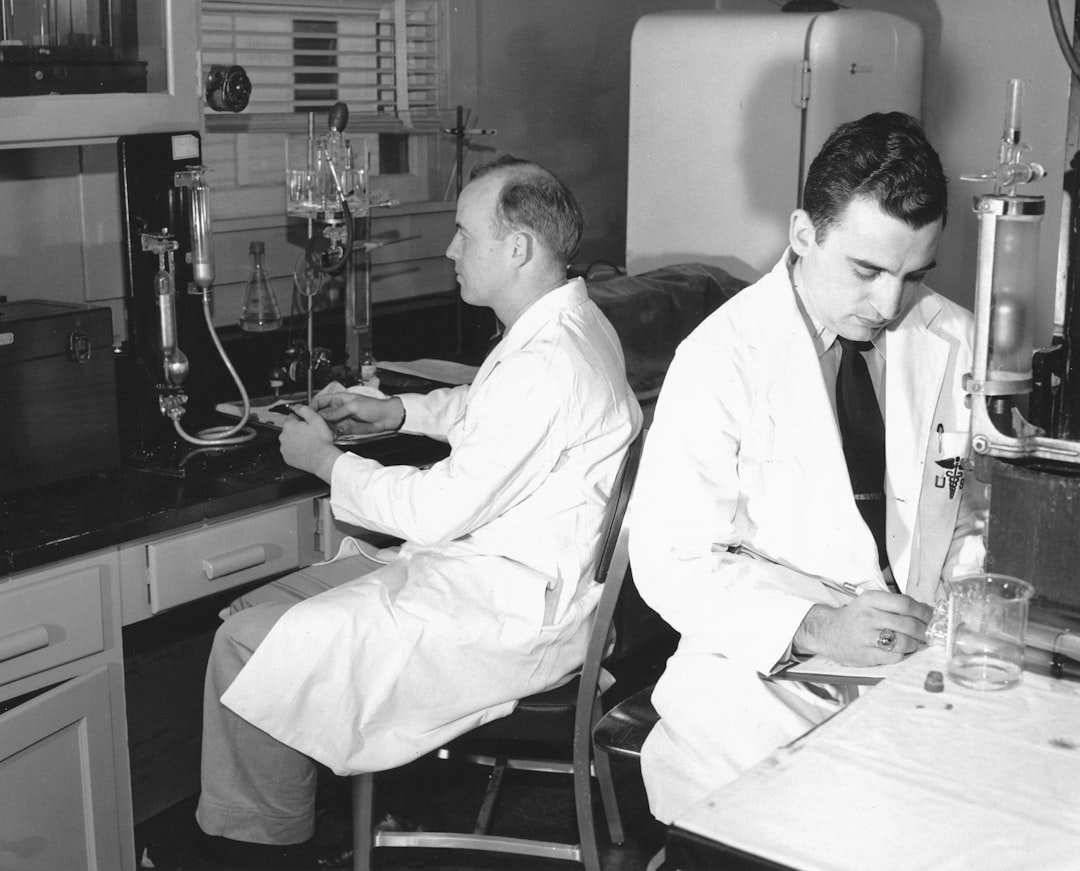
Each discovery built on the last, accelerating progress. Skepticism and evidence remain science’s core, toppling dogmas repeatedly.
Future shifts loom in quantum gravity or consciousness. Yet the pattern endures: bold ideas tested rigorously reshape reality. Science invites endless wonder at nature’s depths.[5]

Christian Wiedeck, all the way from Germany, loves music festivals, especially in the USA. His articles bring the excitement of these events to readers worldwide.
For any feedback please reach out to info@festivalinside.com
