

For any feedback please reach out to info@festivalinside.com
- 12 Literary Feuds So Intense, They Changed the Course of Literature - August 11, 2026
- 10 Mysterious Disappearances of Famous Figures That Still Puzzle Experts - August 11, 2026
- 10 Foods We Thought Were American But Were Actually Invented Somewhere Else. - August 11, 2026
In the vinyl era, particularly with 45 rpm singles dominating from the 1950s through the 1980s, the B-side served as a creative wildcard.[1] Record labels pushed A-sides for radio play and sales, leaving the flip side for artists to explore freely.
This space often captured raw experiments, outtakes, or tracks too bold for albums. Think psychedelic tricks or intimate confessions that hinted at an artist’s deeper range. These hidden tracks quietly shaped how fans saw entire eras of music.[2]
Beatles’ “Rain”: Psychedelic Innovation in 1966
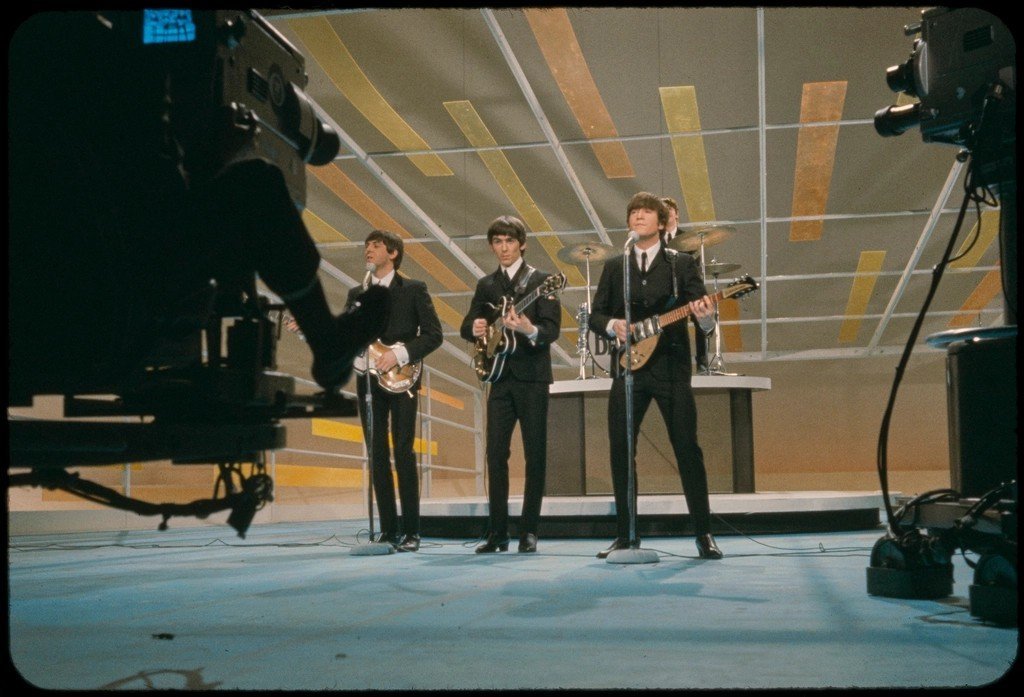
The Beatles tucked “Rain” on the B-side to “Paperback Writer,” drawing from Revolver sessions. It showcased early tape manipulation, with reversed vocals creating a dreamy haze that pushed pop boundaries.[3] John Lennon led this effort, blending sunny melodies with otherworldly effects to reveal the band’s studio wizardry. This track captured the mid-1960s shift toward experimentation, defining their psychedelic turn.
Listeners initially flipped past it for the A-side hit, yet radio DJs latched on quickly. Over time, it earned acclaim as a standout, influencing production techniques for decades. Fans now hail it as a Revolver-era gem, often played live in its warped glory.[4]
Queen’s “We Will Rock You”: Anthemic Power in 1977
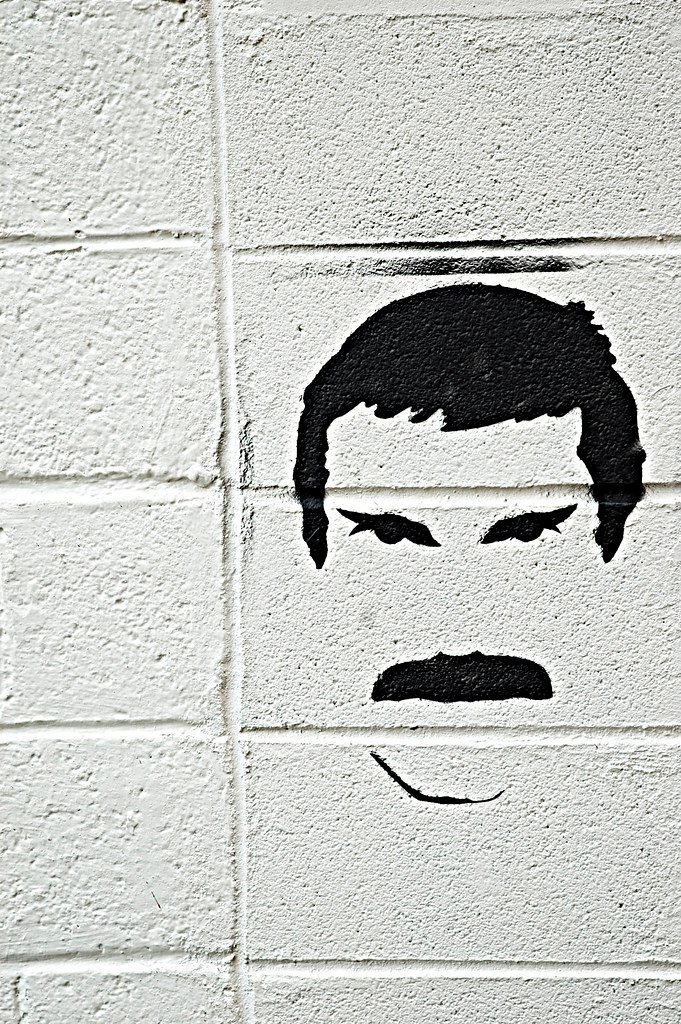
Paired with “We Are the Champions” on News of the World, “We Will Rock You” started as the B-side. Its stomping rhythm and raw energy stripped arena rock to essentials, showcasing Freddie Mercury’s vision for crowd participation. This pairing encapsulated late-1970s stadium dominance, with the B-side fueling live spectacles.
Audiences embraced the foot-stomps and claps immediately, turning it into a universal chant. It outshone the A-side in sports arenas and concerts worldwide. Today, its simplicity endures, proving a B-side’s potential to eclipse expectations.[4]
Led Zeppelin’s “Hey Hey What Can I Do”: Folk Mysticism in 1970
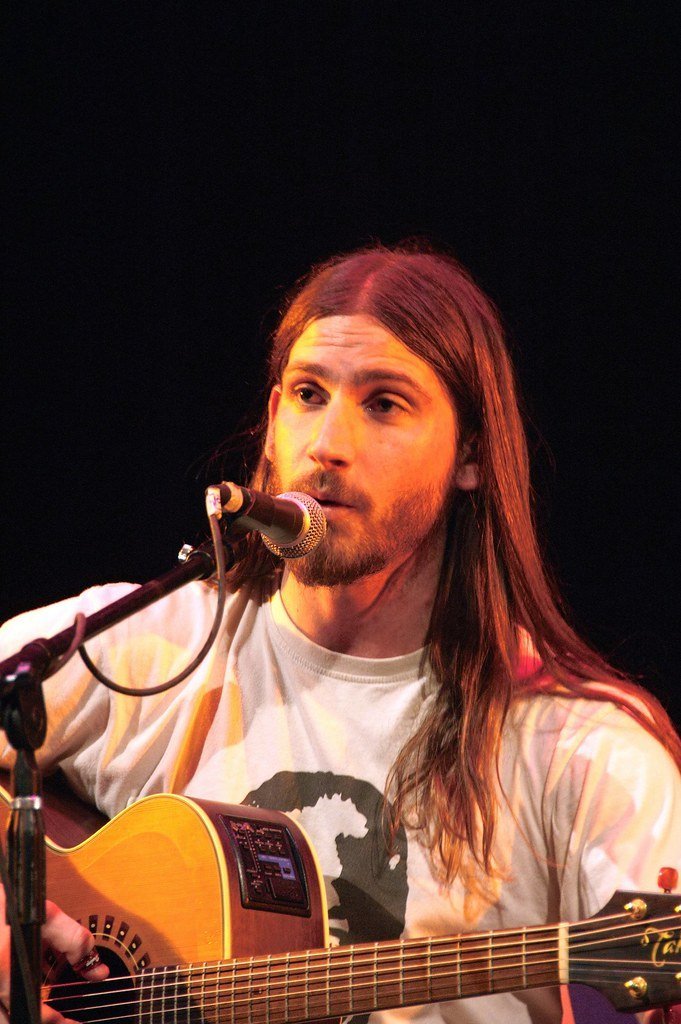
As the B-side to “Immigrant Song,” this non-album track leaned into Led Zeppelin III’s acoustic leanings. Robert Plant’s mystical lyrics floated over jangly guitars, exposing the band’s folk roots amid hard rock fame. It highlighted their versatility, bridging heavy riffs with intimate vibes.
Radio picked it up as a classic rock staple despite album exclusion. Fans cherished its rarity, demanding inclusions in later collections. Its enduring play on airwaves shows how B-sides captured elusive band essences.[5]
The Smiths’ “How Soon Is Now?”: Dystopian Edge in 1984
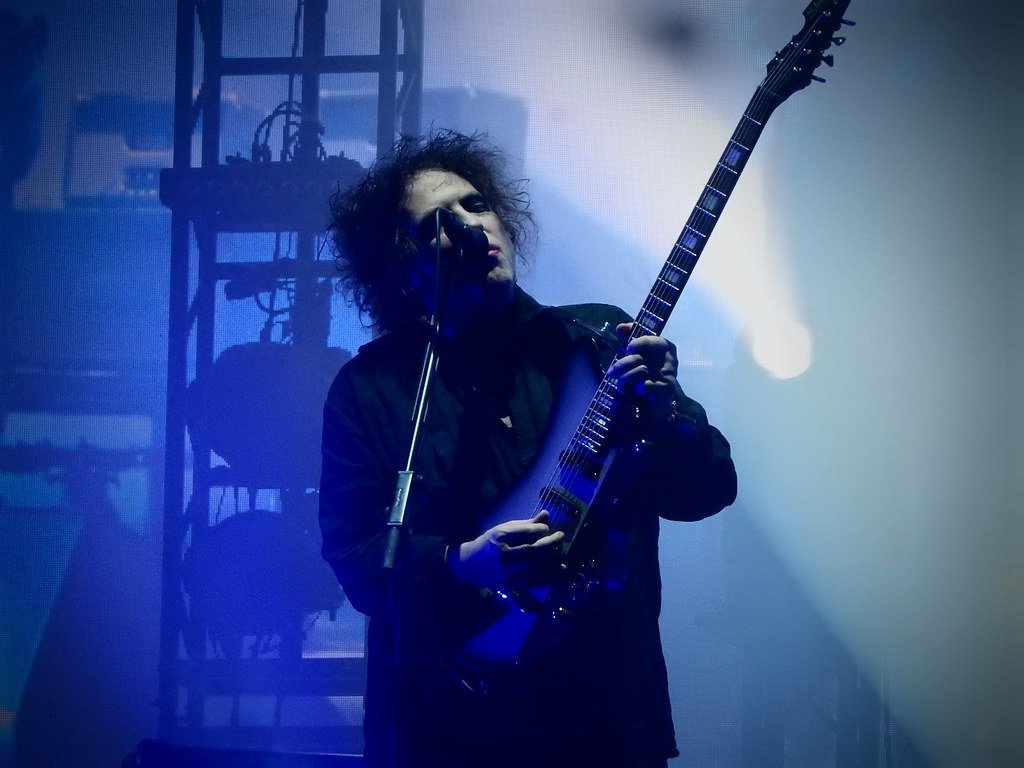
Originally the B-side to “William, It Was Really Nothing,” this seven-minute drone channeled post-punk isolation. Johnny Marr’s tremolo guitar and Morrissey’s anguished wail created a hypnotic tension, revealing the band’s darker experimental streak. It stood apart from their jangly hits, marking a pivotal sound evolution.[2]
Rough Trade hesitated, but Peel sessions and compilations propelled it forward. Reissued as an A-side, it hit big and became a goth staple. Listeners connected deeply, cementing its status as an 1980s indie landmark.
Fleetwood Mac’s “Silver Springs”: Emotional Depth in 1977
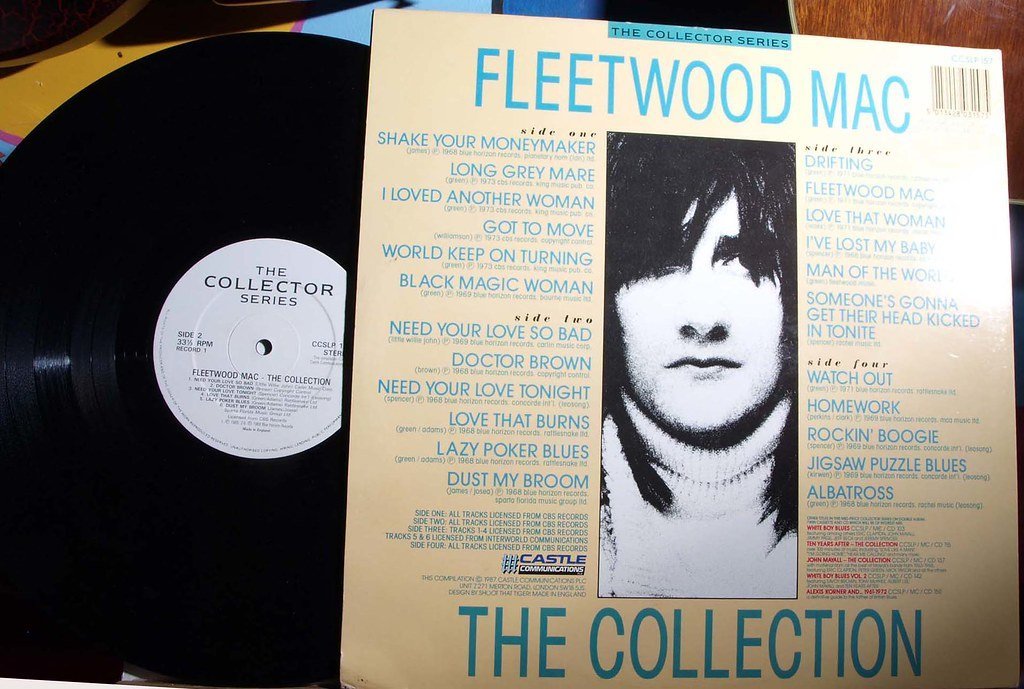
B-side to “Go Your Own Way” from Rumours sessions, Stevie Nicks penned this as a raw plea amid band turmoil. Its swelling intensity captured intra-band heartbreak, contrasting the album’s polished sheen. This track underscored the personal stakes defining their blockbuster era.
Initially overlooked, live versions later spotlighted its power, earning Grammy nods. Fans rallied for official releases, turning it into a concert highlight. Its slow-burn rise reflects B-sides’ hidden emotional punch.[5]
The Stone Roses’ “Fool’s Gold”: Madchester Groove in 1989
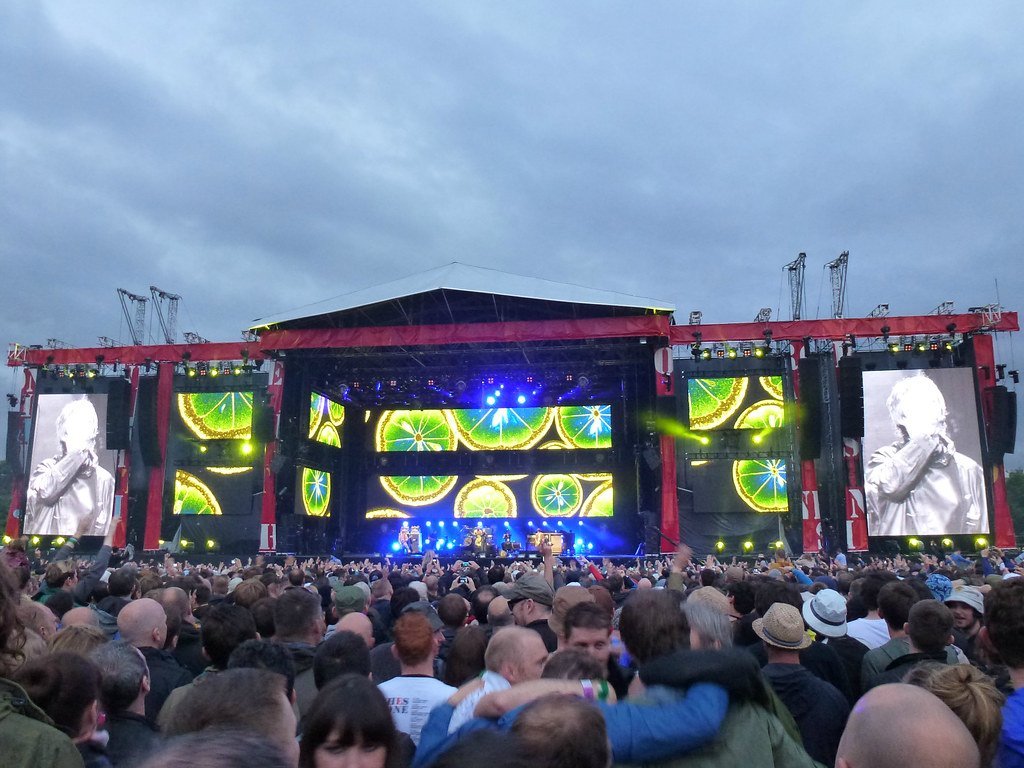
Listed as B-side to “What the World Is Waiting For,” this funky jam fused indie with dance. Its extended groove and Ian Brown’s cool delivery ignited the Madchester scene, blending acid house with rock swagger. It defined their debut album’s cultural ripple.
Clubs spun it relentlessly, flipping its status to double A-side fame. UK charts loved the vibe, making it a rave-era essential. Enthusiasts still dissect its bassline as scene-defining.[4]
Pearl Jam’s “Yellow Ledbetter”: Grunge Enigma in 1992
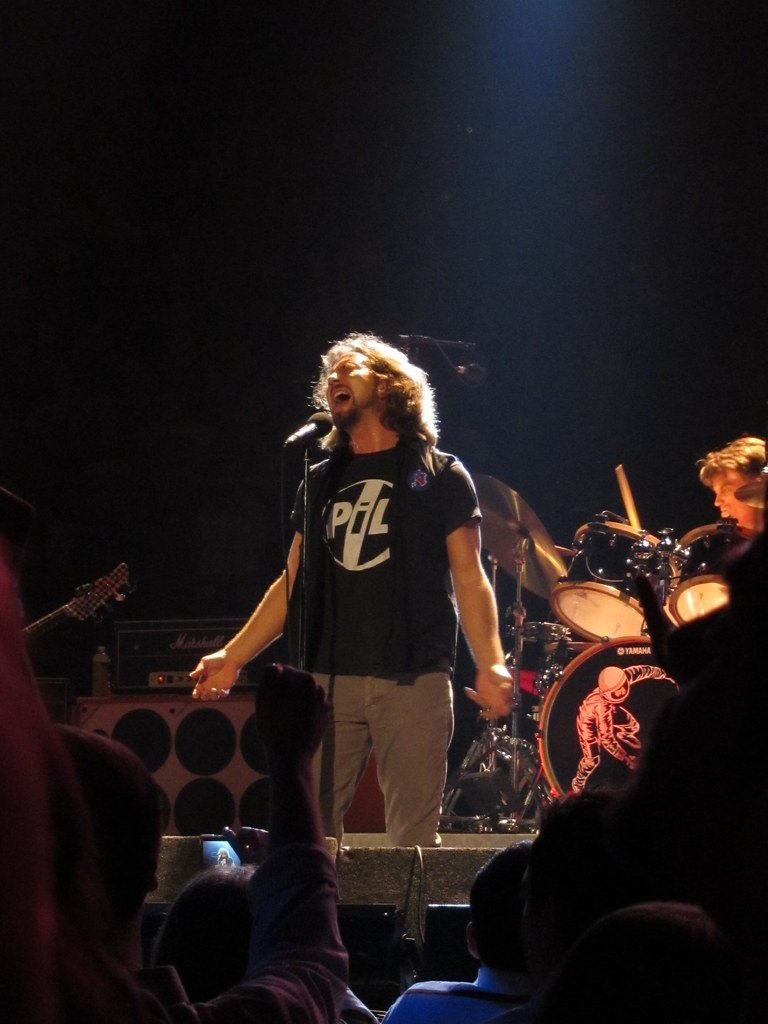
Backing “Jeremy” from Ten outtakes, Eddie Vedder’s mumbled lyrics and Mike McCready’s Hendrix-esque solo evoked raw mystery. It distilled grunge’s melodic underbelly, away from angst anthems. This B-side mirrored the era’s introspective side.
Radio turned it into a hit, with fans decoding lyrics endlessly. Concert singalongs made it legendary, often topping band polls. Its vague poetry hooked generations.[3]
U2’s “The Sweetest Thing”: Apologetic Charm in 1987
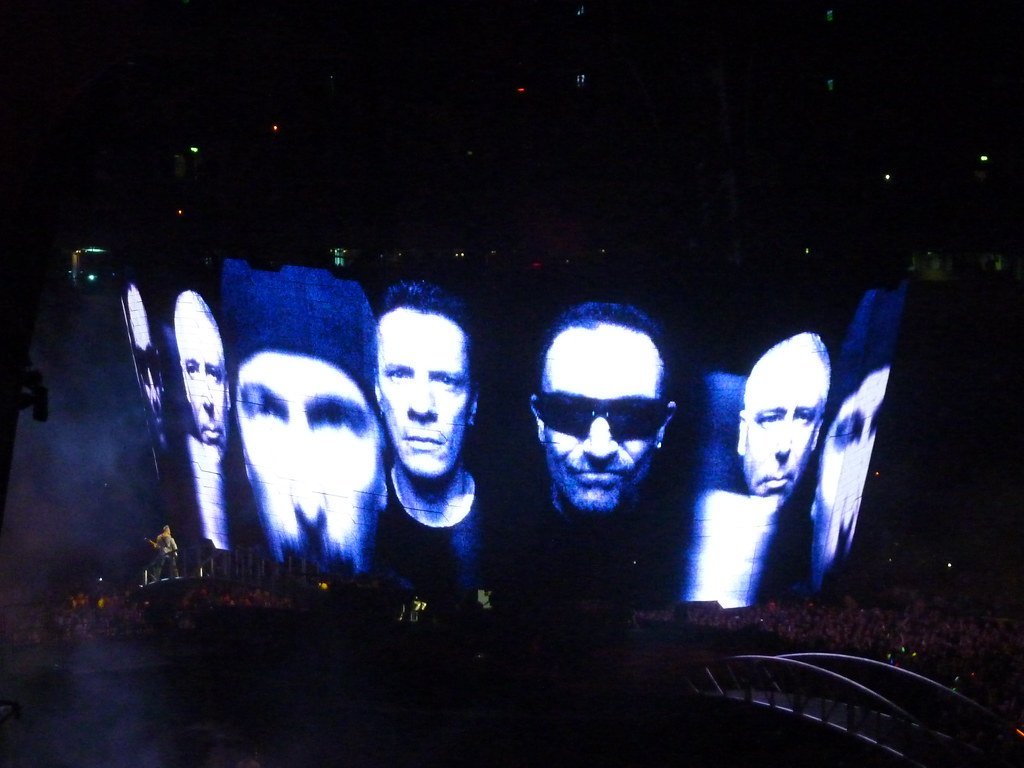
B-side to “Where the Streets Have No Name” during Joshua Tree, Bono crafted this as a birthday mea culpa. Its jangly pop softened their epic scope, showing playful vulnerability. It humanized the band’s stadium phase.
Re-recorded later, it charted anew with fans embracing the sweetness. Collections revived it as a fan favorite. This flip revealed stars’ lighter facets.[5]
Rediscovering Overlooked Recordings
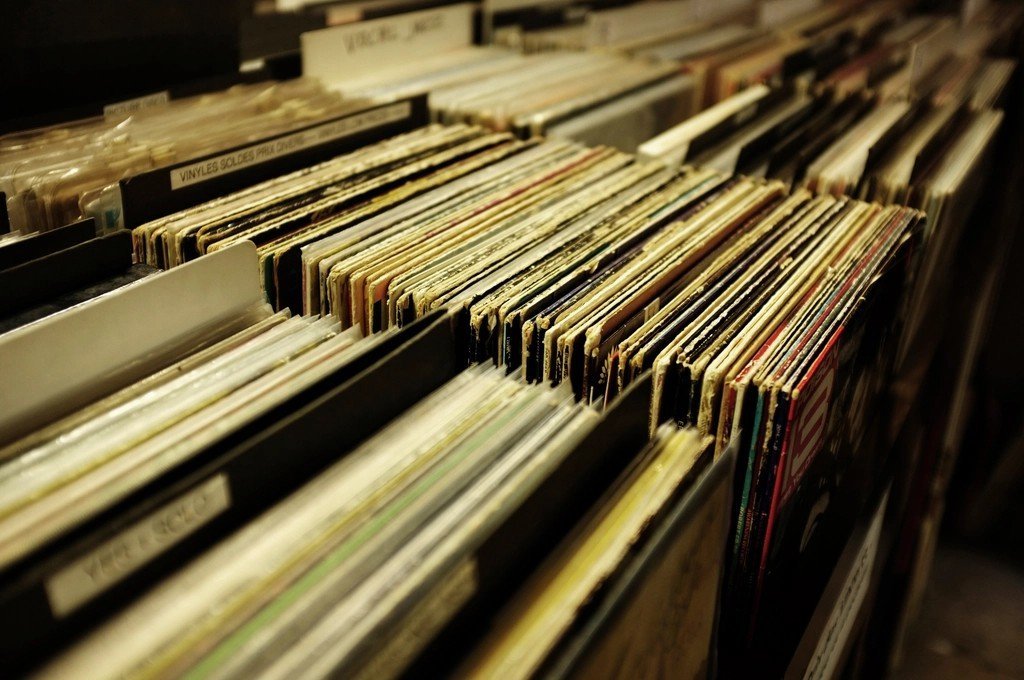
Streaming and compilations now unearth these gems, letting algorithms surface B-sides alongside hits. Fans compile playlists, breathing new life into vinyl relics. This shift honors the flip side’s quiet legacy.
Yet the thrill lies in that original hunt, flipping records for surprises. In 2026, these tracks remind us music thrives in the shadows. Their rediscovery keeps album eras alive, one spin at a time.

Christian Wiedeck, all the way from Germany, loves music festivals, especially in the USA. His articles bring the excitement of these events to readers worldwide.
For any feedback please reach out to info@festivalinside.com
