

- 7 Movie Endings That Were Changed at the Last Minute - September 20, 2026
- Why Some Songs Hit Harder at Night - September 20, 2026
- The 20 Authors Who Predicted the Future Without Trying - September 20, 2026
Throughout history, the personal entanglements of powerful individuals often rippled far beyond private chambers. Romantic scandals could topple empires, reshape alliances, or tarnish legacies that endured for centuries. These relationships frequently intertwined with political maneuvers, where passion clashed against duty and tradition.
Figures from ancient rulers to modern monarchs found their reputations forever altered by lovers who defied norms. Such stories reveal how vulnerability in matters of the heart influenced decisions on thrones and battlefields alike.
Cleopatra VII
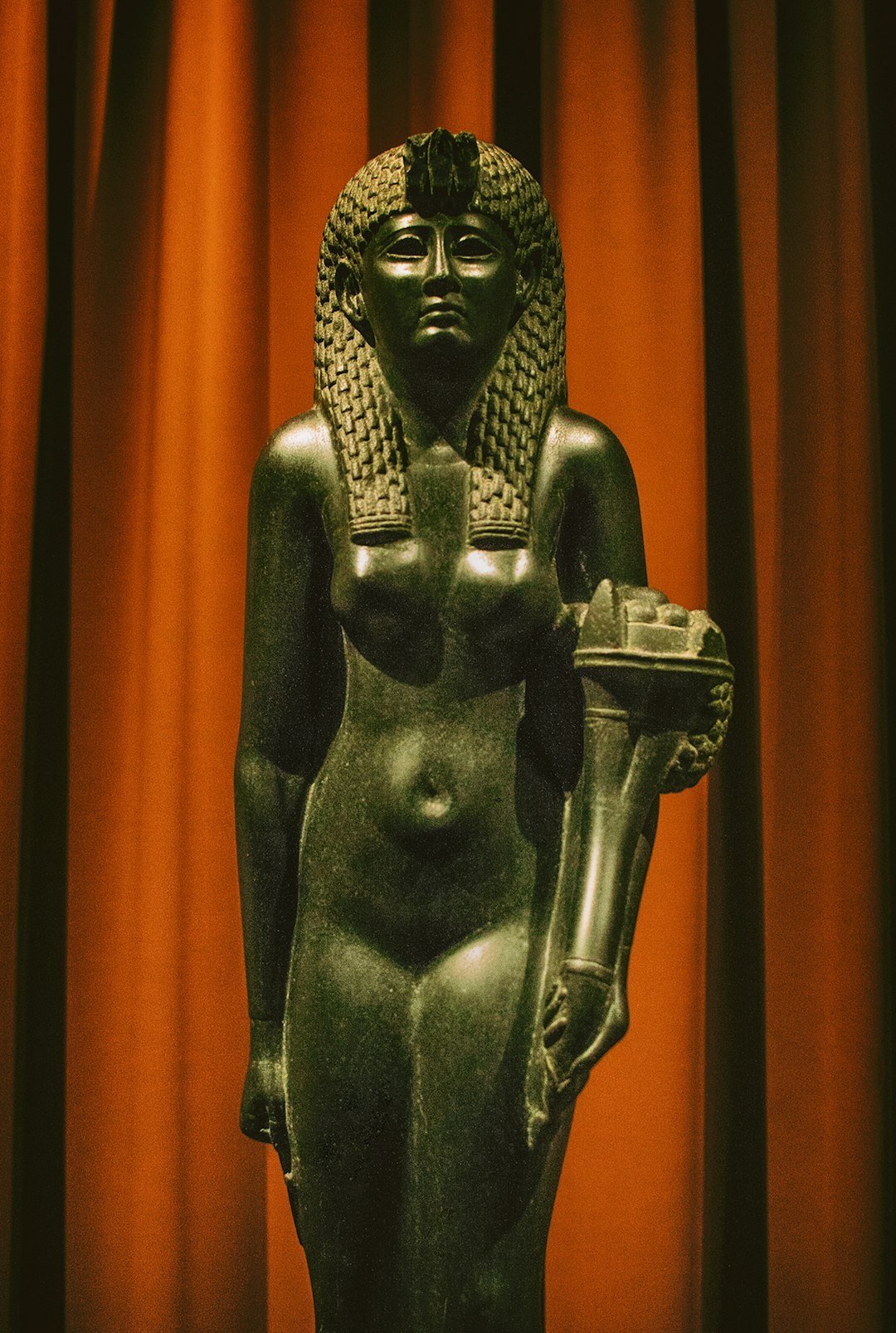
Cleopatra, the ambitious queen of Egypt, captivated Julius Caesar during his visit in 48 BC, becoming his mistress despite his marriage to Calpurnia. Their affair produced a son, Caesarion, and she accompanied him to Rome, flaunting their union publicly. This bold liaison shocked Roman sensibilities and fueled political rivalries.
After Caesar’s assassination, Cleopatra allied with Mark Antony, bearing three children and marrying him after he divorced his wife. Octavian exploited their passion in propaganda, portraying her as a seductress undermining Rome. Their defeats at Actium led to their suicides in 30 BC, ending Ptolemaic Egypt and cementing her image as a tragic temptress.[1][2]
Mark Antony
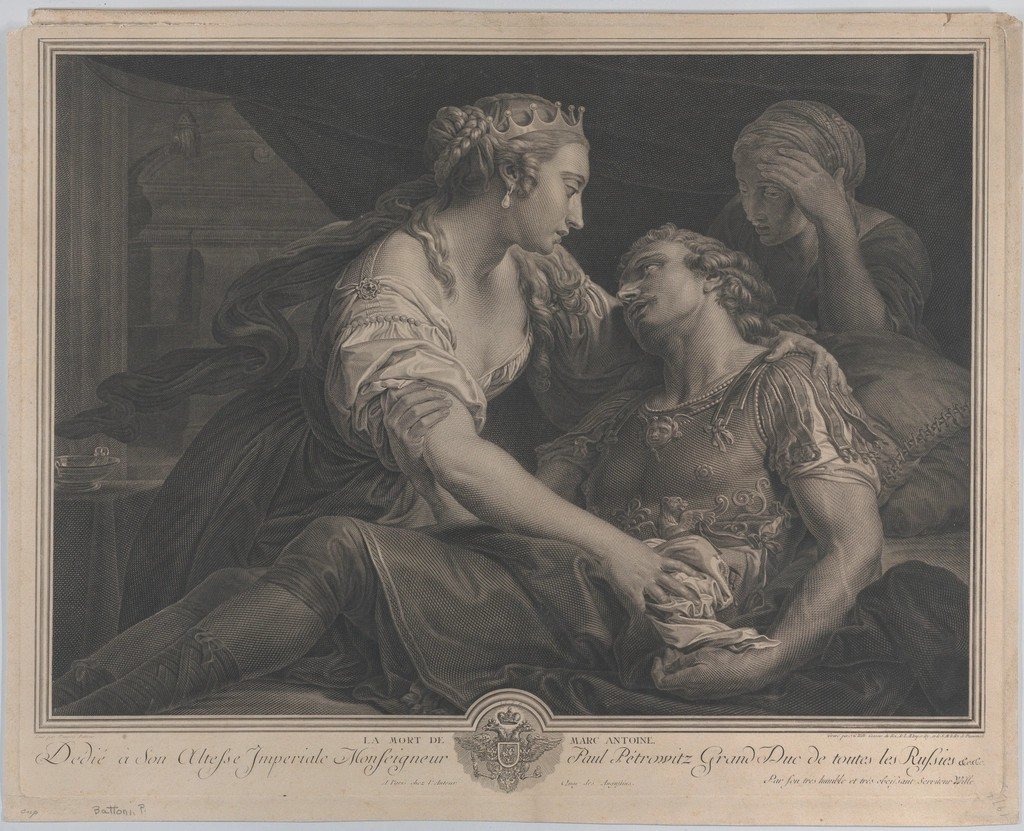
Mark Antony, Roman triumvir, summoned Cleopatra in 41 BC for political talks, but their meeting ignited a passionate affair. He abandoned his wife, Octavia, to live with Cleopatra in Alexandria, fathering twins and later marrying her. This choice alienated allies and gave Octavian ammunition to rally support against him.
Their lavish displays of love, including Antony’s generous gifts to Egypt, painted him as bewitched and un-Roman. Defeat at the Battle of Actium in 31 BC followed, with Antony stabbing himself upon false news of Cleopatra’s death. His legacy shifted from hero to cautionary tale of love’s destructive power.[2]
Julius Caesar
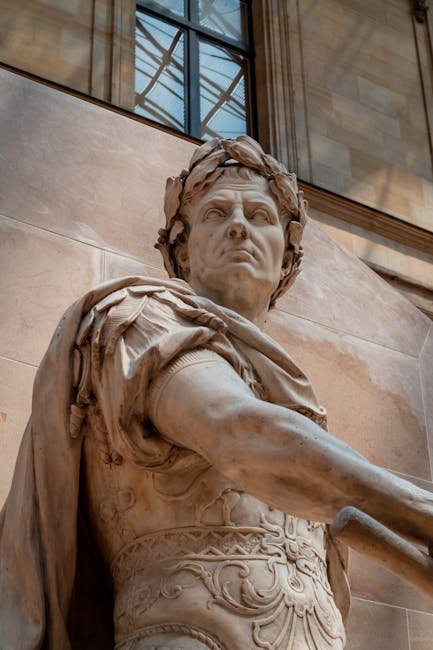
Julius Caesar met Cleopatra in Egypt amid civil war, hiding her in a carpet to defy her brother Ptolemy XIII. Their romance produced Caesarion, whom she claimed as co-ruler, challenging Roman traditions. Parading her in Rome as his mistress provoked senators’ jealousy and fears of monarchy.
This scandal contributed to the Ides of March plot in 44 BC, where assassins targeted him partly over Eastern influences. Caesar’s death left Cleopatra vulnerable and his heir Octavian to vilify the affair in propaganda. It marked a turning point in Rome’s shift from republic to empire.[1]
Henry VIII
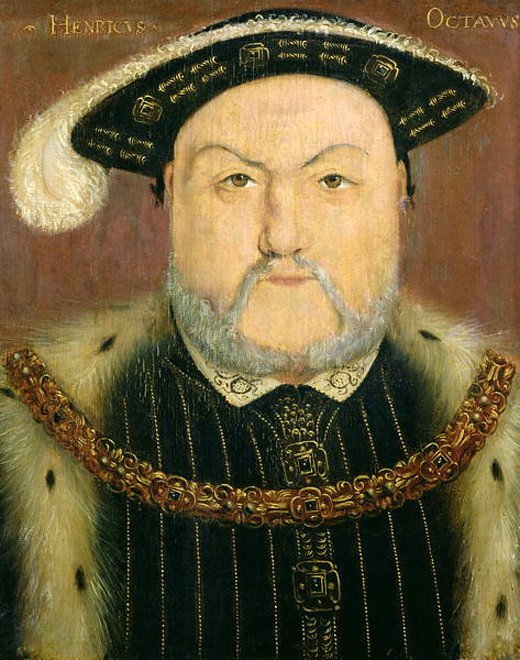
Henry VIII pursued Anne Boleyn while married to Catherine of Aragon, refusing her as mistress and demanding annulment for marriage. He broke from the Catholic Church, declaring himself Supreme Head to wed her in 1533. Public protests erupted, viewing the union as adulterous and sacrilegious.
Anne’s failure to produce a male heir led to accusations of witchcraft and treason after Henry eyed Jane Seymour. Executed in 1536, her death reshaped England’s religion and succession, birthing the Church of England. Henry’s serial pursuits defined his tyrannical rule and fractured European alliances.[1][2]
Anne Boleyn
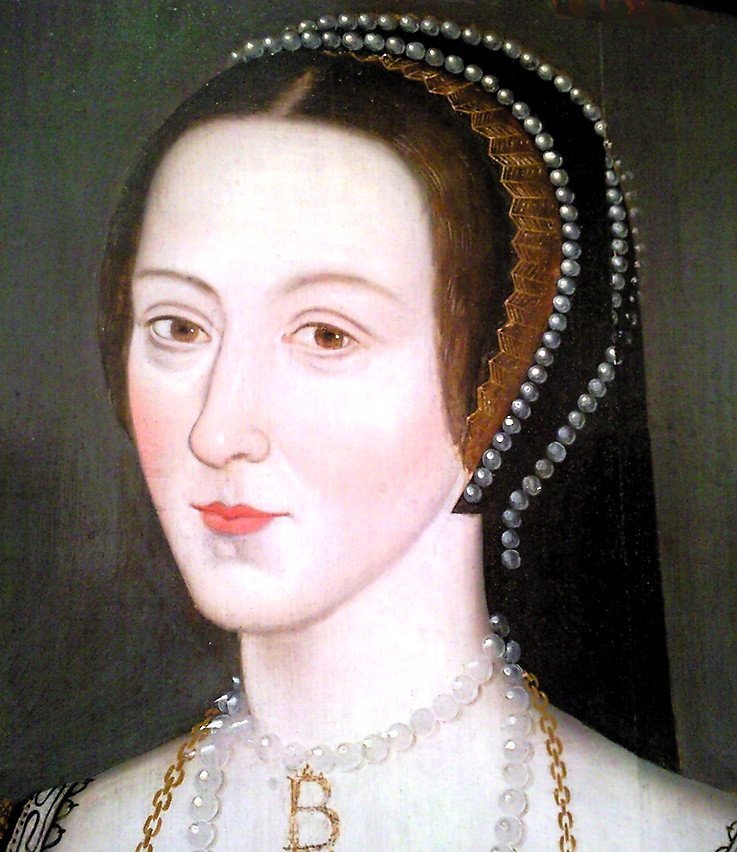
Anne Boleyn caught Henry VIII’s eye as lady-in-waiting to Catherine of Aragon, cleverly refusing concubinage to force marriage. Their secret 1533 wedding amid divorce proceedings sparked mobs and sermons decrying her as whore. She influenced policy, pushing Protestant reforms that alienated Catholics.
Miscarriages soured the king, leading to fabricated adultery charges and her 1536 beheading. Her daughter Elizabeth later became a legendary queen, ironically securing Anne’s place in history. The scandal accelerated the English Reformation and royal absolutism.[2][3]
Catherine the Great
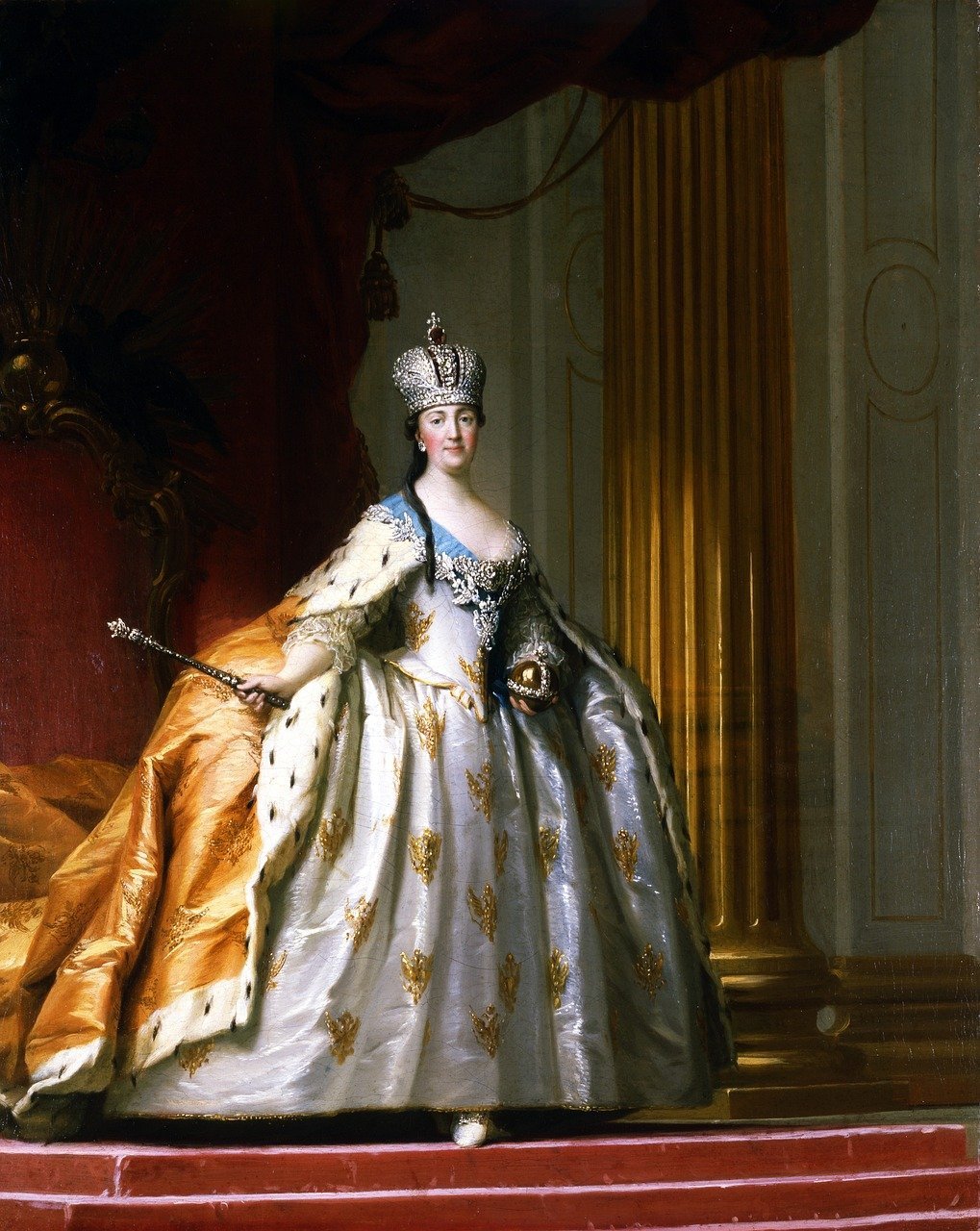
Catherine overthrew her husband Peter III in 1762, soon taking Grigory Potemkin as lover and promoting him to power. Her string of young favorites, including Potemkin, shocked Europe for a female ruler flouting marital fidelity. She wielded these relationships politically, granting titles and influence.
Potemkin’s death devastated her, but her reputation as promiscuous overshadowed reforms expanding Russia. Scandals fueled myths, like horse rumors, undermining her enlightened image abroad. They highlighted gender double standards in absolutist courts.[1][2]
Peter Abelard
Philosopher Peter Abelard tutored Heloise in 12th-century Paris, their lessons turning romantic despite his vow of chastity and her youth. Pregnancy forced a secret marriage, enraging her uncle Fulbert, who ordered Abelard’s castration. The violence ended their physical union but not intellectual bond.
Both entered religious life, yet corresponded passionately for decades. Abelard’s career suffered; his Historia Calamitatum detailed the scandal. Their story inspired literature, symbolizing tragic love against clerical hypocrisy.[2]
Héloïse d’Argenteuil
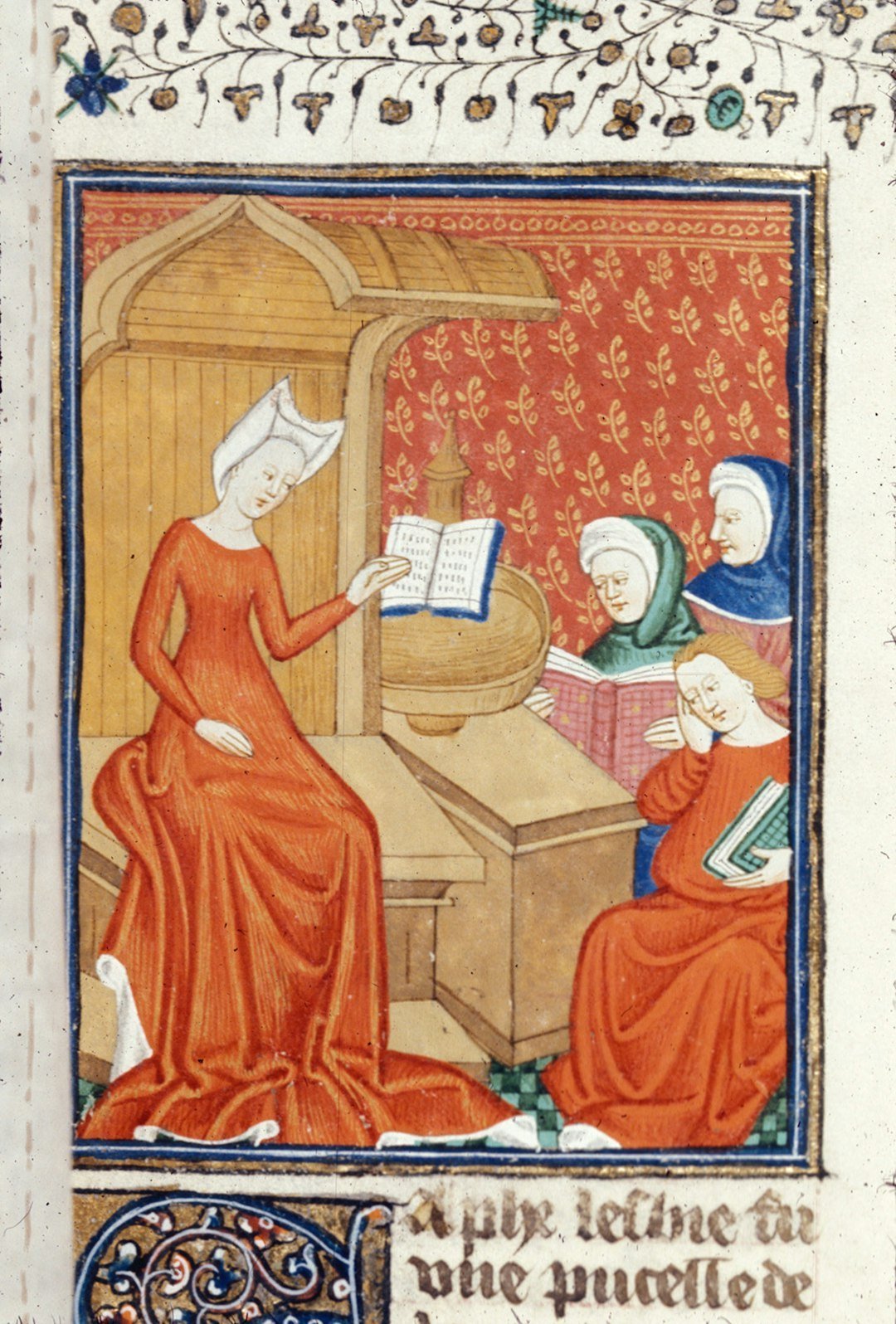
Héloïse, brilliant scholar, fell for tutor Abelard, bearing his child out of wedlock in medieval Paris. Pressured into secret marriage, the affair provoked her uncle’s brutal attack on Abelard. She rejected annulment, prioritizing love over convention.
Entering a convent, she rose as abbess while defending their passion in letters. The scandal curtailed Abelard’s teaching, shifting focus to theology. Their preserved correspondence endures as testament to defiant intellect and romance.[2]
Edward VIII
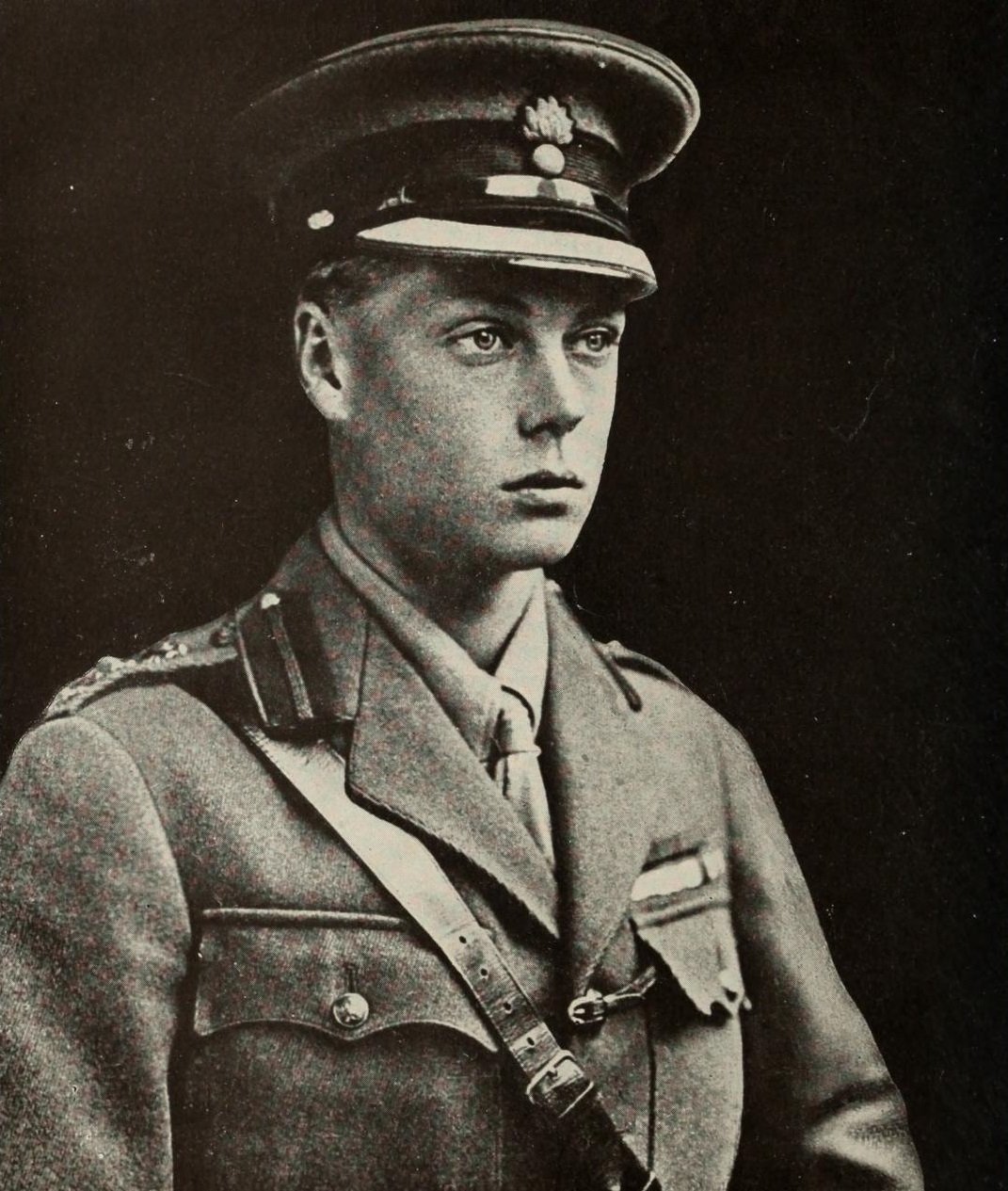
Edward VIII met divorced American Wallis Simpson in 1931, their bond deepening despite her two marriages. As king in 1936, he insisted on wedding her, clashing with church and government over her divorces. Global headlines dubbed it the abdication crisis.
He relinquished the throne after months, broadcast: duty impossible without her support. Brother George VI ascended, altering monarchy’s stability into WWII. Edward’s choice modernized royal expectations but exiled him to minor status.[2][3]
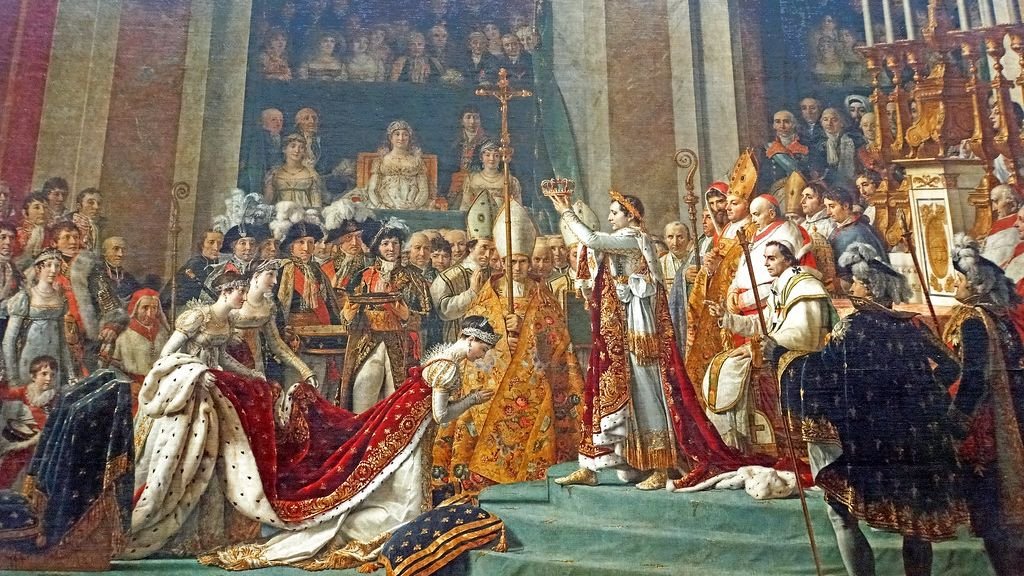
Napoleon Bonaparte
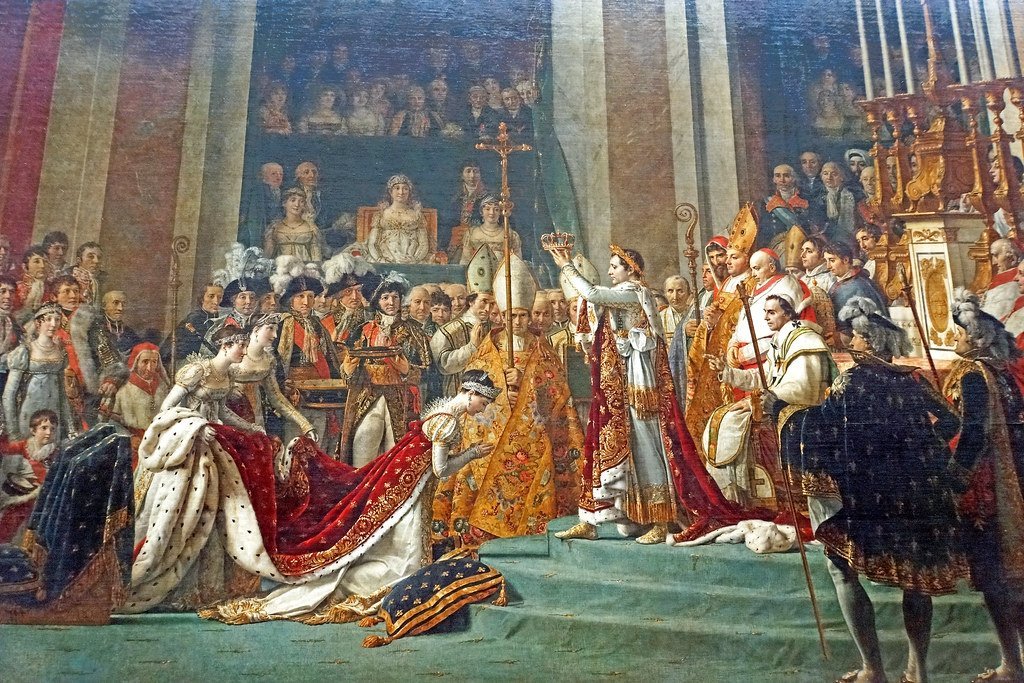
Napoleon wed Josephine in 1796, showering love letters despite her affairs during his campaigns. Devastated by betrayal, he took mistresses, yet divorced her in 1809 for lacking heirs. Their passion persisted; he mourned her deeply.
The split enabled his Austrian marriage, producing a son but no lasting dynasty. Josephine’s death before his Elba exile symbolized personal loss amid empire’s fall. It humanized the conqueror in historical memory.[1][2]
King Ludwig I of Bavaria
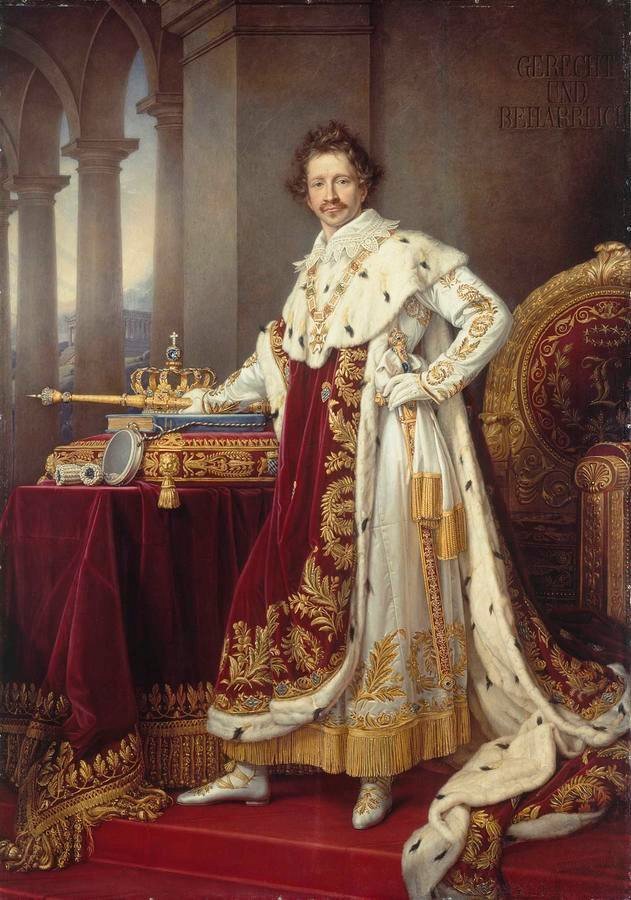
Ludwig I lavished dancer Lola Montez with titles and influence upon meeting in 1846, ignoring her scandalous past. She meddled in politics, alienating ministers and sparking riots. Public outrage grew over the aging king’s infatuation.
Revolutions of 1848 forced his abdication to pursue her freely. Bavaria’s government destabilized, accelerating liberal reforms. Ludwig’s folly tarnished Wittelsbach prestige.[1]
Lola Montez
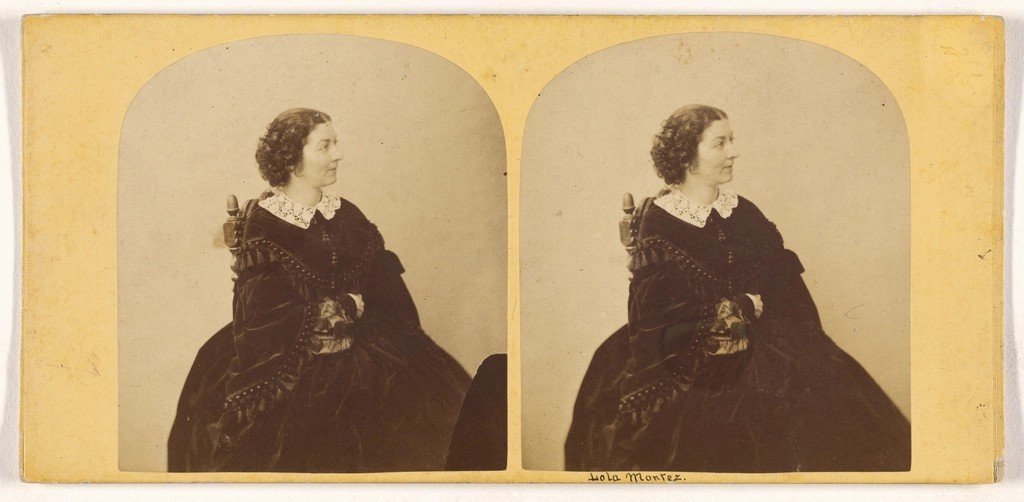
Irish dancer Lola Montez seduced Bavarian King Ludwig I, gaining countess title despite common origins. Her fiery temper and interference dismissed officials, fueling opposition. She embodied foreign adventuress corrupting monarchy.
1848 uprisings ousted her from Munich, prompting Ludwig’s throne loss. Montez lectured in America, her notoriety enduring. The affair exemplified romantic excess igniting revolution.[1]
Lord Byron
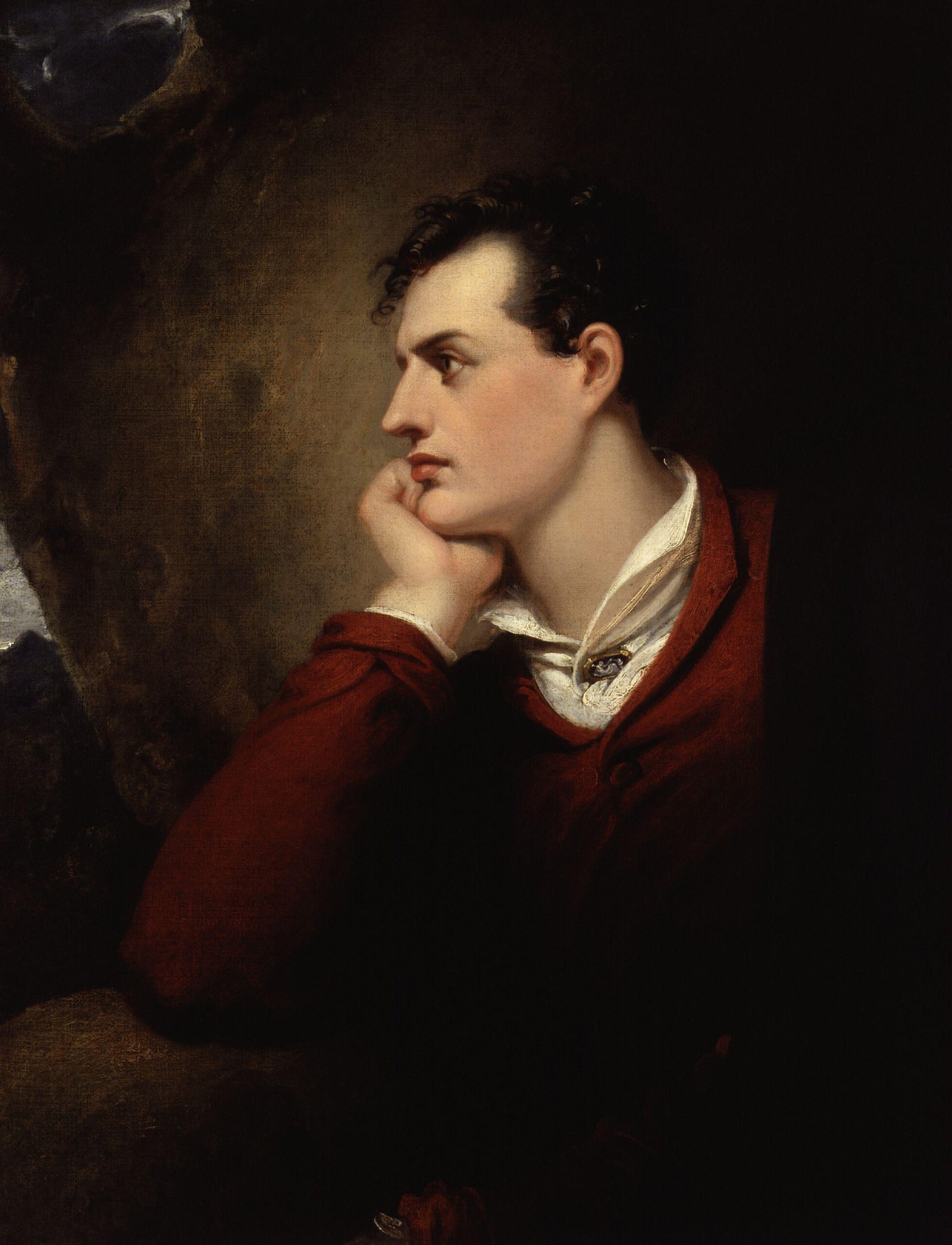
As such, use of this image in the jurisdiction of the claimant or other countries may be regarded as copyright infringement. Please see Commons:When to use the PD-Art tag for more information., Public domain)
Poet Lord Byron conducted affairs across Europe, including rumored incest with half-sister Augusta Leigh. His 1816 Venice escapades and bisexuality shocked Regency society. Wife Annabella sought separation amid abuse claims.
Exiled from England, Byron joined Greek independence, dying heroically in 1824. Scandals overshadowed his Byronism legacy, inspiring Romantic rebellion. They fueled his mythic bad boy image.[1]
Alexander Hamilton
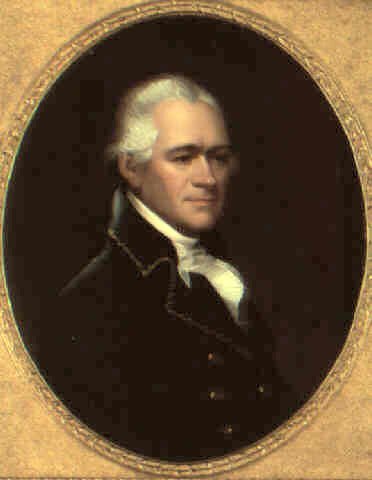
U.S. Treasury Secretary Alexander Hamilton entangled with Maria Reynolds in 1791, paying blackmail to her husband. The scheme exposed his adultery publicly in 1797 pamphlet. It damaged Federalist credibility amid partisan wars.
Though confessing spared resignation, it weakened him against Burr’s 1804 duel killing. Hamilton’s transparency set political scandal precedent. Private folly marred founding father aura.[1]
Louis XV
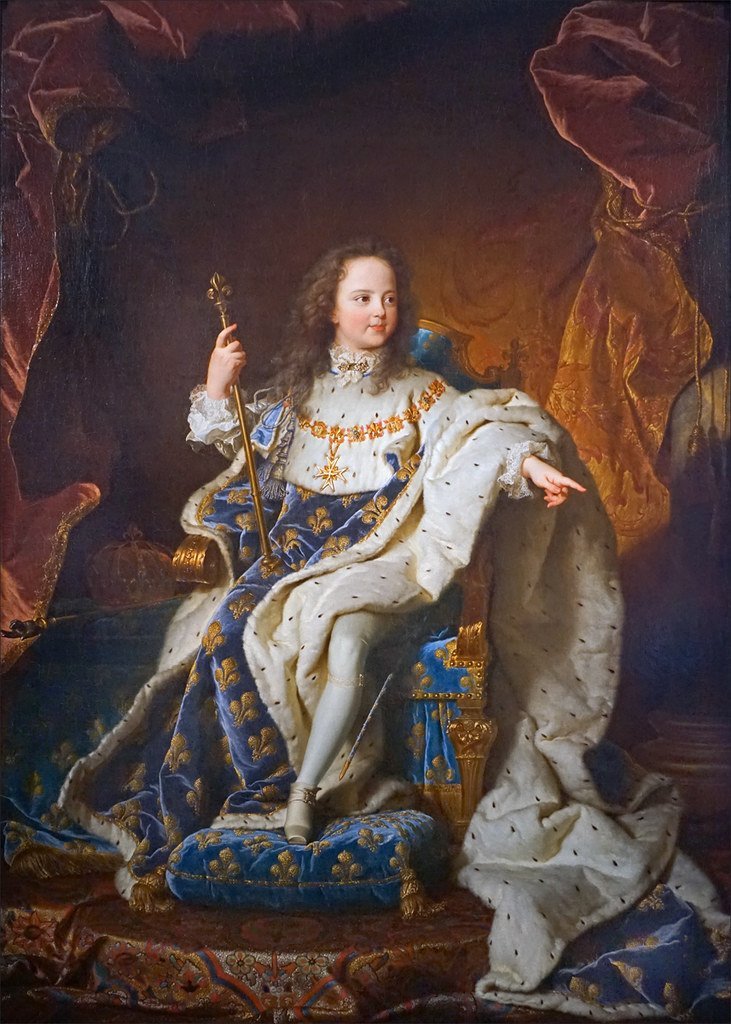
Louis XV elevated courtesan Madame du Barry as chief mistress, parading her amid Versailles excess. Pamphlets mocked the aging king, blaming her for corruption. Marie Antoinette’s snubs heightened court tensions.
Du Barry’s banishment on his 1774 deathbed fueled revolutionary hatred. Executed in 1793, she symbolized ancien régime decadence. The affair eroded Bourbon legitimacy.[3]
Conclusion
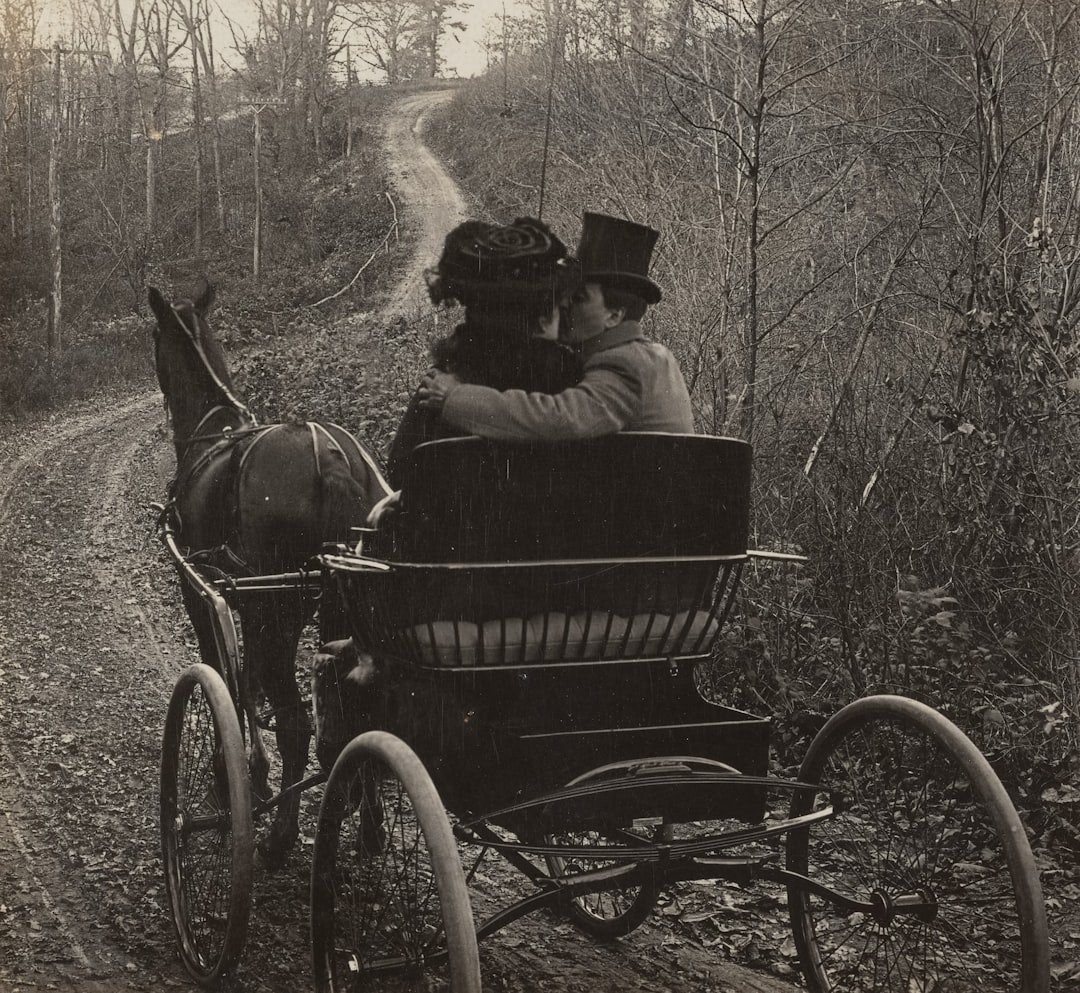
These tales underscore how bedrooms became battlegrounds for power and perception. Lovers toppled kings, birthed nations, or immortalized flaws in stone.
Private passions, once whispered, now define legacies, reminding us history thrives on human frailty as much as grand strategy.

Besides founding Festivaltopia, Luca is the co founder of trib, an art and fashion collectiv you find on several regional events and online. Also he is part of the management board at HORiZONTE, a group travel provider in Germany.
