

For any feedback please reach out to info@festivalinside.com
- The Art of the B-Side: How Hidden Gems Defined Album Eras. - August 26, 2026
- The Hidden Meanings in Classic Films Add a Dramatically Deeper Layer. - August 26, 2026
- These Dramatic Culinary Inventions Forever Changed How We Eat. - August 26, 2026
Technological leaps in food preservation and preparation have quietly reshaped the way people around the world gather for meals. What once limited eating to fresh, local harvests now spans continents and seasons through clever engineering and scientific insight. These shifts turned survival necessities into everyday conveniences, influencing everything from family dinners to global trade.[1][2]
Cultural exchanges amplified these changes, blending tools with traditions to create new habits. Home cooks gained power over time and distance, while industries scaled up to feed growing populations. The result stands as a testament to human ingenuity meeting basic needs.
Canning
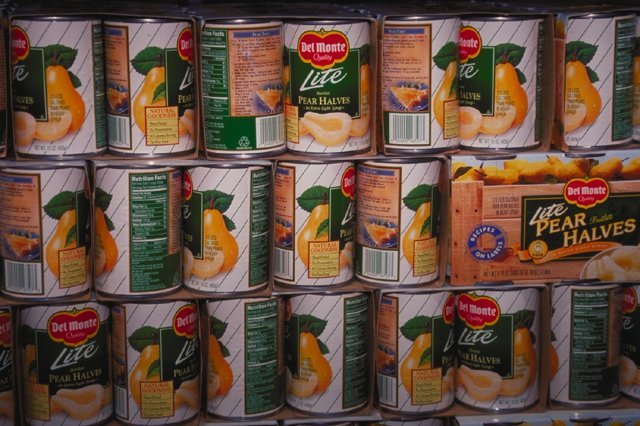
French inventor Nicolas Appert developed the canning process in 1795 through appertisation, sterilizing food in airtight glass jars heated in boiling water. Peter Durand patented the tin can in 1810, shifting to durable metal for military rations during the Napoleonic Wars. This breakthrough addressed spoilage without refrigeration, building on earlier preservation trials.[2][3]
Canning enabled long-term storage, fueling exploration and urbanization by making non-perishables widely available. It transformed diets, introducing shelf-stable fruits, vegetables, and meats year-round. Global supply chains owe much to this method, which still underpins emergency food stocks and convenience pantries today.[1]
Pasteurization

Louis Pasteur devised pasteurization in 1865 to combat microorganisms in wine and beer, applying gentle heat to kill bacteria without altering taste. The technique soon extended to milk, slashing risks from raw dairy pathogens. Factories adopted it rapidly, standardizing safe liquid foods.[2][3]
This process revolutionized dairy consumption, making milk a staple for children worldwide and extending shelf lives dramatically. Public health improved as diseases like tuberculosis declined. Pasteurization paved the way for pasteurized juices and beers, embedding safety into modern beverage culture.[1]
Mechanical Refrigeration
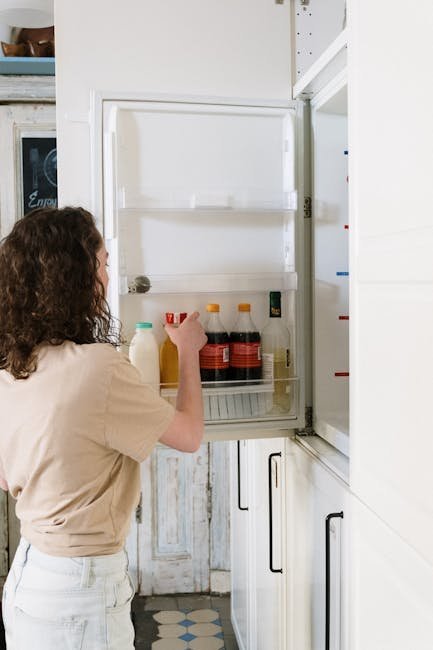
Mechanical refrigeration emerged in 1858 with early machines, but domestic models arrived around 1913 for households. Building on ancient ice storage like Persian yakhchals, engineers used compressors to cool air reliably. This ended reliance on seasonal ice harvests.[2][4]
Fridges preserved perishables, sparking demand for fresh produce off-season and enabling cold chains for transport. Dining habits evolved with chilled salads, ice cream desserts, and cold drinks becoming norms. It fundamentally altered grocery shopping, favoring quality over immediacy.[1]
The Can Opener
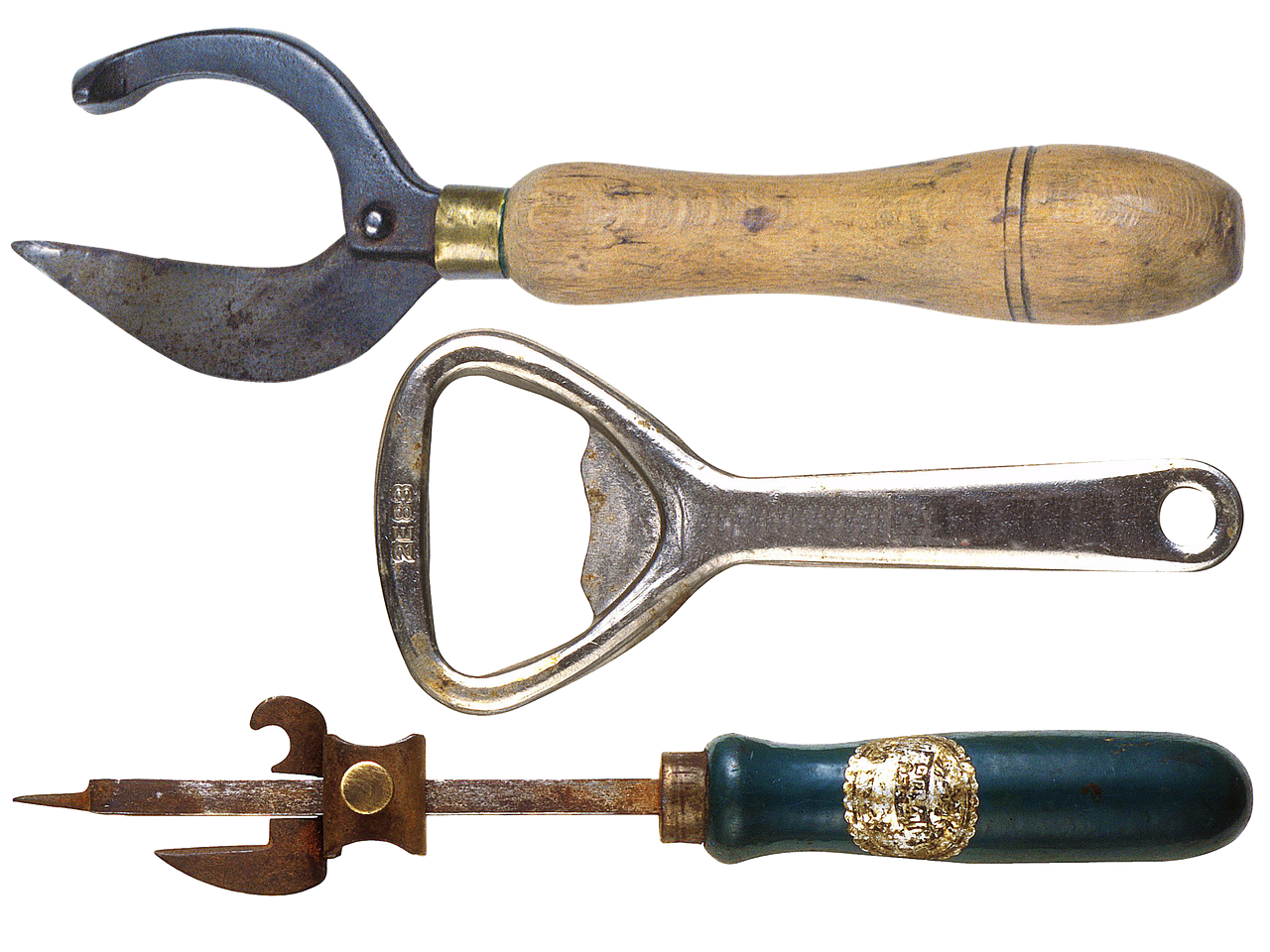
Ezra J. Warner patented the first practical can opener in 1858, a blade-and-guard tool that pierced and sawed lids, decades after cans debuted. Earlier openers resembled chisels, making access cumbersome. Warner’s design prioritized safety and ease for home use.[4]
It unlocked canned goods’ potential, turning them from rations into pantry staples for quick meals. Families gained speed in cooking, boosting tinned soups, beans, and fish in daily diets. Modern wheel versions refined this further, cementing convenience in global kitchens.[4]
Sliced Bread
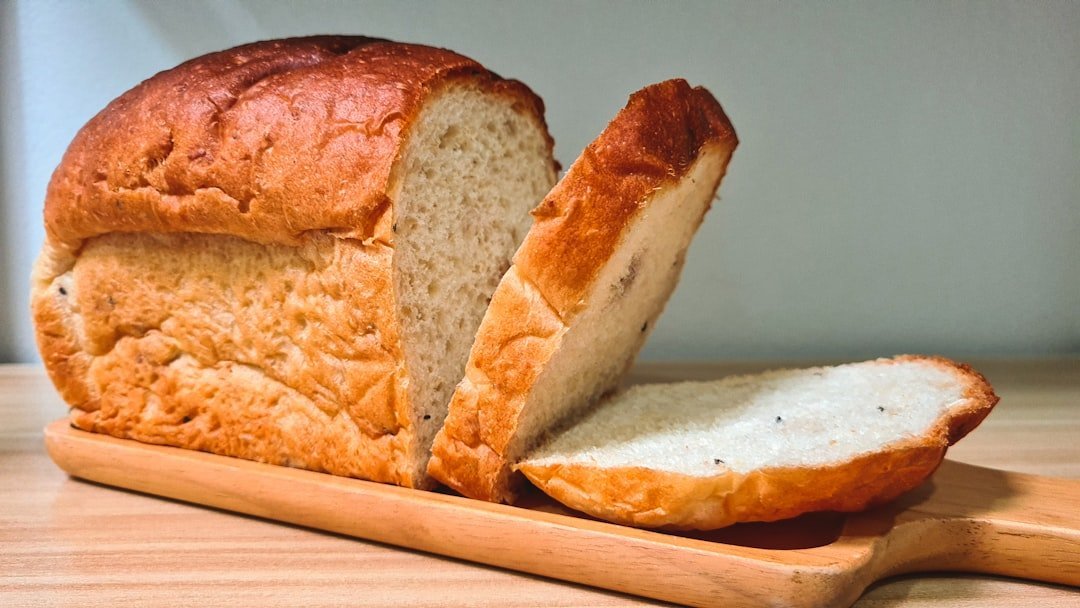
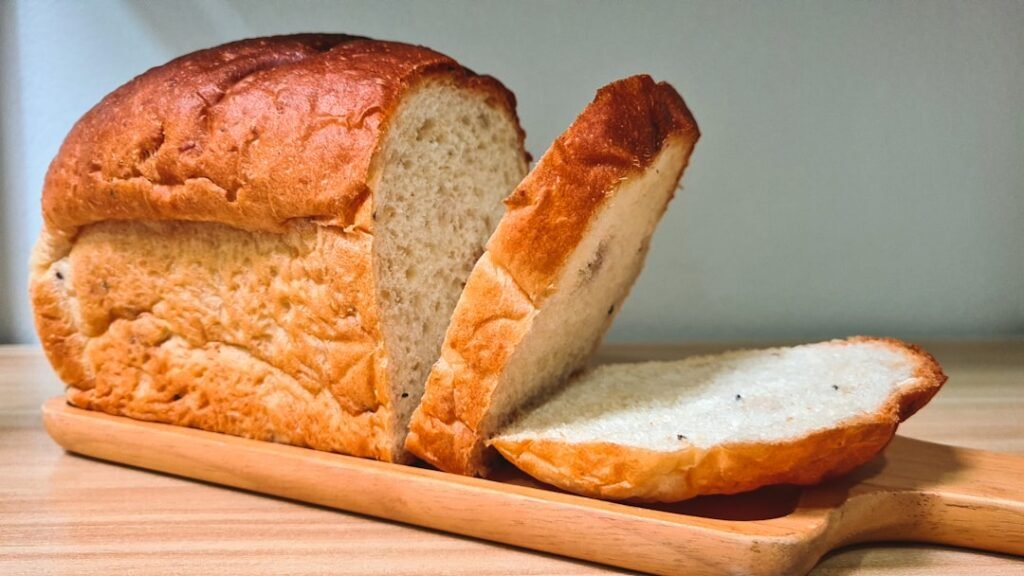
Iowa inventor Otto Rohwedder built the first bread-slicing machine in 1928, slicing entire loaves uniformly after years of development. Chillicothe Baking Company debuted Kleen Maid Sliced Bread, overcoming fears of faster staleness with clever wrapping. It caught on quickly despite initial skepticism.[4]
Pre-sliced loaves simplified toasting and sandwiches, embedding them in lunchboxes and picnics worldwide. Bakeries standardized output, making bread more accessible and uniform. The phrase “greatest thing since sliced bread” captures its enduring role in casual eating.[4]
Quick-Freezing
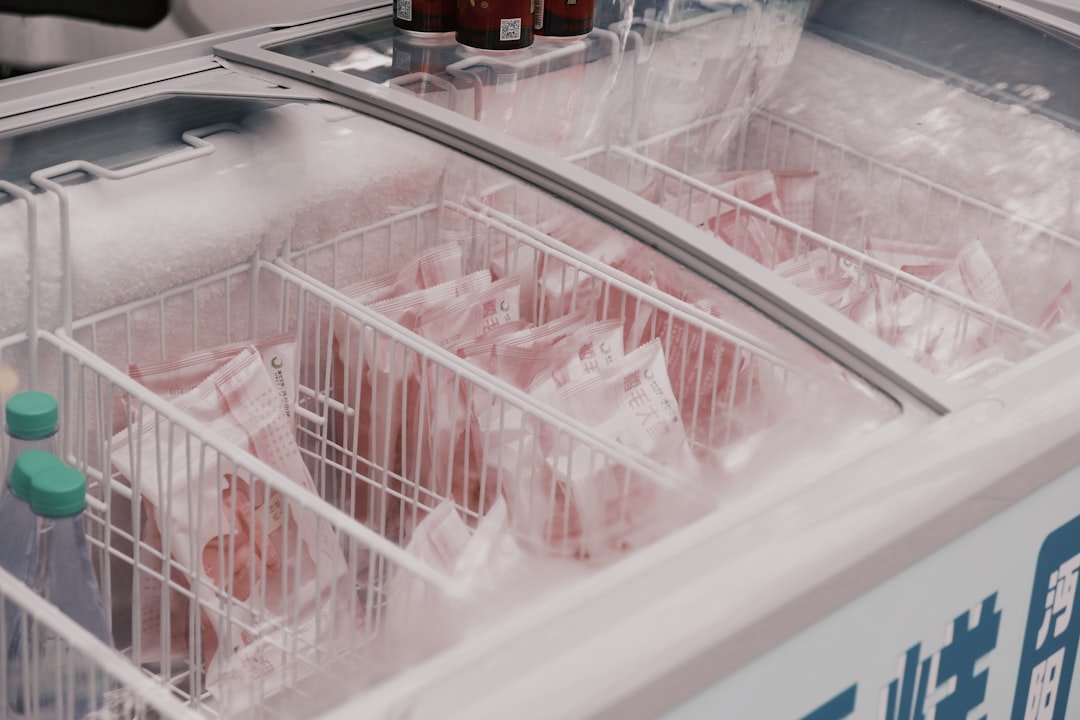
Commercial deep-freezing began in 1923, with Clarence Birdseye pioneering quick-freezing techniques to lock in freshness. Foods flash-frozen at low temperatures preserved texture and nutrients better than slow methods. Ready meals followed by 1945.[2]
Frozen foods exploded choices, from peas to entrees, fitting busy lifestyles with minimal prep. They globalized diets, shipping seafood inland affordably. Freezer aisles now define supermarkets, blending convenience with variety.[1]
Microwave Oven
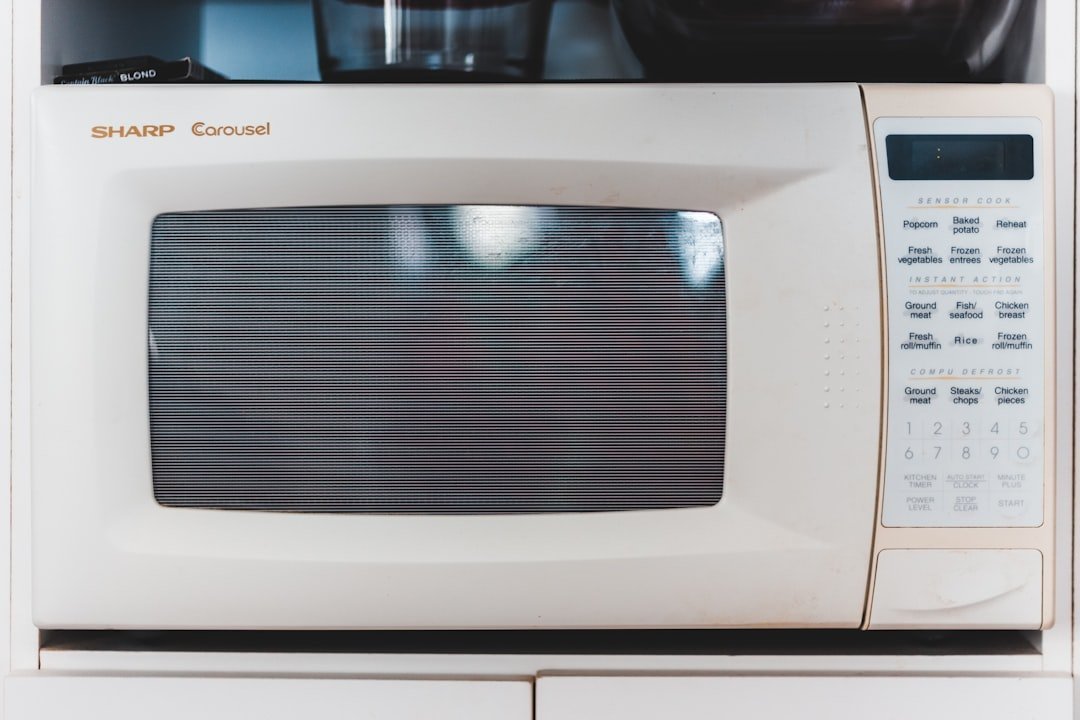
Percy Spencer discovered microwaves’ heating in 1945 when a magnetron melted a candy bar nearby at Raytheon. He patented the oven that year, launching countertop models by 1955. It used radiation to vibrate water molecules for rapid cooking.[4][2]
Microwaves slashed reheating times, reviving leftovers and enabling frozen meal booms. Snacking and solo dining surged as prep barriers fell. They reshaped breakfasts and late nights, prioritizing speed in fast-paced lives.[3]
Tupperware

Earl Tupper introduced Tupperware in 1945, crafting airtight plastic containers from polyethylene scraps. Polyseal lids created vacuum seals, preventing air and odors. Home parties popularized it among homemakers.[3]
These containers streamlined storage, keeping food fresh longer and curbing waste. Meal prepping and portability grew, influencing lunch culture and potlucks. Reusability promoted sustainability before it was trendy, embedding plastics in kitchens.[3]
The Enduring Impact of Culinary Innovation
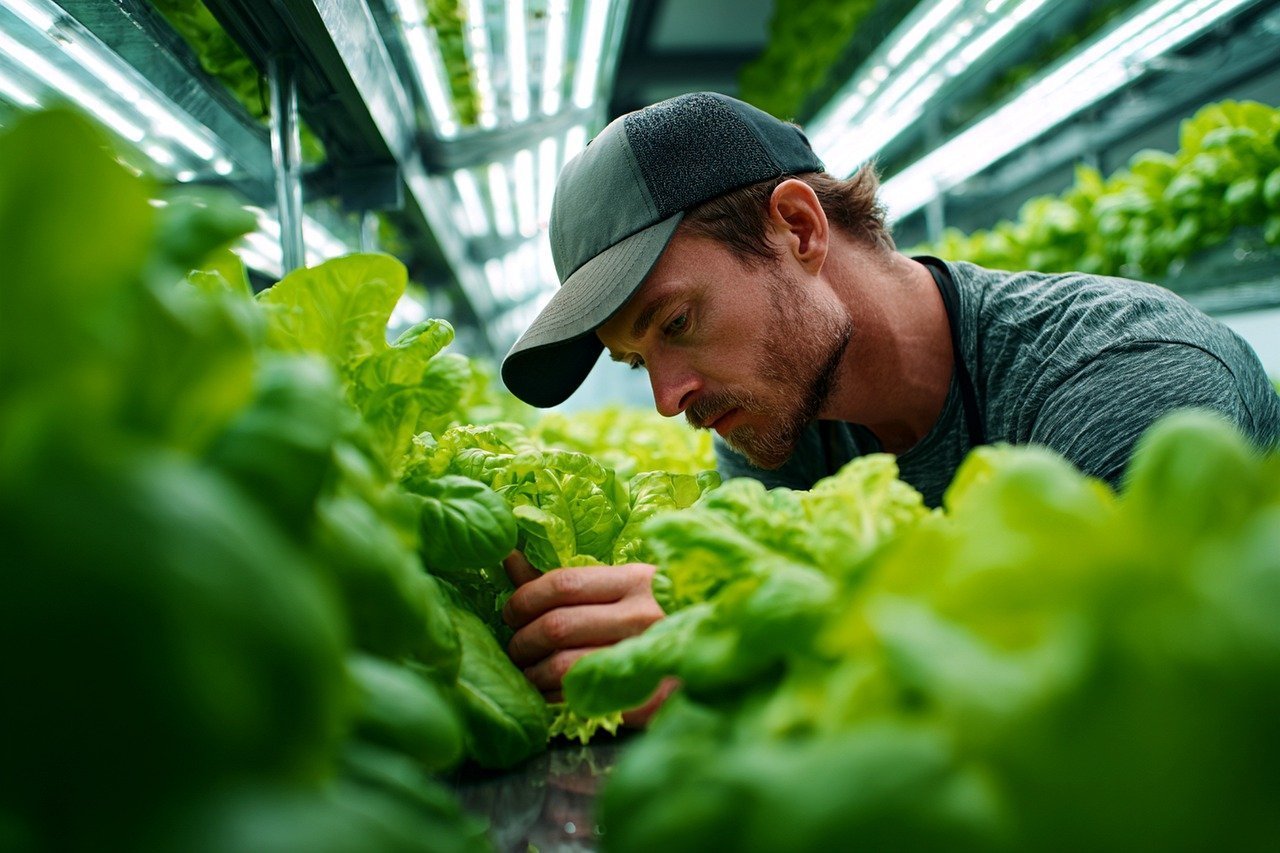
These inventions wove technology into the fabric of meals, stretching abundance across time and space. They democratized good food, easing labor while sparking new traditions. Modern tables reflect this legacy in every opened can or warmed plate.
Looking ahead, ongoing advances build on these foundations, promising even more seamless ways to nourish ourselves. Yet the core lesson remains: simple ideas, pursued relentlessly, redefine daily rituals. Food culture thrives on such quiet revolutions.

Christian Wiedeck, all the way from Germany, loves music festivals, especially in the USA. His articles bring the excitement of these events to readers worldwide.
For any feedback please reach out to info@festivalinside.com
