

- 15 Historical Figures Whose Love Lives Were Dramatically Scandalous. - August 26, 2026
- 15 Iconic Movie Soundtracks That Dramatically Defined Their Films (and Your Memories). - August 26, 2026
- 10 Famous Battles That Were Dramatically Decided by Unlikely Heroes. - August 26, 2026
Film music often works invisibly, yet it pulls viewers deeper into a story. A swelling orchestra can heighten triumph, while a lone violin might underscore quiet despair. These scores shape how audiences feel about characters and events, forging an emotional bond that lingers long after credits roll.
Beyond mood, soundtracks cement a film’s identity in culture. Certain themes become shorthand for genres or eras, instantly evoking the screen. They transform ordinary scenes into unforgettable cinema, blending sound and image into something timeless.[1]
Star Wars (1977) – John Williams
John Williams crafted a sweeping orchestral score drawing from Wagnerian leitmotifs and Holst’s planetary suites. Bold brass fanfares announce the main theme during the iconic opening crawl, while the Force theme builds during heroic moments like Luke’s triumphs. Subtle cues heighten lightsaber duels and space battles, making the galaxy feel vast and alive.
This soundtrack earned an Academy Award and topped the AFI’s greatest scores list.[1] It influenced countless blockbusters, with its themes parodied and performed worldwide. Fans still hum the Imperial March at villainous nods, proving its grip on collective memory.
Gone with the Wind (1939) – Max Steiner
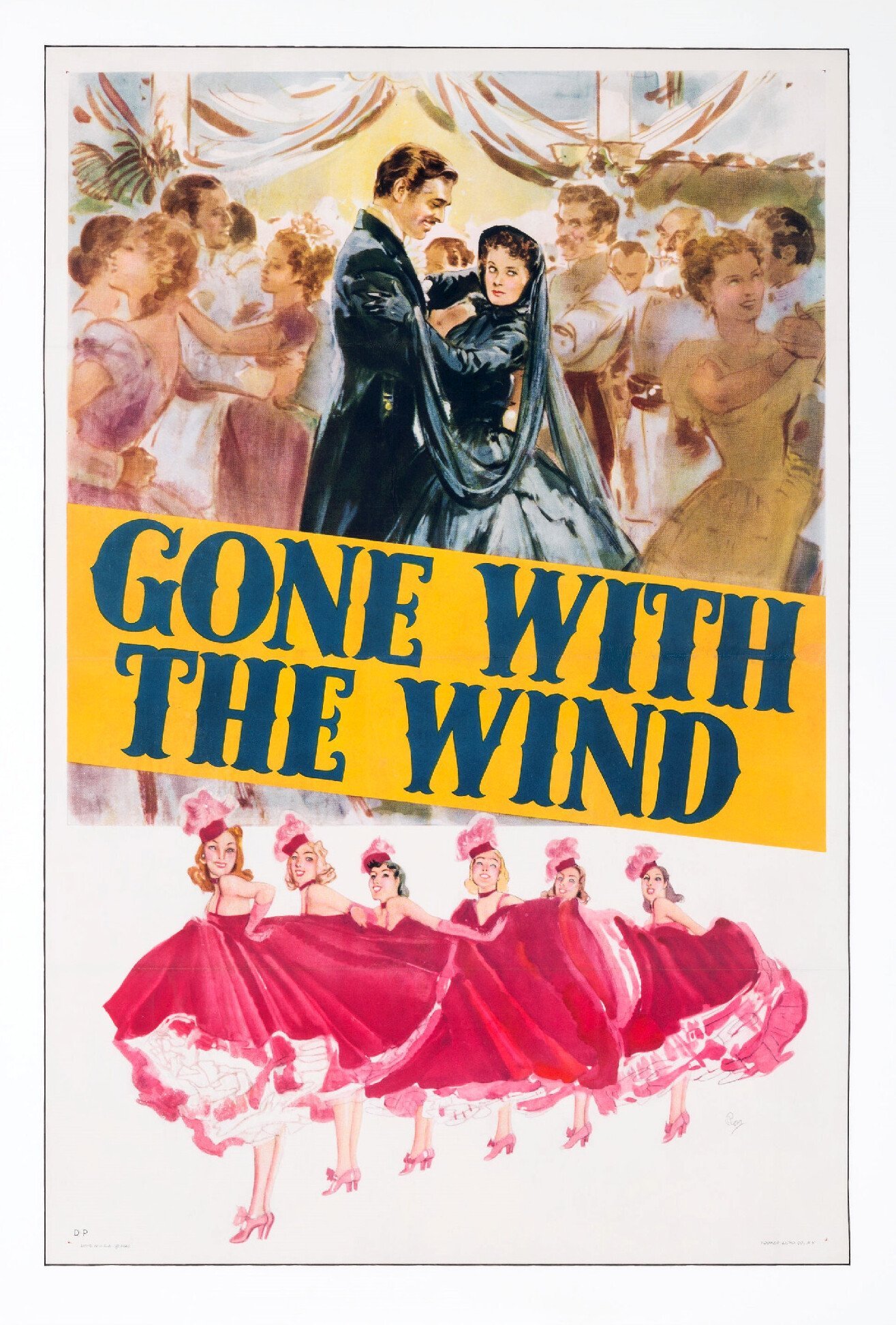
Max Steiner’s lush score employs a full symphony to mirror the epic scope of Civil War romance. Tara’s theme, with its poignant strings, plays over sweeping plantation shots and Scarlett’s resilient arcs. Romantic swells accompany Rhett and Scarlett’s turbulent passion, amplifying melodrama.
Often called the first complete film score, it set standards for Hollywood orchestration.[1] The music endures in revivals and references, symbolizing lost grandeur. Its emotional depth helped the film become a cultural cornerstone.
Lawrence of Arabia (1962) – Maurice Jarre

Maurice Jarre used exotic reeds and pounding percussion to evoke desert vastness. The main theme’s soaring oboe rises during T.E. Lawrence’s transformative crossings, syncing with endless dunes. Tense motifs underscore tribal conflicts and personal doubts.
A three-time Oscar winner’s work, it ranks high on AFI lists for epic sweep.[1] The score boosted symphonic film music’s prestige and remains a benchmark for adventure tales. Audiences associate its strains with heroism amid isolation.
Psycho (1960) – Bernard Herrmann
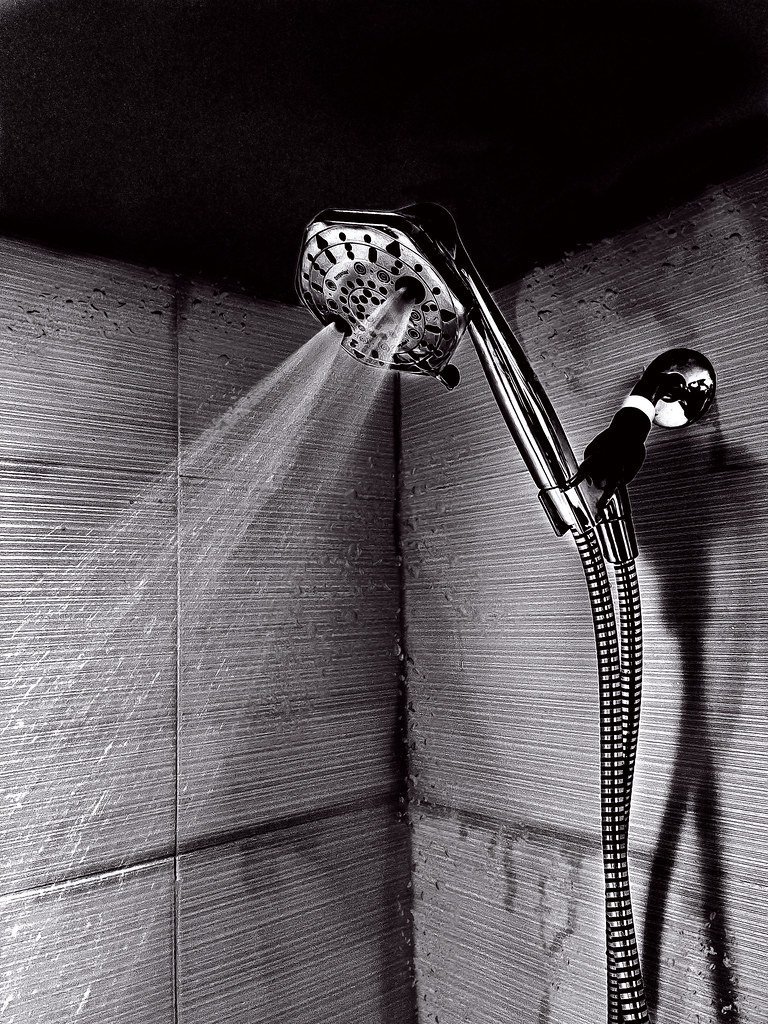
Bernard Herrmann’s all-strings score delivers shrieking violins in the infamous shower scene, mimicking knife stabs. Subdued cues follow Marion’s flight, building paranoia with ostinatos. The prelude sets a noirish unease from the start.
This revolutionized horror scoring, earning AFI acclaim.[1] Its motifs permeate slashers and thrillers, with the screech alone evoking terror. Herrmann’s innovation shaped psychological tension in cinema.
The Godfather (1972) – Nino Rota
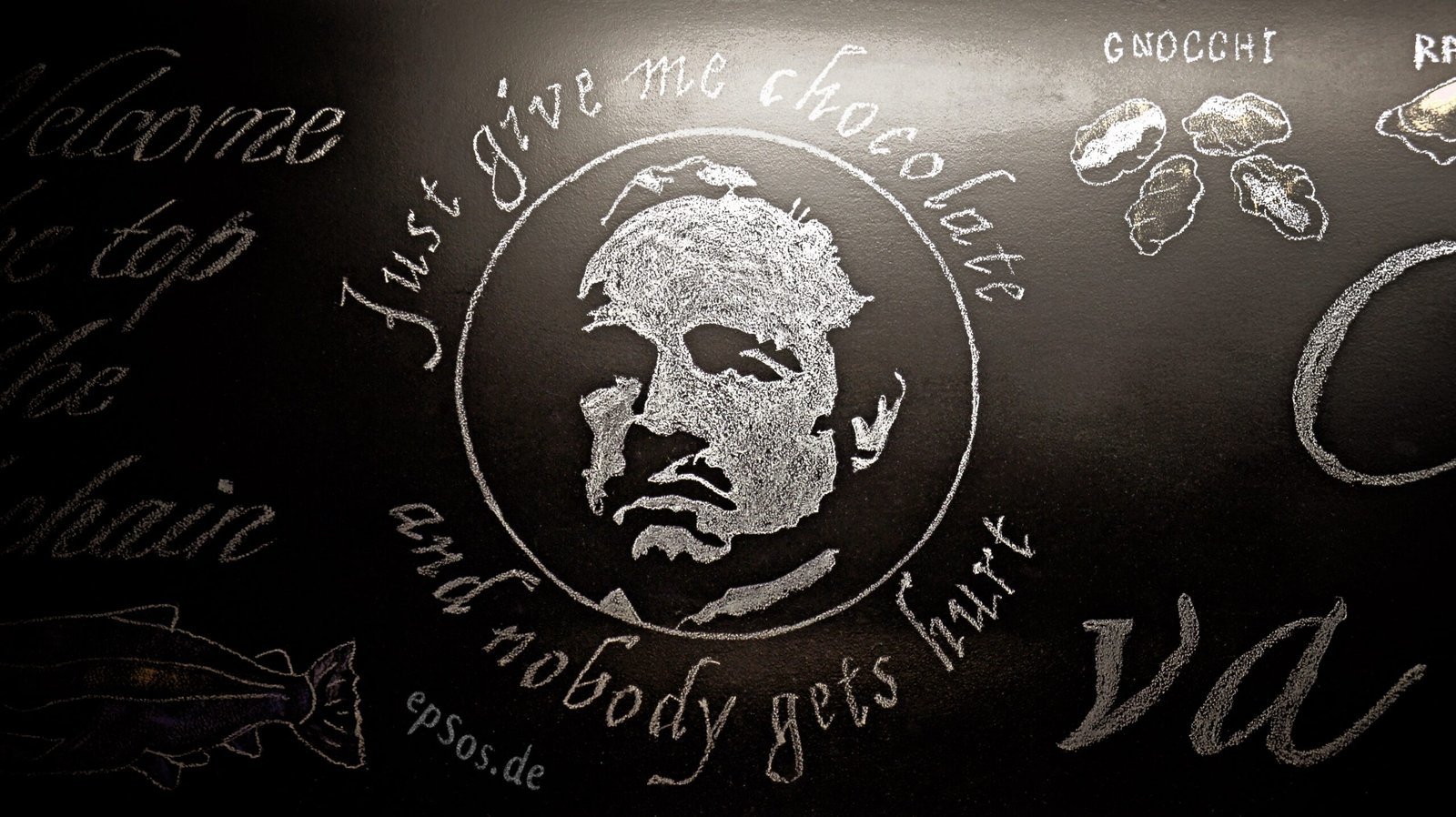
Nino Rota blended mandolins and somber brass for Italian-American family saga vibes. The haunting main theme waltz underscores baptism montages of violence. Love themes soften mafia power plays, contrasting tenderness and brutality.
Rota’s work secured an Oscar nod and AFI ranking.[1] It defined crime epic sound, influencing mob stories. The trumpet motif became synonymous with Corleone legacy.
Jaws (1975) – John Williams

John Williams’ two-note ostinato on bass mimics the shark’s relentless approach. It swells during beach attacks and underwater hunts, spiking dread. Lighter themes contrast for human moments amid Amity Island panic.
An Oscar winner, it sits high on AFI lists.[1] The motif instilled ocean fears globally, parodying summer blockbusters. Simple genius redefined suspense scoring.
Laura (1944) – David Raksin
David Raksin’s romantic theme for piano and orchestra haunts detective’s obsession. It recurs as layers of Laura’s life unfold, blending mystery with longing. Subtle variations mirror plot twists.
A film noir staple, AFI recognized its emotional pull.[1] The theme charted as a hit, bridging screen and pop culture. It influenced detective genre melodies.
The Magnificent Seven (1960) – Elmer Bernstein

Elmer Bernstein’s bold brass march drives cowboy heroism in village defense. Fanfares rally gunmen, while plaintive horns evoke Mexican peril. Rhythmic pulses sync with gallops and shootouts.
AFI-honored, it spawned a western archetype.[1] Themes covered endlessly, defining oater sound. Bernstein’s vigor energized the genre.
Chinatown (1974) – Jerry Goldsmith
Jerry Goldsmith mixed jazz trumpet with ominous strings for 1930s corruption tale. The sultry theme plays over detective entanglements, heightening betrayal. Percussive tension builds water wars.
Oscar-nominated and AFI-listed.[1] It captured neo-noir grit, influencing intrigue scores. Legacy ties to moral ambiguity.
High Noon (1952) – Dimitri Tiomkin
Dimitri Tiomkin’s ballad-driven score ticks like a clock toward showdown. Doomed marshal’s theme repeats in verses, underscoring isolation. Orchestral swells amp gunfight stakes.
Double Oscar winner, AFI classic.[1] “Do Not Forsake Me” pioneered sung narration. It shaped lone hero westerns.
The Adventures of Robin Hood (1938) – Erich Wolfgang Korngold
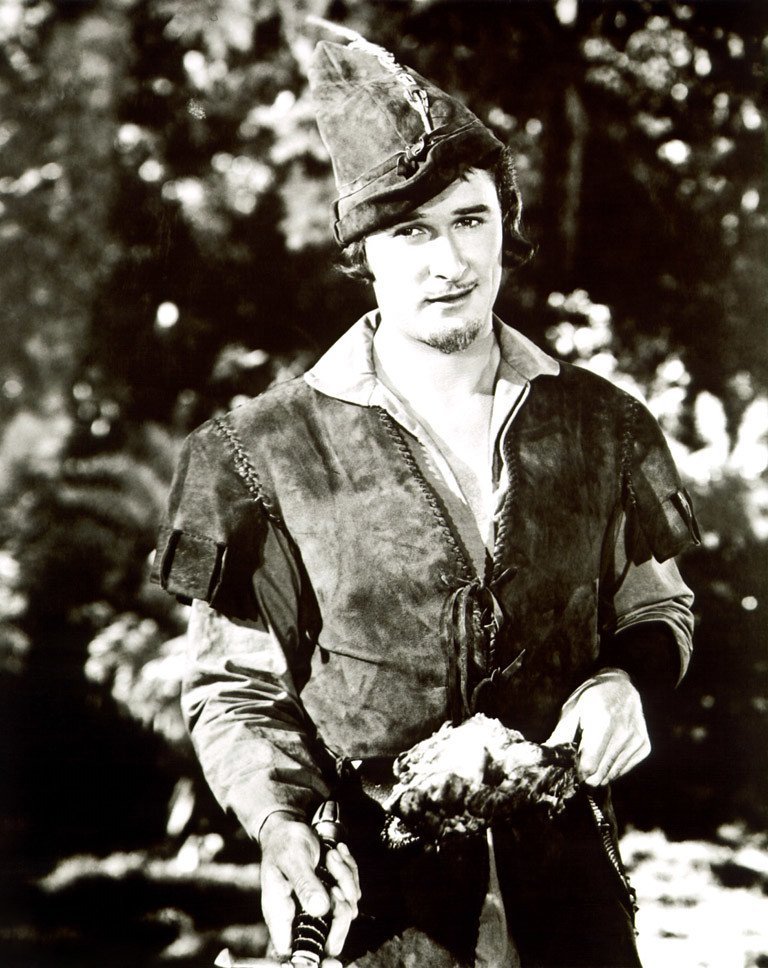
Erich Korngold’s operatic score bursts with horns for Sherwood exploits. Joyful themes chase merry men raids, majestic for royal clashes. Lush strings romance Maid Marian.
AFI gem from Golden Age.[1] Revived swashbuckler tradition, earning Oscars. Korngold elevated adventure music.
Vertigo (1958) – Bernard Herrmann
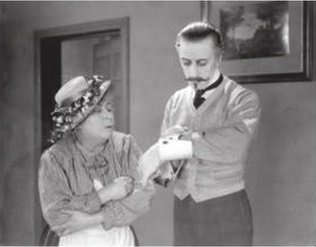
Bernard Herrmann’s swirling strings spiral in obsession cues, echoing dizzying heights. Romantic motifs fracture with identity reveals. Harp glissandi mimic vertigo descents.
AFI-ranked Hitchcock mastery.[1] Influenced psychological thrillers profoundly. Its romance-torment blend endures.
King Kong (1933) – Max Steiner
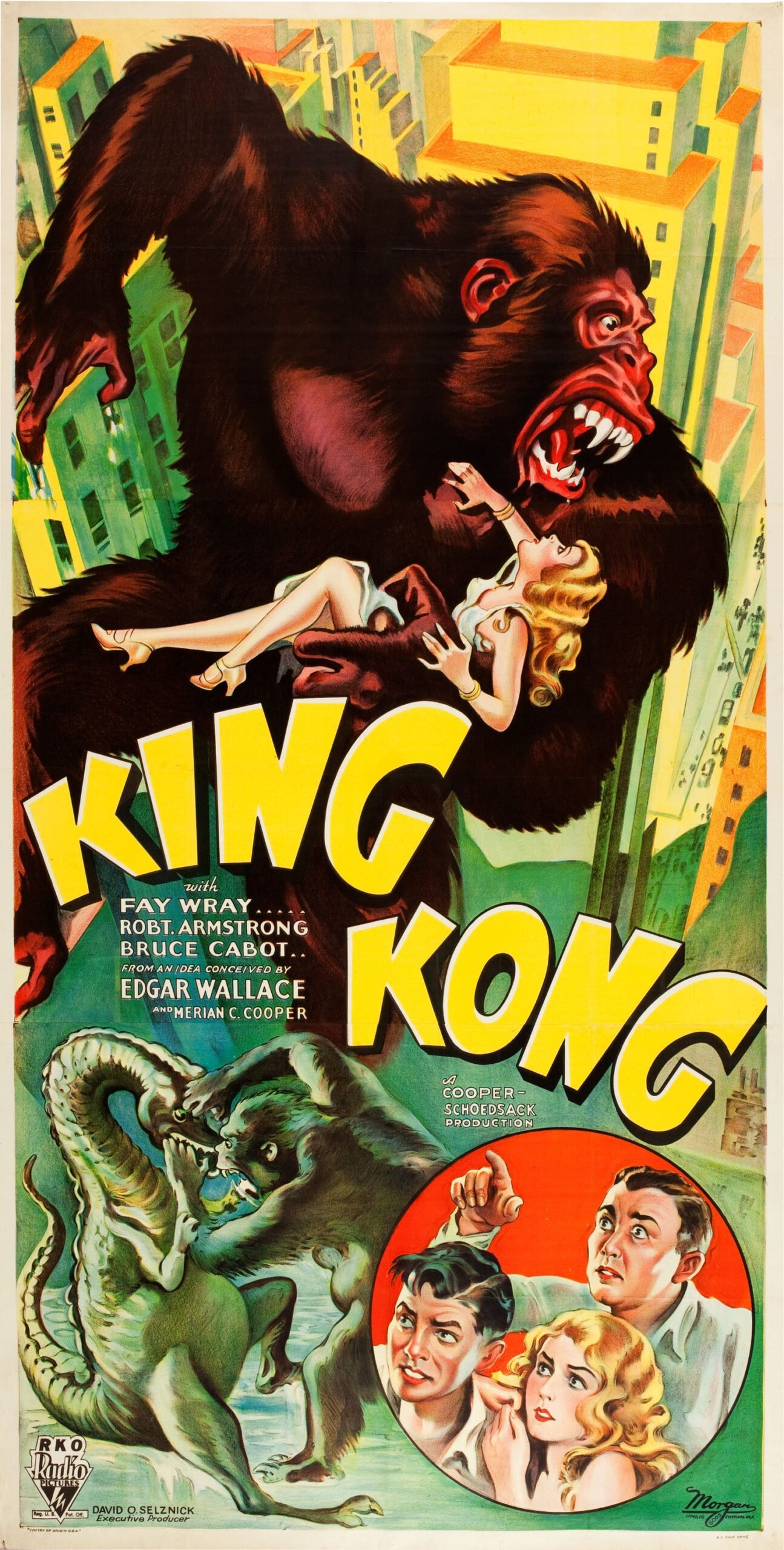
Max Steiner’s pioneering score roars with brass for beast rampages. Tender themes soften ape-human bond atop Empire State. Jungle percussion heightens Skull Island perils.
AFI credits it as foundational.[1] First full symphonic track, birthed monster movie sound. Legacy thunders in kaiju tales.
E.T. the Extra-Terrestrial (1982) – John Williams

John Williams weaves celestial themes with boyish wonder via piano and synth. Flying bike motif soars in moonlit chases. Heart-tugging finale bids alien farewell.
AFI top-tier, Oscar-nominated.[1] Defined family sci-fi warmth. “Flying Theme” evokes childhood magic universally.
Out of Africa (1985) – John Barry

John Barry’s sweeping horns and piano evoke Kenyan expanses. Main theme graces safari vistas and budding romance. African rhythms blend with romance swells.
Oscar winner, AFI-honored.[1] Captured colonial nostalgia, charting hits. Barry’s lyricism lingers in epic romances.
Conclusion
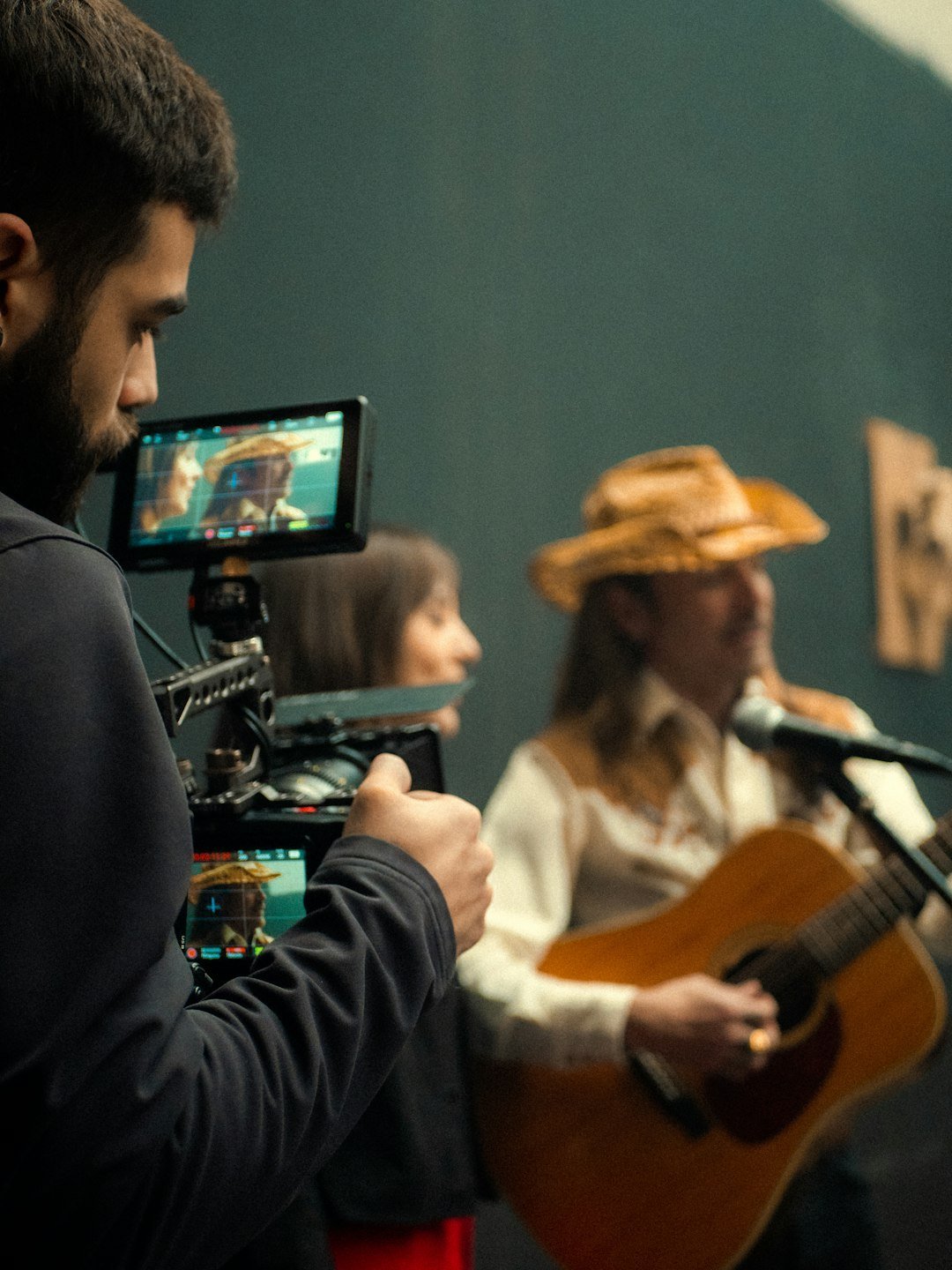
These soundtracks prove music’s alchemy in cinema, turning visuals into visceral experiences. From shrieks to symphonies, they amplify stakes and embed stories in psyches.
Generations later, a familiar note revives entire worlds. Cinematic music endures, whispering across time that some art truly defines memory.[1]

Besides founding Festivaltopia, Luca is the co founder of trib, an art and fashion collectiv you find on several regional events and online. Also he is part of the management board at HORiZONTE, a group travel provider in Germany.
