

- 8 Gardening Hacks That Will Make Your Roses Bloom Like Never Before - August 11, 2026
- 8 Incredible Beaches Around the World You Won’t Believe Are Real - August 11, 2026
- 10 Classical Music Masterpieces That Will Transport You Through Time - August 11, 2026
In the grand sweep of warfare, massive armies clash and strategies unfold over vast fields. Yet history reveals moments when one person’s resolve tips the scales.
These instances remind us that amid the chaos of battle, individual courage can seize victory from apparent defeat. Such stories span centuries and continents, highlighting human grit in the face of overwhelming odds.[1][2]
Defense of the Sublician Bridge
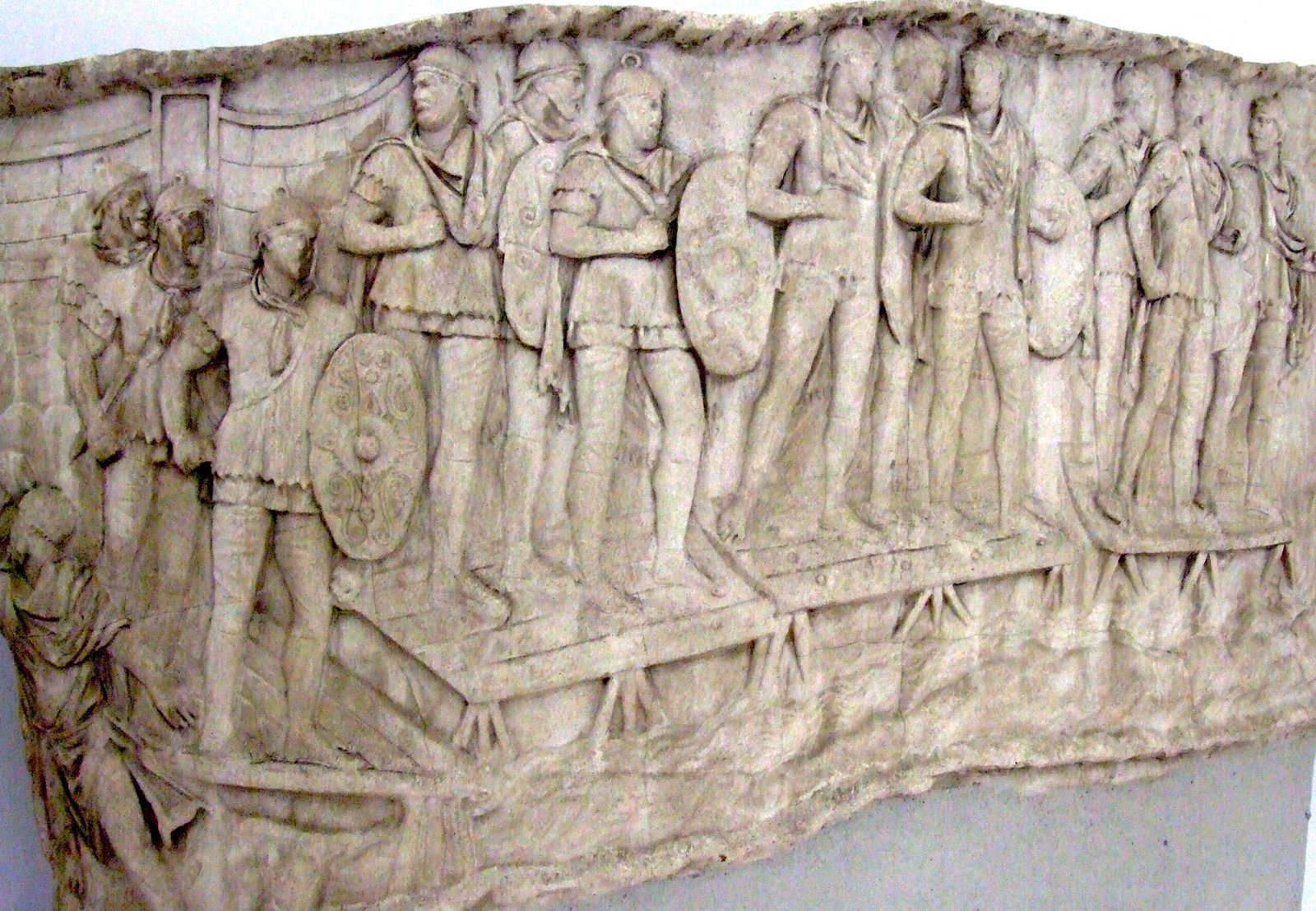
The early Roman Republic faced invasion from the Etruscan king Lars Porsena around 509 BC. Roman forces scrambled to protect the city as enemies advanced across the Tiber River via the narrow Sublician Bridge. Destroying the bridge became essential to halt the assault, but guards had to hold the crossing first.
Horatius Cocles, a one-eyed centurion, stepped forward with two comrades to defend the span. They repelled waves of Etruscans long enough for sappers to chop the structure down. Horatius swam back amid arrows, saving Rome from immediate peril.[3]
Battle of Stamford Bridge
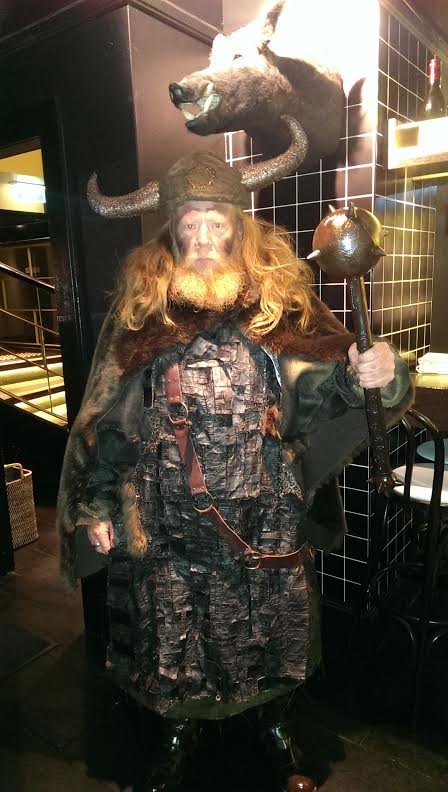
King Harald Hardrada of Norway invaded England in 1066, aiming to claim the throne. King Harold Godwinson marched north to confront the Vikings at Stamford Bridge. The Norwegians, caught bathing without armor, rushed to form defenses across a narrow bridge.
An unnamed berserker Viking warrior seized the moment, wielding a Dane axe to block the crossing alone. He felled dozens of English soldiers, buying crucial time for his comrades to organize. Killed by a spear thrust from below, his stand delayed the rout just long enough to enter legend.[1][4]
Siege of Orléans
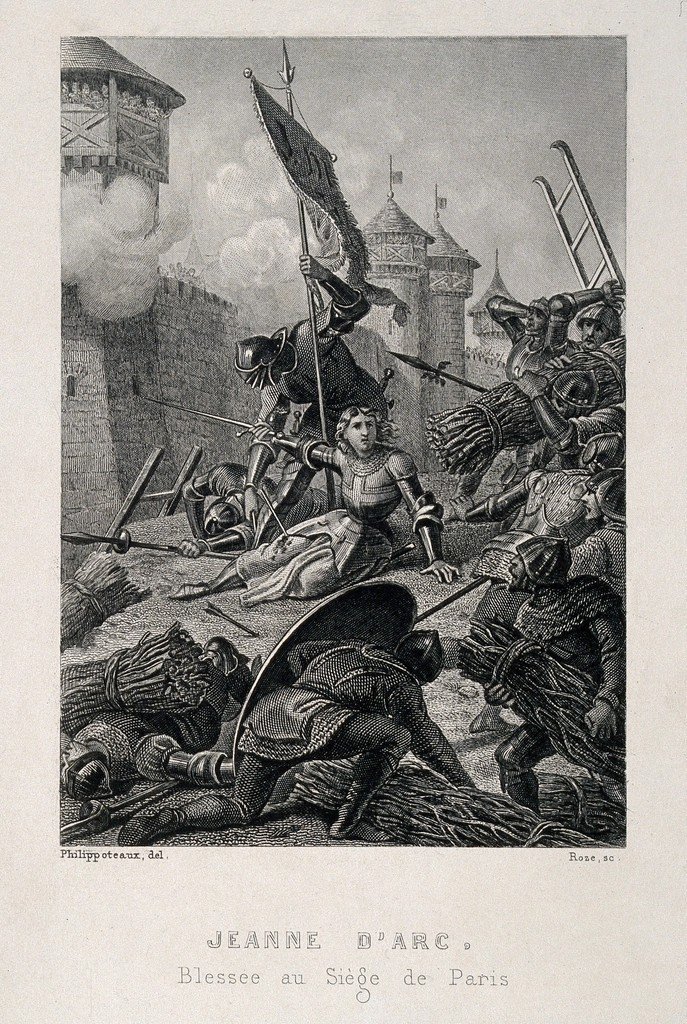
The Hundred Years’ War pinned France against England in 1428, with Orléans under brutal siege. English forces starved the city, threatening total collapse. French morale plummeted as defeat loomed across the realm.
Joan of Arc, a teenage peasant girl claiming divine visions, rallied the defenders. She inspired attacks that lifted the siege in just nine days, reversing the war’s tide. Her leadership sparked French resurgence, paving the way for victory at Patay.
Battle of the Garigliano River
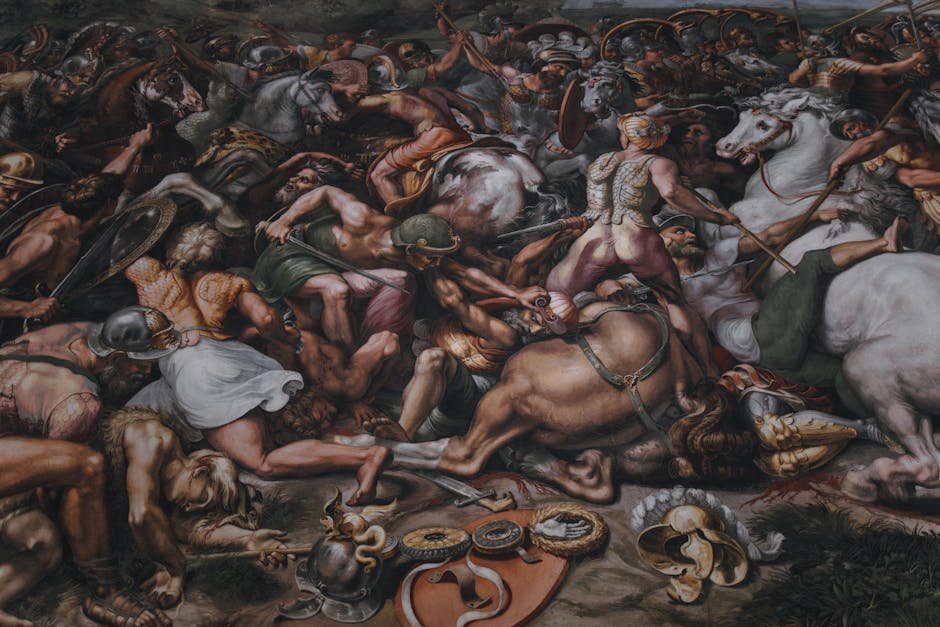
During the 1503 Italian Wars, French and Spanish armies vied for control in southern Italy. A key bridge over the Garigliano became the frontline as winter rains swelled the river. Spanish forces pressed to cross and outflank the French.
Pierre Terrail, seigneur de Bayard, known as the knight without fear, held the bridge single-handedly. Armed with sword and buckler, he repulsed hundreds for hours until reinforcements arrived. His feat secured the position and boosted French spirits amid the campaign.[5]
Battle of Little Round Top
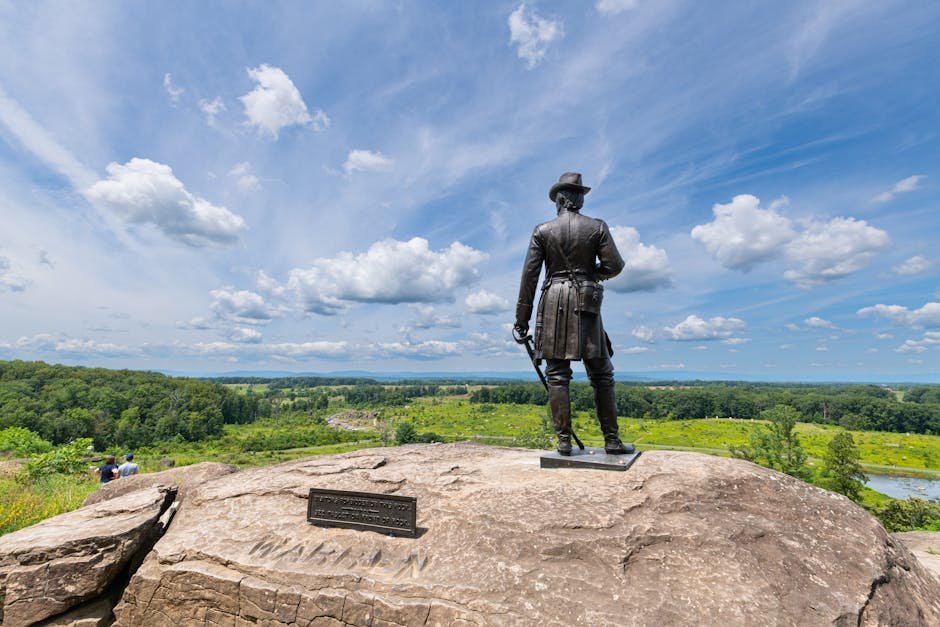
Gettysburg’s second day in 1863 saw Union lines stretched thin on Cemetery Ridge. Little Round Top, a rocky hill, anchored the left flank but stood nearly undefended. Confederate troops under Longstreet aimed to seize it and roll up the army.
Joshua Lawrence Chamberlain, a Bowdoin College professor turned colonel, commanded the 20th Maine there. Out of ammunition, he ordered a desperate bayonet charge down the slopes. The audacious move routed the attackers, preserving the Union position.
Battle of Adobe Walls
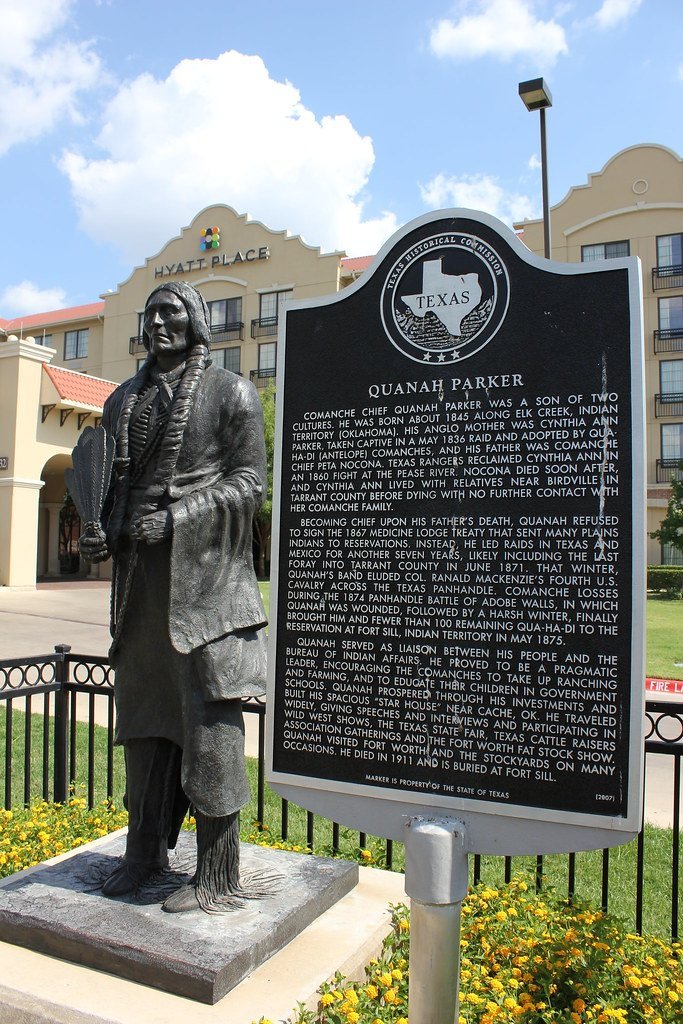
Buffalo hunters fortified Adobe Walls in 1874 Texas Panhandle against Comanche and Kiowa warriors. Roughly 700 Native Americans under Quanah Parker attacked the outpost at dawn. The defenders, outnumbered, faced annihilation in the Second Battle of Adobe Walls.
Billy Dixon, a skilled scout and hunter, spotted a distant chief on horseback. From 1,538 yards with a Sharps rifle, he fired a shot that killed the leader. The strike shattered enemy morale, prompting retreat and saving the settlement.[6]
Battle of Myeongnyang
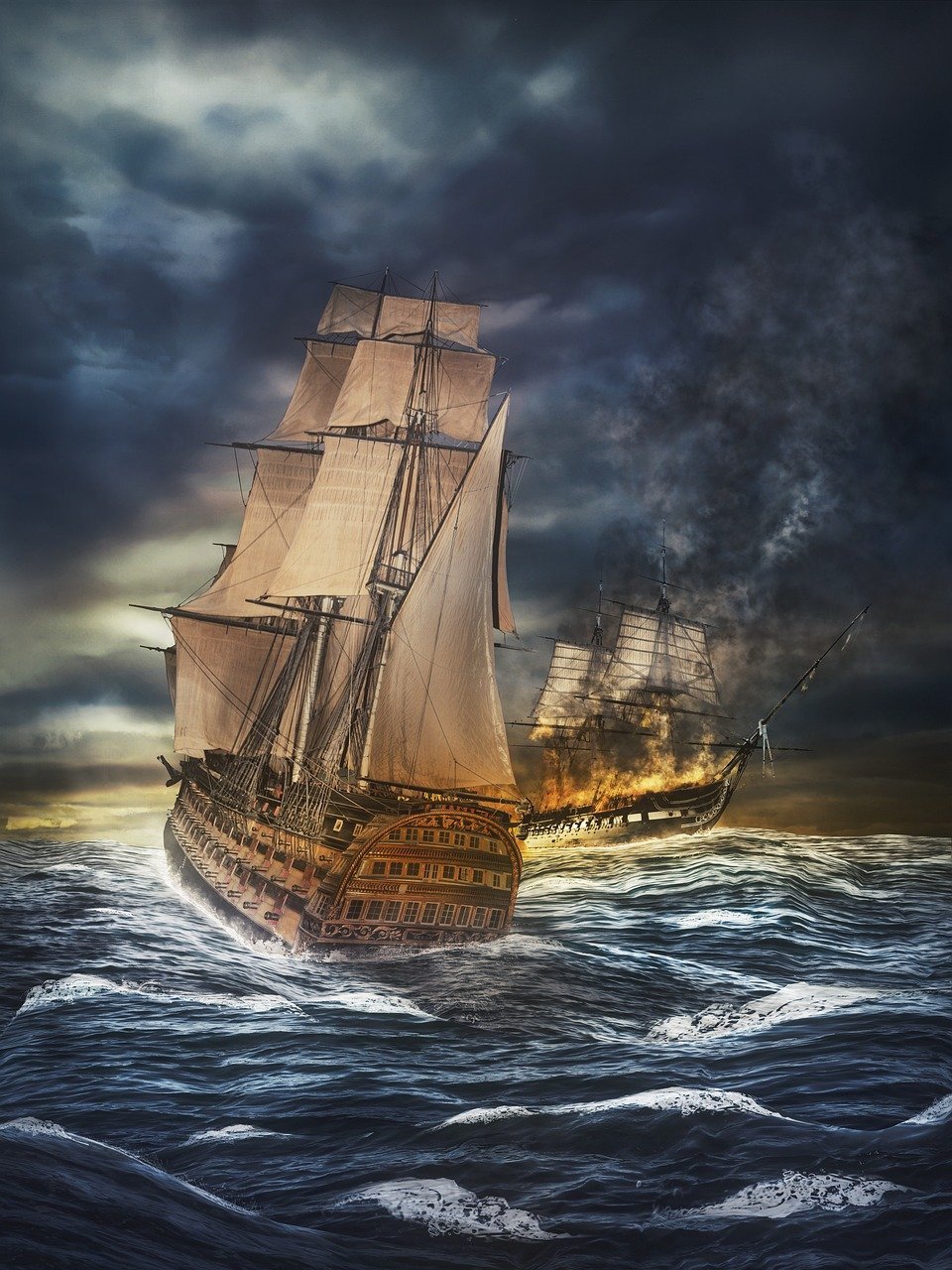
In 1597, during Japan’s invasion of Korea, Admiral Yi Sun-sin faced 133 enemy ships with just 13. Reinstated after false disgrace, he chose a treacherous strait for ambush. Japanese fleets dominated the seas, threatening Korean survival.
Yi exploited currents and rocks, sinking dozens while losing none. His tactical genius and unyielding command turned impossible odds into a crushing victory. The battle preserved Korea’s navy for final expulsion of invaders.[7]
Battle of Holtzwihr
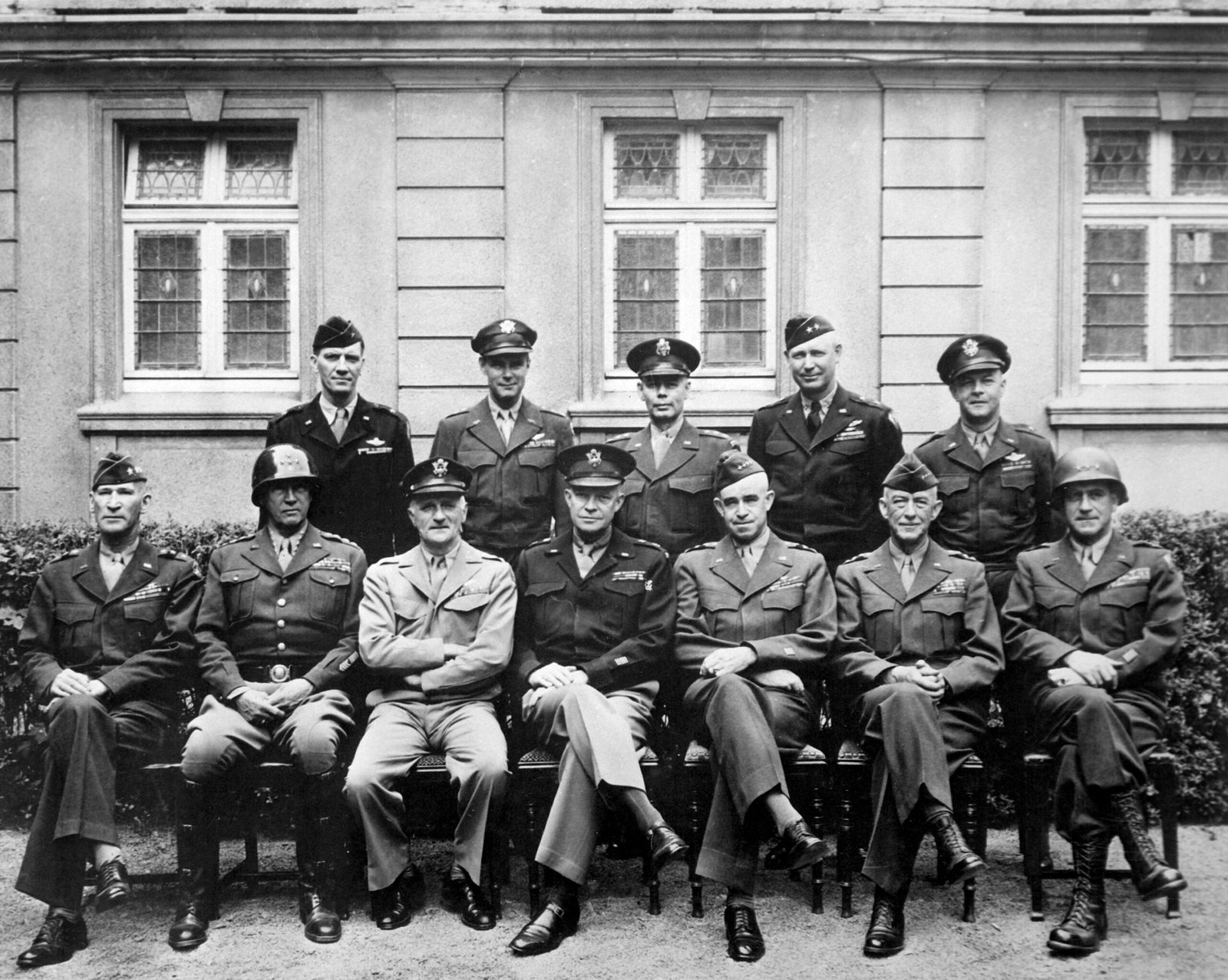
January 1945 found American forces in the Colmar Pocket, Alsace, pushing Germans back. Company F of the 15th Infantry faced counterattack by two SS battalions. Snowy fields left the GIs exposed and low on men.
Sergeant Audie Murphy, a slight 19-year-old farm boy, climbed a burning tank destroyer. With its.50-caliber machine gun, he held off 250 enemies for an hour, calling artillery on his position. His stand halted the assault, earning the Medal of Honor.
Defense of L’Epinette
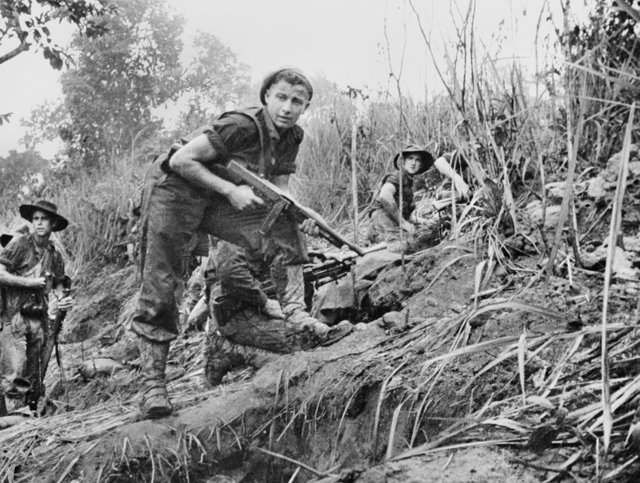
During the 1940 Battle of France, British commandos raided behind German lines near L’Epinette. Outnumbered in the chaos of Dunkirk’s prelude, they targeted a strongpoint. The action tested raw resolve against blitzkrieg momentum.
Lieutenant Jack Churchill, armed with longbow and broadsword, led the charge playing bagpipes. He killed a German sergeant with an arrow, then captured 42 troops. His eccentric bravery secured the objective, aiding the wider retreat.
Battle of Remagen
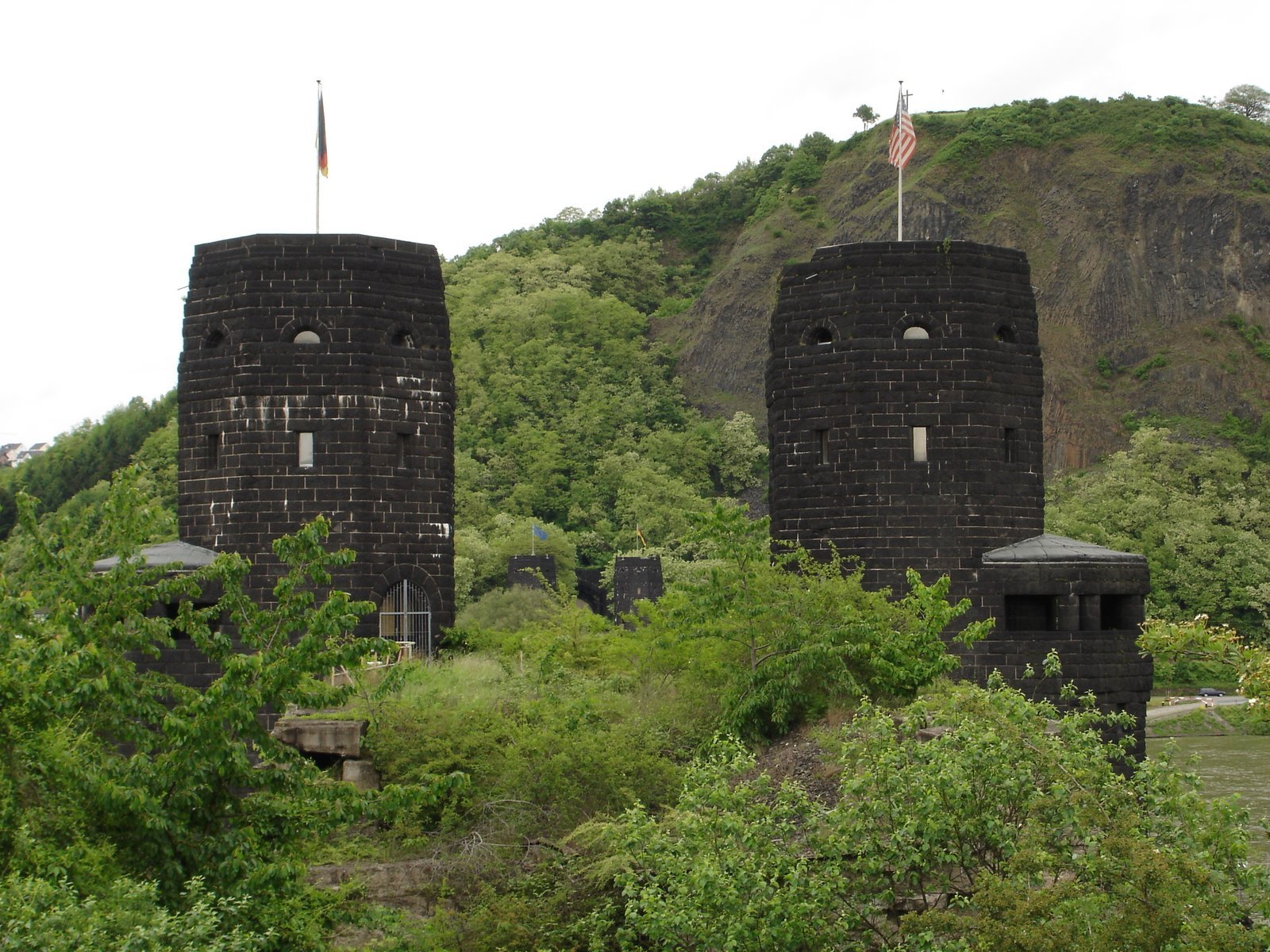
As Allies crossed the Rhine in March 1945, the Ludendorff Bridge at Remagen stood intact. Germans rushed to demolish it, but U.S. troops spotted the span first. Capturing it meant a Rhine foothold, shortening the war.
Lieutenant Karl Timmermann, a 20-year-old from Missouri, led the first squad across under fire. Despite wounds, he cleared the towers, enabling engineers to secure the bridge. His initiative flooded Germany with Allies months early.[8]
Conclusion
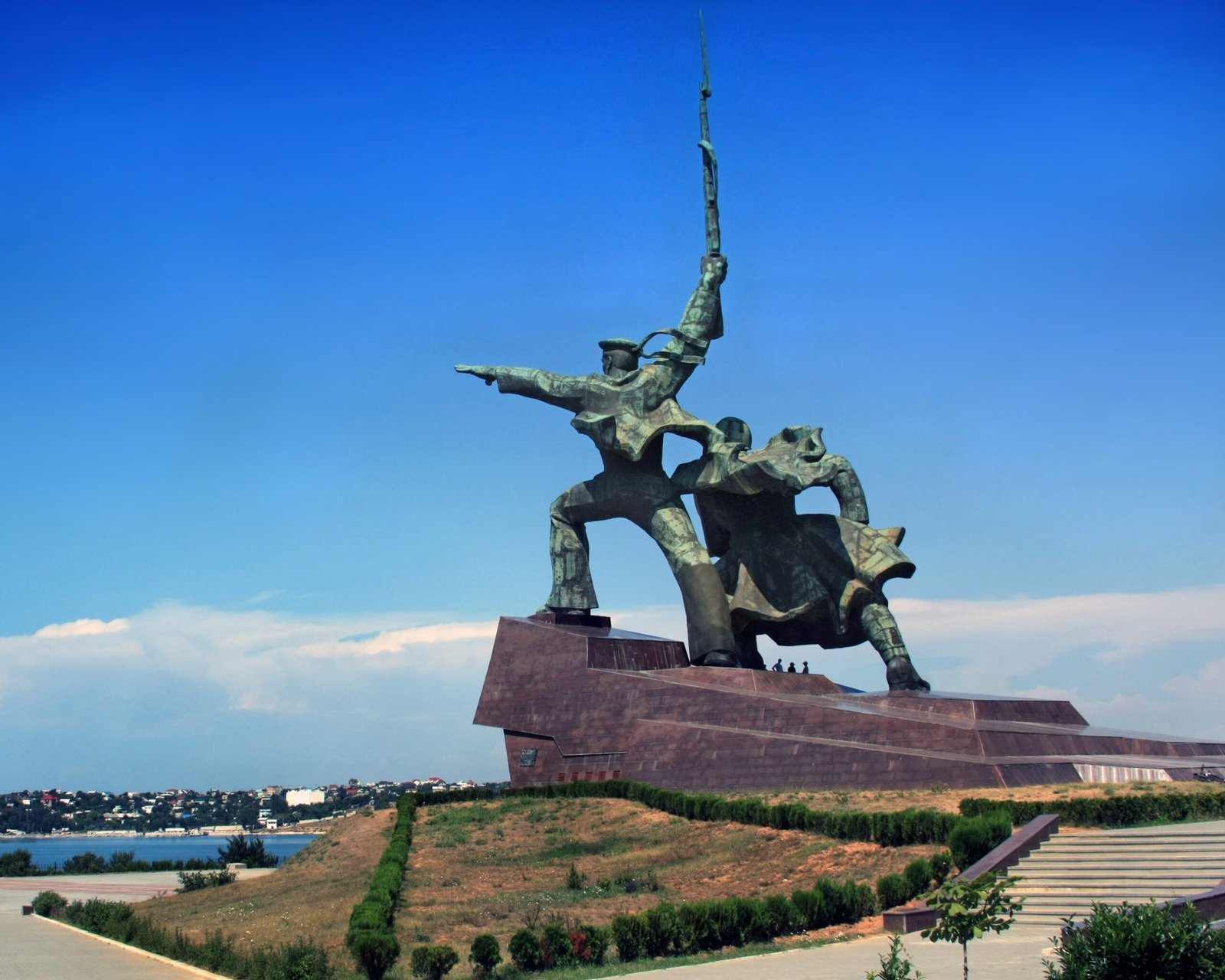
These tales underscore how one determined soul can alter history’s course. Armies may plan and clash, yet personal valor often proves decisive.
Warfare’s lessons linger not just in tactics, but in the enduring power of unlikely individuals rising when fate demands it.

Besides founding Festivaltopia, Luca is the co founder of trib, an art and fashion collectiv you find on several regional events and online. Also he is part of the management board at HORiZONTE, a group travel provider in Germany.
